
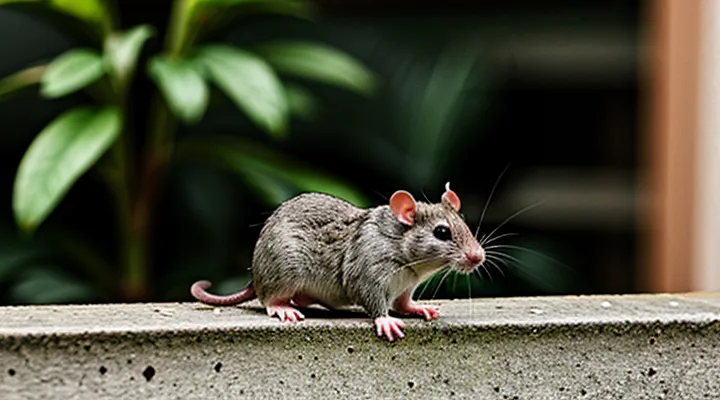
The Social Lives of Rats
Understanding Rat Social Structures
Rats are highly social mammals whose survival and reproductive success depend on complex group dynamics. In wild colonies, individuals form hierarchical structures where dominant males and females control access to resources and breeding opportunities. Subordinate members contribute to the colony by participating in foraging, nest maintenance, and predator vigilance, reinforcing cohesion without direct reproductive involvement.
Breeding pairs typically emerge from the dominant tier, yet the presence of a partner is not uniformly required for all individuals. Female rats can experience estrus cycles regardless of male proximity, but successful fertilization and litter rearing are markedly more efficient within a stable pair. Males benefit from mate fidelity through increased offspring survival and reduced competition, while solitary males may still achieve reproduction through opportunistic mating, albeit with lower success rates.
Key elements of rat social organization include:
- Dominance hierarchy: Establishes order, reduces conflict, and allocates mating rights.
- Cooperative care: Both parents often engage in pup grooming, nest building, and feeding, enhancing neonatal development.
- Communication network: Ultrasonic vocalizations and scent marking coordinate group activities and signal reproductive status.
- Territoriality: Overlapping home ranges encourage interaction but maintain defined boundaries to limit aggression.
Understanding these structures clarifies why a rat’s need for a mate varies with its rank, environment, and reproductive strategy. Dominant individuals rely on pair bonds for optimal reproductive output, whereas lower‑ranking rats may persist without a permanent partner, relying on occasional mating opportunities within the colony.
The Importance of Companionship for Rats
Rats are inherently gregarious; they organize into colonies in the wild and display natural affiliative behaviors such as grooming, huddling, and vocal exchanges. Laboratory observations confirm that individuals housed alone exhibit elevated stress hormones, repetitive pacing, and diminished immune function compared with paired counterparts.
Isolation produces measurable physiological changes: cortisol spikes persist for weeks, weight gain slows, and mortality rates increase by up to 30 % in long‑term solitary housing. Behavioral anomalies—including self‑injury, reduced exploration, and loss of normal social play—appear consistently across strains when contact with conspecifics is denied.
Companionship delivers several specific advantages:
- Stress mitigation – paired rats maintain baseline cortisol levels and show rapid recovery after novel stimuli.
- Enhanced grooming – mutual cleaning removes parasites, reduces skin infections, and reinforces social bonds.
- Cognitive stimulation – interactive play improves maze performance and problem‑solving speed.
- Reproductive health – regular mating opportunities sustain normal hormonal cycles and fertility.
- Longevity – studies report a 15–20 % extension of average lifespan for socially housed animals.
For owners, the most reliable protocol is to introduce at least one same‑sex or opposite‑sex companion of similar age and temperament. Provide a spacious cage with multiple shelters, nesting material, and enrichment objects to accommodate hierarchical dynamics and prevent competition. Monitor interactions during the initial acclimation period; intervene only if persistent aggression or injury occurs.
In summary, the presence of a fellow rat fulfills essential biological and behavioral requirements, directly influencing health outcomes, mental stability, and overall welfare. Maintaining social contact is therefore a non‑optional component of responsible rat care.
Reproduction and Mating Behavior
The Instinct to Reproduce
Sexual Maturity in Rats
Rats reach sexual maturity rapidly, with males typically becoming fertile between 5 and 6 weeks of age and females between 6 and 8 weeks. Hormonal markers include a rise in testosterone for males and the onset of regular estrous cycles for females. Physical indicators are enlarged testes in males and vaginal opening with observable estrus swelling in females.
Key physiological changes at maturity:
- Testicular growth and sperm production in males.
- First estrus and subsequent 4‑day cycle in females.
- Increased body weight gain of 10–15 % above juvenile levels.
- Development of secondary sexual characteristics, such as thicker fur in males.
Fertility peaks shortly after maturity and declines with age. In breeding colonies, pairing rats soon after these milestones maximizes litter size and reduces the interval between litters. Conversely, solitary housing of mature individuals does not impair reproductive capacity but eliminates the opportunity for natural mating, leading to reliance on artificial insemination or hormonal induction for offspring production.
Mating Rituals and Behaviors
Rats exhibit a structured sequence of courtship actions that facilitate pair formation and successful reproduction. Males initiate encounters by emitting ultrasonic vocalizations and performing rapid whisker twitching, which signal readiness and attract females. Females respond with increased locomotor activity and brief pauses that allow the male to approach. Physical contact follows, including nose‑to‑nose sniffing and gentle grooming, establishing familiarity before copulation.
Key components of the mating process include:
- Ultrasonic calls: frequencies between 20–80 kHz, varying with male dominance status.
- Scent marking: males deposit pheromone‑rich urine on bedding, prompting female investigation.
- Chase behavior: brief pursuit sequences that reinforce male vigor and stimulate female receptivity.
- Mounting: brief, repeated attempts culminating in intromission; typically lasts 5–10 seconds per bout.
- Post‑copulatory grooming: both partners clean each other, reinforcing bond and reducing pathogen transmission.
These rituals reduce the time required for mate selection, increase genetic exchange, and enhance offspring viability. In the absence of a partner, solitary rats may experience reduced reproductive output, delayed sexual maturation, and altered hormone levels, underscoring the biological necessity of the described behaviors for successful breeding.
The Role of a Mate in Breeding
Gestation and Birth
Rats reproduce sexually; fertilization requires a male’s sperm. After mating, the female enters a gestation phase lasting 21‑23 days. During this interval the embryo implants in the uterine lining, and the placenta supplies nutrients and oxygen. Hormonal changes maintain pregnancy and prepare the mammary glands for lactation.
At parturition the female delivers a litter of 6‑12 pups on average. Newborns are altricial: blind, hairless, and dependent on maternal care for thermoregulation and nutrition. The mother nurses continuously for the first 10‑14 days, then gradually weans the offspring.
Key reproductive parameters:
- Estrous cycle: 4‑5 days, with ovulation triggered by copulation.
- Fertility window: 12‑14 hours after estrus onset.
- Post‑partum estrus: can occur within 24 hours, allowing rapid successive litters.
- Litter size variation: influenced by age, nutrition, and genetic line.
Without a male, a female cannot become pregnant, and she will not experience gestation or birth. Consequently, a solitary rat will not produce offspring, underscoring the necessity of a mate for reproductive success.
Parental Care in Rats
Rats reproduce with a strategy that emphasizes rapid breeding and limited parental investment. Females alone construct nests, provide warmth, and nurse pups until weaning; males typically do not participate in direct care.
Maternal responsibilities include:
- Gathering and arranging soft material for the nest
- Maintaining a stable temperature through body heat
- Licking offspring to stimulate respiration and eliminate waste
- Delivering milk at intervals of 2–3 hours during the first two weeks
Male rats rarely engage in caregiving. Their primary contribution is sperm delivery, after which they usually withdraw from the litter. In laboratory strains, occasional observations of paternal proximity arise, but such behavior does not involve feeding or grooming. Hormonal changes associated with mating can modestly reduce female stress, indirectly benefiting offspring.
Consequently, successful rearing does not depend on a permanent partner. A solitary female can raise a litter to independence, although the presence of a mate can improve maternal condition and reduce environmental stressors that affect pup survival.
Single Rats vs. Paired Rats
Behavioral Differences
Stress and Loneliness in Solitary Rats
Rats housed alone exhibit elevated corticosterone levels, indicating chronic activation of the hypothalamic‑pituitary‑adrenal axis. This hormonal imbalance correlates with increased anxiety‑like behavior in open‑field tests and reduced willingness to explore novel environments.
Social isolation also disrupts neurochemical pathways. Studies report decreased dopamine turnover in the nucleus accumbens and reduced oxytocin receptor expression in the amygdala, both of which contribute to heightened stress reactivity and impaired social motivation.
Behavioral consequences of solitary confinement include:
- Repetitive self‑grooming or stereotypic movements
- Decreased play and social interaction when later paired with conspecifics
- Lowered food intake and weight gain compared to group‑housed controls
Immune function suffers as well. Isolated rats show diminished natural killer cell activity and slower wound healing, reflecting the link between chronic stress and immunosuppression.
Long‑term solitary housing leads to neuroanatomical changes. Reduced dendritic branching in the prefrontal cortex and hippocampus has been documented, suggesting compromised cognitive flexibility and memory performance.
Collectively, these findings demonstrate that a lack of companionship imposes measurable physiological and behavioral stress on rats, reinforcing the conclusion that social contact is a critical component of normal rat welfare.
Benefits of Having a Companion
Rats are inherently social animals; a partner provides constant interaction that shapes physiological and behavioral outcomes.
- Social enrichment reduces stereotypic behaviors and promotes natural grooming, nesting, and play.
- Stress levels decline, as measured by lower corticosterone concentrations in paired individuals.
- Immune competence improves, reflected in increased lymphocyte activity and resistance to common pathogens.
- Cognitive stimulation rises, demonstrated by faster maze navigation and enhanced problem‑solving performance.
- Reproductive systems maintain regular cycles, preventing hormonal imbalances that can arise in isolation.
- Longevity extends, with paired rats typically outliving solitary counterparts by several months.
These effects collectively indicate that a companion is not optional but integral to optimal rat welfare.
Health Implications
Physical Health of Isolated Rats
Isolated rats exhibit measurable changes in physiological parameters that differ from those housed in pairs or groups. Research consistently shows reduced body weight gain, altered food intake, and impaired growth rates in singly housed individuals. These outcomes stem from chronic stress responses that disrupt metabolic regulation.
Key health indicators affected by solitary confinement include:
- Elevated corticosterone levels, reflecting sustained activation of the hypothalamic‑pituitary‑adrenal axis.
- Suppressed immune function, evidenced by lower lymphocyte proliferation and delayed wound healing.
- Increased incidence of cardiovascular abnormalities, such as hypertension and heart rate variability.
- Greater susceptibility to infectious agents, with higher mortality rates following pathogen exposure.
Neuroendocrine disturbances also influence somatic health. Persistent isolation triggers hyperactivation of the amygdala and reduced hippocampal neurogenesis, which correlate with dysregulated autonomic control and metabolic imbalance. Consequently, isolated rats display shorter lifespans and a higher prevalence of age‑related diseases compared with socially housed counterparts.
Experimental designs that compare isolated and socially paired rats demonstrate that reintroduction to conspecifics can partially reverse stress‑induced physiological deficits. Restoration of normal corticosterone rhythms, improved immune markers, and accelerated weight recovery have been documented within weeks of social reintegration.
Overall, the physical condition of rats deprived of companionship deteriorates across multiple systems, underscoring the biological cost of solitary housing.
Mental Well-being and Social Interaction
Rats are highly social mammals; solitary housing increases stress markers, disrupts normal activity patterns, and reduces exploratory behavior. Studies measuring corticosterone levels show that isolated individuals exhibit elevated hormone concentrations compared to those kept in pairs or small groups. Consequently, mental health deteriorates when companionship is absent.
Social interaction provides several measurable benefits:
- Enhanced problem‑solving performance in maze tests.
- Increased frequency of grooming, a behavior linked to emotional regulation.
- More stable circadian rhythms, reflected in consistent wheel‑running activity.
For optimal welfare, caretakers should ensure at least one compatible conspecific, monitor hierarchy to prevent aggression, and provide enrichment that encourages cooperative play. Regular health checks are necessary to detect stress‑related conditions early.
When a Mate is Not an Option
Alternatives to Mating Partners
Same-Sex Pairings
Rats exhibit a range of social structures, and same‑sex pairings are a documented component of their behavior. Research shows that male rats can form long‑lasting bonds with other males, sharing nest space, grooming each other, and cooperating in foraging. Female rats also engage in same‑sex affiliations, often establishing hierarchical relationships that reduce aggression and improve group stability.
Key observations:
- Bond formation – Same‑sex pairs develop mutual grooming routines and synchronized activity patterns, comparable to opposite‑sex pairings.
- Reproductive impact – Presence of a same‑sex partner does not inhibit fertility; isolated rats display higher stress hormone levels and lower mating success when later introduced to an opposite‑sex partner.
- Stress reduction – Corticosterone measurements decline in rats housed with a same‑sex companion versus solitary individuals.
- Territorial behavior – Same‑sex groups maintain shared territories with reduced intra‑group fighting, suggesting cooperative defense mechanisms.
Consequences for welfare:
- Providing a same‑sex companion meets the social needs of rats, mitigating isolation stress.
- Laboratory protocols that restrict housing to single individuals risk confounding experimental outcomes due to elevated stress markers.
- Pet owners should consider housing rats in same‑sex pairs or small groups to promote natural social interactions, even when breeding is not intended.
Overall, same‑sex pairings satisfy the social requirements of rats and contribute to physiological well‑being, indicating that a rat does not strictly need an opposite‑sex mate to thrive.
Group Dynamics
Rats are highly social mammals. Their natural environment consists of colonies where individuals interact constantly, establishing hierarchies, sharing resources, and cooperating in activities such as nest building and foraging. When a rat is isolated, stress hormones rise, immune function declines, and abnormal behaviors, including excessive grooming and self‑injury, appear more frequently. These physiological and behavioral changes indicate that companionship is not optional for optimal health.
Reproductive success in rats depends on access to a partner. Mating opportunities are regulated by dominance status; dominant individuals secure priority access, while subordinate rats may experience delayed or reduced breeding opportunities. Group living therefore creates a structured system that maximizes genetic contribution of the most fit members while still allowing subordinate individuals to reproduce under certain conditions.
Key effects of pairing or group housing include:
- Lower cortisol levels compared to solitary housing.
- Increased frequency of play and exploratory behavior.
- Enhanced wound healing rates.
- Higher litter size and pup survival when breeding pairs are stable.
Social bonds also facilitate information transfer. Rats observe conspecifics to locate food sources, avoid predators, and learn safe nesting sites. This observational learning reduces the time and energy required for individual exploration, benefiting the entire colony.
In laboratory settings, ethical guidelines recommend housing rats in compatible groups rather than singly, unless scientific objectives specifically demand isolation. Providing enrichment, such as nesting material and opportunities for physical contact, supports natural group dynamics and improves experimental reliability.
Overall, the structure of rat societies demonstrates that a mate or compatible group members are integral to physiological stability, reproductive output, and adaptive behavior.
Human-Rat Bond as Companionship
The Role of the Owner
Owners determine whether a rat experiences sufficient social interaction. A solitary rat may suffer stress, reduced activity, and a higher incidence of disease; the caretaker can mitigate these outcomes by providing alternative sources of stimulation. Direct human engagement, regular handling, and enrichment devices substitute for the absence of a conspecific, but they do not replicate the full spectrum of social cues a rat receives from another rat.
Effective owner involvement includes:
- Daily handling sessions lasting several minutes to establish trust and reduce anxiety.
- Rotation of toys, tunnels, and chewable items to encourage exploration and mental activity.
- Observation of grooming, vocalization, and posture to detect signs of loneliness or illness.
- Structured interaction with other rats when possible, ensuring compatibility and quarantine protocols.
Owners must also manage the rat’s environment. Clean cages, adequate space, and proper lighting support physiological health, while varied textures and climbing opportunities promote natural behaviors. Consistent feeding schedules and access to fresh water reduce stressors that could intensify the need for a companion.
Finally, owners bear responsibility for veterinary care. Regular check‑ups, parasite prevention, and prompt treatment of injuries address health risks that may be amplified by social deprivation. By integrating handling, enrichment, environmental control, and medical oversight, the caretaker can sustain a rat’s well‑being even when a same‑species partner is unavailable.
Enrichment and Interaction
Rats are inherently social animals; they thrive when they can engage with peers or caretakers. Regular interaction reduces stress, promotes natural behaviors, and supports physiological health.
Enrichment should address three dimensions:
- Physical: tunnels, climbing structures, chewable objects that encourage locomotion and gnawing.
- Cognitive: puzzle feeders, foraging toys, and rotating objects that require problem‑solving.
- Social: opportunities to observe or interact with other rats, or, when solitary housing is unavoidable, structured human handling sessions.
Human contact can partially offset the absence of a conspecific, but it does not replace the complex communication rats exchange through scent, vocalizations, and grooming. Consistent, gentle handling three to five times weekly provides tactile stimulation, reinforces trust, and mitigates loneliness.
If a rat must remain alone, implement a rigorous enrichment schedule: daily rotation of toys, weekly introduction of novel scents, and multiple short handling periods each day. Monitor behavior for signs of agitation, such as excessive grooming or repetitive pacing, and adjust the program accordingly.
Ethical Considerations for Rat Ownership
Ensuring Welfare and Happiness
Providing Social Stimulation
Rats are highly social mammals; isolation can lead to stress, reduced activity, and abnormal behaviors. Providing social stimulation mitigates these effects without necessarily requiring a permanent breeding partner.
Consistent interaction with conspecifics or enriched environments satisfies the species’ need for social cues. Effective methods include:
- Housing two or more compatible individuals in the same cage, ensuring adequate space and resources to prevent aggression.
- Rotating familiar cage mates weekly, which introduces novelty while preserving social bonds.
- Offering daily supervised play sessions with a peer, using tunnels and climbing structures to encourage cooperative exploration.
- Introducing scent cues, such as soiled bedding from another rat, to deliver olfactory stimulation when direct contact is limited.
- Utilizing reflective surfaces or video recordings of other rats to provide visual stimulation in research settings where direct contact is impractical.
Monitoring behavior is essential. Indicators of sufficient social stimulation include regular grooming, active foraging, and normal vocalizations. Conversely, excessive grooming, stereotypic pacing, or lethargy suggest inadequate interaction.
Implementing these strategies ensures rats receive the social input necessary for physiological balance, cognitive function, and overall welfare.
Preventing Unwanted Litters
Rats reproduce rapidly; a single female can produce several litters each year, each containing up to twelve pups. Uncontrolled breeding leads to overcrowding, health problems, and increased maintenance costs. Effective control measures focus on preventing fertilization and separating individuals that could mate.
- Surgical sterilization (ovariectomy or vasectomy) provides permanent infertility and eliminates the risk of accidental breeding.
- Chemical contraceptives, administered through feed or water, suppress ovulation temporarily; they require strict dosing schedules and regular health monitoring.
- Physical separation of males and females, using double‑wall cages or secure barriers, prevents direct contact while allowing visual and auditory interaction.
- Regular health checks identify early signs of estrus in females; timely removal of receptive individuals from mixed groups reduces breeding opportunities.
- Environmental management, such as limiting nesting material and reducing stressors, diminishes the drive to reproduce.
Implementing at least two of these strategies simultaneously maximizes effectiveness. For example, pairing permanent sterilization with routine segregation creates a fail‑safe system that minimizes accidental pregnancies without compromising animal welfare. Continuous documentation of breeding status and cage assignments supports accountability and facilitates prompt intervention if unintended mating occurs.