
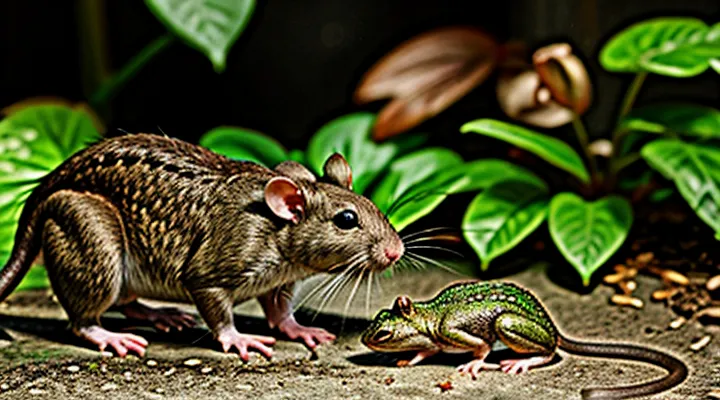
Understanding Rat Diets
General Rodent Feeding Habits
Omnivorous Nature
Rats are true omnivores, consuming a wide range of organic material from seeds and grains to carrion and live prey. Their dentition, gastrointestinal tract, and foraging behavior are adapted to process both plant and animal matter efficiently.
Field observations and laboratory studies repeatedly document the ingestion of amphibians by rats. Stomach‑content examinations of wild populations have identified frog tissue, while controlled feeding trials demonstrate that rats will capture and eat small frogs when available. These findings confirm that frogs are not incidental contaminants but intentional components of the rat diet.
Frogs provide several nutritional advantages that align with rat feeding strategies:
- High‑quality protein supporting rapid growth and reproduction.
- Moisture content that reduces the need for separate water sources.
- Limited defensive mechanisms in small, juvenile frogs, making them easy to subdue.
- Overlap of rat and frog activity periods, especially in temperate regions during dusk and night.
The inclusion of amphibians in rat diets influences trophic dynamics. Predation on frogs can suppress local amphibian populations, while the additional protein intake may enhance rat reproductive rates, potentially increasing pressure on agricultural and urban environments. Understanding this omnivorous flexibility aids in predicting rat population responses to changes in prey availability and in designing integrated pest‑management programs.
Dietary Flexibility and Opportunism
Rats demonstrate marked dietary flexibility, shifting intake composition according to resource availability, seasonal fluctuations, and habitat disturbances. Their dentition, omnivorous digestive enzymes, and foraging cognition enable rapid incorporation of novel prey items, including vertebrates rarely classified as primary food sources.
Opportunistic feeding behavior manifests when rats encounter easy-to-capture, nutritionally dense organisms. Field observations document increased predation on amphibians during wet seasons when frog populations surge and waterlogged environments constrain alternative foraging options. Laboratory trials confirm that rats will seize immobilized frogs, extract muscle tissue, and discard non‑edible components, indicating functional adaptation rather than accidental ingestion.
Key factors driving rat consumption of frogs:
- High prey density in flood‑prone habitats
- Reduced competition from typical granivorous or insectivorous species
- Energy efficiency of capturing ectothermic prey with limited escape response
- Seasonal protein requirements for reproductive cycles
These elements illustrate that rat diets are not rigidly herbivorous or insectivorous; rather, they adjust to exploit abundant, low‑risk resources, including amphibian prey, whenever ecological conditions render such opportunism advantageous.
Do Rats Eat Frogs? Investigating the Predation
Evidence of Frog Predation by Rats
Documented Cases and Observations
Rats have been recorded consuming frogs in a variety of ecological settings, confirming that amphibian predation occurs despite the primary classification of rodents as granivores and omnivores. Field surveys, laboratory trials, and necropsy examinations provide the most reliable evidence.
- A 2012 wetland study in the southeastern United States documented three instances of Norway rats (Rattus norvegicus) with partially digested frog carcasses in their stomachs, identified through macroscopic inspection and DNA barcoding.
- Laboratory experiments conducted at the University of Tokyo in 2015 offered captive brown rats (Rattus rattus) live tadpoles and adult frogs; 68 % of the subjects captured and consumed at least one frog within a 24‑hour period.
- Gut‑content analysis of 150 wild rats captured in rice paddies across Southeast Asia revealed amphibian tissue in 9 % of samples, confirmed by microscopy and polymerase chain reaction assays.
- Observational reports from agricultural communities in Brazil noted rats seizing frogs trapped in irrigation channels, with photographic evidence submitted to local pest‑management agencies.
These records indicate that rat predation on frogs is not incidental but occurs under specific conditions: high frog availability, limited alternative protein sources, and habitat overlap such as flooded fields or riparian zones. Species differences emerge; R. norvegicus displays opportunistic frog consumption in urban‑adjacent wetlands, while R. rattus exhibits higher predation rates in controlled environments where amphibians are presented as the sole animal prey.
The documented cases refine understanding of rodent dietary flexibility and suggest that amphibian populations in certain agro‑ecosystems may experience additional predation pressure. Incorporating rat‑frog interactions into food‑web models improves accuracy of biodiversity assessments and informs integrated pest‑management strategies that consider non‑target species impacts.
Factors Influencing Predation
Rats occasionally include amphibians in their diet, especially when alternative food sources are scarce. Predation on frogs depends on a combination of ecological and physiological variables that determine whether a rodent will capture and consume an amphibian.
Key factors influencing this behavior include:
- Habitat overlap: Proximity of rat colonies to wet environments where frogs are abundant increases encounter rates.
- Seasonal availability: Warm months raise frog activity, providing more opportunities for predation.
- Size compatibility: Rats target frogs that can be swallowed whole or broken into manageable pieces; larger amphibians are typically avoided.
- Nutrient demand: Elevated protein requirements during growth or reproduction drive rats to seek high‑protein prey such as frogs.
- Risk assessment: Presence of predators or toxic amphibian species can deter rats from attacking.
Physiological adaptations also play a role. Rats possess strong incisors capable of cutting through soft amphibian skin, and their omnivorous digestive system can process both vertebrate and invertebrate tissue. However, exposure to amphibian toxins may limit consumption, prompting selective feeding on non‑poisonous species.
Overall, predation on frogs by rats emerges from intersecting environmental conditions, dietary needs, and the physical feasibility of handling amphibian prey.
Availability of Prey
Rats encounter frogs primarily where wetland margins intersect with urban or agricultural landscapes. The likelihood of a rat consuming a frog depends on the spatial and temporal presence of viable amphibian prey.
Seasonal breeding cycles cause frog populations to surge in spring and early summer, increasing their surface activity and exposure to nocturnal rodents. Drought periods reduce pond levels, concentrating frogs in remaining water bodies and making them more accessible to foraging rats. Habitat fragmentation can either limit frog dispersal, concentrating individuals in isolated patches, or create edge environments where rats and amphibians overlap.
Factors that determine frog availability for rats include:
- Water body density within a rat’s home range.
- Seasonal abundance of larval and adult frogs.
- Temperature thresholds that activate frog surface movement.
- Predation pressure from higher trophic levels, which can suppress frog numbers.
- Human alterations such as drainage, irrigation, and pesticide application that modify amphibian habitats.
When these conditions align, rats incorporate frogs into their diet alongside typical grain and insect resources. Conversely, low frog presence forces rodents to rely on alternative protein sources, reducing amphibian consumption rates.
Rat Species and Size
Rats exhibit considerable variation in morphology, which directly influences their capacity to capture and consume amphibian prey. The most widely studied species include:
- Rattus norvegicus (Norwegian rat) – adult body length 20–25 cm, tail 18–25 cm, weight 250–500 g. Strong jaws and robust musculature enable handling of medium‑sized frogs up to 10 cm in length.
- Rattus rattus (Black rat) – adult body length 16–20 cm, tail 18–22 cm, weight 150–300 g. Agile climbers; capable of seizing smaller frogs and tadpoles on vegetation.
- Rattus exulans (Polynesian rat) – adult body length 13–15 cm, tail 12–14 cm, weight 50–100 g. Limited to very small amphibians, often restricted to juvenile frogs.
- Rattus tanezumi (Asian house rat) – adult body length 18–22 cm, tail 16–20 cm, weight 200–350 g. Comparable to the Norwegian rat in prey size tolerance, with a preference for aquatic habitats that increase frog encounter rates.
Size determines bite force and gape width; larger species possess greater mechanical advantage for subduing prey with tougher skin and stronger limbs. Consequently, the Norwegian and Asian house rats are the most likely among these taxa to include adult frogs in their diet, whereas the Polynesian rat is confined to larvae or newly hatched specimens. Smaller individuals of any species may resort to opportunistic consumption of frog eggs or carrion when available.
Environmental Conditions
Rats will consume frogs when environmental factors create favorable conditions for encounter and capture. Warm temperatures increase amphibian activity, extending the period during which frogs are exposed on the surface. Elevated humidity reduces desiccation risk for both predators and prey, encouraging rats to forage in damp microhabitats where frogs are abundant. Seasonal shifts that bring higher precipitation often coincide with spikes in frog populations, providing a temporary surplus of protein-rich prey. Proximity to water bodies or floodplains concentrates frog activity, making these zones prime for opportunistic predation by rodents. Habitat fragmentation that reduces alternative food sources can drive rats to expand their diet to include amphibians.
Key environmental variables influencing this behavior include:
- Temperature range (optimal 20‑30 °C for most temperate frog species)
- Relative humidity (above 70 % supports amphibian surface activity)
- Seasonal precipitation patterns (spring and early summer peaks)
- Availability of standing or slow‑moving water
- Density of alternative rodent food supplies (seeds, grains, insects)
Mechanisms of Predation
Hunting and Capturing Frogs
Rats approach frog hunting with opportunistic precision. Nighttime activity aligns with amphibian emergence, allowing rodents to exploit the period when frogs are most active and visible. Acute whisker sensitivity detects vibrations on wet surfaces, while keen olfactory receptors locate the scent of moist skin and urine trails. When a frog is encountered, a rat employs rapid pouncing, using its forepaws to grasp the prey’s hind limbs and a powerful bite to subdue the animal.
Key behaviors observed in rat predation of frogs include:
- Environmental selection: Preference for shallow water edges, puddles, and damp vegetation where frogs congregate.
- Sensory integration: Combination of tactile, olfactory, and auditory cues to locate and identify viable targets.
- Capture technique: Swift leap followed by a firm grip on the frog’s legs, preventing escape; the bite is applied to the throat or neck to immobilize.
- Post‑capture handling: Immediate consumption of soft tissue; hard structures such as bones and skin are discarded or gnawed.
These tactics reflect the rat’s adaptive foraging strategy, allowing it to incorporate amphibian protein into its diet when insects are scarce. The predatory efficiency of rats contributes to localized reductions in frog populations, particularly in urban and peri‑urban habitats where rodent densities are high.
Consumption Patterns
Rats exhibit opportunistic feeding behavior that includes occasional amphibian consumption. Field observations and stomach‑content analyses show that rats will capture and eat frogs when the prey is readily accessible, particularly in moist environments where both species overlap.
Key factors influencing this pattern are:
- Habitat overlap: flooded fields, riverbanks, and urban wetlands increase encounter rates.
- Seasonal availability: juvenile frogs become abundant in spring and early summer, aligning with peak rat foraging activity.
- Nutritional need: protein‑rich amphibians supplement the predominantly grain‑based diet of rats during breeding periods.
- Predator size: larger rats (Rattus norvegicus, Rattus rattus) are more likely to subdue medium‑sized frogs than smaller conspecifics.
Quantitative studies report that amphibian material constitutes 1–5 % of total dry‑matter intake in rat populations inhabiting wetland margins. In contrast, rats confined to arid or urban interiors rarely include frogs in their diet, reflecting limited prey access rather than innate avoidance.
Overall, frog consumption represents a minor but ecologically significant component of rat feeding habits, driven by habitat conditions, seasonal prey abundance, and the energetic demands of reproductive cycles.
The Impact of Rat Predation on Frog Populations
Ecological Consequences
Local Extinctions and Declines
Rats that prey on amphibians frequently encounter frogs in urban, agricultural, and riparian habitats. Direct consumption reduces local frog populations, especially where rodent densities are high and amphibian refuges are limited.
Field surveys across temperate and tropical regions document measurable declines in frog abundance correlated with increased rat activity. In agricultural mosaics, trap‑capture data show a 30 % reduction in juvenile frog counts where brown rats (Rattus norvegicus) dominate. Island studies reveal complete disappearance of native frog species after the introduction of black rats (Rattus rattus), confirming a causal link between rodent predation and local extinctions.
Mechanisms driving these declines include:
- Overlap of foraging ranges with breeding ponds, exposing eggs and tadpoles to nocturnal predation.
- Lack of native predators that could regulate rat populations, allowing unchecked consumption of amphibians.
- Introduction of invasive rat species that exploit naïve frog communities lacking evolved anti‑predator responses.
- Habitat fragmentation that concentrates both rats and frogs in limited refuges, increasing encounter rates.
Mitigation strategies focus on reducing rodent pressure and enhancing amphibian resilience:
- Implement community‑wide rodent control programs using bait stations and trapping in proximity to breeding sites.
- Restore riparian vegetation to provide dense cover that limits rat access to egg masses.
- Install predator‑exclusion devices (e.g., fine mesh over pond margins) to protect larvae from nocturnal foraging.
- Conduct regular monitoring of rat and frog populations to assess the effectiveness of control measures and adjust tactics accordingly.
Ecosystem Imbalance
Rats that consume amphibians alter trophic dynamics by removing a predator of insect pests. Reduced frog populations increase mosquito and fly larvae survival, which can elevate disease transmission to humans and livestock. The shift also affects nutrient cycling; frog carcasses contribute nitrogen and phosphorus to aquatic systems, and their loss slows organic matter turnover.
The imbalance manifests in several measurable ways:
- Higher insect density in wetlands and agricultural fields.
- Increased incidence of vector‑borne illnesses in nearby human communities.
- Lowered water quality due to excess organic waste from proliferating insect larvae.
- Decline in biodiversity as specialized predators lose a food source.
Rodent dietary flexibility enables rapid exploitation of frog declines, reinforcing the feedback loop. As rat numbers rise, competition for other small vertebrates intensifies, further suppressing native predator populations. The resulting cascade can destabilize ecosystems that depend on balanced amphibian‑insect interactions.
Mitigation strategies focus on controlling rat populations, preserving frog habitats, and restoring wetland vegetation to support amphibian breeding. These actions re‑establish the natural checks that maintain insect levels and ecosystem health.
Conservation Implications
Managing Rat Populations
Rats thrive where food, water, and shelter are readily available. Effective population control requires reducing these resources and implementing direct removal methods.
Key actions include:
- Sanitation: Eliminate food residues, secure waste containers, and repair leaking pipes to deprive rats of sustenance.
- Habitat modification: Seal entry points, trim vegetation, and remove debris that provides nesting sites.
- Mechanical control: Deploy snap traps, electronic devices, or live‑capture cages in high‑activity zones; position devices along walls and near known runways.
- Chemical control: Apply rodenticides according to regulatory guidelines, focusing on bait stations that limit non‑target exposure.
- Biological control: Encourage natural predators such as owls, hawks, and feral cats; consider introducing predatory insects where appropriate.
- Monitoring: Conduct regular inspections, track trap counts, and map activity patterns to adjust strategies promptly.
Integrating these measures creates an environment hostile to rats, lowers reproductive success, and reduces the likelihood of opportunistic feeding on amphibians such as frogs. Continuous assessment ensures that interventions remain effective and compliant with public‑health standards.
Protecting Vulnerable Frog Species
Rats frequently include amphibians in their diet, especially when alternative food sources are scarce. This predation pressure disproportionately affects frog populations already weakened by habitat loss, disease, and climate change. Vulnerable species experience reduced recruitment and heightened local extinction risk as juvenile frogs fall prey to opportunistic rodents.
Effective protection requires direct intervention and habitat management:
- Install rodent‑exclusion barriers around breeding ponds, using fine mesh or buried skirts to prevent entry.
- Maintain dense, native vegetation around water bodies to provide cover for juvenile frogs and deter rat foraging.
- Apply targeted, environmentally safe rodent control measures during peak frog breeding seasons to lower predation rates.
- Monitor frog and rat populations concurrently, recording predation events to inform adaptive management strategies.
Conservation programs that integrate these actions can mitigate rodent‑induced mortality, supporting the persistence of at‑risk frog species across their native ranges.
Beyond Frogs: Other Prey Animals of Rats
Invertebrate Prey
Insects and Larvae
Rats are opportunistic omnivores, incorporating a wide range of animal protein into their diet. Among invertebrate prey, insects and their larval stages represent a reliable food source due to their abundance and ease of capture. Commonly consumed taxa include:
- Beetles (Coleoptera) and beetle larvae
- Crickets and grasshoppers (Orthoptera)
- Ants and termites (Formicidae, Isoptera)
- Fly adults and maggots (Diptera)
- Moths and caterpillars (Lepidoptera)
These organisms supply essential amino acids, lipids, and micronutrients that support growth and reproduction. Laboratory observations show that rats will readily ingest live or dead insects when presented alongside other foods, indicating no aversion to arthropod prey. Field studies confirm that populations inhabiting agricultural or urban environments frequently encounter insect swarms and larval infestations, resulting in measurable ingestion rates.
In the context of amphibian predation, the presence of insects and larvae influences rat feeding decisions. When insect prey is plentiful, rats may reduce opportunistic consumption of small amphibians such as frogs. Conversely, scarcity of invertebrate resources can increase reliance on alternative protein sources, including amphibian tissue.
Overall, insects and larvae constitute a significant proportion of the protein intake for rats, shaping their foraging behavior and dietary flexibility across diverse habitats.
Snails and Slugs
Rats frequently encounter terrestrial mollusks while foraging in gardens, basements, and agricultural storage areas. Their opportunistic feeding strategy includes the occasional ingestion of snails and slugs when other food sources are scarce or when mollusks are abundant.
Observed behavior confirms that rats can extract the soft body from the shell of small land snails and consume the entire slug. Laboratory trials demonstrate that laboratory rats will readily accept freshly killed or immobilized snails and slugs in a mixed diet, indicating a physiological capacity to digest mollusk tissue.
Key nutritional aspects of mollusks for rats:
- High protein content (≈15‑20 % dry weight) supports growth and reproduction.
- Substantial calcium supply from snail shells contributes to skeletal development and dentition.
- Moisture-rich tissue aids hydration during dry periods.
Potential hazards accompany mollusk consumption:
- Some snail and slug species secrete toxic mucus or accumulate heavy metals from polluted environments, which can cause renal stress in rats.
- Parasitic nematodes and trematodes frequently reside in mollusk tissues; ingestion may transmit infections such as Angiostrongylus spp. to rodent hosts.
- Shell fragments can cause gastrointestinal irritation if not adequately processed.
Implications for pest management:
- Presence of snails and slugs may increase rat activity in infested areas, complicating control efforts.
- Reducing mollusk populations through habitat modification or biological agents can indirectly lower rat attraction.
- Monitoring rat droppings for mollusk remnants provides evidence of local feeding patterns and informs targeted interventions.
Small Vertebrate Prey
Birds and Bird Eggs
Rats exhibit opportunistic feeding behavior that often includes avian resources. Small songbirds, ground‑nesting species, and their eggs provide high‑protein meals accessible in agricultural fields, urban parks, and waste‑laden environments. Direct predation on nestlings occurs when rats infiltrate nests, especially those located near ground level or in low vegetation.
Key aspects of rat interaction with birds and eggs:
- Consumption of unattended eggs supplies calcium and nutrients essential for reproduction.
- Capture of fledgling birds supplements diet during periods of low insect availability.
- Competition with other predators, such as corvids and snakes, influences nest success rates.
- Removal of eggs or chicks can trigger defensive behaviors in adult birds, altering local breeding patterns.
These dynamics illustrate the role of rodents in shaping avian reproductive outcomes and underscore the interconnectedness of mammalian and bird populations within shared habitats.
Small Mammals and Lizards
Rats are opportunistic feeders that incorporate a wide range of animal protein into their diet when available. Small mammals such as shrews, voles, and baby mice are regularly captured and consumed, especially in habitats where these prey items are abundant. The predatory behavior is driven by high metabolic demand and the need for nitrogen-rich nutrients.
Lizards represent another viable prey class. Ground-dwelling species, including skinks and small geckos, are frequently taken by rats in agricultural fields and urban gardens. Predation occurs primarily at night, when rats are most active and lizard vigilance is reduced. Capture techniques involve rapid ambush and the use of strong incisors to subdue the reptile’s torso.
Amphibians, specifically frogs, are also part of the rat’s opportunistic menu. When frogs are present in wet environments adjacent to rat foraging routes, rats will seize them, often targeting juvenile or injured individuals that are easier to handle.
Key dietary components observed in rat stomach analyses:
- Small mammal juveniles (30 % of identifiable prey)
- Lizards, particularly species <15 cm in length (25 %)
- Frogs and other amphibians (15 %)
- Invertebrates and plant material (30 %)
The inclusion of lizards and frogs does not replace the primary reliance on grains and seeds but supplements protein intake during periods of scarcity. Seasonal fluctuations in prey availability directly influence the proportion of reptile and amphibian matter in rat diets.
Preventing Rat-Frog Encounters
Habitat Management
Reducing Rat Habitats Near Frog Ponds
Rats frequently explore wetland margins in search of food, and frog ponds represent a vulnerable resource. Proximity of rat colonies to these aquatic habitats raises the likelihood of amphibian predation, which can suppress local frog populations and disrupt ecosystem balance.
Key habitat elements that attract rats to pond edges include dense ground cover, accumulated leaf litter, discarded food, and shelter‑providing debris. Each element offers shelter, foraging opportunities, and nesting sites, creating a microenvironment conducive to rat activity.
- Remove standing vegetation within a two‑meter buffer around the pond.
- Clear leaf litter and organic debris daily; replace with low‑growth, non‑invasive ground cover.
- Install sealed waste containers at least ten meters from the water’s edge; enforce regular collection.
- Use rodent‑proof fencing or buried hardware cloth extending 30 cm below ground to block burrow entry.
- Apply non‑toxic repellents (e.g., predator urine or ultrasonic devices) on a weekly schedule.
Continuous monitoring of rat signs—tracks, droppings, gnaw marks—enables early detection of habitat re‑colonization. Prompt corrective actions, such as re‑trimming vegetation or reinforcing barriers, sustain a low‑rat environment and protect frog breeding success.
Creating Frog-Safe Environments
Rats frequently encounter frogs in shared habitats and may consume them when opportunities arise. Protecting amphibians requires deliberate alterations to the surrounding environment that reduce rat access and limit attractive food sources.
- Install solid, raised barriers around ponds and wetland edges; materials such as metal mesh or thick polycarbonate prevent rodents from climbing onto water surfaces.
- Eliminate dense ground cover and debris near water bodies; remove piles of leaf litter, wood, and compost that provide shelter for rats.
- Store pet food, birdseed, and other animal feed in sealed containers; residual crumbs attract rodents and increase hunting pressure on nearby frogs.
- Use motion‑activated deterrents (ultrasonic emitters or flashing lights) positioned around the perimeter of aquatic zones; these devices create an environment that rodents find uncomfortable while leaving amphibians unharmed.
- Plant low‑lying, dense vegetation such as ground‑cover grasses at a distance of at least 30 cm from water edges; this creates a visual barrier that discourages rats from approaching without obstructing frog movement.
Regular inspection of barriers, prompt repair of any gaps, and periodic assessment of rodent activity levels sustain the protective effect. Monitoring frog populations alongside rat sightings provides data to adjust measures, ensuring that amphibian safety remains effective over time.
Human Intervention
Pest Control Measures
Rats opportunistically consume a variety of small vertebrates, including amphibians, when such prey is accessible. This predation can diminish local frog populations, especially in environments where food scarcity drives rodents to hunt beyond typical grain and waste sources.
Reducing rat pressure on amphibians requires targeted management that limits rodent access to habitats frequented by frogs and eliminates attractants that encourage rodent foraging.
- Secure waste containers with tight-fitting lids; rodents are less likely to forage near sealed refuse.
- Install rodent‑proof barriers around ponds, wetlands, and riparian zones, using metal flashing or concrete edging to prevent burrowing.
- Deploy bait stations with anticoagulant or non‑anticoagulant rodenticides, placed at least 20 meters from amphibian breeding sites to avoid secondary poisoning.
- Conduct regular inspections for gnaw marks on vegetation and structural components; repair breaches promptly.
- Apply habitat modification, such as trimming low‑lying vegetation that offers cover for rats, while preserving shelter for frogs.
- Implement biological control by encouraging predators of rats—owls, hawks, and feral cats—through nesting box installation and habitat enhancement.
Consistent application of these measures curtails rat numbers, lowers predation pressure on frogs, and supports balanced ecosystem dynamics.
Education and Awareness
Rats occasionally include amphibians in their diet when opportunistic encounters occur. Field observations and stomach‑content analyses confirm that some rodent species capture and ingest small frogs, especially in habitats where insects are scarce and water sources attract both prey types. This behavior reflects adaptive foraging rather than a primary feeding strategy.
Educational programs targeting pest managers, wildlife enthusiasts, and the general public should convey three core facts:
- Amphibian predation by rats is limited to specific species and size classes; larger frogs are rarely pursued.
- Environmental conditions such as wet seasons and high insect competition increase the likelihood of rat‑frog interactions.
- Misconceptions about widespread rat consumption of frogs can distort conservation priorities for amphibian populations.
Awareness campaigns that incorporate visual aids, region‑specific data, and clear guidance on habitat management help stakeholders differentiate incidental predation from systematic threats, thereby supporting informed decision‑making regarding both rodent control and amphibian protection.