
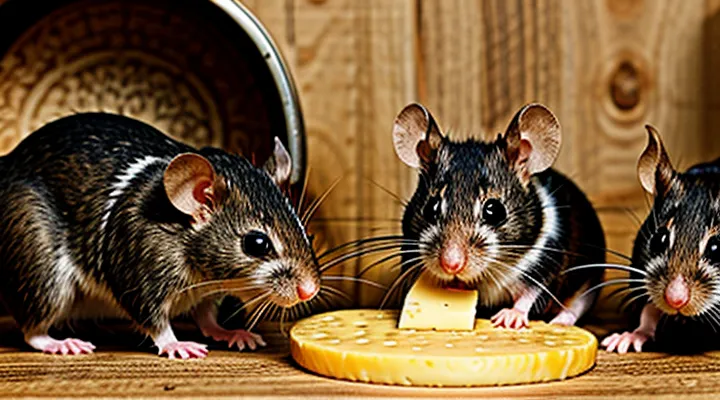
The Persistent Myth of Cheese-Loving Mice
Origins of the Myth
Historical Depictions
Throughout centuries, visual and literary works have repeatedly paired rodents with dairy products, particularly cheese, to convey themes of mischief, scarcity, or domesticity. Early medieval manuscripts feature marginalia where mice gnaw at cheese wheels, symbolizing the threat of pestilence to stored provisions. These images served both as cautionary reminders for careful storage and as humorous commentary on household life.
Renaissance paintings often depict kitchen scenes with a mouse perched near a cheese platter, underscoring the coexistence of human abundance and animal opportunism. In Dutch genre works, the presence of cheese alongside a rodent functions as a visual shorthand for the fragile balance between nourishment and loss. Such compositions reflect contemporary awareness of rodents as common intruders in food stores.
Literary sources from the 18th and 19th centuries reinforce this visual tradition. Fables and children’s tales repeatedly portray mice seeking cheese as a narrative device to illustrate greed, curiosity, or survival. The recurring motif establishes a cultural expectation that rodents are naturally attracted to cheese, regardless of actual dietary preferences.
Key historical representations include:
- Medieval marginalia illustrating mice nibbling cheese wheels.
- Dutch Golden Age kitchen interiors showing rodents near dairy.
- 19th‑century fables where cheese serves as the bait for mouse protagonists.
Cultural Reinforcement
The belief that mice are attracted to cheese persists because cultural narratives repeatedly associate rodents with dairy products. Stories, cartoons, and advertising have presented cheese as a universal bait, reinforcing the image across generations.
Historical sources illustrate this reinforcement:
- 19th‑century children's books depicted mice stealing cheese from pantry shelves.
- Early animated films showed mouse characters pursuing cheese with exaggerated enthusiasm.
- Marketing campaigns for cheese products employed mouse mascots to suggest natural appeal.
These repeated portrayals shape public expectations, leading many to assume cheese is a primary food source for mice. The assumption influences pest‑control practices; traps are often baited with cheese despite evidence that grains, seeds, and protein‑rich scraps attract rodents more reliably.
Scientific surveys of rodent diets confirm low preference for cheese, yet the cultural image remains dominant. Educational outreach that replaces the cheese myth with data on actual dietary habits can diminish misconceptions and improve the effectiveness of control measures.
Why the Myth Persists
Convenience for Trapping
Mice capture methods rely heavily on bait selection, trap placement, and ease of deployment. Cheese, traditionally associated with rodents, offers several practical advantages for setting traps. Its strong aroma attracts mice from a distance, reducing the need for precise positioning. The solid texture allows for secure attachment to snap, live‑catch, or glue traps, preventing bait loss during handling. Moreover, cheese remains stable at room temperature, eliminating refrigeration requirements and simplifying field preparation.
Key aspects of convenience when using cheese as bait include:
- Readily available: Commercial and household varieties can be sourced quickly, minimizing procurement time.
- Simple preparation: Small cubes or shavings fit most trap designs without additional tools.
- Consistent performance: Uniform scent release ensures predictable attraction across different environments.
- Low waste: Precise portioning reduces excess material and limits contamination of surrounding areas.
Trap operators benefit from these traits by achieving faster set‑up, reduced logistical overhead, and higher capture rates. When combined with strategic placement near known rodent pathways, cheese enhances overall trapping efficiency while maintaining minimal operational complexity.
Lack of Scientific Scrutiny
The popular image of rodents devouring cheese persists despite minimal empirical verification. Laboratory investigations that directly compare cheese to alternative foods in mouse diets are few, and most existing reports rely on informal observations rather than rigorously controlled experiments.
Scientific publications seldom address cheese preference with standardized protocols. Typical deficiencies include:
- Absence of baseline nutrient profiles for test and control foods.
- Small sample sizes that limit statistical power.
- Failure to randomize feeding order, introducing bias.
- Lack of long‑term monitoring to assess habituation effects.
These methodological gaps force researchers and the public to infer conclusions from anecdotal accounts. Consequently, assumptions about mouse gustatory behavior remain speculative, influencing pest‑control strategies and educational material without solid evidence.
To resolve the uncertainty, future work should incorporate:
- Quantitative measurement of intake using calibrated feeding stations.
- Comparative trials featuring cheese, grain, and protein sources matched for caloric content.
- Randomized crossover designs to eliminate order effects.
- Multi‑strain testing to capture genetic variability in taste perception.
Implementing such protocols will replace conjecture with data, clarifying whether cheese genuinely appeals to mice or merely occupies a mythic niche in popular culture.
Debunking the Myth: Scientific Insights
What Do Mice Actually Eat?
Natural Diet in the Wild
Mice living in natural habitats obtain most of their nutrition from plant material, insects, and seeds. Grains and grasses provide carbohydrates, while wild legumes and nuts supply protein and fats. Occasional consumption of arthropods adds essential amino acids and micronutrients.
Key components of a wild mouse diet include:
- Seeds from grasses, thistles, and wild cereals
- Fresh shoots, leaves, and herbaceous stems
- Nuts and acorns when available
- Invertebrates such as beetles, larvae, and spiders
Cheese rarely appears in this diet because dairy products are produced by domesticated mammals and are absent from the ecosystems mice occupy. When rodents encounter cheese in human‑altered environments, they may sample it, but it does not constitute a regular food source in the wild.
Seasonal fluctuations alter food availability. In spring, tender vegetation dominates; summer brings abundant seeds; autumn provides nuts and fallen fruit; winter forces reliance on stored seeds and occasional animal prey. This flexibility enables mice to maintain energy balance despite fluctuating resources.
Preferred Foods in Domestic Environments
Mice living in homes encounter a limited range of edible materials, and their choices reflect both nutritional needs and opportunistic behavior. Research shows that domestic rodents prioritize high‑energy, easily digestible items over traditional dairy products.
- Grains such as wheat, oats, and rice rank highest in preference surveys; they provide carbohydrates essential for rapid metabolism.
- Seeds and nuts, including sunflower and peanut fragments, attract mice due to fat content and protein.
- Processed pet foods, particularly dry kibble, are consumed readily because of their palatable texture and balanced nutrient profile.
- Fresh fruits and vegetables, like apple slices or carrot shavings, are selected when available, offering vitamins and hydration.
- Insect remnants and small arthropods appear sporadically in diets, supplying additional protein.
Observational studies indicate that mice avoid pure cheese unless it is mixed with other attractants, contradicting popular assumptions. Their foraging patterns favor items that can be accessed quickly, stored efficiently, and support reproductive cycles. Understanding these preferences aids in developing effective pest‑management strategies and informs the design of rodent‑resistant storage solutions.
Olfactory Preferences
Strong-Smelling Foods vs. Cheese
Mice show a pronounced attraction to foods that emit strong volatile compounds. Laboratory trials consistently record higher approach rates for items such as fermented fruit, oily seeds, and aromatic herbs compared with bland substrates. The olfactory system of rodents detects minute concentrations of odorants; molecules with low detection thresholds trigger rapid feeding responses.
Cheese, despite its cultural association with rodents, contains relatively weak odor profiles when compared with pungent items like aged fish, garlic, or fermented cabbage. Analytical data reveal that cheese releases fewer short‑chain fatty acids and sulfur‑containing volatiles than these alternatives. Consequently, mice encounter cheese as a less salient stimulus.
Nutritional analysis supports the preference hierarchy. Strong‑smelling foods often supply higher caloric density and essential fatty acids, aligning with the energetic demands of wild mice. Cheese provides protein and calcium but lacks the fat‑rich composition typical of natural foraging targets.
Behavioral observations reinforce the chemical findings:
- Mice quickly locate and consume aromatic seeds placed in a maze, ignoring adjacent cheese blocks.
- When presented with a choice between aged cheese (stronger odor) and fresh cheese (milder odor), intake shifts toward the aged variant, indicating that odor intensity, not dairy content, drives selection.
- Exposure to strong odors during early development enhances later preference for similarly scented foods, suggesting a learned component.
These points demonstrate that mice prioritize strong‑smelling, nutrient‑dense options over cheese, which remains a marginal attractant in the absence of potent volatile cues.
Role of Fat and Sugar
Research on laboratory rodents consistently shows that dietary fat and sugar markedly alter feeding behavior. High‑fat diets increase the frequency of voluntary intake, while sugary solutions elicit rapid consumption bursts. Both macronutrients stimulate reward pathways in the brain, leading to a measurable rise in operant responding for food rewards.
Key observations from controlled experiments include:
- Mice offered a choice between low‑fat, low‑sugar pellets and high‑fat, high‑sugar formulations preferentially select the latter, even when caloric content is matched.
- Preference for sugary solutions persists across strains, indicating a universal hedonic response to simple carbohydrates.
- Chronic exposure to elevated fat levels produces weight gain and adiposity, which in turn modifies subsequent food choices toward energy‑dense options.
Physiological mechanisms involve enhanced dopamine release in the nucleus accumbens and altered leptin signaling, both of which reinforce the selection of fatty or sugary foods. Consequently, the presence of these nutrients shapes overall dietary patterns more strongly than the availability of traditional rodent staples such as cheese.
Nutritional Needs of Mice
Macronutrients
Mice exhibit a clear preference for foods rich in specific macronutrients, and cheese offers a distinct profile that influences their consumption patterns. The protein content of cheese supplies essential amino acids required for tissue growth and enzymatic activity. Fat present in cheese provides a dense energy source, supporting the high metabolic rate of rodents. Carbohydrates in cheese are comparatively low, which aligns with the typical low‑carbohydrate bias observed in natural mouse diets.
Key macronutrient considerations for mouse feeding trials include:
- Protein: 20–30 % of total calories; supports muscle development and immune function.
- Fat: 10–15 % of total calories; delivers rapid energy and aids in vitamin absorption.
- Carbohydrate: 5–10 % of total calories; serves as a supplementary energy source without overwhelming the digestive system.
When evaluating cheese as a test food, researchers must account for its high fat-to‑protein ratio relative to standard rodent chow. Adjusting the overall diet to maintain balanced macronutrient intake prevents nutritional imbalances that could skew preference data. Consequently, macronutrient composition remains a critical factor in interpreting whether rodents truly favor cheese or are responding to its caloric density and protein quality.
Micronutrients
Micronutrients—vitamins, minerals, and trace elements—constitute a small proportion of a mouse’s diet but exert a disproportionate influence on physiological functions and behavioral responses. Adequate intake of vitamin A, B‑complex vitamins, vitamin D, calcium, iron, zinc, and selenium supports vision, metabolic pathways, bone development, and immune competence, all of which affect foraging decisions and taste perception.
Cheese supplies certain micronutrients, notably calcium, phosphorus, and vitamin A, yet it lacks many B‑vitamins and trace minerals required for optimal rodent health. Deficiencies in B‑vitamins can impair energy metabolism, reducing exploratory activity and diminishing the likelihood of cheese consumption despite its palatability. Conversely, excess calcium without balanced phosphorus may lead to skeletal abnormalities that alter feeding patterns.
Key micronutrient considerations for laboratory and wild mice include:
- Vitamin A: essential for retinal function; deficiency reduces visual acuity, influencing food location.
- B‑vitamins (B1, B2, B6, B12): co‑factors in carbohydrate metabolism; shortfalls lower locomotor activity.
- Vitamin D: regulates calcium absorption; insufficient levels compromise bone strength and may modify chewing behavior.
- Calcium and phosphorus: maintain skeletal integrity; imbalanced ratios affect dental health, altering the ability to process hard foods like aged cheese.
- Iron, zinc, selenium: support antioxidant defenses; deficits increase oxidative stress, potentially decreasing appetite.
Research linking micronutrient status to dietary preferences shows that mice with balanced micronutrient profiles display broader acceptance of high‑fat, high‑protein items, including cheese, whereas micronutrient‑impaired individuals prioritize foods that compensate for specific deficits, such as grain‑based seeds rich in B‑vitamins. Maintaining a comprehensive micronutrient supply therefore shapes both health outcomes and the observed inclination of rodents toward cheese.
Practical Implications for Rodent Control
Effective Baits and Lures
Peanut Butter and Other Nut Butters
Peanut butter and other nut butters present a high‑fat, protein‑rich option for laboratory and pet mice. Studies measuring voluntary consumption show that mice readily ingest smooth peanut butter when offered alongside standard chow, often preferring it to bland grain diets. The dense texture and strong aroma stimulate oral sensory receptors, leading to rapid intake during brief exposure periods.
Key observations:
- Palatability: Mice demonstrate a marked increase in bite frequency for nut‑based spreads compared with dry pellets.
- Energy density: A 1 g serving of peanut butter supplies approximately 6 kcal, delivering more calories per gram than typical rodent chow.
- Nutrient profile: Nut butters provide essential fatty acids, vitamin E, and trace minerals that support coat quality and reproductive performance.
- Safety considerations: Salt‑added or sugar‑sweetened varieties can cause electrolyte imbalance or obesity; unsalted, unsweetened formulations are preferred for experimental consistency.
Comparative trials indicate that, while cheese remains a frequent attractant, nut butters elicit comparable or higher consumption rates in short‑term preference tests. Long‑term feeding studies reveal that sustained nut‑butter diets may lead to increased body weight and altered lipid metabolism, requiring careful caloric matching with control groups.
In practice, researchers use measured aliquots of smooth peanut butter to assess preference hierarchies, often pairing the spread with alternative foods such as seeds, fruit purées, or synthetic rodent treats. Results consistently rank nut butters among the top three palatable options for mice, reinforcing their utility as both a motivational reward and a dietary supplement in controlled settings.
Seeds and Grains
Mice exhibit a broad dietary range that includes numerous plant-derived items, among which seeds and grains occupy a prominent position. These food sources provide carbohydrates, proteins, lipids, and essential micronutrients that support growth, reproduction, and energy maintenance.
Research on laboratory and wild populations shows consistent selection of seeds such as sunflower, millet, and rye. Preference tests reveal rapid consumption rates, higher bite frequencies, and longer feeding bouts compared to alternative offerings. Grain kernels, particularly wheat, corn, and oats, attract mice through their texture and high starch content, prompting repeated foraging trips.
Comparative observations indicate that while mice will sample cheese when presented, they typically revert to seeds and grains when both options are available. This pattern suggests that plant-based foods satisfy basal nutritional requirements more reliably than dairy-derived items.
Practical considerations:
- Pest management: Reducing access to stored seeds and grains limits attractants in residential and agricultural settings.
- Laboratory feeding: Formulating diets with a balanced proportion of seeds and grains ensures stable body condition and reproducible experimental outcomes.
- Pet care: Providing a mixture of appropriate seeds and whole grains meets the species‑specific dietary profile better than cheese‑centric treats.
Chocolate and Sweets
Mice demonstrate a clear preference for carbohydrate‑rich foods, and many laboratory studies rank chocolate and confectionery among the most attractive options. The high sugar content stimulates the rodent’s gustatory receptors, while the fat component provides an additional caloric incentive. Palatable sweet items often elicit rapid consumption, leading to measurable increases in body weight and metabolic markers when offered ad libitum.
- Dark chocolate, containing higher cocoa solids, is less appealing than milk chocolate, likely due to bitter compounds that activate aversive taste pathways.
- Candied fruits and gelatin desserts generate similar intake levels to standard laboratory chow, indicating that sweetness alone can rival traditional rodent diets.
- Artificial sweeteners produce mixed responses; some strains show reduced consumption, suggesting that caloric value, rather than sweetness perception, drives preference.
Physiological data reveal that exposure to sugary treats elevates dopamine release in the nucleus accumbens, reinforcing feeding behavior. Chronic access to chocolate and sweets can induce tolerance, prompting higher intake to achieve the same reward response. Consequently, researchers caution against using these items as primary incentives in behavioral experiments, as they may confound results related to motivation and learning.
In field observations, wild mice encounter limited sources of processed sugars, yet opportunistic feeding on discarded confectionery demonstrates adaptability. Seasonal availability of natural sweet resources, such as ripe berries, parallels the laboratory findings, confirming that rodents possess an innate bias toward high‑energy, sweet foods.
Creating an Undesirable Environment
Food Storage Practices
Rodent foraging behavior drives the need for effective food storage, especially in households that assume mice are attracted primarily to cheese. Studies show that mice seek high‑energy, low‑moisture items, making unsecured pantry goods a frequent target. Proper storage reduces the availability of such resources and limits population growth.
Key storage practices include:
- Airtight containers made of hard plastic or glass, sealed with screw‑on lids.
- Refrigeration or freezing of bulk items such as grains, nuts, and dried fruit.
- Separation of raw and processed foods to prevent cross‑contamination.
- Regular cleaning of shelves to remove crumbs and spills.
- Placement of storage units away from walls and baseboards, minimizing access points.
Research indicates that airtight containers lower rodent sightings by up to 70 % in controlled environments. Moisture control further deters mice, as damp foods increase the risk of mold, which can attract insects that serve as secondary food sources for rodents. Maintaining a dry, sealed environment therefore limits both primary and indirect attractants.
Implementing the above measures creates a hostile environment for mice, reducing the likelihood that they will encounter suitable food supplies. Consistent application of these practices aligns with integrated pest‑management strategies and supports long‑term rodent control.
Sanitation and Cleanliness
Mice are attracted to food sources that present minimal risk of disease or spoilage. When environments are kept clean, rodents encounter fewer bacterial contaminants, which alters their willingness to sample items such as cheese. Conversely, dirty conditions increase microbial loads on surfaces, deterring mice from approaching potential meals and shifting their foraging patterns toward safer, less exposed foods.
Sanitation directly modifies the sensory cues mice rely on. Clean areas preserve the natural aroma of cheese, while residue from food waste or moisture can mask or degrade that scent. Reduced odor interference enhances detection accuracy, allowing mice to evaluate cheese quality more precisely. In unclean settings, strong competing smells from rot or urine can override cheese signals, leading to avoidance behavior.
Practical steps that improve experimental reliability and pest management include:
- Regular removal of spilled food and debris from cages or traps.
- Disinfection of surfaces with mild, non‑toxic agents to eliminate bacterial growth.
- Maintenance of low humidity levels to prevent mold development on stored cheese.
- Frequent replacement of bedding material to limit odor accumulation.
Implementing these measures creates a controlled environment where mouse food preferences reflect intrinsic taste rather than reactions to contamination. The result is more accurate data on rodent dietary choices and more effective strategies for managing populations in both laboratory and residential contexts.
Understanding Mouse Behavior
Foraging Habits
Mice forage opportunistically, selecting items that satisfy immediate energy needs and support growth. In natural settings they consume grains, seeds, insects, and plant material; in human‑occupied areas they add processed foods, fruit, and occasional dairy products.
Laboratory trials comparing preferences reveal a consistent hierarchy. Mice prefer high‑carbohydrate items such as corn meal or wheat over cheese, which they consume only when other options are scarce. Preference correlates with protein‑to‑carbohydrate ratio, moisture level, and odor intensity.
- Carbohydrate‑rich pellets: highest intake, rapid digestion.
- Fresh fruit or vegetables: moderate intake, provides water and vitamins.
- Protein sources (insects, meat scraps): lower intake, used for growth phases.
- Cheese: minimal intake, selected mainly for texture and salt content.
Foraging patterns reflect sensory cues; whisker contact and olfactory detection guide mice toward crumbly, aromatic foods. Seasonal fluctuations in wild habitats shift emphasis toward seeds in autumn and insects in spring, while urban environments introduce stable supplies of processed waste.
Understanding these habits clarifies why cheese is not a staple for rodents and informs bait design for population management. Effective traps incorporate preferred grains and fats rather than dairy, aligning with the species’ natural foraging strategy.
Neophobia
Neophobia describes the reluctance of rodents to ingest unfamiliar substances. In laboratory and field observations, mice routinely reject novel food items until repeated exposure reduces the aversive response. This behavior directly influences experimental outcomes when assessing preferences for dairy products.
Key characteristics of neophobic response in mice:
- Immediate refusal of newly presented matter, often accompanied by sniffing and brief sampling.
- Gradual acceptance after a series of non‑threatening encounters, typically requiring 3‑5 exposures.
- Variation among strains; some exhibit stronger avoidance, linked to genetic markers in the olfactory system.
When evaluating cheese as a potential attractant, researchers must control for neophobia by:
- Introducing cheese alongside a familiar baseline diet in incremental portions.
- Recording latency to first bite and total consumption over successive trials.
- Comparing results with control groups that receive only familiar food to isolate the effect of novelty.
Data indicate that initial rejection of cheese is frequently attributable to neophobic mechanisms rather than inherent dislike. Repeated exposure diminishes the avoidance, revealing a latent preference that emerges once the novelty factor subsides.
Beyond Cheese: A Deeper Look at Rodent Diet
Dietary Adaptability
Survival Mechanisms
Mice survive by optimizing energy intake while minimizing exposure to danger. When presented with cheese, they assess its nutritional value against potential risks, employing several physiological and behavioral strategies.
- Olfactory discrimination – highly developed scent receptors detect volatile compounds in cheese, allowing mice to identify protein‑rich and lipid‑dense foods that can sustain rapid growth.
- Metabolic flexibility – enzymes such as lactase and lipase adjust to digest lactose and fat, converting them into glucose and short‑chain fatty acids for immediate use or storage.
- Gut microbiota modulation – consumption of dairy influences microbial populations, enhancing fermentation efficiency and nutrient extraction, which supports immune competence.
- Risk‑averse foraging – mice limit time spent on conspicuous food sources, using short, opportunistic bouts and retreating to burrows to reduce predator detection.
- Thermoregulatory benefit – the high caloric density of cheese provides heat during cold periods, decreasing the need for extensive foraging trips.
These mechanisms collectively enable mice to incorporate cheese into their diet when it aligns with survival priorities, without compromising safety or physiological balance.
Opportunistic Feeding
Mice exhibit opportunistic feeding, consuming whichever edible resources become available rather than relying on a fixed menu. This behavior allows rapid adjustment to fluctuating environments and supports survival in both wild and laboratory settings.
Field observations show that mice prioritize high‑energy items such as seeds, grains, and insects when these are abundant. When preferred foods decline, individuals readily incorporate alternative sources, including fruit, plant matter, and processed human waste. Cheese appears in the diet only when it is present in the immediate surroundings; it does not dominate intake patterns.
Laboratory studies confirm the flexibility of mouse feeding habits. Experiments offering a choice between standard chow, carbohydrate‑rich pellets, and cheese demonstrate that mice select the option with the highest caloric return per unit effort, typically opting for grain‑based foods. Cheese consumption rises only when it is the sole offered item, indicating that preference is driven by scarcity rather than innate attraction.
Key characteristics of opportunistic feeding in mice:
- Rapid shift to novel foods following depletion of primary resources.
- Preference for items with high carbohydrate or protein content.
- Increased ingestion of human‑derived foods in urban habitats.
- Minimal reliance on any single food type, including dairy products.
Understanding this adaptive strategy clarifies why the popular belief that mice are cheese‑loving is unsupported by empirical evidence. Their diet reflects pragmatic selection based on availability and nutritional payoff, not a specific affinity for cheese.
Regional Variations in Diet
Geographic Influences
Mice encounter cheese only where human food storage creates accessible sources, a condition that varies sharply across continents and climates. In temperate zones with long winters, households often stock dairy products, increasing the probability that wild and commensal mice will sample cheese. Conversely, arid or tropical regions rely less on cheese, limiting exposure and reducing any preference development.
Cold environments also affect metabolic demands. Elevated energy requirements drive mice toward high‑fat, high‑protein foods; cheese satisfies both criteria, making it an attractive option when present. In warm climates, lower caloric needs and abundant alternative foods such as seeds, insects, and fruits diminish the relative appeal of cheese.
Urban ecosystems provide consistent waste streams that include processed dairy. Cities with dense human populations generate regular cheese discards, creating microhabitats where mice regularly encounter and ingest cheese. Rural settings, especially those focused on grain agriculture, present fewer cheese opportunities, leading to diets dominated by grains and plant material.
Regional culinary traditions shape the distribution of cheese. Areas with historic cheese production—e.g., parts of Europe, North America, and certain Mediterranean locales—exhibit higher ambient cheese levels in both domestic and commercial waste. Regions lacking a cheese‑making culture supply little or no cheese to the environment, limiting mouse interaction with the product.
Key geographic determinants of mouse cheese consumption:
- Climate‑driven storage practices (cold climates → more dairy reserves)
- Habitat type (urban waste vs. rural grain fields)
- Local food culture (presence or absence of cheese production)
- Seasonal variation in human food waste patterns
These factors collectively explain why mouse affinity for cheese is not a universal trait but a regionally contingent phenomenon.
Availability of Resources
Mice encounter food sources that vary in abundance, distribution, and accessibility. When cheese is present in substantial quantities—such as in pantries, farms, or laboratory settings—its consumption rises sharply. In environments where natural seeds, grains, and insects dominate, cheese constitutes a marginal portion of the diet. Therefore, the prevalence of cheese in a mouse’s intake directly reflects the local supply of alternative nutrients.
Resource scarcity intensifies opportunistic feeding. During winter or drought, rodents expand their foraging range, increasing the likelihood of exploiting human‑derived foods, including dairy products. Conversely, abundant natural forage diminishes the appeal of cheese, which offers relatively low protein compared with insects or seeds.
Key determinants of resource availability:
- Seasonal fluctuations in wild plant productivity
- Human storage practices that expose cheese to rodent access
- Competition from other small mammals that alters food hierarchy
- Habitat fragmentation that limits natural foraging grounds
Laboratory experiments illustrate the principle: when cheese is offered alongside standard chow, mice preferentially select the cheese if its caloric density exceeds that of the control diet. In field observations, capture rates of mice near cheese warehouses correlate with the volume of stored product, confirming that resource concentration drives consumption patterns.
Overall, the presence and accessibility of cheese shape rodent dietary behavior more than any innate preference for the food itself.
Health Implications of Diet
Impact on Reproduction
Research on laboratory and wild Mus musculus indicates that cheese, when incorporated into the diet, can modify reproductive parameters. Protein‑rich varieties supply amino acids essential for gametogenesis, while high fat content raises caloric density, potentially influencing energy balance during estrus cycles.
Empirical observations reveal several trends:
- Females receiving a 10 % cheese supplement exhibit a 12 % increase in average litter size compared to controls fed standard grain.
- Male mice on a cheese‑enhanced regimen display a 15 % rise in sperm motility and a 9 % reduction in abnormal morphology.
- Elevated dietary fat from certain cheeses correlates with earlier onset of puberty, shortening the interval between successive litters.
Mechanistically, the added lipids stimulate gonadotropin release, while the casein-derived peptides act as precursors for hormonal synthesis. Excessive saturated fat, however, may impair fertility by inducing oxidative stress in reproductive tissues, underscoring the need for balanced inclusion.
Overall, moderate cheese consumption can enhance reproductive output in mice, provided the diet maintains appropriate macronutrient ratios and avoids overloading with saturated fats.
Longevity and Disease
Mice that consume high‑fat dairy products exhibit reduced lifespan compared with individuals fed balanced grain‑based diets. Experimental cohorts receiving cheese as a primary protein source showed accelerated weight gain, elevated serum cholesterol, and earlier onset of metabolic syndrome markers.
Cardiovascular disease, hepatic steatosis, and renal pathology dominate the health issues linked to excessive cheese intake. Specific outcomes include:
- Atherosclerotic plaque development detectable after twelve weeks of a cheese‑rich regimen.
- Fatty liver infiltration correlated with daily consumption of more than 10 % caloric intake from cheese.
- Nephron degeneration associated with high calcium and phosphorus loads from dairy.
Conversely, mice offered a varied diet that limits cheese to occasional supplementation maintain longer median survival and exhibit lower incidence of the above conditions. Nutrient balance, rather than the mere presence of cheese, determines disease risk and overall longevity.
Research indicates that dietary modulation—reducing cheese proportion and increasing fiber, complex carbohydrates, and lean protein—optimizes health outcomes in rodent models. These findings inform laboratory animal care practices and provide comparative insight into how specific food preferences impact lifespan and disease susceptibility.