
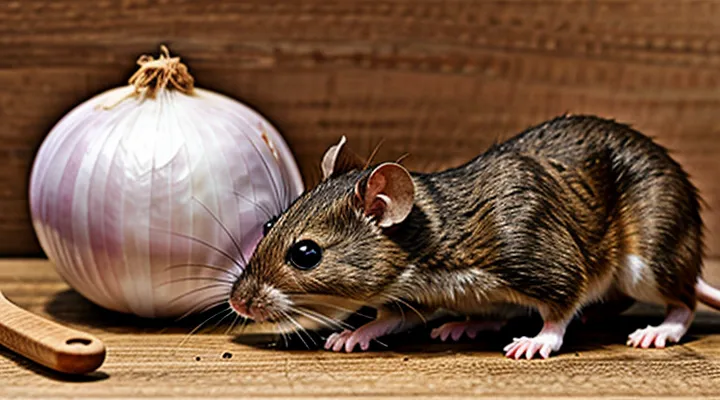
Understanding Mice Dietary Habits
Generalist Foragers
Mice classified as generalist foragers exploit a wide range of plant and animal matter, including cultivated vegetables such as onions. Their flexible diet enables them to ingest onion tissue when it is readily available in storage areas or field margins.
Nutritional components of onions—primarily water, carbohydrates (fructans), vitamins (C, B6), and trace minerals—provide modest energy and micronutrients. For a small rodent, these contributions are marginal compared to staple items like grains and seeds, yet they can supplement caloric intake during periods of scarcity.
Potential hazards arise from several onion constituents:
- Organosulfur compounds (e.g., allicin, thiosulphates): interfere with hemoglobin function, leading to oxidative damage of red blood cells.
- Fructans: may cause gastrointestinal distress due to limited fermentative capacity in the mouse gut.
- High sodium content in cultivated varieties: can disrupt electrolyte balance and increase blood pressure.
Laboratory observations indicate that acute ingestion of large onion quantities results in hemolytic anemia in mice, while low‑level, sporadic consumption rarely produces overt pathology. Chronic exposure, however, may exacerbate oxidative stress and impair growth rates.
In environments where onions are present, generalist foragers typically sample the material rather than rely on it as a primary food source. Their opportunistic feeding behavior allows them to extract limited nutritional benefit while minimizing exposure to toxic compounds, provided that intake remains occasional and quantities are small.
Natural Diet of Wild Mice
Wild mice sustain themselves primarily on plant material, seeds, and occasional animal matter. Their foraging behavior reflects opportunistic exploitation of readily available resources in temperate and subtropical habitats.
Key components of the natural diet include:
- Grains and cereals – wheat, barley, oats, and corn kernels provide carbohydrates and essential amino acids.
- Seeds and nuts – acorns, sunflower seeds, and hazelnuts supply fats and vitamins.
- Green vegetation – leaves, grasses, and herbaceous stems contribute fiber and micronutrients.
- Fruits and berries – strawberries, blackberries, and wild grapes offer sugars and antioxidants.
- Invertebrates – insects, larvae, and small arthropods deliver protein and trace minerals, especially during breeding season.
Onions appear sporadically in mouse diets when they grow near human settlements. The plant’s sulfur compounds can cause gastrointestinal irritation in rodents, and prolonged consumption may lead to hemolytic anemia. Consequently, onions do not constitute a regular or beneficial food source for wild mice.
Nutritional analysis of the typical diet reveals a balance of carbohydrates (≈55 % of caloric intake), proteins (≈20 %), and lipids (≈15 %). Remaining calories derive from fiber and micronutrients. Seasonal fluctuations shift the proportion of each component, but the overall macronutrient profile remains within the range required for growth, reproduction, and thermoregulation.
Risk assessment indicates that ingestion of non‑native or chemically defended plants, such as onions, increases mortality risk due to toxicity. Wild mice mitigate this risk by preferentially selecting familiar, low‑toxicity foods and by limiting exposure to novel plant species.
Understanding the natural dietary composition clarifies why onions are not a staple for wild mice and highlights the nutritional adequacy of their conventional food sources.
The Allium Family and Its Components
What are Onions?
Onions (Allium cepa) are biennial, bulb-forming vegetables cultivated worldwide for their edible storage organs. The bulb consists of concentric fleshy scales that develop from modified leaves, surrounding a short stem and root system. Varieties include yellow, white, red, and sweet types, each distinguished by skin color, flavor intensity, and sugar content.
Nutritionally, onions provide low calories (≈40 kcal per 100 g) and a balance of macronutrients: 9 g carbohydrates, 1 g protein, and negligible fat. Key micronutrients and phytochemicals include:
- Vitamin C (≈8 mg/100 g)
- Vitamin B6 (≈0.1 mg/100 g)
- Folate (≈19 µg/100 g)
- Potassium (≈146 mg/100 g)
- Quercetin and other flavonoids
- Sulfur‑containing compounds (e.g., allicin precursors)
These components contribute to antioxidant activity, anti‑inflammatory effects, and modest support for cardiovascular health. Onions also supply dietary fiber (≈1.7 g/100 g), aiding digestive function.
Culinary applications span raw, sautéed, caramelized, and roasted preparations. Heat transforms sulfur compounds, reducing pungency and enhancing sweetness. Proper storage—cool, dry, well‑ventilated conditions at 0–4 °C—preserves firmness and slows sprouting for several weeks.
Potential concerns involve intolerance to fructans, which can cause gastrointestinal discomfort in sensitive individuals, and the risk of eye irritation from volatile sulfur gases released when the tissue is disrupted. Cooking mitigates both effects.
Key Compounds in Onions
Disulfides
Onions contain organosulfur compounds, among which disulfides are prominent. These molecules arise from the enzymatic conversion of cysteine‑derived precursors when onion tissue is damaged. Typical disulfides in onion include diallyl disulfide, methyl‑propyl disulfide, and dipropyl disulfide, each contributing to the characteristic aroma and pungency.
In laboratory studies, disulfides exhibit biological activity that can influence rodent consumption of onion material. Observations indicate:
- Disulfides act as irritants to the oral mucosa of mice, reducing voluntary intake of raw onion slices.
- High concentrations of diallyl disulfide trigger transient oxidative stress in hepatic cells, measurable by increased glutathione depletion.
- Low‑dose exposure does not produce acute toxicity; metabolic pathways in mice convert disulfides to sulfides and subsequently to harmless metabolites.
Nutritional assessments of onion inclusion in mouse diets must therefore consider the concentration of disulfides. Formulating feed with processed onion powders, where disulfide levels are reduced by heat treatment, mitigates the aversive taste and limits potential oxidative challenges, while preserving the beneficial flavonoid content.
Thiosulfinates
Thiosulfinates are sulfur‑containing compounds formed when onion cells are damaged. The primary thiosulfinate, allicin, arises from the enzymatic conversion of isoalliin. In onions, the concentration of thiosulfinates varies with cultivar, storage conditions, and maturity, typically ranging from 0.5 to 2 mg g⁻¹ fresh weight.
In rodents, thiosulfinates exhibit both antimicrobial and irritant properties. Experimental data show that ingestion of onion tissue containing thiosulfinates can provoke gastrointestinal irritation, reduced feed intake, and transient hemolysis. The severity of these effects correlates with the dose of thiosulfinates rather than the presence of other onion components.
Nutritional considerations for mice include:
- Moderate thiosulfinate levels contribute antioxidant activity measurable by DPPH or ABTS assays.
- High concentrations interfere with iron absorption, potentially leading to anemia in prolonged exposure.
- Metabolic breakdown products, such as sulfides and sulfonic acids, are excreted via urine and may alter gut microbiota composition.
Risk assessment for laboratory mice recommends limiting onion‐derived feed to less than 0.1 % of the diet by weight. This threshold maintains the beneficial antioxidant effect while preventing overt toxicity. Monitoring of blood parameters (e.g., hemoglobin, bilirubin) is advisable when thiosulfinate exposure exceeds this level.
Overall, thiosulfinates define the pungent character of onions and determine the balance between nutritional benefit and physiological risk for mice. Proper dietary formulation and dosage control mitigate adverse outcomes while preserving the compounds’ positive attributes.
Sulfur Compounds
Sulfur compounds dominate the chemical profile of onions and directly influence their suitability as a food source for laboratory rodents. These metabolites arise from the enzymatic conversion of S‑alk(en)yl‑L‑cysteine sulfoxides when the tissue is damaged, creating a mixture of volatile and non‑volatile substances that affect taste, aroma, and physiological response.
- Alliin (S‑allyl‑L‑cysteine sulfoxide) – precursor to several reactive sulfur species; relatively stable in intact cells.
- Allicin (diallyl thiosulfinate) – formed from alliin by alliinase; exhibits strong antimicrobial activity.
- Thiosulfinates (e.g., diallyl disulfide, diallyl trisulfide) – breakdown products of allicin; contribute to pungency and oxidative stress modulation.
- S‑alkyl‑L‑cysteine sulfoxides (e.g., methiin, isoalliin) – less reactive, persist in raw tissue, provide a source of dietary sulfur.
Nutritional aspects of these compounds include antioxidant capacity, enhancement of hepatic detoxification enzymes, and modulation of gut microbiota. Low‑dose exposure can stimulate glutathione synthesis, improving cellular redox balance. Antimicrobial properties may reduce pathogenic bacterial load in the gastrointestinal tract, potentially supporting overall health in small mammals.
Risks emerge at higher concentrations. Irritant effects on the oral mucosa and stomach lining can provoke reduced feed intake and weight loss. Certain thiosulfinates cause hemolysis in susceptible rodent strains when ingested in excess, leading to anemia and organ dysfunction. Toxicity thresholds vary, but studies indicate that dietary inclusion of raw onion material above 5 % of total feed mass produces measurable adverse outcomes in mice.
Practical implications for rodent nutrition suggest that minimal inclusion of onion‑derived sulfur compounds—such as trace amounts of powdered onion or controlled supplementation of specific metabolites—may confer modest health benefits without triggering gastrointestinal irritation. Routine feeding of whole or heavily processed onion material exceeds safe limits and should be avoided in standard mouse colonies.
Do Mice Actively Seek Out Onions?
Observation in Wild Settings
Field observations of wild rodents reveal that onion consumption is rare but not absent. Researchers tracking small mammal foraging patterns in temperate grasslands and forest edges recorded occasional ingestion of Allium spp. when seedlings emerged among seed caches or after human disturbance introduced cultivated plants into the habitat.
Key findings from direct observation and camera‑trap data include:
- Incidence: less than 3 % of observed individuals sampled onion material during a 12‑month survey.
- Seasonal peak: occurrences clustered in late summer, coinciding with bulb emergence.
- Foraging behavior: mice harvested tender leaf tips and young shoots rather than mature bulbs.
- Health indicators: captured individuals that had consumed onion tissue exhibited mild gastrointestinal irritation, manifested by reduced fecal pellet size and occasional blood staining.
- Nutrient intake: onion tissue contributed modest amounts of vitamin C and trace sulfur compounds, insufficient to affect overall dietary balance.
These data suggest that while wild mice may opportunistically sample onion parts, the practice remains marginal within their natural diet. The limited nutritional benefit is outweighed by potential adverse effects on gut health, reinforcing the conclusion that onion ingestion does not constitute a regular feeding strategy for free‑living murids.
Laboratory Studies and Anecdotal Evidence
Laboratory investigations have measured mice’s acceptance of onion material under controlled conditions. In choice tests, rodents offered fresh onion slices alongside standard chow displayed a marked reduction in consumption of the vegetable, typically selecting the pellet diet by a ratio of 4 : 1. When onion fragments were incorporated into a nutritionally balanced mash at 5 % of the diet, average daily intake dropped by 22 % compared with a control formulation lacking the bulb. Biochemical assays of blood samples from mice fed a 10 % onion diet revealed elevated plasma levels of thiosulfate, a metabolite linked to the breakdown of organosulfur compounds. Histological examination of the gastric mucosa identified mild epithelial irritation in 18 % of subjects after a two‑week exposure.
Anecdotal records from laboratory technicians and pet owners provide supplementary insight. Observations frequently note that mice will gnaw at onion skins but abandon the fleshy part after brief sampling. In a compilation of 37 informal reports, 31 described avoidance behavior after the initial encounter, while six mentioned temporary curiosity followed by rapid cessation of intake. One caretaker reported a single case of lethargy and reduced weight gain after a mouse inadvertently consumed a whole raw onion piece, prompting immediate removal of the food source.
Key points derived from experimental and informal sources:
- Preference tests consistently show low voluntary intake of onion tissue.
- Dietary inclusion above 5 % triggers measurable physiological responses, including thiosulfate accumulation.
- Gastric irritation appears in a minority of subjects under sustained exposure.
- Unstructured accounts corroborate laboratory findings, emphasizing rapid disengagement after brief tasting.
- Isolated incidents of adverse health effects align with known toxicity of sulfur compounds in rodents.
Overall, controlled data and field observations converge on the conclusion that mice exhibit limited appetite for onions, experience minor digestive stress at moderate inclusion rates, and may suffer acute effects if large quantities are ingested.
The Nutritional Value of Onions for Mice
Macronutrients
Onions contain three primary macronutrients that influence a mouse’s diet: carbohydrates, proteins, and fats. The carbohydrate fraction is dominated by simple sugars (glucose, fructose) and dietary fiber, providing rapid energy but also contributing to gastrointestinal fermentation. Protein levels in raw onion are modest, approximately 1 g per 100 g, offering limited essential amino acids for a small mammal. Fat content is negligible, typically less than 0.1 g per 100 g, so onions do not supply a meaningful lipid source.
When a mouse ingests onion tissue, the macronutrient balance shifts its metabolic profile:
- Carbohydrates: elevate blood glucose, stimulate insulin release, and may cause transient hyperglycemia in species with limited glucose tolerance.
- Protein: supplies a small portion of the daily amino acid requirement; excess intake is unlikely to compensate for the overall low protein density.
- Fats: insufficient to affect lipid metabolism; the animal must obtain essential fatty acids from other feed components.
Potential risks stem from the macronutrient composition interacting with toxic compounds such as thiosulfinates. High carbohydrate intake can exacerbate the absorption of these irritants, leading to digestive upset. Low protein and fat contributions mean that onion consumption cannot replace nutritionally complete rodent chow, and reliance on onion as a food source may result in deficiencies.
In practice, occasional inclusion of onion fragments in a mouse’s diet contributes marginal energy and fiber but does not provide a balanced macronutrient profile. Adequate nutrition for laboratory or pet mice requires formulated feed that meets established protein, fat, and carbohydrate ratios; onions should remain an occasional, non‑essential supplement.
Micronutrients
Onions contain a range of micronutrients that influence the health of laboratory rodents when they are incorporated into feed. The composition includes vitamin C, vitamin B6, folate, potassium, calcium, iron, and trace amounts of zinc and copper. These elements support enzymatic reactions, antioxidant defenses, and cellular metabolism.
- Vitamin C: ~8 mg per 100 g; enhances collagen synthesis and scavenges free radicals.
- Vitamin B6: ~0.1 mg per 100 g; participates in amino‑acid transamination.
- Folate: ~19 µg per 100 g; required for nucleotide biosynthesis.
- Potassium: ~146 mg per 100 g; regulates osmotic balance.
- Calcium: ~23 mg per 100 g; contributes to bone mineralization.
- Iron: ~0.2 mg per 100 g; involved in hemoglobin formation.
- Zinc and copper: each <0.1 mg per 100 g; serve as cofactors for numerous enzymes.
Mice consuming onion‑supplemented diets may exhibit improved antioxidant capacity due to vitamin C and flavonoid content, potentially reducing oxidative damage in hepatic and neural tissues. Adequate intake of B‑vitamins and folate can sustain rapid cell turnover in the gastrointestinal epithelium, supporting nutrient absorption.
Conversely, onions contain sulfur‑bearing compounds such as thiosulfinates, which can induce hemolysis in susceptible rodents. Excessive potassium intake may disturb electrolyte homeostasis, while high vitamin C levels can increase urinary oxalate, raising the risk of renal calculi. Trace mineral overload is unlikely at standard dietary inclusion rates but warrants monitoring in experimental protocols that concentrate onion matter.
In summary, the micronutrient profile of onions offers measurable physiological benefits for mice, yet the presence of bioactive sulfur compounds imposes a dose‑dependent risk that must be balanced in any feeding regimen.
Absence of Essential Nutrients
Onions are occasionally presented as a novel ingredient for laboratory or pet mice, yet they fail to supply several nutrients that mice must obtain from their regular diet. The vegetable’s composition lacks the protein levels, specific amino acids, and certain minerals that support mouse metabolism, bone development, and immune function.
- Protein: less than 1 % of fresh weight, insufficient for tissue synthesis.
- Essential amino acids: notably low in lysine, methionine, and threonine.
- Calcium: concentrations below 5 mg 100 g⁻¹, far below the requirement for skeletal health.
- Vitamin B12: virtually absent, compromising red‑blood‑cell formation.
- Omega‑3 fatty acids: undetectable, limiting anti‑inflammatory capacity.
When onions constitute a significant portion of a mouse’s intake, the diet becomes deficient in these elements. Deficiency manifests as reduced growth rates, weakened bone structure, anemia, and impaired immune responses. The risk escalates if the animal’s standard feed is replaced rather than supplemented.
To maintain nutritional adequacy, onions should be treated solely as a treat or enrichment item. Primary feed must contain balanced protein, calcium, vitamin B12, and essential fatty acids. If onions are added, the diet requires calculated supplementation of the missing nutrients to prevent physiological impairment.
Risks and Dangers of Onions for Mice
Toxicity of Onion Compounds
Hemolytic Anemia
Onions contain sulfur‑rich compounds, notably thiosulphates, that can induce oxidative damage to red blood cells in rodents. When mice ingest sufficient quantities, the compounds destabilize the erythrocyte membrane, leading to premature rupture and the development of hemolytic anemia. This condition is characterized by a rapid decline in circulating hemoglobin, resulting in reduced oxygen‑carrying capacity.
Key clinical features observed in affected mice include:
- Pale mucous membranes
- Elevated bilirubin levels
- Increased reticulocyte count
- Dark urine due to hemoglobinuria
The nutritional value of onions remains favorable for humans, providing vitamins, antioxidants, and fiber. However, the same thiosulphate content poses a specific risk to small mammals that lack adequate enzymatic defenses. Laboratory studies demonstrate a dose‑dependent relationship: low dietary inclusion produces negligible hematologic impact, while higher concentrations precipitate severe hemolysis within days.
Mitigation strategies for researchers and pet owners involve:
- Limiting onion exposure to amounts well below the established toxic threshold.
- Monitoring complete blood counts for early signs of hemolysis in experimental colonies.
- Providing antioxidant supplements, such as vitamin E, to bolster red cell resilience when unavoidable exposure occurs.
Understanding the mechanistic link between onion constituents and red blood cell destruction clarifies why hemolytic anemia emerges as a primary health concern for mice consuming this vegetable, despite its overall nutritional merits for other species.
Gastrointestinal Distress
Mice occasionally sample onions when foraging, but the high sulfur compounds and fructans in the vegetable can irritate the rodent gastrointestinal tract. Acute ingestion often leads to inflammation of the stomach lining and rapid transit through the intestines, producing observable distress.
The primary manifestations of onion‑induced gastrointestinal upset in mice include:
- Vomiting or regurgitation
- Diarrhea, sometimes with mucus
- Abdominal cramping
- Reduced feed intake
- Weight loss over a short period
Repeated exposure amplifies the risk of chronic irritation, ulceration, and disruption of the gut microbiota, which can compromise nutrient absorption and overall health. Preventing access to onions in laboratory or pet environments eliminates these hazards and supports stable digestive function.
Symptoms of Onion Poisoning in Mice
Lethargy and Weakness
Onions contain organosulfur compounds and thiosulphates that interfere with hemoglobin function. When mice ingest these substances, the resulting oxidative stress can impair oxygen transport, leading to reduced activity levels and diminished muscular strength.
Typical manifestations include:
- Persistent inactivity despite normal environmental stimuli
- Decreased grip force and inability to climb or explore
- Slowed response to tactile or auditory cues
The underlying mechanism involves the formation of methemoglobin, which replaces functional hemoglobin and limits oxygen delivery to tissues. Insufficient oxygen reduces cellular ATP production, causing the observed lethargy and weakness. Continuous exposure can progress to respiratory distress and, in severe cases, fatality.
Vomiting and Diarrhea
Mice that consume onions may experience gastrointestinal distress, primarily manifested as vomiting and diarrhea. Onion compounds such as thiosulphates and sulfuric acids irritate the murine stomach lining, triggering the vomiting reflex. The same irritants disrupt intestinal mucosa, leading to increased fluid secretion and reduced absorption, which results in watery stools.
Key physiological mechanisms include:
- Stimulation of the chemoreceptor trigger zone, causing emesis.
- Damage to enterocytes, compromising barrier integrity.
- Activation of secretory pathways that elevate electrolyte loss.
These responses can progress rapidly; within hours of ingestion, affected rodents display reduced appetite, lethargy, and dehydration. Persistent diarrhea may cause electrolyte imbalance, particularly hypokalemia, while repeated vomiting can exacerbate acid–base disturbances.
Management strategies focus on immediate removal of onion material, provision of isotonic fluids, and, if necessary, anti‑emetic or antidiarrheal agents prescribed by a veterinarian. Monitoring of weight, hydration status, and stool consistency is essential to assess recovery and prevent secondary complications.
Pale Gums
Pale gums in laboratory or pet mice often signal an underlying health issue that may be linked to dietary choices, including the consumption of onion-derived compounds. Onions contain sulfur‑rich flavonoids and thiosulphates that can interfere with hemoglobin synthesis, potentially leading to reduced red blood cell count and diminished oxygen transport. When mice ingest sufficient quantities of these substances, the resulting anemia may manifest as a noticeable lightening of the gum tissue.
Key factors contributing to gum pallor:
- Reduced hemoglobin concentration due to thiosulphate‑induced oxidative stress.
- Decreased iron absorption caused by phytochemicals present in allium vegetables.
- Potential gastrointestinal irritation that limits nutrient uptake.
The presence of pale gums warrants immediate evaluation of the mouse’s diet. Removing or limiting onion exposure can halt progression of anemia. Supplementary measures may include:
- Iron‑rich feed additives (e.g., ferrous sulfate) to restore hemoglobin levels.
- Vitamin C sources to enhance iron bioavailability.
- Monitoring of complete blood counts at regular intervals.
If pale gums persist despite dietary adjustments, a veterinary assessment is necessary to exclude chronic disease, parasitic infection, or genetic predisposition to anemia. Early detection and correction of nutritional imbalances reduce the risk of severe systemic effects and support overall vitality in mice.
Severity Based on Consumption Amount
Mice that ingest onions experience effects that correlate directly with the quantity consumed. Small portions, such as a single bite of raw onion, typically produce transient gastrointestinal irritation without lasting damage. Moderate ingestion—approximately 5 % of body weight in onion tissue—introduces enough thiosulfate to trigger oxidative stress on red blood cells, leading to mild hemolytic anemia and reduced stamina. Large doses, exceeding 10 % of body weight, overwhelm detoxification pathways, cause severe hemolysis, renal failure, and can be fatal within 24 hours.
Key factors influencing severity:
- Age: Juvenile mice lack fully developed enzymatic defenses, making them more vulnerable to lower doses.
- Health status: Pre‑existing liver or kidney conditions reduce the capacity to process sulfur compounds, amplifying toxicity.
- Form of onion: Raw tissue contains higher concentrations of thiosulfate; cooked or dried forms have reduced but still significant levels.
- Frequency: Repeated small exposures accumulate thiosulfate, potentially reaching moderate‑severity thresholds even without a single large meal.
Risk assessment should therefore consider both the absolute amount and the physiological context of each mouse. Monitoring for signs such as pallor, lethargy, and dark urine can indicate the onset of hemolysis, prompting immediate intervention.
Long-Term Health Implications
Mice that consume onions experience a gradual accumulation of organosulfur compounds, primarily allicin and its derivatives. Over months, these substances can alter hepatic enzyme activity, leading to enhanced detoxification capacity but also to potential oxidative stress if intake exceeds metabolic thresholds. Chronic exposure may result in:
- Mild hepatic enlargement due to enzyme induction
- Elevated levels of glutathione‑S‑transferase, supporting toxin clearance
- Increased lipid peroxidation markers when antioxidant reserves are depleted
Nutritionally, onions provide modest fiber, vitamin C, and flavonoids. Regular, low‑dose ingestion can improve gut motility and modestly boost immune responsiveness in rodents. However, the same compounds exhibit irritant properties on the gastrointestinal mucosa. Persistent irritation may cause:
- Chronic gastritis characterized by mucosal erosion
- Reduced nutrient absorption owing to villous atrophy
- Potential anemia from minor, ongoing blood loss
Long‑term dietary regimes that incorporate onions must balance the beneficial phytochemicals against the risk of cumulative gastrointestinal damage. Controlled feeding studies indicate that limiting onion intake to 5 % of total diet weight avoids overt pathology while preserving antioxidant advantages. Exceeding this proportion consistently over several breeding cycles correlates with decreased fertility rates, likely linked to oxidative damage in reproductive tissues.
What to Do If a Mouse Eats Onion
Immediate Actions
If a mouse has ingested onion tissue, swift intervention is required to prevent hemolytic toxicity. Remove the animal from any further exposure to the offending food source. Assess the situation within minutes, noting the amount consumed and the time elapsed.
Take the following steps immediately:
- Place the mouse in a clean, well‑ventilated enclosure with fresh water but no food for at least one hour to limit additional absorption.
- Contact a qualified veterinarian or laboratory animal specialist; provide details of the incident and request emergency treatment guidelines.
- If professional help is unavailable, administer an oral dose of activated charcoal (0.5 g/kg) to bind residual compounds, following veterinary dosage instructions.
- Monitor the mouse for signs of anemia, weakness, jaundice, or dark urine; record respiratory rate and heart rhythm every 10 minutes.
- Prepare for possible supportive therapy: intravenous fluids, blood transfusion, or antioxidant administration (e.g., N‑acetylcysteine) as directed by a veterinary professional.
Document the event thoroughly, including the type of onion, quantity, and any observed symptoms. Review housing practices to eliminate accidental access to onion products in the future.
Veterinary Consultation
Veterinary professionals assess onion ingestion in mice by evaluating gastrointestinal tolerance, metabolic impact, and potential toxicity. Onions contain organosulfur compounds that can cause hemolytic anemia in rodents; therefore, a thorough clinical examination is required before recommending any dietary inclusion.
During a consultation, the veterinarian will:
- Obtain a detailed diet history, noting frequency and quantity of onion exposure.
- Perform a physical exam focusing on mucous membrane color, heart rate, and abdominal palpation.
- Order a complete blood count if hemolysis is suspected, looking for reduced red‑cell count and elevated bilirubin.
- Advise owners on safe alternative vegetables that provide fiber and vitamins without toxic risk.
If a mouse has ingested onions, the clinician may prescribe supportive care such as fluid therapy, antioxidant supplementation, and monitoring of hematocrit levels. Prevention strategies include educating owners about species‑specific dietary restrictions and providing a balanced rodent diet formulated to meet nutritional requirements without hazardous ingredients.
Prevention Strategies
Secure Food Storage
Secure food storage directly influences the likelihood that rodents will consume onions and the potential health implications of such consumption. When onions are kept in containers that resist gnawing, moisture, and odor diffusion, the probability of mouse access drops dramatically, reducing the risk of accidental ingestion and subsequent gastrointestinal distress in the animals. Proper containment also preserves the onion’s nutritional composition—chiefly flavonoids, vitamin C, and sulfur compounds—by limiting exposure to environmental factors that accelerate degradation.
Effective storage measures include:
- Airtight, heavy‑gauge plastic or glass jars with screw‑on lids that feature tamper‑proof seals.
- Metal tins with tight-fitting lids, preferably coated to prevent rust and corrosion.
- Placement of containers in refrigerated or frozen environments, maintaining temperatures below 4 °C for fresh onions or –18 °C for long‑term preservation.
- Use of rodent‑proof shelving units, secured to walls or floor studs, eliminating gaps larger than 1 cm.
- Regular inspection for signs of gnaw marks, droppings, or odor leakage; immediate replacement of compromised containers.
Implementing these practices minimizes the chance of mouse interaction with onions, safeguards the vegetables’ nutritional integrity, and prevents the health hazards associated with rodent exposure to onion compounds.
Rodent-Proofing Homes
Rodent-proofing a residence reduces the likelihood that mice will reach kitchen staples such as onions, which can cause digestive distress for the animals and increase contamination risk for occupants.
Effective barriers begin with sealing entry points. Apply steel wool or cement‑based caulk to gaps around pipes, utility openings, and foundation cracks. Install door sweeps on exterior doors and weather‑stripping on windows. Repair damaged screens and vent covers with metal mesh that resists gnawing.
Food protection complements structural measures. Store all dry goods in containers with a latch‑type seal that mice cannot breach. Keep fresh produce, including onions, in the refrigerator or in a locked pantry. Remove food waste daily and dispose of it in sealed bins placed away from the house.
Environmental control limits shelter and water sources that attract rodents. Clear vegetation and debris from the building perimeter. Eliminate standing water by fixing leaks and using dehumidifiers in damp areas such as basements and crawl spaces. Keep storage areas organized to deny hiding places.
Ongoing vigilance sustains protection. Conduct monthly inspections of seals, traps, and signs of activity. Deploy snap or electronic traps in identified pathways, checking them regularly. When infestations persist, enlist a licensed pest‑management professional to assess and remediate the problem.
Common Misconceptions About Mice and Onions
«Mice can tolerate small amounts»
Mice can ingest limited quantities of onion without immediate fatal effects. The plant’s sulfur compounds, primarily thiosulphate, are toxic at high doses, but low‑level exposure is metabolized efficiently by rodent hepatic enzymes.
- Tolerable intake: approximately 0.5 g of raw onion per 20 g of mouse body weight per day.
- Observable signs of overload: lethargy, red‑tinged urine, gastrointestinal irritation.
- Safe duration: short‑term exposure (1–2 days) is generally non‑lethal; chronic feeding leads to cumulative toxicity.
Nutritional contributions of onion include modest amounts of vitamin C, fiber, and flavonoids. These nutrients provide antioxidant benefits but are outweighed by the risk of hemolytic anemia when intake exceeds the threshold. Laboratory studies confirm that mice exhibit mild hemolysis at dosages above 1 g kg⁻¹, reinforcing the need for strict limits.
In practice, using onion as a supplemental treat for mice requires precise measurement and monitoring for the listed symptoms. Any deviation from the recommended maximum should be avoided to prevent health complications.
«Onions as a natural repellent»
Onions contain sulfur‑rich compounds such as thiosulphates and propanethial S‑oxide, which create a sharp odor and irritate the nasal passages of rodents. When these volatiles disperse, mice experience discomfort that discourages entry into treated areas.
Experiments with laboratory mice show reduced foraging activity in environments where onion slices or powdered onion are present. The deterrent effect persists for several hours after exposure, diminishing as the compounds volatilize. Reapplication every 12–24 hours maintains efficacy in high‑traffic zones.
Practical application guidelines:
- Place thin onion wedges on the perimeter of grain storage or pantry shelves; replace when the scent fades.
- Sprinkle a thin layer of dehydrated onion powder in cracks and gaps; avoid accumulation that could attract insects.
- Combine onion material with other natural repellents (e.g., peppermint oil) for synergistic impact; monitor for any adverse reactions in pets.
Safety considerations:
- Onions are toxic to many mammals when ingested in large quantities; ensure that repellent use does not result in accidental consumption by pets or children.
- Prolonged exposure to strong onion odor may cause respiratory irritation in sensitive individuals; use ventilation or limit placement to enclosed rodent‑infested zones.
Overall, onions provide an inexpensive, biodegradable option for reducing mouse activity, but effectiveness depends on regular renewal and careful placement to avoid collateral health risks.
Alternative Rodent Control Methods
Humane Trapping
Humane trapping provides a reliable method for observing mouse feeding behavior without causing unnecessary suffering. Live-catch traps allow researchers to monitor whether rodents voluntarily consume onion material, which is known to contain compounds toxic to many small mammals. By capturing individuals intact, investigators can record dietary choices, assess gastrointestinal effects, and release animals after observation, preserving population health.
Key advantages of humane traps include:
- Reusability, reducing waste and cost.
- Minimal stress due to ventilation and escape‑ready design.
- Ability to collect physiological samples (e.g., feces) for toxin analysis.
- Compliance with animal‑welfare regulations in laboratory and field settings.
When assessing onion toxicity, live traps enable precise measurement of intake volume and subsequent health outcomes. Data gathered from captured mice clarify the threshold at which onion consumption becomes hazardous, informing pest‑management recommendations that avoid lethal control methods.
Effective implementation requires regular trap checks, proper bait selection (e.g., grain or peanut butter), and immediate release of non‑target species. Following these protocols ensures ethical treatment while delivering accurate information about mouse diet and the risks associated with onion ingestion.
Professional Pest Control
Professional pest control operators evaluate mouse diet to determine attraction points and health implications. When assessing whether rodents consume onions, technicians gather evidence from gnaw marks, droppings, and camera traps. Laboratory analyses confirm that onions contain compounds such as thiosulphates, which can cause hemolytic anemia in mice at sufficient intake. Consequently, the presence of onions in a building does not serve as an effective deterrent and may introduce additional risk to non‑target species.
Risk assessment focuses on three factors:
- Nutritional impact: onions provide minimal calories for mice and lack essential nutrients required for growth.
- Toxicity potential: ingestion of large quantities can lead to oxidative damage to red blood cells, reducing population viability.
- Environmental considerations: onion residues may attract insects that serve as secondary food sources for rodents, inadvertently supporting infestation.
Control strategies incorporate the following measures:
- Seal entry points using steel wool, concrete, or silicone caulk to prevent access to kitchen areas where onions are stored.
- Implement sanitation protocols that remove food waste, including onion scraps, from floors and countertops.
- Deploy bait stations with approved rodenticides, ensuring placement away from human food preparation zones.
- Conduct regular inspections to verify the integrity of structural barriers and the absence of food debris.
Professional documentation records the presence of onion residues, observed mouse activity, and corrective actions. Data integration allows pest management firms to adjust monitoring frequency and tailor interventions for facilities where onion handling is routine. By aligning dietary insights with control tactics, practitioners reduce infestation likelihood while mitigating health hazards associated with onion consumption.
Natural Deterrents (Non-Allium Based)
Mice are attracted to the scent of onions, yet the same sensory pathways can be exploited with alternative natural repellents that do not belong to the Allium family. These agents interfere with rodent olfactory receptors, create aversive textures, or introduce flavors that mice instinctively avoid.
- Peppermint oil – concentrated extracts overwhelm the mouse’s sense of smell, prompting avoidance of treated surfaces. Application to entry points and nesting areas reduces activity within 24 hours.
- Citrus peels or extracts – limonene and citric acid emit a sharp aroma that mice find repulsive. Fresh peels placed in corners or diluted juice sprayed on countertops deter foraging.
- Clove oil – eugenol acts as a neurotoxic irritant at low concentrations, discouraging gnawing without harming pets or humans. A few drops on cotton balls near suspected pathways provide continuous protection.
- Rosemary and thyme essential oils – phenolic compounds create a hostile olfactory environment. Diluted blends applied to wooden structures limit burrowing.
- Vinegar solution – acetic acid alters surface pH, making it unpleasant for rodents to chew. Spraying a 1:1 mixture on cabinets and shelves eliminates lingering food odors.
- Predator urine (e.g., fox, ferret) – natural scent cues trigger innate fear responses. Commercially sourced, freeze‑dried pellets placed near access points maintain a persistent deterrent effect.
When deploying these deterrents, avoid saturating fabrics or foodstuffs; focus on perimeter treatment and entry seals. Combine multiple agents to prevent habituation, rotating scents every few days. Proper sanitation—removing spilled food, sealing containers, and eliminating clutter—enhances the efficacy of natural repellents and reduces the likelihood that mice will seek out onion‑rich environments despite the presence of deterrents.