
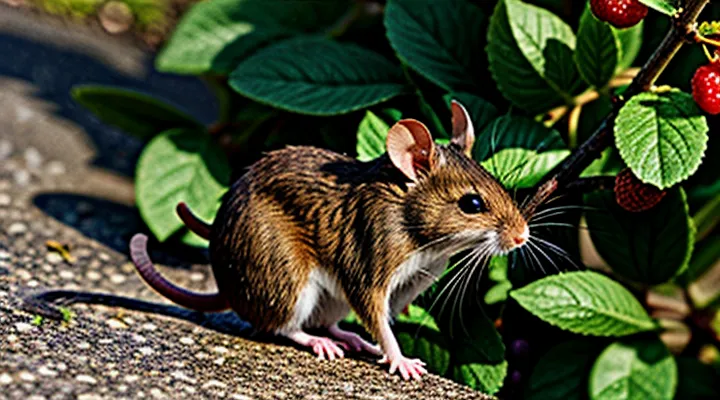
Understanding Mouse Dietary Habits
General Rodent Diet
Rodents are omnivorous mammals whose food intake reflects species‑specific physiology, habitat availability, and seasonal change. Their digestive system accommodates a wide range of nutrients, allowing them to exploit both plant and animal resources.
- Seeds and grains: primary energy source for many species.
- Nuts and kernels: provide high‑fat content.
- Fruits and berries: consumed opportunistically when abundant.
- Green vegetation: leaves, stems, and roots supply fiber and minerals.
- Invertebrates: insects, larvae, and eggs contribute protein.
- Carrion or small vertebrates: occasional supplement for carnivorous specialists.
Dental morphology—continuously growing incisors and flat molars—enables efficient processing of hard seeds and soft plant material. Metabolic flexibility permits rapid adjustment to fluctuating food supplies, supporting survival in diverse ecosystems.
Knowledge of these dietary patterns guides the formulation of balanced laboratory diets, informs wildlife conservation strategies, and improves the effectiveness of rodent control programs.
Nutritional Needs of Mice
Mice require a balanced intake of macronutrients, micronutrients, and water to sustain rapid metabolism and reproductive cycles. Protein supplies essential amino acids for tissue growth; laboratory diets typically contain 18‑20 % protein, while wild mice obtain protein from insects, seeds, and plant material. Carbohydrates provide immediate energy; grains and starchy plant parts contribute 50‑60 % of caloric intake. Fats, sourced from seeds and insects, supply essential fatty acids and support thermoregulation, comprising roughly 5‑10 % of the diet.
Key micronutrients include:
- Calcium and phosphorus for bone formation and cellular signaling.
- Iron, zinc, and copper for enzyme function and immune competence.
- Vitamin A for vision and epithelial health; vitamin D for calcium absorption; B‑complex vitamins for metabolic pathways.
- Antioxidants such as vitamin E and selenium mitigate oxidative stress.
Water consumption averages 3‑5 ml per gram of body weight daily; dehydration rapidly impairs renal function and reduces foraging efficiency.
Digestive physiology influences food selection. Mice possess a short gastrointestinal tract optimized for rapid fermentation of soluble carbohydrates, limiting the intake of fibrous or highly tannin‑rich foods. Berries, which contain simple sugars, moderate fiber, and variable levels of phenolic compounds, can satisfy carbohydrate needs but may not provide sufficient protein or essential minerals. Consequently, wild mice incorporate berries opportunistically, supplementing rather than relying on them.
Energy expenditure in mice ranges from 12 to 15 kcal g⁻¹ day⁻¹ under basal conditions, increasing up to 30 % during cold exposure or gestation. Nutrient density of consumed foods must meet this demand; low‑calorie items are discarded in favor of higher‑energy seeds and insects.
Overall, mice prioritize foods that deliver high protein, adequate fats, and readily metabolizable carbohydrates. Berries contribute to carbohydrate intake but must be balanced with other sources to fulfill the full spectrum of nutritional requirements.
Do Mice Eat Berries? The Sweet Truth
Common Berry Types and Mouse Preferences
Wild Berries
Wild berries, including species such as blackberries (Rubus fruticosus), raspberries (Rubus idaeus), and elderberries (Sambucus nigra), provide high levels of simple sugars, vitamins, and antioxidants. Their seasonal abundance creates a temporary energy source for numerous small mammals.
Field observations and laboratory trials show that house mice (Mus musculus) and field mice (Apodemus spp.) ingest wild berries when fruit is available. Consumption rates increase in late summer and early autumn, coinciding with peak berry ripeness. Mice typically select berries with higher sugar concentrations and softer skins, which reduce handling time and energy expenditure.
Key factors influencing berry intake by rodents:
- Sugar content: Direct correlation with preference; berries exceeding 10 % soluble solids are most frequently consumed.
- Texture: Soft, easily punctured skins facilitate rapid extraction of pulp.
- Nutrient balance: Presence of vitamins C and A complements the protein‑lean diet of many mouse species.
- Predation risk: Ground‑foraging mice favor berries that fall close to shelter sites, reducing exposure to aerial predators.
Experimental data indicate that berry consumption can represent up to 15 % of total caloric intake during peak fruiting periods. However, reliance on wild berries remains opportunistic; mice revert to grain, seeds, and insects when fruit supply declines.
Ecologically, mouse foraging on berries contributes to seed dispersal. Seeds passing through the gastrointestinal tract often germinate more rapidly, enhancing plant regeneration in disturbed habitats. Conversely, heavy predation on berries may reduce fruit yield for other frugivores, altering community dynamics.
Garden Berries
Garden berries present a readily accessible source of carbohydrates, water, and modest protein for small rodents. The high sugar concentration in ripe fruits creates an attractive energy target, while the soft pulp reduces handling time during nocturnal foraging.
Rodents such as the common house mouse (Mus musculus) exhibit opportunistic feeding patterns that prioritize readily digestible nutrients. Field observations and laboratory preference tests consistently show a measurable increase in consumption when berries are available, compared to grain or seed diets of equivalent caloric value.
- Strawberries (Fragaria × ananassa): Frequently consumed whole; skins and seeds are rarely discarded.
- Raspberries (Rubus idaeus): Partial consumption; mice remove flesh but often leave core structures.
- Blackberries (Rubus fruticosus): Similar to raspberries; higher tannin content may reduce intake slightly.
- Blueberries (Vaccinium corymbosum): Whole fruit intake observed; skin is not a deterrent.
- Currants (Ribes spp.) and Gooseberries (Ribes uva-crispa): Consumption limited to softened, over‑ripe specimens; high acidity and seed hardness discourage extensive feeding.
The preference hierarchy aligns with sugar concentration, fruit softness, and seed size. Over‑ripe berries, which soften further and lose defensive compounds, attract the greatest mouse activity.
For gardeners seeking to limit rodent damage, strategies include prompt removal of fallen fruit, installation of physical barriers around berry patches, and the use of alternative high‑energy feedstations to divert foraging pressure away from cultivated plants.
Factors Influencing Berry Consumption
Availability
Mice encounter berries primarily when these fruits are present on the forest floor, in hedgerows, or within cultivated fields. The likelihood of consumption correlates directly with the spatial and temporal distribution of ripe berries.
- Seasonal peaks: late summer and early autumn provide the greatest abundance, aligning with the breeding period of many rodent species.
- Habitat type: deciduous woodlands and edge environments host higher berry densities than open grasslands.
- Micro‑habitat factors: leaf litter depth and moisture level affect fruit retention and accessibility for ground‑dwelling mice.
When berries are scarce, mice shift to alternative items such as seeds, insects, and stored grain. Conversely, in regions where berry-producing shrubs are abundant, studies report measurable inclusion of fruit in stomach contents and fecal analyses. Availability therefore functions as a key determinant of the proportion of berries in the rodent diet, influencing foraging strategies and energy intake.
Ripeness
Mice are attracted to berries that have reached a specific stage of ripeness. At this stage, sugars increase, acids decrease, and volatile compounds become more pronounced, creating a scent profile that triggers the rodents’ olfactory receptors. The softened pulp also reduces the effort required to bite through the skin, aligning with the mouse’s preference for low‑effort food sources.
Research shows that mice preferentially select berries when:
- Sugar concentration exceeds 10 % of fresh weight.
- Firmness falls within 1–2 N, indicating a tender but intact structure.
- Volatile emission includes high levels of aldehydes and esters such as hexanal and ethyl acetate.
- Skin coloration shifts from green to red or deep purple, signaling advanced ripeness.
When berries are under‑ripe, low sugar content and higher acidity render them less palatable, resulting in reduced consumption. Over‑ripe fruit may develop fungal growth or excessive moisture, increasing the risk of spoilage and deterring foraging due to potential health hazards.
Field observations confirm that mouse activity around berry-producing plants peaks during the window when fruit transitions from mid‑ to full‑ripeness. Laboratory trials using choice assays demonstrate a statistically significant preference for fully ripe berries over both unripe and overly soft specimens, with intake rates rising by up to 35 % compared to non‑optimal stages.
Consequently, ripeness directly influences the likelihood that rodents will incorporate berries into their diet, shaping foraging patterns and seasonal nutrient acquisition.
Other Food Sources
Mice consume a wide range of foods that supplement or replace fruit intake, particularly when berries are scarce. Their natural foraging behavior targets seeds, grains, and plant matter that provide essential carbohydrates, proteins, and fats.
- Seeds and nuts – high‑energy reserves; common species include wheat, corn, sunflower, and acorn kernels.
- Grains and cereals – oats, barley, rice, and rye supply starch and protein.
- Invertebrates – insects, larvae, and earthworms contribute protein and micronutrients.
- Vegetative matter – tender shoots, leaf buds, and root tips offer moisture and fiber.
- Human‑derived waste – discarded bread, pet food, and processed snacks present readily available calories in urban settings.
These alternatives enable mice to maintain body condition throughout seasonal fluctuations in berry availability.
The Impact of Berries on Mouse Health
Nutritional Benefits of Berries for Mice
Berries provide a compact source of macronutrients and micronutrients that support mouse growth, reproduction, and immune function. Their carbohydrate profile consists primarily of simple sugars such as glucose and fructose, which deliver rapid energy for locomotion and thermoregulation. Fiber content, mainly pectin and cellulose, promotes gastrointestinal motility and fosters a beneficial gut microbiota, enhancing nutrient absorption and pathogen resistance.
Key micronutrients supplied by common berries include:
- Vitamin C: antioxidant protection, collagen synthesis, and stress mitigation.
- Vitamin K: regulation of blood clotting and bone mineralization.
- Vitamin E: lipid‑soluble antioxidant protecting cell membranes.
- Potassium: electrolyte balance, nerve impulse transmission, and muscle contraction.
- Polyphenols (e.g., anthocyanins, flavonols): anti‑inflammatory activity, modulation of signaling pathways, and reduction of oxidative damage.
Protein quality in berries is low, yet the amino acid spectrum complements protein‑rich components of a mixed diet, reducing the need for excessive dietary protein while still meeting essential amino acid requirements. Additionally, the low‑fat composition of berries limits caloric excess, helping maintain optimal body weight and metabolic health.
When incorporated into a balanced feed formulation, berries can:
- Shorten the duration of post‑weaning growth lag by supplying readily digestible carbohydrates.
- Enhance immune responsiveness through vitamin and polyphenol intake.
- Stabilize gut flora, decreasing incidence of enteric infections.
- Provide palatable variety, encouraging consistent feed consumption.
Overall, berries function as a nutrient‑dense supplement that augments energy provision, antioxidant capacity, and micronutrient status, thereby supporting the physiological demands of laboratory and pet mice.
Potential Risks and Toxins
Pesticides and Herbicides
Mice encounter pesticides and herbicides primarily when foraging for berries in cultivated or unmanaged habitats. Residues on fruit surfaces can alter the palatability of berries, deter consumption, or cause rapid aversion after a single exposure. Laboratory studies show that even low concentrations of common organophosphates reduce the frequency of berry bites by up to 40 %, suggesting that chemical deterrence operates alongside toxic effects.
Key mechanisms through which these agrochemicals influence mouse feeding behavior include:
- Taste alteration – bitter or metallic sensations produced by residue compounds decrease acceptance.
- Physiological stress – sub‑lethal exposure triggers nausea, reduced gut motility, and temporary loss of appetite.
- Learning avoidance – mice quickly associate adverse post‑ingestive effects with specific berry patches, leading to spatial avoidance.
Field observations confirm that mouse activity clusters around untreated zones, while treated rows exhibit markedly lower rodent presence. This pattern persists across diverse berry species, indicating that the deterrent effect is not limited to a single fruit type.
Management implications are straightforward. Reducing non‑target exposure involves:
- Applying chemicals during periods when berries are not yet ripening.
- Employing barrier sprays that limit drift onto fruit surfaces.
- Selecting formulations with rapid degradation rates to minimize residue persistence.
By controlling pesticide and herbicide application, growers can limit unintended impacts on rodent foraging patterns while preserving the integrity of berry crops.
Natural Toxins in Certain Berries
Mice encounter a variety of berries in natural foraging habitats, yet several species contain compounds that reduce their palatability or pose health risks. The most common natural toxins found in edible‑looking berries include:
- Solanine and related glycoalkaloids – present in nightshade family fruits; cause gastrointestinal distress and neurotoxicity at moderate doses.
- Cyanogenic glycosides – found in berries such as wild cherries and some honeysuckles; release hydrogen cyanide when metabolized, leading to rapid respiratory inhibition.
- Tannins – abundant in several berry skins; bind dietary proteins, impairing digestion and decreasing nutrient absorption.
- Oxalic acid – concentrated in certain berries like wild strawberries; precipitates calcium, potentially inducing kidney stone formation.
Rodent physiology processes these chemicals with limited efficiency. Enzymatic pathways for detoxifying glycoalkaloids and cyanogenic compounds are less developed than in herbivorous mammals, resulting in heightened sensitivity. Behavioral observations show a marked avoidance of berries with detectable bitterness or astringency, traits often linked to high tannin content.
When ingestion occurs, sublethal exposure typically manifests as reduced feed intake, lethargy, and weight loss. Acute ingestion of high toxin concentrations can cause convulsions, respiratory failure, or death. Consequently, natural toxin profiles significantly shape the likelihood that mice will incorporate specific berries into their diet.
Practical Implications for Pest Control
Attracting Mice with Berries
Berries can serve as an effective lure for wild mice when deployed in controlled environments. The sweet pulp, high moisture content, and natural sugars provide immediate energy, encouraging exploratory behavior in rodents that are otherwise opportunistic feeders.
Key factors that increase the attractiveness of berries to mice include:
- Sugar concentration: Levels above 10 % stimulate the gustatory receptors that drive rapid intake.
- Aroma intensity: Volatile compounds such as esters and aldehydes emitted during ripening signal food availability.
- Texture: Soft skins facilitate easy gnawing, reducing the effort required for consumption.
- Color contrast: Bright hues, especially red and blue, stand out against typical ground cover, aiding visual detection.
Experimental placement of berries near nesting sites yields higher capture rates than grain or seed baits. Mice tend to investigate within minutes of exposure, often returning for repeated feeding bouts if the supply remains fresh.
For practical application, use freshly harvested berries or frozen–thawed specimens to preserve aroma. Position the fruit on low‑lying platforms or within bait stations that limit access to non‑target species. Replace any degraded pieces every 12–24 hours to maintain optimal attractant quality.
Deterring Mice from Berry Patches
Physical Barriers
Physical barriers limit rodent interaction with berry resources. Thick bark, tough fruit skins, and dense foliage create mechanical obstacles that mice must overcome to reach edible pulp. When berry skins exceed the bite force of a typical house mouse, the animal abandons the fruit and seeks softer alternatives. Plant structures such as spiny bracts or prickly stems deter entry, especially when the cost of injury outweighs nutritional gain.
Environmental features also act as barriers. Soil compaction around low‑lying bushes reduces burrowing opportunities, while steep slopes impede locomotion. Artificial obstacles—metal mesh, plastic netting, and wood slats—prevent rodents from climbing onto fruiting vines. These devices exploit the limited grip strength of small rodents, forcing them to navigate around rather than through the protected area.
Effective barrier design incorporates three principles:
- Material hardness surpasses incisors’ cutting capacity.
- Surface geometry lacks footholds or gaps larger than 5 mm.
- Placement eliminates alternate routes, such as ground access or aerial bridges.
Research indicates that when at least two of these criteria are satisfied, mouse foraging on berries declines sharply. Consequently, physical impediments serve as a primary factor in shaping rodent dietary choices concerning berry consumption.
Natural Repellents
Mice are attracted to ripe fruit, including berries, because of their high sugar content. When berries are cultivated in gardens or orchards, natural deterrents can reduce rodent damage without resorting to chemicals.
Effective plant‑based repellents include:
- Peppermint oil applied to cotton balls or sprayed on foliage; the strong menthol scent overwhelms rodent olfactory receptors.
- Cayenne or chili pepper powder sprinkled around plants; capsaicin irritates mucous membranes and discourages feeding.
- Garlic cloves or garlic‑infused water sprayed on soil; sulfur compounds act as a repellent.
- Tobacco leaves or nicotine extracts; alkaloids are toxic at low concentrations and deter foraging.
- Predator urine (e.g., fox or owl) collected from commercial sources; the scent triggers avoidance behavior.
Implementation guidelines: place repellent material at the base of each plant, refresh volatile oils every 3–4 days, and reapply powders after rain. Combine multiple agents to address habituation, as rodents may become desensitized to a single odor.
Physical barriers complement chemical deterrents. Mesh cages, fine wire netting, or raised beds prevent direct access to berries, while mulch layers of cedar chips add a secondary aromatic deterrent. Regular monitoring of bait stations and damage signs allows timely adjustment of repellent strategies.