
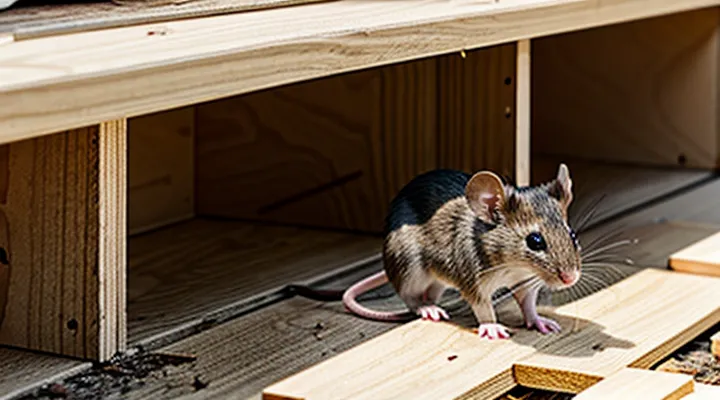
Understanding Mouse Behavior
Why Do Mice Chew?
Gnawing Instincts
Mice possess a strong gnawing reflex that activates whenever their incisors encounter resistance. The reflex prevents over‑growth of teeth and is triggered by the hardness of the material, not by nutritional need. Consequently, even dense engineered wood such as plywood becomes a target when mice explore a building’s interior.
The instinct drives rodents to test surfaces with repeated bites, creating shallow grooves that quickly enlarge into holes. These openings allow entry into wall cavities, insulation, and wiring. Damage accumulates as follows:
- Initial gnaw marks weaken structural panels.
- Repeated bites cause splintering and loss of load‑bearing capacity.
- Created pathways facilitate further infestation and secondary damage (e.g., water intrusion).
Factors that increase the likelihood of plywood damage include:
- Availability of alternative food sources; scarcity prompts chewing for exploration.
- Presence of moisture; damp wood softens, making it easier to bite.
- Concealed spaces; gaps behind drywall or under flooring conceal gnawed sections from inspection.
Preventive measures focus on eliminating access points, reducing moisture, and using rodent‑resistant materials such as metal sheathing or hard‑plastic barriers in vulnerable areas. Regular inspection of wooden components, especially in basements and attics, identifies early gnawing signs before structural integrity is compromised.
Searching for Food and Shelter
Mice are driven by the need to obtain nutrients and maintain a secure nesting site. Their foraging patterns focus on accessible food sources such as grains, crumbs, and stored pantry items. When these resources are scarce, individuals expand their search to structural components of a building, including wooden elements that can be chewed to create pathways or additional storage spaces.
Chewing behavior serves two purposes: it provides access to concealed food caches and creates openings for shelter expansion. Plywood and other soft wood products are especially vulnerable because they require less force to gnaw than harder materials. Repeated gnawing can compromise panel integrity, leading to cracks, splintering, and eventual loss of load‑bearing capacity.
Shelter selection prioritizes concealed, dry, and insulated areas. Common locations include:
- Wall cavities behind baseboards
- Under floorboards and joist spaces
- Attic insulation piles
- Behind appliances and cabinetry
These sites offer protection from predators and temperature fluctuations while allowing easy access to food pathways created through gnawed wood.
Preventive measures focus on eliminating food attractants and sealing entry points. Effective actions include:
- Storing dry goods in airtight containers.
- Regularly cleaning surfaces to remove crumbs and spills.
- Installing metal or cement‑based flashing around openings.
- Replacing damaged plywood with harder, treated wood or composite panels.
By addressing both nutritional incentives and shelter requirements, homeowners reduce the likelihood of rodent‑induced structural damage.
Mice and Plywood: The Facts
Can Mice Chew Through Plywood?
Material Vulnerability
Mice possess continuously growing incisors that enable them to gnaw through soft wood. Plywood, composed of thin veneers bonded with adhesive, offers limited resistance to sustained chewing. The material’s layered structure creates gaps where saliva can weaken the glue, accelerating fracture. Repeated bites produce ragged edges that compromise load‑bearing capacity and allow moisture ingress, leading to rot and mold.
Key factors that increase plywood susceptibility:
- High moisture content in the wood or surrounding environment.
- Presence of exposed edges, seams, or unfinished surfaces.
- Low‑grade adhesive formulations with reduced tensile strength.
- Gaps or holes in building envelope that facilitate rodent entry.
Mitigation strategies focus on reducing both attraction and access:
- Seal all penetrations with steel mesh or cement‑based caulk.
- Apply rodent‑resistant coatings, such as polyurethane or epoxy, to exposed surfaces.
- Replace vulnerable panels with hardwood or composite boards that exceed the hardness threshold for rodent incisors.
- Maintain low humidity levels and promptly repair leaks to deter gnawing motivated by moisture.
By addressing material properties and environmental conditions, homeowners can significantly lower the risk of structural degradation caused by rodent activity.
Factors Influencing Damage Severity
Mice gnawing plywood can produce damage ranging from superficial scratches to structural compromise. The extent of harm depends on several measurable variables.
- Species and size of the rodent: larger species generate deeper bites.
- Age and health of the mouse: mature, well‑nutrioned individuals chew more aggressively.
- Availability of alternative food sources: scarcity drives increased gnawing of building materials.
- Moisture content of the plywood: higher humidity softens wood, making it easier to chew.
- Presence of protective coatings or sealants: treated surfaces resist penetration.
- Structural location: concealed cavities concentrate activity and limit detection.
- Temperature fluctuations: colder environments stimulate gnawing to generate warmth.
- Duration of infestation: prolonged presence allows cumulative damage to accumulate.
Each factor interacts with the others; for example, high moisture combined with untreated wood accelerates bite depth, while effective sealing can offset the influence of larger rodents. Assessing these parameters enables accurate prediction of damage severity and informs targeted mitigation strategies.
Signs of Plywood Damage from Mice
Visible Gnaw Marks
Visible gnaw marks appear as clean, crescent‑shaped notches along the edge of plywood or other wood surfaces. The teeth of mice leave a series of parallel scratches that often intersect, creating a pattern distinct from other types of damage. Fresh marks may show lighter wood fibers and a faint powdery residue, while older bites darken as they oxidize.
Key characteristics of rodent chewing include:
- Uniform depth of about 1 mm, matching the length of a mouse’s incisor.
- Straight, parallel lines that follow the grain, occasionally forming a zig‑zag when the animal changes direction.
- Absence of splintered edges; the wood surface remains relatively smooth despite material loss.
Detecting these signs early prevents structural compromise. Inspect corners, baseboards, and under‑floor panels where mice travel. Use a flashlight to highlight shallow cuts; a magnifying lens reveals the fine tooth marks. When gnaw marks are found, seal entry points, eliminate food sources, and consider professional pest control to halt further wood erosion.
Droppings and Other Evidence
Droppings provide the most immediate confirmation of rodent activity. Fresh specimens are dark, shiny, and approximately one‑quarter inch long, resembling small grains of rice. Older droppings lose moisture, become dull, and may crumble when handled. Concentrations near baseboards, cabinets, or insulation indicate a nearby foraging route.
In addition to feces, several physical signs corroborate the presence of gnawing mammals:
- Parallel or V‑shaped bite marks on wood, plastic, or wiring, typically 2‑3 mm wide.
- Chewed edges exposing splintered fibers, often accompanied by urine stains that darken with oxidation.
- Accumulated shredded material such as paper, fabric, or insulation, forming loose nests in concealed cavities.
- Audible scratching or scurrying sounds during nighttime hours, especially when walls are thin or unfinished.
Identifying these indicators early enables targeted inspection of structural components, preventing progressive damage to plywood framing and related building elements.
Potential Home Damage and Risks
Structural Weakness
Compromised Integrity
Mice that gnaw plywood create openings that weaken load‑bearing panels. Even minor perforations reduce the ability of the material to distribute stress, increasing the likelihood of cracks and deformation under normal household loads.
Repeated nibbling enlarges gaps, allowing moisture infiltration and fostering rot. Moisture‑saturated wood loses compressive strength, which can compromise floor joists, wall sheathing, and roof decking. The combined effect accelerates deterioration and may necessitate premature replacement of structural components.
Typical outcomes include:
- Loss of shear capacity in wall panels
- Reduced stiffness of floor systems
- Accelerated decay due to water ingress
- Increased risk of sagging or collapse in extreme cases
Prompt detection and sealing of gnaw marks preserve the intended performance of plywood assemblies and prevent cascading damage throughout the building envelope.
Moisture Infiltration
Mice that gnaw plywood create pathways for water to enter structural cavities. Their activity removes protective barriers, exposing dry wood to humidity that can seep from roofs, basements, or exterior walls. Once moisture contacts the compromised surface, it accelerates swelling, warping, and decay.
Moisture infiltration through mouse‑damaged plywood leads to several direct problems:
- Rotting of wood fibers, reducing load‑bearing capacity.
- Formation of mold colonies, which release spores into indoor air.
- Increased likelihood of corrosion on adjacent metal fasteners and fixtures.
- Attraction of additional pests that thrive in damp environments.
The interaction between rodent damage and water intrusion creates a feedback loop. As wood deteriorates, gaps enlarge, allowing more water penetration, which in turn weakens the material further and invites further chewing. Prompt detection of chew marks and immediate sealing of openings interrupt this cycle.
Effective mitigation requires two steps: eliminate the rodent entry points and restore the plywood’s moisture barrier. Sealing cracks with epoxy‑based fillers and applying waterproof sealants restores resistance to water. Concurrently, installing traps or exclusion devices prevents further gnawing, preserving the structural integrity of the home.
Health Concerns
Pathogen Transmission
Mice that gnaw on structural wood can introduce disease‑causing organisms into a residence. Saliva, urine, and feces deposited during chewing become vectors for bacteria, viruses, and parasites that survive on damaged surfaces. The porous nature of plywood retains moisture, allowing microbes to persist longer than on smooth, non‑porous materials.
Common pathogens associated with rodent activity include:
- Salmonella spp. – transmitted through contaminated droppings, capable of causing gastrointestinal illness.
- Hantavirus – spread by inhalation of aerosolized rodent excreta, leading to severe respiratory disease.
- Leptospira interrogans – present in urine, can enter the bloodstream through skin abrasions or mucous membranes.
- Streptobacillus moniliformis – responsible for rat‑bite fever, transmitted via bite wounds or contaminated surfaces.
When mice chew plywood, they create entry points for additional pests such as insects that may further disseminate pathogens. The resulting structural damage also compromises insulation, increasing humidity and fostering mold growth, which can exacerbate respiratory problems.
Effective mitigation requires sealing gaps, removing gnawed wood, and employing rodent control measures. Regular sanitation of affected areas reduces microbial load and limits the risk of infection to occupants.
Allergen Exposure
Mice that gnaw wooden structures create openings that release settled particles into indoor air. The process disperses urine, feces, and skin flakes directly onto surrounding surfaces, where they become airborne and settle in dust layers.
- Mouse urine and feces contain proteins that trigger IgE‑mediated responses.
- Dander consists of microscopic hair fragments that act as potent inhalants.
- Disrupted wood fibers attract dust‑mite colonies, adding another allergen source.
- Moisture accumulation in damaged wood promotes mold growth; spores contribute to respiratory irritation.
Exposure to these agents can provoke allergic rhinitis, exacerbate asthma, and cause contact dermatitis. Sensitive individuals may experience symptoms within minutes of inhalation or skin contact.
Effective control requires sealing gnawed areas, removing contaminated debris, and implementing integrated pest management. Regular vacuuming with HEPA‑rated filters reduces airborne allergen load, while dehumidification limits mold proliferation. Continuous monitoring of indoor air quality helps verify that allergen concentrations remain below clinical thresholds.
Other Issues
Noise Disturbances
Mice that gnaw on plywood can generate audible activity that interferes with household tranquility. Their incisors produce a repetitive, high‑frequency squeak when they cut through wood fibers, especially in quiet periods such as nighttime. This sound travels through floor joists, walls, and ceilings, reaching adjacent rooms and potentially disturbing occupants.
Key characteristics of the noise include:
- Sharp, intermittent clicks lasting a fraction of a second.
- A continuous rasp when a mouse repeatedly chews the same area.
- Amplification through hollow cavities, making the sound louder in rooms with minimal insulation.
The acoustic impact varies according to construction materials. Solid‑core walls dampen the noise more effectively than drywall partitions, while unfinished basements transmit vibrations with little attenuation. In multi‑unit dwellings, the sound may cross floor slabs, affecting neighboring apartments.
Mitigation strategies focus on reducing both the source and the transmission:
- Seal entry points to prevent mouse ingress, eliminating the origin of the chewing noise.
- Install acoustic insulation behind plywood surfaces to absorb vibrations.
- Apply steel mesh or hardboard overlays to vulnerable panels, discouraging gnawing and limiting sound propagation.
Monitoring devices, such as ultrasonic detectors, can identify active chewing sites before damage escalates, allowing timely intervention and preserving acoustic comfort.
Fire Hazards (due to gnawing on electrical wires)
Mice that gnaw on plywood often extend their activity to nearby electrical wiring. Their incisors can strip insulation, exposing copper conductors to air and creating a direct path for electrical arcing. When current jumps across the exposed gap, heat builds rapidly, and combustible materials such as insulation, drywall, or nearby furniture may ignite.
Key fire‑risk mechanisms include:
- Removal of protective sheath, allowing short circuits.
- Accumulation of chew debris that can act as tinder.
- Disruption of circuit breakers, leading to overloads.
Preventive measures focus on eliminating access points and monitoring rodent activity. Seal gaps around walls and foundations with steel‑wool or cement, install rodent‑proof conduit for wiring, and schedule regular inspections of insulation for bite marks. Early detection and remediation reduce the likelihood of fire caused by rodent‑induced wire damage.
Prevention and Mitigation Strategies
Mouse Exclusion Techniques
Sealing Entry Points
Mice gain access to homes through gaps as small as a quarter‑inch. Once inside, they can gnaw plywood, insulation, and structural components, leading to costly repairs. Preventing this damage begins with eliminating the pathways that allow rodents to enter.
Identify all potential openings: gaps around utility pipes, vent covers, foundation cracks, door sweeps, and window frames. Examine exterior walls, basement walls, and crawl‑space floors for signs of wear or missing caulking. Use a flashlight and mirror to inspect hard‑to‑see areas.
Seal each opening with appropriate materials:
- Expandable polyurethane foam for gaps larger than ½ inch; trim excess after curing.
- Steel‑wool or copper mesh behind caulk to deter chewing on larger cracks.
- Silicone or acrylic caulk for seams around windows, doors, and trim.
- Metal flashing or hardware cloth for vent openings and pipe sleeves.
- Weather‑stripping on doors and windows to close peripheral gaps.
Apply sealants when the surface is clean and dry. Ensure the material adheres firmly; press into the opening and smooth the surface to create a continuous barrier. For exterior applications, choose products rated for UV exposure and temperature fluctuations to maintain integrity over time.
Regular maintenance reinforces protection. Inspect sealed areas quarterly, especially after extreme weather, and reapply sealant where cracks reappear. A systematic approach to closing entry points reduces the likelihood of mice reaching internal plywood, thereby minimizing structural damage and associated repair costs.
Using Rodent-Proof Materials
Mice frequently gnaw plywood when it provides easy access to food, shelter, or nesting sites. Their incisors continuously grow, prompting them to chew any soft wood, which can weaken structural components, create gaps for further infestation, and lead to costly repairs.
Rodent‑proof materials mitigate this risk by offering resistance to gnawing, durability, and ease of installation. Effective options include:
- Metal flashing (galvanized steel, aluminum): impassable to incisors, suitable for joist seams and wall cavities.
- Hardboard (high‑density fiberboard): denser than standard plywood, reduces bite depth.
- Concrete or masonry panels: eliminates organic material in vulnerable zones.
- Composite panels (fiberglass‑reinforced polymer): combines strength with moisture resistance.
- Rodent‑grade sealants (silicone‑based, petroleum‑based): seal gaps and joints where wood meets other surfaces.
Selection criteria focus on hardness, tensile strength, and resistance to moisture. Materials with a Shore hardness above 70 resist bite penetration; tensile strength exceeding 5,000 psi ensures structural integrity under load. Moisture‑resistant formulations prevent warping, which could otherwise create new entry points.
Installation best practices:
- Replace exposed plywood in crawl spaces, attic vents, and foundation walls with metal flashing or composite panels.
- Apply sealant continuously along seams, around pipe penetrations, and at the perimeter of any wooden element.
- Secure panels with corrosion‑resistant fasteners; avoid wood screws that can be stripped by chewing.
- Conduct periodic inspections to verify seal integrity and detect early signs of rodent activity.
By integrating these materials and methods, homeowners reduce the likelihood of mouse‑induced plywood damage, preserve structural stability, and avoid expensive remediation.
Deterrents and Trapping
Natural Repellents
Mice gnawing plywood can weaken walls, floor joists, and cabinetry, creating pathways for moisture and pests. Preventing this behavior reduces repair costs and preserves structural integrity.
Natural repellents rely on odors, textures, or biological agents that mice find unpleasant. They avoid chemical residues and can be applied without professional equipment.
- Peppermint oil: strong menthol scent disrupts rodent olfactory receptors. Apply a few drops to cotton balls and place them near entry points and exposed wood surfaces. Replace every 7‑10 days.
- Citrus peels: limonene compounds deter chewing. Distribute fresh or dried peels in corners, under shelves, and around baseboards.
- Clove or eucalyptus oil: volatile phenols act as irritants. Dilute 1 % in water, spray on wood surfaces, and reapply after cleaning.
- Ultrasonic emitters: emit frequencies above human hearing that cause discomfort. Position devices close to vulnerable plywood sections; power sources must remain uninterrupted.
- Predator urine (e.g., fox or ferret): mimics natural threat cues. Use commercially available products, applying thin layers to wooden frames and hidden cavities.
Effective deployment requires sealing gaps larger than ¼ inch, eliminating food sources, and maintaining consistent repellent exposure. Rotate scents every two weeks to prevent habituation. Avoid direct contact of oils with painted finishes; test on a hidden area first.
Studies indicate that peppermint oil reduces mouse activity by up to 45 % in controlled environments, while ultrasonic devices show variable results depending on house layout. Natural repellents rarely eliminate infestations but lower the frequency of gnawing incidents when combined with structural exclusion.
Implement a regimen that integrates scent-based repellents, regular inspection of plywood joints, and prompt repair of entry points. This approach minimizes damage without introducing hazardous chemicals.
Trapping Methods
Mice can gnaw through thin plywood, creating holes that compromise insulation, allow drafts, and invite secondary infestations. Effective trapping reduces the population that causes such damage and limits future risk.
- Snap traps: steel bar with a spring‑loaded mechanism, delivers immediate kill. Position along walls, behind appliances, and near known gnaw marks. Use peanut butter or grain as bait; replace after each catch.
- Live‑catch traps: cage‑style devices that hold mice unharmed. Check every 12 hours to prevent stress. Release at least 100 miles from the residence, or hand over to pest‑control professionals.
- Electronic traps: high‑voltage circuit kills instantly upon contact. Battery‑powered models work in concealed locations; bait with scented gel to attract rodents.
- Glue boards: adhesive surface traps mice when they step onto the board. Place in low‑traffic corners; dispose of trapped animals according to local regulations.
- Bait stations with anticoagulant pellets: sealed units prevent non‑target exposure while delivering lethal dose. Install in wall voids and out‑of‑sight areas; monitor weekly for activity.
Placement strategy matters. Align traps perpendicular to mouse runways, typically within 1 ft of baseboards or where gnaw marks appear. Maintain a clean environment: eliminate food crumbs, store grains in sealed containers, and seal entry points with steel wool or caulk. Regular inspection of traps and prompt removal of captured mice prevent secondary contamination and sustain trap effectiveness.
Integrating traps with exclusion measures—such as sealing gaps, installing door sweeps, and managing vegetation near the foundation—creates a comprehensive approach that curtails mouse access to plywood structures and preserves the integrity of the home.
Inspecting and Repairing Damage
Assessing the Extent of Damage
Rodent activity can compromise structural plywood, requiring systematic evaluation to determine repair needs. Begin with a visual inspection of all exposed surfaces. Look for gnawed edges, irregular holes, and shredded fibers. Note the size, shape, and location of each defect, recording measurements in centimeters or inches.
Next, assess the integrity of the material surrounding each damage site. Use a thin probe or screwdriver to test for softness or loss of resistance. If the probe penetrates easily, the wood has lost load‑bearing capacity and must be replaced. For larger compromised areas, employ a moisture meter to detect hidden rot that often follows chewing damage.
When damage is extensive, conduct a load‑bearing analysis. Calculate the reduction in cross‑sectional area and compare it to the original design specifications for the floor or wall assembly. If the remaining area falls below safety thresholds defined by building codes, professional reinforcement or replacement is required.
Document findings in a concise report. Include:
- Photographs with scale references
- Measurements of each defect
- Probe resistance readings
- Moisture levels detected
- Recommended remediation actions
This structured approach provides a clear picture of the damage scope, enabling homeowners and contractors to prioritize repairs and prevent further structural degradation.
Repairing Chewed Plywood
Rodent activity can leave noticeable bites in plywood, compromising structural integrity and allowing moisture intrusion. Immediate assessment determines whether the affected area can be restored or requires replacement.
Repair procedure
- Remove all gnawed sections. Cut back to sound wood, leaving a margin of at least 1 inch around the damaged zone.
- Clean the exposed edges with a vacuum and a damp cloth to eliminate debris and potential contaminants.
- Apply a wood filler or epoxy resin formulated for structural repairs. Fill gaps completely, pressing the material into the cavity to avoid voids.
- Allow the filler to cure according to the manufacturer’s guidelines, typically 24 hours for epoxy and 6–8 hours for standard wood filler.
- Sand the cured surface smooth, progressing from coarse to fine grit to achieve a uniform plane.
- Seal the repaired panel with a moisture‑resistant primer, then finish with paint or varnish that matches the surrounding wood.
If the chewed portion exceeds one‑third of the panel’s thickness, replace the entire sheet rather than attempt a patch. Use pressure‑treated plywood for replacement to deter future rodent activity.
Preventive measures
- Seal entry points around the foundation, utility penetrations, and interior openings with steel wool or caulk.
- Store food in airtight containers and keep waste bins tightly closed.
- Install metal or hard‑plastic barriers beneath cabinets and shelving to block access to wooden structures.
Following these steps restores the plywood’s load‑bearing capacity and reduces the risk of recurring damage.