
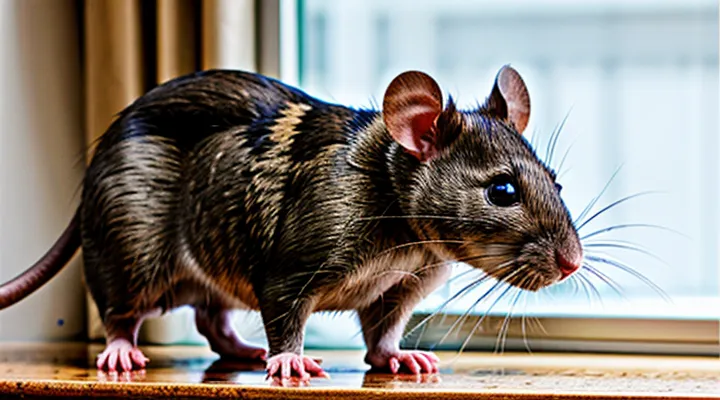
Understanding Rat Odor: The Basics
Why Rats Emit Odors
Rats produce a variety of odors that serve specific biological functions. These scents arise from specialized glands, metabolic processes, and microbial activity on the skin and fur.
- Sebaceous glands in the anal region secrete a musky substance used for territorial marking and social communication.
- Urinary and fecal waste contain volatile compounds such as ammonia, sulfur‑containing molecules, and short‑chain fatty acids, which signal reproductive status and individual identity.
- Skin microbiota metabolize secretions into distinctive smells; the composition of bacterial communities influences the intensity and character of the odor.
- Dietary components affect the chemical profile of excretions; high‑protein or high‑fat diets increase the production of pungent metabolites.
- Stress or illness can alter hormone levels, leading to the release of atypical volatile organic compounds that may serve as warning signals to conspecifics.
These mechanisms enable rats to convey information about territory, health, and reproductive readiness, while also facilitating group cohesion and predator avoidance.
Factors Influencing Rat Smell
Diet and Odor Production
Diet composition directly influences volatile compounds emitted by domestic rats. High‑protein feeds increase nitrogenous waste, which gut bacteria convert into ammonia and skatole, both contributing to a strong, musky odor. Conversely, diets rich in fiber promote microbial fermentation that produces short‑chain fatty acids; these have a milder, less perceptible scent.
Key dietary factors affecting odor production:
- Protein level: Elevated protein raises urinary and fecal ammonia; lower protein reduces these emissions.
- Fat content: Excess saturated fat encourages lipid oxidation, generating rancid‑smelling aldehydes.
- Fiber source: Soluble fiber enhances beneficial gut flora, suppressing odor‑causing metabolites.
- Water intake: Adequate hydration dilutes urine, decreasing concentration of odorants.
Modifying feed formulations can manage scent intensity. Reducing crude protein to 18 % of the diet, incorporating 5 % oat bran, and ensuring daily water access have been shown to lower detectable odor by up to 40 % in controlled studies.
Environment and Scent Accumulation
Domestic rats produce odor primarily through secretions from their skin, urine, and feces. The surrounding environment determines how quickly these chemicals concentrate and become detectable.
- Bedding material: absorbent substrates such as paper or wood shavings retain urine and fecal particles, slowing volatilization. Non‑absorbent surfaces allow rapid drying and dispersion of scent molecules.
- Ventilation: increased air exchange dilutes volatile compounds, reducing perceived odor intensity. Stagnant air permits accumulation in confined spaces.
- Humidity: high relative humidity enhances solubility of scent‑bearing compounds, prolonging their presence on surfaces. Low humidity accelerates evaporation, spreading odor more broadly but lowering concentration at any single point.
- Cleaning frequency: regular removal of waste and replacement of bedding disrupts the buildup of organic residues. Infrequent cleaning permits a layer of biofilm that traps and releases odor over time.
- Diet composition: protein‑rich foods generate higher levels of nitrogenous waste, which contributes to stronger smelling urine and feces. Grain‑based diets produce milder by‑products.
Rats also possess specialized scent glands located near the tail and facial region. Secretions from these glands coat the fur and are transferred to the environment through grooming. When grooming occurs on contaminated bedding, the animal redistributes odor compounds, reinforcing the overall scent profile of the habitat.
Measurement of scent accumulation relies on sampling airborne volatile organic compounds (VOCs) with gas chromatography‑mass spectrometry. Elevated concentrations of compounds such as ammonia, indole, and phenols correlate directly with the factors listed above.
In practice, controlling environmental variables—selecting low‑absorbency bedding, maintaining adequate ventilation, regulating humidity, and implementing a rigorous cleaning schedule—substantially reduces the odor associated with domestic rats.
Health Status and Scent Changes
Domestic rats produce odors that vary with their physiological condition. Healthy individuals emit a faint, musky scent that most owners perceive as neutral. When illness or stress disrupts normal metabolism, volatile compounds increase, making the animal’s odor more noticeable.
Key health factors that modify scent include:
- Respiratory infections: bacterial proliferation generates sulfur‑rich gases detectable on fur and breath.
- Skin parasites: mite or flea infestations introduce fatty acid breakdown products, creating a greasy, pungent smell.
- Urinary tract disorders: elevated ammonia concentrations intensify the characteristic “urine” odor.
- Gastrointestinal imbalance: dysbiosis releases short‑chain fatty acids, producing a sour or rancid note.
- Poor nutrition: deficiency‑related metabolic by‑products alter the scent profile of secretions.
Observable scent changes provide practical indicators of welfare:
- Strong, acrid odor from the ventral coat suggests dermatitis or infection.
- Persistent ammonia smell from bedding points to urinary retention or kidney dysfunction.
- Sweet or fermented aroma may signal overgrowth of yeast in the oral cavity.
- Sudden increase in musky intensity often correlates with hormonal fluctuations during estrus or breeding cycles.
Monitoring these olfactory cues enables early detection of health issues and supports timely veterinary intervention. Regular grooming, clean housing, and balanced diet minimize undesirable odors and maintain the baseline scent of a healthy pet rat.
Common Sources of Rat Odor
Urine and Feces: Primary Contributors
Domestic rats emit a distinctive odor that originates primarily from their excretory products. Urine contains high concentrations of volatile nitrogenous compounds, such as urea, ammonia, and uric acid derivatives. As urine dries, these substances break down, releasing pungent vapors that are readily detectable by human olfaction. The concentration of these compounds varies with diet, hydration, and health status, but even well‑fed rats produce measurable levels under normal housing conditions.
Feces contribute additional malodorous elements. Rat droppings are rich in short‑chain fatty acids, indole, skatole, and sulfur‑containing metabolites produced by gut bacteria during digestion. These chemicals persist on cage surfaces and in bedding, where they accumulate and intensify the overall scent profile. Regular removal of waste and thorough cleaning of nesting material significantly reduce the presence of these odorants.
Key points:
- Urine: ammonia, urea, uric acid derivatives → volatile, strong smell.
- Feces: short‑chain fatty acids, indole, skatole, sulfur compounds → lingering odor.
- Both waste types release odor continuously; concentration rises with limited ventilation and infrequent cleaning.
Glandular Secretions: Pheromones and Marking
Rats produce a range of glandular secretions that function as chemical signals for conspecifics. These secretions contain volatile and semi‑volatile compounds that travel through the air and persist on surfaces, enabling long‑distance and short‑range communication.
- Preputial glands: emit fatty acid derivatives, used primarily by males during mounting and territorial displays.
- Anal glands: release a mixture of sulfur‑containing molecules, marking social rank and reproductive status.
- Flank glands: secrete protein‑rich fluids that coat the fur, conveying individual identity.
- Urine: contains a complex blend of pheromones, nitrogenous waste, and electrolytes, deposited to delineate territory and signal estrus.
The chemicals identified in these secretions bind to receptors in the vomeronasal organ and main olfactory epithelium. Activation of these receptors triggers stereotyped responses such as aggression, avoidance, or mating behavior, demonstrating a direct link between glandular output and perceptual processing.
Marking behavior involves deliberate placement of secretions on objects, walls, and the ground. Rats revisit marked sites to assess recent activity, compare scent profiles, and adjust their own territorial boundaries. Urine spraying, flank rubbing, and anal gland discharge collectively create a layered chemical map that other rats can interpret without visual cues.
The presence of specialized olfactory structures, high receptor density, and rapid neural processing confirms that domestic rats detect and interpret these pheromonal cues. Consequently, glandular secretions constitute the primary mechanism by which rats “smell” each other and organize social interactions.
Nesting Materials and Their Impact
Domestic rats emit odors that are influenced by the substances they use to build nests. The choice of nesting material alters the chemical profile of the animal’s fur and the surrounding environment, affecting both the intensity and quality of the scent.
Common materials and their effects:
- Paper products (shredded newspaper, tissue): absorb moisture, reduce bacterial growth, result in a relatively mild aroma.
- Cotton fibers (balls, fabric strips): retain heat, may trap secretions, can increase a musky odor if not changed regularly.
- Wood shavings (aspen, pine): release volatile organic compounds; pine contains resinous scents that can mask rat odor, while aspen is less aromatic.
- Hemp or straw: absorb urine and feces, limit ammonia buildup, contribute to a neutral smell.
The interaction between material and rat physiology is measurable. Materials that wick away moisture limit bacterial proliferation, which otherwise generates sulfur‑containing compounds responsible for strong odors. Conversely, porous substrates that retain waste create an environment for microbial metabolism, intensifying the scent.
Management recommendations:
- Rotate nesting supplies weekly to prevent saturation.
- Combine low‑odor wood shavings with absorbent paper to balance temperature regulation and scent control.
- Remove soiled material promptly; replace with fresh, dry substrate to maintain a consistent olfactory baseline.
By selecting and maintaining appropriate nesting substrates, caretakers can significantly influence the olfactory output of pet rats, reducing unwanted odors while preserving a comfortable habitat.
Managing and Minimizing Rat Odor
Effective Cage Cleaning Practices
Substrate Choices for Odor Control
Pet rats produce odor primarily through urine, feces, and secretions from scent glands. Selecting an appropriate bedding material reduces the intensity of these smells and improves cage hygiene.
- Paper‑based substrates (e.g., shredded paper, cellulose pads) absorb moisture quickly, trap ammonia, and generate minimal dust. They decompose slowly, maintaining a dry environment that limits bacterial growth.
- Wood shavings (aspen, kiln‑dried pine) provide good absorbency and a natural scent that masks rodent odors. Avoid cedar, which releases phenols harmful to respiratory health.
- Corn‑based pellets compress into a dense layer, offering high absorbency and ease of cleaning. Their low dust content prevents respiratory irritation while containing odors within the substrate.
- Recycled hemp fibers combine strong absorbency with antimicrobial properties. The material remains dry for extended periods, reducing ammonia buildup.
- Synthetic polymer mats (e.g., reusable fleece) allow thorough washing and rapid drying. They eliminate the need for disposable bedding but require regular laundering to prevent odor accumulation.
Effective odor control also depends on routine maintenance: spot‑clean daily, replace full bedding weekly, and monitor humidity levels to keep ammonia below 20 ppm. Combining a high‑absorbency substrate with consistent cleaning sustains a low‑odor environment for indoor rats.
Cleaning Frequency and Techniques
Effective odor control for pet rats relies on systematic cleaning. Regular removal of waste and substrate replacement prevents the buildup of volatile compounds that generate unpleasant scents.
Cleaning should occur at least once daily for cages housing active rodents. Weekly deep cleaning, including thorough washing of all removable components, reduces residual bacteria and mold. In multi‑cage setups, staggered schedules maintain a constant supply of fresh environments without overwhelming the caretaker.
- Spot cleaning: Remove droppings, soiled bedding, and uneaten food immediately after observation.
- Substrate change: Replace 25‑30 % of bedding each day; replace the entire substrate weekly.
- Disinfection: Use a dilute solution of veterinary‑grade disinfectant (e.g., 1 % hydrogen peroxide) to wipe cage walls, bars, and accessories after a full substrate change.
- Ventilation: Ensure cages have adequate airflow; incorporate mesh lids or small ventilation holes to disperse odor‑carrying particles.
- Water bottle maintenance: Clean and sterilize water bottles weekly; replace tubing or sipper tubes monthly to prevent biofilm formation.
Consistent application of these practices eliminates the primary sources of odor, keeping the living area for domestic rats fresh and hygienic.
Ventilation and Air Quality in Rat Habitats
Ventilation directly influences the concentration of volatile compounds released by pet rats. Adequate air exchange dilutes ammonia from urine, bacterial metabolites, and scent markers deposited on fur and nesting material. A minimum of 6 air changes per hour in a standard cage enclosure maintains odor levels below the detection threshold for most humans.
Key factors affecting air quality:
- Airflow direction – supply air should enter from the top of the cage, while exhaust vents remove stale air from the bottom, preventing accumulation of heavier gases.
- Filtration – activated carbon filters capture organic molecules that contribute to odor, extending the period between full cage cleaning.
- Humidity control – relative humidity above 60 % accelerates bacterial growth and increases ammonia volatilization; a target range of 40‑55 % limits these processes.
- Temperature stability – temperatures above 25 °C raise metabolic rates, producing more scent compounds; maintaining 20‑24 °C reduces odor output.
Practical measures for optimal ventilation:
- Install cage racks with perforated platforms that allow free passage of air beneath each enclosure.
- Use low‑noise inline fans calibrated to achieve the recommended air‑change rate without causing stress to the animals.
- Replace carbon filter cartridges weekly or when a noticeable rise in odor occurs.
- Monitor humidity with a calibrated hygrometer; employ desiccant packs or a humidifier to keep levels within the target range.
- Perform daily spot cleaning of soiled bedding and weekly complete substrate replacement to remove accumulated waste.
By controlling airflow, filtration, humidity, and temperature, the environment suppresses the release of olfactory cues that could otherwise indicate that domestic rats emit a strong smell. Proper ventilation therefore minimizes detectable odor while supporting the health and welfare of the animals.
Dietary Considerations for Odor Reduction
Pet rats produce odor primarily through metabolic waste and secretions from the skin and anal glands. Adjusting their diet can markedly lower the intensity of these smells.
A balanced diet for odor control includes:
- High‑quality, low‑protein rodent pellets; excess protein increases nitrogenous waste, which contributes to a musky scent.
- Adequate fiber from timothy hay or wheat bran; fiber speeds intestinal transit, reducing fecal odor buildup.
- Fresh, filtered water supplied daily; hydration dilutes urine, limiting ammonia concentration.
- Small amounts of fresh vegetables such as bell peppers, carrots, and leafy greens; these provide vitamins without adding strong-smelling compounds.
- Probiotic supplements or fermented foods like a pinch of unsweetened yogurt; beneficial bacteria improve gut flora, decreasing volatile fatty acids.
Foods to avoid:
- Garlic, onions, and other allium vegetables; sulfur compounds release pungent odors when metabolized.
- High‑fat treats and greasy seeds; fat slows digestion, increasing fecal retention and smell.
- Citrus fruits and strong spices; these can alter urine pH, enhancing ammonia release.
Regularly removing uneaten food and cleaning feeders prevents bacterial growth that amplifies odor. Monitoring the rat’s stool consistency helps identify dietary imbalances early; soft, watery stools suggest excess fiber, while hard pellets indicate insufficient moisture.
Implementing these dietary measures reduces the chemical precursors of odor, leading to a cleaner environment and a more pleasant coexistence with pet rats.
Addressing Health-Related Odors
Domestic rats produce volatile compounds that can affect indoor air quality and human health. Their scent originates from urine, feces, glandular secretions, and microbial activity on bedding. These odors contain ammonia, sulfides, and bacterial endotoxins, which may trigger respiratory irritation, allergic reactions, or exacerbate asthma in susceptible individuals.
Effective control of health‑related odors requires a systematic approach:
- Remove waste daily; dispose of droppings and soiled bedding in sealed containers.
- Clean cages with mild, non‑volatile disinfectants; rinse thoroughly to eliminate residue.
- Provide adequate ventilation; circulate fresh air to dilute airborne contaminants.
- Use activated charcoal or HEPA filtration in the immediate environment to capture odor particles.
- Monitor humidity; maintain levels below 60 % to inhibit bacterial growth that intensifies smell.
Regular monitoring of odor intensity, combined with prompt sanitation, reduces exposure to harmful compounds and maintains a healthier living space for both rodents and caregivers.
When Rat Odor Signals a Problem
Unusually Strong or Persistent Odor
Domestic rats can emit an odor that is markedly stronger or more persistent than the typical musky scent associated with the species. The intensity of this smell usually indicates an underlying factor that alters the animal’s normal scent profile.
- Urine saturation: high‑protein diets and dehydration increase ammonia concentration, producing a sharp, lingering odor.
- Anal gland secretions: overactive scent glands release fatty acids that create a sour, rancid smell, especially when the animal is stressed or marked excessively.
- Skin infections: bacterial or fungal colonization on the fur generates a fetid odor resistant to routine cleaning.
- Dental disease: infected molars exude a putrid smell that can permeate the animal’s breath and coat.
- Environmental buildup: accumulated waste in cages, especially in porous bedding, allows odor‑producing microbes to thrive, extending the scent’s duration.
Addressing these sources—by adjusting nutrition, ensuring adequate hydration, maintaining strict cage hygiene, and providing veterinary care—reduces the odor’s strength and persistence.
Sudden Changes in Odor Profile
Domestic rats possess a highly developed olfactory system that can register rapid alterations in ambient scent composition. When a new odor source is introduced—such as a spilled food item, a cleaning agent, or a predator cue—their nasal epithelium detects volatile compounds within seconds, prompting immediate behavioral adjustments.
Key mechanisms underlying abrupt odor profile shifts include:
- Receptor activation: Specialized olfactory receptors bind to newly present molecules, generating a spike in neuronal firing rates.
- Neural circuitry response: The olfactory bulb relays amplified signals to the amygdala and hypothalamus, triggering instinctive reactions such as investigation, avoidance, or stress‑related grooming.
- Hormonal modulation: Acute exposure to unfamiliar odors can elevate corticosterone levels, influencing attention and memory consolidation.
Environmental factors that commonly produce sudden scent changes for pet rats are:
- Introduction of novel food aromas during feeding times.
- Application of disinfectants or scented bedding.
- Presence of other animals, including cats or other rodents, in the same vicinity.
These rapid olfactory shifts affect social communication, foraging efficiency, and stress management. Understanding the precise timing and intensity of scent detection enables more effective handling, enrichment design, and health monitoring for domestic rats.
Identifying Potential Health Issues Through Scent
Domestic rats emit volatile compounds that reflect physiological status. Researchers have identified specific odor patterns linked to disease processes, allowing caretakers to detect problems before overt symptoms appear.
Elevated levels of ammonia and sulfur-containing molecules often indicate renal dysfunction or urinary tract infection. A sharp, metallic scent may accompany hemorrhagic conditions, while a sweet, fermentative odor suggests gastrointestinal overgrowth or dysbiosis. Changes in the normal musky aroma of a healthy rat can signal metabolic disturbances such as diabetes, where ketone-related scents become detectable.
Practical scent‑based monitoring includes:
- Regularly sniffing the animal’s bedding and fur for deviations from baseline odor.
- Recording the intensity and character of any new smells using a simple scale (e.g., mild, moderate, strong).
- Correlating observed odors with veterinary diagnostics (urinalysis, blood panels) to confirm underlying pathology.
Implementing systematic olfactory checks enhances early intervention, reduces treatment latency, and improves overall welfare for pet rodents.