
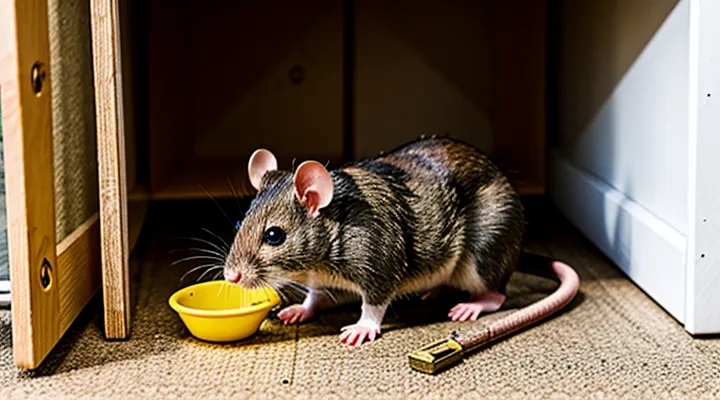
Why Choose a DIY Rat Trap?
Benefits of Homemade Traps
Cost-Effectiveness
A cost‑effective homemade rodent catcher relies on inexpensive, readily available components and minimal labor. By using items such as a wooden coat hanger, a plastic bottle, or a piece of plywood, the material expense stays well below the price of store‑bought traps.
- Materials: Recycled household waste (e.g., soda bottles) or low‑cost hardware store supplies typically cost less than $2 per unit.
- Tools: Common tools—pliers, a screwdriver, and a drill—are assumed to be already owned, eliminating additional purchases.
- Labor: Assembly requires 10–15 minutes, translating to a negligible time cost for most homeowners.
- Durability: Simple designs can be reset and reused multiple times, extending the functional life and reducing recurring expenses.
- Disposal: When the trap is no longer needed, all components can be disposed of with regular waste, avoiding specialized removal fees.
When compared with commercially manufactured traps, which often range from $5 to $15 per unit and include limited reuse, the homemade solution delivers comparable capture efficiency at a fraction of the price. The low upfront outlay, combined with reusability, makes the DIY approach financially superior for occasional and ongoing rodent control.
Customization
Customization of a quick, homemade rat trap enhances effectiveness and adapts the device to specific environments. Selecting materials, adjusting trigger sensitivity, and modifying bait placement are the primary variables.
Materials can be swapped without compromising structural integrity. Use a sturdy wooden base instead of cardboard for durability. Replace a standard wire spring with a heavy-duty torsion coil to increase snap force. Apply non‑slip coating to the platform to prevent rat escape.
Trigger mechanisms respond to minor adjustments. Tighten the pivot point by a few millimeters to reduce the force needed for activation. Add a small weight to the trigger arm to fine‑tune sensitivity for lighter or heavier rodents. Install a visual indicator, such as a colored flag, to confirm successful engagement.
Bait configuration influences capture rates. Secure a solid food block to the trigger arm using zip ties rather than adhesive, allowing easy replacement. Position the bait at the edge of the platform to encourage full weight transfer before release. Incorporate scent‑enhanced attractants in a sealed pouch attached beneath the trap to maintain potency.
Safety considerations remain essential. Encase the snapping component with a thin protective shield to protect the handler while preserving lethal force. Ensure all modifications comply with local pest‑control regulations.
Key customization steps
- Choose durable base material (wood, metal)
- Upgrade spring or torsion coil for stronger snap
- Adjust pivot tension by 1–3 mm
- Add weight to trigger arm for sensitivity control
- Secure bait with removable fasteners
- Apply non‑slip surface coating
- Install protective shield over snap area
These adjustments allow rapid assembly of a reliable rat trap tailored to varied settings, maximizing capture efficiency while maintaining user safety.
Environmental Friendliness
A homemade rodent trap built from readily available household items reduces reliance on commercial products that often contain synthetic chemicals. By selecting biodegradable components—such as cardboard, wood shavings, or untreated pine—trash generated after use decomposes naturally, limiting landfill impact.
Using non-toxic bait, for example, a piece of fruit or peanut butter, eliminates the need for hazardous poisons that can contaminate soil and water. The trap’s simple mechanism, typically a spring‑loaded latch or a gravity‑activated door, can be assembled without adhesives that release volatile organic compounds.
Key environmental advantages:
- Reusable structure: wooden or plastic frames can be disassembled and stored for future deployments.
- Minimal packaging: sourcing materials from existing household waste avoids additional packaging waste.
- Low energy consumption: assembly requires only manual effort, no power tools or electricity.
- Safe disposal: after capturing a rodent, the trap can be cleaned with soap and water, eliminating chemical residues.
Implementing this approach aligns pest control with sustainable practices, delivering effective results while preserving ecosystem health.
Understanding Rat Behavior
Common Habitats
Rats concentrate in locations that provide shelter, food, and water; identifying these areas determines where a quick, homemade trap will be most effective.
- Basement corners and utility rooms where insulation or stored boxes create hidden pathways.
- Attic rafters and joist spaces that offer darkness and easy access to ventilation openings.
- Crawl spaces beneath foundations, especially where drainage is poor and debris accumulates.
- Kitchen cabinets, pantry shelves, and behind appliances that store food residues.
- Garbage bins, compost piles, and outdoor dumpsters that supply constant nourishment.
- Sewer lines, storm drains, and outdoor utility tunnels that connect interior and exterior environments.
Place the trap along walls, near entry points, or adjacent to active runways identified by gnaw marks, droppings, or fresh burrows. Position the bait at the far end of the device to force the rodent to fully engage before triggering the mechanism. Adjust placement after observing activity patterns; relocate if captures decline, ensuring the trap remains within the same habitat zone. This targeted approach maximizes capture rates while minimizing unnecessary exposure.
Feeding Habits
Rats are omnivorous and will consume a wide range of foods, making bait selection the most critical factor for a successful trap. Their diet includes grains, seeds, nuts, fruits, vegetables, meat scraps, and high‑fat products such as peanut butter or cheese. They prefer sweet or protein‑rich items and are attracted to strong odors.
- Grains (wheat, corn, oats)
- Nuts and seeds (peanuts, sunflower seeds)
- Fruit and vegetables (apples, carrots)
- Meat and fish scraps
- High‑fat spreads (peanut butter, cheese)
Rats typically feed during the night, with peak activity between dusk and dawn. Position bait near the trap’s trigger mechanism and conceal it with a small amount of food to encourage gnawing without fully masking the scent. Replace bait daily to maintain freshness and prevent spoilage, which can deter rodents. Adjust bait type according to observed local food sources; urban rats often prefer processed foods, while rural populations favor grains and produce. Using this dietary insight maximizes trap attraction and increases capture rates.
Signs of Infestation
Rats leave unmistakable evidence that signals an active infestation. Recognizing these indicators early allows prompt deployment of a quick, simple homemade rat trap.
- Dark, pellet‑shaped droppings near walls, food storage, or garbage areas.
- Gnaw marks on wood, plastic, wiring, or insulation, especially at fresh edges.
- Fresh burrows or tunnels in walls, under appliances, or in stored bulk items.
- Scratching noises in ceilings, attics, or crawl spaces, typically heard at night.
- Strong, musky odor from urine or nesting material such as shredded paper and fabric.
- Chewed or contaminated food packages, often with small holes or shredded contents.
- Grease or urine stains along baseboards, corners, or near entry points.
Each sign warrants immediate action. A straightforward, do‑it‑yourself rat capture device can be assembled with common household materials and positioned where these clues concentrate. Prompt placement reduces population growth and prevents further structural damage.
Essential Materials and Tools
Gathering Your Supplies
Trap Base Options
A sturdy base determines the reliability of any homemade rat catcher. Selecting the right material balances durability, ease of construction, and cost.
- Plywood or solid wood – Provides a rigid platform, resists gnawing, and supports heavy bait. Cut to size with a handsaw; sand edges to prevent splinters.
- Corrugated cardboard – Offers a lightweight, disposable option. Fold into a triangular shape for quick assembly; replace when damaged.
- Hard plastic sheet – Resistant to moisture and chewing. Score with a utility knife to form a base; secure with zip ties or adhesive.
- Thin metal sheet (e.g., aluminum) – Ideal for environments where water exposure is likely. Bend into a shallow tray; use rivets or strong tape for fastening.
When constructing the base, ensure the surface is flat to allow smooth movement of the trigger mechanism. Align the base dimensions with the intended trap size; a 12 × 8 inch platform accommodates most simple designs. Secure the base to a stable surface, such as a countertop edge or a wall-mounted bracket, to prevent shifting during activation.
Bait Choices
Choosing the right attractant determines whether a homemade rat catcher succeeds. The bait must appeal to the rodent’s senses, remain stable under trap conditions, and be easy to procure.
- Peanut butter – strong scent, adheres to trap surfaces, resistant to drying.
- Cooked bacon or ham – high fat content, emits powerful odor that rats follow.
- Sunflower or pumpkin seeds – natural food source, attractive to both wild and urban rats.
- Dried fruit (e.g., raisins, apricots) – sweet flavor, useful when meat is unavailable.
- Commercial rodent lures – formulated for potency, often scented with pheromones.
Effective baiting also depends on placement and freshness. Apply a thin layer of the chosen attractant directly on the trigger mechanism to ensure contact when the rat attempts to feed. Replace bait every 24–48 hours in warm environments, as moisture and heat degrade scent strength. Avoid using overly wet substances that could soak the trap and reduce sensitivity.
Testing multiple options increases capture rates. Set identical traps with different baits in the same area, observe which lure yields the most activity, and rotate the preferred choice weekly to prevent habituation. Consistent monitoring and timely bait renewal maintain the trap’s effectiveness without additional complexity.
Trigger Mechanisms
Effective trap activation hinges on a reliable trigger. A well‑designed mechanism converts a rat’s approach into immediate closure, preventing escape and ensuring a humane kill or capture.
Common DIY triggers include:
- Lever‑type bar – a thin wooden or metal strip pivots when the rodent steps on a platform, releasing the spring‑loaded door.
- Trip‑wire – a low‑tension string attached to a latch; the weight of the animal pulls the wire, disengaging the catch.
- Pressure plate – a shallow platform supported by a concealed spring; sufficient weight depresses the plate, activating the release pin.
- Tilt‑board – a flat board balanced on a fulcrum; the rat’s movement shifts the board, allowing the latch to drop.
Key design considerations:
- Sensitivity – calibrate the trigger to react to a rat’s weight (approximately 200–300 g) while ignoring lighter disturbances.
- Resetability – choose a mechanism that can be quickly re‑armed after each capture, minimizing downtime.
- Durability – select materials resistant to chewing and moisture; hardened steel pins and thick plywood reduce failure risk.
Integrating any of these triggers into a simple homemade rat trap yields rapid, repeatable performance without complex components.
Safety Precautions
Handling Materials
When constructing a fast, effective rodent trap, precise material handling determines durability and safety. Choose components that combine strength, availability, and ease of manipulation: thick cardboard for the trigger platform, a 1‑inch wooden dowel for the lever arm, coarse wire mesh for the cage, strong adhesive or hot glue for permanent joints, and a small piece of plastic or metal for the bait holder. Avoid brittle plastics that may fracture under tension.
Wear protective gloves and safety glasses before cutting or shaping any item. Ventilate the workspace when applying hot glue or solvent‑based adhesives to prevent inhalation of fumes. Keep a fire‑extinguishing medium nearby if hot glue guns are used.
Prepare each part according to its function:
- Measure and cut the cardboard to a 6‑inch square; score a central notch for the trigger mechanism.
- Trim the dowel to 4 inches; sand the ends to prevent splinters.
- Bend the wire mesh into a rectangular enclosure, leaving one side open for entry.
- Attach the bait holder to the underside of the cardboard using a small dab of adhesive; allow the glue to set fully before loading bait.
Assemble the trap only after all components have cooled and hardened. Verify that the trigger releases smoothly without excess resistance. Test the mechanism with a lightweight object before exposing it to target rodents. Proper handling of each material ensures a reliable, quick‑assembly solution that remains functional over repeated uses.
Placement Considerations
When positioning a homemade rat trap, prioritize locations where rodents travel most frequently. Place the device along walls, behind appliances, or near food sources, because rats tend to move close to surfaces for protection. Ensure the trap sits on a stable, flat surface to prevent tipping and maintain consistent trigger sensitivity.
Key placement factors:
- Proximity to known droppings, gnaw marks, or burrow openings.
- Distance of 1–2 feet from walls, allowing rats to approach without obstruction.
- Avoidance of high‑traffic human areas, reducing accidental activation.
- Accessibility for regular inspection and bait replenishment.
- Shelter from extreme weather; indoor setups should be dry, while outdoor traps need protection from rain or direct sunlight.
Position multiple traps in a linear pattern along the suspected travel corridor, spacing them 3–5 feet apart. This arrangement maximizes coverage while limiting the chance that a single rat evades capture by switching routes. Regularly rotate trap locations based on observed activity to sustain effectiveness.
Post-Capture Protocols
Once a rodent is secured in a homemade quick‑and‑easy trap, the first priority is safe removal. Wear disposable gloves, grasp the trap by its handle, and transfer the animal to a sealable container. Dispose of the carcass in a municipal waste bag or, where permitted, in a buried pit at least 12 inches deep. Seal the bag tightly and place it in an outdoor trash bin away from living areas.
Sanitize the trap promptly to prevent disease transmission and discourage repeat visits. Rinse the device with hot water, then scrub with a diluted bleach solution (1 part bleach to 9 parts water). Allow the trap to air‑dry completely before storage. If the trap incorporates reusable components, inspect for damage and replace worn parts.
Inspect the surrounding environment for signs of additional activity. Look for droppings, gnaw marks, or burrows within a 10‑foot radius. Seal entry points by filling gaps with steel wool, caulk, or metal mesh. Maintain a clean area by storing food in airtight containers and eliminating standing water.
Document each capture, noting date, location, and condition of the trap. Record keeping supports trend analysis and informs future placement strategies. Review the log weekly to adjust trap density or placement as needed.
Step-by-Step Trap Construction
The Bucket Trap
Preparing the Bucket
Select a sturdy plastic bucket with a capacity of 5–10 liters; larger containers reduce the risk of overflow, while smaller ones limit the trap’s reach. Rinse the interior thoroughly to remove residues that could repel rodents, then dry completely.
Create an entry aperture near the rim:
- Measure a 3‑inch (≈7.5 cm) diameter circle on the side facing the wall.
- Use a drill with a hole‑saw attachment to cut the opening, keeping the cut clean to avoid sharp edges.
Attach a bait platform inside the bucket:
- Cut a thin wooden disc to fit just beneath the opening.
- Secure the disc with stainless‑steel screws, ensuring it can support a small amount of food without bending.
Position the bucket against a wall where rodent activity is observed. Place a rubber mat or non‑slip pad beneath it to prevent sliding. Verify that the opening faces the expected travel path, allowing the animal to enter easily but making escape difficult.
Finally, test the assembly by gently pulling the bucket; it should remain stable while the bait platform moves freely, confirming proper preparation before deploying the trap.
Crafting the Rotating Mechanism
The rotating mechanism provides the motion needed to trigger the trap without manual intervention. Build it from a lightweight dowel, a small gear, and a spring-loaded latch. The dowel serves as the axle, the gear translates the rat’s forward pressure into a rapid turn, and the latch holds the bait platform until release.
- Cut the dowel to 3 inches; drill a central hole for the gear shaft.
- Secure the gear onto the shaft with a set screw, ensuring free rotation.
- Attach the spring-loaded latch to the gear’s outer rim; tension the spring so the latch snaps shut when the gear is stationary.
- Position the gear assembly above the bait platform, aligning the latch with a release pin that the rat will disturb.
- Test the mechanism by applying gentle pressure to the platform; the gear should rotate, the latch should release, and the platform should drop instantly.
Materials such as PVC tubing for housing, epoxy for bonding, and a small metal pin for the release point improve durability. Ensure all moving parts are lubricated with silicone spray to prevent rust and maintain consistent performance. The completed rotating system activates the trap with minimal force, delivering a reliable capture method.
Adding Bait and Water
Select an attractant that matches the target’s diet. Peanut butter, dried fruit, or small pieces of cooked meat work well because they emit strong odors and remain palatable for several days. Combine the chosen food with a minimal amount of oil or honey to improve adhesion to the trap surface and prevent premature drying.
Prepare the bait as follows:
- Measure roughly one tablespoon of the chosen food.
- Mix with a half teaspoon of oil or honey until a sticky paste forms.
- Spread a thin layer on the trigger platform, ensuring the rat must contact the bait to activate the mechanism.
Add water to sustain the bait and increase the trap’s appeal. Use a shallow dish or a few drops placed beside the bait, not directly on the trigger, to avoid slippage. Replace the water daily to maintain freshness and prevent mold growth.
By applying a stable, aromatic bait and a controlled water source, the homemade rat catcher remains effective for an extended period without compromising the trap’s quick‑release function.
The Snap Trap Modification
Enhancing a Standard Snap Trap
A standard snap trap can be upgraded to increase reliability, safety, and catch efficiency without requiring specialized tools. Reinforcing the trigger spring with a length of stainless‑steel wire prevents loss of tension after repeated use. Adding a thin rubber pad to the bait platform reduces slipping, keeping the lure in place longer.
The following modifications are recommended:
- Spring reinforcement: Wrap a 1‑mm wire around the coil, securing the ends with a small rivet; the spring retains full force for up to 30 cycles.
- Bait holder upgrade: Cut a 2‑cm piece of silicone sheet, shape it to fit the platform, and attach with non‑adhesive clips; the material resists gnawing and maintains position.
- Safety shield: Install a clear acrylic guard over the trap’s rear, drilled for the trigger arm; the shield confines the snap, protecting nearby fingers while allowing quick release.
- Catch indicator: Affix a small magnet to the trap base and a metal strip to the arm; the magnet clicks when the arm snaps, providing an audible cue for immediate disposal.
These enhancements preserve the trap’s compact design while extending its functional lifespan and reducing accidental injury. Proper installation ensures consistent performance for rodent control in residential or workshop environments.
Strategic Bait Application
Strategic bait application determines trap success by aligning attractant properties with rat behavior and trap design. Selecting the right bait and positioning it correctly maximizes capture rates while keeping construction simple.
Effective baits meet three criteria: strong odor, resistance to spoilage, and safety for humans and pets.
- Peanut butter: high scent, solid consistency, non‑toxic.
- Dried fruit pieces: sweet aroma, minimal mess, low risk of mold.
- Commercial rodent lures: formulated potency, ready‑to‑use.
Placement follows a two‑step protocol.
- Apply a thin layer of bait directly to the trigger mechanism, ensuring it does not block movement.
- Position the baited trap along established rodent pathways—near walls, behind appliances, or in dark corners—where rats naturally travel.
Regular inspection sustains effectiveness. Check traps daily, replace depleted bait, and relocate any trap that shows signs of avoidance. Consistent monitoring prevents bait desiccation and maintains optimal attraction.
Securing the Trap
Securing the trap ensures reliable activation and prevents accidental release. Use sturdy materials such as zip ties, duct tape, or small clamps to attach the trigger mechanism to a fixed surface. Position the trap where rats travel—along walls, behind appliances, or near food sources—and test stability before loading bait.
- Attach the base to a solid object (e.g., a pipe, wooden plank) with zip ties tightened until the trap does not wobble.
- Reinforce the trigger arm with a short piece of wire or a rubber band to maintain tension.
- Wrap the edges of the trap with duct tape if the surrounding area is uneven, creating a level platform.
- Check that the bait holder remains immobile when the trigger is engaged; adjust bindings as needed.
Regularly inspect the connections for wear. Replace compromised ties or tape immediately to maintain effectiveness. Proper anchoring reduces false triggers and increases capture success.
Setting and Monitoring Your Traps
Optimal Trap Placement
Identifying Rat Pathways
Rats travel along established routes that connect food, water, shelter, and nesting sites. Detecting these routes allows precise placement of a homemade trap, increasing capture efficiency while minimizing effort.
Signs of active pathways include fresh droppings, gnaw marks, shredded material, and urine stains. Concentrations of these indicators near walls, along baseboards, and behind appliances suggest high‑traffic zones. Structural features such as gaps under doors, cracks in foundations, and vent openings often serve as entry points and should be inspected closely.
Steps to map rat movement:
- Conduct a systematic visual sweep of each room, noting locations of droppings, chew marks, and urine trails.
- Apply a thin layer of non‑toxic tracking powder or flour along suspected routes; observe disturbed patterns after several hours.
- Use a flashlight to reveal hidden scratches or burrows in concealed areas like crawl spaces and attics.
- Record findings on a simple floor plan, marking entry points, high‑traffic zones, and potential nesting sites.
Place the trap directly within the identified high‑traffic zone, aligning the trigger mechanism with the direction of travel. Secure bait at the far end of the pathway to compel the rat to move fully through the device. Ensure the trap is anchored near the entry point to prevent escape once the animal is engaged.
Protecting Non-Target Animals
When constructing a homemade rodent catcher, the primary concern is preventing accidental capture of birds, pets, or beneficial wildlife. Design the device so that only rats can trigger the mechanism: use bait that specifically attracts rodents, such as high‑fat food items, and position the trap at ground level where larger animals are unlikely to encounter it.
Key practices for safeguarding non‑target species:
- Install the trap inside enclosed structures (e.g., basements, crawl spaces) where only rats can reach it.
- Shield entry points with narrow openings that match the size of a rat’s body but exclude larger paws or beaks.
- Employ a one‑way trigger that requires a specific weight threshold, calibrated to the average rat weight (≈ 250 g).
- Place traps away from bird feeders, pet feeding stations, and areas frequented by small mammals.
Regularly inspect the trap to ensure the mechanism functions correctly and no unintended captures have occurred. If a non‑target animal is found, release it promptly and adjust the trap’s design accordingly. Continuous monitoring and precise placement maintain the trap’s effectiveness while preserving the safety of other wildlife.
Indoor vs. Outdoor Placement
Choosing where to situate a homemade rat trap determines its effectiveness and safety. Indoor placement targets rodents that have already entered living spaces, while outdoor placement intercepts them before they reach the interior.
Indoor installation
- Directly addresses active infestations inside kitchens, basements, or storage rooms.
- Allows immediate observation of catch rates, facilitating rapid adjustments.
- Requires secure positioning to prevent accidental contact with pets or children.
- Limited to areas where the trap can be concealed without obstructing daily traffic.
Outdoor installation
- Positions the device along known travel corridors such as utility lines, fence lines, or near garbage containers.
- Reduces risk of indoor contamination by keeping dead rodents away from food preparation zones.
- Exposes the trap to weather; waterproofing and sturdy anchoring become essential.
- May attract non‑target wildlife if bait is not carefully selected.
Effective deployment often combines both strategies: outdoor traps reduce entry pressure, while indoor traps eliminate any survivors that breach the barrier. Monitoring frequency, bait selection, and environmental protection are the primary variables that dictate success in each setting.
Regular Inspection and Maintenance
Checking Traps Daily
Daily inspection of a homemade rodent capture device is essential for effectiveness and humane treatment. Prompt removal of caught animals prevents suffering, reduces the risk of disease spread, and eliminates the attraction that leftover scent can generate for other pests.
When you approach the trap, wear gloves and use a tool to open the mechanism without direct hand contact. Verify whether the trigger is reset and the bait remains fresh; replace any spoiled material immediately. Examine the capture chamber for damage, debris, or signs of escape, and clean the interior with a mild disinfectant before resetting.
Maintain a simple log to track each inspection:
- Date and time of check
- Status of trap (empty, occupied, malfunctioning)
- Actions taken (animal removal, bait replacement, cleaning)
A consistent schedule—morning and evening checks—covers the periods when rodents are most active. If a capture remains longer than a few hours, the risk of decomposition rises, making swift removal critical.
Finally, store the trap in a dry, secure location when not in use. Regular maintenance prolongs the device’s lifespan and ensures that each deployment remains a reliable, low‑effort solution for rodent control.
Disposal of Captured Rats
A captured rodent must be handled promptly to eliminate health risks and prevent infestation spread.
- Place the live animal in a sealable, puncture‑resistant bag.
- Submerge the bag in a freezer for at least four hours to ensure humane death.
- Transfer the frozen carcass to a heavy‑duty trash bag, seal tightly, and dispose of it in a municipal waste container approved for animal remains.
Wear disposable gloves throughout the process; wash hands with soap and a disinfectant after removal of protective gear.
Use a bleach solution (1 part bleach to 9 parts water) to clean the trap and surrounding surfaces. Rinse with water and allow to air dry before reuse.
Check local ordinances for specific disposal requirements; some jurisdictions mandate delivery to a licensed rendering facility or a designated animal‑waste collection service. Compliance avoids fines and ensures environmental safety.
Re-baiting and Resetting
Re‑baiting and resetting are critical to maintaining a functional homemade rat trap. After a capture, remove the deceased rodent, clean the trigger mechanism with a mild disinfectant, and dry thoroughly. Replace the bait promptly to prevent loss of scent and to encourage new activity.
- Use fresh, aromatic bait such as peanut butter, dried fruit, or meat scraps; apply a thin layer to the bait holder.
- Position bait directly on the trigger plate, ensuring it does not obstruct movement.
- Test the trap by applying gentle pressure to the trigger; the mechanism should release smoothly.
- Reset the spring or tension component according to the trap’s design, confirming that the latch holds securely before releasing.
- Inspect the trap for wear or damage after each use; repair or replace worn parts to preserve reliability.
Consistent application of these steps extends trap effectiveness and reduces the interval between captures.
Troubleshooting Common Issues
Trap Not Triggering
Bait Placement Errors
Incorrect bait positioning undermines the effectiveness of a homemade rodent trap. When the lure is not situated properly, rats may ignore the device, leading to repeated failures and wasted effort.
Common placement mistakes include:
- Excessive bait volume – a large chunk blocks the trigger plate, preventing the mechanism from activating.
- Inappropriate bait type – using low‑fat or dry foods reduces attraction compared to fatty or protein‑rich options.
- Placement too far from the trigger – positioning the bait near the edge of the trap forces the rat to reach beyond the sensitive area, decreasing the chance of activation.
- Bait covering the release latch – covering the latch with food material hampers its movement, leaving the trap inoperative.
- Inconsistent positioning – moving bait between setups creates uncertainty for the rodent, reducing repeat visits.
To correct these errors:
- Use a small, compact piece of high‑fat food (e.g., peanut butter or bacon) that fits within the trigger zone without obstructing any moving parts.
- Center the bait directly over the trigger plate so the rat must step on the plate to reach it.
- Ensure the bait does not touch the release mechanism; keep a clear gap of a few millimeters.
- Apply the same amount and location of bait each time the trap is set, establishing a predictable pattern for the target animal.
- Periodically inspect the bait for moisture or degradation that could alter its shape or size, and replace it as needed.
By eliminating these placement faults, a simple, quick‑assembly rat trap becomes reliably effective.
Sensitivity Adjustments
When building a homemade rat-catching device, the trigger mechanism must respond precisely to the animal’s weight and movement. Overly sensitive triggers fire on minor disturbances, risking false activations; insufficient sensitivity allows rodents to escape. Adjustments focus on three variables: spring tension, trigger plate angle, and cushioning material.
- Spring tension – Test the spring with a graduated weight set. Increase tension if the plate does not release under a 30‑gram load; decrease if it releases under less than 10 grams. Secure the spring with a lock nut to maintain the chosen setting.
- Trigger plate angle – Tilt the plate between 5° and 15°. A steeper angle reduces the force needed for release; a flatter angle raises the activation threshold. Use a protractor or a digital inclinometer for accurate measurement.
- Cushioning material – Insert a thin layer of rubber or foam between the plate and the base. This dampens vibrations and prevents accidental trips caused by environmental noise. Replace the material after several uses to preserve consistency.
After each adjustment, place a calibrated weight on the trigger and observe the release point. Record the weight, spring setting, and plate angle in a log. Repeat the cycle until the device consistently activates between 20 g and 35 g, matching the typical weight range of adult rats. This systematic approach ensures reliable operation while minimizing unintended triggers.
Rat Evasion Tactics
Rats instinctively avoid devices that appear unsafe, unfamiliar, or improperly positioned. Recognizing these behaviors is essential when constructing a fast, low‑cost home‑built catcher.
- Rats test new objects with their noses before entering; a strong, unpleasant odor or residue discourages exploration.
- They prefer pathways with minimal exposure; open or brightly lit traps become visible escape routes.
- Small gaps allow rapid retreat; a trap lacking a secure seal enables quick exit.
- Repeated failure to obtain food creates learned aversion; rats remember unsuccessful attempts and bypass similar mechanisms.
Countermeasures align directly with each tactic:
- Apply a thin layer of food‑grade attractant on the trigger surface; avoid strong chemicals that mask scent.
- Position the trap along established runways, close to walls, and keep it low to the floor where rats travel.
- Ensure all openings are tight; use a smooth latch that closes instantly when the rat enters.
- Use fresh bait each day; rotate attractant types to prevent habituation and maintain curiosity.
Implementing these adjustments maximizes capture rates while preserving the simplicity and speed of a do‑it‑yourself solution.
Rats Avoiding the Trap
Scent Contamination
Scent contamination reduces the lure power of a quick homemade rat trap. Rats rely on acute olfactory cues; any foreign odor masks the bait scent and discourages entry.
Typical sources include:
- Human fragrance from handling the trap
- Residual food smells on surfaces where the trap is assembled
- Cleaning agents or disinfectants applied near the trap
To keep the trap odor‑neutral:
- Wear disposable gloves while constructing and placing the device.
- Assemble the trap in a well‑ventilated area free of strong smells.
- Use unscented bait such as plain peanut butter or dried corn.
- Store the trap in an airtight container until deployment.
- Position the trap away from recent cleaning activities or cooking zones.
After each capture, remove the dead rodent, wipe the interior with a mild, unscented solution, and allow the trap to dry completely before resetting. Regularly inspecting for lingering odors ensures consistent performance of the simple, effective trap.
Trap Design Flaws
A quick homemade rat trap often fails because of design shortcomings that compromise effectiveness and safety.
- Trigger sensitivity too low – the mechanism does not release under the weight of a small rodent, allowing the animal to escape before activation.
- Bait positioned away from the trigger – the rat must travel a distance that reduces the likelihood of contact, resulting in missed catches.
- Weak structural support – flimsy materials bend or collapse under the animal’s weight, disabling the trap and creating a mess.
- Absence of a containment barrier – once triggered, the trap offers no enclosure, permitting the rat to flee and potentially spread disease.
- Use of hazardous substances without secure housing – poisons or sharp edges exposed to the environment pose risks to pets, children, and non‑target wildlife.
Addressing these flaws—by calibrating trigger force, aligning bait with the release mechanism, reinforcing the frame, adding a secure holding compartment, and isolating any toxic components—produces a reliable, safe, and efficient homemade rat catcher.
Alternative Bait Options
Choosing the right attractant determines the success of a fast, uncomplicated homemade rat catcher. Conventional food scraps work, but several alternatives increase capture rates while minimizing waste and odor.
- Peanut butter mixed with oats – strong scent, adheres to trap surfaces, easy to apply.
- Fresh fruit slices (apple, banana) – bright color and sweet aroma attract inquisitive rodents; replace daily to prevent spoilage.
- Animal protein (cooked chicken, boiled egg) – high‑protein content triggers hunger response; use small portions to avoid mess.
- Commercial rodent lures (synthetic pheromones) – formulated to mimic natural attractants; follow manufacturer dosage guidelines.
- Grain blend (cornmeal, wheat germ, rice) – inexpensive, low‑odor, effective for rats that prefer dry food.
Prepare bait by spreading a thin layer on the trap’s trigger area, ensuring it does not obstruct the mechanism. Position the trap along walls, behind appliances, or near known gnaw marks, where rats travel routinely. Replace bait after each capture or when it loses scent strength. Maintaining a clean environment around the trap reduces competition from other food sources and enhances lure effectiveness.