
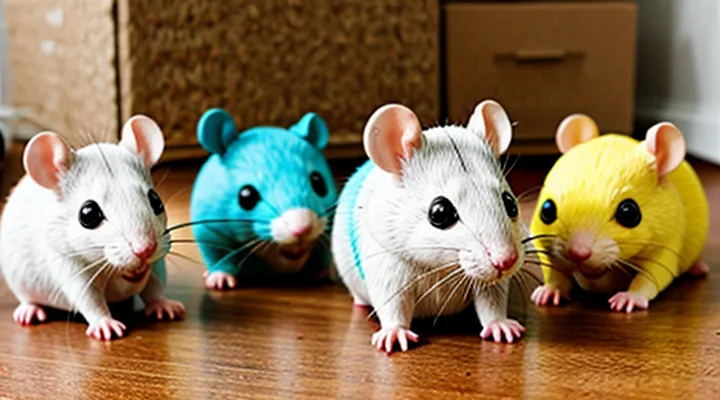
The Importance of Enrichment for Rats
Why Rats Need Toys
Physical Stimulation
Physical stimulation keeps rats agile, supports musculoskeletal health, and encourages natural foraging behavior. Effective enrichment must challenge coordination, grip strength, and climbing ability while remaining safe and easy to clean.
Materials such as untreated hardwood, natural rope, and cardboard provide durable surfaces for climbing, chewing, and tunneling. Avoid plastics that can splinter or release chemicals when gnawed. All components should be free of paint, glue, or adhesives that could be ingested.
Construction ideas:
- Branch ladder: Cut several short, sturdy sticks (2–3 inches long). Drill a small hole at each end, thread a natural fiber cord through, and secure knots to form a vertical ladder. Space rungs 1 inch apart to promote precise foot placement.
- Rolling tunnel: Roll a cardboard tube, reinforce the ends with tape, and insert a wooden dowel along the interior axis. The dowel creates a rotating platform when the rat pushes from inside, stimulating balance and core muscles.
- Suspended platform: Attach a flat wooden slice to two lengths of braided rope, then hang it from the cage top. The platform sways under weight, requiring the rat to adjust posture and grip continuously.
Safety checks before each use include inspecting for splinters, loose knots, and sharp edges. Replace any worn sections promptly. Clean all toys with warm water and mild detergent; dry thoroughly to prevent mold growth.
Regular rotation of toys prevents habituation. Introduce a new physical challenge every two weeks, observe the rat’s interaction, and adjust difficulty by altering rung spacing, platform size, or surface texture. Consistent variation maintains engagement and promotes robust physical development.
Mental Stimulation
Pet rats require regular mental challenges to prevent boredom‑induced aggression, excessive chewing, and stereotypic behaviors. Engaging their natural curiosity sustains neural pathways, supports problem‑solving abilities, and enhances overall welfare.
Effective enrichment follows three principles: introduce novel objects, create tasks that require manipulation, and vary sensory input such as texture, scent, and sound. Rotating items every few days preserves interest and encourages adaptive learning.
- Puzzle tube – Cut a length of PVC pipe, drill a series of holes of different diameters, and insert a treat-filled paper tube. Rat must navigate the tube, pushing the treat toward the exit.
- Treat maze – Assemble a shallow cardboard maze, line walls with non‑toxic scent pads (e.g., dried lavender), and place small food pieces at dead‑ends. Rat learns to trace the correct path to retrieve rewards.
- Lever‑activated dispenser – Attach a lightweight wooden lever to a small plastic bottle cap. Load the cap with a few seed pieces; when the rat depresses the lever, the cap spins, releasing food.
- Texture board – Glue together sections of sisal rope, corrugated cardboard, and smooth acrylic. Secure the board to the cage wall; rat explores differing surfaces, stimulating tactile perception.
Safety considerations include using only non‑hazardous materials, sealing edges to prevent sharp points, and supervising initial interactions. Clean toys weekly with mild soap, rinse thoroughly, and replace any damaged components promptly. Consistent maintenance preserves hygiene and ensures the enrichment remains effective over time.
Preventing Boredom and Destructive Behavior
Rats quickly become restless when their environment lacks stimulation, and the resulting frustration often appears as gnawing, chewing, or escaping attempts. Recognizing boredom early prevents damage to cages, furniture, and the animals’ health.
Typical indicators include persistent chewing of bars, repetitive pacing, excessive grooming, and a sudden decline in activity during normally active periods. When these behaviors emerge, the enclosure requires additional enrichment.
Practical homemade enrichment items address the issue efficiently:
- Foraging blocks – compact cardboard tubes filled with shredded paper, dried herbs, or small seeds; rats must work to extract the food.
- Climbing structures – untreated wooden dowels, cork cylinders, or woven rope ladders anchored securely to the cage walls.
- Puzzle feeders – plastic bottle caps or small PVC caps with holes just large enough for a treat to pass, encouraging problem‑solving.
- Sensory toys – fabric pouches infused with safe essential oils (e.g., lavender) or scented herbs, providing olfactory stimulation.
- Manipulation objects – crumpled paper balls, untreated sisal rope, or lightweight plastic rings that can be tossed, rolled, or chewed.
Rotate toys every two to three days to maintain novelty and track which items generate the most engagement. Record individual preferences to tailor future projects and avoid overusing a single material that could become worn or hazardous.
Safety measures are non‑negotiable: use only non‑toxic, untreated wood; avoid painted or varnished surfaces; ensure all components are large enough to prevent accidental ingestion; and inspect each toy daily for splinters or frayed edges. By integrating these DIY solutions systematically, owners minimize boredom‑driven destruction while fostering natural exploratory behavior.
Safety First: Essential Considerations for DIY Rat Toys
Non-Toxic Materials
Cardboard and Paper Products
Cardboard and paper are readily available, inexpensive materials that can be transformed into safe, stimulating toys for pet rats. Their lightweight nature allows for easy manipulation, while their texture offers opportunities for chewing and nesting behavior. When selecting items, choose clean, untreated cardboard (e.g., cereal boxes, shipping cartons) and plain paper (e.g., printer paper, newspaper) free of ink that could be ingested.
Begin with a simple tunnel. Cut a rectangular piece of cardboard measuring 4 × 8 inches, then roll it tightly around a cylindrical object such as a dowel. Secure the seam with non-toxic glue or a staple, leaving one end open for entry. Place the tunnel on a flat surface and add shredded paper inside to encourage exploration.
Create a chewable ball by folding a sheet of newspaper into a tight cylinder, then rolling it into a sphere. Wrap the sphere with a thin strip of cardboard tape, ensuring no loose edges. The combination of fibrous paper and cardboard provides a texture rats enjoy gnawing, which helps maintain dental health.
For a climbing structure, stack three to five layers of cardboard sheets, each cut into a 6 × 6‑inch square. Align the squares so that each layer is offset by half an inch, creating a stepped platform. Secure the layers with a few drops of safe adhesive. Add a strip of paper rope between layers to serve as a ladder.
A practical list of steps for each toy:
- Gather clean, untreated cardboard and plain paper.
- Cut shapes according to the desired toy (tunnel, ball, platform).
- Assemble using non-toxic glue, staples, or tape; avoid excess adhesive.
- Inspect for sharp edges or loose fragments; smooth or trim as needed.
- Introduce the finished toy into the rat’s enclosure, monitoring for initial interaction.
When constructing toys, prioritize safety: avoid glossy or coated paper, limit the use of staples that could be swallowed, and replace any damaged items promptly. Regular rotation of cardboard and paper toys sustains novelty, encouraging natural foraging and play behaviors without additional expense.
Natural Woods
Natural woods provide durable, chew‑friendly material for handcrafted rodent toys. Their grain structure encourages gnawing, which promotes dental health and reduces stress in pet rats. Select species that are free of toxins, resin, and strong odors to ensure safety and acceptance.
Suitable woods include:
- Birch plywood, thin enough for easy cutting yet sturdy for repeated use.
- Untreated maple, dense and resistant to splintering.
- Beech, smooth texture and low allergen potential.
- Poplar, lightweight and easy to shape, ideal for small components.
Preparation steps:
- Cut wood to desired dimensions using a fine‑toothed saw; maintain edges smooth to prevent injuries.
- Sand all surfaces with 120‑grit sandpaper, then finish with 220‑grit for a silky feel.
- Optionally apply a food‑grade, water‑based sealant to protect against moisture without introducing chemicals.
- Assemble pieces with non‑metallic, rodent‑safe adhesives or natural twine, ensuring joints are secure.
Incorporate natural wood elements such as dowels, flat plates, and hollow blocks into interactive designs. Combine these with safe fabric or hemp rope to create multi‑textured toys that stimulate exploration and nesting behavior. Regularly inspect wooden toys for wear; replace any splintered or softened parts to maintain a hygienic environment.
Fabrics and Textiles
Fabrics and textiles provide durability, texture, and sensory stimulation for homemade rodent play items. Natural fibers such as cotton, linen, and hemp resist chewing damage while remaining safe if ingested in small pieces. Synthetic options like fleece and polyester fleece offer softness and easy cleaning; however, they should be free of loose threads that could cause entanglement.
When selecting material, consider the following criteria:
- Tight weave or knit to limit fraying.
- Absence of dyes or chemicals that could leach into the animal’s environment.
- Washability at high temperatures for hygiene maintenance.
Construction techniques enhance functionality. Cutting strips of fabric into 2–3 cm widths and braiding them creates sturdy tunnels or ropes. Folding a square of fleece, stitching three sides, and leaving an opening yields a nest pouch that retains warmth. Layering different textures—rough canvas beneath smooth flannel—produces a multi‑sensory ladder for climbing.
Safety measures are essential. Inspect each toy before use; trim any loose ends, and replace items showing wear. Secure seams with a single stitch or fabric glue to prevent separation. Avoid elastic bands, as they can tighten and restrict movement.
A typical workflow for a fabric‑based toy includes:
- Choose a fabric meeting the criteria above.
- Measure and cut pieces according to the desired dimensions.
- Assemble using stitching, gluing, or knotting methods.
- Sanitize by washing at 60 °C (140 °F) and drying completely.
- Introduce the finished item into the cage, monitoring for signs of damage.
By adhering to these guidelines, creators can produce reliable, engaging toys that withstand the vigorous play of pet rats while maintaining a hygienic environment.
Pet-Safe Adhesives
When constructing homemade rat toys, adhesive choice directly affects animal health and toy durability. Only adhesives certified as non‑toxic, odorless, and free of solvents are suitable for use with small rodents.
- Water‑based PVA glue – dries clear, flexible, and safe after full cure.
- Food‑grade silicone sealant – remains pliable, resists moisture, and poses no ingestion risk.
- Hot‑glue sticks formulated for craft use – acceptable only if the glue cools completely and no residual heat remains; avoid low‑temperature variants that contain plasticizers.
- Plant‑based epoxy – low‑VOC formulas provide strong bonds; verify that the product lists “pet‑safe” on the label.
Application guidelines:
- Apply a thin layer to the contact surfaces; excess adhesive can trap fur or skin.
- Allow the recommended curing time in a well‑ventilated area; do not accelerate drying with heat sources that could alter chemical composition.
- After curing, inspect the bond for sharp edges or uncured spots; sand rough areas and wipe with a damp cloth.
- Conduct a brief chew test by offering a small, monitored sample to a rat; observe for any aversion or irritation before assembling the full toy.
Storage and disposal:
- Keep adhesives in sealed containers away from direct sunlight and temperatures above 30 °C.
- Label each container with the purchase date and safety information.
- Dispose of unused material according to local hazardous‑waste guidelines; do not discard in pet food bins.
Using only pet‑safe adhesives eliminates toxic exposure, ensures structural integrity, and supports the longevity of each crafted rat enrichment item.
Avoiding Hazards
Small Parts
Small components form the backbone of effective, low‑cost rat enrichment. Items such as wooden dowels, plastic beads, cork stoppers, metal washers, and fabric scraps are inexpensive, readily available, and safe when selected appropriately. Choose materials without sharp edges, toxic paints, or loose fibers that could be ingested.
When assembling a toy, start with a sturdy base—cardboard, untreated plywood, or a thick plastic lid. Attach the chosen parts using non‑toxic glue, zip ties, or twisted wire. Secure connections are essential to prevent pieces from detaching during vigorous chewing.
Practical applications of small parts include:
- Bead maze: Thread wooden beads onto a thin wire, anchor the wire to a platform, and create a winding tunnel for the rats to explore.
- Cork tunnel: Drill a series of holes through a cork stopper, insert metal washers as stepping stones, and connect multiple stoppers with a flexible pipe cleaner.
- Fabric pouch: Sew a small pouch from fleece, fill it with shredded paper and a few plastic bottle caps, then attach a wooden dowel for hanging.
Safety checks should be performed before each use. Verify that all edges are smoothed, adhesives are fully cured, and any loose parts are removed. Regularly inspect toys for wear and replace components as needed to maintain a hygienic environment for the rodents.
Sharp Edges
When constructing toys for laboratory or pet rats, the presence of sharp edges poses a direct risk of injury. Any component that can cut, puncture, or abrade the delicate skin or whiskers must be identified and eliminated during the design phase.
Materials such as untreated wood, metal wire, or hard plastics often retain raw cut surfaces. To mitigate hazards, follow these steps:
- Sand all cut surfaces with medium‑grit paper, then finish with fine‑grit to achieve a smooth, splinter‑free texture.
- Apply a non‑toxic sealant or food‑grade silicone coating to create a barrier between the material and the animal’s skin.
- Round corners of wooden blocks, acrylic pieces, or metal brackets using a router or file, then smooth the rounded area as described above.
- Inspect each joint and attachment point for protruding fragments before assembly; use a magnifying lens if necessary.
Testing the finished toy involves placing it in the cage and observing the rats for signs of avoidance or self‑inflicted wounds. If any animal shows discomfort, remove the item immediately and re‑evaluate the design. Continuous refinement of edge treatment ensures that the toys remain engaging without compromising safety.
Toxic Inks and Dyes
When constructing handmade toys for rats, the choice of coloring agents directly affects animal health. Many commercially available inks and dyes contain heavy metals, aromatic amines, or solvent bases that rodents can ingest through chewing or licking. These substances may cause gastrointestinal irritation, liver damage, or long‑term carcinogenic effects.
Safe practices include:
- Selecting water‑based, non‑toxic art supplies labeled “food‑grade” or “pet‑safe.”
- Verifying that the product’s Material Safety Data Sheet (MSDS) lists no hazardous components such as lead, cadmium, or formaldehyde.
- Using natural pigments derived from beetroot, turmeric, or spirulina, which dissolve in water and retain color without adverse chemicals.
- Applying color only after the toy has been fully cured or baked, reducing the likelihood of residue transfer.
Testing procedures:
- Apply a small amount of the chosen ink to a disposable surface.
- Allow it to dry completely.
- Place a piece of the dry material in a sealed container with a rat for 24 hours; observe for signs of aversion, excessive salivation, or gastrointestinal upset.
- If any adverse reaction occurs, discard the material and select an alternative.
Documentation of each colorant’s source and safety certification simplifies compliance with veterinary guidelines and ensures repeatable, risk‑free production of rodent enrichment items.
Entanglement Risks
Entanglement risk arises when a rat’s limbs or tail become caught in loose components of a handmade play item, potentially leading to injury or restricted circulation. The danger is heightened with toys that incorporate strings, ribbons, or flexible tubing, because rodents can easily wrap themselves around these elements while exploring.
Typical sources of entanglement include:
- Unsecured ends of twine or yarn left protruding from a chew block.
- Open loops of fabric or paper that create a circular trap.
- Thin plastic tubes that can collapse under pressure, forming a constricting sleeve.
Effective prevention measures:
- Trim all excess material so that no free ends extend beyond the toy’s core structure.
- Use sturdy, non‑elastic materials such as solid wood dowels, thick cardboard, or silicone tubing that resist collapsing.
- Secure flexible parts with heat‑shrink tubing or non‑slip adhesive, ensuring that any movable section cannot form a complete loop.
- Inspect each toy daily for frayed edges or newly formed gaps that could become entrapment points.
When a toy is designed with these precautions, the likelihood of a rat becoming tangled is minimized, allowing safe enrichment without compromising health.
Easy DIY Rat Toys from Household Items
Cardboard Creations
Toilet Paper Roll Tunnels
Toilet paper roll tunnels offer a simple, affordable way to enrich a rat’s environment while encouraging natural burrowing behavior. The structure consists of a series of connected cylinders that create a maze‑like passage for exploration, climbing, and nesting.
Materials required:
- Empty toilet paper rolls (minimum three for a functional tunnel)
- Scissors or a utility knife
- Non‑toxic glue or a hot‑glue gun set to low temperature
- Cardboard or thin plywood for base support
- Optional: natural fibers, shredded paper, or safe chewable sticks for interior texture
Construction steps:
- Trim the ends of each roll to create smooth openings, removing any tape residue.
- Align two rolls side by side, overlapping the edges by approximately one inch. Apply a thin line of glue along the contact area and press firmly until the bond sets.
- Continue adding rolls, alternating orientation (horizontal, vertical) to increase structural stability and visual interest.
- Attach the assembled tunnel to a sturdy base using glue or small staples, ensuring the tunnel remains upright during play.
- Insert interior fillers such as shredded paper or safe chew sticks to provide tactile stimulation and encourage nesting.
Placement guidelines:
- Position the tunnel near a climbing structure or shelter to integrate it into the overall cage layout.
- Keep the tunnel away from direct sunlight or heat sources to prevent material deformation.
- Inspect the tunnel weekly for signs of wear, loose joints, or chew damage; repair or replace components as needed.
Maintenance tips:
- Clean the tunnel with a mild, unscented soap solution and rinse thoroughly after each thorough cage cleaning.
- Rotate the tunnel’s orientation periodically to maintain novelty and prevent habituation.
By following these steps, a functional toilet paper roll tunnel can be produced quickly, using household waste, while delivering a durable, engaging enrichment item for pet rats.
Cereal Box Mazes
Cereal box mazes provide a low‑cost, recyclable environment that encourages a rat’s natural exploratory behavior. The cardboard’s lightweight structure allows easy modification, while its porous texture offers safe chewing surfaces. By transforming a simple breakfast container into a multi‑path labyrinth, owners can create a stimulating arena that promotes physical activity and problem‑solving without compromising hygiene.
To construct a functional maze, gather the following items:
- One or two clean cereal boxes (remove any plastic liners).
- A pair of scissors or a utility knife.
- Non‑toxic glue or a hot‑glue gun set to low temperature.
- Small wooden dowels or plastic tubes for tunnels (optional).
- A marker for outlining pathways.
- Flatten the box and cut a rectangular base approximately 30 × 20 cm.
- Sketch a layout with at least three intersecting routes and a dead‑end to encourage decision‑making.
- Cut openings for tunnels, then attach dowels or tubes to form passageways, securing each joint with glue.
- Re‑fold the sides of the base to create raised walls; reinforce corners with extra strips of cardboard.
- Test the maze for stability, ensuring no loose edges that could be ingested.
Safety considerations include inspecting the cardboard for staples, tape residues, or sharp edges before use, and replacing the maze periodically to prevent mold buildup. Adding removable treats or nesting material at strategic points can further enhance engagement, while maintaining a clean, dry environment supports the animal’s health.
Paper Towel Roll Chew Toys
Paper towel rolls provide an inexpensive, readily available base for chew toys that satisfy a rat’s natural gnawing instinct while encouraging mental stimulation. The cardboard’s texture offers a satisfying resistance, and the hollow core can be filled with treats or scented materials to extend interest.
To construct a chew toy, follow these steps:
- Cut a clean, dry paper towel roll into three equal sections, each about 2‑3 inches long.
- Remove any adhesive residue from the ends using a damp cloth; allow the cardboard to dry completely.
- Apply a thin layer of non‑toxic, pet‑safe glue to the exterior of each segment.
- Press small, unscented wooden dowels, natural twine, or safe plastic beads into the glue, spacing them evenly to create protruding chew points.
- Optional: insert a small amount of dried herbs (e.g., rosemary or mint) into the hollow core, then seal the ends with tape or a second piece of cardboard.
- Allow the glue to cure for at least 24 hours before offering the toy to the rat.
Safety considerations:
- Verify that all materials are free of toxic chemicals, paints, or fragrances.
- Inspect the toy daily for frayed edges or loose attachments; replace any compromised pieces promptly.
- Limit the size of inserted objects to prevent accidental ingestion.
- Store unused rolls in a dry environment to avoid mold growth.
Regular rotation of these chew toys keeps the rat engaged and reduces the likelihood of destructive behavior toward cage accessories.
Fabric Fun
Fleece Strips for Tugging
Fleece strips provide a durable, soft material ideal for rat tug toys. The fibers withstand repeated pulling while remaining gentle on delicate teeth and paws. When cutting strips, aim for lengths of 6–8 inches and widths of ½–¾ inch; this size balances grip and flexibility.
To assemble a basic tug toy, follow these steps:
- Cut three to five fleece strips to the dimensions above.
- Fold each strip in half lengthwise, creating a loop at the folded end.
- Thread the looped ends through a central knot or a small wooden dowel, securing them with a tight overhand knot.
- Trim any excess fiber to maintain a uniform appearance.
Optional variations include braiding multiple strips before knotting, adding a small wooden bead as a weight, or attaching a metal ring for hanging. All modifications preserve the core principle: a sturdy, chew‑safe tug element that encourages natural pulling behavior. Regular inspection for fraying ensures continued safety and longevity.
Old Sock Hideouts
Old socks provide a ready‑made, soft enclosure that satisfies a rat’s instinct to burrow and conceal valuables. The material’s stretch and durability create a secure pocket while allowing easy entry and exit.
To construct an effective hideout, follow these steps:
- Select a clean, cotton or wool sock without holes; a size of medium to large works best for adult rats.
- Cut a small opening on one side, approximately 1 inch wide, to serve as the entrance.
- Reinforce the cut edge with a few stitches of non‑toxic thread to prevent fraying.
- Fill the interior with shredded paper, untreated wood shavings, or a small amount of dried herbs for scent enrichment.
- Tie the opposite end of the sock loosely, leaving enough slack for the rat to push the fabric aside when inside.
- Place the completed hideout in a cage corner, attaching it to the bar with a zip tie or a small clip for stability.
Key considerations:
- Use only natural fibers; synthetic blends may cause static or irritation.
- Wash the sock in hot water before assembly to eliminate residues.
- Inspect the hideout weekly for signs of wear, and replace it when the fabric thins.
- Provide multiple hideouts of varying sizes to accommodate different activity levels and to encourage exploration.
When implemented correctly, old‑sock hideouts enrich the environment, reduce stress, and promote natural foraging behavior without requiring specialized materials.
Wooden Wonders
Untreated Wooden Blocks
Untreated wooden blocks provide a natural, chew‑friendly substrate for constructing rat enrichment pieces. The lack of chemicals ensures that gnawing does not introduce toxins, while the solid grain offers durability for repeated handling.
When preparing blocks, sand all edges with fine‑grain sandpaper until smooth, then wipe with a damp cloth to remove dust. Allow the wood to dry completely before assembly; moisture can promote mold growth. If desired, a thin coat of food‑grade mineral oil can be applied to protect against splintering, but this step is optional.
Practical applications include:
- Stacking platform: arrange three to five blocks of varying sizes in a pyramid shape, securing them with non‑toxic wood glue to create a climbing structure.
- Tunnel system: drill a 1‑inch hole through the center of each block, then join the pieces with wooden dowels to form a maze that encourages exploration.
- Puzzle feeder: cut a shallow groove on the top surface of a block, insert a small treat, and cover with a removable wooden lid to stimulate foraging behavior.
Regular inspection is essential. Replace any block that shows cracks, splintered edges, or signs of rot. Maintaining a clean, chemical‑free environment maximizes safety and prolongs the usefulness of the toys.
popsicle Stick Ladders
Popsicle‑stick ladders provide a simple, sturdy climbing structure that satisfies a rat’s natural urge to ascend and explore. The design uses common craft supplies, costs less than a dollar per ladder, and can be assembled in minutes, making it ideal for hobbyists who want to enrich a rodent’s environment without specialized tools.
Materials required:
- Uncoated wooden popsicle sticks (approximately 30 per ladder)
- Non‑toxic wood glue or a hot‑glue gun set to low temperature
- Small drill or awl for pilot holes (optional)
- Sandpaper (fine grit) for smoothing edges
- Non‑slip surface (e.g., rubber mat cut to size) for placement
Construction steps:
- Lay two sticks parallel, spaced 1 cm apart, and glue their long edges together to form the ladder’s side rails.
- Cut a third stick to the desired rung length (usually 2 cm) and glue it between the rails at the bottom, creating the first step.
- Repeat step 2 at regular intervals of 2 cm, securing each rung with a small amount of glue on both ends.
- After all rungs are attached, allow the glue to cure for at least 10 minutes.
- Sand all contact points to eliminate splinters.
- Position the finished ladder on a non‑slip mat inside the cage, aligning it with other climbing elements.
Safety considerations:
- Verify that glue is fully set before introducing the ladder to prevent accidental ingestion.
- Use only untreated sticks; painted or varnished wood may release harmful chemicals.
- Inspect the ladder weekly for loose rungs or cracked glue, repairing or replacing as needed.
Variations enhance engagement:
- Alternate rung spacing to create a “stepped” effect that challenges the rat’s agility.
- Incorporate small tunnels made from rolled paper tubes between ladder sections for added concealment.
- Paint the sticks with non‑toxic water‑based colors after sanding, then seal with a clear, pet‑safe finish for visual interest.
A properly built popsicle‑stick ladder fits seamlessly into a larger enrichment program, offering a durable, low‑cost climbing apparatus that encourages natural behavior while remaining easy to clean and replace.
Intermediate DIY Rat Toy Projects
Foraging Toys
PVC Pipe Foraging Tubes
PVC pipe foraging tubes provide a durable, low‑cost solution for stimulating a rat’s natural digging and searching instincts. The material is readily available at hardware stores, resistant to chewing, and can be cut to any length to fit cage dimensions. When sealed at both ends, the tube becomes a safe, enclosed tunnel that can hold treats, shredded paper, or small toys for the animal to retrieve.
Construction steps:
- Measure the interior space of the cage; select a pipe diameter of 1–1.5 inches to allow easy entry.
- Cut the pipe into sections 6–12 inches long, depending on the desired difficulty level.
- Drill several ¼‑inch holes along the length, spacing them 1–2 inches apart.
- Insert a handful of dried corn kernels, mealworms, or bits of nesting material into the tube.
- Cap both ends with PVC end caps; secure with non‑toxic silicone glue to prevent accidental removal.
Maintenance guidelines:
- Inspect the tube weekly for cracks or chew marks; replace damaged sections promptly.
- Clean the interior with warm water and mild detergent; rinse thoroughly before re‑assembly.
- Rotate the tube’s orientation periodically to keep the environment novel.
Using these tubes in a rodent enrichment program encourages problem‑solving, promotes physical activity, and reduces boredom without requiring specialized equipment.
Egg Carton Treat Dispensers
Egg carton treat dispensers provide a simple, cost‑effective way to keep pet rats mentally stimulated while rewarding them with food. The design uses a standard cardboard egg carton, which offers multiple compartments that can be filled with small treats and accessed through small openings that require the rat to manipulate the carton to retrieve the contents.
To build the dispenser, gather the following items: a clean cardboard egg carton, a pair of scissors, non‑toxic glue or tape, a drill or thin nail for making holes, and a selection of dry treats such as seeds, nuts, or pellets. Cut the top flaps off the carton, leaving a solid base. Using the drill or nail, create one‑centimeter holes in the bottom of each compartment; space the holes evenly to allow treats to fall out gradually. Secure the sides with tape if the carton shows signs of weakening after hole‑punching. Finally, attach a small wooden dowel or sturdy string to the top of the carton to enable hanging the dispenser from the cage bar.
Key considerations for safe use include:
- Ensuring all edges are smooth to prevent injury.
- Using only food‑grade adhesives.
- Monitoring the amount of treat released to avoid overfeeding.
- Replacing the carton periodically, as cardboard deteriorates with moisture.
Variations can be introduced by arranging compartments in a spiral pattern, adding removable lids for selective access, or coating the exterior with a thin layer of non‑toxic paint for aesthetic appeal. These adjustments increase the challenge level, encouraging problem‑solving behavior and extending the device’s functional lifespan.
Climbing Structures
Rope Ladders
Rope ladders offer a practical climbing structure that encourages natural foraging behavior and strengthens forelimb muscles. Constructing a safe, durable ladder requires only a few inexpensive components and basic knotting skills.
Materials:
- Natural fiber rope (cotton or jute), ¼‑inch thickness, 2‑3 feet per rung.
- Two sturdy wooden dowels or PVC pipes, 12‑inch length, to serve as side supports.
- Non‑toxic wood glue or zip ties for reinforcement.
- Scissors and a lighter (to seal rope ends).
Construction steps:
- Cut rope into equal lengths for each rung; typical spacing is 1‑inch between rungs.
- Form a loop with each rope piece, securing it with a double fisherman’s knot.
- Slide each loop onto the side supports, arranging them in a vertical line.
- Tighten loops by pulling the standing ends, then trim excess and melt the cut ends to prevent fraying.
- Apply a thin layer of glue or zip tie each loop to the support to prevent slipping.
- Attach the completed ladder to the cage wall using metal brackets or zip ties, ensuring the structure is stable and cannot detach under the rat’s weight.
Maintenance tips:
- Inspect knots weekly for loosening.
- Replace any frayed rope segment immediately.
- Clean the ladder with a mild, pet‑safe cleanser and rinse thoroughly.
A well‑built rope ladder integrates seamlessly into a habitat, providing vertical exploration, exercise, and enrichment without compromising safety.
Sisal Climbing Nets
Sisal climbing nets offer a sturdy, chew‑friendly structure that encourages natural climbing and foraging behavior in pet rats. The material’s rough texture satisfies dental health needs while providing a secure platform for vertical movement.
Materials needed
- 1 m of natural sisal rope, 8‑10 mm diameter
- Two wooden dowels or PVC pipes, 30 cm length, 2 cm diameter
- Heavy‑duty zip ties or stainless‑steel cable ties
- Scissors or rope cutter
- Drill with 6 mm bit (optional, for pre‑drilling dowel holes)
Construction steps
- Cut the sisal rope into three equal lengths (approximately 33 cm each).
- Form a rectangular loop by overlapping the ends of each rope segment and securing them with a zip tie; repeat for all three segments.
- Lay the three loops side by side, leaving a 5‑cm gap between each.
- Thread the dowels through the gaps, creating a ladder‑like frame. If the dowels are solid, pre‑drill holes to ease insertion.
- Tighten all zip ties, ensuring the loops are taut and the frame is stable.
- Attach the completed net to the cage’s side bars using additional zip ties or metal clips, positioning it at a height that allows the rats to climb from the floor to the top without excessive strain.
Maintenance recommendations
- Inspect zip ties weekly for wear; replace any that show fraying.
- Remove and replace the sisal rope every 3–4 months, or sooner if heavy chewing damages the fibers.
- Clean the net with a mild, unscented soap solution; rinse thoroughly and air‑dry before reinstallation.
Safety considerations
- Verify that all knots are tight to prevent rope unraveling.
- Use only non‑toxic, untreated sisal; avoid dyed or chemically treated fibers.
- Ensure the net’s height does not exceed the rat’s comfortable climbing range—generally no more than 15 cm above the cage floor.
Integrating a sisal climbing net into a rat’s enclosure provides a durable, enriching element that supports exercise, dental health, and exploratory instincts while requiring minimal tools and inexpensive materials.
Puzzle Toys
Cardboard Box Puzzle Feeders
Cardboard box puzzle feeders provide mental stimulation and a natural foraging experience for pet rats while using inexpensive, readily available material. The design encourages problem‑solving, improves dexterity, and reduces boredom without requiring complex tools.
To construct a basic feeder, gather the following items:
- A clean, corrugated cardboard box (medium‑size works best)
- A sharp utility knife or scissors
- Non‑toxic glue or a hot‑glue gun set to low temperature
- Small removable caps, tubes, or wooden dowels for obstacles
- Treats or seed mix appropriate for rats
Construction steps:
- Cut the box into a shallow tray, leaving a 1‑inch border on all sides to prevent spills.
- Create a series of entry holes ranging from ½ to ¾ inch in diameter; distribute them irregularly to force the rat to explore different paths.
- Secure obstacles inside the tray—insert tubes, caps, or dowels so that treats must be nudged, rolled, or lifted to reach the opening.
- Apply a thin layer of glue to reinforce the edges and to attach any removable components that may be swapped out for variety.
- Fill the compartment with a modest amount of food, ensuring that the rat can see the reward but must manipulate the obstacles to access it.
Safety considerations include using only untreated cardboard, avoiding sharp edges after cutting, and inspecting the feeder regularly for wear or loose parts. Replace glued sections if they begin to separate, and clean the tray with a damp cloth between uses to prevent mold growth.
Variations for advanced enrichment:
- Layer multiple cardboard sheets to create a stacked maze, increasing depth and complexity.
- Incorporate scent‑infused paper strips to add an olfactory challenge.
- Use interchangeable puzzle modules that slide into a base tray, allowing rapid changes in difficulty.
Regular rotation of feeder designs maintains interest and promotes continuous cognitive development. Properly built cardboard puzzle feeders are durable, inexpensive, and align with the goals of home‑crafted rat enrichment projects.
Advanced DIY Rat Toy Builds
Multi-Level Playgrounds
Cardboard Box Castles
Cardboard box castles provide a sturdy, inexpensive base for rat play structures. The material is readily available, lightweight, and easy to modify with simple tools.
To construct a castle, gather the following items:
- One or two medium‑size corrugated boxes (approximately 12‑15 inches long)
- Box cutter or scissors
- Non‑toxic glue or hot‑glue gun (used sparingly)
- Wooden dowels or PVC pipe sections for towers
- Natural chewing materials such as untreated twine, pine sticks, or sisal rope
- Safe paint or markers for decorative accents (optional)
Step‑by‑step assembly:
- Flatten the box, cut a rectangular opening for the entrance, and re‑fold the sides to create a rectangular tower shape.
- Reinforce the corners with small strips of glue‑tape to maintain structural integrity.
- Attach additional box pieces vertically to form battlements; secure with glue or a few staples, ensuring no sharp edges remain.
- Insert dowels or pipe sections into pre‑drilled holes to serve as watchtowers; seal the contact points with a thin layer of glue to prevent movement.
- Add chewable accessories by threading twine through drilled holes or tying loops around tower bases.
- If desired, apply a light coat of non‑toxic paint for visual contrast; allow it to dry completely before introducing the castle to the cage.
Safety considerations: verify that all cut edges are smoothed with a fine‑grade sandpaper or covered with tape, and confirm that adhesives are fully cured. Replace any damaged sections promptly to avoid ingestion of cardboard fragments.
Customization options include:
- Stacking multiple boxes to create multi‑level fortresses
- Cutting windows of varying sizes for ventilation and exploration
- Incorporating tunnels by attaching rolled cardboard tubes between towers
- Embedding small hide‑aways such as shredded paper nests within the walls
A well‑built cardboard castle encourages climbing, gnawing, and nesting behaviors, contributing to a stimulating environment for pet rats. Regular inspection and periodic renewal keep the structure functional and hygienic.
Custom PVC Pipe Play Areas
Custom PVC pipe play areas provide a durable, modular framework for rat enrichment. The material resists chewing, can be cut to precise lengths, and connects securely with standard fittings, creating tunnels, platforms, and observation windows that stimulate natural foraging and climbing behaviors.
Begin by measuring the available cage space and sketching a simple layout. Identify the number of horizontal runs, vertical shafts, and junctions required to form a network that encourages exploration. Select schedule 40 PVC pipe with an internal diameter of 1 inch; this size accommodates adult rats comfortably while limiting escape.
Materials and preparation
- PVC pipe sections (cut to desired lengths)
- Elbow, tee, and cross fittings matching the pipe diameter
- PVC cement or slip‑fit couplings for detachable joints
- Drill with a ¼‑inch bit for ventilation holes
- Non‑toxic silicone sealant for sealing exterior seams
Construction steps
- Cut pipe sections using a fine‑tooth saw; deburr edges to prevent injury.
- Assemble the base framework on a flat surface, joining pipe ends with fittings.
- Apply PVC cement to each joint, or use slip‑fit couplings if frequent reconfiguration is planned.
- Drill evenly spaced ventilation holes along each pipe, avoiding the interior wall to maintain structural integrity.
- Seal external seams with silicone to prevent moisture ingress and to reinforce the structure.
Customization options include attaching platforms made from untreated wood, inserting clear acrylic windows for visual monitoring, and integrating chew‑proof rope ladders at junctions. Secure all accessories with stainless‑steel screws to avoid rust. Inspect the entire assembly weekly for cracks, loose fittings, or signs of wear; replace compromised components promptly.
Regular cleaning involves disassembling removable sections, rinsing with warm water, and sanitizing with a dilute vinegar solution. Reassemble only after thorough drying to inhibit mold growth. This maintenance routine preserves hygiene while extending the lifespan of the PVC play area.
Interactive Enrichment Devices
Treat-Dispensing Wheels
Treat‑dispensing wheels combine physical activity with mental stimulation, encouraging rats to run while solving a simple puzzle for food rewards. The design consists of a rotating disc mounted on an axle, with a hollow cavity that releases treats as the wheel turns. When a rat pushes the wheel forward, gravity or a spring‑loaded mechanism shifts a small compartment, allowing a piece of kibble or a seed to fall onto a landing platform within reach of the animal.
Materials
- ¼‑inch plywood or sturdy cardboard for the disc
- Small metal or plastic axle (approximately 5 mm diameter)
- Two wooden dowels or metal rods for support brackets
- Non‑toxic glue or wood screws
- Treat compartment (e.g., a shallow PVC pipe segment)
- Optional: spring‑loaded latch or rubber band for controlled release
Construction steps
- Cut a 6‑inch diameter circle from the chosen material; sand edges smooth.
- Drill a central hole matching the axle diameter; insert the axle and secure with glue or a set screw.
- Attach support brackets to the underside of the disc, ensuring the wheel rotates freely when mounted on a cage frame.
- Fit the treat compartment to the disc’s periphery, aligning a small opening toward the landing platform.
- Install a spring or rubber band that holds the compartment closed; the wheel’s motion should overcome this tension, releasing a treat each rotation.
- Test the wheel with a few dry runs, adjusting the tension to achieve a consistent release rate.
The wheel’s size can be scaled to match cage dimensions, and the treat cavity can be modified to hold different snack types. Using natural wood and non‑chemical adhesives ensures safety, while the simple mechanism minimizes the risk of jam. Regular inspection for wear, especially at the axle and release latch, prolongs functionality and prevents accidental injury. Incorporating treat‑dispensing wheels into a rat’s environment provides a reliable method for encouraging exercise and rewarding problem‑solving behavior.
Hammock and Tunnel Combos
A combined hammock‑and‑tunnel structure offers rats a secure resting spot and a concealed passage for exploration. Constructing this piece requires durable, non‑toxic materials and a design that fits the dimensions of a standard cage.
Begin with a sturdy base. Cut a rectangular piece of untreated plywood or thick cardboard (approximately 12 × 8 inches). Attach two short wooden dowels at each end of the base with non‑abrasive glue; these serve as the hammock supports. Thread a length of natural‑fiber rope through the dowels, knotting securely to create a suspended platform that can hold a rat’s weight without sagging.
For the tunnel, use a flexible PVC pipe (½‑inch diameter) or a rolled paper tube. Cut the tube to a length of 10–12 inches, then enlarge one end with a funnel‑shaped opening to facilitate entry. Secure the tunnel to the hammock’s underside using zip ties or small metal brackets, ensuring the connection is smooth and free of sharp edges.
Materials
- Untreated plywood or thick cardboard
- Wooden dowels (¼‑inch diameter)
- Natural‑fiber rope (¼‑inch thick)
- PVC pipe or paper tube (½‑inch diameter)
- Non‑abrasive glue
- Zip ties or small metal brackets
- Scissors or utility knife
Assembly steps
- Cut and sand the base to eliminate splinters.
- Drill holes for dowels, insert, and glue firmly.
- Thread rope through dowels, knot, and test load capacity.
- Cut tunnel to length, shape entry, and smooth edges.
- Attach tunnel to hammock underside, checking alignment.
- Position the combo inside the cage, anchoring the base if necessary.
Safety considerations include using only untreated, pet‑safe materials, avoiding loose strings that could entangle, and regularly inspecting knots and connections for wear. The finished hammock‑tunnel combo provides a compact, multi‑functional enrichment piece that encourages climbing, nesting, and concealed movement, contributing to a rat’s physical and mental well‑being.
Maintaining and Cleaning Your DIY Rat Toys
Regular Inspection
Regular inspection is essential for maintaining safe, functional rat toys. After each construction session, examine the finished item for sharp edges, loose components, and toxic materials. Replace any part that shows wear or damage before allowing the rodents to use the toy.
Key inspection steps:
- Surface check – run a fingertip over all surfaces; any roughness or splinters must be sanded smooth.
- Joint stability – gently tug on hinges, clips, and glued sections; ensure they hold firmly without wobbling.
- Material safety – verify that all components are non‑toxic, untreated wood, food‑grade plastics, or natural fibers. Discard any painted or chemically treated pieces.
- Size appropriateness – confirm that openings are large enough for the rat to pass without getting stuck, yet small enough to prevent escape.
- Cleaning readiness – ensure the design allows thorough washing; remove any crevices that could harbor bacteria.
Document each inspection with a brief note on the date and any corrective actions taken. Consistent records help track the longevity of toys and identify patterns of failure. By integrating these checks into the routine, hobbyists guarantee that their creations remain engaging and hazard‑free for the animals.
Cleaning Procedures
Cleaning homemade rat toys requires systematic procedures to maintain hygiene and prevent disease. Use non‑toxic cleaning agents such as diluted white vinegar (1 part vinegar to 4 parts water) or mild dish soap diluted in warm water. Rinse thoroughly to eliminate residue that could irritate a rat’s respiratory system.
- Disassemble any detachable parts before cleaning.
- Submerge components in the cleaning solution for 5–10 minutes.
- Scrub surfaces with a soft brush to remove debris and biofilm.
- Rinse under running water until the solution is completely gone.
- Air‑dry on a clean, lint‑free surface or use a low‑heat setting in a dryer; avoid direct sunlight that can warp plastic.
For porous materials such as untreated wood or fabric, soak in the cleaning solution, then squeeze out excess liquid and place in a sealed container to dry for at least 24 hours. Replace heavily soiled or damaged items regularly; a weekly inspection helps identify wear.
When cleaning metal or silicone components, avoid abrasive pads that could scratch the surface. A soft cloth or sponge is sufficient. After drying, apply a food‑grade silicone sealant to any cracks that could harbor bacteria.
Schedule deep cleaning of all toys every two weeks, and perform a quick wipe‑down after each use. Store cleaned items in a ventilated container to prevent mold growth. Following these steps ensures safe, durable play objects for pet rodents.
When to Discard Toys
Rats will outgrow or damage homemade accessories quickly; recognizing when a play item should be removed prevents injury and maintains hygiene.
Physical deterioration is the most obvious indicator. Cracks, splintered wood, frayed fabric, or broken plastic expose sharp edges and should be discarded immediately. Any component that no longer holds together under normal handling poses a choking hazard.
Sanitation concerns arise when toys retain odors, mold, or bacterial growth despite regular cleaning. Persistent stains, foul smells, or visible mold colonies indicate that the material cannot be effectively sterilized and must be replaced.
Behavioral cues also reveal a toy’s obsolescence. If a rat repeatedly avoids an item, gnaws it apart, or uses it in a way that causes stress (e.g., excessive climbing that leads to falls), the design no longer serves its intended enrichment purpose and should be retired.
Safety standards dictate a lifespan for each material type. Approximate replacement intervals are:
- Untreated wood (e.g., pine): 2–3 months
- Soft fabric (e.g., fleece): 1 month
- Plastic tubing or PVC: 4–6 months
- Rope or sisal bundles: 2 months, or sooner if frayed
When any of these timeframes are exceeded, inspect the item for the signs above; if any are present, discard it without hesitation.
Disposal should follow local regulations for biodegradable or recyclable components. Wooden and fabric pieces can be composted if free of chemicals; plastic elements belong in the appropriate recycling stream. Proper disposal eliminates lingering contaminants and prepares the environment for new, safe enrichment objects.