
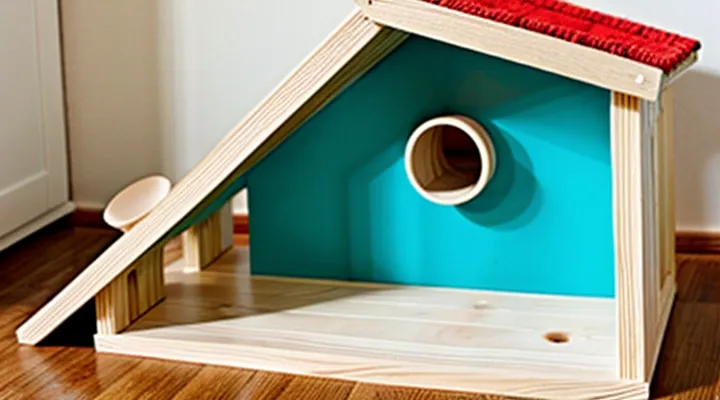
Why Build a DIY Rat House?
Benefits for Your Rat
Enrichment and Stimulation
Enrichment and stimulation are essential for maintaining the health and behavior of captive rats. A well‑designed rat house must provide opportunities for climbing, chewing, foraging, and social interaction, thereby preventing boredom and reducing stress.
Physical enrichment includes structures that encourage movement and exercise. Incorporate climbing ladders, angled ramps, and suspended platforms. Use untreated wood or safe plastics that can support the animal’s weight without splintering. Secure each element with non‑toxic adhesive or small screws to prevent accidental collapse.
Mental enrichment relies on problem‑solving tasks and sensory variety. Provide:
- Puzzle tubes that require the rat to maneuver a treat through a maze.
- Hide‑away compartments sealed with lightweight lids that must be lifted or nudged.
- Textured surfaces such as sisal rope, cork bark, and sandpaper strips for tactile exploration.
- Aromatic objects like dried herbs (e.g., mint, rosemary) placed in small, ventilated pouches.
Sensory enrichment expands the environment with sounds and visual cues. Hang a low‑volume audio device playing natural rodent sounds, and attach bright, non‑reflective beads to the cage ceiling for visual interest.
Installation steps:
- Measure the interior dimensions of the house and cut all wooden or plastic components to fit with a 2‑mm clearance.
- Assemble the base platform, then attach ramps and ladders using stainless‑steel screws, ensuring each joint is flush with the surface.
- Drill three‑millimeter holes for puzzle tubes, inserting each tube at a slight upward angle to promote upward movement.
- Secure hide‑away compartments to the side walls with removable clips, allowing easy access for cleaning.
- Attach textured strips with a thin layer of silicone sealant, avoiding excess that could be ingested.
Maintenance protocol:
- Inspect all connections weekly for loosening or wear.
- Rotate puzzle tubes and hide‑away compartments every two weeks to sustain novelty.
- Replace chewed or frayed textures promptly to prevent injury.
- Clean surfaces with a diluted vinegar solution, rinse thoroughly, and dry before reassembly.
By following these guidelines, the homemade rat habitat will deliver continuous physical, mental, and sensory challenges that foster natural behaviors and improve overall well‑being.
Safety and Security
When constructing a rodent enclosure, safety and security must be addressed from the start. Choose materials that resist chewing, do not release toxins, and withstand repeated cleaning. Preferred options include untreated hardwood, solid acrylic panels, and stainless‑steel hardware. Avoid particle board, soft plastics, and paints containing heavy metals.
Design joints so that all connections remain tight under pressure. Use lock‑type screws or bolts rather than simple nails, and verify that no gaps exceed the animal’s body length. Install a secure latch on every access door; a spring‑loaded catch prevents accidental opening during handling.
Provide adequate airflow while preventing drafts that could chill the occupants. Mesh vents should have openings no larger than ¼ inch. Ensure the enclosure maintains a stable temperature; place heating pads or lamps outside the cage, never directly on the interior surface, to avoid burns.
Key safety checks:
- Verify that all edges are sanded smooth to eliminate sharp points.
- Test each latch and hinge for reliable closure after repeated cycles.
- Inspect material for cracks or splintering before each use.
- Confirm that ventilation screens are intact and free of loose fibers.
- Measure interior temperature and humidity with a digital monitor.
Regular maintenance includes cleaning debris, replacing worn sections, and re‑tightening fasteners. Document each inspection in a log to track wear patterns and schedule replacements before failure occurs. Implementing these measures creates a secure environment that protects the animals and reduces the risk of injury or escape.
Cost-Effectiveness
Choosing inexpensive, readily available materials reduces overall spending while maintaining structural integrity. Cardboard boxes, reclaimed wood, and plastic containers can be repurposed with minimal preparation, eliminating the need for specialized purchases.
- Reuse pallets for frame construction; each pallet provides several square feet of sturdy lumber at no cost.
- Use scrap fabric for bedding; leftover textiles from other projects serve as soft lining.
- Apply low‑cost adhesives such as non‑toxic glue or hot melt; these bond quickly and require only small quantities.
Calculating cost per animal clarifies budget efficiency. Divide total material expense by the number of rats the enclosure will house; a lower figure indicates better allocation of resources. For example, a shelter built for four rats using reclaimed items may cost less than $5, yielding a per‑rat expense of $1.25.
Durability considerations prevent future expenditures. Selecting moisture‑resistant materials, such as sealed plywood or coated cardboard, extends the shelter’s lifespan and reduces replacement frequency. Regular inspection for wear, followed by simple repairs with leftover supplies, preserves functionality without additional outlay.
Customization Options
Customization options enable a rat habitat project to meet specific space constraints, behavioral needs, and aesthetic preferences. Selecting appropriate materials, adjusting structural elements, and adding decorative features create a functional and engaging enclosure.
Material choices affect durability, weight, and ease of cleaning. Options include untreated pine for a natural look, acrylic sheets for transparent walls, recycled cardboard for lightweight modules, and metal brackets for reinforced joints. Each material should be non‑toxic and resistant to gnawing.
Structural modifications tailor the interior layout. Common adjustments are:
- Multi‑level platforms connected by ramps or ladders.
- Removable sections that allow quick access for cleaning.
- Integrated nesting chambers with insulated walls.
- Slide‑in feeding stations that lock into place.
Aesthetic enhancements personalize the environment without compromising safety. Consider:
- Paints and sealants labeled pet‑safe, applied to external surfaces.
- Natural textures such as bark or cork for climbing surfaces.
- Color‑coded sections to organize toys, food, and water zones.
- Light fixtures with low‑heat LED bulbs for evening activity.
Safety and maintenance considerations must guide every customization decision. Ensure all edges are smooth, joints are securely fastened, and any added components do not create gaps larger than a rat’s head. Design elements should allow routine inspection and replacement without dismantling the entire structure.
Planning Your Rat House Project
Choosing the Right Materials
Safe and Non-Toxic Options
When building a rat shelter, choose materials that pose no health risk to the animal and do not release harmful chemicals.
- Untreated hardwood such as pine, birch, or maple provides sturdy walls and floors without resin or formaldehyde.
- Natural bamboo panels offer lightweight strength and are free of synthetic additives.
- Recycled cardboard, when sealed with a non‑toxic coating, creates inexpensive nesting areas.
Secure the structure with adhesives that lack solvents or volatile organic compounds. Recommended options include:
- Food‑grade silicone sealant, safe for ingestion if the rat gnaws edges.
- Plant‑based glue (e.g., wheat‑starch adhesive) approved for pet use.
- Non‑oil‑based wood glue labeled as “non‑toxic” by the manufacturer.
Finish surfaces with paints and finishes that meet pet safety standards. Acceptable choices are:
- Water‑based acrylic paints certified low‑VOC, applied in thin layers.
- Natural linseed oil, cured fully before exposure to the animal.
- Beeswax polish, providing a protective barrier without chemicals.
Prior to assembly, wash all raw materials with mild soap and rinse thoroughly to remove dust or residues. After construction, inspect joints for sharp edges and sand any rough spots. Regular cleaning with a diluted vinegar solution maintains hygiene without introducing toxins.
By adhering to these material and finishing guidelines, the rat habitat remains safe, durable, and free of harmful substances.
Durability Considerations
A durable rat enclosure withstands daily activity, cleaning cycles, and environmental exposure. Select materials that resist moisture, chewing and UV degradation. Solid hardwood, marine‑grade plywood, and PVC sheets maintain structural integrity longer than particleboard or untreated softwood. Apply exterior‑grade sealants or epoxy coatings to protect surfaces from humidity and rodent saliva.
- Use stainless‑steel or galvanized hardware for hinges, latches and brackets; these metals resist corrosion and survive repeated manipulation.
- Reinforce corners and load‑bearing sections with cross braces or metal brackets to prevent sagging under the weight of bedding and food containers.
- Incorporate a raised base or waterproof liner to keep the floor dry, reducing rot and mold growth.
- Choose mesh with a minimum aperture of 0.25 in (6 mm) for ventilation; stainless‑steel wire resists rust and chewing damage.
Regular maintenance prolongs lifespan. Inspect joints, seals and mesh weekly for signs of wear; replace compromised components promptly. Clean the interior with mild detergent and rinse thoroughly to avoid chemical buildup that could weaken adhesives. Store spare hardware and replacement panels in a dry location to ensure readiness for repairs.
Essential Tools for Construction
When constructing a rat house, a reliable set of hand and power tools determines the quality and durability of the final structure. Each tool serves a specific function, reducing assembly time and ensuring precise joins.
- Measuring tape – verifies dimensions before cutting.
- Combination square – checks right angles and marks reference lines.
- Handsaw or fine‑tooth panel saw – cuts plywood, MDF, or acrylic panels to size.
- Power drill with assorted bits – creates pilot holes and drives screws quickly.
- Screwdriver set (flat‑head and Phillips) – tightens fasteners in tight spaces.
- Jigsaw – shapes openings for ventilation or entry holes.
- Sandpaper or orbital sander – smooths edges and removes splinters.
- Hammer – secures nails where screws are unsuitable.
- Clamps – hold pieces together while glue sets or while drilling.
- Safety gear (gloves, goggles, ear protection) – protects the builder during cutting and drilling.
Selecting tools with ergonomic handles and adjustable speed settings improves control, especially when working with thin materials that can crack. Regularly inspect blades and bits for wear; dull edges increase effort and compromise cut quality. Maintain a clean workspace to prevent debris from interfering with measurements and joint alignment.
By assembling this core toolkit before beginning the project, the builder minimizes interruptions and achieves consistent, repeatable results throughout the rat house construction process.
Design Considerations
Size and Space Requirements
When planning a homemade rodent shelter, the first step is to determine the interior volume that will accommodate the animal comfortably while allowing room for enrichment and movement. A single adult rat requires at least 1 ft³ (approximately 28 L) of usable space; a pair needs roughly 2 ft³. The floor area should be no smaller than 12 in × 12 in (30 cm × 30 cm) per rat, with a height of at least 10 in (25 cm) to enable climbing and nesting. Provide a separate zone for a nest box that occupies roughly ¼ of the total floor area, leaving the remainder for foraging and exercise.
Key measurements to verify before cutting materials:
- Floor dimensions: minimum 12 in × 12 in per rat
- Height: minimum 10 in, higher if multiple levels are planned
- Total interior volume: 1 ft³ per adult, 2 ft³ for a pair
- Nest box size: 6 in × 6 in × 6 in (15 cm × 15 cm × 15 cm) per rat
Confirm that the chosen enclosure fits within the available room, leaving at least a 2‑inch clearance on all sides for ventilation and cleaning access. Adjust the dimensions proportionally if the shelter will house more than two rats, maintaining the same per‑animal ratios.
Ventilation Needs
A functional rat enclosure requires a reliable airflow system to prevent excess humidity, odor buildup, and respiratory stress. Fresh air must enter and stale air must exit without creating drafts that could chill the occupants.
- Supply opening: place a vent near the top of one wall, sized at 2 × 2 cm for a 30 × 30 cm cage; larger enclosures need proportionally larger openings.
- Exhaust opening: locate a second vent on the opposite side, slightly lower than the supply to encourage natural convection.
- Mesh screen: cover each opening with stainless‑steel or hardware cloth (¼‑inch gauge) to keep rodents inside while allowing unrestricted passage of air.
- Adjustable flap: install a small hinged flap on the supply vent to regulate airflow during seasonal temperature changes.
- Filter option: attach a carbon or HEPA filter to the exhaust vent if the enclosure sits in a confined indoor space, reducing odors without limiting ventilation.
Maintain clear pathways by cleaning mesh screens weekly and checking for blockages caused by bedding or nesting material. Replace worn screens promptly to preserve the integrity of the airflow system. Proper ventilation extends the lifespan of the habitat, supports healthy behavior, and reduces the need for frequent deep cleaning.
Accessibility for Cleaning
Designing a self‑built rat shelter with cleaning accessibility in mind eliminates the need for disassembly during routine maintenance. The structure should allow swift removal of interior components while preserving structural integrity.
- Removable side panels secured with simple latch mechanisms.
- Hinged top cover that opens fully without tools.
- Sliding tray beneath the nesting area for debris collection.
- Integrated access slots large enough for a handheld brush or vacuum nozzle.
Smooth, non‑porous materials such as acrylic sheets or sealed plywood reduce grime adherence and simplify wiping. Avoid textured finishes that trap droppings or food residue. Seal joints with waterproof adhesives to prevent moisture buildup that attracts bacteria.
Establish a cleaning schedule: wipe interior surfaces weekly, replace bedding monthly, and disinfect the entire enclosure quarterly using a diluted bleach solution. Keep a dedicated brush, cloth, and disinfectant ready near the shelter to streamline the process.
DIY Rat House Ideas and Blueprints
Simple Cardboard Creations
Single-Level Structures
A single-level rat house offers a straightforward layout that maximizes space efficiency and simplifies construction. The design eliminates stairs or ramps, reducing the risk of injury and allowing easy access for cleaning and maintenance.
Key considerations for a ground‑floor enclosure include material selection, insulation, ventilation, and secure entry points. Use untreated pine or plywood at least ½ inch thick to provide durability while remaining lightweight. Apply a non‑toxic sealant to protect against moisture, then line the interior with shredded paper or cotton for bedding.
Ventilation is achieved through two opposing slits cut near the top of each side panel. Position the slits 2 inches from the corners to promote airflow without compromising structural integrity. Install a small hinged door on one side for routine inspection; a simple latch made from a stainless‑steel spring ensures the door remains closed during use.
Construction steps:
- Cut base panel to the desired dimensions (e.g., 12 × 12 inches).
- Attach side panels using wood glue and finishing nails; reinforce corners with metal brackets.
- Drill ventilation slits and sand edges smooth.
- Assemble the hinged door, fit the latch, and test for secure closure.
- Seal all interior surfaces with a pet‑safe finish, allow drying time, then add bedding.
The resulting structure provides a compact, safe habitat that can be assembled with basic tools in under two hours. Its simplicity supports regular cleaning, reduces material costs, and offers a reliable shelter for laboratory or pet rats.
Multi-Story Designs
A multi‑story rat house maximizes limited floor space while offering vertical enrichment. Construct each level with sturdy, lightweight material such as untreated pine or acrylic sheet, ensuring seams are sealed to prevent escape. Use interlocking brackets or dowel joints to attach floors securely; metal brackets provide additional strength without adding excessive weight.
Key construction steps include:
- Measure the desired height and divide it into equal floor sections, typically 4–6 inches per level.
- Cut platform panels to the same footprint; a rectangular base of 12 × 8 inches works well for most pet rats.
- Drill ¼‑inch holes in each panel for climbing ladders or tubes; position them centrally to maintain balance.
- Attach ladders using wooden dowels or PVC pipes, securing them with non‑toxic glue or small screws.
- Install a removable roof on the top level for easy cleaning; a hinged acrylic panel offers visibility and ventilation.
Design considerations:
- Provide a continuous escape route by aligning openings on each level; avoid dead‑end spaces that could cause stress.
- Include nesting material pockets on the uppermost platform, where rats prefer to rest.
- Incorporate removable trays beneath each floor for waste collection; this simplifies maintenance without dismantling the entire structure.
Testing the assembled house before introducing rats is essential. Verify stability by applying gentle pressure to each level and confirming that all connections hold. Once stability is confirmed, introduce the animals gradually, allowing them to explore each tier under supervision. This approach yields a functional, expandable habitat that encourages natural climbing behavior and efficient use of space.
Wooden Rat Condos
Basic Box Houses
Basic box houses form the simplest structure for a small rodent enclosure, providing a sturdy framework that can be customized with insulation, ventilation, and escape‑proofing. Their rectangular shape simplifies cutting, assembling, and positioning within a larger habitat.
- Sturdy cardboard or corrugated fiberboard, at least 0.5 cm thick
- Non‑toxic wood glue or hot‑glue gun with biodegradable sticks
- Utility knife or scissors for clean cuts
- Ruler or measuring tape, 0.5 mm accuracy preferred
- Small hinges or Velcro strips for removable lids
- Optional: natural bedding, shredded paper, or untreated wood shavings
Construction steps:
- Measure interior dimensions of the desired space; typical rat enclosures range from 30 × 20 × 20 cm to 60 × 40 × 30 cm.
- Cut four side panels and a base panel to the recorded measurements, ensuring edges are straight.
- Apply glue along the edges of the base and attach two side panels, forming a right‑angled corner.
- Secure the remaining two sides, reinforcing each joint with a second line of glue or a small nail if the material permits.
- Attach a hinged or Velcro‑secured lid to the top panel, allowing easy access for cleaning and feeding.
Final adjustments include drilling two 1 cm ventilation holes on opposite walls, covering each with fine mesh to prevent escape while maintaining airflow. Line the interior with bedding, test the structure for stability by applying gentle pressure, and seal any gaps with additional glue. The resulting box house offers a reliable, low‑cost foundation for further embellishment such as tunnels, climbing platforms, or decorative elements.
Elaborate Multi-Chamber Homes
Creating a multi‑chamber habitat for pet rats enhances enrichment and encourages natural behaviors. Start with a sturdy base made from untreated plywood or thick cardboard; reinforce corners with wood glue and non‑toxic sealant to prevent collapse under chewing. Use separate compartments for sleeping, foraging, and exercise, linking them with tunnels that allow free movement while maintaining distinct zones.
Key construction elements:
- Partition walls: Cut acrylic or thin plywood to size, drill ventilation holes, and secure with small brackets.
- Access points: Install removable lids or hinged doors on each chamber for easy cleaning and monitoring.
- Tunnels: Employ PVC pipe sections or flexible tubing; attach with silicone adhesive to ensure airtight connections.
- Interior furnishings: Add hammocks, chew sticks, and nesting material in designated chambers to promote comfort and activity.
Finish the structure with a water‑resistant coating, verify that all adhesives are pet‑safe, and test each joint for stability before introducing the rats. Regularly inspect for wear, replace damaged parts, and rotate accessories to sustain novelty. This systematic approach yields a durable, stimulating environment that supports the health and curiosity of domesticated rats.
Repurposed Item Houses
PVC Pipe Playgrounds
PVC pipe playgrounds add vertical and horizontal pathways that increase the activity space inside a homemade rodent habitat. The material is lightweight, inexpensive, and easily cut to fit any enclosure size. Pipe diameters ranging from 1 in to 2 in accommodate the average adult rat while allowing comfortable movement.
Construction begins with measuring the interior dimensions of the cage, then planning a network of connections that maximizes climbable length without overcrowding. Cut sections to the required lengths, deburr edges, and test fit before assembly. Use PVC cement or non‑toxic silicone to join pieces; the bond should be firm enough to support repeated climbing and chewing.
Key considerations:
- Safety: Ensure all joints are sealed, and no sharp edges remain after cutting.
- Stability: Anchor vertical columns to the cage base with brackets or zip ties to prevent wobble.
- Ventilation: Leave gaps between pipes to maintain airflow throughout the structure.
- Enrichment: Incorporate tunnels, loops, and platforms at varying heights to encourage exploration.
After installation, observe the rats for any signs of stress or difficulty navigating the new layout. Adjust pipe angles or add additional support as needed. A well‑designed PVC network enhances exercise, reduces boredom, and complements other habitat features such as nesting boxes and chew toys.
Basket and Fabric Hideouts
Baskets and fabric provide inexpensive, adaptable components for constructing a rat hideout. A sturdy woven basket creates a natural‑looking tunnel, while a soft fabric lining offers warmth and security.
- Select a basket with a smooth interior and sturdy rim; plastic or woven wicker works best. Ensure the opening is large enough for a rat to enter without stress.
- Cut a piece of fleece or cotton fabric slightly larger than the basket’s interior. The material should be washable and free of loose threads that could be chewed.
- Place the fabric inside the basket, folding edges inward to prevent fraying. Secure the fabric with a few non‑toxic staples or a light adhesive if necessary.
- Add a small entrance tunnel made from a PVC pipe or a rolled paper towel tube, inserting it into the basket’s opening. Position the tunnel at a gentle angle to encourage natural movement.
- Fill the lower section of the basket with shredded paper, untreated wood shavings, or coconut fiber. This substrate mimics a burrow floor and absorbs moisture.
When assembling multiple hideouts, vary basket sizes to create a hierarchy of spaces; larger baskets serve as communal areas, while smaller ones function as private retreats. Attach baskets to the cage wall using zip ties or brackets, ensuring they are stable but removable for cleaning. Regularly wash the fabric lining with mild soap and replace it if it becomes soiled or worn.
Integrating basket and fabric hideouts into a rat enclosure enhances enrichment, supports natural nesting behavior, and simplifies maintenance for the caretaker.
Step-by-Step Construction Guides
Building a Basic Cardboard House
Gathering Materials
When planning a rodent shelter, the first step is to acquire all necessary components before construction begins. Selecting appropriate supplies ensures structural integrity, safety, and ease of assembly.
Key materials include:
- Untreated pine or birch boards, ¼‑inch thickness, cut to the desired dimensions.
- Non‑toxic, water‑based paint or sealant for interior and exterior surfaces.
- Stainless‑steel screws or nails to prevent rust and maintain durability.
- Thin, flexible hardware cloth (¼‑inch mesh) for ventilation panels.
- Natural fiber rope or sisal for climbing accessories.
- Eco‑friendly insulation such as shredded cellulose, if climate control is required.
- Small hinges and latch hardware for a removable roof or door.
Sources for these items are typically local hardware stores, lumber yards, and craft suppliers. Online marketplaces offer bulk options for hardware cloth and fasteners, often at reduced cost. When purchasing, verify product specifications: confirm that wood is untreated to avoid chemical exposure, ensure paint is labeled safe for pets, and choose mesh with openings small enough to prevent escape but large enough for airflow.
Before transport, inspect each piece for defects—splits, warps, or rusted fasteners can compromise the final structure. Organize the materials by category, label them, and store in a dry area to protect against moisture damage until assembly begins. This systematic approach minimizes interruptions during the build and contributes to a reliable, long‑lasting habitat.
Cutting and Assembling
When constructing a small rodent shelter, precise cutting determines the overall fit and durability of the structure. Select a material that balances strength and weight—pine plywood, medium‑density fiberboard, or recycled cardboard work well. Measure each component twice before marking the cutting line; a simple ruler or measuring tape provides sufficient accuracy. Use a fine‑toothed saw for plywood, a utility knife for cardboard, and a circular saw for larger panels. Apply a straight edge to guide the blade, reducing ragged edges that could compromise assembly.
After all pieces are cut, organize them by size and function. Label each panel—floor, walls, roof, and entrance—to streamline the next phase. Sand any rough surfaces to prevent splinters and improve the adhesion of sealants or paint. If the design includes a removable roof, cut a thin hinge strip from the same material and attach it with a small stainless‑steel screw, ensuring smooth movement.
The assembly process follows a logical sequence:
- Attach the floor panel to the first wall using wood glue and two cross‑driven screws at each corner.
- Add the adjacent wall, aligning pre‑drilled pilot holes to avoid splitting the material.
- Continue with the remaining two walls, checking that all corners form right angles with a carpenter’s square.
- Secure the roof panel with hinges or removable fasteners, allowing easy access for cleaning.
- Install the entrance tunnel, cutting a circular opening in one wall and fitting a PVC pipe or fabric flap.
Final steps include sealing seams with non‑toxic silicone to block drafts, applying a water‑based paint for visual appeal, and allowing the finish to cure for at least 24 hours before introducing the animal. This methodical approach to cutting and assembling yields a sturdy, safe habitat suitable for indoor or outdoor use.
Decorating and Personalizing
When finishing a homemade rat shelter, visual appeal and individuality enhance both the animal’s comfort and the owner’s satisfaction. Choose materials that are safe, non‑toxic, and easy to clean; untreated wood, acrylic panels, and natural fibers meet these criteria. Apply a primer designed for interior surfaces before adding any paint or sealant to prevent odor absorption and to extend the structure’s lifespan.
Select a color scheme that contrasts with the rat’s fur, allowing easy observation of health indicators. Dark tones hide wear, while light shades highlight droppings and injuries. Use water‑based, low‑VOC paints applied in thin coats; allow each layer to dry fully before proceeding. For a polished finish, consider a clear, food‑grade lacquer that resists chewing.
Practical personalization options include:
- Modular accessories – attach removable shelves, ramps, and hideouts with dovetail joints or thumb screws for quick reconfiguration.
- Themed décor – emboss or stencil simple motifs such as leaves, geometric patterns, or tiny tunnels onto interior walls.
- Textile inserts – secure washable fleece pads or hammocks using staple‑free clips to maintain hygiene.
- Lighting elements – integrate LED strips with a low‑intensity setting to illuminate the interior without generating heat.
Document each decorative step with photographs and brief notes. This record assists future modifications and provides a reference for replicating successful techniques in additional projects.
Crafting a Wooden Rat Den
Measuring and Cutting Wood
Accurate measurement and clean cuts determine the structural integrity of a small rodent shelter. Errors in dimensions lead to gaps, weak joints, and compromised safety for the animal.
Essential tools include a tape measure, combination square, fine‑tooth saw (or a small circular saw with a blade suitable for plywood), clamps, and a sanding block. A workbench or stable surface provides a reliable reference plane.
Measuring procedure
- Lay the design plan on a flat surface.
- Use the tape measure to record each length, width, and thickness on paper.
- Verify each dimension twice before marking the wood.
- Align the combination square with the edge, draw a clear line at the exact measurement, and label the cut.
Cutting guidelines
- Secure the board with clamps to prevent movement.
- Position the saw blade perpendicular to the marked line; adjust the depth to match material thickness.
- Initiate the cut slowly, maintaining steady pressure to avoid splintering.
- After each cut, inspect the edge for roughness; sand any irregularities before assembly.
Consistent application of these steps produces uniformly sized components, simplifies joinery, and results in a durable, well‑fitted rat house.
Fastening Components
When building a small rodent shelter, the choice and application of fastening components determine structural integrity and ease of assembly.
- Nails: suitable for thin wood panels, quick to install, limited shear strength.
- Screws: provide superior pull‑out resistance, ideal for joints that may be disassembled.
- Bolts and nuts: best for connecting thicker timber or metal brackets, allow precise torque control.
- Staples: efficient for attaching fabric or insulation, require a staple gun.
- Adhesives: contact cement or wood glue add shear strength without visible hardware, useful for interior seams.
- Zip ties: convenient for securing wire mesh or plastic frames, replaceable with minimal tools.
Select fasteners based on material compatibility: stainless steel or galvanized finishes prevent corrosion when the shelter is exposed to moisture. Match length and diameter to the thickness of the components; a general rule is that the fastener should penetrate at least twice the material thickness.
Tools required include a power drill with appropriate bits, a screwdriver or impact driver for screws, a hammer for nails, a staple gun for fabric, and a caulking gun for adhesives. Pre‑drilling pilot holes reduces wood splitting, while countersinking screw heads creates a flush surface that prevents snagging. Apply adhesive sparingly to avoid excess squeeze‑out that could attract pests.
Secure joints firmly, but avoid overtightening that could crush the lightweight frame. Verify each connection by gentle pressure; any movement indicates a need for additional fastener or a larger diameter. Properly tightened components extend the shelter’s lifespan and maintain a safe environment for the animal.
Finishing Touches
The final stage of a homemade rodent shelter focuses on durability, hygiene, and comfort. Apply a non‑toxic sealant to all interior surfaces to protect against moisture and prevent chewing damage. Choose a water‑based acrylic finish that dries quickly and can be reapplied without disrupting the structure.
Select bedding that is absorbent, dust‑free, and easy to replace. Wood shavings, paper pulp, or hemp are suitable options; avoid aromatic or scented materials that may irritate the animal’s respiratory system.
Install practical accessories that enhance mobility and enrichment. A short inclined ramp connects the entrance to the main chamber, allowing effortless access. Attach a detachable climbing platform to the upper wall, secured with removable brackets for cleaning. Include a small, rust‑resistant water bottle and a stainless‑steel feeding tray, positioned away from bedding to reduce contamination.
Maintain cleanliness with a removable floor panel. Design the base as a hinged or sliding section that can be lifted for routine washing. Use a mild, unscented detergent, rinse thoroughly, and dry before returning bedding.
Optional decorative elements, such as natural‑color paint or textured wall panels, may improve visual appeal without compromising safety. Ensure all paints and adhesives are labeled as pet‑safe and free of lead.
Key finishing actions
- Seal interior wood with non‑toxic acrylic.
- Add dust‑free bedding material.
- Fit a short ramp and detachable climbing platform.
- Install water bottle and feeding tray, spaced from bedding.
- Provide a removable floor panel for easy cleaning.
- Use pet‑safe paints for aesthetic touches.
Enhancing Your Rat House
Adding Tunnels and Bridges
Creating tunnels and bridges expands the three‑dimensional environment, encourages natural climbing behavior, and provides hidden routes for exploration. The structures should be sturdy, safe, and easily removable for cleaning.
Materials commonly used include untreated pine or birch plywood, PVC pipe, acrylic sheet, non‑toxic glue, sandpaper, and wood screws. Ensure all components are free of splinters and chemicals that could harm the animal.
Construction steps
- Measure the interior dimensions of the enclosure; plan tunnel length and bridge span to avoid obstructing ventilation.
- Cut plywood or acrylic into rectangular panels for tunnel walls; sand edges smooth.
- Assemble tunnel sections with wood glue and screws, leaving one end open for entry.
- For bridges, cut a flat plank to the desired width, reinforce with a thin strip of PVC pipe underneath to prevent sagging.
- Attach bridge supports to the side walls using brackets or L‑shaped metal fittings; verify that the bridge sits level.
- Secure tunnels to the bridge or walls with removable brackets, allowing repositioning as the rats’ preferences change.
- Test each connection by applying pressure; reinforce any loose joints before introducing the rats.
Installation tips
- Use a drill with a small bit to pre‑drill holes, preventing wood split.
- Apply a thin layer of pet‑safe sealant on cut surfaces to reduce moisture absorption.
- Position tunnels near climbing elements such as ladders or platforms to create a continuous route.
- Provide at least one escape hatch for each tunnel, allowing rats to retreat if they feel threatened.
- Rotate tunnel orientation periodically to stimulate curiosity and prevent habit formation.
Properly integrated tunnels and bridges transform a basic cage into a dynamic habitat, supporting natural foraging, nesting, and social interaction.
Incorporating Chewing Toys
Integrating chewable elements into a rat habitat enhances dental health and encourages natural foraging behavior. Select safe, non‑toxic materials such as untreated wood, natural wicker, or food‑grade silicone. Avoid painted surfaces, treated lumber, or plastics that may release chemicals.
Key considerations when adding chew toys:
- Size matches the animal’s mouth; pieces should be no larger than a quarter of the rat’s body length.
- Texture varies: smooth bamboo for gentle gnawing, rough twine for vigorous chewing, and porous cork for intermittent wear.
- Secure attachment to the cage frame prevents displacement; use stainless‑steel clips or drill‑in brackets rather than adhesive.
- Placement encourages activity: mount toys near climbing ladders, attach them to the underside of perches, or suspend them from the top of the enclosure.
Installation steps:
- Measure the interior dimensions of the cage to determine available space.
- Cut wood or wicker to the desired length, sanding edges to eliminate splinters.
- Drill pilot holes at both ends of each piece, insert stainless‑steel screws, and fasten to the cage’s metal bars.
- Test stability by applying gentle pressure; adjust as needed to eliminate wobble.
- Introduce the toys gradually, monitoring the rats for acceptance and any signs of stress.
Maintenance requires weekly inspection for fraying, splintering, or mold growth. Replace damaged items promptly to maintain a safe environment. By following these guidelines, chew toys become a functional component of the rat house, supporting oral health and enriching the animal’s daily routine.
Creating Cozy Bedding Areas
A comfortable bedding zone enhances a rat’s well‑being and encourages natural nesting behavior. Choose materials that are safe, absorbent, and easy to replace.
- Soft, untreated wood shavings (e.g., pine or aspen)
- High‑quality paper bedding (recycled newspaper or shredded paper)
- Natural fiber blankets or fleece squares, trimmed to fit the enclosure
- Non‑toxic, low‑dust coconut fiber or hemp mats for extra insulation
Begin by lining the bottom of the cage with a 2‑inch layer of wood shavings or paper bedding. Place a fleece square over the shavings, allowing the fabric to hang slightly over the edges; this creates a warm, plush surface that rats can burrow into. Add a small pile of coconut fiber in one corner to provide a dry, absorbent nest spot. Secure the fleece with a few gentle clips or a thin strip of natural twine to prevent shifting during play.
Inspect the bedding weekly. Remove soiled sections, replace the fleece when it becomes damp, and refresh the shavings or paper layer to maintain hygiene. Spot‑clean the coconut fiber daily, discarding any clumped material. A regular maintenance schedule preserves comfort and reduces odor, ensuring the rat’s sleeping area remains inviting throughout the project.
Maintaining and Cleaning Your Rat House
Regular Cleaning Schedule
A well‑structured cleaning routine prevents odor buildup, controls parasites, and prolongs the lifespan of a homemade rat enclosure. Consistency eliminates hidden health hazards and reduces the time required for deep cleaning sessions.
- Daily: remove uneaten food, spot‑clean soiled bedding, check water bottle for leaks, inspect for droppings on surfaces.
- Weekly: replace 25 % of the bedding, scrub feeding dishes with mild detergent, disinfect hide‑outs with a 1 % hydrogen peroxide solution, vacuum corners to remove hair and debris.
- Monthly: fully empty the enclosure, wash all components with warm water and a veterinary‑grade disinfectant, rinse thoroughly, dry, and reinstall fresh bedding. Inspect structural integrity of tunnels and supports; reinforce any weakened sections.
Each task should be recorded in a simple log: date, performed actions, observations of wear or health issues. Maintaining a stock of cleaning supplies—detergent, disinfectant, disposable gloves, and spare bedding—ensures the schedule can be followed without interruption. Adjust frequencies based on the number of occupants and the size of the habitat; larger colonies may require more frequent spot‑cleaning and partial bedding changes.
Deep Cleaning Techniques
Deep cleaning of a homemade rat enclosure ensures a healthy environment, prevents disease, and extends the lifespan of the structure. Begin by dismantling removable components such as flooring panels, ramps, and nesting boxes. Soak these parts in a solution of hot water and a mild detergent for at least fifteen minutes, then scrub with a stiff brush to remove residue and biofilm.
After soaking, rinse all items thoroughly with clean water to eliminate detergent traces. Submerge non‑metallic components in a diluted bleach solution (one part bleach to nine parts water) for five minutes, then rinse again. For metal frames or fasteners, apply a commercial sanitizer approved for animal habitats, following the manufacturer’s contact time guidelines.
Allow every piece to air‑dry completely in a well‑ventilated area before reassembly. Use a clean, lint‑free cloth to wipe interior surfaces, then apply an animal‑safe disinfectant spray. Finally, reassemble the enclosure, ensuring all joints are tight and that no cleaning residues remain.
Key deep‑cleaning steps:
- Disassemble removable parts
- Soak in hot, soapy water (15 min)
- Scrub with stiff brush
- Rinse thoroughly
- Treat with diluted bleach (1:9) or approved sanitizer
- Air‑dry completely
- Wipe interior with lint‑free cloth
- Apply animal‑safe disinfectant
- Reassemble securely
Regular implementation of this protocol after each cleaning cycle maintains optimal hygiene for the rat habitat.
Replacing Worn-Out Components
When a rat house shows signs of wear—cracked walls, frayed tunnels, or loose fasteners—the structure must be refreshed to maintain safety and functionality. Identify the deteriorated parts before disassembly: wooden panels with splintering, plastic tubes that have become brittle, glue joints that no longer hold, and metal brackets that have rusted.
Replacement process
- Remove damaged panels by unscrewing or prying them free; retain original hardware for reuse if it remains sound.
- Cut new wood or plastic to match the dimensions of the removed pieces; sand edges to prevent injury.
- Apply a non‑toxic adhesive suitable for rodents; press new components into place and secure with stainless‑steel screws or brackets.
- Inspect all connections, tighten loose fasteners, and treat metal parts with rust‑inhibiting primer before reassembly.
After installation, test the structure by applying gentle pressure to each section; ensure no movement or creaking occurs. Clean the interior with a mild, pet‑safe disinfectant, then re‑introduce the rats. Routine inspection every six months will catch wear early and extend the lifespan of the habitat.
Safety Tips and Best Practices
Preventing Escapes
Preventing rats from escaping a self‑built enclosure requires precise construction and regular inspection. Use materials that close securely, eliminate gaps, and withstand the animal’s chewing ability.
- Choose wire mesh with openings no larger than ¼ inch; stainless steel resists gnawing and corrosion.
- Install a latch that engages with a spring‑loaded catch; verify that the latch closes fully with one hand.
- Reinforce door edges with a wooden or acrylic strip to prevent the frame from flexing under pressure.
- Seal all joints with non‑toxic silicone caulk; allow 24 hours to cure before introducing the occupants.
- Add a secondary barrier, such as a zippered panel, inside the primary door for double security.
After assembly, conduct an escape test. Place a small object that mimics the rat’s size at the door opening and apply gentle pressure. Observe any movement of the latch or deformation of the frame. Repeat the test weekly, especially after cleaning or relocating the cage.
Document any breach and repair it immediately. Consistent maintenance eliminates the risk of an unintended escape and ensures a stable environment for the rats.
Ensuring Good Ventilation
Proper airflow prevents moisture buildup, reduces odor, and deters respiratory problems in a handcrafted rat shelter. Design openings that balance fresh air intake with protection from drafts and predators.
- Install two vents on opposite walls, each 1‑2 cm wide, positioned near the top of the enclosure. This creates a natural convection loop: warm air rises and exits, drawing cooler air in through the lower vent.
- Use fine metal mesh (½ mm) to cover each opening. Mesh blocks bedding material and small debris while allowing unrestricted gas exchange.
- Cut vent slots in a slatted wooden panel rather than drilling holes. Slats act as a barrier against chewing and can be easily replaced if damaged.
- Add a small adjustable flap to the lower vent. A hinge allows the owner to regulate airflow during seasonal temperature changes without dismantling the structure.
- Ensure the total vent area equals at least 5 % of the interior surface area. For a 30 cm × 20 cm × 20 cm enclosure, this translates to roughly 60 cm² of open space, divided equally between intake and exhaust.
Materials such as acrylic sheets or PVC pipe can serve as secondary ventilation channels. Insert a short length of PVC (¾ inch diameter) horizontally near the roof, sealed with silicone, to act as a passive air conduit. This method distributes airflow evenly across the interior, reducing stagnant zones.
Regular maintenance is essential. Inspect mesh for gnaw marks weekly and replace any compromised sections. Clean vent openings with a soft brush to remove dust and droppings, preserving optimal air exchange throughout the rat’s lifespan.
Monitoring for Wear and Tear
Regular inspection prevents structural failure and protects the health of the occupants. Begin each week with a visual sweep of the frame, joints, and flooring. Look for cracks, loose screws, or softened wood caused by moisture. Record any deviation from the original condition in a simple log.
- Check fasteners: tighten any that feel loose, replace stripped screws.
- Examine supports: verify that brackets and braces remain aligned and bear load evenly.
- Test entry points: ensure doors and tunnels open smoothly without binding.
- Inspect bedding material: discard damp or soiled sections that could degrade the interior.
Use a handheld flashlight to reveal hidden damage in corners and under platforms. A small digital caliper measures wear on wooden edges; a moisture meter identifies areas absorbing excess humidity. Replace compromised components promptly to avoid cascading damage.
Schedule a comprehensive review every month. During this session, disassemble removable panels to inspect hidden joints, sand rough edges, and apply a fresh coat of non‑toxic sealant where wear is evident. Document the date, findings, and corrective actions for future reference.
Consistent monitoring extends the lifespan of the rat shelter, maintains a safe environment, and reduces the need for major repairs.