
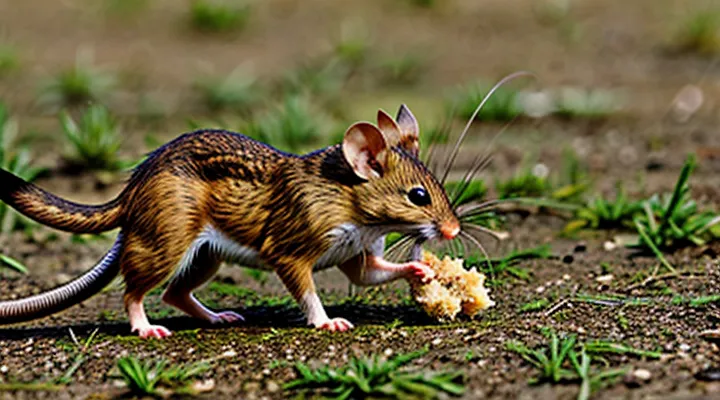
Understanding Field Mice and Their Habitat
What Are Field Mice?
Field mice belong to the genus Apodemus and related genera within the family Muridae. They are small, nocturnal rodents native to temperate regions of Europe, Asia, and parts of North Africa. Species such as the wood mouse (Apodemus sylvaticus) and the striped field mouse (Apodemus agrarius) exemplify the group.
These mammals inhabit a range of environments, including grasslands, hedgerows, forest edges, and cultivated fields. Their presence correlates with dense ground cover that offers protection from predators and access to seed and insect resources.
Physical traits of field mice include a head‑body length of 6–10 cm, a tail roughly equal to or slightly longer than the body, and a weight of 10–30 g. Fur coloration varies from brown to gray, providing camouflage. Sharp incisors enable constant gnawing, while large auditory bullae enhance hearing in low‑light conditions.
Key biological features:
- High reproductive rate: multiple litters per year, each containing 4–7 offspring.
- Seasonal coat change: thicker fur in winter, lighter in summer.
- Territoriality: individuals defend small home ranges using scent marking.
- Omnivorous feeding habits: consume seeds, grains, green vegetation, and invertebrates.
Understanding the identity and ecology of field mice establishes the foundation for examining their foraging patterns and nutritional intake in natural settings.
Typical Habitats of Field Mice
Field mice are most frequently encountered in low‑lying, vegetated environments where cover and food are abundant. Their presence is closely linked to specific habitat characteristics that support the resources they require for survival.
Open grasslands and cultivated fields provide dense herbaceous cover, seed supplies, and a steady influx of invertebrates. These areas are typically composed of native grasses, wildflowers, and occasional weeds that produce the small seeds forming a core part of the mouse diet. Seasonal variations in plant growth create fluctuating seed availability, prompting mice to adjust foraging patterns accordingly.
Edge habitats, such as hedgerows and woodland margins, combine the shelter of shrubbery with easy access to both ground vegetation and arboreal insects. The structural complexity of these zones offers protection from predators while maintaining proximity to diverse food sources, including aphids, beetle larvae, and fallen fruit.
Riparian zones—vegetated strips alongside streams and rivers—support moist soil conditions and a rich assemblage of micro‑fauna. The damp substrate encourages the growth of tender shoots and the emergence of aquatic insects, both of which are readily exploited by field mice during periods of high humidity.
Agricultural landscapes featuring fallow plots, grain storage sites, and crop residues serve as opportunistic feeding grounds. Residual kernels, discarded plant material, and pest insects concentrate in these environments, providing high‑energy meals that can sustain populations through winter months.
Typical habitats can be summarized as follows:
- Meadow and pasture ecosystems
- Crop fields and post‑harvest storage areas
- Hedgerows and forest edge corridors
- Riparian vegetation belts
- Fallow land and abandoned fields
Each habitat type contributes distinct nutritional elements that shape the overall foraging strategy of field mice. Understanding these environments clarifies how habitat selection directly influences the composition of the mice’s diet in the wild.
Core Components of a Field Mouse Diet
Plant-Based Foods
Seeds and Grains
Field mice rely heavily on seeds and grains as a primary energy source. These items supply carbohydrates, proteins, and essential fatty acids that sustain rapid growth and reproductive cycles.
- Grass seeds (e.g., wheat, barley, oat)
- Wild grasses (e.g., rye, timothy)
- Legume seeds (e.g., vetch, clover)
- Tree and shrub seeds (e.g., acorns, hazelnuts, pine nuts)
- Harvest residues (e.g., spilled cereal kernels, stored grain)
Seasonal fluctuations dictate availability. In early spring, mice harvest freshly fallen grass seeds; midsummer brings abundant legume pods; autumn provides larger seeds and nuts that persist through winter. Foraging behavior adapts to these patterns: nocturnal activity, cache formation, and selective harvesting of high‑energy kernels.
Consumption of seeds influences plant reproduction. By removing a portion of the seed bank, mice reduce potential germination rates, yet cache retrieval and accidental seed dispersal can promote plant colonization. In agricultural landscapes, field mice may exploit stored grain, leading to measurable loss in stored produce. Their feeding habits thus intersect with both natural ecosystems and human food security.
Grasses and Leaves
Field mice obtain the majority of their energy from herbaceous vegetation, primarily grasses and broad‑leaf foliage found in meadow and woodland margins. Their small incisors are adapted to clip tender shoots and scrape leaf surfaces, allowing rapid intake of plant material that is high in carbohydrates and moderate in protein.
Typical grass species consumed include:
- Festuca (fescue)
- Poa (bluegrass)
- Agrostis (bentgrass)
- Dactylis (orchard grass)
Leaves frequently eaten are:
- Young oak (Quercus) and birch (Betula) foliage
- Clover (Trifolium) leaves
- Dandelion (Taraxacum) leaf blades
- Plantain (Plantago) leaves
Digestive efficiency improves when mice supplement grasses with leaf tissue rich in soluble sugars and essential amino acids. Seasonal shifts in plant availability drive changes in foraging patterns; during spring, rapidly growing shoots dominate the diet, while autumn sees increased reliance on mature leaves and seed husks.
Roots and Tubers
Field mice regularly incorporate underground plant parts into their diet, exploiting roots and tubers that become accessible during the growing season. These structures provide a concentrated source of carbohydrates, simple sugars, and essential minerals such as potassium and phosphorus, supporting rapid energy turnover and reproductive output.
Key characteristics of roots and tubers consumed by field mice include:
- Accessibility: Soil disturbance by wind, precipitation, or the activity of other burrowing organisms exposes the edible portions, allowing mice to retrieve them with minimal excavation effort.
- Nutrient density: Starch-rich tubers (e.g., dandelion (Taraxacum) taproots, wild carrot (Daucus) roots) deliver high caloric content, while fibrous roots (e.g., grass rhizomes) contribute bulk and fiber.
- Seasonal availability: Early spring favors tender seedlings and shallow taproots; midsummer sees an increase in larger tubers of perennial herbs; autumn provides residual roots that persist after senescence.
Foraging behavior reflects opportunistic selection. Mice assess soil moisture, root firmness, and scent cues to locate viable specimens. When moisture levels rise, root turgor increases, enhancing palatability and ease of extraction. After consumption, field mice often cache surplus tubers in shallow chambers, creating a reserve that buffers against winter scarcity.
The inclusion of subterranean plant parts influences ecosystem dynamics. Removal of roots reduces competition among seedlings, potentially altering plant community composition. Simultaneously, the burial of uneaten fragments during caching introduces organic matter to the soil, promoting microbial activity and nutrient cycling.
Overall, roots and tubers constitute a reliable, energy-dense component of the field mouse’s foraging repertoire, directly affecting growth rates, reproductive success, and seasonal survival.
Fruits and Berries
Field mice supplement their primarily seed‑based diet with a variety of wild fruits and berries, especially when these resources are abundant during late summer and autumn. The high sugar content of these plant parts provides a rapid energy source that supports increased activity, such as nest building and reproductive effort.
Commonly consumed fruits include:
- Small wild apples (Malus spp.) that have fallen to the ground.
- Wild cherries (Prunus spp.) and their pits, which are gnawed to access the flesh.
- Hawthorn berries (Crataegus monogyna) that offer both pulp and seeds.
Berries favored by field mice comprise:
- Bilberries (Vaccinium myrtillus) rich in anthocyanins.
- Lingonberries (Vaccinium vitis‑idaea) with a tart flavor.
- Rowan berries (Sorbus aucuparia) that are high in vitamin C.
- Elderberries (Sambucus nigra) often gathered after the first frost softens the skins.
These fruits and berries contribute essential micronutrients—vitamins A, C, and various antioxidants—that complement the protein and carbohydrate profile of seeds and insects. Seasonal availability dictates intake patterns: mice increase fruit consumption when seed production declines, and they cache surplus berries for later use during harsher months. The selective foraging of ripe, low‑tannin fruits minimizes digestive stress while maximizing caloric gain.
Invertebrates
Insects and Larvae
Field mice regularly consume a variety of arthropods, which provide essential protein, lipids, and micronutrients unavailable from plant material alone. Their foraging activity peaks during twilight hours when insects are most active, allowing efficient capture of prey.
Common insects and larvae incorporated into their diet include:
- Beetles (Coleoptera), especially ground‑dwelling species such as darkling beetles.
- Crickets and grasshoppers (Orthoptera), captured on the surface of leaf litter.
- Ants (Formicidae), targeted during early summer when colonies expand.
- Moths and butterflies in larval stages (Lepidoptera caterpillars), found on herbaceous stems.
- Fly larvae (Diptera maggots), abundant in moist soil and decaying organic matter.
- Beetle larvae (Coleopteran grubs), located beneath bark or within leaf litter.
Seasonal fluctuations dictate prey availability. Spring and early summer bring a surge of caterpillars and fly maggots, while autumn favors beetles and their larvae. During periods of scarcity, mice increase consumption of alternative invertebrates, such as spiders, to meet metabolic demands.
Nutritionally, insect protein supplies amino acids critical for growth and reproduction. Lipid reserves in beetle and moth larvae support thermoregulation during cold nights. Chitin, a component of exoskeletons, contributes to gut health by stimulating microbial activity that aids digestion of fibrous plant matter.
Empirical observations confirm that mice with regular access to insects exhibit higher body mass and reproductive success compared with individuals restricted to seeds and grasses. Consequently, invertebrate intake represents a pivotal element of their natural feeding strategy.
Snails and Slugs
Field mice regularly include gastropods in their diet, targeting both snails and slugs that inhabit grasslands, hedgerows, and cultivated fields. These mollusks provide a concentrated source of protein, calcium, and essential lipids, supplementing the primarily seed‑based intake of the rodents.
- Nutrient profile: Soft tissues contain up to 15 % protein and 20 % lipids; shells supply calcium carbonate, crucial for bone development and teeth reinforcement.
- Seasonal availability: Populations peak in moist spring and autumn periods; reduced activity during dry summer limits access, prompting mice to shift toward seeds and insects.
- Foraging technique: Mice use their incisors to breach shells, often preferring smaller, thin‑shelled species that require less effort to open.
- Energetic return: Energy gained from a single snail (≈0.5 kJ) outweighs the time spent handling, especially when alternative food sources are scarce.
- Predation risk: Harvesting gastropods often occurs near ground cover, reducing exposure to aerial predators while increasing contact with soil‑borne threats such as predatory beetles.
Field mice exploit gastropods not merely as opportunistic snacks but as a reliable component of their wild diet, contributing to growth, reproductive success, and overall health.
Seasonal Variations in Diet
Spring and Summer Foraging
Field mice rely on a dynamic assortment of resources during the spring and summer months, when plant growth and insect activity peak. Their foraging strategy shifts to exploit abundant, high‑energy foods that support rapid reproduction and increased activity.
- Young shoots of grasses and sedges
- Tender leaves of herbaceous plants (e.g., clover, plantain)
- Flower buds and petals, especially from daisies and thistles
- Seeds of early‑season grasses, wild cereals, and annuals
- Fruiting bodies of low‑lying shrubs (e.g., blackberry, raspberry)
- Invertebrates: aphids, beetle larvae, springtails, and small spiders
Spring foraging emphasizes soft plant material and emerging insects, providing protein and moisture. As temperatures rise, the diet expands to include mature seeds and fallen fruit, which offer greater caloric density. Mice also harvest fungal mycelium and sporocarps when present, supplementing carbohydrate intake.
Seasonal variations affect availability:
- Early spring: predominance of shoots, buds, and surface insects; water content high.
- Mid‑summer: shift toward mature seeds, ripe berries, and increased arthropod diversity; energy density rises.
The combined intake of vegetation, seeds, and invertebrates ensures that field mice meet the nutritional demands of growth, gestation, and heightened metabolic rates throughout the warm season.
Autumn Food Storage
Field mice intensify foraging in late summer, converting abundant resources into concealed caches that sustain them through winter scarcity. The behavior reflects a strategic shift from opportunistic feeding to deliberate preservation.
Typical autumn provisions include:
- Small seeds (e.g., oat, millet, grass kernels)
- Nut fragments (hazelnuts, acorns)
- Harvested grains (wheat, barley)
- Dried insects (beetle larvae, moth pupae)
- Moisture‑rich fungi (sporocarps, mycelial mats)
Mice employ two primary storage tactics. First, scatter hoarding distributes individual items across multiple sites, reducing loss from theft or spoilage. Second, larder hoarding concentrates larger quantities in a single, well‑concealed burrow chamber. Site selection favors dry, insulated soil layers, under leaf litter, or within abandoned insect tunnels. Spatial memory and scent cues guide retrieval.
Environmental variables modulate caching intensity. High seed yield, moderate temperatures, and low predator activity increase cache size. Conversely, early frosts, elevated competition, or heightened predation pressure limit the amount stored and alter placement depth. Seasonal photoperiod cues trigger hormonal changes that prioritize hoarding over reproduction.
Winter survival rates correlate directly with cache adequacy. Sufficient reserves reduce reliance on risky surface foraging, lower mortality from exposure, and support reproductive output in the subsequent spring. Moreover, abandoned caches contribute to seed dispersal, influencing plant community composition and fostering biodiversity within the meadow ecosystem.
Winter Scarcity and Adaptations
Winter imposes severe constraints on the foraging options of field mice, forcing a rapid shift from the diverse summer diet to a limited selection of available resources. As vegetation dies back and seed production declines, the animals must rely on residual plant parts, stored provisions, and occasional invertebrates to meet their energetic needs.
Key adaptations that enable survival during this period include:
- Cache utilization: Individuals collect and bury seeds, nuts, and dried grasses in the autumn, creating underground stores that can be accessed when surface food is scarce.
- Expanded foraging range: Mice increase nightly travel distances, often venturing beyond familiar territories to locate scattered resources such as fallen bark, fungal fruiting bodies, and residual grain.
- Metabolic reduction: Body temperature and basal metabolic rate decline, conserving energy while maintaining essential physiological functions.
- Brown‑fat activation: Specialized adipose tissue generates heat without shivering, supporting thermoregulation when ambient temperatures fall below freezing.
- Dietary flexibility: Preference shifts toward high‑protein items—larvae, pupae, and small arthropods—when plant material is insufficient, providing essential amino acids for tissue maintenance.
- Enhanced olfactory sensitivity: Increased reliance on scent cues improves detection of hidden caches and buried food items under snow cover.
Collectively, these behavioral and physiological strategies mitigate the impact of winter scarcity, ensuring that field mice maintain sufficient caloric intake and thermoregulatory capacity until the spring resurgence of vegetation.
Factors Influencing Diet Choices
Availability of Food Sources
Field mice rely on a mosaic of food resources that fluctuate with season, climate, and habitat structure. During spring, germinating seeds and tender shoots dominate the diet, while late summer introduces mature grains and abundant insects. Autumn brings a surge of fallen nuts and seeds, and winter forces reliance on stored seeds, bark, and occasional arthropods found under snow cover.
Key factors influencing resource availability include:
- Soil composition: loamy soils support diverse seed banks, increasing foraging efficiency.
- Vegetation density: dense herbaceous cover provides continuous access to seedlings and insects.
- Mast production: oak and beech mast years dramatically boost seed supply.
- Disturbance regimes: grazing or fire can expose new seed layers, temporarily enhancing food access.
- Weather patterns: drought reduces seed output, whereas wet periods promote fungal growth, adding a supplemental protein source.
Microhabitat selection reflects these variables. Mice occupying field margins exploit crop residues and weeds, whereas those in grassland patches capitalize on grass seed heads and ground-dwelling insects. In forest edges, they benefit from a blend of understory seeds and bark cambium.
Temporal gaps in food availability trigger adaptive behaviors. During scarcity, mice increase hoarding activity, transport seeds to concealed caches, and expand home ranges to locate alternative foraging sites. These strategies mitigate the impact of fluctuating resource distribution and sustain population stability throughout the year.
Geographic Location
Field mice adapt their foraging patterns to the ecosystems they inhabit, resulting in distinct dietary profiles across continents. In temperate forests of Western Europe, the diet consists primarily of seeds from oak, hazel, and beech, supplemented by beetle larvae and earthworms uncovered during spring thaw. Mediterranean scrublands favor a higher intake of arthropods such as grasshoppers and ant pupae, while dry-season grasses provide supplemental seed material.
North American populations exhibit regional variation. In the Great Lakes region, mice consume abundant acorn and maple seeds, along with aquatic insects from nearby wetlands. In the arid Southwest, diet shifts toward cactus fruit, desert wildflower seeds, and moth caterpillars that thrive in sparse vegetation.
Asian habitats present further diversity. In the boreal zones of Siberia, field mice rely heavily on conifer seed cones and winter-active lepidopteran larvae. Subtropical forests of Southeast Asia support a diet rich in rice grain spillover, bamboo shoots, and a wide range of soil-dwelling invertebrates.
Key factors shaping these patterns include:
- Plant community composition (seed and fruit availability)
- Seasonal insect emergence cycles
- Soil moisture influencing invertebrate abundance
- Human agricultural activity providing supplemental grains
Understanding the geographic determinants of field mouse nutrition clarifies how local resource pools drive species-specific feeding strategies.
Predation Pressure and Foraging Risk
Field mice foraging in natural habitats occurs under constant threat from visual and olfactory predators. Each encounter forces a trade‑off between energy acquisition and survival, shaping the composition and timing of their diet.
- Primary predators include raptors, foxes, weasels, and snakes; all detect prey through sight, sound, or scent.
- Activity peaks of these hunters often align with mouse crepuscular feeding, prompting rodents to shift consumption to nocturnal hours or to sheltered microhabitats.
- Escape routes and burrow proximity influence selection of seeds, insects, and fungi that can be gathered quickly and with minimal exposure.
Elevated predation risk reduces intake of high‑value but exposed resources, such as large seeds, while encouraging consumption of readily available, low‑visibility items like ground‑dwelling arthropods. Consequently, predator density directly modulates the nutritional profile of field mouse diets in the wild.
Impact of Field Mice on Ecosystems
Seed Dispersal
Field mice contribute to seed movement across grasslands and agricultural margins by gathering, transporting, and storing seeds for later consumption. This behavior results in accidental placement of viable seeds away from the parent plant, influencing plant distribution patterns.
Mice collect seeds directly from the soil surface or from standing vegetation. After selection, they carry seeds in their mouths to concealed locations, often creating multiple caches within a home range. When cached seeds are not retrieved, they may germinate, establishing new seedlings.
The dispersal effect depends on several factors:
- Seed size: mice preferentially handle seeds up to 5 mm in diameter, which fit comfortably in their oral cavity.
- Seed coat hardness: softer-coated seeds are more likely to be cached, while hard-coated seeds are often consumed immediately.
- Seasonal abundance: peak caching occurs in late summer and autumn when seed production is highest.
Through these mechanisms, field mice enhance genetic exchange among plant populations, increase colonization opportunities for opportunistic species, and modify community composition by favoring plants whose seeds meet their handling criteria.
Pest Control
Field mice consume seeds, grains, insects, and plant material found in agricultural and natural habitats. Their preference for high‑energy seeds draws them into stored produce and cultivated fields, where they cause measurable loss.
When mice feed on crops such as wheat, barley, and corn, they reduce yield and contaminate harvests with droppings and gnaw marks. In storage facilities, consumption of dried beans, nuts, and pet food creates direct economic damage and health hazards.
Effective pest management relies on disrupting the food sources that sustain mouse populations. Strategies include:
- Removing residual grain and seed debris from fields after harvest.
- Securing storage containers with airtight lids and rodent‑proof materials.
- Implementing crop rotation that replaces high‑seed crops with less attractive varieties.
- Deploying bait stations containing toxicants formulated to match the nutritional profile of mouse diets.
- Encouraging natural predators, such as owls and barn owls, by installing nesting boxes near fields.
By aligning control measures with the specific dietary preferences of field mice, practitioners reduce the need for widespread chemical applications while preserving crop integrity.
Food Source for Predators
Field mice constitute a primary prey item for a broad spectrum of carnivorous wildlife. Their abundance, rapid reproduction, and small size make them an efficient energy source that supports predator populations across diverse habitats.
- Mammalian hunters: foxes, coyotes, weasels, and minks capture mice through stalking or ambush, converting the rodents’ protein and fat into offspring growth and reproductive success.
- Avian predators: owls, hawks, and shrikes rely on field mice for nesting season sustenance, often transporting captured individuals to nests for chick feeding.
- Reptilian consumers: snakes such as rattlesnakes and grass snakes exploit mouse activity on the ground, using venom to subdue the prey before ingestion.
Predator reliance on field mice influences trophic dynamics by regulating rodent numbers, shaping foraging behavior, and affecting habitat use. Fluctuations in mouse abundance directly translate into measurable changes in predator body condition, litter size, and territorial range. Consequently, the availability of these rodents serves as a critical determinant of predator health and ecosystem stability.