
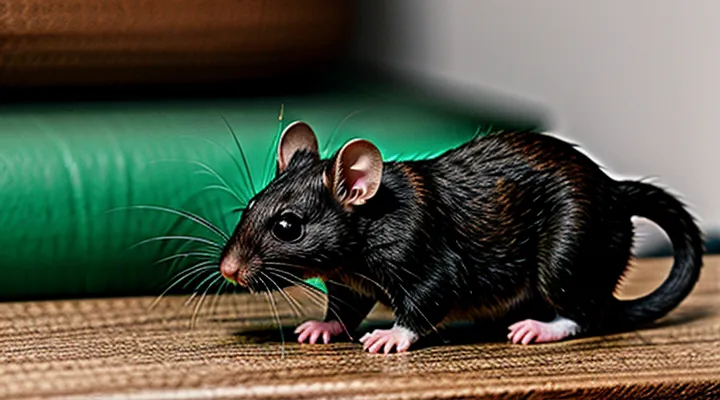
Understanding Decorative Rats
What are Decorative Rats?
Decorative rats are domesticated rodents selectively bred for striking appearance, temperament, and suitability as ornamental companions. Breeders emphasize coat color, pattern, fur length, and body conformation to produce animals that serve as living accent pieces in homes or exhibitions.
Key characteristics include:
- Coat variations: solid, brindle, roan, sable, and patterned hues such as agouti or merle; fur may be short, medium, or long.
- Size and shape: compact bodies with well‑defined musculature; weight typically ranges from 300 g to 500 g.
- Temperament: docile, curious, and easily habituated to handling, facilitating interaction with observers.
- Health profile: robust genetics reduce prevalence of common rodent ailments; routine health checks focus on dental wear, skin condition, and weight management.
These animals fulfill aesthetic roles comparable to ornamental birds or fish, providing visual interest while requiring the same level of husbandry as standard pet rats. Their presence enhances interior design by adding movement and personality without the need for elaborate enclosures.
Benefits of Owning Decorative Rats
Companionship
Decorative rats form strong bonds with their owners, offering consistent interaction that fulfills the animal’s social requirements. Regular handling, gentle petting, and spoken communication reinforce trust, leading to recognizable affection such as grooming and proximity to the caretaker.
Providing a predictable routine enhances the rat’s sense of security. Feeding at the same times each day, maintaining a stable environment, and offering daily play sessions create conditions where the animal anticipates positive engagement. Consistency reduces stress and encourages the rat to seek out companionship.
Effective strategies for nurturing companionship include:
- Daily contact: Spend 10–15 minutes each day holding the rat, allowing it to explore the hand and respond to vocal cues.
- Enrichment activities: Rotate toys, tunnels, and climbing structures to stimulate curiosity and invite interaction.
- Positive reinforcement: Offer small treats when the rat approaches or performs desired behaviors, reinforcing the connection.
- Observation: Monitor body language for signs of comfort (relaxed posture, whisker movement) and adjust handling techniques accordingly.
A well‑socialized rat will exhibit behaviors such as following the owner’s movements, vocalizing during interaction, and seeking shelter within the caretaker’s clothing. These indicators confirm a functional companionship bond, which contributes to the animal’s overall well‑being and the owner’s satisfaction.
Intelligence and Trainability
Decorative rats exhibit a level of cognition comparable to many small mammals. They solve simple puzzles, navigate mazes, and respond to changes in their environment with observable adjustments. Social interaction enhances learning; individuals often imitate the behavior of more experienced cage‑mates.
Training relies on consistent positive reinforcement. Rats quickly associate a specific cue with a reward, allowing owners to shape desired actions such as target touching, stepping onto a platform, or navigating a miniature obstacle course. Reinforcement must be immediate and proportionate to maintain motivation.
- Choose a distinct verbal cue or hand signal for each behavior.
- Pair the cue with a small treat or brief petting session.
- Conduct sessions of 5–10 minutes, several times daily.
- Gradually increase the distance or complexity of the task while keeping rewards consistent.
- Record progress to adjust timing and difficulty.
Regular mental stimulation prevents stagnation. Rotate toys, introduce new foraging puzzles, and vary training routines weekly. Consistency in schedule and environment strengthens the association between cues and outcomes, leading to reliable performance and a more engaged companion.
Low Maintenance (Relative to Other Pets)
Decorative rats require less daily attention than most conventional pets. Their basic needs can be met with a straightforward routine, allowing owners to allocate time to other responsibilities.
Feeding is simple. A balanced commercial rodent mix, supplemented occasionally with fresh vegetables, provides all nutrients. Portion sizes are small; the diet can be measured once a day, and leftover food is removed to prevent spoilage.
Cleaning demands minimal effort. A cage of appropriate size, equipped with a solid base and absorbent bedding, needs a full substrate change weekly. Spot cleaning of soiled areas can be performed daily, reducing odor and disease risk.
Health monitoring relies on observable signs. Rats have a short lifespan, so regular weight checks and visual inspection of fur, eyes, and respiratory function suffice. Veterinary visits are infrequent, typically limited to annual examinations and vaccinations if required.
Space requirements are modest. A well-ventilated enclosure measuring roughly 60 × 40 × 45 cm accommodates a small group, eliminating the need for large habitats or extensive outdoor runs.
Social interaction is essential but not time‑intensive. Rats are naturally sociable; providing a compatible companion satisfies their need for company, while brief daily handling reinforces trust without demanding prolonged sessions.
Overall, the low-maintenance profile of ornamental rats includes:
- One measured feeding per day
- Weekly full bedding replacement, daily spot cleaning
- Simple visual health checks, annual veterinary review
- Compact cage footprint
- Companion pairing to meet social needs
These characteristics make decorative rats a practical choice for individuals seeking an engaging yet manageable pet.
Choosing Your Decorative Rat
Reputable Breeders vs. Pet Stores
What to Look for in a Breeder
Choosing a reputable breeder ensures healthy, well‑socialized decorative rats and reduces the risk of genetic problems. A responsible breeder will demonstrate knowledge of the species, maintain clean facilities, and prioritize the welfare of each animal.
- Health records: documentation of veterinary checks, vaccinations, and any hereditary screening performed on breeding stock.
- Breeding practices: clear policy on pairings, avoidance of inbreeding, and transparent information about the parents’ lineage and temperament.
- Living conditions: cages or enclosures that provide adequate space, enrichment, and regular cleaning; evidence of proper ventilation and temperature control.
- Socialization: daily handling of pups, exposure to gentle human interaction, and gradual introduction to various stimuli to promote confident behavior.
- Communication: prompt, detailed responses to inquiries, willingness to share photos or videos of the rats, and provision of a contract outlining health guarantees and return policies.
- Reputation: positive reviews from previous customers, participation in rodent‑focused clubs or shows, and adherence to local animal‑keeping regulations.
A breeder meeting these criteria is more likely to supply decorative rats that thrive in a home environment and require minimal corrective care.
Red Flags to Avoid
When selecting ornamental rodents, certain warning signs indicate poor prospects for health, temperament, or long‑term satisfaction. Recognizing these red flags early prevents costly mistakes and protects the animals.
- Unclear or incomplete health records – No veterinary certificates, missing vaccination dates, or absence of parasite screening suggest inadequate care before acquisition.
- Visible signs of illness – Discharge from eyes or nose, flaky skin, limping, or abnormal breathing indicate underlying disease that may spread to other pets.
- Aggressive or overly fearful behavior – Persistent biting, extreme skittishness, or refusal to interact with handlers signals poor socialization, increasing the risk of injury to both owner and animal.
- Inconsistent breeding practices – Breeders who cannot provide lineage information, use inbreeding, or lack a clean, well‑ventilated facility often produce offspring with genetic defects or compromised immunity.
- Unsanitary living conditions – Presence of mold, strong odors, or excessive waste in the housing area reflects neglect and raises the likelihood of bacterial or fungal infections.
- Absence of a written care plan – No guidance on diet, enrichment, or grooming requirements indicates the seller may not understand the specific needs of decorative rats.
- Unreasonable pricing – Prices far below market average or unusually high fees without justification may hide hidden costs such as future veterinary expenses or undisclosed health problems.
Avoiding these indicators ensures that the chosen pet rat will thrive in a well‑managed environment, displaying the calm demeanor and visual appeal expected of a decorative companion.
Health Assessment During Selection
Signs of a Healthy Rat
A healthy decorative rat displays clear physical and behavioral indicators that signal well‑being. Observing these signs enables owners to maintain optimal conditions and intervene promptly if problems arise.
Physically, a robust rat has a sleek coat without bald patches, dry and unblemished skin, and bright eyes that are free of discharge. The ears should be clean, and the whiskers intact and evenly spaced. Weight should be consistent with the animal’s age and breed; a sudden loss or gain warrants veterinary attention. Dental health is evident when the incisors are evenly trimmed, showing a smooth, orange‑brown surface without overgrowth.
Behavioral cues reinforce the physical assessment. An active rat explores its environment, engages with toys, and exhibits curiosity without signs of lethargy. Normal grooming involves regular self‑cleaning, while excessive scratching or fur loss may indicate parasites or stress. Appetite should be steady, with regular consumption of fresh food and water; refusal to eat or drink is a warning sign. Social interaction, whether with humans or cage mates, reflects confidence; aggression or extreme shyness can point to illness or inadequate enrichment.
Regular monitoring of these criteria, combined with a balanced diet, clean habitat, and routine veterinary check‑ups, ensures that ornamental rats remain vibrant and long‑lived companions.
Common Health Issues to Watch For
Rats kept for ornamental purposes are prone to several health problems that require early detection and prompt treatment.
Respiratory infections often present as sneezing, nasal discharge, or labored breathing. Prompt veterinary evaluation and a dry, well‑ventilated habitat reduce risk.
Dental overgrowth occurs because incisors grow continuously. Uneven wear leads to difficulty eating, weight loss, and facial deformities. Provide chew toys of appropriate hardness and schedule regular dental checks.
Skin parasites, including mites and fleas, cause itching, hair loss, and skin lesions. Inspect the coat weekly; treat infestations with veterinarian‑approved topical or oral medications and maintain a clean enclosure.
Gastrointestinal disturbances manifest as diarrhea, constipation, or reduced appetite. Ensure a high‑fiber diet, fresh water, and avoid sudden dietary changes. Seek veterinary care if symptoms persist beyond 24 hours.
Obesity develops when caloric intake exceeds energy expenditure. Monitor body condition scores, limit high‑fat treats, and encourage regular exercise with climbing structures and enrichment items.
Stress‑related conditions, such as ulcerative gastritis, arise from overcrowding, loud environments, or abrupt handling. Provide ample space, quiet zones, and consistent handling routines to minimize stress.
Regular health monitoring, balanced nutrition, and a clean, enriched environment form the foundation for preventing these common ailments. Immediate veterinary consultation is essential whenever abnormal signs appear.
Temperament and Socialization
Handling and Interaction
Handling decorative rats requires a calm, deliberate approach that respects the animal’s size and natural instincts. Begin each session by allowing the rat to sniff your hand, then apply gentle pressure with both palms to support the body fully. Avoid grasping by the tail or limbs, as this can cause injury and increase fear.
- Approach the cage from the side, not directly overhead.
- Extend a hand slowly, pausing for the rat to investigate.
- Slide both hands under the torso, keeping the chest supported.
- Lift the rat close to your body, maintaining eye contact without staring.
Interaction should reinforce trust through consistent, low‑stress activities. Short daily sessions of 5–10 minutes promote familiarity without overwhelming the animal. Use small, high‑value treats to reward calm behavior, and introduce gentle petting along the back and neck—areas most rats tolerate. Rotate activities such as tunnel exploration, puzzle toys, and supervised free‑range time to provide mental stimulation.
Monitor the rat’s body language for signs of distress: flattened ears, rapid breathing, or attempts to escape. If any of these appear, pause the interaction, return the rat to its enclosure, and resume only after a period of calm. Limit handling to no more than three times per day to prevent fatigue.
Maintain a predictable routine: handle at the same times each day, use the same hand positions, and conclude each session with a treat. Consistency reduces anxiety, strengthens the bond, and supports the overall well‑being of ornamental rodents.
Group Dynamics (Single vs. Multiple Rats)
When decorative rats are kept as pets, the decision to house one animal or a small group profoundly influences their well‑being. Understanding the behavioral and logistical differences between solitary and communal living enables owners to make informed choices and provide appropriate care.
A single rat requires extensive human interaction to compensate for the loss of conspecific companionship. Frequent handling, varied toys, and daily mental stimulation prevent boredom and stress. Health checks become straightforward because only one individual needs monitoring, yet isolation can heighten anxiety if social contact is insufficient.
A group of two or more rats establishes a hierarchy that shapes daily routines. Compatibility assessment before introduction reduces aggression; stable groups display grooming exchanges and shared nesting, which lower individual stress levels. Adequate cage size, multiple hideouts, and separate feeding stations prevent dominant individuals from monopolizing resources. Monitoring must include observation of social order, as shifts can signal illness or environmental issues.
Choosing between solitary and group housing depends on several factors:
- Available space: a single rat thrives in a modest enclosure; a group demands at least twice the floor area per animal.
- Owner commitment: single‑rat owners can allocate more direct interaction time; group owners must manage collective enrichment.
- Breeding intentions: groups increase the risk of unintended litters; solitary housing eliminates that risk.
- Health management: isolated animals allow rapid detection of symptoms; groups require observation of social cues to identify problems.
By aligning cage capacity, time investment, and breeding goals with the natural inclination of rats to live in colonies, owners secure a healthy, engaging environment for their decorative companions.
Types and Varieties of Decorative Rats
Coat Types (e.g., Standard, Rex, Hairless)
When selecting ornamental rats, coat type dictates grooming routines, environmental needs, and health monitoring.
- Standard coat – dense, smooth fur covering the entire body. Requires weekly brushing to prevent matting; occasional spot cleaning suffices for hygiene. Regular inspection reveals parasites or skin irritation early.
- Rex coat – short, velvety fur with a plush texture. Shedding is minimal, reducing grooming frequency to once every two weeks. Moisture‑resistant skin makes splashing water safe, yet the softer fur warrants gentle handling to avoid pulling.
- Hairless variety – exposed skin without protective fur. Demands daily skin moisturization to prevent dryness and cracking; temperature regulation is critical, as the animal loses heat rapidly. Use low‑dust bedding and maintain ambient humidity between 45‑55 % to protect the epidermis.
Each coat type influences the choice of enclosure material. Standard and Rex rats thrive on hardwood or chew‑safe plastic cages, while hairless specimens benefit from insulated habitats with soft, washable liners. Nutrition remains consistent across types: a balanced rodent pellet base supplemented with fresh vegetables and occasional protein treats. However, hairless rats may require additional omega‑3 fatty acids to support skin health.
Monitoring coat condition provides early indicators of disease. Sudden fur loss, excessive shedding, or skin lesions warrant veterinary assessment. Consistent cleaning, appropriate bedding, and temperature control together minimize stress and promote longevity for all decorative rat coat varieties.
Ear Types (e.g., Top-Eared, Dumbo)
Ear morphology is a primary visual attribute when selecting ornamental rats. Two common varieties are top‑earred and Dumbo (low‑earred). Top‑earred rats display erect pinnae that rise vertically from the skull, providing a sleek silhouette. Dumbo rats possess broad, forward‑facing ears that extend laterally, creating a distinct, rounded appearance.
Key distinctions:
-
Top‑earred
-
Dumbo
- Large, floppy ears that cover part of the cheek region.
- Increased susceptibility to moisture accumulation and fungal growth.
- Requires careful monitoring of ear cleanliness and temperature.
Selection guidelines:
- Assess the intended display setting; upright ears complement minimalist cages, while Dumbo ears suit elaborate habitats that highlight facial features.
- Verify ear integrity during purchase; look for absence of bruising, swelling, or discharge.
- Consider the owner’s handling style; gentle, low‑impact interaction reduces trauma risk for both ear types.
Care considerations:
- Cleaning – Use a soft, damp cotton swab to remove debris from the outer ear canal weekly. Avoid inserting objects deep into the canal.
- Drying – After bathing or exposure to humidity, gently pat ears dry with a lint‑free cloth to prevent fungal colonization, especially for Dumbo rats.
- Health monitoring – Inspect ears daily for redness, odor, or crust formation. Early detection of otitis permits prompt veterinary intervention.
Understanding ear morphology enables informed acquisition and promotes long‑term health for decorative rats.
Markings and Colors
When selecting ornamental rodents, visual characteristics such as coat patterns and hue dominate aesthetic decisions. Breeders distinguish markings by their distribution (e.g., blazes, saddle, hood) and by the contrast between base color and accent pigments. The underlying genetics involve dominant and recessive alleles that determine melanin expression, resulting in variations like solid black, agouti, or albino.
Potential owners should evaluate the following aspects:
- Pattern type – blaze (narrow stripe on the head), saddle (band across the back), hood (full head coverage), or mixed.
- Base color – black, brown, chocolate, cinnamon, or white; each influences overall brightness.
- Accent color – white paws, belly, or mask; adds visual depth and may affect perception of health.
- Color stability – some hues fade with age or exposure to sunlight; selecting stable lines reduces future discoloration.
Coat condition reflects care quality. Regular grooming removes excess fur and prevents matting, which can obscure patterns. Nutritional balance, especially adequate protein and essential fatty acids, supports pigment integrity; deficiencies may cause dullness or unexpected fading. Environmental factors such as temperature and lighting also affect melanin synthesis, so maintaining a stable habitat temperature helps preserve intended coloration.
When purchasing, request pedigree documentation that records the specific alleles responsible for the desired markings. Verify that the breeder conducts health screenings, as certain color genes can be linked to sensory deficits. Choosing a rat with well‑defined, healthy markings ensures both visual appeal and long‑term vitality.
Creating the Ideal Habitat
Cage Requirements
Size and Bar Spacing
When selecting a habitat for ornamental rats, the enclosure’s dimensions dictate the animal’s ability to explore, exercise, and exhibit natural behaviors. A minimum floor area of 2 sq ft per rat provides sufficient space for climbing, digging, and foraging; larger groups require proportionally larger surfaces. Height should accommodate vertical activity, with at least 12 inches of clearance for tunnels and platforms.
Bar spacing directly affects safety. Gaps wider than ½ inch allow a rat’s head to pass, risking entrapment or escape. Gaps narrower than ¼ inch may impede ventilation and cause discomfort. The optimal range lies between ¼ and ½ inch, balancing secure containment with adequate airflow.
Key considerations:
- Measure the rat’s body length and head width; add a safety margin of 0.2 inches to determine the maximum acceptable bar gap.
- Ensure the cage’s total volume supports the number of occupants; overcrowding leads to stress and health issues.
- Choose materials that resist gnawing; stainless steel or coated wire maintains structural integrity.
- Verify that the enclosure’s doors and accessories match the bar spacing to prevent accidental breaches.
Regularly inspect the frame for loose or bent bars, as deformation can increase effective spacing. Replacing damaged sections promptly maintains the intended safety standards.
Ventilation and Placement
Proper airflow prevents respiratory problems and maintains stable humidity for decorative rodents. Fresh air should circulate without creating strong drafts that could chill the animal.
- Use a cage with ventilated sides or a mesh top.
- Install a small, low‑noise fan to promote gentle movement of air.
- Replace filters regularly to avoid buildup of dust and odors.
- Keep the enclosure away from direct sunlight and heating vents that cause temperature spikes.
Placement influences stress levels and health. Choose a quiet area with consistent temperature, away from kitchens, bathrooms, and loud appliances. The cage should rest on a stable, non‑slipping surface to prevent accidental tipping.
- Position the enclosure at eye level for easy observation and interaction.
- Ensure the floor beneath is easy to clean and resistant to moisture.
- Avoid locations with strong odors, such as near garbage bins or chemical cleaners.
- Provide a corner or hideaway within the cage to give the animal a sense of security.
Substrate Options
Safe and Unsafe Materials
When selecting cages, toys, and accessories for ornamental rat pets, material safety directly affects health and longevity.
Safe options include:
- Untreated hardwood such as maple or birch, free of oils or varnishes.
- Stainless steel components, resistant to corrosion and easy to sterilize.
- Food‑grade silicone or polyethylene, non‑porous and free from BPA.
- Natural fiber ropes (e.g., cotton or hemp) that are unbleached and un-dyed.
- Ceramic bowls and water bottles made of lead‑free glaze.
Materials that pose risks should be avoided:
- Cedar, pine, or any aromatic softwoods, whose volatile compounds can cause respiratory irritation.
- Pressed wood particleboard, MDF, or plywood with formaldehyde‑based adhesives.
- Painted or lacquered items containing lead, phthalates, or other toxic solvents.
- Soft plastics that can be chewed into fragments, leading to gastrointestinal blockage.
- Metal wires with sharp edges or coatings that may flake and cause oral injuries.
Regular inspection of all items for wear, cracks, or discoloration helps maintain a safe environment. Replace any compromised piece promptly to prevent accidental exposure to hazardous substances.
Odor Control
Odor control is a necessary component of maintaining a pleasant environment for decorative rats.
The main contributors to unwanted smells are urine, feces, soiled bedding, and foods that ferment quickly. Inadequate ventilation and infrequent cage cleaning amplify these sources.
Effective odor management relies on a routine that addresses each source directly.
- Remove waste daily; use a dedicated scoop to separate droppings from bedding.
- Replace bedding weekly with low‑dust, absorbent material such as paper‑based or aspen shavings.
- Feed fresh, high‑quality pellets; limit fresh fruit and vegetables to prevent rapid spoilage.
- Provide a water bottle with a stainless‑steel spout to avoid stagnant water.
- Clean the entire cage with a mild, non‑toxic disinfectant every two weeks; rinse thoroughly to eliminate residue.
- Install a small exhaust fan or place the cage near a window to ensure constant airflow.
- Apply odor‑absorbing products (e.g., activated charcoal pads) beneath the cage or within the enclosure.
Consistent application of these practices keeps odor levels low, supports the health of the rats, and preserves the aesthetic appeal of the display.
Enrichment and Toys
Tunnels and Hiding Spots
Tunnels and hiding spots are essential elements of a well‑designed enclosure for ornamental rats. They satisfy the animals’ instinct to explore confined passages, reduce stress, and encourage natural foraging behavior.
Providing a variety of structures enhances environmental enrichment. Recommended features include:
- Material selection: Use untreated wood, solid plastic, or stainless‑steel tubes. Avoid scented or chemically treated items that could irritate the respiratory system.
- Diameter and length: Tubes should have an internal diameter of 2–3 inches to allow comfortable passage. Lengths of 12–24 inches create a sense of depth without overwhelming the space.
- Placement: Position tunnels near feeding stations and water sources to create a clear route. Anchor hiding spots in corner locations or under platforms to mimic burrow environments.
- Ventilation: Ensure all enclosed sections have adequate airflow to prevent humidity buildup.
- Cleaning accessibility: Choose designs that can be disassembled or have removable sections for routine sanitation.
Regular inspection identifies wear, chewed sections, or accumulated waste. Replace damaged components promptly to maintain safety and hygiene. Rotating tunnel configurations every few weeks prevents habituation and sustains exploratory interest.
Chew Toys
Chew toys satisfy a rat’s instinct to gnaw, protect cage furnishings, and promote dental health. Selecting appropriate toys requires evaluation of material durability, size, and safety. Hard woods such as apple or maple resist rapid wear, while untreated natural fibers provide texture without toxic chemicals. Avoid toys painted, glued, or coated with synthetic finishes, as these can release harmful substances when chewed.
Key considerations when choosing chew toys:
- Length and diameter that allow the rat to grasp comfortably without risk of choking.
- Non‑splintering construction; toys should maintain structural integrity after repeated biting.
- Availability of natural scent; untreated wood or safe plant fibers encourage engagement.
- Easy cleaning; smooth surfaces can be sterilized with mild soap and hot water.
Regular inspection prevents injury: discard items showing cracks, sharp edges, or excessive wear. Rotate toys weekly to sustain interest and reduce habituation. Properly maintained chew toys contribute to a healthier, more active environment for decorative rats.
Exercise Wheels (Safe Options)
Exercise wheels provide essential physical activity for ornamental rats, helping maintain muscle tone and prevent obesity. Choose a wheel with a solid, smooth outer rim; gaps larger than 0.5 cm allow paws to slip through, risking injury. Diameter must accommodate the animal’s size—minimum 12 inches for adult specimens—to ensure a natural stride without arching the back.
Select wheels constructed from non‑toxic, chew‑resistant materials such as reinforced polycarbonate or stainless‑steel. Avoid plastic wheels with thin spokes, as they break under pressure. Bearings should be sealed, noise‑free, and lubricated with silicone‑based oil to prevent rust and eliminate harmful fumes.
Safety checklist:
- Minimum 12‑inch diameter, 1‑inch width.
- Solid rim, no gaps exceeding 0.5 cm.
- Non‑toxic, chew‑proof shell (polycarbonate or stainless steel).
- Sealed bearings, silicone lubrication.
- Quiet operation, low vibration.
- Easy removal for cleaning, with removable tray for waste.
Install the wheel on a sturdy platform, anchored to the cage to prevent tipping. Position the wheel away from sharp cage bars and ensure a clear landing zone. Clean the interior weekly with mild detergent, rinse thoroughly, and dry before reassembly. Regular inspection for cracks, loose bolts, or worn bearings prevents accidents and prolongs the wheel’s service life.
Food and Water Dispensers
Types of Bowls and Bottles
Choosing suitable containers for feeding and hydration directly influences the health and presentation of ornamental rats.
- Ceramic bowls provide a stable, non‑porous surface that resists bacterial growth; they are heavy enough to prevent tipping.
- Stainless‑steel dishes combine durability with easy sterilization; they remain cool in warm environments, encouraging regular drinking.
- Glass feeders allow visual monitoring of food levels and are dishwasher‑safe; however, they require careful handling to avoid breakage.
- Plastic trays are lightweight and inexpensive, but low‑quality variants may leach chemicals; select BPA‑free models and replace them regularly.
Water delivery systems fall into two primary categories.
- Glass or polycarbonate bottles equipped with stainless‑steel sipper tubes deliver a constant water supply while minimizing spillage; the tubes should be inspected weekly for cracks.
- Gravity‑fed drip dispensers attach to standard bottles and release a controlled stream; they are useful for multiple rats sharing a habitat, provided the flow rate is adjusted to prevent waste.
Routine care includes washing bowls with mild detergent after each use, rinsing thoroughly, and sterilizing weekly at 80 °C or in a dishwasher. Bottles require nightly inspection for leaks, tube cleaning with a brush, and monthly replacement of sipper components. Selecting materials that resist corrosion and maintain structural integrity ensures long‑term functionality and supports the aesthetic goals of decorative rat keeping.
Placement and Hygiene
When housing ornamental rats, select a location that balances safety, ventilation, and visual appeal. Place cages on stable surfaces away from direct sunlight, drafts, and heavy foot traffic to reduce stress. Ensure the enclosure is at least 18 inches high to accommodate climbing and provide a solid, non‑slippery base to prevent accidents. Position the habitat near a quiet corner but within sight, allowing regular observation without causing disturbance.
Maintain hygiene through a systematic routine. Clean the cage weekly, replacing all bedding and scrubbing surfaces with a mild, pet‑safe detergent followed by thorough rinsing. Disinfect accessories—water bottles, food dishes, and toys—using a diluted bleach solution (1 part bleach to 32 parts water) and rinse well before reuse. Perform daily spot cleaning to remove soiled bedding and uneaten food, preventing odor buildup and bacterial growth. Groom the rats gently with a soft brush to remove loose fur and check for skin lesions, treating any issues promptly with veterinary guidance. Regular hand washing before and after handling further reduces the risk of pathogen transmission.
Daily Care and Nutrition
Dietary Essentials
Commercial Rat Food
Commercial rat diets designed for ornamental pets provide balanced nutrition, consistent texture, and controlled moisture. Manufacturers formulate these feeds to meet the specific energy and protein requirements of small rodents, reducing the risk of deficiencies and digestive problems.
Typical product categories include:
- Pelleted complete diets, fortified with vitamins and minerals;
- Seed and grain mixes, offering fiber and natural foraging;
- Freeze‑dried or dehydrated meals, delivering high protein from insects or meat sources;
- Specialty formulas for breeding, growth, or senior rats, adjusted for caloric density.
When selecting a commercial product, consider:
- Guaranteed analysis on the label – protein ≥ 14 %, fat ≤ 6 %, fiber ≥ 5 %;
- Ingredient origin – reputable suppliers, minimal use of fillers or artificial colors;
- Shelf life – expiration date and packaging integrity;
- Cost per kilogram – compare nutrient density rather than price alone;
- Compatibility with supplemental treats – ensure the base diet does not exceed total caloric intake.
Proper storage preserves nutrient quality. Keep unopened bags in a cool, dry place; once opened, transfer the feed to an airtight container and use within six weeks. Offer fresh water daily and limit the amount of commercial food to 1 – 2 tablespoons per rat, adjusting for age, activity level, and any additional fresh produce. Regularly monitor body condition and adjust portions to maintain a healthy weight.
Safe Fruits and Vegetables
When providing a diet for ornamental rats, focus on fruits and vegetables that pose no toxic risk and support digestive health. Choose items that are low in sugar, free of seeds or pits, and easy for the animal to chew without causing dental wear.
Safe options include:
- Apples, core removed, sliced thin
- Blueberries, washed thoroughly
- Carrots, peeled and chopped
- Peas, fresh or frozen, thawed
- Zucchini, raw or lightly steamed
- Spinach, washed and offered in small portions
- Bell peppers, any color, seeded
Introduce new produce gradually, monitor for signs of intolerance, and remove any uneaten portions within a few hours to prevent spoilage. Consistent provision of these safe foods contributes to a balanced diet and promotes the overall well‑being of decorative rats.
Protein Sources
Protein is essential for the growth, coat quality, and activity of ornamental rats. Adequate intake supports dental health and immune function, reducing the risk of metabolic disorders.
Common protein sources include:
- Commercial rodent pellets formulated with 18‑20 % animal‑derived protein; these provide a balanced amino acid profile and are nutritionally complete.
- Cooked lean meats such as chicken breast, turkey, or rabbit; offer high‑quality protein with minimal fat when prepared without seasoning or additives.
- Boiled eggs, either whole or separated; supply complete protein and essential vitamins, but should be limited to one small portion per week.
- Low‑fat cottage cheese or plain Greek yogurt; deliver casein protein and calcium, suitable for occasional supplementation.
- Insect meals, for example dried mealworms or crickets; provide chitin‑bound protein and healthy fats, useful as a treat or enrichment item.
Supplementary options:
- Soy or pea protein powders, mixed into water or soft food; appropriate for vegetarians but must be introduced gradually to monitor tolerance.
- Fish fillets such as salmon or whitefish, baked without oil; rich in omega‑3 fatty acids and high‑quality protein, beneficial for skin and coat health.
When selecting protein, prioritize freshness, absence of seasoning, and appropriate portion size. Overfeeding protein can lead to kidney strain; a daily intake of 15‑20 % of total calories is generally sufficient for adult decorative rats. Regular monitoring of body condition and veterinary check‑ups ensure dietary adequacy.
Foods to Avoid
Toxic Items
When selecting décor and supplies for ornamental rodents, identify substances that can cause poisoning. Common hazards include:
- Heavy‑metal paints (lead, cadmium) on cages or accessories; ingestion of flaking paint can lead to organ damage.
- Essential‑oil diffusers containing tea tree, eucalyptus, or citrus oils; inhalation or skin contact may cause respiratory distress.
- Plastic toys made from low‑grade polymers that release bisphenol A or phthalates when chewed.
- Houseplants such as philodendron, pothos, and dieffenbachia; leaves contain calcium oxalate crystals that irritate the gastrointestinal tract.
- Cleaning agents with ammonia, bleach, or phenols; residues on surfaces are toxic if licked.
- Chocolate, caffeine, and nicotine products; even small amounts can be lethal to small mammals.
To protect decorative rats, purchase items certified as pet‑safe, verify that paint is water‑based and lead‑free, choose untreated wood or stainless‑steel accessories, and keep all toxic foods and chemicals out of reach. Replace hazardous plants with safe alternatives like wheatgrass or spider plants. Rinse and air‑dry any new objects before introducing them to the enclosure to eliminate residual chemicals. Regularly inspect cages for worn or peeling surfaces and replace them promptly.
Sugary and Fatty Treats
Sugary and fatty treats can be appealing to ornamental rats, but they must be limited to prevent health problems. High‑sugar foods increase the risk of obesity, dental decay, and metabolic disorders, while excessive fat contributes to liver disease and reduced lifespan.
Guidelines for offering such treats:
- Choose natural options: small pieces of fresh fruit (e.g., apple, berries) provide sugar with fiber and vitamins.
- Limit portion size: no more than one teaspoon of fruit per rat per day.
- Offer low‑fat snacks: plain cooked egg white, unsalted nuts in very small quantities, or a thin slice of cheese.
- Avoid processed sweets: candy, chocolate, sugary cereals, and flavored biscuits contain additives harmful to rodents.
- Monitor weight: weigh rats weekly; adjust treat frequency if weight gain exceeds 5 % of ideal body mass.
When a treat is given, record the amount and observe the rat’s behavior for signs of digestive upset or lethargy. Replace sugary or fatty items with healthier alternatives such as fresh vegetables (e.g., carrot, cucumber) or specially formulated rodent treats low in sugar and fat. Consistent application of these practices supports optimal health while allowing occasional indulgence.
Water Access
Fresh Water Availability
Fresh water must be clean, odorless, and at room temperature. Rats drink frequently; a depleted source can lead to dehydration, urinary issues, and stress. Replace water daily, even if it appears clear, because bacteria can proliferate unnoticed.
- Use a stainless‑steel or glass bottle with a sipper tube; plastic containers can harbor scratches that conceal waste.
- Position the water source away from food dishes to prevent contamination.
- Check the sipper tip for blockage before each refill; a clogged tip reduces intake.
- Provide a minimum of 30 ml of water per rat per day; adjust upward for larger individuals or warmer environments.
- Monitor water levels with a marked container or a small weight scale to detect rapid consumption changes.
Regular observation of drinking behavior reveals health shifts. Sudden increase or decrease in intake warrants immediate veterinary consultation. Maintaining a reliable supply of fresh water supports overall well‑being and enhances the decorative appeal of these companion rodents.
Cleaning Water Bottles/Bowls
Clean water containers are critical for preventing bacterial growth and supporting the health of ornamental rats. Contaminated bottles or bowls can introduce pathogens that quickly affect a small animal’s immune system.
A regular cleaning routine eliminates residues before they become hazardous. Replace the water daily, and perform a thorough wash of the container at least twice a week. Increase frequency if the rats chew the plastic, creating scratches that harbor microbes.
Cleaning procedure
- Disassemble any detachable parts.
- Rinse with warm tap water to remove loose debris.
- Scrub using a soft brush and mild dish soap; avoid abrasive pads that can damage the surface.
- Rinse thoroughly until no soap remains.
- Submerge in a solution of one part white vinegar to three parts water for five minutes; this neutralizes odors and reduces microbial load.
- Rinse again with clean water and air‑dry on a sterile surface.
After drying, inspect the container for cracks or scratches. Replace any damaged items immediately, as they provide niches for bacteria. When refilling, use filtered or boiled water that has cooled to room temperature. Ensure the water level allows easy access but prevents spillage onto bedding.
Maintain a log of cleaning dates if multiple containers are in use. Consistent documentation helps identify lapses and ensures the water supply remains consistently safe for the decorative rodents.
Cage Cleaning Schedule
Spot Cleaning
Spot cleaning is a targeted method for maintaining the hygiene of ornamental rats without disrupting the entire enclosure. It involves removing soiled bedding, leftover food, and droppings from specific areas where the rats have been active, such as nesting corners or feeding stations. By focusing on these high‑traffic zones, you preserve the overall substrate condition, reduce the risk of bacterial growth, and limit stress on the animals.
Effective spot cleaning follows a simple sequence:
- Identify contaminated sections by visual inspection or by noting recent activity.
- Remove affected bedding with a clean scoop, placing it in a sealed bag for disposal.
- Wipe the underlying surface with a damp, rat‑safe cloth; avoid harsh chemicals, opting for diluted apple cider vinegar or a commercial pet‑safe cleaner.
- Replace the removed bedding with fresh, dust‑free material of the same type.
- Observe the rats for a few minutes to ensure they resume normal behavior.
Regular spot cleaning, performed two to three times daily during peak activity periods, complements full‑cage changes and supports the overall health and aesthetic appeal of decorative rodents.
Full Cage Cleaning
A complete cage cleaning eliminates odor, bacterial build‑up, and debris that can compromise the health of decorative rats. Regular deep cleaning supports a stable environment and reduces the risk of respiratory and skin issues.
Perform a full clean at least once every four weeks, or sooner if urine stains, mold, or strong smells appear. Remove all accessories, food, and water dishes before beginning.
- Empty the cage and place the rats in a secure temporary container.
- Disassemble all removable parts (shelves, ramps, hideouts).
- Rinse each component with warm water to remove loose matter.
- Soak non‑plastic items in a solution of 1 part white vinegar to 4 parts water for 10 minutes.
- Scrub surfaces with a non‑abrasive brush; use a mild, pet‑safe detergent if needed.
- Rinse thoroughly to remove any cleaning residue.
- Disinfect plastic and metal parts with a diluted bleach solution (1 tsp bleach per litre of water) for 5 minutes; rinse well afterward.
- Allow all items to air‑dry completely before reassembly.
After cleaning, replace bedding with fresh, absorbent material, sterilize food and water containers, and reintroduce the rats only when the cage is completely dry. Monitor the enclosure for any signs of distress during the first 24 hours and adjust temperature or humidity as required.
Handling and Interaction
Building Trust
Establishing trust with ornamental rodents begins with consistent, gentle handling. Approach each animal calmly, allowing it to sniff your hand before contact. Avoid sudden movements that could trigger a defensive response.
Maintain a predictable routine for feeding, cleaning, and interaction. Regular schedules signal safety, encouraging the rat to relax during caretaking activities. Reinforce calm behavior with small treats, linking positive experiences to your presence.
- Offer food from a fingertip rather than a bowl, creating direct association.
- Speak in a low, steady tone while handling, reducing auditory stress.
- Limit handling sessions to brief, frequent intervals during the early weeks of ownership.
- Observe body language; pause interaction if the rat shows signs of tension such as flattened ears or rapid breathing.
Playtime and Exercise
Regular activity is essential for ornamental rats to maintain muscular tone, cardiovascular health, and mental stimulation. Without adequate movement, these small mammals can develop obesity, reduced agility, and stress‑related behaviors. Providing consistent exercise prevents such issues and supports overall vitality.
Effective play options include:
- Multi‑level cages with climbing ramps and platforms.
- Secure tunnels or PVC tubes for exploration.
- Wheels designed specifically for rodents, featuring solid rims to avoid injury.
- Puzzle feeders that require manipulation to release food.
- Small balls or rolling toys that encourage natural foraging motions.
Introduce each item gradually, allowing the rat to investigate at its own pace. Rotate accessories weekly to sustain interest and reduce habituation. Monitor for signs of fatigue or overexertion; a healthy session lasts 15–20 minutes, two to three times daily, depending on the individual’s age and condition. Adjust duration and intensity as the animal matures or experiences health changes.
Health and Wellness
Common Health Concerns
Respiratory Infections
Respiratory infections are a common health concern for ornamental rodents, often resulting from poor ventilation, dust‑laden bedding, or exposure to drafts. Early signs include sneezing, nasal discharge, audible wheezing, and reduced activity. Prompt identification prevents progression to pneumonia, which can be fatal.
Typical pathogens include Mycoplasma pulmonis, Bordetella spp., and various viral agents. Diagnosis relies on clinical observation, nasal swabs for laboratory analysis, and, when necessary, radiographic imaging.
Effective management requires a combination of environmental control and medical intervention:
- Keep enclosure temperature stable between 18‑22 °C; avoid sudden temperature changes.
- Use low‑dust, absorbent bedding such as paper‑based products; replace it weekly.
- Ensure fresh, filtered air circulation without creating strong drafts.
- Maintain humidity at 40‑60 % to keep mucous membranes moist.
- Quarantine new arrivals for at least two weeks; monitor for respiratory symptoms.
- Provide a balanced diet rich in vitamin C and omega‑3 fatty acids to support immune function.
- If infection is confirmed, administer the prescribed antibiotic or antiviral regimen for the full course; monitor response daily.
Regular health checks, clean housing, and immediate treatment of early symptoms constitute the core strategy for preventing respiratory disease in decorative rats.
Tumors
Tumors are a significant health concern for ornamental rodents kept for aesthetic purposes. Early detection relies on regular physical examinations; look for abnormal swellings, asymmetry, or changes in fur texture. Palpation of the body, especially the head, limbs, and abdomen, should be performed weekly.
Common tumor types include:
- Lipomas: soft, movable masses beneath the skin, generally benign.
- Mast cell tumors: firm nodules that may ulcerate, require veterinary assessment.
- Fibrosarcomas: aggressive growths often found on the tail or limbs, demanding prompt intervention.
Preventive measures focus on environmental and nutritional management. Provide a low‑fat diet rich in antioxidants, maintain a clean cage to reduce chronic irritation, and limit exposure to chemicals such as tobacco smoke or harsh cleaning agents. Genetic predisposition should be considered when selecting breeding stock; individuals with a history of neoplasia are unsuitable for propagation.
If a tumor is identified, the following protocol is recommended:
- Isolate the animal to reduce stress.
- Schedule a veterinary appointment for imaging and biopsy.
- Follow the veterinarian’s treatment plan, which may include surgical excision, chemotherapy, or palliative care.
- Monitor post‑treatment recovery daily, noting wound healing and any recurrence signs.
Documentation of each health event, including tumor size, location, and treatment outcome, supports long‑term management and contributes to breeding decisions that minimize disease prevalence in decorative rat populations.
Parasites
Parasites pose a significant health risk for ornamental rodents, potentially compromising their appearance and longevity. Regular monitoring and proactive management are essential components of responsible rat husbandry.
Common parasites affecting decorative rats include:
- Fleas (Ctenocephalides spp.) – cause itching, skin lesions, and anemia.
- Mites (Myobia, Radfordia) – produce hair loss, scabs, and respiratory irritation.
- Tapeworms (Hymenolepis nana) – transmitted through ingestion of intermediate hosts; lead to weight loss and intestinal upset.
- Pinworms (Syphacia muris) – result in perianal irritation and may spread to other rodents.
Preventive measures consist of maintaining a clean enclosure, providing rodent‑safe bedding, and limiting exposure to wild animals. Quarantine new arrivals for at least two weeks, during which fecal examinations and skin checks should be performed. Routine veterinary check‑ups enable early detection and treatment with appropriate ectoparasiticides or anthelmintics, prescribed according to species and severity.
If infestation occurs, isolate the affected individual, clean all bedding and accessories with a dilute bleach solution (1 % concentration), and replace food and water dishes. Follow the veterinarian’s dosage schedule precisely; incomplete courses often lead to recurrence. After treatment, re‑evaluate the colony to ensure no secondary cases are present, and reinforce hygiene protocols to prevent future outbreaks.
Veterinary Care
Finding an Exotic Vet
When a decorative rat requires medical attention, locating a veterinarian with experience in exotic small mammals is essential for accurate diagnosis and appropriate treatment. General practice clinics often lack the specialized knowledge needed to address the unique health concerns of ornamental rodents, such as dietary sensitivities, dental overgrowth, and respiratory infections.
To identify a qualified professional, follow these steps:
- Search professional directories (e.g., AVMA, Exotic Animal Veterinary Association) for members who list rodents or exotic pets among their specialties.
- Verify credentials by confirming board certification or additional training in exotic animal medicine.
- Contact local animal shelters, rat breeders, or specialty pet stores for referrals; they frequently work with veterinarians familiar with decorative rats.
- Review online reviews and ask the clinic about their equipment for small-animal procedures, such as appropriately sized examination tables and anesthesia masks.
- Schedule a preliminary consultation to assess the veterinarian’s familiarity with rat anatomy, common disorders, and preventive care protocols.
Maintain a record of the chosen clinic’s contact information, emergency hours, and any specific instructions for handling your pet during visits. Regular check‑ups with an experienced exotic‑animal practitioner help prevent health issues and ensure the longevity of your ornamental rodent.
Regular Check-ups
Regular veterinary examinations are indispensable for maintaining the health of ornamental rats. Schedule visits every three to six months, adjusting frequency for aging or symptomatic animals. During each appointment, the veterinarian should assess weight, coat condition, dental alignment, and respiratory function. Early detection of common ailments—such as respiratory infections, dental overgrowth, and skin lesions—prevents complications and reduces treatment costs.
Key components of a routine check‑up include:
- Weight measurement and body condition scoring.
- Oral inspection for proper incisor length and signs of malocclusion.
- Auditory and respiratory evaluation for discharge, sneezing, or labored breathing.
- Skin and fur examination for parasites, alopecia, or dermatitis.
- Blood work to screen for metabolic disorders when indicated.
Owners must record findings, follow prescribed preventive measures, and update vaccination status as recommended. Consistent monitoring ensures that decorative rats remain vibrant and disease‑free throughout their lifespan.
Signs of Illness
Behavioral Changes
Behavioral changes in ornamental rats often signal shifts in health, environment, or social dynamics. Recognizing these alterations enables timely interventions that preserve both aesthetics and well‑being.
Common indicators include:
- Reduced activity or reluctance to explore, which may reflect pain, illness, or inadequate enrichment.
- Increased aggression toward cage mates, suggesting overcrowding, territorial disputes, or hormonal fluctuations.
- Excessive grooming or fur loss, pointing to stress, parasites, or nutritional deficiencies.
- Altered vocalizations, such as frequent squeaking or silence, indicating discomfort or heightened alertness.
- Changes in feeding patterns, like refusal of preferred foods or binge eating, which can precede metabolic issues.
Effective management requires systematic observation and proper documentation. Record baseline behaviors during the initial acclimation period, then compare subsequent observations to detect deviations. Adjust environmental variables—temperature, lighting, bedding, and enrichment devices—based on identified triggers. Provide balanced nutrition, regular veterinary check‑ups, and appropriate social grouping to mitigate stressors.
When a behavioral shift persists despite environmental modifications, seek professional assessment. Early diagnosis of underlying medical conditions prevents escalation and maintains the decorative appeal of the rats.
Physical Symptoms
Physical symptoms provide the most reliable indication that an ornamental rat is experiencing stress, illness, or injury. Observable changes in coat condition, eye clarity, and mobility often precede more serious complications. A dull, ragged fur coat suggests nutritional deficiency or parasitic infestation; a clean, glossy coat signals proper grooming and health. Red or cloudy eyes indicate respiratory infection or ocular disease, while clear, bright eyes reflect normal function. Abnormal breathing patterns, such as rapid, shallow breaths or audible wheezing, reveal respiratory distress that requires immediate attention. Lethargy, reduced activity, or reluctance to explore the enclosure signals systemic weakness or pain.
Key physical signs to monitor include:
- Weight loss exceeding 10 % of normal body mass
- Nasal discharge, especially thick or colored secretions
- Diarrhea, noted by loose, watery stools or staining of bedding
- Swelling or lumps on the body, particularly around the abdomen or limbs
- Ungroomed appearance, indicating discomfort or illness
- Unusual posture, such as hunching or a lowered head position
- Excessive scratching or hair loss, suggesting ectoparasites or skin irritation
Prompt identification of these symptoms enables timely veterinary intervention, reduces the risk of disease spread within a group, and supports the overall well‑being of decorative rodents. Regular health checks, combined with clean housing and balanced nutrition, minimize the occurrence of adverse physical conditions.
Emergency Preparedness
First Aid Kit for Rats
A well‑stocked first‑aid kit is essential for the health of ornamental rodents, enabling quick response to injuries, illness, or stress‑related conditions.
The kit should contain:
- Sterile gauze pads and non‑adhesive bandages for wound dressing.
- Antiseptic solution (e.g., dilute chlorhexidine) safe for small mammals.
- Small syringe without needle for administering fluids or medication.
- Vitamin C powder for quick supplementation during respiratory distress.
- Heat‑responsive pad or warm compress to treat hypothermia.
- Cotton swabs and tweezers with rounded tips for cleaning and minor extractions.
- Emergency contact numbers for a veterinarian experienced with exotic pets.
When an incident occurs, follow these steps:
- Assess the rat’s condition, noting breathing rate, temperature, and visible injuries.
- Apply antiseptic to any open wound, then cover with a sterile gauze pad secured with a gentle bandage.
- If the animal shows signs of shock or low body temperature, place the heat pad beneath the cage for a few minutes, monitoring closely.
- Use the syringe to deliver prescribed medication or fluids, adhering to dosage guidelines provided by the veterinarian.
- Record the event, including time, symptoms, and treatment administered, then contact the specialist for further instructions.
Regularly inspect the kit, replace expired items, and practice handling techniques to ensure confidence during emergencies. Maintaining this preparedness safeguards the well‑being of decorative rats and reduces the risk of complications.
Contact Information for Emergency Vet
When a decorative rat experiences a medical emergency, immediate access to professional care can be the difference between recovery and loss. Keep the following information readily available:
-
Primary emergency veterinary clinic
Phone: 1‑800‑555‑0123 (24 h)
Address: 123 Animal Health Blvd., Suite 200, Metro City, ZIP 12345 -
Specialist rodent emergency service
Phone: 1‑800‑555‑0456 (after‑hours triage)
Email: emergency@rodentcare.org
Website: www.rodentcare.org/emergency -
Local animal hospital (nearest alternative)
Phone: 1‑800‑555‑0789 (24 h)
Address: 456 Care Lane, Downtown, ZIP 67890
Before calling, prepare:
- The rat’s identification (microchip number, breed, age).
- A brief description of symptoms (e.g., bleeding, respiratory distress, seizures).
- Any recent changes in diet, environment, or medication.
Store the contact list in a visible location, such as near the rat’s enclosure, and duplicate it on a mobile device. Having this information at hand ensures swift action when an urgent situation arises.
Training and Socialization
Basic Training
Litter Training
Litter training is essential for maintaining a clean environment and encouraging appropriate bathroom habits in ornamental rats. Begin by selecting a shallow, low‑profile tray that fits comfortably in the cage. Fill the tray with a dust‑free, absorbent substrate such as paper‑based pellets or wood shavings; avoid clumping litters that can trap waste.
Place the tray in a corner where the rat naturally tends to eliminate. Observe the rat’s behavior for a few days and adjust the location if accidents occur elsewhere. Consistency in placement helps the animal associate the tray with toileting.
Training steps:
- Introduce the tray with a small amount of familiar bedding to make it inviting.
- After each feeding session, gently guide the rat toward the tray and allow a brief period for elimination.
- Reward successful use with a brief petting session or a favorite treat; do not use excessive praise.
- Clean the tray daily, removing solid waste and refreshing the substrate to prevent odor buildup.
- If accidents happen, immediately place the soiled material into the tray to reinforce the connection.
Common issues and resolutions:
- Reluctance to use the tray: Reduce cage clutter around the tray, ensuring easy access.
- Frequent accidents: Verify that the substrate is not too dense; replace with a finer material if needed.
- Odor problems: Increase ventilation and change the substrate more often; consider using a charcoal filter beneath the tray.
Proper litter training reduces cleaning time, minimizes health risks, and supports the aesthetic appeal of decorative rats in a well‑maintained habitat.
Name Recognition
Name recognition is a fundamental element of managing ornamental rats. When a rat reliably responds to its given name, handling becomes safer, stress levels decrease, and the bond between caretaker and animal strengthens.
Consistent vocalization of a short, distinct name creates an auditory cue that the animal can associate with positive outcomes. Repeating the name at a steady pitch during brief training sessions reinforces this association. Immediate reward—such as a favorite seed or a gentle stroke—upon correct response solidifies the link between name and favorable experience.
Key practices for establishing name recognition:
- Choose a name of one or two syllables, avoiding phonetic overlap with names of other rats in the same enclosure.
- Conduct daily 2‑minute call‑and‑response drills, positioning the rat within sight but not within reach.
- Deliver a small treat immediately after the rat approaches or acknowledges the name.
- Maintain the same tone and volume for each call; variations can confuse the animal.
- Record progress by noting response latency; aim for a reaction within three seconds.
Regular reinforcement, even after the rat reliably responds, prevents regression. By integrating these methods into routine care, owners ensure that each decorative rat reliably identifies its own name, supporting both practical handling and overall welfare.
Advanced Tricks
Fetch
Training a rat to retrieve objects, commonly called “fetch,” enhances mental stimulation and reinforces the bond between owner and pet. This skill aligns with the broader objectives of selecting and maintaining ornamental rodents, offering a practical method to assess a rat’s responsiveness and overall well‑being.
To initiate fetch training, follow these precise steps:
- Choose a lightweight, non‑toxic item such as a small wooden block or a soft fabric ball. Ensure the object is easy for the rat to grasp with its forepaws.
- Introduce the object in a quiet, familiar enclosure. Allow the rat to explore and handle the item without pressure.
- Pair the object with a high‑value reward, typically a piece of fresh fruit or a specialized rodent treat. Present the treat immediately after the rat contacts the object to create a clear association.
- Encourage the rat to move the object away from its starting point. Use a gentle verbal cue (“fetch”) and a brief hand motion toward the target location.
- When the rat transports the item to the designated spot, deliver the reward promptly. Repeat the sequence in short, 5‑minute sessions, gradually increasing the distance between start and target.
- Introduce variations, such as different objects or slightly altered cues, to prevent habituation and maintain engagement.
Health considerations are essential throughout the process. Monitor the rat’s weight and dental condition; excessive chewing on hard objects can cause dental wear. Provide fresh water and balanced nutrition to support the increased activity level associated with training sessions. Observe for signs of stress—excessive grooming, rapid breathing, or refusal to interact—and adjust the difficulty or frequency accordingly.
Consistent, positive reinforcement yields reliable retrieval behavior within a few weeks. Successful fetch training demonstrates that decorative rats possess the cognitive capacity for complex tasks, reinforcing their suitability as aesthetically pleasing yet interactive companions.
Agility
Agility defines a decorative rat’s ability to navigate obstacles, respond to cues, and display natural movement patterns. High agility enhances visual appeal and indicates robust musculoskeletal health, making it a critical consideration when selecting ornamental rodents.
When evaluating potential pets, observe the following characteristics:
- Quick, coordinated leaps onto elevated platforms
- Smooth transitions between narrow passages without hesitation
- Consistent willingness to explore new structures
- Absence of stiffness or reluctance during gentle handling
These behaviors signal a well‑developed nervous system and proper muscle tone, both essential for a lively display animal.
To maintain and improve agility, provide a habitat that encourages movement:
- Install varied climbing surfaces, such as wooden branches and PVC tubes, at different heights.
- Rotate toys and tunnels regularly to prevent habituation and stimulate problem‑solving.
- Offer gentle, daily handling sessions that include short obstacle courses to reinforce confidence and coordination.
- Ensure a balanced diet rich in protein and calcium, supporting muscle development and bone strength.
Regular health checks should include assessments of joint flexibility and gait. Any signs of limping, swelling, or reduced activity warrant immediate veterinary consultation to prevent long‑term impairment.
By focusing on these parameters, owners can select aesthetically striking rats and sustain the agility that makes them compelling companions.
Socialization with Humans
Gentle Handling
Gentle handling reduces stress, promotes trust, and supports the health of ornamental rats. Direct contact should be calm, deliberate, and brief during the initial weeks of ownership. Avoid sudden movements, loud noises, and excessive squeezing, which can trigger defensive reactions.
Effective handling follows a simple sequence:
- Approach the cage slowly, allowing the rat to see you.
- Extend a hand palm‑up, offering a treat to encourage sniffing.
- Let the rat climb onto your fingers voluntarily; support its hindquarters with the other hand.
- Hold the animal close to your body, maintaining a stable grip without constriction.
- Release the rat back into the enclosure after a short period, typically 30–60 seconds for beginners.
Consistent practice reinforces positive associations. Observe the rat’s body language: flattened ears, rapid breathing, or attempts to escape indicate discomfort and require immediate cessation of handling. Adjust the duration and frequency based on individual tolerance, gradually extending sessions as confidence grows.
Regular gentle handling integrates into routine care, complementing proper nutrition, habitat enrichment, and veterinary oversight. Maintaining this practice ensures that decorative rats remain calm companions and exhibit natural behaviors without undue fear.
Positive Reinforcement
Positive reinforcement strengthens desired actions by delivering a rewarding stimulus immediately after the behavior. In the care of ornamental pet rats, this method replaces punitive measures and encourages repeated compliance with training goals.
When applying positive reinforcement, follow these steps:
- Identify a clear target behavior (e.g., coming when called, using a litter area).
- Choose a reward the rat values, such as a small piece of fruit, a favorite grain, or gentle petting.
- Deliver the reward within one to two seconds of the behavior to create a strong association.
- Repeat the process consistently; frequency builds reliability.
- Gradually increase the interval between reward and behavior as the rat masters the task, maintaining occasional reinforcement to prevent extinction.
Timing matters. Delayed rewards weaken the link between action and incentive. Use a clicker or a distinct sound as a marker if verbal cues are ambiguous; the sound signals that a reward is forthcoming, reinforcing precision.
Variety in rewards prevents habituation. Rotate treats, incorporate brief play sessions, or offer enrichment objects as incentives. Ensure that rewards do not exceed the rat’s dietary limits; excessive treats can lead to health issues.
Avoid negative stimuli. Punishment interrupts learning, creates stress, and may cause avoidance of the trainer. Focus on rewarding incremental progress rather than waiting for perfect execution.
Document progress. A simple log noting the behavior, reward type, and date helps track improvement and adjust strategies when plateaus appear.
Positive reinforcement, applied with consistency, immediate feedback, and appropriate rewards, produces reliable, cooperative behavior in decorative rats while supporting their well‑being.
Introduction to Other Pets
Caution and Supervision
When keeping ornamental rats as decorative companions, constant vigilance protects both the animal and the household.
Supervision prevents accidental injuries. Rats are small, agile, and prone to slipping through gaps in cages or escaping when doors are left ajar. Regularly check latch integrity, ensure all openings are securely sealed, and never leave a cage unattended while the door is open.
Caution extends to handling practices. Always wash hands before and after contact to reduce the risk of transmitting zoonotic pathogens such as salmonella or leptospirosis. Use gentle, supportive grips; avoid squeezing or restraining the tail, which can cause spine injuries. When introducing a rat to children, enforce a strict “no‑touch” rule until an adult demonstrates proper technique.
Environmental oversight is essential. Maintain temperature between 18–24 °C and humidity below 60 % to prevent respiratory problems. Keep the enclosure free of toxic plants, exposed wires, and small objects that could be ingested. Conduct weekly inspections for signs of wear, droppings buildup, or mold, and clean the habitat promptly.
Key supervision points:
- Inspect cage locks and hinges daily.
- Limit unsupervised free‑range time to short, controlled sessions.
- Monitor behavior for signs of stress: excessive grooming, aggression, or loss of appetite.
- Record health observations and report abnormalities to a veterinarian experienced with small rodents.
By integrating these precautionary measures, owners ensure the welfare of decorative rats while maintaining a safe, hygienic environment for all occupants.
Safe Integration Strategies
Integrating decorative rodents into a household or exhibition requires procedures that protect both the animals and existing occupants. Begin with a dedicated quarantine period of at least two weeks, during which health assessments, including visual examinations and fecal screenings, confirm the absence of parasites and contagious conditions. Maintain separate cages, feeding tools, and cleaning supplies throughout this phase to prevent cross‑contamination.
Prepare the environment before release. Ensure enclosure dimensions meet species‑specific space requirements, provide secure ventilation, and eliminate hazards such as exposed wires or toxic plants. Use non‑slip flooring and stable shelving to reduce the risk of falls or escapes.
Introduce the new rats gradually. Place the enclosure within sight of resident animals, allowing passive observation for several days. Follow with supervised, short‑duration interactions, increasing length only after consistent calm behavior is observed. Monitor body language closely; signs of stress or aggression dictate immediate separation.
Implement ongoing oversight. Conduct weekly health checks, maintain a detailed log of observations, and schedule regular veterinary consultations. Replace bedding and sanitize accessories on a fixed schedule to sustain hygiene standards.
- Quarantine for minimum two weeks
- Separate equipment during quarantine
- Verify health via visual and fecal examinations
- Adapt enclosure to species needs
- Remove environmental hazards
- Gradual visual exposure before physical contact
- Supervised interaction with incremental duration
- Continuous health monitoring and record‑keeping
Adhering to these measures ensures safe integration, minimizes disease transmission, and promotes stable, stress‑free coexistence of ornamental rats with other occupants.