
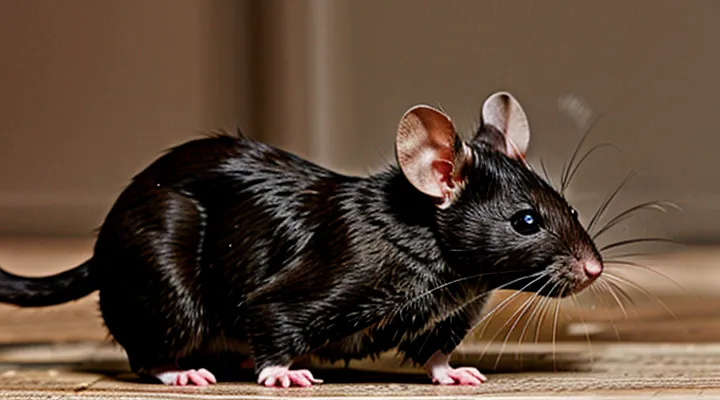
Understanding Decorative Rats
What are Fancy Rats?
Fancy rats are domesticated Rattus norvegicus selectively bred for distinctive coat patterns, colors, and body shapes. Breeders emphasize traits such as rosette fur, hairlessness, dwarfism, or exaggerated facial features, producing animals that differ markedly from standard laboratory or pet rats.
Key characteristics include:
- Coat variations: satin, rex, hooded, blazed, and piebald patterns; each results from specific genetic mutations.
- Size differences: dwarf breeds weigh 250–300 g, while standard fancy rats range 300–500 g.
- Morphology: hairless models lack fur; “tailless” types possess a shortened or absent tail; “curly” rats display a tightly coiled coat.
Breeding programs maintain these traits through controlled pairings and pedigree tracking. Genetic health is monitored to avoid recessive disorders linked to extreme phenotypes; responsible breeders perform health screenings and avoid inbreeding coefficients above 12 %.
For documentation, high‑resolution photography captures texture, coloration, and posture. Optimal lighting uses diffused, neutral‑temperature sources to prevent glare on glossy fur. Angled shots that show the rat’s profile and dorsal view aid identification of breed‑specific markings.
Overall, fancy rats represent a specialized segment of ornamental rodent varieties, distinguished by deliberate aesthetic selection, documented lineage, and visual presentation.
The History of Rat Domestication
From Pest to Pet
Rats once identified primarily as urban vermin have undergone a marked shift in perception, driven by selective breeding programs that emphasize aesthetic traits and temperament. The transformation rests on three interrelated developments: genetic refinement, public education, and the availability of visual documentation.
Genetic refinement has produced several ornamental strains distinguished by coat texture, coloration, and size. Notable examples include:
- Satin rat – glossy, short fur; calm disposition.
- Dumbo rat – enlarged, low‑set ears; inquisitive behavior.
- Rex rat – curly, plush coat; gentle nature.
- Hairless rat – minimal fur; sensitive skin requiring specialized care.
- Giant rat – increased body mass; robust health when properly managed.
Public education campaigns highlight these breeds' suitability for companionship, presenting evidence of low aggression levels and adaptability to indoor environments. Veterinary studies confirm that, when sourced from reputable breeders, these rats display reduced disease vectors compared to wild populations.
Visual documentation, ranging from high‑resolution photographs to video assessments, provides prospective owners with concrete references for breed selection. Comparative image sets illustrate differences in coat pattern, ear morphology, and body proportion, enabling informed decisions without reliance on anecdotal descriptions.
Collectively, these factors reclassify the species from nuisance to a viable domestic animal, establishing a niche market for decorative rat varieties and reinforcing their role as both aesthetic and interactive companions.
Early Breeding Efforts
Early ornamental rat breeding began in the late 19th century, driven by hobbyists who valued visual traits over utility. German and British enthusiasts first isolated coat patterns by selecting albino, hooded, and spotted individuals from laboratory stocks. Their records show systematic pairing to amplify desired markings, resulting in the first stable aesthetic lines.
The 1920s saw the emergence of organized clubs that exchanged breeding data and standardized terminology. Key practices included:
- Recording parentage on breeding logs to track inheritance of pattern genes.
- Employing backcrosses to reinforce rare coat colors such as agouti and pied.
- Maintaining separate colonies to prevent accidental reintroduction of wild‑type alleles.
Photographic documentation started with black‑and‑white plates, providing visual reference for pattern consistency. By the 1950s, color film enabled detailed archives, allowing breeders to compare new litters against historic examples and refine selection criteria.
Modern ornamental strains trace their lineage to these foundational efforts. Genetic analyses confirm that many contemporary coat variants descend from the early German hooded line and the British spotted stock, underscoring the lasting impact of the initial breeding programs.
Popular Decorative Rat Breeds
Standard Coat Varieties
Agouti
The agouti rat is a recognized ornamental variety distinguished by a specific coat pattern. Each hair contains alternating bands of pigment, producing a speckled effect that ranges from warm amber to dark brown. The pattern is most visible on the back, sides, and tail, while the underbelly remains lighter, often creamy or pale tan.
Physical traits include a sturdy body, medium length, and a well‑defined head with a slightly rounded muzzle. Tail length matches body proportion, and the whiskers are long and sensitive, aiding navigation in complex environments.
Behaviorally, agouti rats display typical species temperament: curious, social, and active. They respond well to handling, especially when introduced to human contact early. Their moderate energy level makes them suitable for both active play and calm observation.
Care considerations focus on maintaining coat quality. Regular grooming removes loose hair and distributes natural oils. A balanced diet rich in protein, fresh vegetables, and occasional fruit supports healthy molting cycles. Environmental enrichment—tunnels, climbing structures, and nesting material—prevents stress and encourages natural foraging behavior.
Breeding guidelines recommend pairing individuals with complementary agouti patterns to preserve the distinctive speckling. Litters should be monitored for coat uniformity, as genetic variation can produce mixed patterns. Selective breeding aims to enhance the contrast between dark bands and lighter background while maintaining overall health.
Key points for enthusiasts:
- Coat: speckled agouti pattern, warm amber to dark brown bands
- Size: medium, well‑proportioned body and tail
- Temperament: curious, social, moderate activity
- Grooming: weekly brushing, occasional baths for severe matting
- Diet: high‑quality rodent pellets, fresh greens, limited fruit
- Enrichment: tunnels, climbing rigs, nesting pads
- Breeding: focus on pattern consistency, avoid inbreeding
Photographic documentation should capture the coat’s speckled texture from multiple angles: dorsal view to highlight banding, lateral view for side contrast, and close‑up macro shots of individual hairs. Proper lighting—soft, diffused illumination—reveals the subtle color gradations without glare.
Black
Black coloration is a prominent trait among ornamental rat varieties, valued for its visual impact and contrast with other color patterns. Breeders emphasize genetic stability, coat texture, and health when selecting black specimens for exhibition and photography.
- Black Rex – dense, wavy fur with a uniform ebony hue; requires regular grooming to prevent matting; often featured in high‑contrast images that highlight the plush texture.
- Black Satin – smooth, glossy coat reflecting light; minimal grooming needed; photographs benefit from soft lighting to accentuate sheen.
- Black Hairless – skin appears dark due to underlying pigmentation; skin care essential to avoid dryness; close‑up photography showcases subtle vascular patterns.
- Black Standard – classic short, sleek fur; easy maintenance; ideal for side‑profile shots that emphasize body shape.
- Black Dumbo – large, low‑set ears with solid black fur; ear positioning creates distinctive silhouettes in portrait photography.
Health considerations for black ornamental rats mirror those of other color morphs: monitor for respiratory issues, maintain proper diet, and provide enrichment to reduce stress. Coat-specific care varies; Rex and Satin breeds demand more frequent brushing, while Hairless individuals need moisturizing ointments.
Photographic techniques that enhance black subjects include using diffused backlighting to outline the silhouette, employing shallow depth of field to separate the animal from background clutter, and adjusting exposure to retain detail in deep shadows. Consistent lighting and high‑resolution equipment capture the subtle differences between coat types, supporting accurate documentation and breed comparison.
Blue
Blue ornamental rats exhibit a dense, medium‑to‑dark coat with a cool, slate‑gray hue that can appear almost navy under certain lighting. The coloration results from a dilution of the black pigment gene, producing a uniform shade across the body, ears, and tail. Eyes are typically dark brown, contrasting with the light‑toned whisker pads that often accompany the blue pattern.
Key characteristics of blue rats include:
- Coat: smooth, glossy, and consistent in shade; minimal variation in tone.
- Size: comparable to standard fancy rats, ranging from 20 cm to 25 cm in length.
- Temperament: generally calm and sociable, reflecting the typical behavior of decorative strains.
- Breeding considerations: requires careful selection of carriers for the dilution gene to maintain color purity.
Photographic representation of blue rats often highlights the contrast between the dark coat and the white or cream underbelly, emphasizing the sleek silhouette and the subtle sheen of the fur. Close‑up images reveal the fine texture of the hair, while full‑body shots display the balanced proportions and the characteristic rounded head shape of ornamental varieties.
Proper care for blue rats mirrors that of other fancy breeds: a spacious cage, regular bedding changes, a diet rich in protein and fresh vegetables, and routine health checks. The blue coloration does not affect nutritional needs or susceptibility to common ailments, but owners should monitor for any signs of coat dullness, which may indicate underlying health issues.
Fawn
The Fawn decorative rat is distinguished by a soft, pale coat ranging from creamy beige to a light caramel hue. Its fur is uniformly colored, lacking the darker markings seen in many other varieties, which gives the animal a gentle, uniform appearance suited to exhibition standards. The breed’s eyes are typically dark brown, providing a striking contrast against the light coat.
Key characteristics include:
- Coat texture: Fine, dense hair that feels smooth to the touch; grooming requirements are moderate.
- Body shape: Compact, well‑muscled frame with a proportionate head and short, rounded ears.
- Temperament: Calm and sociable; adapts well to handling and interacts positively with other rats.
- Health profile: Generally robust; susceptibility to common rodent ailments mirrors that of standard laboratory strains.
Photographic documentation of the Fawn breed emphasizes the uniformity of its coloration. Images typically showcase the rat from multiple angles—profile, dorsal, and ventral—to highlight the seamless coat and the subtle gradation from the nose to the tail. Close‑up shots focus on the texture of the fur and the contrast of the dark eyes, while broader compositions place the animal within a clean, neutral background to avoid visual distraction.
Breeders prioritize lineage verification to maintain the purity of the Fawn coloration. Pedigree records trace back to foundational pairs selected for their consistent hue and genetic stability. Maintaining this standard involves careful pairings and regular health screenings, ensuring that each generation retains the breed’s defining visual traits while preserving overall vigor.
Russian Blue
The Russian Blue stands out among ornamental rat varieties for its sleek, bluish‑gray coat and elegant silhouette. Breeders prize the breed for the uniformity of its fur, which exhibits a dense, fine texture that reflects light with a subtle metallic sheen.
Physically, the Russian Blue possesses a medium‑sized body, a proportionate head, and a long, tapering tail that matches the coat color. The eyes are dark and expressive, while the whiskers are long and well‑defined. The coat color ranges from a pale steel gray to a deeper midnight shade, with no markings or pattern variations.
Temperament is generally calm and inquisitive. Individuals display a willingness to explore environments, respond positively to gentle handling, and coexist peacefully with other rats when introduced properly. Their social nature encourages group housing, reducing stress and promoting natural behaviors.
Key care considerations include:
- Provide a spacious cage with multiple levels to accommodate climbing and exploration.
- Offer a balanced diet of high‑quality pellets, fresh vegetables, and occasional protein treats.
- Maintain bedding that is absorbent yet dust‑free to protect the fine coat.
- Schedule regular health checks, focusing on coat condition and dental wear.
- Ensure consistent enrichment, such as tunnels, chew toys, and puzzle feeders.
Photographic guidance emphasizes lighting that highlights the coat’s iridescence without causing glare. Soft, diffused illumination from a side angle accentuates texture, while a neutral background prevents color distortion. Close‑up shots benefit from a shallow depth of field to draw attention to the eyes and whiskers.
Unique Coat Textures
Rex
The Rex rat is distinguished by its velvety, curly coat, a mutation that alters hair structure to produce a soft, plush texture. The coat may appear wavy or tightly curled; color patterns follow the same spectrum as standard rats, including solid, brindle, and roan varieties. Skin is more sensitive than that of smooth‑coated rats, requiring gentle handling to avoid matting and irritation.
Key physical traits include:
- Short, dense fur that lies close to the body
- Rounded head with a slightly broader muzzle
- Compact, muscular build typical of fancy rats
- Small, rounded ears that may be slightly fur‑covered
Health considerations focus on coat maintenance. Daily brushing with a soft‑bristle comb prevents tangles; occasional trimming of excess fur around the hindquarters reduces debris accumulation. Bathing is discouraged, as water can weaken the curl and cause skin dryness; spot cleaning with a damp cloth is sufficient for hygiene.
Behaviorally, Rex rats exhibit the same sociability and intelligence as their smooth‑coated counterparts. They respond well to enrichment such as tunnels, chew toys, and puzzle feeders. Regular interaction strengthens trust and encourages exploratory activity, which supports muscular development and mental stimulation.
For photographic documentation, use soft, diffused lighting to highlight the texture of the coat without creating harsh shadows. Position the rat on a neutral background to emphasize color contrast, and capture multiple angles—front, profile, and rear—to showcase the full extent of the curl pattern. A shallow depth of field isolates the subject, drawing attention to the distinctive fur.
Double Rex
The Double Rex is a distinctive ornamental rat known for its dense, plush fur that grows in both directions, producing a velvety texture uncommon among other varieties. Its coat appears thick and wavy, often described as “mohair‑like,” and requires regular grooming to prevent matting. The breed’s body structure mirrors the standard laboratory rat, with a compact head, rounded ears, and a muscular frame that supports the heavy coat without compromising agility.
Key characteristics include:
- Fur: Double‑layered, soft, and thick; colors range from solid shades to patterned variations.
- Size: Average adult weight of 250–350 g; length typically 20–30 cm, not significantly altered by the coat.
- Lifespan: 2.5–3.5 years with proper nutrition and health monitoring.
- Temperament: Calm, curious, and sociable; adapts well to handling when socialized early.
Care guidelines focus on coat maintenance and general health:
- Brushing: Use a soft‑bristled brush twice weekly to remove loose hairs and avoid tangles.
- Bathing: Limit to occasional spot cleaning; excessive water exposure can damage the fur’s natural oils.
- Diet: Provide a balanced mix of commercial rodent pellets, fresh vegetables, and occasional protein treats to sustain coat quality.
- Environment: Offer a spacious cage with solid flooring, nesting material, and enrichment items such as tunnels and chew toys to encourage activity.
Breeders and hobbyists often highlight the Double Rex for exhibition purposes, where its unique fur pattern and texture attract attention. High‑resolution photographs should capture the coat’s depth by using soft, diffused lighting and close‑up angles that reveal the dual‑layered hair structure. Proper lighting minimizes glare, allowing the full spectrum of color and texture to be displayed accurately.
Hairless «Sphynx»
The hairless “Sphynx” rat stands out among ornamental rodent varieties for its smooth, furless skin and striking facial features. Its lack of coat reveals a delicate, often pinkish‑peach coloration that highlights muscle definition and vascular patterns. The breed originated from a spontaneous mutation and has been refined through selective breeding to maintain a sturdy frame and a calm disposition.
Physical traits include:
- Skin texture: soft, warm, and slightly wrinkled around the neck and shoulders.
- Size: medium, weighing 250–350 g, with a compact body length of 18–22 cm.
- Eyes: bright, expressive, and free of hair obstruction, requiring regular cleaning.
- Tail: slender, well‑proportioned, and hairless, facilitating easy inspection for injuries.
Temperament is generally docile; individuals display curiosity and tolerate handling, making them suitable for exhibition and companionship. Their sociability encourages group housing, yet a single Sphynx can thrive when provided with ample interaction.
Care considerations focus on skin health:
- Humidity: maintain ambient moisture at 45–55 % to prevent dryness.
- Temperature: keep ambient temperature between 20–24 °C to avoid hypothermia.
- Grooming: weekly gentle wipes with a damp cloth remove debris and distribute natural oils.
- Sun exposure: limit direct sunlight to prevent burns.
Common health concerns involve respiratory infections and skin lesions; prompt veterinary assessment is essential if sneezing, nasal discharge, or ulceration appear. A diet of high‑quality rodent pellets supplemented with fresh vegetables and occasional protein supports optimal growth and coat‑free skin condition.
Photographic documentation typically showcases the Sphynx’s sleek silhouette, the contrast between skin tones and eye color, and the breed’s characteristic pose in a standing or side view. Images are valuable for breed identification and exhibition standards.
Satin
Satin rats belong to the group of ornamental mouse‑like pets prized for their glossy, reflective coat. The breed’s fur appears smooth and lustrous, resembling satin fabric, which distinguishes it from standard varieties. Coat coloration ranges from solid black and white to patterned shades such as agouti, brindle, and roan; each pattern retains the characteristic sheen.
Physical traits include a medium‑sized body (approximately 5–7 inches in length), a compact head, and well‑defined cheek pouches. The breed exhibits a calm temperament, tolerates handling, and adapts readily to communal housing when introduced gradually. Health considerations focus on maintaining coat condition; regular grooming with a soft brush removes loose hairs and distributes natural oils, reducing the risk of matting.
Key care points:
- Provide a nest box with soft bedding to protect the delicate fur.
- Offer a balanced diet of high‑quality pellets, occasional fresh vegetables, and limited treats.
- Ensure enclosure ventilation to prevent humidity buildup, which can affect coat sheen.
- Schedule routine veterinary checks to monitor for common rodent ailments such as respiratory infections or dental overgrowth.
Photographic documentation of Satin rats benefits from lighting that highlights the coat’s reflectivity. Soft, diffused illumination reduces glare, while a neutral background accentuates color patterns. Close‑up shots at a shallow depth of field capture the texture of the fur, providing visual evidence of the breed’s defining feature.
Ear Variations
Dumbo
Dumbo rats are a distinct variety of fancy rats prized for their unusually large, low‑set ears that give the breed its name. The ears extend horizontally from the sides of the skull, creating a rounded facial profile that differs markedly from the standard “standard‑ear” rat.
The breed’s appearance includes a compact body, a short, dense coat that can appear in a wide range of colors and patterns, and a gentle head shape with a short muzzle. Eye color varies with coat hue, but the most common combinations are dark eyes with lighter fur and vice versa.
Temperament is typically calm and sociable; Dumbo rats often display higher levels of interaction with handlers than many other varieties. They adapt well to group housing, show curiosity toward new objects, and respond positively to gentle training.
Care requirements match those of other fancy rats: a spacious cage with solid flooring, regular bedding changes, a balanced diet of high‑quality pellets supplemented with fresh vegetables, and daily opportunities for mental stimulation. The large ears demand regular inspection to prevent wax buildup and infection; cleaning with a soft, damp cloth is sufficient.
For effective photography, consider the following guidelines:
- Use natural light from a window to highlight ear structure without harsh shadows.
- Position the rat on a neutral background to emphasize coat color.
- Capture multiple angles—front, side, and top—to display ear placement fully.
- Employ a fast shutter speed to freeze movement, as Dumbo rats are active.
- Include a close‑up shot of the ears to illustrate the breed’s defining feature.
Top-Eared
Top‑eared rats belong to the ornamental group of pet rodents prized for their distinctive ear placement and size. The ears rise higher on the skull than in standard varieties, creating a pronounced, upright silhouette that is immediately recognizable in photographs. Fur patterns range from solid colors to intricate markings; the ear height remains consistent across these variations, providing a reliable visual cue for identification.
Key physical traits include:
- Upright, well‑defined ears positioned near the top of the head
- Muscular body with a compact, rounded shape
- Coat textures that may be smooth, curly, or rex, depending on the specific line
- Eyes that are relatively large, offering a striking contrast to the elevated ears
Temperament tends toward curiosity and confidence. Top‑eared individuals often explore their environment more actively than lower‑eared counterparts, requiring enrichment that encourages climbing and problem‑solving. Their social nature makes them suitable for pair housing, provided introductions are monitored to prevent dominance disputes.
Care considerations focus on maintaining ear health. The elevated position can expose the cartilage to debris and moisture; regular inspection and gentle cleaning prevent infections. Housing should include low‑dust bedding and adequate ventilation to reduce the risk of respiratory complications that can affect ear cartilage. A balanced diet rich in protein, fiber, and vitamin C supports overall vitality and fur quality.
Breeders select for ear height while preserving genetic diversity. Pedigree records track ear measurements, coat color, and health status, enabling systematic improvement without compromising welfare. Photographic documentation accompanies each breeding pair, highlighting the ear contour and providing visual reference for prospective owners.
In summary, top‑eared decorative rats combine a unique anatomical feature with adaptable behavior, making them a compelling choice for experienced enthusiasts seeking a visually striking and engaging companion.
Eye Colors and Markings
Ruby-Eyed
The ruby‑eyed rat is a distinct ornamental variety prized for its striking eye coloration. The eyes exhibit a deep, ruby‑red hue that contrasts sharply with a wide range of coat colors, from solid black to patterned agouti. This phenotype results from a recessive gene that eliminates melanin in the iris, allowing blood vessels to create the vivid coloration.
Physical characteristics include a compact body, well‑defined musculature, and a glossy coat. Mature individuals typically weigh 300–500 g and display a balanced head‑to‑body proportion. The breed’s standard emphasizes symmetry of eye color; both eyes must present the same ruby intensity without specks or heterochromia.
Temperament is generally calm and sociable. Ruby‑eyed rats adapt well to group housing, exhibiting minimal aggression when introduced to compatible companions. Their curiosity encourages interaction with enrichment items, making them suitable for owners seeking an engaging yet manageable pet.
Key care considerations:
- Lighting: Avoid direct sunlight; intense light can cause eye irritation. Provide soft, diffused illumination.
- Diet: Offer a high‑protein base (commercial rat pellets) supplemented with fresh vegetables and occasional treats. Ensure calcium intake to support bone health.
- Health monitoring: Regularly inspect the eyes for redness, discharge, or clouding. Early detection of ocular infections prevents permanent damage.
- Breeding: Pair ruby‑eyed individuals only with carriers of the same recessive gene to maintain the trait. Litters typically produce 6–12 pups; expect a 25 % probability of ruby‑eyed offspring per pup when both parents carry the gene.
Photographic guidelines for capturing the ruby‑eye effect:
- Use a macro lens or close‑up setting to fill the frame with the face.
- Position a neutral background to avoid color competition.
- Adjust white balance to neutral tones; excessive warmth can alter the perceived eye color.
- Employ a shallow depth of field to isolate the eyes and enhance contrast.
Overall, the ruby‑eyed rat combines visual uniqueness with manageable behavior, making it a valuable addition to collections of decorative rodent breeds.
Pink-Eyed White «PEW»
Pink‑Eyed White, commonly abbreviated as “PEW,” represents a distinct decorative rat variety prized for its striking contrast between a pure white coat and vivid pink irises. The breed’s appearance is defined by a uniform, snow‑white fur that lacks any pigment, while the eyes exhibit a clear, pink hue resulting from the absence of melanin. The head is broad with a smooth, rounded profile; ears are proportionally large and stand erect. The body is muscular, with a compact torso and a well‑defined, slightly arched back. Tail length matches body length, and whiskers are long and white.
Key characteristics of the Pink‑Eyed White include:
- Coat: Dense, glossy, entirely white; no markings or color variations.
- Eyes: Bright pink, fully visible through the cornea; no dark pupil ring.
- Size: Adult weight ranges from 350 g to 500 g; body length typically 10–12 cm.
- Temperament: Calm, inquisitive, and generally friendly toward handling; displays typical rat sociability.
- Health considerations: High susceptibility to eye infections due to lack of protective pigmentation; requires regular ocular cleaning and monitoring for signs of irritation.
Optimal care practices focus on maintaining the breed’s visual clarity and health. Provide a spacious cage with solid flooring to prevent foot injuries, and use a dust‑free, high‑fiber bedding to reduce respiratory strain. Offer a diet rich in fresh vegetables, high‑quality pellets, and occasional protein treats; avoid foods that may discolor the coat, such as strong pigments or heavily colored fruits. Environmental enrichment—tunnels, climbing structures, and chew toys—supports mental stimulation and prevents stress‑related behaviors.
Photographic documentation benefits from soft, diffused lighting to highlight the contrast between the white fur and pink eyes without creating glare. Position the rat against a neutral, dark background to accentuate its coloration. Use a macro lens with a shallow depth of field to capture fine details of the whiskers and eye surface. Regularly clean the animal’s eyes with a sterile saline solution before shooting to maintain clarity.
Breeders and hobbyists seeking to preserve the Pink‑Eyed White’s defining traits should select breeding pairs with verified genetic backgrounds, confirming the absence of hidden pigment genes. Genetic testing for the “pink‑eye” allele helps avoid unintended coloration in offspring. Maintaining rigorous health checks and a clean environment ensures the longevity and visual appeal of this ornamental rat variety.
Himalayan
The Himalayan rat stands out among ornamental rodent varieties for its striking coloration and gentle disposition. Its coat combines a dark, almost black dorsal surface with a contrasting white blaze on the face, ears, paws, and tail, creating a pattern reminiscent of the Himalayan cat. The fur is dense and glossy, requiring regular grooming to prevent matting and to preserve its sheen.
Physical characteristics include a compact body, medium size (approximately 200–250 g), and a rounded head with a short snout. Eyes are dark and expressive, while whiskers are long and well‑defined. The breed’s genetic background is rooted in a recessive allele that dictates the point coloration, making breeding plans straightforward for experienced fanciers.
Key care considerations:
- Habitat: Spacious cage with solid flooring, enrichment items such as tunnels and chew toys.
- Diet: Balanced mix of high‑quality pellets, fresh vegetables, and occasional protein treats.
- Health monitoring: Regular checks for dental overgrowth, respiratory issues, and skin condition; the dense fur may conceal parasites.
- Social needs: Prefers companionship of another rat; solitary housing can lead to stress.
Photographic documentation typically emphasizes the contrast between the dark dorsal fur and the white points. Optimal lighting is soft, diffused, and neutral to capture true colors without glare. Close‑up shots of the face highlight the characteristic mask, while side profiles reveal the sleek silhouette.
Breeders value the Himalayan for its aesthetic appeal and manageable temperament, making it a popular choice for exhibitions and hobbyist collections. Proper husbandry and attentive grooming ensure the breed maintains its distinctive appearance and robust health.
Siamese
The Siamese rat is a distinct ornamental variety prized for its striking coloration and sleek body shape. Its coat features a pale, creamy base on the upper body with darker points on the ears, nose, tail, and feet, creating a clear contrast that is immediately recognizable. The eyes are bright red or ruby, and the fur is short, dense, and glossy, emphasizing the animal’s elegant silhouette.
Physically, the Siamese displays a slender frame, a long, tapering tail, and well‑defined musculature. The head is triangular with a pointed snout, and the whiskers are long and sensitive, aiding navigation in complex enclosures.
Typical temperament includes:
- High curiosity, leading to active exploration of the habitat.
- Social affinity toward conspecifics, making pair or group housing advisable.
- Gentle handling tolerance when accustomed to regular human contact.
Care requirements focus on maintaining the visual contrast and overall health:
- Provide a spacious cage with multiple levels to encourage climbing and exercise.
- Use a substrate that allows easy cleaning while preventing fur matting.
- Offer a balanced diet of high‑quality rodent pellets, supplemented with fresh vegetables and occasional protein treats.
- Monitor coat condition; a mild dust bath can help preserve fur sheen.
Photographic considerations for showcasing the Siamese’s unique pattern:
- Position lighting to highlight the contrast between the light body and dark points, avoiding harsh shadows.
- Use a shallow depth of field to isolate the subject and emphasize facial features.
- Capture images from low angles to accentuate the length of the tail and the sleek profile.
Overall, the Siamese rat combines aesthetic appeal with an engaging personality, making it a favored choice among enthusiasts of decorative rodent breeds.
Hooded
The Hooded rat is distinguished by a sharp contrast between a dark mask covering the face, ears, and a dorsal stripe, and a lighter body color that may range from white to cream. The mask typically extends from the nose across the eyes to the back of the head, creating a dramatic facial appearance that appeals to hobbyists seeking striking visual patterns.
Physical traits include a compact, muscular build, a dense coat that accentuates the color division, and well‑defined whisker pads that enhance facial expression. Adult Hooded rats generally weigh 250–350 g, with a body length of 20–25 cm, excluding the tail.
Key characteristics:
- Color pattern: dark mask and dorsal line on a pale background; variations may include “Half‑Hooded” (mask covering only the front half) and “Full‑Hooded” (mask extending to the tail base).
- Coat quality: smooth to slightly plush, requiring regular grooming to prevent matting, especially around the mask where dust can accumulate.
- Temperament: confident, inquisitive, and sociable; readily bonds with handlers and adapts well to group housing.
- Health considerations: prone to minor skin irritation under the mask if hygiene lapses; routine cleaning of the facial area prevents infection.
Photographic representation should capture the mask from a frontal angle to emphasize contrast, include a side view to display the dorsal stripe, and use a neutral background to avoid color distraction. Lighting should be even to prevent shadows that obscure the mask’s edges.
Proper care involves a balanced diet, enrichment items that stimulate exploration, and regular health checks focusing on the facial region. When these standards are met, the Hooded rat maintains its vivid coloration and remains a popular choice for decorative rodent displays.
Berkshire
The Berkshire is a medium‑sized decorative rat distinguished by its dense, plush coat that lies flat against the body, giving a sleek, velvety appearance. Coat coloration ranges from solid black, chocolate, and blue to patterned variations such as sable, agouti, and roan, each exhibiting a uniform sheen that highlights the breed’s grooming potential. Body structure is compact, with a short, muscular frame, rounded ears, and a short, thick tail that matches the coat’s texture.
Temperament is generally calm and sociable; Berkshires readily accept handling and display curiosity without excessive skittishness. They adapt well to mixed‑sex groups, provided space and enrichment are adequate, and they respond positively to consistent, gentle interaction. Health considerations focus on coat maintenance: regular brushing prevents matting, while routine checks for skin irritation reduce the risk of dermatitis.
Key points for prospective owners and photographers:
- Coat care: brush 2–3 times weekly; use a soft, natural‑bristle brush.
- Housing: provide a spacious cage with solid flooring, nesting material, and chew‑safe accessories.
- Diet: balanced rodent pellets supplemented with fresh vegetables; limit high‑fat treats.
- Photography tips: position lighting to accentuate the coat’s sheen; use a shallow depth of field to isolate the rat against a neutral background; capture multiple angles to showcase pattern variations.
Overall, the Berkshire combines aesthetic appeal with manageable behavior, making it a favored choice for enthusiasts seeking a visually striking yet personable pet rat.
Caring for Decorative Rats
General Care Considerations
Housing Requirements
Decorative rat breeds require enclosures that balance space, safety, and stimulation. A minimum floor area of 2 sq ft per adult ensures comfortable movement; larger cages accommodate groups and prevent territorial stress. Multi‑level designs with solid flooring prevent foot injuries, while secure wire mesh guards against escapes.
Essential components include:
- Bedding: Absorbent, dust‑free material such as paper pulp or aspen shavings; replace weekly to maintain hygiene.
- Temperature: Stable ambient range of 65–75 °F (18–24 °C); avoid direct drafts and sudden fluctuations.
- Ventilation: Continuous airflow prevents ammonia buildup; mesh panels should be fine enough to block escape but large enough for circulation.
- Enrichment: Hideouts, chew toys, and climbing structures mimic natural habitats; rotate items regularly to sustain curiosity.
- Cleaning protocol: Daily spot cleaning of waste, weekly full substrate change, and monthly disinfection of accessories with a dilute, rodent‑safe sanitizer.
Water bottles must be stainless steel or BPA‑free plastic, positioned low enough for easy access. Food dishes should be shallow to prevent spillage. Regular inspection of cage integrity, especially hinges and locks, prevents accidental openings. Proper housing supports health, longevity, and the visual appeal of ornamental rat varieties.
Nutritional Needs
Nutritional requirements for ornamental rat varieties differ from standard laboratory strains because aesthetic traits often demand higher energy intake and balanced micronutrients to support coat health and activity levels.
A typical diet should contain:
- Protein: 18‑22 % of total calories, sourced from high‑quality animal or plant proteins.
- Fat: 5‑8 % of calories, providing essential fatty acids for skin and fur condition.
- Fiber: 4‑6 % of diet, promoting gastrointestinal motility and preventing hairball formation.
- Vitamins: Adequate levels of A, D, E, and B‑complex vitamins; vitamin C is unnecessary due to endogenous synthesis.
- Minerals: Calcium‑phosphorus ratio of approximately 1.2:1, plus magnesium, potassium, and trace elements such as zinc and selenium.
- Water: Constant access to fresh, clean water; hydration influences metabolic efficiency.
Feeding schedule benefits from two to three small meals per day, preventing overconsumption and reducing the risk of obesity. Treats should not exceed 5 % of daily caloric intake; suitable options include small pieces of fresh fruit, vegetables, or commercially formulated rat treats low in sugar and fat.
Avoid foods toxic to rats, including chocolate, caffeine, raw beans, and high‑salt processed items. Regular monitoring of body condition and adjusting portions according to growth stage, activity level, and breeding status ensures optimal health and preserves the visual qualities highlighted in the visual guide to fancy rat breeds.
Socialization
Socialization is essential for ornamental rat varieties to develop calm behavior and reliable handling. Early exposure to human interaction reduces fear responses and promotes adaptability in new environments.
Effective socialization follows a structured routine:
- Begin at three weeks of age, when the pups are still with the dam but can tolerate brief handling.
- Introduce gentle contact for 2–3 minutes, gradually extending duration each session.
- Provide a variety of textures (soft bedding, smooth toys) to encourage exploratory behavior.
- Incorporate short periods of exposure to household sounds and mild vibrations to desensitize the animals.
- Rotate caretakers to prevent dependence on a single handler and to broaden the rat’s comfort range.
Consistent practice yields rats that readily accept handling, cooperate during health checks, and display reduced aggression toward conspecifics. Maintaining a calm environment, using consistent cues, and rewarding calm behavior with treats reinforce positive associations.
Health and Longevity
Common Ailments
Ornamental rat varieties often face health issues that can compromise their appearance and longevity. Recognizing symptoms early and applying appropriate care reduces suffering and preserves the visual qualities prized by owners.
- Respiratory infections – nasal discharge, sneezing, labored breathing. Prompt veterinary evaluation, humidified environment, and antibiotics when bacterial pathogens are confirmed.
- Dermatitis – reddened, itchy skin, hair loss around the neck and back. Identify irritants or parasites, cleanse affected areas, apply topical corticosteroids or antiparasitic treatments as prescribed.
- Dental malocclusion – overgrown incisors, difficulty chewing, weight loss. Provide continuous access to chew toys, schedule regular dental trimming by a qualified practitioner.
- Gastrointestinal stasis – reduced food intake, abdominal swelling, lethargy. Offer high‑fiber foods, encourage fluid intake, administer pro‑kinetic medication under veterinary supervision.
- Mouth ulcers – ulcerated lesions on gums, drooling, reluctance to eat. Conduct thorough oral examination, treat with antimicrobial rinses and pain relief, adjust diet to softer textures.
Prevention strategies include routine health checks, balanced nutrition rich in vitamin C, clean bedding, and controlled exposure to drafts. Regular photographic documentation helps owners monitor subtle changes in coat condition and behavior, facilitating timely intervention.
Veterinary Care
Veterinary care for ornamental rat varieties requires routine health assessments, preventative measures, and condition‑specific interventions. Regular examinations should include weight monitoring, dental inspection, and evaluation of skin and fur quality, as these breeds often exhibit unique coat patterns that can conceal parasites or infections. Vaccination schedules follow the standard rodent protocol, but breeders of decorative lines may need additional attention to stress‑related ailments caused by selective breeding.
Key components of a comprehensive care plan include:
- Nutritional management: Balanced diets rich in protein, fiber, and essential vitamins support coat integrity and overall vitality. Treats high in sugar or fat should be limited to prevent obesity, which can exacerbate joint and cardiovascular issues.
- Dental health: Continuous growth of incisors demands provision of chewable objects and periodic trimming by a veterinarian to prevent malocclusion and oral ulcers.
- Parasite control: Fleas, mites, and ear infections are common in dense fur breeds. Topical or systemic acaricides administered under veterinary guidance reduce infestation risk.
- Environmental enrichment: Spacious cages with multiple levels, nesting material, and safe toys decrease stress, lowering the incidence of respiratory and gastrointestinal disorders.
- Breeding oversight: Genetic screening for hereditary conditions such as cataracts, heart murmurs, or respiratory malformations helps maintain healthy lineages and reduces the need for corrective treatment.
Emergency protocols should be established for signs of respiratory distress, sudden weight loss, or severe skin lesions. Immediate veterinary consultation, supplemented by supportive care such as oxygen therapy or fluid administration, improves prognosis. Documentation of all health events, treatments, and outcomes creates a reliable record that assists future veterinary decisions and enhances the welfare of these visually distinctive rodents.
Lifespan Expectancy
Fancy rat varieties generally live between 2 and 3 years, with occasional individuals reaching 4 years when conditions are optimal. Genetic background, size, and coat type influence longevity modestly; larger breeds such as the “Giant” tend to age slightly faster than smaller types like “Dumbo” or “Hairless.”
Key factors that extend or shorten the lifespan of ornamental rats include:
- Balanced nutrition: high‑quality pellet base supplemented with fresh vegetables and limited treats.
- Environmental control: stable temperature (18‑24 °C), low humidity, and adequate ventilation.
- Health monitoring: regular veterinary checks, prompt treatment of respiratory infections, and parasite prevention.
- Exercise provision: solid‑surface wheels, tunnels, and climbing structures to maintain cardiovascular fitness.
- Breeding practices: avoidance of inbreeding, selection of healthy parents, and limiting litter sizes to reduce stress on the dam.
Mortality peaks occur during the first three months, when susceptibility to neonatal disease is highest, and after the second year, when age‑related organ decline becomes evident. Proper husbandry can shift the median survival curve upward, allowing most decorative rats to experience the full 2‑year expectancy with a reduced incidence of chronic conditions such as tumors or renal failure.
Choosing a Decorative Rat
Considerations Before Adoption
Temperament
Decorative rat breeds exhibit distinct temperamental patterns that influence handling, social interaction, and suitability for specific environments. Recognizing these traits assists owners in selecting a rat that aligns with their expectations and lifestyle.
- Rex – calm, tolerant of frequent handling, adapts quickly to new companions; occasional shyness around unfamiliar stimuli.
- Dumbo – affectionate, seeks close contact, displays high curiosity; may become overly vocal when stressed.
- Hairless – gentle, tolerant of extended grooming sessions, prefers warm surroundings; sensitive to temperature fluctuations.
- Satin – energetic, enjoys interactive play, readily explores novel objects; can exhibit brief bursts of aggression toward other males.
- Merino – relaxed, forms strong bonds with primary caretaker, less prone to dominance disputes; may show reduced activity during daylight hours.
- Standard (plain‑coated) fancy – balanced temperament, exhibits both social play and independent periods; suitable for mixed‑sex groups with proper introduction.
Overall, temperament varies more by individual personality than by coat type, yet breed‑specific tendencies provide reliable guidance for caretakers seeking predictable behavior.
Breeder vs. Rescue
Acquiring ornamental rats can be done through licensed breeders or animal‑rescue groups, each offering different advantages for hobbyists who rely on visual documentation and breed characteristics.
-
Breeders
- Provide pedigree records that confirm genetic lineage and coat patterns.
- Conduct routine health examinations, reducing the likelihood of hereditary disease.
- Supply high‑resolution photographs that match the described phenotype.
- Set prices reflecting selective breeding, developmental costs, and guarantee of breed purity.
- Offer guidance on diet, enclosure design, and grooming specific to the variety.
-
Rescues
- Present rats of mixed or pure heritage without purchase cost beyond adoption fees.
- Include medical histories when available, though documentation may be less comprehensive.
- Frequently provide recent images taken in the shelter environment, which may differ from show‑standard appearance.
- Lower financial barrier encourages broader participation in the hobby.
- Emphasize ethical considerations by reducing demand for commercial breeding.
Choosing between the two sources depends on priorities: guaranteed lineage and standardized appearance favor breeders, while cost efficiency and animal welfare advocacy favor rescues. Prospective owners should assess health records, visual references, and personal objectives before committing to either route.
Finding a Reputable Breeder
Ethical Practices
Ethical breeding of ornamental rats requires adherence to standards that protect animal welfare, ensure genetic health, and respect the integrity of visual documentation.
Breeders should implement the following protocols:
- Provide spacious, enriched habitats that allow natural behaviors and prevent stress.
- Conduct regular health screenings, including dental checks and parasite control, to identify and treat conditions early.
- Maintain accurate lineage records to avoid inadvertent inbreeding and preserve genetic diversity.
- Source breeding stock from reputable suppliers who follow humane handling practices.
- Limit litter sizes to a level that guarantees adequate maternal care and reduces mortality rates.
- Use humane methods for euthanasia when necessary, following veterinary guidelines.
When photographing these animals, ethical considerations include:
- Obtaining explicit consent from owners before publishing images.
- Avoiding manipulation that misrepresents the animal’s appearance or condition.
- Ensuring that handling for photography does not cause distress or injury.
- Providing clear attribution for images and respecting copyright ownership.
Compliance with these practices supports responsible cultivation of visually appealing rat varieties while upholding the highest standards of animal care and professional integrity.
Health Guarantees
Health guarantees for ornamental rat varieties focus on genetic soundness, disease prevention, and documented veterinary care. Breeders provide written assurances that each specimen originates from a certified disease‑free colony, free of common hereditary conditions such as respiratory infections, skin disorders, and dental malformations. Guarantees typically include:
- A minimum 30‑day health warranty covering observable illnesses; any symptoms emerging within this period require a full refund or replacement.
- Proof of recent veterinary examination, including a physical assessment, weight check, and parasite screening.
- Documentation of the breeding pair’s health history, confirming absence of known genetic defects in the lineage.
Compliance with these guarantees obligates sellers to maintain clean housing, regular health monitoring, and transparent record‑keeping. Buyers receive a certificate detailing the rat’s age, sex, breed, and the date of the last health check, enabling verification of the guarantee’s validity. Failure to meet the stipulated conditions permits the buyer to initiate a claim under the provided warranty terms.
What to Look For in a Healthy Rat
Physical Appearance
Decorative rat breeds display a wide range of physical traits that distinguish them from standard laboratory or pet rats. Coat types include smooth, glossy fur; long, flowing hair (known as “rex” or “longhair”); and dense, plush textures that give a velvety appearance. Color patterns cover solid hues such as black, white, and chocolate, as well as complex markings like brindle, sable, and agouti, often combined with distinct patches or “mask” designs on the face and ears.
Body size varies modestly among breeds, with adult weights typically ranging from 300 to 500 g. Muscular development is moderate, providing a compact silhouette that balances agility with the visual impact of the coat. Head shape remains rounded, with a short muzzle and prominent, dark eyes that convey alertness.
Ear dimensions correspond to coat type: smooth‑coated rats possess small, close‑fitted ears, while long‑haired varieties may exhibit slightly larger, more pronounced ears to accommodate the increased hair volume. Tail length matches body proportion, generally measuring 15–20 cm, and presents a smooth, slightly tapered surface that complements the overall sleekness of the animal.
Key physical characteristics can be summarized as follows:
- Coat texture: smooth, rex (short, curly), or longhair (silky, flowing)
- Coloration: solid, brindle, sable, agouti, masked, or multi‑colored patterns
- Size: 300–500 g, 15–20 cm body length, proportional tail
- Head and facial features: rounded skull, short muzzle, dark eyes, variable ear size aligned with coat type
- Tail: tapered, smooth, proportionate to body length
These attributes collectively define the visual appeal of ornamental rat varieties, guiding breeders and enthusiasts in selection and presentation.
Behavior
Ornamental rat varieties exhibit distinct behavioral patterns that influence handling, social interaction, and environmental enrichment. Understanding these patterns assists owners in providing appropriate care and enhances the visual appeal of each breed.
- Abyssinian – highly active, enjoys climbing structures, frequently explores new objects, and demonstrates strong curiosity toward novel stimuli.
- Satin – calm temperament, prefers close contact with humans, tolerates extended handling sessions, and shows reduced aggression toward cage mates.
- Rex – social orientation, seeks companionship from other rats, engages in frequent grooming exchanges, and responds well to group housing.
- Manx – playful yet cautious, exhibits brief bursts of high‑energy activity, often retreats to hidden areas for short rest periods, and adapts quickly to varied enclosure layouts.
- Dumbo – gentle disposition, favors low‑level exploration, displays frequent ear‑flapping signals during interaction, and maintains steady engagement with handlers.
Behavioral traits correlate with coat characteristics and body conformation, guiding selection of enrichment items such as tunnels, climbing platforms, and nesting materials. Consistent observation of these habits allows timely adjustments to diet, social grouping, and environmental complexity, ensuring optimal health and sustained visual presentation.