
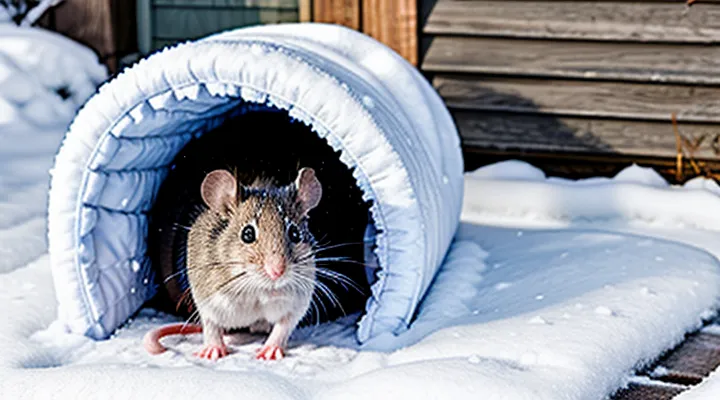
Understanding the Threat: Why Mice Invade Cottages in Winter
The Dangers of Rodent Infestation
Health Risks Posed by Mice
Mice entering a cottage during winter create direct health threats. Their presence increases the likelihood of exposure to pathogens, contaminates stored provisions, and triggers allergic reactions.
- Hantavirus pulmonary syndrome – transmitted through inhalation of aerosolized rodent urine, droppings, or saliva.
- Salmonella infection – results from consumption of food contaminated by mouse feces.
- Leptospirosis – spreads via contact with urine-soaked surfaces.
- Lymphocytic choriomeningitis virus – acquired through handling of infected rodents or contaminated materials.
- Plague – rare but possible through flea bites carried by mice.
Mice gnaw on packaging, breach sealed containers, and deposit droppings directly onto food. This contamination introduces bacteria and viruses that survive at low temperatures, rendering winter‑stored supplies unsafe for consumption.
Allergic sensitization occurs when mouse dander, urine, and feces become airborne. Inhalation of these particles provokes asthma attacks, rhinitis, and chronic bronchitis, especially in occupants with pre‑existing respiratory conditions.
Structural damage caused by gnawing compromises insulation and seals, allowing moisture accumulation. Persistent dampness fosters mold growth, which produces mycotoxins that exacerbate respiratory illnesses and weaken immune response.
Structural Damage Caused by Rodents
Rodents infiltrate winter‑time cottages through small openings, and their gnawing activity creates serious structural problems. Continuous chewing weakens load‑bearing timber, reducing its capacity to support roof and floor systems. Compromised beams can sag or fracture, leading to costly repairs and potential collapse.
Insulation material is frequently shredded, leaving cavities exposed to moisture and temperature fluctuations. The resulting gaps allow cold air to penetrate, increasing heating demands and accelerating wood rot in surrounding framing.
Electrical wiring is a common target. Rodents bite conductors, exposing live wires and creating fire hazards. Damaged circuits often require replacement of conduit and panels, adding to renovation expenses.
Plumbing systems suffer when mice gnaw seals and flexible tubing. Leaks develop, freezing in low temperatures, which can burst pipes and damage foundations.
Typical signs of structural compromise include:
- Visible chew marks on joists, studs, and rafters
- Cracked or missing insulation batts
- Exposed or frayed wiring within walls
- Water stains near pipe runs or foundation walls
Addressing these issues begins with sealing entry points, reinforcing vulnerable timber with metal plates, and installing rodent‑proof conduit for utilities. Early detection and prompt repair prevent escalation of damage and preserve the integrity of the cottage throughout the winter season.
Contamination of Food and Property
Winter temperatures force mice to seek shelter in rural dwellings, increasing the likelihood that they will enter stored food supplies and damage interior furnishings.
Mice introduce contaminants in two principal ways. First, they gnaw packaging, allowing bacteria and mold to reach food that would otherwise remain sealed. Second, their droppings, urine, and hair settle on surfaces, creating a vector for pathogens such as Salmonella and Hantavirus. The same activities degrade insulation, wiring, and wooden structures, leading to costly repairs and heightened fire risk.
Effective mitigation focuses on eliminating access and reducing attractants. Proven actions include:
- Inspecting the building envelope and sealing gaps larger than ¼ inch with steel wool, caulk, or metal flashing.
- Storing dry goods in airtight, rodent‑proof containers made of glass or heavy‑wall plastic.
- Removing all food debris daily, sweeping corners, and disposing of waste in sealed, metal bins.
- Placing snap or electronic traps along known travel routes, checking them each morning, and disposing of captured rodents promptly.
- Maintaining a clean perimeter by trimming vegetation, removing mulch piles, and keeping firewood elevated off the ground.
Implementing these steps prevents food spoilage and protects the cottage’s structural integrity throughout the cold season.
Common Entry Points for Mice
Gaps and Cracks in Foundations
Winter temperatures drive mice into the warm interior of cottages. Openings in the foundation provide the easiest entry points. Identifying and sealing these gaps eliminates the primary route of invasion.
Typical locations include perimeter joints, utility penetrations, crawl‑space vents, and cracks around footings. Visual inspection, a flashlight, and a thin probe can reveal openings as small as a quarter‑inch. Infrared cameras or smoke pencils help detect hidden gaps where airflow is present.
Effective sealants consist of:
- Steel wool or copper mesh for structural fill, preventing gnawing.
- High‑grade silicone or polyurethane caulk to bond mesh to concrete.
- Expanding polyurethane foam for larger voids, applied after mesh insertion.
- Mortar or concrete patch for structural cracks exceeding one inch.
- Metal flashing or sheet metal for vent covers and pipe sleeves.
Procedure for sealing foundation gaps:
- Clean the area of debris, dirt, and loose material.
- Insert steel wool or mesh into the opening, pressing firmly to fill the space.
- Apply a continuous bead of silicone or polyurethane caulk over the filler, smoothing to create a watertight seal.
- For larger voids, spray expanding foam over the mesh, allowing it to expand fully, then trim excess.
- Patch structural cracks with mortar or concrete mix, compacting to restore integrity.
- Cover vents and utility penetrations with metal flashing, sealing edges with caulk.
After completion, schedule quarterly inspections throughout the winter season. Reapply sealant to any areas showing wear, and verify that vent covers remain secure. Continuous maintenance preserves the barrier and discourages mouse re‑entry.
Unsealed Vents and Pipes
Unsealed vents and exposed pipe penetrations provide mice with direct entry routes into a cottage during the cold months. Gaps as small as a quarter‑inch allow rodents to slip inside, where they seek shelter and food, compromising insulation and contaminating stored provisions.
To eliminate these pathways, follow a systematic sealing process:
- Inspect all exterior ventilation openings, including attic, bathroom, and kitchen vents. Remove any screens that are damaged or missing.
- Fit vent covers made of metal or rigid plastic, securing them with stainless‑steel screws to resist gnawing.
- Locate pipe entries through walls, floors, and foundations. Use expanding foam sealant rated for low temperatures to fill gaps around the pipe, then overlay with a metal or cement collar for added durability.
- Apply a continuous strip of high‑grade silicone caulk around the perimeter of each vent cover and pipe collar, ensuring a watertight seal.
- Install wire mesh (½‑inch hardware cloth) over larger vent openings, fastening it with rust‑proof staples to prevent rodents from chewing through.
Regularly verify the integrity of the seals throughout the winter season, repairing any damage promptly. This proactive approach blocks the primary access points that mice exploit, maintaining a rodent‑free environment inside the cottage.
Damaged Screens and Doors
Damaged screens and doors create direct entry points for mice seeking shelter during cold months. Even small tears or misaligned hinges allow rodents to slip inside, where they can gnaw insulation, contaminate food supplies, and cause structural damage.
Inspect each opening before the first freeze. Look for:
- Tears, holes, or gaps larger than ¼ inch in screen mesh.
- Warped or cracked door frames that prevent a tight seal.
- Loose or missing weather‑stripping around door edges.
- Evidence of chewing on wood, plastic, or metal components.
Repair steps must restore a continuous barrier:
- Replace torn screen sections with rust‑resistant mesh, securing edges with a heavy‑duty spline and a pneumatic roller.
- Reinforce door frames using wood filler or metal plates where cracks appear; re‑align hinges to eliminate gaps.
- Install self‑adhesive, low‑temperature silicone caulk around all seams, ensuring a smooth, airtight finish.
- Fit a new strip of durable, insulated weather‑stripping on the door’s perimeter; check for compression when the door closes.
After repairs, test each barrier by sliding a thin piece of paper along the seam; any movement indicates a remaining opening that requires sealing. Regular maintenance—re‑tightening screws, cleaning debris from hinges, and re‑applying caulk as needed—prevents deterioration throughout the winter season.
Prevention: Proactive Strategies for Mouse-Proofing
Exterior Fortification
Sealing Entry Points with Proper Materials
Sealing openings that allow mice to enter a winter‑occupied cottage is the most reliable preventative measure. Identify all potential ingress sites: gaps around doors, windows, vents, utility penetrations, foundation cracks, and roof eaves. Use a flashlight and a thin rod to probe for hidden openings.
Select materials that remain flexible in low temperatures and resist gnawing. Recommended options include:
- Steel‑wool backed with expanding polyurethane foam for irregular gaps.
- Heavy‑duty copper mesh (¼‑inch gauge) for larger voids around pipes.
- Silicone‑based sealant reinforced with fiberglass tape for seams that experience movement.
- Rigid metal flashing secured with stainless‑steel screws for door and window frames.
- Cement‑based mortar for foundation cracks wider than ¼ inch.
Apply each material according to its specifications:
- Clean the surface to remove debris and moisture.
- Insert steel‑wool into the gap, then spray foam to fill remaining space; allow curing before trimming excess.
- Wrap copper mesh around pipe sleeves, overlap edges, and fasten with screws or wire ties.
- Apply sealant in a continuous bead, embed fiberglass tape, and smooth with a putty knife.
- Attach metal flashing with screws, ensuring a tight seal against the surrounding wood.
- Pack mortar into foundation cracks, press firmly, and smooth the surface.
After sealing, conduct a walk‑through test by exposing a thin sheet of paper to each treated area; any movement indicates a remaining leak that requires re‑application. Maintaining a fully sealed envelope eliminates the primary route mice use to infiltrate a cottage during the cold season.
Maintaining the Perimeter Around the Cottage
Maintaining a clear and secure perimeter is essential for preventing mouse intrusion during the cold months. Inspect the ground line around the cottage weekly; remove leaf litter, fallen branches, and any debris that could conceal entry points. Trim low vegetation to create a visual and physical barrier, limiting rodents’ ability to approach undetected.
Seal gaps where the foundation meets the exterior walls. Use steel wool backed with caulk for openings smaller than ¼ inch, and install metal flashing for larger cracks. Ensure that all exterior doors and windows sit flush against their frames; replace worn weatherstripping with durable silicone or rubber seals.
Install a low fence or wire mesh at least 12 inches above ground level around the property. Secure the bottom of the barrier with buried stakes or concrete footings to prevent mice from burrowing beneath. Check the fence regularly for holes or loose sections and repair them promptly.
Maintain proper drainage to keep the soil dry. Direct downspouts away from the foundation, and grade the ground to slope outward at a minimum of 2 percent. Dry soil reduces the likelihood of mice establishing nests near the cottage.
Key actions for perimeter upkeep
- Clear debris and trim vegetation weekly.
- Seal all foundation cracks with steel wool and caulk.
- Fit doors and windows with high‑quality weatherstripping.
- Erect a 12‑inch‑high mesh fence, anchored below ground.
- Ensure drainage slopes away from the building.
Consistent application of these measures creates an environment where mice cannot find shelter or food, substantially lowering the risk of winter infestation.
Removing Attractants Near the Structure
Removing food sources, shelter, and water near a cottage reduces the likelihood that mice will enter during the cold months. Food scraps left on decks, birdseed spillage, and unsecured garbage attract rodents. Store all edibles in sealed containers and keep trash cans tightly closed. Clean outdoor surfaces regularly to eliminate crumbs and residue.
Shelter opportunities such as stacked firewood, debris piles, and dense vegetation provide nesting sites. Position firewood at least two feet away from the building and elevate it on a platform. Trim low-hanging branches and remove leaf litter to create a clear perimeter.
Water sources, even small puddles, draw mice. Drain standing water from gutters, bird baths, and pet dishes before freezing temperatures set in. Repair leaks in roofs and walls promptly to prevent moisture accumulation.
Key actions to eliminate attractants:
- Seal all food containers; use metal or heavy‑duty plastic with airtight lids.
- Install wildlife‑proof garbage bins; empty them frequently.
- Relocate firewood and stacking materials away from the foundation.
- Clear vegetation within a three‑meter radius of the structure.
- Eliminate standing water; fix leaks and ensure proper drainage.
Implementing these measures creates an environment that discourages mice from approaching the cottage, enhancing the effectiveness of other winter protection strategies.
Interior Preparation
Storing Food Securely
Secure food storage eliminates the primary attractant that draws rodents into a winter cottage. When food is inaccessible, mice have no reason to breach walls or crawl spaces, reducing the likelihood of infestation.
- Use containers with gasket‑sealed lids made of heavy‑gauge plastic or stainless steel; they resist gnawing and maintain airtight conditions.
- Store bulk items such as grains, nuts, and dried fruit in metal tins with screw‑top lids; metal cannot be chewed through.
- Keep perishable goods in a dedicated freezer set at –18 °C (0 °F) or lower; frozen food remains unappealing and prevents spoilage that could attract mice.
- Elevate containers off the floor using shelving or pallets; distance from the ground limits access for climbing rodents.
- Label containers with dates and rotate stock regularly; older items are removed before they become tempting to pests.
Maintain a routine of wiping down pantry shelves with a mild bleach solution after each restocking. Remove crumbs, spills, and packaging residues promptly. Seal trash bags tightly and store outdoor garbage bins away from the cottage, preferably in a locked metal enclosure.
By implementing airtight containers, metal storage, proper freezing, elevation, and rigorous cleaning, a cottage can deny mice the food sources they seek during the cold months, thereby supporting an effective winter rodent‑prevention strategy.
Eliminating Water Sources
Eliminating water sources deprives mice of a critical survival need during the cold months, directly reducing the likelihood of infestation inside a cottage. Mice seek out any moisture for drinking and for nesting material; when such sources disappear, they are forced to move farther away or die, limiting their presence near the dwelling.
- Repair leaks in roofs, gutters, and downspouts; dry roofs prevent water from pooling on eaves and seeping into walls.
- Seal cracks around pipes, faucets, and drainage systems with silicone or expanding foam; closed gaps stop drips and condensation from accumulating.
- Empty and clean bird‑bath basins, pet water dishes, and outdoor containers each night; store them indoors or cover them with tight‑fitting lids.
- Insulate exterior water lines to prevent freezing and subsequent thaw‑drip that creates localized moisture.
- Remove standing water in basements, crawl spaces, and under decks by installing proper drainage or using dehumidifiers set to maintain humidity below 40 %.
By systematically removing accessible water, the cottage environment becomes inhospitable to mice, complementing other winter‑time protection measures such as sealing entry points and limiting food availability. The result is a measurable decline in mouse activity and a lower risk of damage to structures and stored provisions.
Decluttering and Organizing Storage Areas
Keeping storage spaces tidy is a critical element of winter rodent prevention in a cottage. Mice seek shelter among piles of firewood, boxes, and unused items; eliminating such hiding places reduces the likelihood of infestation.
A systematic approach to decluttering improves both accessibility and sanitation:
- Remove all debris, broken tools, and unused containers from the shed or basement.
- Store firewood on raised platforms, leaving a minimum of 12 inches between the wood and the floor to discourage nesting.
- Group items in clearly labeled, sealed containers; choose plastic bins with tight‑fitting lids rather than cardboard boxes.
- Arrange stored materials so that aisles remain unobstructed, allowing regular inspection and cleaning.
- Position stored goods away from exterior walls and foundations, creating a buffer zone that limits rodent entry points.
Organizing storage areas also facilitates early detection of potential problems. Regularly inspect sealed containers for signs of gnawing or droppings, and replace compromised lids promptly. By maintaining a clutter‑free environment, the cottage becomes less attractive to mice, supporting overall winter protection efforts.
Eradication: Methods for Dealing with Existing Infestations
Non-Lethal Approaches
Live Traps and Release Strategies
Live traps provide a humane alternative to lethal devices when safeguarding a winter cottage from rodents. The traps consist of a sturdy cage with a trigger mechanism that closes the door as soon as a mouse enters. Choose models with a smooth interior to prevent injury and a release latch that can be operated without exposing the handler to the animal.
Placement determines effectiveness. Position traps along established runways—near walls, behind stored firewood, and close to entry points such as gaps around pipes or vents. Set traps perpendicular to the wall, with the entry side facing the wall, because mice tend to travel with their heads toward the surface. Bait each trap with a small amount of high‑fat food, such as peanut butter or a piece of cheese, and replace bait daily to maintain attraction.
Check traps at least twice daily. A captured mouse should be released promptly to reduce stress. Wear disposable gloves, open the trap away from the cottage, and allow the mouse to exit onto a hard surface. Release locations must be at least 200 meters from the property, preferably in a wooded area with natural cover and access to food sources. This distance discourages immediate return.
Maintain a log of capture dates, locations, and release sites. Patterns in the data reveal hotspots that may require additional sealing or habitat modification. After each release, clean the trap with a mild disinfectant to eliminate scent trails that could deter future captures.
Combine live trapping with preventive measures: seal cracks larger than 6 mm, store firewood off the floor, and keep food in airtight containers. When these steps are integrated, live traps become a reliable component of an overall winter rodent‑control program for cottages.
Ultrasonic Repellents: Effectiveness and Limitations
Winter conditions drive mice into cottages seeking shelter and food, making reliable deterrents essential. Ultrasonic repellents claim to protect structures by emitting high‑frequency sound waves that rodents cannot tolerate.
Effectiveness
- Laboratory tests show a temporary reduction in mouse activity when devices operate at frequencies above 25 kHz.
- Field trials in isolated cabins report a 30‑45 % decrease in sightings during the first two weeks of use.
- Devices function without chemicals, preserving indoor air quality and eliminating the need for traps.
Limitations
- Sound intensity diminishes rapidly with distance; coverage is limited to a single room or small area.
- Mice quickly habituate to constant frequencies, after which the devices lose deterrent power.
- Obstructions such as walls, furniture, and insulation block ultrasonic waves, creating blind spots.
- Effectiveness drops in colder temperatures because the hardware’s speaker performance degrades below 0 °C.
- No independent studies confirm long‑term elimination of infestations; ultrasonic units are best used as supplemental measures rather than primary defenses.
Overall, ultrasonic repellents provide a modest, chemical‑free option for short‑term mouse deterrence in winter cottages, but their limited range, habituation effect, and temperature sensitivity require complementary strategies such as sealing entry points and maintaining a clean, food‑free environment.
Natural Deterrents: Peppermint Oil and Other Remedies
Peppermint oil works as a strong olfactory barrier against mice seeking shelter in cold weather. Apply a few drops to cotton balls and place them in potential entry points such as gaps around doors, windows, and utility openings. Replace the cotton every few days to maintain potency.
Other plant‑based repellents offer comparable results:
- Clove oil: Dilute with water (1 ml per 100 ml) and spray along baseboards and exterior cracks. The strong scent disrupts rodents’ scent trails.
- Eucalyptus leaves: Lay fresh leaves in crawl spaces or attach shredded material to the underside of floorboards. The volatile compounds repel for several weeks.
- Dry lavender sachets: Position in storage lofts and pantry corners. Lavender’s scent deters while providing a pleasant aroma for occupants.
For larger areas, create a spray mixture of peppermint, clove, and water (1 ml each per 200 ml). Use a pump sprayer to coat exterior siding, soffits, and the perimeter of the foundation. Reapply after heavy rain or when the scent diminishes.
Integrating these natural deterrents with proper sealing of cracks and removal of food sources forms a comprehensive strategy to keep mice out of a winter cottage.
Lethal Methods
Snap Traps: Proper Placement and Baiting
Snap traps are most effective when positioned along established rodent pathways. Place each trap perpendicular to the wall, with the trigger end facing the wall so a mouse must run into it. Ideal locations include:
- Gaps around doors and windows
- Behind baseboards and cabinets
- Near heating ducts or pipe insulation
- In corners of storage rooms where food debris accumulates
- Adjacent to entry points such as crawl‑space vents
Multiple traps increase capture probability; arrange them 10‑15 cm apart along the same line of travel.
Bait selection influences trap success. Use a small amount of high‑fat attractant—peanut butter, soft cheese, or sunflower seeds—applied directly to the trigger plate. Secure the bait to prevent removal, but avoid excessive quantities that may distract the mouse from the trigger mechanism. Rotate bait types weekly to maintain novelty.
Set traps before mice become active in the cold season and inspect them each morning. Replace triggered or empty traps promptly to sustain pressure on the population. Dispose of captured rodents in sealed bags and clean traps with a mild disinfectant to prevent scent transfer.
Safety considerations include wearing disposable gloves when handling traps, positioning devices out of reach of children and pets, and storing unused traps in a locked container. Consistent placement, appropriate baiting, and regular maintenance form a reliable component of winter rodent control for cottages.
Electronic Traps: Advantages and Considerations
Electronic traps offer a reliable solution for winter rodent control in rural dwellings. They deliver a high‑voltage shock that kills mice instantly, eliminating the need for poison or manual disposal. The devices operate continuously, powered by batteries or mains electricity, and trigger automatically when a mouse contacts the sensor plate. This autonomy reduces human intervention and limits exposure to hazardous chemicals.
Advantages:
- Immediate lethality prevents disease transmission and secondary infestations.
- No mess; dead rodents fall into a sealed collection compartment.
- Reusable components lower long‑term costs compared to disposable traps.
- Silent operation avoids disturbance to occupants and pets.
- Weather‑resistant models function effectively in cold, damp conditions typical of winter cottages.
Considerations:
- Initial purchase price exceeds that of traditional snap or glue traps.
- Proper placement is critical; sensors must align with mouse pathways to ensure activation.
- Power source reliability matters; battery depletion or power outages render the trap inactive.
- Some models emit a faint audible click, which may be detectable in quiet interiors.
- Maintenance includes periodic cleaning of the collection tray and inspection of the sensor plate for debris.
When integrating electronic traps into a comprehensive winter rodent‑management plan, balance the upfront investment against the benefits of rapid, clean kills and reduced chemical use. Ensure traps are positioned near entry points, food storage areas, and known travel routes to maximize capture rates. Regular monitoring and timely battery replacement sustain effectiveness throughout the cold season.
Rodenticides: Safe and Responsible Use
Rodenticides remain an effective option for controlling mouse populations that infiltrate cottages during the cold months. Their use demands strict adherence to safety protocols to protect occupants, pets, and the surrounding ecosystem.
When selecting a product, prioritize formulations approved by regulatory agencies for indoor residential use. Anticoagulant baits—such as diphyl or brodifacoum—interfere with blood clotting, while non‑anticoagulant options like bromethalin disrupt nerve function. Each class carries specific toxicity profiles; consult the label to match the chemical with the severity of the infestation.
Key practices for responsible application include:
- Store all rodenticides in locked, clearly labeled containers away from food preparation areas.
- Position baits inside tamper‑resistant stations, placed along walls, behind appliances, and in concealed entry points where mice travel.
- Keep stations out of reach of children, domestic animals, and wildlife; use stations that require a minimum of two fingers to open.
- Wear disposable gloves and, when necessary, protective eyewear during handling; discard gloves after each use.
- Follow label‑specified dosage; avoid exceeding the recommended amount per station to prevent secondary poisoning.
- Record the locations and dates of bait placement; inspect stations weekly for consumption, damage, or non‑target interference.
- Remove and dispose of unused bait according to local hazardous waste guidelines once the infestation is resolved.
Integrating rodenticides with preventive measures—such as sealing structural gaps, maintaining low indoor humidity, and eliminating food sources—enhances control efficacy while reducing reliance on chemicals. Documentation of each step supports compliance with regional pest‑management regulations and provides a clear audit trail for future reference.
By observing these procedures, cottage owners can employ rodenticides safely, achieve rapid mouse reduction, and maintain a secure indoor environment throughout winter.
Post-Infestation Cleanup and Ongoing Monitoring
Sanitizing Affected Areas
Disinfection Protocols
Effective disinfection reduces the likelihood that mice will locate food, shelter, or nesting material in a winter cottage. The following protocol targets areas where rodent activity commonly originates and eliminates contaminants that attract pests.
- Remove all visible debris, spilled grain, and food remnants from countertops, shelves, and floor crevices. Use a stiff brush to dislodge particles lodged in cracks.
- Apply a diluted bleach solution (1 part bleach to 9 parts water) to surfaces that have contacted food or organic matter. Allow the solution to remain for at least five minutes before rinsing with clean water.
- Disinfect interior walls, baseboards, and utility rooms with an EPA‑registered rodent‑safe sanitizer. Follow the product label for contact time and ventilation requirements.
- Treat entry points—such as gaps around pipes, vents, and door frames—with a disinfectant aerosol before sealing them with steel wool or caulk. This step eliminates residual scent trails that mice use for navigation.
- Clean storage containers, feeding stations, and pet bowls with hot, soapy water, then sanitize with a quaternary ammonium compound. Rinse thoroughly to avoid chemical residue.
- After all surfaces dry, inspect for signs of moisture or condensation. Use a dehumidifier or improve ventilation to keep humidity below 50 %, preventing mold growth that can draw rodents.
Implement the protocol at the start of the heating season and repeat it after any storm or heavy snowfall that may introduce debris. Consistent application maintains a hygienic environment that discourages mouse ingress throughout the cold months.
Removing Contaminated Materials
Removing contaminated materials is a critical step in preventing winter mouse infestations in a cottage. Food residues, rodent droppings, and soiled bedding provide scent cues and nutritional sources that attract mice into sheltered areas. Eliminating these attractants reduces the likelihood that mice will enter, nest, and multiply.
- Identify all locations where food is stored, prepared, or consumed; discard expired or spoiled items, and clean surfaces with a detergent‑based solution followed by a disinfectant.
- Collect all rodent droppings, urine‑stained insulation, and compromised insulation panels; place them in sealed plastic bags before disposal in a sealed landfill container.
- Remove any wet or mold‑affected building materials, such as drywall, plywood, or insulation, that have been compromised by mouse activity; replace with fresh, dry materials sealed against entry points.
- Dispose of pet food, birdseed, and other animal feed in airtight containers; avoid leaving feed outdoors or in unsealed containers.
- Clean and sanitize storage closets, garages, and utility rooms after removal; use a solution of bleach (1 part bleach to 10 parts water) for surfaces that have been in contact with droppings.
After removal, seal the disposal bags securely, store them away from the cottage until collection, and inspect the cleared areas for residual odors. A thorough decontamination eliminates the chemical and visual signals that mice use to locate safe habitats, thereby strengthening the overall winter defense strategy for the cottage.
Airing Out the Cottage
Airing the cottage before winter begins removes moisture and food residues that attract rodents. Dry interior conditions deter mice from nesting and reduce the likelihood of infestations during cold months.
- Open all exterior doors and windows for a minimum of 30 minutes on a dry, windless day.
- Inspect and clean gutters, eaves, and roof overhangs to prevent water accumulation that can seep into walls.
- Use a dehumidifier or ventilator to lower indoor humidity to below 45 % after airing.
- Seal any gaps around doors, windows, and utility penetrations before closing up for winter.
Conduct the ventilation process after removing stored food, cleaning crumbs, and disposing of waste. This eliminates scent trails and food sources that mice follow. Finish by placing moisture‑absorbing desiccants in corners and closets to maintain low humidity throughout the season.
Regular Inspections
Identifying New Signs of Activity
Winter mouse control for cottages requires early detection of subtle activity. Mice adapt to colder conditions by altering behavior, making traditional clues less reliable. Recognizing emerging indicators allows homeowners to intervene before damage spreads.
Key new signs include:
- Fine, powdery droppings near heating vents or insulated pipework, where moisture is limited.
- Thin, translucent tracks on smooth surfaces such as polished wood floors or plastic panels, often visible only under angled light.
- Small, irregular gnaw marks on insulation material, especially around window seals and door thresholds.
- Presence of fresh nesting material composed of shredded newspaper, fabric fibers, or pet bedding found in concealed corners of storage closets.
- Audible scratching or scurrying sounds emanating from walls or attic spaces during periods of low ambient temperature, when mice seek warmth.
Monitoring these indicators with a flashlight and magnifying glass, and documenting findings daily, enhances response speed. Prompt sealing of entry points and targeted bait placement based on observed activity patterns markedly reduces infestation risk throughout the winter months.
Checking Traps and Baits
Regular inspection of traps and baits is a non‑negotiable component of winter rodent control for cottages. Mice remain active under snow and can quickly bypass poorly monitored devices, rendering any preventive effort ineffective. Immediate detection of malfunction, bait depletion, or trap saturation prevents population spikes that could damage insulation, wiring, and stored food.
- Examine each snap or live‑catch trap after every night of use; look for dislodged springs, rust, or animal escape routes.
- Replace or rebait any device that shows signs of wear, moisture intrusion, or reduced capture efficiency.
- Verify bait integrity: ensure pellets or blocks are not frozen, crumbly, or contaminated by moisture; discard compromised bait and apply fresh material.
- Record the date, location, and outcome of each check in a logbook; trends reveal hot spots and guide repositioning of devices.
- Rotate trap placement weekly to disrupt mouse familiarity with static locations and to cover all entry points, including gaps around doors, vents, and foundation cracks.
Consistent monitoring eliminates the lag between mouse activity and human response, safeguarding the cottage’s structural integrity throughout the cold season.
Seasonal Maintenance Checks
Seasonal maintenance checks are essential for preventing mouse intrusion in a cottage during the winter months. Regular inspections identify vulnerabilities that become more pronounced when temperatures drop and rodents seek shelter.
Key inspection points include:
- Exterior walls and foundations: look for cracks, gaps around utility lines, and deteriorated caulking. Seal openings with steel wool, silicone, or expanding foam.
- Roof and eaves: verify that soffits, vents, and chimney crowns are intact. Install mesh screens on vent openings to block entry.
- Door and window frames: examine weatherstripping for wear. Replace damaged seals and install door sweeps that reach the threshold.
- Insulation and crawl spaces: ensure insulation is undisturbed and free of nesting material. Install a vapor barrier to reduce moisture that attracts mice.
- Interior storage areas: keep pantry shelves, cabinets, and pantry doors closed tightly. Store dry goods in metal containers with sealed lids.
- Garbage and compost bins: position outdoor containers away from the building and use lids that latch securely.
Conduct the inspection at the start of the cold season, repeat it after heavy snowfall, and perform a final review before the spring thaw. Document any repairs and schedule follow‑up actions promptly to maintain a mouse‑free environment throughout winter.