
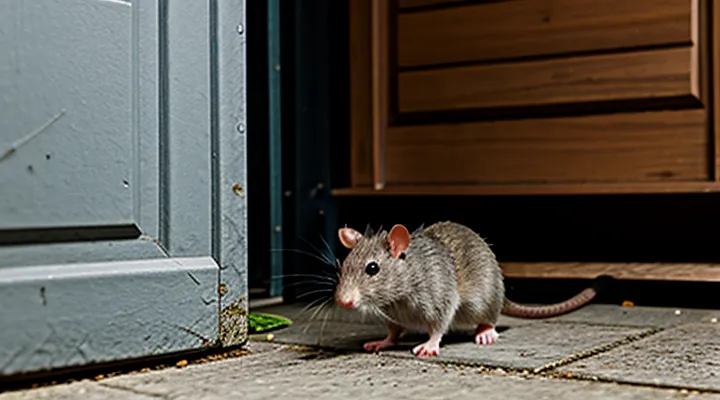
Understanding the «Cornered Rat» Phenomenon
Defining the «Cornered Rat» State
Physiological Stress Responses
Physiological stress responses in rodents confined to a restricted space are characterized by rapid activation of the hypothalamic‑pituitary‑adrenal (HPA) axis. Corticotropin‑releasing hormone (CRH) released from the hypothalamus triggers adrenocorticotropic hormone (ACTH) secretion, leading to a surge of corticosterone within minutes. Elevated corticosterone mobilizes glucose, enhances glycogenolysis, and suppresses non‑essential immune functions.
Sympathetic nervous system activity increases concurrently. Norepinephrine and epinephrine concentrations rise in plasma, producing tachycardia, heightened arterial pressure, and accelerated respiration. Peripheral vasoconstriction redirects blood flow toward essential organs, while skeletal muscle exhibits increased contractile readiness.
Metabolic adjustments include:
- Glycogen breakdown in liver and muscle
- Elevated blood glucose levels
- Enhanced lipolysis releasing free fatty acids
Immune modulation manifests as reduced lymphocyte proliferation and diminished cytokine production, observable within the first hour of confinement.
Behavioral stress correlates with physiological markers, permitting objective assessment through:
- Blood sampling for corticosterone, catecholamines, glucose
- Telemetric recording of heart rate and blood pressure
- Thermal imaging to detect peripheral vasoconstriction
Temporal patterns show an initial acute phase (0–30 min) with peak hormone levels, followed by a sustained phase (30 min–2 h) where hormone concentrations gradually decline while autonomic signs persist. Chronic exposure leads to adrenal hypertrophy, altered receptor sensitivity, and persistent immunosuppression.
These physiological signatures provide reliable indicators for quantifying stress intensity and duration in confined rodent models.
Psychological Triggers
When a rat perceives that it is confined, a distinct set of psychological triggers initiates a rapid shift in its behavioral repertoire. These triggers emerge from the animal’s innate assessment of danger and loss of control, prompting immediate physiological and cognitive responses.
- Perceived predation risk
- Elimination of viable escape routes
- Overstimulation of tactile and auditory senses
- Violation of established territorial boundaries
- Acute stress hormone surge
The identified triggers activate the sympathetic nervous system, elevating adrenaline and cortisol levels. This neuroendocrine surge reduces decision‑making latency, heightens muscle tension, and sharpens sensory processing, preparing the animal for either defensive aggression or frantic escape.
Resulting behaviors include:
- Immobilization (freeze) when escape appears impossible
- Sudden lunges or bites directed at the nearest object or handler
- Erratic sprinting toward any perceived opening
- Scent marking to reinforce territorial claims despite confinement
Understanding these triggers informs experimental design, pest‑control strategies, and welfare protocols. By anticipating the rat’s reaction patterns, researchers and practitioners can mitigate stress‑induced aggression, improve handling safety, and refine environmental enrichment to reduce the incidence of cornered‑state responses.
Manifestations of «Cornered Rat» Behavior
Defensive Aggression
Physical Displays
When a rat finds itself confined with no immediate escape route, it exhibits a distinct set of physical displays that signal heightened stress and potential aggression.
- Body tension rises; muscles tighten along the spine and limbs.
- Fur along the back and tail becomes erect, indicating piloerection.
- Tail lifts away from the substrate, often held rigid or flicked rapidly.
- Ears rotate forward or flatten against the head, reflecting heightened vigilance.
- Eyes widen, pupils dilate, and the animal may fixate on perceived threats.
- Front paws may be raised or positioned in a ready‑to‑strike stance, sometimes accompanied by a low, rapid foot thumping.
Additional behaviors include:
- A rapid, shuffling movement along the wall, searching for gaps.
- Sudden freezes, where the rat remains motionless while monitoring the environment.
- Biting or gnawing at enclosure edges, demonstrating an attempt to breach confinement.
These physical cues provide reliable indicators of a rat’s defensive state when trapped, enabling observers to assess risk and intervene appropriately.
Vocalizations
When a rat perceives confinement or threat, it emits a distinct set of vocal signals that convey stress, alertness, and social intent. These sounds differ in frequency, duration, and pattern from routine communication, providing researchers with reliable indicators of the animal’s internal state.
- Ultrasonic squeaks (≈ 20–50 kHz): Rapid bursts lasting 10–100 ms, produced during immediate escape attempts. Amplitude rises sharply, reflecting heightened arousal.
- Mid‑frequency chirps (≈ 10–20 kHz): Emitted when the rat is immobilized but still scanning the environment. Chirps persist for several seconds and often precede exploratory movements.
- Low‑frequency grunts (≈ 2–8 kHz): Occur during prolonged restraint, signaling resignation or submission. Grunts are steady, with a tonal quality that can be measured for stress quantification.
Temporal analysis shows that ultrasonic squeaks dominate the first few seconds after confinement, while mid‑frequency chirps increase as the animal assesses escape routes. Low‑frequency grunts become prominent if the threat persists beyond 30 seconds, indicating a shift from active coping to passive endurance.
Physiological correlates align with vocal patterns: elevated corticosterone levels accompany ultrasonic squeaks, whereas heart‑rate variability stabilizes during low‑frequency grunting. Monitoring these acoustic signatures enables precise assessment of coping strategies and informs humane handling protocols.
Flight or Fight Response Continuum
Attempted Evasion
When a rat perceives that escape routes are blocked, it initiates a series of rapid actions aimed at regaining freedom. These actions constitute the core of its evasion attempt.
The animal first scans the immediate environment for any opening, even those that appear marginal. Visual and whisker inputs guide the assessment, leading to a brief pause before motion resumes.
If a potential gap is identified, the rat employs one or more of the following tactics:
- Sudden darting: a burst of speed directed toward the perceived exit.
- Sideways shuffling: lateral movement to test the width of narrow passages.
- Vertical thrust: upward leaps to overcome low obstacles.
- Body compression: flattening the torso to slip through tight spaces.
Physiological markers accompany these behaviors: heart rate spikes, adrenal release intensifies, and muscle tension rises. The combination of heightened sensory processing and motor activation maximizes the probability of successful escape.
When all attempts fail, the rat may switch to a defensive posture, exhibiting increased vocalizations and aggressive bites. This transition signals the cessation of evasion and the onset of a confrontational stance.
Confrontational Posturing
When a rodent finds itself trapped or confined, its immediate response often includes a distinct confrontational posture. This stance serves to deter potential threats and to signal readiness for aggressive action. Observable elements include:
- Rigid back arching that elevates the spine.
- Tail lifted high and rigidly extended.
- Ears flattened against the skull.
- Front paws positioned forward, claws visibly extended.
Physiological changes accompany the visual display. Heart rate accelerates, adrenal glands release catecholamines, and muscle tension peaks, enabling rapid force generation. The posture maximizes visual intimidation while preparing the animal for a swift escape or defensive strike.
The behavior functions as a short‑term survival strategy. By presenting a larger, more threatening silhouette, the trapped rodent reduces the likelihood of further provocation. If the perceived threat persists, the posture can transition to active aggression, characterized by rapid lunges and bite attempts. Once the threat recedes, the animal typically reverts to a defensive crouch, conserving energy while maintaining vigilance.
Escalation of Intensity
Initial Reactions
When a rat perceives that escape routes are blocked, its immediate response pattern follows a predictable sequence. The first stage is a rapid assessment of threat intensity, triggering autonomic changes such as elevated heart rate and cortisol release. Muscular tension increases, preparing the animal for subsequent actions.
- Freezing: Motion ceases, posture tightens, and vigilance heightens; this conserves energy and reduces detection.
- Threat vocalization: High‑frequency squeaks or chirps emerge, signaling distress and potentially recruiting conspecifics.
- Aggressive displays: Teeth are bared, whiskers forward, and rapid lunges occur; these actions aim to deter the perceived predator.
- Escape attempts: Erratic dash toward any perceived opening, even if impractical, reflects an innate flight impulse.
- Defensive grooming: Rapid fur grooming may follow, serving to alleviate stress and restore tactile comfort.
The transition between these behaviors depends on stimulus duration, environmental complexity, and prior experience. Prolonged confinement amplifies stress hormones, leading to heightened aggression or, conversely, prolonged immobility. Understanding these initial reactions informs humane handling protocols and experimental design involving confined rodents.
Sustained Aggression
Sustained aggression in a confined rat manifests as prolonged hostile activity that persists beyond an initial defensive reaction. The pattern emerges when escape routes are blocked, prompting the animal to maintain a high‑intensity offensive posture rather than transitioning to passive coping.
Physiological drivers include elevated corticosterone, heightened sympathetic output, and activation of the amygdala‑hypothalamus circuit. These mechanisms reinforce motor output and suppress inhibitory signals, allowing aggressive actions to continue uninterrupted.
Observable indicators of ongoing aggression comprise:
- Repetitive lunges toward perceived threats
- Persistent gnawing on cage bars or objects
- Frequent, high‑frequency ultrasonic vocalizations
- Continuous tail‑whipping or striking motions
Prolonged aggression depletes energy reserves, increases risk of injury, and can alter social hierarchies within group housing. It also elevates the likelihood of stress‑related diseases, such as gastrointestinal ulceration and immunosuppression.
Mitigation strategies focus on reducing perceived confinement and modulating stress pathways:
- Provide spacious, multi‑level enclosures with escape tunnels
- Introduce nesting material and chew‑able objects to channel oral activity
- Implement gradual habituation to handling, using low‑stress restraint techniques
- Apply environmental enrichment schedules to disrupt monotony and lower baseline arousal
Effective application of these measures curtails the duration of aggressive episodes, promotes recovery of normal behavioral patterns, and improves overall welfare of the animal.
Factors Influencing «Cornered Rat» Behavior
Environmental Constraints
Lack of Escape Routes
When a rat finds itself without any viable path to freedom, its behavioral repertoire contracts sharply. The absence of escape routes triggers immediate assessment of the environment, prioritizing threat detection over exploration.
- Rapid, erratic locomotion along the nearest wall
- Increased vocalizations, typically high‑frequency squeaks
- Elevated grooming frequency focused on forepaws
- Frequent rearing attempts against barriers, despite lack of success
Physiologically, the animal exhibits heightened cortisol levels and accelerated heart rate, reflecting acute stress. Neural circuits governing fear and fight‑or‑flight become dominant, suppressing foraging and social interaction.
In the long term, sustained confinement without exit options can lead to learned helplessness, characterized by reduced attempts to escape even when new routes appear. Conversely, some individuals may develop persistent barrier‑testing behaviors, increasing the likelihood of exploiting future openings.
Perceived Threat Level
When a rat finds itself confined with limited escape routes, it evaluates the situation as a threat and assigns a perceived danger level that drives subsequent actions. This assessment integrates sensory input, prior encounters, and the immediacy of potential harm.
Key determinants of the perceived threat level include:
- Proximity of a predator or human hand
- Size and openness of the enclosure
- Presence of auditory or olfactory cues indicating danger
- History of previous captures or escapes
- Visual clarity of exit routes
Behavioral patterns correspond to the assessed danger:
- Low threat: immobility, reduced locomotion, subtle whisker positioning
- Moderate threat: vigorous attempts to breach barriers, rapid darting toward openings
- High threat: aggressive lunges, biting, intense ultrasonic vocalizations
Measurement of perceived threat relies on observable and physiological metrics:
- Scoring systems that rank escape attempts and aggression on a standardized scale
- Corticosterone concentrations in blood or saliva
- Heart rate variability recorded via telemetry
- Frequency and amplitude of ultrasonic emissions captured with specialized microphones
Accurate interpretation of these indicators enables precise characterization of the rat’s threat perception and informs strategies for humane handling and experimental design.
Individual Differences
Prior Experiences
When a rodent is forced into a confined space, its actions are shaped by earlier encounters with danger or confinement. Memory of past threats directs attention toward specific cues, such as the presence of a predator’s scent or the sound of a closing lid. These recollections trigger immediate defensive strategies that differ from those of naïve individuals.
- Aggressive lunges increase after previous successful escapes, reflecting confidence in physical capability.
- Prolonged immobility appears in subjects that have learned that freezing reduces predator detection.
- Rapid, erratic running toward the nearest opening is common in animals with repeated exposure to escape routes.
- Vocalizations and ultrasonic calls intensify when prior experience indicates that alarm signals attract assistance from conspecifics.
- Scent‑marking intensifies when earlier social interactions taught the rat that chemical communication deters intruders.
Experimental observations confirm that rats repeatedly captured display diminished struggle intensity and shorter latency before seeking shelter, while those with a history of successful evasion exhibit heightened aggression and faster navigation toward exits. Neurological recordings reveal amplified activity in the amygdala and hippocampus during cornered episodes, linking stored threat memories to the execution of defensive actions.
Understanding how previous encounters condition cornered behavior informs the design of humane handling protocols and improves the interpretation of stress‑related data in laboratory settings.
Temperament
A rat that finds itself cornered exhibits a distinct temperament characterized by heightened arousal, defensive aggression, and rapid stress escalation. Physiological markers—elevated cortisol, increased heart rate, and pupil dilation—confirm a shift from exploratory calm to fight‑or‑flight readiness.
Key temperament components include:
- Defensive aggression – rapid lunging, biting, and vocalizations aimed at the perceived threat.
- Fear‑induced freezing – immediate cessation of movement, lowered body posture, and reduced whisker activity.
- Escalating anxiety – persistent hypervigilance, repetitive grooming, and heightened startle reflexes.
- Social withdrawal – avoidance of conspecifics and reduced scent marking.
Behavioral patterns emerge in a predictable sequence: initial alarm, brief assessment, followed by either aggressive counteraction or immobilization. The choice depends on prior experience, environmental complexity, and individual temperament baseline. Rats with a history of handling display shorter aggression bursts and quicker recovery, whereas naïve individuals maintain prolonged defensive postures.
Understanding these temperament traits aids in designing humane containment protocols, minimizing stress‑induced injury, and interpreting experimental data where cornering serves as a stressor. Continuous monitoring of physiological and behavioral indicators ensures accurate assessment of the rat’s emotional state throughout the encounter.
External Stimuli
Presence of Predators
When a rat is confined and detects a predator nearby, its behavioral repertoire shifts dramatically. Immediate physiological changes include heightened heart rate and adrenaline release, which prepare the animal for rapid response. Motor patterns become focused on escape routes, even if those routes lead through confined spaces, demonstrating a prioritization of safety over exploration.
The presence of a predator triggers specific observable actions:
- Freezing: cessation of movement to avoid detection.
- Erratic darting: sudden, unpredictable sprints toward any opening.
- Vocalizations: ultrasonic emissions that signal distress and may recruit conspecifics.
- Tail flicking: rapid tail movements that serve as a warning signal.
These responses are consistent across rodent species and are mediated by neural circuits that integrate olfactory, auditory, and visual predator cues. The intensity of each behavior correlates with the perceived proximity and threat level of the predator, ensuring that the rat allocates energy to the most effective survival strategy under constrained conditions.
Human Interaction
Human interaction with a trapped rodent triggers measurable physiological and behavioral changes. Direct contact, such as handling or restraint, elevates heart rate, cortisol levels, and adrenal activity, indicating acute stress. Indirect contact, including visual observation from a distance, produces a lesser hormonal response but still activates the sympathetic nervous system.
Interaction strategies can be categorized by purpose and intensity:
- Capture and relocation – swift grip, secure containment, immediate transport to a release site; minimizes handling time and reduces stress duration.
- Scientific observation – controlled exposure to a transparent barrier, allowing behavioral recording without physical contact; maintains low physiological disturbance.
- Humane euthanasia – rapid administration of approved anesthetic agents, performed by trained personnel; ensures a painless endpoint while preventing prolonged suffering.
Human behavior influences the rat’s escape attempts. Aggressive approach, loud noises, or sudden movements increase the likelihood of frantic sprinting, frantic gnawing, and defensive biting. Calm, predictable motions coupled with minimal auditory stimuli encourage passive freezing or retreat to a concealed shelter within the enclosure.
Ethical guidelines require that any human‑rat interaction adhere to institutional animal welfare protocols. Documentation of handling procedures, stress indicators, and outcome measures must be recorded for each encounter to support reproducibility and accountability.
Mitigating and Managing «Cornered Rat» Encounters
De-escalation Techniques
Creating Space
When a rat perceives that it is confined, it initiates actions to generate usable space and reduce perceived threat. The animal manipulates its environment, alters posture, and employs sensory cues to achieve this goal.
Key tactics include:
- Rapid locomotion toward open areas – bursts of speed direct the rat to the nearest gap, even if the opening is narrow.
- Use of obstacles – the rat pushes, climbs, or squeezes past objects to create a temporary passage.
- Body compression – by reducing its body profile, the rat can fit through tighter spaces, effectively expanding the range of possible exits.
- Scent displacement – the animal releases strong odors while moving, which can mask its location and discourage predators from focusing on a single point.
- Auditory signaling – squeaks and thumps alert conspecifics, prompting group movement that may open additional routes.
These behaviors collectively increase the rat’s chances of escaping confinement and restoring a sense of control over its surroundings.
Reducing Threat Cues
When a rodent is confined, it emits visual, auditory, and olfactory signals that communicate danger to conspecifics and predators. These threat cues trigger heightened vigilance, aggressive posturing, and escape attempts, which can exacerbate stress and impede experimental or welfare outcomes.
Effective strategies to diminish such cues include:
- Environmental enrichment: Provide nesting material, shelter, and varied textures to occupy the animal and reduce the need for alarm signaling.
- Sensory masking: Apply low‑level background noise, subtle scents, or diffuse lighting to obscure the animal’s own emissions and lower perceived risk.
- Gradual habituation: Introduce confinement gradually, allowing the rat to adapt to the enclosure without abrupt exposure to novel stressors.
- Pharmacological modulation: Administer anxiolytic agents at doses proven to suppress excessive vocalizations and stereotyped threat displays, ensuring compliance with ethical guidelines.
Reducing threat cues improves physiological stability, enhances the reliability of behavioral data, and aligns with best practices for humane animal handling.
Safe Handling Protocols
Protective Gear
When a rat is confined and exhibits defensive aggression, handlers must employ equipment that prevents bites, scratches, and disease transmission. Protective measures focus on barrier integrity, quick release capability, and ease of decontamination.
- Thick‑walled steel or polycarbonate trap cages with secure locking mechanisms.
- Heavy‑duty bite‑resistant gloves, preferably nitrile‑coated leather, sized for full hand coverage.
- Face shields or goggles with anti‑fog coating to guard against splatter and airborne particles.
- Disposable aprons made of low‑permeability material, sealed with tape at the cuffs and neckline.
- Disinfectant wipes and enzymatic cleaners for immediate surface sanitation after handling.
Application guidelines require double‑gloving, with the outer glove inspected for punctures before each use. Gloves and aprons should be removed in a designated decontamination zone, avoiding contact with the outside of the garments. All reusable gear must be inspected for wear, cleaned with an EPA‑approved disinfectant, and stored in a sealed container to maintain sterility.
Non-confrontational Approaches
When a rat finds itself confined in a limited space, its instinctual response often includes heightened agitation, rapid movements, and attempts to escape. Direct confrontation—such as physically handling the animal—can amplify stress, increase the risk of injury to both the rat and the handler, and reduce the likelihood of successful resolution. Non‑confrontational strategies focus on reducing perceived threat, encouraging voluntary movement, and employing environmental cues that guide the rat toward safety.
Effective non‑confrontational methods include:
- Gradual enclosure expansion – introduce a larger, familiar enclosure adjacent to the current space, allowing the rat to move voluntarily without forced contact.
- Scent trails – place a familiar food scent or nesting material leading away from the confinement area to motivate the rat to follow a safe path.
- Controlled lighting – dim the immediate area while providing brighter illumination toward the exit, leveraging the animal’s preference for well‑lit routes.
- Barrier removal – eliminate obstacles that block the rat’s line of sight to an opening, ensuring a clear, unobstructed route.
- Passive traps – use humane live‑catch devices positioned along the escape corridor, allowing the rat to enter voluntarily without direct handling.
Each technique relies on the rat’s natural preferences for exploration, safety, and resource acquisition. By presenting a low‑threat environment and clear incentives, handlers can guide the animal out of confinement while minimizing stress and preserving the rat’s well‑being.
Preventing «Cornered Rat» Scenarios
Environmental Enrichment
Environmental enrichment refers to modifications of the captive setting that increase the complexity and variability of stimuli available to a rat. When a rat is confined to a limited space, enrichment mitigates stress‑induced behaviors and promotes natural activity patterns.
Key components of enrichment for confined rats include:
- Structural elements: tunnels, platforms, nesting material, and chewable objects that encourage exploration and manipulation.
- Sensory stimuli: varied textures, scents, and auditory cues that engage tactile and olfactory systems.
- Social opportunities: limited, controlled interactions with conspecifics to reduce isolation while preventing aggression.
Implementation guidelines:
- Introduce objects gradually to avoid overwhelming the animal.
- Rotate items on a weekly schedule to prevent habituation.
- Ensure all materials are safe, non‑toxic, and easy to clean.
- Monitor individual responses; adjust enrichment based on observed changes in activity, grooming, and aggression.
Observed behavioral outcomes:
- Increased locomotion and rearing, indicating heightened exploratory drive.
- Reduced stereotypic pacing and self‑directed grooming, reflecting lower anxiety levels.
- Enhanced problem‑solving performance in maze tests, suggesting improved cognitive flexibility.
Research demonstrates that enrichment directly influences neurochemical markers associated with stress regulation, such as elevated brain‑derived neurotrophic factor and moderated corticosterone levels. Consequently, a well‑designed enrichment program constitutes an evidence‑based strategy for improving the welfare and behavioral repertoire of rats confined to restricted environments.
Early Detection of Stress
Early identification of stress in trapped rodents relies on observable changes in locomotion, vocalization, and physiological markers. Researchers record movement speed, distance from the enclosure wall, and frequency of high‑pitched squeaks to distinguish acute stress from baseline activity. Elevated heart rate and cortisol levels measured through non‑invasive sampling confirm the behavioral data.
Key indicators include:
- Rapid, erratic pacing along the perimeter;
- Increased grooming or self‑biting;
- Persistent vocalizations above normal amplitude;
- Reduced exploration of novel objects;
- Hormonal spikes detected in saliva or urine.
Automated video analysis detects patterns of acceleration and turning frequency, providing real‑time alerts when thresholds are exceeded. Coupled with infrared thermography, skin temperature drops reveal sympathetic activation before overt behaviors appear.
Integrating these metrics into a monitoring system enables researchers to intervene promptly, minimizing prolonged distress and improving the validity of experimental outcomes.