
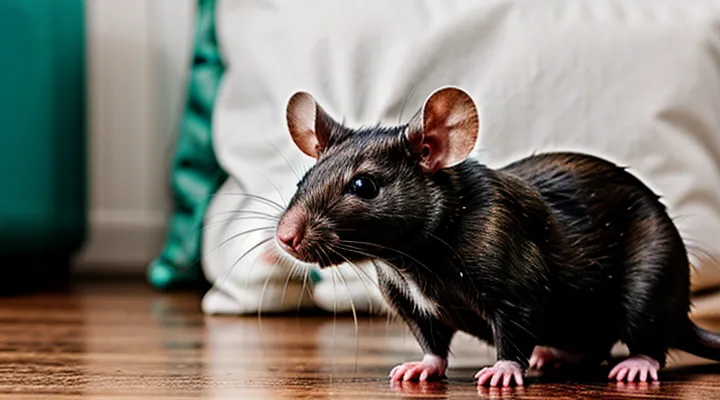
Understanding Pet Rats
Why Choose a Pet Rat?
Intelligence and Trainability
Pet rats demonstrate cognitive abilities comparable to small mammals such as squirrels and ferrets. They navigate mazes, locate hidden food, and adapt to novel environments within minutes of exposure.
Problem‑solving tests reveal that rats can learn to manipulate levers, push doors, and open simple latches after repeated trials. Success rates increase sharply after the third exposure, indicating rapid acquisition of cause‑and‑effect relationships.
Training relies on positive reinforcement, consistent cues, and short sessions. Preferred rewards include small pieces of fruit, nuts, or specially formulated treats. Sessions lasting three to five minutes, repeated daily, produce reliable behavioral changes without causing stress.
Typical trainable behaviors:
- Responding to a clicker or verbal marker
- Coming when called by name
- Navigating a miniature obstacle course
- Performing a “spin” on cue
- Retrieving a lightweight object and delivering it to a designated spot
Owners should maintain a quiet environment during training, avoid punishment, and rotate tasks to prevent habituation. Recording progress in a simple log helps identify patterns and adjust reinforcement schedules for optimal learning outcomes.
Social Nature
Pet rats thrive on interaction with conspecifics; isolation leads to stress, reduced activity, and increased susceptibility to disease. A minimum of two same‑sex or compatible mixed‑sex individuals creates a stable social unit that satisfies innate affiliative drives.
Within a group, rats establish a hierarchy through subtle cues such as body posture, grooming, and vocalizations. Recognizing dominant and subordinate roles allows owners to monitor group dynamics, intervene when aggression escalates, and maintain a balanced environment that supports mental well‑being.
Practical measures to nurture social health:
- Provide a spacious cage that accommodates multiple tunnels, platforms, and nesting areas, allowing each rat personal space while encouraging communal activities.
- Introduce new rats gradually using a neutral enclosure, swapping bedding, and observing interactions for signs of tension.
- Offer shared enrichment items (chew toys, foraging puzzles) and individual enrichment (hiding spots, solitary chew sticks) to prevent competition over resources.
- Schedule daily handling sessions for each rat, reinforcing trust and reinforcing bonds within the group.
Consistent attention to these social requirements promotes robust behavior, enhances longevity, and ensures a harmonious colony under human care.
Low Maintenance (Relative to Other Pets)
Pet rats demand less daily oversight than many conventional companions. Food portions are measured once daily; a balanced pellet mix supplemented with occasional fresh produce satisfies nutritional needs without precise timing. Water dispensers require weekly cleaning, and a reliable bottle eliminates the need for constant refilling.
Cage upkeep centers on a single comprehensive cleaning cycle. Removing soiled bedding and replacing it with fresh substrate every two weeks maintains hygiene, while spot‑cleaning of droppings can be performed as needed. Unlike larger animals, rats do not generate extensive odor, reducing the frequency of deep cleaning.
Health monitoring is straightforward. Visible signs—lethargy, loss of appetite, or abnormal fur condition—prompt immediate veterinary consultation. Routine check‑ups occur semi‑annually, contrasting with the monthly or weekly appointments common for dogs and cats.
Typical responsibilities:
- Daily: dispense measured food, verify water flow.
- Weekly: clean water bottle, inspect cage for damage.
- Bi‑weekly: replace bedding, perform spot cleaning.
- Semi‑annual: schedule veterinary health exam.
Overall, rats present a low‑maintenance profile, allowing owners to allocate minimal time while still providing a stimulating and humane environment.
Common Misconceptions About Rats
Disease Carriers
Pet rats can harbor bacteria, viruses, and parasites that affect both the animals and humans. Understanding these agents is essential for safe husbandry and public health.
Common disease carriers in rats include:
- Salmonella spp. – causes gastrointestinal upset; transmitted through fecal contamination.
- Streptobacillus moniliformis – agent of rat‑bite fever; enters the body via bites or scratches.
- Leptospira interrogans – spreads through urine; may lead to kidney disease and flu‑like symptoms.
- Hantavirus – rare in domesticated rats but possible; respiratory illness follows aerosolized droplet exposure.
- Pinworms (Syphacia muris) – intestinal parasites; cause perianal itching and weight loss.
- Mites (Myobia spp.) – skin irritants; can trigger dermatitis and secondary infections.
Preventive actions:
- Maintain clean cages; remove waste daily and disinfect weekly with a rodent‑safe sanitizer.
- Provide fresh water in sealed containers to limit bacterial growth.
- Quarantine new arrivals for at least 30 days; conduct fecal exams before integration.
- Use veterinarian‑approved parasite preventatives according to a regular schedule.
- Wear gloves and wash hands thoroughly after handling rats or cleaning enclosures.
Monitoring protocol:
- Inspect rats daily for nasal discharge, sneezing, lethargy, or abnormal stool.
- Perform monthly weight checks; sudden loss may indicate infection.
- Collect fecal samples for laboratory analysis if any gastrointestinal symptoms appear.
- Seek veterinary care promptly when signs of illness emerge; early treatment reduces transmission risk.
Adhering to these practices limits pathogen spread, protects owners, and promotes the health of pet rats.
Aggressiveness
Aggressiveness in pet rats manifests as biting, lunging, or persistent vocalizations. Hormonal fluctuations, territorial disputes, inadequate socialization, and environmental stressors commonly trigger these behaviors.
Typical indicators include raised hair along the back, flattened ears, rapid breathing, and attempts to escape the enclosure while displaying teeth. Observation of these signs allows early intervention before escalation.
Effective management relies on consistent handling, proper grouping, and environmental enrichment:
- Introduce new rats gradually, using neutral territory and visual barriers.
- Provide multiple hiding places, tunnels, and chew toys to reduce competition for resources.
- Limit handling sessions to short, calm intervals, extending duration as the rat becomes accustomed.
- Maintain stable temperature, humidity, and lighting to minimize physiological stress.
- Schedule regular health checks to rule out pain or illness that may provoke aggression.
If aggression persists despite these measures, consult a veterinarian or a qualified rodent behavior specialist to assess underlying medical conditions or recommend targeted behavior modification protocols.
Short Lifespan
Pet rats typically live two to three years, with some individuals reaching four years under optimal conditions. The limited lifespan results from rapid growth, high metabolic rate, and susceptibility to age‑related diseases such as tumors and cardiac issues.
Key factors influencing longevity include genetics, diet quality, environmental enrichment, and veterinary care. Breeding lines selected for health and vigor tend to produce rats with slightly extended lifespans, while inbreeding can accelerate decline.
- Provide a balanced diet rich in protein, fiber, and essential vitamins; avoid excessive sugary treats.
- Maintain a clean, well‑ventilated cage; replace bedding regularly to reduce respiratory hazards.
- Offer daily mental stimulation through tunnels, chew toys, and safe climbing structures.
- Schedule routine health checks with a veterinarian experienced in small mammals; early detection of tumors improves outcomes.
- Monitor weight and activity levels; sudden changes may indicate underlying illness.
Understanding these variables allows owners to maximize the quality and duration of their rats’ lives, despite the species’ inherently brief natural span.
Preparing for Your New Pet Rat
Choosing the Right Rat
Where to Acquire Rats
Acquiring healthy pet rats requires sourcing from reputable channels that prioritize proper breeding, disease screening, and humane handling. Established breeders maintain detailed health records, conduct genetic testing, and provide guidance on diet and enrichment. When selecting a breeder, request documentation of vaccinations, parasite treatments, and parental lineage to ensure robust offspring.
Pet stores that specialize in small mammals often partner with licensed breeders and adhere to local animal welfare regulations. Verify that the retailer offers a quarantine period, clean housing, and transparent return policies. Store staff should be knowledgeable about species‑specific needs and able to answer questions about temperament and care.
Rescue groups and animal shelters occasionally have rats available for adoption. These organizations typically perform health assessments, spay/neuter procedures, and behavioral evaluations before placement. Adoption offers a humane alternative and reduces demand for commercial breeding.
- Reputable breeders with documented health protocols
- Specialty pet retailers complying with welfare standards
- Certified rescue organizations and shelters
Each option demands verification of health status, source credibility, and post‑acquisition support to promote the well‑being of the new companion.
Age and Gender Considerations
Age and gender affect health, behavior, and housing needs of pet rats. Recognizing these variables enables precise nutrition, appropriate social grouping, and timely veterinary intervention.
-
Juvenile (under 8 weeks)
- Require high‑calorie, easily digestible diets; solid foods introduced gradually.
- Sensitive to temperature fluctuations; provide a warm, draft‑free enclosure.
- Socially immature; introduce to a stable adult group to promote proper hierarchy.
-
Adult (8 weeks to 18 months)
- Stable dietary requirements; balanced mix of protein, fiber, and fats.
- Exhibit established social structures; maintain consistent group size to prevent aggression.
- Routine health checks every six months detect common conditions early.
-
Senior (over 18 months)
Gender influences breeding potential, territorial behavior, and scent marking. Males typically display more pronounced scent marking and may dominate when housed with other males; keep them in mixed‑sex groups only under controlled breeding conditions. Females form tighter social bonds but can become aggressive during estrus; monitor interactions and separate if fighting escalates. Spaying or neutering is not standard practice in rats, so management relies on careful group composition and observation.
Integrating age and gender data into daily care plans ensures optimal welfare. Adjust feeding schedules, enclosure complexity, and group dynamics based on the specific life stage and sex of each rat. Regular health assessments aligned with these factors reduce disease incidence and promote a harmonious colony.
Health Assessment
A health assessment evaluates a rat’s physical condition, behavior, and any signs of disease to maintain optimal welfare and prevent illness.
Key elements of a routine examination include:
- Body weight measured against growth charts for the specific breed and age.
- Coat texture and coloration; a sleek, clean coat indicates good nutrition and grooming.
- Eyes, ears, and nose examined for discharge, redness, or crusting.
- Teeth inspected for proper alignment and length; overgrown incisors cause eating difficulties.
- Skin checked for lesions, parasites, or alopecia.
- Posture and gait observed for limping, tremors, or abnormal movements.
- Activity level and social interactions recorded; lethargy or aggression may signal discomfort.
Examinations should occur at least once a month for juveniles and quarterly for adults, with detailed notes stored in a health log. Consistent documentation allows early detection of trends such as gradual weight loss or recurring skin issues.
Immediate veterinary consultation is warranted when any of the following appear: sudden weight decline, respiratory distress, uncontrolled bleeding, persistent diarrhea, or unresponsive swelling. Early intervention reduces morbidity and improves recovery prospects.
Preventive strategies reinforce health assessments. Regular cage cleaning eliminates bacterial buildup, while scheduled deworming and ectoparasite control address common infestations. Balanced diet formulated for rodents supports dental health and immune function, reducing the likelihood of nutritional deficiencies that could mask underlying problems.
Integrating systematic health checks into daily care creates a reliable baseline, enabling swift response to deviations and sustaining the long‑term vitality of pet rats.
Essential Supplies
Cage Selection
Choosing the appropriate enclosure is the first step toward a healthy, thriving rat colony. The cage must accommodate the animal’s natural behavior, provide adequate ventilation, and allow routine maintenance without compromising safety.
A suitable cage meets the following criteria:
- Minimum floor area of 2 sq ft per pair of rats; larger spaces reduce stress and encourage exercise.
- Height of at least 12 in to enable climbing and vertical exploration.
- Solid, chew‑resistant base made of metal or thick plastic; avoid wire flooring that can cause foot injuries.
- Bars spaced no wider than ½ in to prevent escape while allowing airflow.
- Easy‑to‑remove panels for cleaning and inspection; hinges or latch mechanisms should be secure yet simple to operate.
Material selection influences durability and hygiene. Stainless steel offers corrosion resistance and can be sterilized with mild disinfectants. High‑density polyethylene provides a lightweight alternative with smooth surfaces that resist gnawing. Acrylic or glass lids improve visibility but must be reinforced to prevent breakage.
Ventilation requirements are met by a combination of bar spacing and optional mesh panels. Proper airflow prevents ammonia buildup from urine, which can irritate respiratory tracts. Ensure that any added ventilation openings are covered with fine mesh to keep rats from squeezing through.
Accessories such as nesting boxes, climbing ladders, and chew toys should be made from untreated, rat‑safe wood or safe plastics. Position these items away from the cage’s corners to maintain clear pathways and facilitate cleaning.
Regular maintenance includes weekly removal of soiled bedding, disinfection of the base, and inspection of bars for wear. A cage designed with removable trays simplifies this process, reducing the time required for upkeep and minimizing stress for the animals.
By adhering to these specifications, owners create an environment that supports the physiological and psychological needs of pet rats, laying a solid foundation for responsible care.
Size and Bar Spacing
Rats need ample space to explore, exercise, and exhibit natural behaviors. A cage that is too small restricts movement, increases stress, and can lead to health problems such as obesity and musculoskeletal injuries.
For a pair of adult rats, the minimum floor area should be 2 sq ft (approximately 0.19 m²). Larger groups require proportionally more space; each additional rat adds at least 0.5 sq ft (0.05 m²). Height matters because rats climb; a vertical clearance of 12 in (30 cm) or more allows safe use of platforms and ladders. Multi‑level cages increase usable area without expanding footprint.
Bar spacing directly affects safety. Bars that are too close can trap paws or tails, while gaps that are too wide enable escape. Recommended specifications:
- Horizontal spacing: ½ in (12 mm) or less.
- Vertical spacing: ¼ in (6 mm) or less.
- Material: stainless steel or powder‑coated metal to prevent rust and chewing damage.
Improper dimensions or spacing create hazards. Tight gaps increase the risk of injury, while overly wide spaces permit escape and expose rats to predators or environmental hazards. Consistently meeting the size and bar spacing guidelines supports physical health, mental stimulation, and overall well‑being.
Cage Type (Wire vs. Plastic)
Wire cages provide superior ventilation, reducing humidity and the risk of respiratory infections. The mesh prevents the accumulation of stale air, which is critical for small mammals with delicate respiratory systems. Steel or aluminum construction resists gnawing, and the open design allows easy observation of activity and quick detection of injuries or illness. However, the gaps must be small enough to prevent escape; a spacing of ½ inch or less is standard for pet rats. Wire cages can develop rust if not properly coated, and cleaning requires disassembly of trays and removal of debris from the bars.
Plastic enclosures offer a sealed environment that retains heat, beneficial in colder climates. The smooth interior surfaces simplify waste removal, as droppings slide off without becoming trapped in mesh. Durable polyethylene or acrylic models often include built‑in ramps and platforms, reducing the need for additional accessories. The primary drawbacks are limited airflow, which can increase humidity and odor, and the tendency of plastic to crack under repeated gnawing. Thickness of at least 5 mm is recommended to withstand chewing pressure.
Key considerations for selecting a cage type:
- Ventilation: Wire – high; Plastic – low, may require supplemental fans.
- Durability against gnawing: Wire – strong; Plastic – moderate, choose thick material.
- Cleaning ease: Plastic – smooth surfaces; Wire – requires tray removal.
- Temperature regulation: Plastic – retains heat; Wire – neutral, may need supplemental heating.
- Cost: Wire – generally lower; Plastic – higher initial investment.
When evaluating a specific model, verify the mesh size, check for rust‑free coating, assess the thickness of plastic panels, and confirm that the enclosure includes secure locking mechanisms. Combining a wire base with a removable plastic nesting box can deliver optimal ventilation while providing a clean, comfortable sleeping area.
Bedding and Litter
Choosing appropriate bedding directly influences a rat’s health and comfort. Soft, absorbent materials such as shredded paper, aspen shavings, or specialized rodent bedding provide insulation, moisture control, and a pleasant digging substrate. Avoid pine or cedar, whose aromatic oils can irritate respiratory passages.
- Shredded paper: high absorbency, low dust, easy to replace.
- Aspen shavings: moderate absorbency, natural texture, minimal scent.
- Commercial rodent bedding: engineered for low dust, often includes antimicrobial treatment.
Litter serves a separate function, defining a designated elimination zone and simplifying waste management. Ideal litter should be clumping, low‑dust, and non‑toxic. Options include:
- Paper‑based pellets: form solid clumps for quick removal, safe if ingested in small amounts.
- Corncob granules: absorbent, low odor, but may generate more dust.
- Recycled wood pellets: high absorbency, minimal scent, ensure they are free of pine or cedar.
Maintenance protocol: replace bedding entirely every two weeks, spot‑clean soiled areas daily, and change litter weekly or when clumping capacity is exceeded. Use a mild, unscented detergent for cleaning cages, rinse thoroughly, and dry completely before adding fresh material. Monitor for signs of respiratory distress or excessive ammonia; adjust bedding or litter type promptly.
Food and Water
Pet rats require a balanced diet that supplies protein, fat, fiber, vitamins, and minerals. Commercial rodent pellets formulated for rats provide a reliable base; they should constitute the majority of daily intake. Fresh foods enhance nutrition and encourage natural foraging behavior.
- High‑protein items: cooked chicken, boiled egg, low‑fat cheese, mealworms (limited frequency).
- Fresh vegetables: broccoli, kale, carrots, bell peppers, spinach (wash thoroughly).
- Fruits (moderate amounts): apple slices, berries, banana; remove seeds and pits.
- Whole‑grain staples: cooked brown rice, quinoa, oats.
- Fiber sources: plain oatmeal, small pieces of whole‑wheat bread, shredded paper (for nesting, not ingestion).
Treats such as nuts, seeds, or dried fruit should be offered sparingly to prevent obesity and digestive upset. Avoid foods toxic to rats, including chocolate, caffeine, alcohol, raw beans, and citrus peels.
Clean, fresh water is essential for hydration and kidney function. Provide a stainless‑steel or glass bottle with a sipper tube to prevent contamination; plastic containers may harbor bacteria. Replace water daily and inspect the dispenser for leaks or blockage. In hot weather or during increased activity, monitor consumption and increase supply accordingly.
Regularly observe the rat’s eating habits and weight. Adjust portions if the animal gains or loses more than 5 % of body weight over a week. A consistent feeding schedule—morning and evening—supports stable metabolism and reduces stress.
Food Bowls and Water Bottles
Choosing the right containers for feeding and hydrating pet rats directly affects their health and hygiene. Food bowls should be shallow, wide, and made of sturdy, non‑porous material such as stainless steel or high‑grade ceramic. These surfaces resist scratching, prevent bacterial buildup, and are easy to sanitize. A diameter of 4–5 cm accommodates typical portion sizes without encouraging over‑eating, while a low rim allows easy access for small paws.
Water delivery relies on sipper bottles equipped with stainless‑steel or plastic tubes. Bottles must hold at least 50 ml to reduce refill frequency, feature a secure screw‑on cap, and include a bite‑resistant nozzle. Tubes should be 2–3 mm in internal diameter, ensuring a steady flow without excessive leakage. Replace tubes every 2–3 weeks to avoid biofilm formation.
Maintenance protocol:
- Clean bowls and bottles with warm water and mild, unscented detergent after each feeding session.
- Rinse thoroughly to eliminate detergent residues.
- Disinfect weekly using a 1% diluted bleach solution; soak for 10 minutes, then rinse again.
- Inspect bottles for cracks, clogs, or worn seals before each refill; discard damaged units immediately.
Placement considerations:
- Position bowls on a stable, easy‑to‑clean surface to prevent tipping.
- Locate water bottles on the cage’s side wall, aligning the tube with the rat’s natural drinking posture.
- Keep food and water stations away from bedding to reduce contamination.
By adhering to these specifications, owners maintain a clean environment, minimize disease risk, and support the dietary needs of their rodents.
Nutritional Requirements
Pet rats require a balanced diet that supplies adequate protein, fat, carbohydrates, vitamins, and minerals to support rapid growth, reproductive health, and active metabolism. Adult rats thrive on a diet consisting of 18–20 % protein, 5–7 % fat, and the remainder as digestible carbohydrates and fiber.
Key macronutrients:
- Protein sources: high‑quality rodent pellets, cooked eggs, lean meat, insect larvae.
- Fat sources: modest amounts of sunflower oil, flaxseed, or omega‑3‑rich fish oil.
- Carbohydrates and fiber: whole grains, oats, barley, and fresh vegetables such as carrots and leafy greens.
Essential micronutrients:
- Vitamin C is not required; rats synthesize it internally.
- Vitamin A, D, and E must be present in the pellet formulation; deficiency leads to vision problems, bone disorders, and oxidative stress.
- Calcium and phosphorus should maintain a ratio near 1:1; excessive calcium causes urinary calculi.
- Trace minerals (zinc, iron, selenium) are included in commercial mixes; supplementation is unnecessary unless a specific deficiency is diagnosed.
Feeding schedule and water:
- Provide fresh pellets daily; replace uneaten portions within 24 hours to prevent spoilage.
- Offer a measured amount of fresh produce (approximately 10 % of total intake) each day; remove uneaten items promptly.
- Ensure constant access to clean, filtered water; change water bottles every 2–3 days.
Safe foods:
- Cooked chicken, turkey, and boiled eggs.
- Small quantities of fruit (apple, banana, berries) without seeds.
- Fresh vegetables (broccoli, cucumber, bell pepper, kale).
Foods to avoid:
- Citrus fruits, raw potatoes, onions, garlic, and chocolate.
- High‑fat snacks, processed human foods, and any moldy or spoiled items.
Regularly monitor body condition and adjust portions to maintain a lean, muscular profile. Consult a veterinarian experienced with rodents for individualized dietary plans or when health concerns arise.
Toys and Enrichment
Pet rats require regular mental stimulation to prevent boredom and associated health issues. Providing a variety of safe, chewable, and interactive items satisfies their natural curiosity and encourages healthy behaviors.
Effective enrichment options include:
- Wooden tunnels and tubes for exploration and hiding.
- Chew blocks made from untreated hardwood to support dental health.
- Puzzle feeders that dispense treats when manipulated.
- Hanging ropes or fabric strips for climbing and shredding.
- Small plastic balls with textured interiors for rolling and pushing.
Rotate items weekly to maintain novelty, clean reusable toys with mild soap and hot water, and discard damaged pieces promptly. Consistent enrichment promotes physical activity, reduces stress, and enhances overall welfare.
Chewing Materials
Pet rats require constant access to safe, durable items that satisfy their instinctual need to gnaw. Appropriate chewing materials protect teeth from over‑growth, reduce stress, and prevent damage to cages or accessories.
- Untreated hardwood blocks (apple, pear, willow) – dense enough to withstand aggressive chewing while offering natural textures.
- Soft‑wood dowels (balsa, pine) – suitable for lighter chewers; replace regularly to avoid splintering.
- Cardboard tubes or corrugated sheets – inexpensive, readily available; monitor for moisture to prevent mold.
- Commercial rodent chew toys made from mineral‑based composites – designed for long‑term use, resistant to bacterial growth.
- Natural fibers such as sisal rope or hemp twine – provide varied textures; inspect for fraying and replace when worn.
Rotate items weekly to maintain interest and to allow thorough cleaning. Sanitize reusable materials with mild diluted bleach (1 % solution) or hot water, then dry completely before re‑introduction. Discard any piece that shows sharp edges, splinters, or signs of mold. Providing a selection of these materials promotes dental health and enriches the environment for pet rats.
Climbing Structures
Climbing structures provide rats with vertical space that replicates natural habitats and encourages muscular development. Properly designed equipment supports weight distribution across small limbs, reducing strain and promoting joint health.
Key considerations when selecting or building climbing elements:
- Material must be non‑toxic, chew‑resistant, and easy to sanitize (e.g., untreated pine, solid hardwood, stainless steel).
- Diameter of rods or branches should range from 0.5 cm to 1 cm to accommodate average rat paw size while preventing entrapment.
- Length of each segment must allow multiple grip positions; a minimum of 15 cm per element ensures sufficient reach.
- Anchor points need secure attachment to the cage frame or a sturdy stand, preventing collapse under dynamic movement.
Commercial products often feature modular ladders, rope bridges, and angled ramps. When integrating these items, ensure spacing between adjacent structures does not exceed 10 cm, allowing rats to transition safely without excessive jumping.
DIY options include twisting natural branches, assembling PVC pipe frameworks, or weaving cotton rope into loops. Before installation, inspect all connections for sharp edges and test load capacity by applying a force of at least 200 g, roughly double the average adult rat weight.
Maintenance routine:
- Remove debris and droppings weekly; rinse with warm water and mild disinfectant.
- Inspect for wear or splintering after each cleaning cycle; replace compromised sections immediately.
- Rotate or reposition structures monthly to stimulate exploration and prevent habituation.
Strategic placement enhances enrichment. Position climbing elements near hiding spots or feeding stations to motivate movement, but keep at least one open area free of vertical obstacles to allow restful grooming.
By adhering to these guidelines, caretakers create a dynamic environment that supports physical fitness, mental stimulation, and overall well‑being for pet rats.
Hideaways
Rats require secluded spaces where they can retreat from activity and feel secure. A well‑designed hideaway reduces stress, promotes natural behaviors, and supports overall health.
Suitable hideaway materials include untreated wood, solid‑core cardboard, and thick plastic containers. Wood should be sanded smooth and free of toxic finishes; cardboard must be thick enough to resist tearing and should be replaced regularly to prevent mold. Plastic options should be rigid, with no sharp edges, and capable of withstanding chewing.
Effective hideaway dimensions correspond to the cage size and the number of occupants. A single rat benefits from a compartment measuring at least 6 × 6 × 6 inches; groups require multiple units of similar size to prevent competition. Placement near the back of the cage, away from direct light and high‑traffic zones, encourages consistent use.
Maintenance guidelines:
- Clean interior surfaces weekly with mild, unscented soap and rinse thoroughly.
- Inspect for chew damage daily; replace compromised sections promptly.
- Rotate hideaway locations periodically to stimulate exploration and prevent territorial disputes.
Additional enrichment can be achieved by adding nesting material such as shredded paper or untreated tissue within the hideaway. This encourages building behavior and provides a comfortable resting surface. Ensure that any added material is free of dyes, adhesives, or synthetic fibers that could be ingested.
Overall, integrating multiple, appropriately sized, and clean hideaways into a rat’s environment satisfies their instinctual need for privacy while contributing to a stable, low‑stress habitat.
Daily Care and Maintenance
Diet and Nutrition
Commercial Rat Foods
Commercial rat diets are formulated to meet the specific nutritional requirements of domesticated rodents, delivering balanced protein, fat, fiber, vitamins, and minerals in a convenient form. Most products are presented as dry pellets or kibble, allowing precise portion control and reducing waste.
Key characteristics of high‑quality commercial feeds include:
- Protein content: 18‑22 % derived from animal or plant sources, supporting growth, tissue repair, and immune function.
- Fat level: 5‑8 % to supply essential fatty acids without promoting obesity.
- Fiber: 3‑5 % from cellulose or beet pulp, aiding digestive health and preventing gastrointestinal stasis.
- Vitamin and mineral premix: Adequate levels of vitamin A, D3, E, B‑complex, calcium, phosphorus, and trace elements such as zinc and selenium.
Leading manufacturers—such as Oxbow, Mazuri, and Kaytee—offer formulations tailored to life stage (juvenile, adult, senior) and health status (breeding, weight management). Product labels provide recommended daily intake based on body weight; typical adult rats (150‑250 g) require 15‑20 g of feed per day, divided into two meals to mimic natural foraging behavior.
Storage guidelines ensure nutrient stability: keep packages sealed, store in a cool, dry environment, and discard any feed that shows discoloration, odor, or moisture accumulation. Supplementary treats—fresh fruits, vegetables, and occasional protein bites—should complement, not replace, the core diet, maintaining a balanced caloric profile.
When selecting a commercial rat food, evaluate ingredient transparency, absence of artificial colors or flavors, and compliance with veterinary nutrition standards. Regular monitoring of body condition and health markers confirms that the chosen product meets the animal’s dietary needs.
Safe Fruits and Vegetables
Pet rats thrive on a diet that includes a variety of fresh produce. Fresh fruits and vegetables supply essential vitamins, minerals, and fiber that support coat health, digestion, and immune function. Introduce new items gradually to monitor tolerance and prevent gastrointestinal upset.
Safe fruits (serve in small portions, 1‑2 cm cubes, 2‑3 times per week):
- Apple (core removed, no seeds)
- Blueberries
- Strawberries (hull removed)
- Raspberries
- Pear (seedless)
- Kiwi (peeled)
- Banana (thin slice)
- Melon (cantaloupe, honeydew)
Safe vegetables (available daily in moderate amounts):
- Carrot (shredded or diced)
- Bell pepper (any color, seeded)
- Broccoli florets (small pieces)
- Spinach (washed, offered briefly)
- Kale (chopped)
- Zucchini (sliced)
- Cucumber (peeled if waxed)
- Sweet potato (cooked, unseasoned)
Prepare produce by washing thoroughly to remove pesticides, peeling when the skin is tough or treated, and cutting into bite‑size pieces to prevent choking. Serve at room temperature; refrigerate leftovers in a sealed container for no more than 24 hours. Discard any fruit that shows signs of spoilage, as rats are prone to bacterial infections from moldy food.
Avoid citrus fruits, grapes, raisins, avocado, and raw onions, all of which can cause toxicity. Limit sugary fruits to prevent obesity and dental problems. Consistent inclusion of the listed safe items, combined with a quality commercial rat mix, yields a balanced diet that promotes longevity and well‑being.
Foods to Avoid
Pet rats require a diet that excludes several common foods because these items can cause digestive upset, nutrient imbalances, or toxic reactions.
- Citrus fruits (oranges, lemons, grapefruits) – high acidity damages stomach lining and can lead to diarrhea.
- Raw potatoes and green potato skins – contain solanine, a neurotoxin harmful to rodents.
- Chocolate and caffeine‑containing products – methylxanthines trigger rapid heart rate and seizures.
- Artificial sweeteners, especially xylitol – cause hypoglycemia and liver failure.
- Dairy products – rats lack sufficient lactase; consumption results in bloating and diarrhea.
- Processed meats (bacon, sausage, hot dogs) – high salt and fat content strain kidneys and promote obesity.
- Nuts high in fat (peanuts, macadamia nuts) – excessive fat leads to liver disease and weight gain.
- Sugary treats (candies, pastries) – spike blood glucose, increase risk of dental problems, and provide little nutritional value.
Always read ingredient labels before offering human foods. Substitute safe options such as plain cooked vegetables, small portions of fruit, and commercially formulated rat pellets. Consistent avoidance of the listed items supports optimal health and longevity in captive rats.
Treats in Moderation
Treats enhance a rat’s enrichment but must remain a small fraction of the diet. Overuse can lead to obesity, dental disease, and nutritional imbalances.
A balanced approach includes:
- Frequency: Offer treats no more than two to three times per week.
- Portion size: Limit each serving to a pea‑sized amount for a single adult rat; adjust downward for juveniles or overweight individuals.
- Nutrient content: Choose items low in sugar and fat, high in fiber or protein, such as plain cooked chicken, small pieces of fresh fruit, or unsalted nuts in moderation.
- Variety: Rotate options to prevent palate fatigue and ensure a broader range of micronutrients.
- Safety: Avoid processed foods with additives, artificial sweeteners, or high sodium; discard any treat that shows signs of spoilage.
When using treats for training, pair the reward with a specific cue and deliver it immediately after the desired behavior. This reinforces the association without increasing overall caloric intake.
Regularly monitor body condition by feeling the rat’s ribs and spine. If weight gain becomes apparent, reduce treat frequency or replace high‑calorie items with lower‑calorie alternatives, such as shredded carrots or leafy greens.
Proper storage—sealed containers in a cool, dry place—preserves freshness and prevents mold growth, which can pose health risks.
By adhering to these parameters, treats remain a beneficial supplement that supports mental stimulation while preserving optimal physical health.
Cage Cleaning and Hygiene
Daily Spot Cleaning
Daily spot cleaning removes waste, food debris, and soiled bedding from the cage interior. Perform the task each morning before the rats are active to prevent odor buildup and reduce the risk of bacterial growth.
Identify high‑traffic zones such as feeding stations, water bottle rims, and the corner where the rats nest. Use a small handheld scoop or a soft brush to lift visible droppings and leftover food particles. Discard material in a sealed container and replace with fresh, low‑dust bedding.
Maintain a consistent routine with the following steps:
- Remove the rats temporarily and place them in a secure carrier.
- Sweep or vacuum the designated spots, avoiding disturbance of the main bedding layer.
- Wipe surfaces with a pet‑safe, chlorine‑free disinfectant; allow a brief contact time as indicated on the product label.
- Re‑introduce the rats and observe for any signs of stress or injury.
Regular spot cleaning complements weekly deep cleaning, supports respiratory health, and preserves a tidy environment for the animals.
Weekly Deep Cleaning
Weekly deep cleaning maintains a sanitary environment that prevents disease, controls odor, and preserves cage durability. Regular removal of waste, substrate replacement, and thorough disinfection reduce pathogen load and support optimal rat health.
- Remove all bedding, toys, and accessories from the cage.
- Dispose of waste in a sealed bag; clean the cage interior with warm water.
- Apply a rodent‑safe disinfectant, following manufacturer contact time.
- Rinse thoroughly to eliminate chemical residues.
- Replace bedding with a fresh, absorbent layer; reinstall cleaned toys and accessories.
- Reintroduce rats only after the cage is dry and free of strong odors.
Select disinfectants labeled for small mammals; avoid bleach, ammonia, or scented products that can irritate respiratory systems. Schedule the deep cleaning every seven days, adjusting frequency for larger colonies or higher humidity. Observe rats for signs of stress after cleaning; provide a temporary holding area with familiar bedding to ease transition. Document cleaning dates to ensure consistency and track any health changes linked to cage hygiene.
Odor Control
Effective odor management is a prerequisite for a healthy environment that supports both rats and their owners. Unpleasant smells can indicate inadequate hygiene, poor ventilation, or underlying health issues, and they may discourage close interaction with the animals.
Primary odor sources include urine, feces, food residue, and damp bedding. Rat urine contains strong-smelling compounds that become more pronounced when left to accumulate. Moist substrates foster bacterial growth, which intensifies odors. Spilled food provides a breeding ground for mold and insects, adding to the scent problem.
Practical measures to control odor:
- Clean the cage daily: remove droppings, wet bedding, and uneaten food.
- Perform a full substrate change weekly: use absorbent, low-dust materials such as paper-based bedding or kiln-dried wood shavings.
- Ensure proper ventilation: place the cage in a well-ventilated area, avoid airtight enclosures, and consider a small fan set on low speed to promote air circulation.
- Monitor diet: provide fresh, high-quality food, discard leftovers promptly, and limit sugary treats that increase urine concentration.
- Conduct regular health checks: identify urinary tract infections or gastrointestinal problems early, as these conditions elevate odor output.
- Apply safe odor-neutralizing products: use charcoal filters, natural enzymatic cleaners, or non-toxic sprays designed for small mammals.
Consistent application of these steps maintains a fresh habitat, reduces stress for the rats, and enhances the overall experience of keeping them as pets.
Socialization and Handling
Building Trust
Building trust with a pet rat is a measurable process that influences the animal’s willingness to interact, accept handling, and thrive in a domestic setting. Trust develops through predictable behavior, consistent care, and respectful engagement, all of which reduce stress and encourage cooperative responses.
Effective trust‑building techniques include:
- Routine handling: Approach the rat at the same time each day, use gentle, steady movements, and avoid sudden grabs. Repeated sessions of short duration (2–5 minutes) reinforce familiarity.
- Positive reinforcement: Offer a favorite treat immediately after the rat allows contact or enters the hand. Pairing a specific cue (e.g., a soft voice) with the reward creates an associative link.
- Respect for boundaries: Observe body language; retreat when the rat displays signs of tension such as rapid foot‑tapping, flattened ears, or a raised tail. Ignoring these cues escalates fear.
- Safe enclosure: Provide a spacious, secure cage with hiding places, chewable items, and a stable temperature. A comfortable environment lowers baseline anxiety, making the rat more receptive to interaction.
- Gradual exposure: Introduce new objects or handling techniques incrementally. Begin with hand‑feeding, progress to allowing the rat to climb onto the palm, then advance to gentle restraint for health checks.
- Consistent vocal cues: Use a calm, low‑volume tone when approaching. Repeating the same phrase or sound helps the rat associate the voice with non‑threatening contact.
Monitoring progress involves noting changes in the rat’s posture, vocalizations, and willingness to explore the hand. A shift from avoidance to voluntary climbing indicates a solid trust foundation, which supports routine grooming, health examinations, and enrichment activities without inducing stress.
Proper Handling Techniques
Handling pet rats requires confidence, consistency, and respect for their natural behaviors. Begin each interaction by allowing the rat to sniff your hand; this establishes trust and reduces stress. Gently cup the rat’s body with both hands, supporting the hindquarters and keeping the spine aligned. Avoid gripping the tail or applying pressure to the head, as these actions can cause injury or fear.
Key practices for safe handling:
- Approach calmly – move slowly, speak softly, and keep movements predictable.
- Support fully – place one hand under the chest and the other under the hind legs; maintain a stable grip without squeezing.
- Limit duration – initial sessions should last no more than two minutes, gradually extending as the rat becomes comfortable.
- Observe body language – signs of agitation include rapid breathing, squeaking, or attempts to escape; pause the interaction if these appear.
- Maintain clean hands – wash before and after each handling session to prevent disease transmission.
When transferring a rat between cages or containers, use a small, secure carrier or a shallow box with low sides. Position the rat gently into the new environment, allowing it to explore at its own pace before releasing it. Consistent, low‑stress handling builds a strong bond and promotes the animal’s overall well‑being.
Interaction with Other Rats
Interactions among pet rats shape their social health and affect overall well‑being. Rats are naturally herd animals; they establish hierarchies, share grooming duties, and communicate through vocalizations and scent marking. Properly managed group dynamics reduce stress, prevent disease spread, and encourage natural behaviors such as nesting and foraging.
Key considerations for facilitating positive rat‑to‑rat interactions:
- Group size – Minimum three individuals; larger groups distribute dominance more evenly.
- Sex composition – Same‑sex groups avoid breeding complications; mixed‑sex groups require neutering or strict breeding control.
- Age matching – Similar developmental stages lessen aggression; introduce juveniles after adults have formed a stable hierarchy.
- Environmental enrichment – Multiple tunnels, climbing structures, and hideouts give subordinates retreat options and lower conflict frequency.
- Observation protocol – Monitor for bite marks, excessive chasing, or prolonged isolation; intervene by re‑housing or adding neutral territory when needed.
Introducing unfamiliar rats follows a staged process: quarantine for health screening, visual contact through a solid barrier, short supervised mesh‑door sessions, and gradual extension of shared space. Successful integration is indicated by mutual grooming, shared nesting, and balanced access to food and water resources.
Exercise and Playtime
Out-of-Cage Time
Out-of-cage time provides essential physical exercise, mental stimulation, and social interaction for pet rats. Regular periods outside the enclosure prevent obesity, reduce stress, and encourage natural foraging behaviors.
A typical schedule includes three sessions per day, each lasting 20–30 minutes. Adjust length according to the rat’s age, health, and activity level; younger animals may tolerate shorter intervals, while mature, active individuals can handle the upper range.
Safety measures are mandatory. Supervise every session, block access to wires, open containers, and toxic substances. Secure the play area with a solid, escape‑proof barrier and remove objects that could cause injury, such as sharp edges or heavy decorations.
Prepare the environment with chew‑safe toys, tunnels, and climbing structures. Provide a shallow dish of fresh water and a small amount of food to mimic natural foraging. Ensure the floor is covered with a non‑slip material, such as a paper towel or fleece, to protect delicate paws.
After each session, return the rat to its cage promptly, inspect for injuries, and clean any debris. Replace soiled bedding and replenish enrichment items to maintain a hygienic habitat.
Recommended out-of-cage schedule
- Morning: 20 minutes
- Midday: 20–30 minutes
- Evening: 20 minutes
Adhering to these guidelines promotes robust health, behavioral balance, and a strong bond between caretaker and rat.
Supervised Exploration
Supervised exploration allows pet rats to encounter new stimuli while remaining under owner control, reducing the risk of injury and escape. A secure, rat‑proofed area—such as a playpen with smooth walls and a tight lid—creates a safe boundary. Verify that all gaps are smaller than a rat’s head, and remove cords, sharp objects, and toxic substances before each session.
Key practices for effective supervised outings:
- Conduct sessions on a non‑slippery surface; carpeted floors can hide debris, while hardwood or tile offers clear footing.
- Limit each period to 10–15 minutes for inexperienced rats; extend gradually as confidence grows.
- Keep a hand‑held enclosure or a clear escape route ready in case the animal becomes stressed.
- Observe the rat’s body language: rapid grooming, vocalizations, or repeated attempts to flee indicate discomfort.
Enrichment items—tunnels, chew blocks, and puzzle toys—should be introduced one at a time to prevent overwhelm. Rotate objects between sessions to maintain novelty, but ensure each piece is free of splinters and securely attached to the play area.
After each exploration, inspect the rat for scratches, lost fur, or signs of distress. Clean the play zone with mild, pet‑safe disinfectant, rinse thoroughly, and dry before the next use. Regular supervised outings enhance problem‑solving abilities and strengthen the bond between owner and animal while preserving safety.
Training and Tricks
Training pet rats enhances mental health, encourages social interaction, and reduces undesirable behaviors. Effective instruction relies on consistent, brief sessions and immediate, positive reinforcement.
Use a clicker or distinct verbal cue to mark correct responses. Pair each marker with a small, high‑value treat such as dried mealworm or fruit piece. Conduct sessions in a quiet, escape‑proof area to prevent distractions.
Begin with a target exercise: hold a wooden stick or pen, press the tip to the rat’s nose, click, and reward. Gradually increase distance, prompting the rat to follow the tip on command. Once the animal reliably contacts the target, introduce a “come” cue by holding a treat behind the back, calling the rat’s name, clicking, and rewarding upon arrival. Follow with a brief “stay” command by placing a hand barrier, clicking after a few seconds, and releasing the barrier with a treat.
Typical tricks suitable for rats include:
- Spin: lure the nose toward a hand, rotate the hand, click when the body follows, reward.
- Jump through a hoop: lower a plastic hoop, coax the rat to pass, click, reward.
- Fetch: teach the rat to pick up a lightweight ball, bring it to the handler, click, reward.
- Backward walk: position a treat behind the rat, encourage retreat, click, reward.
- Ladder climb: place a low ladder, guide the rat upward, click, reward.
If a rat hesitates, reduce the distance, increase treat value, and ensure the environment remains calm. Maintain a record of cues, markers, and treat types to track progress and adjust techniques. Regular practice prevents skill loss and reinforces the bond between owner and pet.
Health and Well-being
Common Rat Ailments
Respiratory Infections
Respiratory infections are a common health challenge for pet rats and require prompt identification and management.
Typical bacterial agents include Mycoplasma pulmonis and Streptococcus spp., while viral contributors may involve Sendai virus. Both can cause inflammation of the nasal passages, trachea, and lungs, leading to reduced oxygen exchange and discomfort.
Observable signs:
- Nasal discharge, clear or purulent
- Frequent sneezing or audible wheezing
- Labored breathing, especially during activity
- Lethargy, reduced appetite, weight loss
Effective prevention focuses on environmental control and hygiene. Maintain cage temperature between 18‑24 °C and relative humidity below 60 % to inhibit pathogen proliferation. Use dust‑free bedding such as paper pulp; avoid wood shavings that release irritants. Implement a strict cleaning schedule: replace soiled bedding weekly, disinfect surfaces with a dilute bleach solution (1 % sodium hypochlorite) and rinse thoroughly. Limit exposure to other rodents and ensure new arrivals undergo quarantine for at least two weeks.
When infection is suspected, isolate the affected rat immediately. Obtain a veterinary assessment; diagnostic procedures may include nasal swabs, radiographs, or culture. Treatment protocols typically combine a macrolide antibiotic (e.g., tylosin) with supportive care—humidified air, warmed fluids, and nutritional supplementation. Monitor response daily; adjust medication only under veterinary guidance.
Early detection, rigorous cage maintenance, and timely veterinary intervention together minimize the impact of respiratory infections on pet rat health.
Tumors
Tumor formation is a frequent health issue in domesticated rats and warrants immediate attention in any rat‑care handbook.
Common tumor types include:
- Mammary adenomas and carcinomas
- Testicular Sertoli cell tumors
- Subcutaneous fibrosarcomas
- Pulmonary adenocarcinomas
Visible or behavioral changes often signal tumor development. Typical indicators are: rapid abdominal enlargement, palpable masses under the skin, unexplained weight loss, reduced activity, and difficulty breathing.
Diagnostic procedures rely on physical examination, fine‑needle aspiration, radiography, and histopathology. Early sampling improves accuracy and informs therapeutic decisions.
Surgical excision remains the primary treatment for accessible masses; complete removal offers the best chance of long‑term survival. Chemotherapy and radiation are reserved for aggressive or metastatic disease, though response rates vary.
Preventive measures focus on regular health checks, maintaining a balanced diet low in excess fats, and minimizing exposure to known carcinogens such as tobacco smoke. Routine palpation of the flank and mammary regions during weekly handling helps detect abnormalities before they progress.
Consistent monitoring, prompt diagnosis, and appropriate intervention collectively reduce tumor‑related mortality in pet rats.
Parasites (Mites, Lice)
Parasites such as mites and lice pose a frequent health risk for domesticated rats. Both are external arthropods that feed on skin debris, blood, or secretions, leading to irritation, anemia, and secondary infections. Mites (e.g., Radfordia spp.) prefer warm, humid environments, while lice (Polyplax spp.) thrive on direct contact between animals.
Typical signs include excessive scratching, hair loss, crusty or scaly skin, and visible moving specks on the fur. In severe infestations, rats may exhibit lethargy, weight loss, and pale mucous membranes. Prompt detection prevents escalation and reduces the likelihood of transmission to other pets.
Effective control follows a three‑step protocol:
- Isolation: Separate the affected rat from the colony for at least 48 hours.
- Treatment: Apply a veterinarian‑approved topical acaricide or administer an oral insecticide according to the product label; repeat the dose after 7–10 days to interrupt the life cycle.
- Sanitation: Remove bedding, wash cages with hot water, disinfect surfaces with a diluted bleach solution (1 % sodium hypochlorite), and replace all consumables.
Prevention relies on regular cage cleaning, maintaining low humidity, and conducting weekly visual inspections. Quarantine new arrivals for a minimum of two weeks and treat prophylactically if any signs appear. Consistent monitoring and immediate intervention keep parasite populations at bay, supporting the overall health of pet rats.
Foot and Skin Issues
Pet rats rely on healthy feet and skin for mobility, thermoregulation, and hygiene. Regular inspection prevents discomfort, infection, and reduced quality of life.
Common problems include pododermatitis (pressure sores), dry or cracked pads, fungal infections such as ringworm, ectoparasites (mites, lice), and traumatic injuries from rough surfaces or aggressive cage mates. Each condition originates from environmental stress, nutritional imbalance, or inadequate grooming.
Observable signs are swelling, redness, discharge, scabs, hair loss, excessive licking, or limping. Early detection hinges on daily visual checks and gentle handling of the paws and fur.
Prevention focuses on cage design and husbandry. Use soft, absorbent bedding (paper or fleece) that remains dry. Maintain humidity between 40‑60 % to avoid excessive dryness or moisture buildup. Provide a balanced diet rich in essential fatty acids to support skin integrity. Trim nails regularly to reduce pressure on pads. Keep the enclosure clean, rotating bedding weekly and disinfecting surfaces monthly.
Treatment requires veterinary assessment. Recommended steps are:
- Clean affected area with a mild antiseptic solution.
- Apply a veterinarian‑prescribed topical ointment or antibiotic cream.
- Administer systemic medication if infection spreads.
- Adjust cage conditions (softer bedding, humidity control) to eliminate contributing factors.
- Monitor progress daily; discontinue treatment only after complete healing.
Prompt attention to foot and skin health reduces the risk of chronic disease and supports the overall well‑being of pet rats.
Recognizing Signs of Illness
Changes in Behavior
Pet rats display a range of behavioral shifts that signal health, environmental, or social changes. Sudden aggression, excessive grooming, or prolonged inactivity often indicate stress, illness, or discomfort. Conversely, increased curiosity, heightened playfulness, or vocalization may reflect enrichment or improved well‑being.
Key factors influencing these shifts include:
- Health status – fever, respiratory infection, or dental problems can cause lethargy, loss of appetite, or irritability.
- Environmental conditions – temperature extremes, inadequate bedding, or loud noises trigger fear responses and withdrawal.
- Social dynamics – introduction of new companions, hierarchy disputes, or cage overcrowding lead to dominant or submissive behaviors.
- Nutrition – sudden diet changes or nutrient deficiencies affect energy levels and activity patterns.
Effective management requires regular observation, prompt veterinary assessment for abnormal signs, and adjustments to housing, diet, or social grouping. Maintaining stable temperature, providing nesting material, and offering varied enrichment reduce stress‑related behavior. Immediate isolation of a rat showing illness symptoms prevents contagion within the colony.
Physical Symptoms
Physical symptoms provide the most reliable indication of a rat’s health status. Observe coat condition, weight fluctuations, respiratory sounds, ocular clarity, and behavior for early detection of illness.
- Dull, unkempt coat or hair loss suggests nutritional deficiency, parasites, or skin infection.
- Noticeable weight loss or gain over a few days signals metabolic imbalance, gastrointestinal distress, or fluid retention.
- Labored breathing, wheezing, or nasal discharge indicates respiratory infection or pneumonia.
- Red, swollen, or opaque eyes point to conjunctivitis, injury, or systemic disease.
- Lethargy, reduced activity, or reluctance to explore signals pain, neurological issues, or severe infection.
- Abnormal stool—diarrhea, blood, or mucus—reflects digestive upset, bacterial overgrowth, or parasitic infestation.
Regular weighing, visual inspection, and brief handling allow prompt identification of deviations. Immediate veterinary consultation is warranted for rapid breathing, uncontrolled bleeding, severe diarrhea, or sudden collapse. Early intervention improves recovery prospects and reduces the risk of complications.
Veterinary Care
Finding a Rat-Savvy Vet
Finding a veterinarian who understands rat health is essential for preventing disease, managing emergencies, and ensuring long‑term welfare. Rats have unique anatomy, rapid metabolism, and specific nutritional needs; only a practitioner familiar with these factors can provide appropriate care.
Key criteria for selecting a rat‑savvy vet include:
- Formal training in exotic‑animal medicine or documented experience with small rodents.
- Access to diagnostic tools suitable for tiny patients, such as micro‑ultrasound and appropriate anesthesia equipment.
- Ability to perform routine procedures (e.g., dental trimming, parasite screening) without excessive stress to the animal.
- Positive references from rat owners or reputable rodent‑care communities.
To locate such a professional, start with the following sources:
- National exotic‑animal veterinary associations, which maintain searchable directories of certified members.
- Local university veterinary schools; faculty often treat rodents as part of research programs.
- Online forums dedicated to pet rat enthusiasts, where members share recent experiences and contact information.
- State veterinary licensing boards, which can confirm a practitioner’s credentials and any additional certifications.
When contacting a potential clinic, ask specific questions:
- How many rat patients have you treated in the past year?
- What protocols do you follow for anesthesia and pain management in small rodents?
- Do you stock or can you order medications commonly used for rats (e.g., antibiotics, antiparasitics)?
- Are you comfortable performing emergency procedures such as tracheal intubation or rapid fluid therapy?
After the interview, verify the clinic’s compliance with safety standards: clean, well‑ventilated examination rooms; appropriately sized cages for temporary housing; and clear record‑keeping practices. Request a written treatment plan for routine health checks and a contingency plan for acute illnesses. Confirm that the veterinarian maintains up‑to‑date continuing‑education in exotic‑animal care, which ensures ongoing competence with emerging treatments and best practices.
Routine Check-ups
Routine check‑ups are essential for maintaining the health of pet rats. Perform examinations at least once a month for young animals and every two to three months for adults. During each visit, observe the following aspects:
- Body weight: compare with previous records; sudden loss or gain indicates health issues.
- Fur and skin: look for bald patches, scabs, or excessive oiliness.
- Eyes and ears: ensure they are clear, free of discharge, and that the ear canals are unobstructed.
- Teeth: check for proper alignment; overgrown incisors require trimming.
- Respiratory signs: watch for wheezing, labored breathing, or nasal discharge.
- Gastrointestinal health: assess stool consistency; diarrhea or constipation signal problems.
- Behavior: note changes in activity level, appetite, or social interaction.
If any of the following appear, seek veterinary care immediately: persistent nasal discharge, coughing, bleeding from any site, swollen or painful limbs, severe weight loss, or difficulty eating.
Maintain a log that records date, weight, observations, and any interventions. Consistent documentation enables early detection of trends and supports accurate communication with veterinary professionals.
Emergency Situations
Pet rats require rapid response when crises arise; delays increase risk of injury or loss. Owners must anticipate health spikes, containment breaches, and environmental threats, then act decisively.
Typical emergencies include sudden illness, severe bleeding, escape, fire, flood, and predator intrusion. Immediate actions:
- Assess the rat’s condition; apply pressure to bleeding wounds, keep airway clear, and monitor breathing.
- If the animal has escaped, isolate rooms, shut doors, and search methodically, using treats or familiar scents to lure.
- For fire or flood, evacuate the cage with a pre‑packed carrier, seal it against water or smoke, and relocate to a safe, ventilated area.
- When a predator is present, protect the cage with a secure lid, remove loose bedding, and contact wildlife control if necessary.
An emergency kit should reside within arm’s reach of the cage and contain:
- Sterile gauze pads, veterinary‑grade adhesive tape, and a small syringe for fluid administration.
- Portable carrier with breathable lining, a blanket, and a compact water bottle.
- Contact cards for the nearest exotic‑pet veterinarian, animal poison control center, and local emergency services.
- A flashlight, spare batteries, and a basic first‑aid manual specific to small rodents.
A functional emergency plan consists of three stages: preparation, response, and recovery. Preparation involves regular drills, checking kit expiration dates, and rehearsing cage removal. Response requires following the checklist above, documenting observations, and contacting professionals without delay. Recovery demands cleaning the cage, monitoring the rat for signs of stress, and updating the emergency kit based on lessons learned.
Maintain an up‑to‑date list of veterinary clinics that treat rodents, including hours, address, and preferred communication method. Store this list both digitally and on paper within the emergency kit to ensure accessibility during power outages or network failures.
Preventing Health Problems
Good Nutrition
Good nutrition determines a rat’s health, growth, and longevity. A balanced diet supplies protein, fat, carbohydrates, vitamins, and minerals in proportions that match the animal’s metabolic needs.
- Protein: 15‑20 % of daily calories; sources include cooked chicken, boiled egg, and commercial rat pellets formulated with animal‑derived protein.
- Fat: 5‑10 % of calories; safe options are small amounts of unsalted nuts, seeds, and quality vegetable oil.
- Carbohydrates: 45‑55 % of calories; provide whole grains such as oats, barley, and brown rice.
- Vitamins and minerals: fortified pellets cover most requirements; supplement with fresh leafy greens (e.g., kale, romaine) for vitamin C and calcium, and occasional fruit for potassium.
Feeding schedule should consist of two meals per day, spaced 8‑10 hours apart. Each meal must contain a measured portion of pellets (approximately 1 g per 100 g body weight) plus a controlled amount of fresh foods. Water must be available at all times in a clean bottle with a stainless‑steel nozzle to prevent contamination.
Avoid foods that cause gastrointestinal distress or toxicity: chocolate, caffeine, raw beans, citrus peel, and high‑salt snacks. Monitor body condition weekly; weight loss or excessive gain signals dietary imbalance and warrants adjustment.
Regular veterinary check‑ups, combined with the outlined feeding plan, support optimal physiological function and reduce the risk of common ailments such as metabolic bone disease and obesity.
Clean Environment
A clean environment is fundamental to the health and longevity of pet rats. Dirty bedding, contaminated water, and lingering waste create conditions for bacterial growth, respiratory irritation, and parasite infestations. Regular maintenance eliminates these risks and promotes comfortable living conditions.
Cage cleaning should follow a consistent schedule. Replace all bedding at least once a week; more frequently if the rats produce excessive droppings or exhibit strong odors. Remove uneaten food daily to prevent mold and bacterial colonies. Scrub the cage interior with warm water and a mild, rat‑safe detergent, then rinse thoroughly to avoid residue. Disinfect once a month using a diluted solution of hydrogen peroxide or a veterinary‑approved sanitizer; avoid bleach, which can damage metal components and release harmful fumes.
Key components of a hygienic habitat:
- Bedding: Choose absorbent, dust‑free material such as paper‑based or aspen shavings. Avoid pine or cedar, which contain volatile oils that irritate the respiratory tract.
- Water bottle: Clean the bottle and nozzle weekly with warm, soapy water. Rinse completely and check for cracks that could harbor bacteria.
- Food bowls: Wash daily with hot water; sterilize weekly by boiling for five minutes.
- Ventilation: Ensure adequate airflow to reduce humidity and odor buildup. Position the cage away from direct sunlight and drafts.
- Waste disposal: Empty droppings and soiled bedding into a sealed bag before discarding. Use a dedicated trash container with a tight‑fitting lid.
Monitoring the environment includes checking for signs of mold, foul smells, or unusual behavior in the rats, such as sneezing or lethargy. Promptly addressing any irregularities prevents escalation into health problems.
Implementing these practices establishes a sanitary setting that supports robust immune function, normal activity levels, and overall well‑being for pet rats.
Stress Reduction
Pet rats experience stress when their environment lacks stability, social interaction, or proper stimulation. Reducing stress improves immune function, promotes natural behaviors, and extends lifespan.
Provide consistent daily routines. Feed at the same times, clean the cage on a regular schedule, and handle the rats with predictable motions. Consistency eliminates uncertainty that triggers anxiety.
Maintain a social structure. Rats are highly social; housing at least two compatible individuals prevents isolation. Monitor group dynamics and separate individuals showing persistent aggression.
Enrich the cage with chewable toys, tunnels, and climbing structures. Rotate items weekly to sustain interest and encourage exploration. Ensure all objects are safe, non‑toxic, and free of sharp edges.
Control environmental factors. Keep temperature between 18–24 °C, humidity around 40–60 %, and noise levels low. Avoid sudden loud sounds and direct drafts.
Offer a balanced diet rich in protein, fiber, and occasional treats. Provide fresh water daily and replace food that becomes stale or contaminated.
Schedule regular health checks. Observe coat condition, eye clarity, and activity levels. Prompt veterinary attention to illness prevents prolonged discomfort.
Implement gentle handling techniques. Approach the cage calmly, scoop the rat with both hands, and support its hindquarters. Short, positive sessions build trust and reduce fear responses.
By applying these measures, caretakers create a stable, engaging environment that minimizes stress and supports the well‑being of pet rats.
Advanced Topics and Enrichment
Breeding Rats
Ethical Considerations
Responsible rat ownership requires adherence to ethical standards that protect animal welfare and respect legal obligations. Owners must ensure that each rat experiences a life free from unnecessary suffering, with conditions that meet its physiological and psychological needs.
- Provide enclosure size that allows natural locomotion, climbing, and nesting; include materials that enable burrowing and chewing.
- Maintain a stable social environment; house rats in compatible groups to satisfy their innate sociability.
- Supply a balanced diet tailored to the species, supplemented with fresh water and occasional treats that do not compromise health.
- Conduct regular health assessments, vaccinate against preventable diseases, and seek veterinary care promptly for signs of illness.
- Avoid breeding without a clear plan for offspring placement; prevent overpopulation by limiting reproductive cycles.
- Follow local regulations regarding pet rats, including licensing, quarantine, and prohibited breed restrictions.
- Establish humane end-of-life protocols, opting for painless euthanasia performed by qualified professionals when quality of life declines irreversibly.
Consistent application of these practices upholds the moral duty of caretakers, ensures the well‑being of pet rats, and aligns personal responsibilities with broader societal expectations.
Planning and Preparation
Effective rat ownership begins with systematic planning. Identify suitable space, allocate a secure enclosure, and verify that the area remains free from predators, drafts, and excessive noise. Calculate monthly expenses for food, bedding, enrichment, and veterinary care; compare these costs with available resources to avoid financial shortfalls. Confirm that daily schedules allow for regular feeding, cleaning, and interaction, recognizing the species’ social nature and need for consistent handling.
- Choose a cage of at least 2 sq ft per rat; include multiple levels, solid flooring, and chew‑proof bars.
- Select bedding that is absorbent, dust‑free, and non‑toxic; replace weekly to maintain hygiene.
- Stock a balanced diet of commercial pellets, fresh vegetables, and occasional protein treats; store food in sealed containers to prevent spoilage.
- Procure health‑monitoring tools such as a digital thermometer, nail clippers, and a basic first‑aid kit.
- Locate a veterinarian experienced with rodents; schedule an initial health assessment within two weeks of acquisition.
Prepare the environment before introducing rats. Clean the enclosure with mild, unscented soap, rinse thoroughly, and allow it to dry completely. Install hiding places, tunnels, and chew items to satisfy natural exploratory behavior. Conduct a trial run of the cage setup, monitoring temperature (18‑24 °C) and humidity (40‑60 %). Adjust ventilation to prevent ammonia buildup while avoiding direct airflow on the animals.
Finalize a contingency plan. Outline procedures for power outages, escape scenarios, and emergency veterinary care. Document contact information for local animal shelters and poison control centers. Maintain a written log of feeding times, health observations, and behavioral changes to facilitate proactive management.
Care of Pregnant Does and Pups
Pregnant does require a diet enriched with protein, calcium, and essential fatty acids. Increase the protein content of the regular feed from 14 % to 18 % and supplement with boiled egg, plain yogurt, or commercial rodent breeding mash. Provide a calcium source such as crushed oyster shells or a small piece of cheese, and ensure constant access to fresh water.
Housing must accommodate a larger abdomen and the impending litter. Use a spacious cage with a solid-bottom nesting box lined with shredded paper, tissue, or aspen shavings. Maintain a temperature between 68 °F and 75 °F, and keep humidity below 60 %. Limit disturbances; handle the doe only for health checks or necessary care.
Monitor the pregnancy through daily observation. Record any changes in appetite, weight, or behavior. If the doe shows signs of distress, lethargy, or excessive weight loss, seek veterinary assistance promptly.
After birth, follow these steps:
- Remove the nesting box to a quiet corner; leave the doe undisturbed for the first 24 hours.
- Check that each pup is nursing; intervene only if a pup is consistently cold or unresponsive.
- Provide supplemental kitten milk replacer only if the doe rejects a pup, using a syringe with a fine tip.
- Increase the doe’s protein intake to 20 % and add extra calcium to support lactation.
- Replace soiled bedding daily to prevent mold and respiratory issues.
- Begin weaning at 21 days by offering softened pellets and fresh vegetables alongside the mother’s milk.
Continue regular health checks until the pups are fully weaned and independent. Maintain a clean environment, balanced nutrition, and minimal stress to ensure a successful breeding cycle.
Traveling with Rats
Short Trips
Pet rats can accompany owners on brief outings without compromising health or behavior when proper precautions are observed.
Before departure, verify that the carrier is escape‑proof, ventilated, and sized to allow the rat to sit upright. Place familiar bedding, a water bottle with a secure latch, and a small portion of regular food. Keep the carrier in a stable position to prevent excessive movement.
Key considerations for short trips:
- Temperature: maintain ambient range of 65‑75 °F; avoid direct sunlight and drafts.
- Duration: limit outings to 2‑3 hours; extended confinement can cause stress.
- Environment: select quiet locations; loud or crowded settings may trigger anxiety.
- Hygiene: clean the carrier before and after use; disinfect surfaces the rat may contact.
- Monitoring: check the rat every 30 minutes for signs of distress, dehydration, or overheating.
During travel, keep the carrier level and secure, preferably under a seat or in a dedicated pet compartment. Do not open the carrier in unfamiliar areas; allow the rat to acclimate before removal, if necessary.
After returning, inspect the rat for injuries, assess appetite, and provide fresh water and enrichment. Record any abnormal behavior to adjust future trip planning.
By adhering to these guidelines, short excursions become safe and enriching experiences for pet rats and their caregivers.
Long Journeys
Traveling with pet rats demands meticulous preparation to ensure animal welfare and compliance with transport regulations. Before departure, schedule a veterinary examination to confirm health status, update vaccinations, and obtain a health certificate if required by carriers. Secure a carrier that meets airline or train specifications, provides ventilation, and contains a non‑slipping floor. Line the carrier with absorbent bedding, but limit moisture to prevent fungal growth. Include a water bottle with a secure latch to supply hydration throughout the journey. Provide a small portion of familiar food, such as a measured amount of high‑protein pellets, to maintain energy without overfeeding.
Key considerations for extended trips:
- Temperature control: Maintain ambient temperature between 18 °C and 24 °C; use insulated covers or heating pads approved for small mammals when ambient conditions fall outside this range.
- Stress reduction: Place a piece of the rat’s regular nesting material inside the carrier; limit exposure to loud noises and sudden movements.
- Legal compliance: Verify destination regulations regarding the import of rodents; acquire necessary permits and complete customs documentation in advance.
- Emergency plan: Carry a portable first‑aid kit containing saline drops, antiseptic wipes, and a contact list of veterinarians along the route.
Upon arrival, allow the rat to acclimate gradually. Keep the carrier closed for 15–30 minutes in a quiet area, then introduce the animal to a prepared enclosure with fresh bedding, water, and food. Monitor behavior and appetite for 24 hours; any signs of distress or illness warrant immediate veterinary attention. Consistent application of these protocols safeguards the health of pet rats during prolonged journeys and supports responsible ownership.
Introducing New Rats
Quarantine Procedures
Quarantine isolates new rats from an established colony to prevent disease transmission. A dedicated enclosure, separate from the main habitat, should house each incoming animal for a minimum of 14 days. The enclosure must be escape‑proof, well‑ventilated, and equipped with bedding, a water bottle, and a chewable item to reduce stress.
During the quarantine period, observe the rat daily for signs of illness: nasal discharge, sneezing, watery eyes, lethargy, loss of appetite, or abnormal feces. Record temperature, weight, and behavior each morning to detect subtle changes. If any symptom appears, consult a veterinarian promptly and consider extending isolation.
Maintain strict hygiene to limit pathogen spread. Clean the quarantine cage with a mild, rodent‑safe disinfectant after each weekly bedding change. Wash hands with soap before and after handling the rat, and use disposable gloves when cleaning.
A structured transition ensures a smooth integration:
- Health assessment – complete a physical exam and, if available, a fecal test at the end of the quarantine.
- Gradual exposure – place the quarantined rat in a neutral neutral area adjacent to the main cage, allowing visual and scent contact without direct interaction for 2–3 days.
- Supervised introduction – under observation, allow brief, controlled meetings in a neutral space; monitor for aggression or stress.
- Full integration – once compatibility is confirmed, move the rat into the primary enclosure and continue monitoring for an additional week.
Document all observations, cleaning schedules, and veterinary interventions to maintain a reliable health record for the colony.
Gradual Introduction Methods
Introducing a new rat to an established group requires a systematic, step‑by‑step approach that minimizes stress and reduces the risk of aggression. Each phase should last several days, allowing the animals to become accustomed to the presence of the newcomer before progressing.
- Scent exchange: Swap bedding or place a cloth scented with the resident rats in the newcomer’s cage for 24 hours. Repeat with the opposite direction. This transfers familiar odors and creates a neutral olfactory baseline.
- Visual contact: Position cages side‑by‑side with a clear barrier for 48 hours. Observe behavior; calm curiosity indicates readiness for the next stage, while persistent fighting or avoidance signals the need for additional scent exchange.
- Partial physical interaction: Open a small, secure gap between cages or use a mesh divider that permits limited touch. Supervise closely for signs of dominance or fear. Limit sessions to 10–15 minutes, extending duration only if both parties remain relaxed.
- Neutral‑ground meeting: Place both rats in a clean, empty enclosure without hiding places for a brief supervised encounter. Keep the session short, ending at the first sign of tension. Reward calm behavior with treats.
- Full integration: Return the rats to the primary cage, providing multiple hiding spots and ample space. Continue monitoring for at least a week, ensuring that food, water, and nesting resources are evenly accessible.
Throughout the process, maintain consistent feeding schedules, avoid sudden environmental changes, and keep handling minimal. Document observations daily to adjust timing as needed. Successful integration results from patience, controlled exposure, and careful observation of each animal’s response.
Understanding Rat Behavior
Body Language
Rats communicate primarily through posture, movement, and facial cues. An upright stance with a raised back signals alertness or potential threat; the animal may also display a bristled coat and a puffed tail. A relaxed posture—sprawling body, lowered head, and smooth fur—indicates comfort and trust.
Ear position offers additional insight. Forward-facing ears suggest curiosity or concentration, while ears flattened against the head denote fear or aggression. Whisker orientation follows the same pattern: whiskers extended forward show interest, whereas whiskers pulled back signal stress.
Tail behavior differentiates emotional states. A gently curled tail that lies close to the body reflects calmness. Rapid, vigorous tail flicking or a tail held high often precedes defensive actions. When a rat arches its back and lifts the tail, it is preparing to bite or flee.
Facial expressions are subtle but measurable. A wide-open mouth with exposed teeth is a clear warning. Conversely, a relaxed mouth with closed lips and a slight whisker twitch indicates a content animal. Pupils that dilate quickly point to heightened arousal; constricted pupils accompany rest.
Social interactions rely on these signals. Dominant individuals may display a rigid posture, direct eye contact, and occasional lunges, while submissive rats adopt crouched positions, avoid eye contact, and emit soft squeaks. Recognizing these cues enables caretakers to prevent conflicts and foster harmonious group dynamics.
Practical observation steps:
- Observe the rat’s entire body for changes in posture before approaching.
- Note ear and whisker orientation during handling.
- Monitor tail position and movement while the animal explores.
- Record facial expressions, especially during feeding or play.
- Adjust handling techniques based on the detected emotional state.
Consistent monitoring of these non‑verbal messages reduces stress, improves health outcomes, and strengthens the bond between owner and pet.
Vocalizations
Pet rats communicate primarily through sound, and understanding their vocal repertoire is essential for responsible ownership. Recognizing each call enables owners to assess welfare, detect stress, and strengthen the human‑rat bond.
Common vocalizations include:
- Squeak – high‑pitched, rapid bursts; indicate excitement, curiosity, or a request for interaction.
- Chirrup – soft, rhythmic chirps; signal contentment, especially during grooming or while being petted.
- Whine – low, prolonged tones; often express discomfort, fear, or a need for attention.
- Scream – sharp, loud shriek; a clear alarm indicating pain, severe stress, or imminent danger.
- Trill – brief, melodic series; used in social play or to greet familiar companions.
Interpretation relies on context: a squeak paired with active exploration suggests curiosity, while a squeak accompanied by retreating behavior may denote nervousness. A whine during handling typically signals that the rat feels insecure; adjusting grip or offering a safe retreat can alleviate the response. Persistent screaming warrants immediate health assessment, as it may signal injury or illness.
Effective response strategies involve matching vocal cues with appropriate actions. Provide enrichment and regular interaction for squeaking rats to satisfy their social drive. Offer gentle reassurance and a calm environment for whine‑producing individuals. Monitor for abnormal patterns—frequency, intensity, or duration changes—to detect emerging health issues early. Consistent observation of vocal behavior contributes to proactive care and promotes a stable, thriving pet rat population.
Social Dynamics
Social dynamics among domesticated rats determine group stability, health, and overall welfare. Rats establish a dominance hierarchy through brief contests, scent exchanges, and posture displays. Higher‑ranking individuals gain priority access to food and preferred nesting spots, while subordinate members receive reduced privileges but remain integrated within the group.
Effective group formation relies on gradual introductions. Begin with scent swapping: exchange bedding or place a cloth rubbed on each rat’s body in the other’s enclosure for several hours. Follow with visual contact through a solid barrier, allowing simultaneous observation without physical interaction. Finally, permit supervised face‑to‑face meetings in a neutral cage for short periods, extending the duration as aggression diminishes.
Key behaviors that reinforce cohesion include mutual grooming, play fighting, and communal nesting. Grooming exchanges reduce stress hormones and strengthen social bonds. Play fighting, characterized by mock bites and chasing, sharpens motor skills and reaffirms rank without causing injury. Shared nests provide warmth and security, encouraging continuous contact among group members.
Guidelines for maintaining healthy social structures:
- Keep groups of at least three rats to prevent isolation of lower‑ranked individuals.
- Provide multiple feeding stations and shelters to reduce competition.
- Monitor for persistent aggression, such as biting without retreat, and be prepared to separate offending individuals.
- Rotate enrichment items regularly to stimulate cooperative exploration and prevent territorial monopolization.
Adhering to these practices supports a balanced hierarchy, minimizes stress, and promotes the longevity of pet rat colonies.