
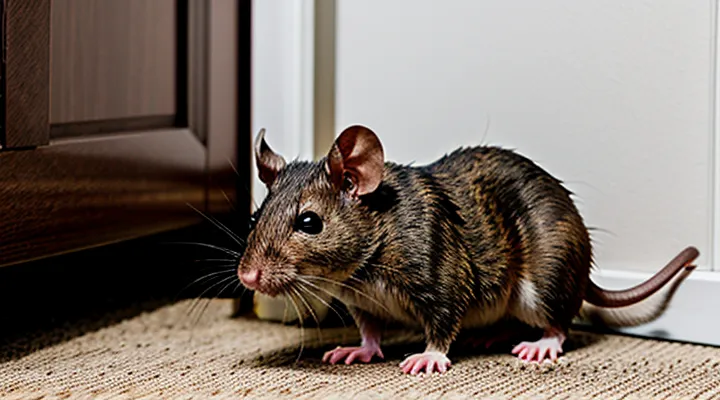
Understanding the Rodent Threat
Identifying Rodent Infestation
Signs of Mice
Mice leave distinct evidence of their presence that can be identified without specialized equipment. Droppings appear as small, dark, rice‑shaped pellets, typically found along walls, behind appliances, and in pantry corners. Fresh droppings are glossy, while older ones become dry and crumbly.
Gnaw marks provide another reliable indicator. Teeth continuously grow, so mice chew on wood, plastic, wiring, and food packaging, leaving shallow, paired incisions with a clean, bright interior. Examine baseboards, cabinets, and electronic cords for such damage.
Nests reveal activity levels. Mice construct nests from shredded paper, fabric, insulation, or dried plant material, often hidden in concealed spaces such as wall voids, attics, or under sinks. A compact, irregular pile of soft material signals a recent habitation.
Tracks become visible when a fine dusting of powder, flour, or talc is applied to suspected routes. Mice leave a series of four‑toed footprints, usually crossing the same path repeatedly.
Audible signs include scratching or scurrying noises, especially at night when rodents are most active. Listen for these sounds in ceilings, walls, and crawl spaces.
A sudden increase in unexplained food waste or missing pantry items may also point to mouse activity. Inspect packages for small holes or chewed edges.
Collecting and evaluating these signs promptly enables targeted intervention and prevents infestation from escalating.
Signs of Rats
Rats reveal their presence through distinct physical evidence and behavioral cues. Recognizing these indicators enables timely intervention and prevents extensive damage.
- Dark, pellet‑shaped droppings, ½ to ¾ inch long, often found near food sources, along walls, or in hidden corners.
- Gnawed wood, plastic, or wiring, leaving irregular, rough holes with sharp teeth marks.
- Fresh mud or sand tracks forming parallel lines with a visible tail drag, typically near entry points or along walls.
- Scratching or scurrying sounds in ceiling voids, attics, or crawl spaces, especially at night.
- Nests constructed from shredded paper, fabric, insulation, or dried vegetation, usually tucked in concealed areas such as wall cavities, under appliances, or in storage boxes.
- Strong, musky odor emanating from urine or glandular secretions, detectable in enclosed spaces.
- Occasional sightings of live rats or carcasses, often near food storage or waste containers.
Early detection of these signs is critical for effective control measures. Prompt identification allows targeted placement of traps, bait stations, and exclusion techniques, reducing the risk of structural damage, electrical hazards, and disease transmission.
Common Entry Points
Rodents gain access to homes through small openings that often go unnoticed. Identifying and sealing these gaps prevents infestations and reduces the need for chemical controls.
- Gaps around exterior doors, especially under door sweeps
- Cracks in foundation walls and basement floors
- Unsealed holes where utilities (pipes, cables, vents) enter the structure
- Openings around windows, including broken screens and loose frames
- Gaps around roof vents, soffit vents, and eave openings
- Spaces around garage doors and detached shed doors
- Holes in siding, weather‑stripping, and fascia boards
- Openings in crawl‑space access doors and floor joist openings
- Unfinished or damaged attic vents and chimney flashing
- Gaps around chimney, stove pipe, and dryer exhaust flues
Inspect each potential entry point regularly. Use steel wool, copper mesh, or caulk to fill cracks no larger than ¼ inch. Install door sweeps and weather‑stripping on all exterior doors. Fit tight‑fitting screens on vents and replace damaged ones. Seal utility penetrations with expanding foam or metal flashing. Maintain a clear perimeter free of debris that could conceal gaps. Consistent sealing eliminates the primary pathway rodents use to invade residential spaces.
Risks of Rodent Presence
Health Hazards
Mice and rats introduce a range of health threats that compromise indoor safety. Their droppings, urine, and saliva contaminate surfaces, creating vectors for pathogens. Direct contact or inhalation of aerosolized particles can transmit serious illnesses.
- Hantavirus pulmonary syndrome – respiratory failure following exposure to rodent excreta.
- Leptospirosis – kidney damage caused by bacteria in urine.
- Salmonellosis – gastrointestinal infection from contaminated food.
- Lymphocytic choriomeningitis – neurological symptoms after contact with infected rodents.
- Rat‑bite fever – bacterial infection from bites or scratches.
Rodent activity contaminates stored food, leading to spoilage and food‑borne disease. Shed skin and hair trigger allergic reactions, while the accumulation of droppings fuels mold growth, exacerbating respiratory conditions such as asthma.
Structural damage caused by gnawing compromises electrical wiring, increasing fire risk, and creates entry points for additional pests. Insulation compromised by nesting material reduces thermal efficiency, indirectly affecting occupant health through temperature extremes.
Prompt identification and eradication of rodent infestations reduce exposure to these hazards, protect public health, and preserve the integrity of the home environment.
Property Damage
Rodents inflict extensive damage on residential structures, compromising safety and increasing repair expenses.
- Chewed wooden framing weakens load‑bearing elements.
- Insulation shredded by gnawing loses thermal efficiency.
- Electrical wiring stripped of insulation creates fire hazards.
Urine and feces contaminate surfaces, fostering bacterial growth and attracting mold, which further degrades building materials and poses health risks.
Repair costs often exceed the price of preventive measures; damaged wiring, compromised structural components, and contaminated insulation require professional remediation and may trigger higher insurance premiums.
Effective control relies on early detection, sealing of all potential entry points, removal of food sources, and targeted extermination. Prompt action limits structural impairment, preserves material integrity, and reduces long‑term financial loss.
Prevention Strategies
Sealing Entry Points
Exterior Inspection
Exterior inspection forms the first defensive layer against rodent intrusion. By identifying and correcting vulnerabilities before they become entry points, homeowners reduce the likelihood of infestations and limit reliance on interior control measures.
Key actions during a systematic exterior assessment include:
- Walking the perimeter to locate gaps larger than ¼ inch in foundation walls, crawl spaces, and utility openings.
- Examining roof eaves, soffits, and vents for missing flashing, damaged screens, or loose siding.
- Inspecting exterior doors and windows for worn weatherstripping, cracked frames, or gaps around hinges.
- Checking drainage around the foundation; ensure soil slopes away from the house and that gutters direct water clear of the base.
- Removing vegetation, debris, and stored items that provide shelter or direct access to the structure.
- Verifying that all utility penetrations—plumbing, electrical, and HVAC—are sealed with steel wool, metal mesh, or appropriate caulking.
After documentation, seal identified openings with durable materials such as metal flashing, cement-based mortar, or heavy-duty caulk. Replace damaged screens, repair cracked foundations, and install door sweeps where necessary. Regularly repeat the exterior sweep, especially after severe weather, to maintain a barrier that discourages mice and rats from approaching the home.
Interior Sealing
Sealing interior gaps eliminates entry points that rodents exploit. Inspect walls, floors, and ceilings for holes created by wiring, plumbing, or ventilation. Use a flashlight to detect openings as small as a quarter‑inch; rodents can squeeze through gaps of this size.
Apply appropriate sealants based on material type. Expandable polyurethane foam works well for irregular gaps around pipes and ducts. For gaps between baseboards and walls, install steel wool or copper mesh, then cover with caulk to prevent chewing. Replace damaged drywall or plaster with pest‑resistant board before applying sealant.
Prioritize high‑traffic areas such as kitchens, bathrooms, and utility rooms. Secure all food storage containers, and keep counters free of debris that could conceal entry points. After sealing, conduct a follow‑up inspection within two weeks to confirm that no new openings have formed.
Maintain the seal by checking for wear after moving furniture or installing new appliances. Reapply sealant promptly if cracks appear, ensuring a continuous barrier against rodent intrusion.
Maintaining a Clean Home
Food Storage Best Practices
Proper food storage is a critical component of rodent control. Food left exposed provides a reliable food source, encouraging mice and rats to remain in the house and reproduce. Eliminating accessible nourishment reduces the attractiveness of the environment and forces pests to seek shelter elsewhere.
Store all dry goods—cereals, grains, nuts, pet food, and spices—in containers made of metal, thick plastic, or glass with airtight seals. Ensure lids close securely and inspect them regularly for cracks or wear. Keep containers on shelves rather than on the floor, where rodents can more easily gnaw through packaging.
Maintain a strict cleaning routine. Wipe countertops, tables, and appliance surfaces after each use to remove crumbs and spills. Sweep floors daily, focusing on corners and under appliances. Use a vacuum equipped with a HEPA filter to capture droppings and urine residues that attract pests.
Implement the following practices:
- Place all food in sealed containers immediately after purchase.
- Label containers with purchase dates; rotate stock to use older items first.
- Store bulk items in smaller, portion-sized containers to limit exposure.
- Keep pantry doors closed; install self‑closing hinges if necessary.
- Dispose of expired or spoiled food promptly in a sealed trash bag.
- Clean pet feeding areas daily; use ceramic or metal bowls that cannot be chewed.
By adhering to these measures, the household eliminates the primary food incentive that sustains rodent populations, supporting broader pest‑management efforts.
Waste Management
Effective waste management reduces food sources that attract rodents and limits shelter opportunities within the home. Secure containers, regular disposal, and proper segregation prevent mice and rats from locating and exploiting refuse.
- Store garbage in lidded bins made of metal or thick plastic; ensure lids close tightly.
- Transfer waste to outdoor dumpsters or curbside collection at least once daily; avoid overnight accumulation.
- Separate organic waste from non‑organic material; compost bins should be sealed and positioned away from the house.
- Clean spills immediately; wipe countertops, floors, and pet feeding areas after each use.
- Inspect and replace damaged bin seals or cracked containers; damaged equipment creates entry points for pests.
Maintain a routine inspection schedule. Check for pest activity near trash storage areas, repair cracks in walls or foundations, and keep the perimeter clear of debris that could serve as nesting material. Implementing these practices eliminates a primary attractant, supporting broader rodent‑control efforts throughout the residence.
Landscaping and Exterior Control
Yard Maintenance
A well‑kept yard reduces the likelihood that mice and rats will enter a residence. Removing food sources, shelter, and access points creates an environment that is inhospitable to rodents.
Trim vegetation regularly so that grass and shrubs do not touch the house foundation. Overgrown plants provide cover and pathways for pests.
Maintain compost piles and garbage containers:
- Keep compost bins sealed with tight‑fitting lids.
- Store garbage in metal bins with secure lids; empty them frequently.
- Discard fruit, vegetable scraps, and pet food promptly.
Clear debris, such as piles of leaves, wood, or building materials, that could serve as nesting sites. Store firewood at least two feet off the ground and away from the home’s exterior walls.
Inspect the perimeter for gaps, cracks, or holes in siding, foundation, and drainage systems. Seal openings with steel wool, caulk, or concrete repair mortar to prevent rodents from burrowing.
Manage irrigation to avoid standing water and overly moist soil, which attract insects that serve as rodent food. Adjust sprinklers to direct water away from the house and install drainage where necessary.
By implementing these yard‑maintenance practices, homeowners create a physical barrier that discourages rodents from approaching the structure, thereby supporting broader pest‑control efforts inside the dwelling.
Deterrents
Effective deterrents prevent rodents from entering or remaining in living spaces by exploiting sensory aversions, territorial instincts, or physical barriers. Choose solutions that match the infestation level, property layout, and household occupants, including children and pets.
Common categories of deterrents:
- Ultrasonic devices – emit high‑frequency sound unreachable to humans but uncomfortable for mice and rats; position units near entry points and hideouts, replace batteries annually.
- Chemical repellents – contain peppermint oil, ammonia, or predator urine; apply to cracks, baseboards, and outdoor perimeters; reapply after cleaning or rain.
- Physical barriers – steel wool, copper mesh, or cement sealants fill gaps around pipes, vents, and doors; install permanently to block gnawing.
- Trap‑based deterrents – motion‑activated alarms or snap traps create an immediate threat; place along walls where rodent traffic is observed.
- Environmental modifications – eliminate food sources, store pantry items in airtight containers, and maintain low humidity; reduce attractants that draw rodents indoors.
Implementation guidelines:
- Conduct a thorough inspection to locate entry points and active pathways.
- Prioritize permanent barriers; install before deploying temporary devices.
- Rotate chemical repellents every two weeks to prevent habituation.
- Monitor ultrasonic units for consistent operation; replace faulty units promptly.
- Record placement locations and effectiveness; adjust strategy based on observed activity.
Safety considerations:
- Verify that ultrasonic emitters comply with local regulations and do not interfere with medical equipment.
- Use only pet‑safe formulations of chemical repellents; avoid toxic substances near food preparation areas.
- Wear gloves when handling steel wool or sealants to prevent skin irritation.
Combining multiple deterrent types enhances overall efficacy, creating an environment hostile to mice and rats while preserving household safety.
Eradication Methods
Trapping
Snap Traps
Snap traps provide rapid, lethal control of rodents with minimal exposure to chemicals. The mechanism consists of a spring‑loaded bar that releases with a trigger, delivering a precise, high‑velocity strike to the animal’s neck. Construction typically involves a sturdy wooden or plastic base, a metal spring, and a trigger plate that can be adjusted for sensitivity.
Effective deployment requires strategic placement. Position traps along walls, behind appliances, and in concealed pathways where gnaw marks or droppings indicate activity. Align the trigger plate perpendicular to the wall, with the bait side facing the entry route. This orientation maximizes the likelihood of contact as the rodent follows the wall edge.
Bait selection influences capture rates. Preferred attractants include:
- Peanut butter
- Sunflower seed
- Small pieces of dried fruit
- Commercial rodent gel
Apply a pea‑sized amount to the trigger platform; excess bait may encourage avoidance.
Safety considerations include wearing thick gloves during handling, securing traps out of reach of children and pets, and disposing of deceased rodents in sealed containers before discarding in accordance with local regulations. Regular inspection—at least once daily—allows prompt removal of captured rodents and resetting of the device, maintaining continuous pressure on the infestation.
Advantages of snap traps comprise instant kill, no residual toxins, and low cost. Limitations involve the need for proper placement and the potential for humane concerns among some users. When integrated with exclusion measures and sanitation, snap traps form a reliable component of a comprehensive rodent management program.
Live Traps
Live traps provide a humane alternative to lethal methods, allowing capture and release of rodents without killing them. These devices consist of a cage or box with a trigger mechanism that closes a door when the animal enters to reach bait. Proper use maximizes capture rates and minimizes stress for both the pest and household occupants.
Key characteristics of effective live traps include sturdy construction, smooth interior surfaces, and a sensitive trigger that activates with minimal weight. Common models are:
- Multi‑catch cages: hold several rodents before release, suitable for high‑infestation areas.
- Single‑catch snap‑free cages: lock one animal at a time, ideal for targeted placement.
- Folding traps: compact for storage and easy transport, useful in tight spaces.
Successful deployment follows a systematic process:
- Identify active runways and nesting sites by observing droppings, gnaw marks, and fresh pathways.
- Position traps perpendicular to walls, with the opening facing the wall, as rodents prefer to travel along edges.
- Use attractive bait such as peanut butter, sunflower seeds, or small pieces of fruit; apply a thin layer to the trigger plate to ensure contact.
- Secure traps on stable surfaces; avoid locations where pets or children can interfere.
- Check traps at least twice daily; prolonged confinement increases injury risk and reduces bait effectiveness.
- Release captured rodents at least 100 meters from the residence, preferably in a wooded area where they cannot re‑enter the home.
Maintenance considerations include cleaning traps with hot, soapy water after each use to remove scent trails that may deter subsequent captures. Replace worn springs or latch mechanisms promptly to preserve sensitivity.
Advantages of live trapping:
- Compliance with humane pest‑control regulations.
- Ability to monitor infestation size by counting captures.
- Reduced risk of secondary poisoning compared to chemical rodenticides.
Limitations:
- Requires regular monitoring and prompt release, increasing labor.
- Captured rodents may suffer injury or stress if not handled correctly.
- Ineffective for large populations without supplemental control measures.
Integrating live traps with exclusion techniques—sealing entry points, removing food sources, and maintaining dry, clutter‑free environments—creates a comprehensive management strategy that reduces rodent activity while adhering to ethical standards.
Electronic Traps
Electronic traps deliver a high‑voltage shock that instantly kills rodents upon contact. The device consists of a sensor plate that detects the animal’s weight, a trigger circuit, and a sealed enclosure that prevents escape. Power sources include rechargeable batteries or plug‑in adapters, allowing continuous operation without frequent maintenance.
Effective deployment requires strategic placement. Position traps along walls, behind appliances, and near known activity zones, because mice and rats prefer traveling close to surfaces. Ensure the sensor plate is flush with the floor to avoid deterring entry. Keep the surrounding area free of clutter to maintain a clear path to the trap.
Advantages and limitations are summarized below:
-
Advantages
- Immediate lethal action eliminates the need for disposal of dead pests.
- Enclosed design reduces risk of secondary poisoning for children and pets.
- Reusable; one device can handle multiple captures over its lifespan.
- Quiet operation avoids disturbance compared with snap traps.
-
Limitations
- Higher initial cost than mechanical alternatives.
- Requires reliable power source; battery depletion halts functionality.
- May be less effective against very large rats that exceed sensor weight limits.
- Some models emit audible alerts that could be undesirable in quiet environments.
Maintenance involves regular inspection of the sensor plate for debris, replacement of batteries or charging of the unit, and safe disposal of captured carcasses. Follow manufacturer instructions for cleaning, typically with a damp cloth and mild detergent; avoid abrasive chemicals that could damage the circuitry.
Integrating electronic traps with complementary methods—such as sealing entry points, removing food sources, and employing monitoring stations—enhances overall control efficacy. A layered approach minimizes reinfestation risk and supports long‑term rodent management in residential settings.
Trap Placement and Baiting
Effective rodent control hinges on precise trap positioning and appropriate bait selection. Identify high‑traffic routes by inspecting walls, baseboards, and ceilings for gnaw marks, droppings, and nesting material. Place traps perpendicular to these pathways, with the trigger side facing the wall so rodents must run into the device. Position traps 1–2 feet from walls, where rodents habitually travel, and space multiple devices 5–10 feet apart in heavily infested zones.
Choose bait that matches the target species’ preferences. Preferred options include:
- Peanut butter or softened cheese for mice
- Fresh fruit, nuts, or meat scraps for rats
- Commercial rodent attractants formulated for high palatability
Apply a pea‑sized amount to the trigger mechanism; excess bait may allow rodents to feed without activating the trap. Rotate bait types weekly to prevent habituation.
Secure traps on stable surfaces to avoid accidental displacement. In kitchens, keep traps away from food preparation areas and store them in sealed containers when not in use. For concealed locations such as attics or crawl spaces, use snap or electronic traps with built‑in safety covers to protect non‑target animals.
Monitor traps daily. Record capture dates, locations, and species to assess infestation patterns and adjust placement density. Replace triggered traps promptly with fresh bait to maintain continuous pressure on the rodent population.
Baits and Poisons
Types of Rodenticides
Rodenticides provide chemical control for mouse and rat infestations when traps or preventive measures are insufficient. They are classified by active ingredient and mode of action, allowing selection based on species, infestation level, and household constraints.
- Anticoagulants (first‑generation): warfarin, chlorophacinone, diphacinone.
- Anticoagulants (second‑generation): brodifacoum, bromadiolone, difenacoum.
- Metal phosphides: zinc phosphide, aluminum phosphide.
- Bromethalin: neurotoxin affecting mitochondrial function.
- Cholecalciferol: vitamin D₃ derivative causing hypercalcemia.
First‑generation anticoagulants require multiple feedings; resistance is common in urban rodent populations. Second‑generation compounds act after a single ingestion and retain efficacy against resistant strains, but pose higher secondary‑poisoning risk. Metal phosphides release phosphine gas in the stomach, delivering rapid lethal action; they are unsuitable for indoor use due to toxic fumes. Bromethalin disrupts nerve transmission without affecting blood clotting, offering an alternative for anticoagulant‑resistant pests. Cholecalciferol induces fatal calcium overload, useful where non‑anticoagulant options are preferred.
Safety protocols demand secure placement of baits, exclusion of children and non‑target animals, and adherence to label instructions regarding dosage and disposal. Personal protective equipment should be worn when handling concentrated formulations. Monitoring bait consumption and confirming mortality reduce unnecessary exposure and environmental impact.
Choosing a rodenticide involves evaluating resistance patterns, indoor versus outdoor application, regulatory restrictions, and the presence of pets or wildlife. Combining chemical treatment with sanitation, exclusion, and mechanical control yields the most reliable reduction of rodent activity in residential settings.
Safety Precautions
When dealing with rodent control, protect health and property by following strict safety measures.
- Wear disposable gloves and a mask to prevent contact with droppings, urine, and allergens. Replace gloves after each use and wash hands thoroughly with soap and water.
- Choose traps that match the environment: snap traps should be placed away from high‑traffic areas, while live‑catch traps require secure cages to avoid accidental release.
- If using rodenticides, read the label, wear chemical‑resistant gloves, and keep the product in its original container. Store poisons out of reach of children and pets, preferably in a locked cabinet.
- Ensure adequate ventilation when applying powders or sprays. Open windows and use fans to disperse airborne particles.
- Seal all entry points before setting traps or applying chemicals. This reduces the need for repeated applications and limits exposure.
- Dispose of dead rodents and contaminated materials in sealed plastic bags. Place bags in an outdoor trash bin that is regularly emptied.
- Keep a first‑aid kit nearby. In case of skin irritation or accidental ingestion, follow the emergency instructions on the product label and seek medical attention immediately.
Adhering to these precautions minimizes health risks, protects non‑target organisms, and enhances the effectiveness of rodent‑removal efforts.
Placement Guidelines
Effective rodent control depends on strategic positioning of traps, bait stations, and exclusion devices. Placement should target high‑traffic zones, nesting sites, and entry points.
- Identify pathways: Look for fresh droppings, gnaw marks, and grease trails along walls, behind appliances, and under cabinets. Position devices directly in these corridors.
- Near food sources: Place baited traps within 12–18 inches of pantry shelves, garbage containers, and pet feeding areas, but keep them out of reach of children and pets.
- Entry points: Seal cracks, gaps, and holes before installing snap traps or electronic devices. Install snap traps or glue boards flush with the exterior of doors, windows, and utility openings.
- Concealed locations: Use live‑catch cages or bait stations inside wall voids, attics, and crawl spaces where rodents travel unseen.
- Outdoor perimeters: Set motion‑activated deterrents and snap traps along foundation walls, near foundations, and around exterior lighting that may attract rodents.
Maintain a spacing of 6–10 ft between devices in heavily infested areas to increase coverage. Rotate trap locations weekly to prevent habituation. Inspect each placement daily, remove captured rodents, and replenish bait promptly. Regularly reassess pathways after each removal to adjust positioning as activity shifts.
Professional Pest Control
When to Call an Exterminator
If rodent activity persists despite traps, bait stations, and sealing entry points, professional intervention is required. Call an exterminator when any of the following conditions are met:
- Evidence of multiple active nests, indicated by shredded material, droppings, or gnaw marks in several locations.
- Damage to structural components, wiring, or insulation that poses safety risks.
- Repeated sightings of live mice or rats after a week of DIY control measures.
- Inability to identify or access all potential entry points, especially in concealed wall cavities or crawl spaces.
- Presence of disease‑carrying rodents in areas where food preparation or storage occurs.
A licensed pest‑control specialist can conduct a thorough inspection, apply targeted treatments, and provide a monitoring plan to prevent reinfestation. Delaying professional help often leads to increased property damage, higher health hazards, and more extensive eradication efforts.
What to Expect from Professionals
When you engage a licensed pest‑control service for rodent removal, the process follows a defined sequence that ensures safety, effectiveness, and compliance with regulations.
The technician will first conduct a thorough inspection. This includes identifying entry points, assessing infestation levels, and locating nesting sites. Evidence such as droppings, gnaw marks, and grease trails guides the evaluation.
Based on the inspection, a customized treatment plan is presented. The plan outlines:
- Recommended exclusion measures (e.g., sealing gaps, installing door sweeps)
- Selected control methods (baits, traps, or integrated pest‑management techniques)
- Estimated timeline for each phase of work
- Safety precautions for occupants, pets, and food storage
Before any chemical or mechanical intervention, the professional explains the rationale for each choice, addressing potential concerns about toxicity and environmental impact. All products used must be approved by relevant authorities and applied according to label instructions.
During execution, the technician adheres to the schedule, monitors trap activity, and adjusts bait placement as needed. Documentation of actions taken, including photographs and service logs, is provided to the homeowner.
After the active treatment, a follow‑up visit confirms that rodent activity has ceased. The service includes:
- Verification of sealed entry points
- Removal or disposal of captured rodents and contaminated materials
- Recommendations for ongoing prevention (e.g., regular inspections, sanitation practices)
If the infestation persists, the provider outlines additional steps, which may involve more intensive measures or referral to a specialist. Transparent communication, written guarantees, and clear billing complete the professional engagement.
Post-Eradication Measures
Cleaning and Sanitization
Disposing of Rodent Carcasses
Proper removal of dead rodents is essential for preventing disease transmission, deterring scavengers, and eliminating odor that can attract surviving pests.
Before handling a carcass, wear disposable gloves, a mask, and a disposable gown. Place the dead animal in a sealable plastic bag, expel excess air, and twist the top to create a tight seal. Dispose of the sealed bag according to one of the following approved methods:
- Municipal waste: Check local regulations; many jurisdictions allow disposal in regular trash if the bag is double‑sealed and placed in a sturdy container.
- Burial: Dig a hole at least 12 inches deep, away from water sources and garden beds. Cover the bag with soil and compact the earth to prevent exposure.
- Incineration: Use a high‑temperature incinerator or a metal trash can with a lid placed on an outdoor fire pit. Ensure complete combustion; ashes must be scattered far from living areas.
After disposal, clean the work area with a disinfectant solution (e.g., 1 % bleach). Wash hands thoroughly with soap and water, even if gloves were worn. Replace any contaminated materials, such as floor mats or bedding, with fresh items.
Maintain a log of each disposal event, noting date, location, and method used. Regular documentation helps track pest activity patterns and supports compliance with health‑department guidelines.
Disinfecting Contaminated Areas
After rodents are removed, all surfaces they have contaminated must be treated to eliminate pathogens and reduce the risk of reinfestation.
Identify zones where droppings, urine, or nesting material are visible. Typical locations include kitchen counters, pantry shelves, behind appliances, baseboards, and any area where gnaw marks appear.
Equip yourself with disposable gloves, a particulate‑filter respirator, and safety goggles before beginning any cleaning operation.
Select a disinfectant proven effective against rodent‑borne bacteria and viruses. Options include an EPA‑registered quaternary ammonium compound or a bleach solution prepared at a ratio of one part regular household bleach to nine parts water. Verify the product label for required contact time.
Apply the disinfectant according to the following sequence:
- Remove loose debris and droppings with a damp paper towel; dispose of material in a sealed bag.
- Wash the surface with warm water and a mild detergent to eliminate organic matter that can inhibit the disinfectant.
- Saturate the cleaned area with the chosen disinfectant, ensuring complete coverage.
- Maintain the surface wet for the manufacturer‑specified contact period (typically 5–10 minutes).
- If the disinfectant is not a no‑rinse formulation, rinse with clean water and allow the surface to air‑dry.
Ventilate the treated space by opening windows or using exhaust fans to disperse fumes. Dispose of all cleaning cloths, paper towels, and protective gear in sealed containers before discarding.
Schedule periodic inspections of previously affected areas. Reapply the disinfection protocol if new signs of rodent activity emerge. This systematic approach secures the home environment against residual contamination and supports long‑term pest‑free conditions.
Preventing Re-infestation
Ongoing Vigilance
Consistent monitoring is the cornerstone of long‑term rodent control. After initial eradication measures, homeowners must maintain a schedule of inspections to detect early signs of activity before populations re‑establish.
- Examine walls, ceilings, and baseboards weekly for gnaw marks, droppings, or fresh burrows.
- Check kitchen appliances, pantry shelves, and food storage containers for crumbs or chew damage.
- Test all traps and bait stations at least once a week; replace expired bait and reposition devices where capture rates decline.
- Inspect exterior foundations, vents, and utility openings monthly; seal any gaps larger than ¼ inch with steel wool, caulk, or hardware cloth.
- Review landscaping around the house quarterly; trim vegetation that contacts the roof or walls, and keep compost piles covered.
Document findings in a simple log: date, location, evidence, and corrective action taken. This record creates a reference point for trend analysis and facilitates timely adjustments to preventive strategies.
Integrating these practices into routine household chores eliminates the need for large‑scale interventions. Vigilance transforms a reactive approach into a proactive defense, ensuring that any new intrusion is identified and resolved before it escalates.
Regular Inspections
Regular inspections provide the most reliable means of detecting rodent activity before infestations become unmanageable. Early detection allows targeted interventions, reduces reliance on extensive extermination measures, and limits structural damage.
Perform inspections at least once a month during the heating season and bi‑weekly when outdoor temperatures drop below 50 °F (10 °C). Increase frequency to weekly in properties with known history of rodent problems or during peak breeding periods in spring and fall.
Focus on the following locations:
- Entry points such as gaps around doors, windows, utility penetrations, and the foundation.
- Interior cavities, including wall voids, attic spaces, and under‑floor crawl spaces.
- Food storage areas, kitchen countertops, pantry shelves, and garbage receptacles.
- Plumbing fixtures, especially under sinks and behind appliances where moisture accumulates.
- Outdoor structures like sheds, garages, and the perimeter of the building where vegetation contacts the foundation.
Equip the inspection team with a flashlight, a flexible inspection mirror, a digital camera, and a measuring tape. Record each finding in a standardized log that notes the date, exact location, type of evidence (droppings, gnaw marks, tracks), and any corrective action taken. Consistent documentation creates a searchable history, enabling trend analysis and precise allocation of control resources.
After each inspection, seal identified entry points with steel wool, copper mesh, or approved sealants, and remove any food sources that may attract rodents. Re‑evaluate the effectiveness of these measures during the next scheduled check to ensure ongoing protection.