
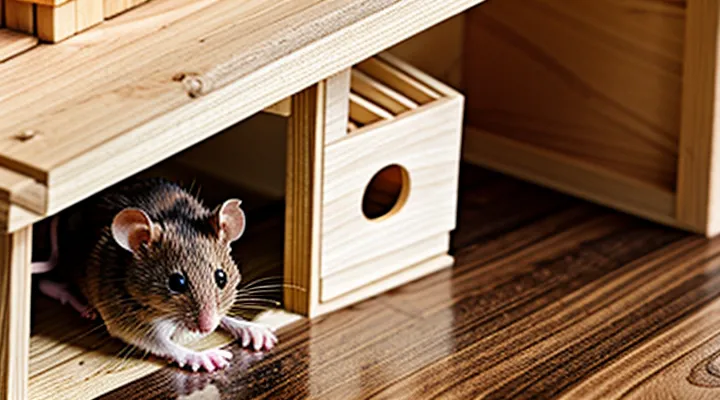
Understanding the Threat: Why Mice are a Problem in Wooden Houses
Vulnerabilities of Wooden Structures
Entry Points and Hiding Places
Mice gain access to wooden houses through the smallest breaches in the building envelope. Common openings include:
- Gaps around pipe, cable, and vent penetrations
- Cracks at the foundation or sill plates
- Unsealed spaces beneath doors and windows
- Openings in roof eaves, soffits, and fascia boards
- Unfinished attic access panels
- Holes in siding, clapboard, or weather‑stripping
These entry points often result from natural wood movement, settlement, or incomplete construction work. Sealing them with steel wool, caulk, or metal flashing eliminates the primary route mice use to infiltrate the structure.
Once inside, mice exploit concealed cavities that provide shelter and proximity to food sources. Typical hiding places are:
- Insulation within wall cavities and ceiling joists
- Gaps between floor joists and subflooring
- Attic lofts and roof trusses
- Crawl spaces beneath the house
- Behind stored items, such as firewood or boxes
- Beneath appliances that generate heat, like stoves or water heaters
Identifying these locations requires a systematic inspection of the building’s interior and exterior. Look for gnaw marks, droppings, and nesting material, especially near the listed entry points. Targeted sealing and removal of concealed spaces reduce the likelihood of re‑infestation and support long‑term rodent management in timber‑framed residences.
Material Damage and Health Risks
Mice infiltrating timber dwellings cause extensive material degradation. Their incisors continuously gnaw wood, compromising structural beams, joists, and floorboards. Repeated chewing creates holes that weaken load‑bearing elements and increase the risk of collapse. Insulation materials, especially fiberglass and cellulose, are shredded, reducing thermal efficiency and raising heating costs. Electrical wiring suffers from bite damage, exposing conductors and creating fire hazards. Stored foodstuffs become contaminated, leading to waste and additional pest attraction.
Health threats arise from direct contact and environmental contamination. Mice shed urine and feces that contain pathogens such as Hantavirus, Salmonella, and Leptospira. Inhalation of dried droppings or urine particles can trigger respiratory illnesses and allergic reactions. Contaminated surfaces spread bacteria to kitchen utensils and food preparation areas, increasing the likelihood of foodborne illness. Parasites, including mites and fleas, may hitch rides on rodents, extending the vector range to humans and pets. Persistent exposure to rodent allergens contributes to asthma exacerbations, particularly in vulnerable populations.
Key consequences of unchecked rodent activity:
- Structural weakening of load‑bearing timber components
- Diminished insulation performance and higher energy consumption
- Electrical system damage with elevated fire risk
- Food contamination leading to waste and disease transmission
- Airborne pathogen exposure causing respiratory and allergic conditions
Addressing these material and health impacts requires prompt detection, sealing of entry points, and implementation of validated control measures tailored to wooden construction.
Prevention: Proactive Measures to Keep Mice Away
Sealing Entry Points
Exterior Inspections and Repairs
Exterior inspections are the first line of defense against rodent intrusion in timber structures. A systematic walk‑around should identify gaps, cracks, and damaged siding that provide entry points. Focus on the foundation perimeter, roof eaves, window frames, and utility penetrations. Document each defect before proceeding with repairs.
Effective repairs eliminate access and discourage re‑infestation. Recommended actions include:
- Sealing gaps larger than ¼ inch with steel‑wool and expanding foam, then covering with metal flashing.
- Replacing rotted wood using pressure‑treated lumber or composite material resistant to gnawing.
- Installing tight‑fitting weatherstripping on doors and windows to block small openings.
- Applying durable caulk around vent pipes, chimney flues, and exterior electrical conduits.
- Adding metal mesh (¼‑inch hardware cloth) over ventilation openings and crawl‑space vents.
Regular maintenance reinforces these measures. Inspect the exterior after severe weather, after any construction work, and at least twice yearly. Promptly address new damage to preserve the integrity of the building envelope and sustain a rodent‑free environment.
Interior Inspections and Sealing
Thorough interior inspection is the first line of defense against rodent intrusion in timber homes. Inspectors must examine every cavity, joint, and opening where mice can gain access, focusing on areas where structural timber meets other building components.
A systematic inspection includes the following actions:
- Visually scan walls, floors, and ceilings for gnaw marks, droppings, and nesting material.
- Probe gaps around window frames, door thresholds, and vent covers with a thin steel rod or flashlight.
- Examine utility penetrations—plumbing, electrical, and HVAC ducts—for unsealed holes.
- Check attic and crawl‑space insulation for signs of activity and compromised barriers.
Sealing identified entry points requires durable, rodent‑resistant materials and proper application techniques. Recommended solutions are:
- Steel wool or copper mesh packed into small cracks, followed by caulking to prevent dislodgement.
- Expanding polyurethane foam for larger gaps, applied in thin layers to avoid excess expansion that can create new voids.
- Cement‑based mortar or epoxy sealant for structural joints and seams, ensuring full coverage and adhesion to wood surfaces.
- Self‑adhesive metal flashing around pipe and conduit entries, secured with stainless‑steel screws.
After sealing, verify effectiveness by re‑inspecting the treated areas after 48 hours. Document all sealed locations and schedule quarterly checks to detect new openings caused by wood movement or settlement. Continuous monitoring maintains the integrity of the building envelope and prevents re‑infestation.
Maintaining a Clean Environment
Food Storage and Disposal
Effective food management is a cornerstone of mouse control in timber structures. Secure storage eliminates accessible nutrient sources, forcing rodents to seek food elsewhere and reducing population pressure.
- Store dry goods in airtight containers made of metal or heavy‑wall plastic; containers must have a seal that cannot be chewed through.
- Keep pantry shelves clear of crumbs; wipe surfaces after each use with a damp cloth to remove residue.
- Position food items away from walls and corners; maintain a minimum clearance of 30 cm to prevent mice from bridging gaps.
- Rotate supplies regularly; discard items past their expiration date to avoid spoilage that attracts pests.
Disposal practices must prevent accidental provision of food. Follow these steps:
- Transfer waste to sealed bags or bins with tight‑fitting lids; avoid perforated or loosely tied bags.
- Remove garbage from the building daily; place outdoor containers at least 1 m from the house foundation.
- Clean the interior of waste bins with a mild detergent weekly; rinse thoroughly and dry before reuse.
- Compost only in enclosed, rodent‑proof systems; ensure compost piles are covered and turned regularly.
Implementing these storage and disposal protocols removes the primary incentives for mice to infiltrate wooden homes, supporting long‑term infestation prevention.
Decluttering and Organization
Reducing clutter inside wooden homes removes hiding places and pathways that mice exploit, directly limiting their ability to establish nests. Smooth, open spaces deny rodents shelter and force them to seek alternative entry points, which can then be sealed.
- Remove all unused items from attics, basements, and crawl spaces.
- Store remaining belongings in sealed, rodent‑proof containers.
- Dispose of cardboard, paper piles, and fabric scraps that provide nesting material.
- Keep firewood elevated on metal racks, at least six inches off the floor.
- Trim indoor plant pots and eliminate excess soil that attracts insects and, consequently, mice.
Organizing storage areas involves labeling containers, arranging items by frequency of use, and maintaining clear aisles. Shelving units should be anchored to walls to prevent movement that creates gaps. Heavy objects belong on lower shelves to avoid accidental toppling that could generate new voids.
A routine inspection schedule reinforces the decluttered environment. Monthly checks for gnaw marks, droppings, or displaced items enable prompt remediation. Immediate removal of any debris that accumulates after repairs or renovations prevents re‑establishment of rodent activity.
Natural Deterrents
Essential Oils and Plants
Essential oils and aromatic plants provide a natural, low‑toxicity option for reducing mouse activity in timber structures. Their strong volatiles interfere with rodents’ sensory receptors, creating an environment that mice avoid.
- Peppermint oil (Mentha piperita): apply 10 ml diluted in 250 ml water to cotton balls, place them in corners, wall voids, and near entry points; refresh weekly.
- Eucalyptus oil (Eucalyptus globulus): spray a 5 % solution on interior wood surfaces and in crawl spaces; reapply after rain or cleaning.
- Clove oil (Syzygium aromatum): soak a cloth in a 2 % mixture, tuck into gaps behind baseboards; replace every 5 days.
- Cedar shavings (Juniperus cedrus): line closets, storage chests, and attic joists; replace when scent fades, typically after 2 months.
- Lavender (Lavandula angustifolia): plant near exterior doors or hang dried bundles inside; maintain a dense planting to sustain aroma.
Effectiveness depends on consistent placement and periodic renewal of scent. Oils should be stored in dark glass containers to preserve potency. For occupied homes, ensure concentrations remain below irritation thresholds for humans and pets; a 1–2 % dilution is generally safe.
Combining aromatic deterrents with physical barriers—such as steel mesh, sealed gaps, and traps—enhances overall control. Monitoring mouse signs (droppings, gnaw marks) after implementation guides adjustment of oil locations and replenishment frequency. Regular maintenance of the wooden framework, including repair of cracks and removal of food sources, maximizes the repellent impact of essential oils and plants.
Pet Presence
Pets influence rodent management in timber residences. Cats and certain dog breeds naturally deter mice, reducing the need for chemical interventions. However, animals can also attract pests if their food is left unsecured, and some species may coexist with rodents without conflict.
- Cats provide active predation, lowering mouse activity in accessible areas.
- Dogs with strong scent drives can detect rodent presence, alerting owners to infestations.
- Pet food stored in airtight containers prevents attraction of mice.
- Litter boxes and cages must be kept clean to avoid providing shelter or food sources.
- Veterinary health checks ensure pets are not compromised by rodent-borne diseases.
Integrating pets into a comprehensive rodent‑control program requires coordinated actions. Secure all pet food and treat storage in sealed containers. Remove debris and nesting materials where both pets and mice could hide. Schedule regular inspections of crawl spaces and attics, noting any pet‑related signs of rodent activity. Combine natural predation with mechanical barriers such as steel‑mesh vents and snap traps placed out of reach of animals. Maintain a clean environment to maximize the protective effect of pets while minimizing unintended attractions.
Eradication: Effective Methods for Removing Mice
Trapping Strategies
Snap Traps: Placement and Baiting
Snap traps remain a reliable tool for eliminating mice that infiltrate timber structures. Their quick‑acting mechanism reduces the chance of injury to non‑target animals and limits disease spread.
Effective placement maximizes contact with rodent pathways. Position traps:
- Along walls where mice travel, with the trigger end facing the wall.
- At points where droppings, gnaw marks, or nesting material are observed.
- Near known food sources such as pantry shelves or garbage containers.
- In concealed areas like behind insulation, under floorboards, or within wall voids, ensuring the trap is stable and not prone to tipping.
Bait selection influences capture rates. Preferred attractants include:
- Peanut butter, applied in a pea‑size amount to the trigger plate.
- Small pieces of dried fruit or nuts, offering a strong scent.
- Chocolate or bacon bits, providing a high‑fat incentive.
When setting the trap, press the spring mechanism fully, then release the trigger arm so it snaps back into a locked position. Ensure the trap sits flush against the wall to prevent mice from bypassing it. Check traps daily; remove captured rodents promptly and reset with fresh bait. Replace any malfunctioning traps to maintain consistent pressure on the mouse population.
Live Traps: Humane Removal
Live traps provide a humane solution for removing mice from timber structures while preventing damage to the building fabric. The devices capture rodents without lethal injury, allowing owners to relocate the animals away from the residence. Selection criteria include size appropriate for house mice, a secure latch mechanism, and a smooth interior that discourages escape.
Effective deployment follows a systematic approach:
- Identify high‑activity zones by inspecting for droppings, gnaw marks, and nesting material; focus on seams, wall voids, and near food sources.
- Position traps perpendicular to walls, with the entry side facing the wall to align with the mouse’s natural running line.
- Use a minimal amount of attractive bait, such as peanut butter or sunflower seeds, placed at the far end of the trap to ensure full entry.
- Check traps at least twice daily; remove captured mice promptly, wear gloves, and release them at least 2 km from the property to reduce re‑entry risk.
- Clean traps with mild detergent after each use to maintain functionality and prevent scent transfer.
Maintenance includes regular inspection of trap placement, replacement of worn latches, and reinforcement of entry points after removal. Sealing gaps, installing metal mesh screens, and maintaining a clutter‑free interior complement the live‑trap strategy, creating a comprehensive, humane mouse‑control program for wooden homes.
Electronic Traps
Electronic traps provide a reliable, non‑chemical option for managing rodent activity in timber dwellings. These devices operate by delivering a brief, high‑voltage pulse that instantly incapacitates a mouse upon contact with the conductive grid. The result is a humane, immediate kill without the mess associated with traditional snap traps.
Key benefits include:
- Rapid action – lethal shock occurs within milliseconds, minimizing suffering.
- Low maintenance – a single battery can power the unit for several months; the trap requires only occasional cleaning of the dead animal.
- Safety features – most models incorporate insulated housings and motion sensors that prevent accidental discharge when humans or pets approach.
- Target specificity – the sensor range can be adjusted to trigger only when a small animal of appropriate size contacts the grid, reducing the risk of unintended captures.
Effective deployment follows a clear protocol:
- Identify high‑traffic pathways such as gaps around baseboards, entry points near vents, and interior corners where mice travel.
- Place the trap perpendicular to the wall, with the conductive surface facing the expected route.
- Secure the unit to the floor or wall using the provided mounting hardware to prevent displacement.
- Test the sensor function before activation, then insert fresh batteries and enable the device.
- Inspect the trap weekly; remove carcasses, clean the interior with mild detergent, and replace the battery when the indicator signals low power.
When selecting a model, prioritize:
- Battery life – units rated for 6‑12 months reduce service interruptions.
- Sensor sensitivity – adjustable settings allow fine‑tuning for different mouse sizes.
- Durability – corrosion‑resistant housing ensures long‑term operation in humid wooden environments.
Integrating electronic traps with complementary measures—such as sealing entry points, removing food sources, and maintaining proper ventilation—creates a comprehensive strategy that limits reinfestation. By employing these devices correctly, homeowners can achieve consistent, evidence‑based control of mouse populations in wooden structures.
Baits and Rodenticides (Use with Caution)
Types of Baits
Effective rodent control in timber homes depends on selecting the appropriate bait. Different bait categories address various infestation levels, safety requirements, and environmental conditions.
-
Anticoagulant baits – contain compounds such as warfarin, brodifacoum, or difethialone. They cause internal hemorrhage after a single or multiple feedings, making them suitable for established colonies where rapid population decline is needed. Placement near concealed pathways reduces non‑target exposure.
-
Non‑anticoagulant baits – include bromethalin, chlorophacinone, and zinc phosphide. Bromethalin disrupts cellular energy production, leading to fatal neurological effects after a single dose. Zinc phosphide releases phosphine gas in the stomach, providing an alternative where anticoagulant resistance is documented.
-
Natural attractants – consist of peanut butter, dried fruit, or grain mixtures. They serve as short‑term lures for trap‑based systems and for bait stations in sensitive areas such as kitchens or children’s rooms, where chemical baits are undesirable.
-
Mechanical traps with attractants – employ pre‑bated snap or live‑capture devices. The bait is applied directly to the trigger mechanism, enhancing capture efficiency while allowing immediate removal of the rodent.
-
Biodegradable bait stations – feature compostable casings and environmentally friendly formulations. They minimize waste in historic or eco‑certified properties and reduce long‑term residue in wooden structures.
Choosing a bait aligns with infestation severity, resistance patterns, and safety protocols. Regular monitoring of bait consumption and periodic replacement ensure sustained effectiveness while limiting the risk of secondary poisoning.
Safe Application and Disposal
Effective rodent control in timber dwellings requires strict adherence to safety protocols during both application and disposal phases.
Before any treatment, isolate the work area, seal openings to prevent spread of contaminants, and equip personnel with gloves, respirators, and eye protection. Verify that all products carry current safety data sheets and that local regulations permit their use.
Application of control measures follows precise guidelines:
- Snap traps: position at wall junctions, set with spring tension calibrated to target size, inspect daily, and replace after each capture.
- Live‑catch traps: line with bedding, check every 12 hours, release captured mice at least 200 m from the structure, adhering to humane‑release standards.
- Rodenticides: apply only in tamper‑resistant bait stations, limit placement to concealed locations, avoid direct contact with wood surfaces, and record exact locations for future monitoring.
- Physical barriers: install metal mesh or concrete lintels at entry points, ensure seams overlap by at least 2 cm, and seal with non‑toxic caulking.
Disposal of used materials and residues must prevent secondary contamination:
- Traps: disinfect with a 10 % bleach solution, then place in sealed, puncture‑proof containers for landfill disposal.
- Bait stations: remove all remaining bait, place in double‑bagged waste, and label as hazardous.
- Dead rodents: wrap individually in biodegradable material, store in a refrigerated unit, and arrange collection by licensed carcass disposal services.
- Residual chemicals: collect any leftover product in original containers, close tightly, and submit to an authorized hazardous‑waste facility.
Compliance with occupational safety standards and environmental regulations protects occupants, preserves wood integrity, and ensures long‑term effectiveness of control efforts. Continuous monitoring after treatment confirms that safety measures remain effective and that reinfestation risks are minimized.
Risks to Pets and Children
In timber homes, mouse control measures can create hazards for both household pets and young children. Toxic baits, snap traps, and glue boards present immediate dangers, while secondary exposure may occur long after initial contact.
- Ingestion of anticoagulant rodenticides leads to internal bleeding in dogs, cats, and toddlers.
- Contact with snap‑type traps can cause puncture wounds or amputations.
- Glue boards may cause skin irritation, fur loss, or accidental swallowing.
- Residual poison on contaminated food or surfaces can result in chronic health issues.
- Unsecured bait stations increase the risk of accidental exposure, especially for curious children.
Mitigation requires strict placement, supervision, and alternative tactics.
- Store all rodenticides in locked containers, out of reach of pets and children.
- Use tamper‑proof bait stations positioned behind appliances or in basements where access is limited.
- Prefer live‑capture traps or ultrasonic repellents that eliminate the need for chemicals.
- Seal cracks, gaps, and entry points to reduce reliance on lethal methods.
- Conduct regular inspections to remove any compromised traps or debris that could attract pets or kids.
Adopting these precautions preserves the effectiveness of rodent management while safeguarding vulnerable household members.
Professional Extermination
When to Call an Expert
Mice infestations in timber structures often begin with subtle signs, but certain conditions demand professional intervention. Delay can worsen damage to structural elements, increase health risks, and inflate remediation costs.
- Active gnaw marks on beams, joists, or support studs.
- Presence of fresh droppings in concealed areas such as wall cavities, attic insulation, or beneath floorboards.
- Detection of nests made from shredded wood, insulation, or fabric within structural voids.
- Audible scratching or scurrying sounds during nighttime, especially when multiple rodents are heard simultaneously.
- Evidence of chewing on electrical wiring, which poses fire hazards.
- Repeated failure of DIY traps or bait stations after several weeks of consistent use.
- Persistent odor of mouse urine despite thorough cleaning.
When any of these indicators appear, contact a licensed pest‑control specialist. Professionals can perform a comprehensive inspection, identify entry points hidden from homeowners, and apply targeted treatments that comply with safety regulations for residential wood construction. Prompt expert action reduces the likelihood of extensive structural compromise and safeguards occupants’ health.
Benefits of Professional Services
Wooden houses provide an environment where rodents can establish nests quickly. Professional pest‑control firms bring expertise that exceeds what most homeowners can achieve with DIY measures.
- Certified technicians conduct comprehensive inspections, identifying entry points, hidden activity, and structural vulnerabilities.
- Treatments are applied with products approved for indoor use, ensuring effectiveness while protecting occupants and pets.
- Integrated pest‑management plans combine sanitation, exclusion, and monitoring, creating barriers that prevent re‑infestation.
- Service contracts often include warranties, guaranteeing remediation if mice reappear within a defined period.
The financial impact of untreated rodent activity includes damage to framing, insulation, and wiring. Professional intervention reduces repair costs by eliminating the source before extensive harm occurs. Health risks associated with droppings and urine are also mitigated, as experts follow protocols for safe removal and decontamination.
Time and labor savings are significant. Trained crews complete inspections and treatments in hours rather than days, allowing residents to maintain normal activities. Compliance with local health and safety regulations is assured, avoiding potential penalties.
Engaging qualified specialists delivers reliable, lasting control of rodent problems in timber structures, minimizing damage, safeguarding health, and protecting the investment in the property.
Post-Eradication: Cleaning and Future Prevention
Sanitation and Disinfection
Removing Droppings and Nests
Removing mouse droppings and nests requires a systematic approach that eliminates health hazards and prevents re‑infestation. First, secure personal protection: wear disposable gloves, a N95 respirator, goggles, and a disposable coverall. This prevents exposure to pathogens such as hantavirus and salmonella.
Next, locate all contamination. Inspect walls, ceilings, insulation, crawl spaces, and any hidden cavities where mice have nested. Use a flashlight and a mirror to reach concealed areas.
Procedure
- Collect droppings – Moisten each pellet with a disinfectant solution (1 % bleach in water) for at least 10 seconds to reduce aerosolization. Scoop the softened material into a sealable biohazard bag using a disposable spatula or paper towel.
- Remove nests – Cut or pull apart nesting material (shredded paper, fabric, insulation) with gloved hands or tongs. Place the material directly into a second sealed bag.
- Dispose of waste – Seal both bags, label them as contaminated, and discard according to local hazardous‑waste regulations. Do not place in regular trash.
- Clean surfaces – Apply the bleach solution to all affected surfaces and let it sit for 10 minutes. Scrub with a stiff brush, then rinse with clean water. For non‑porous areas, an industrial disinfectant may be used instead of bleach.
- Dry and ventilate – Use fans or open windows to dry the treated zones within 24 hours, reducing moisture that attracts rodents.
After removal, inspect for structural damage. Replace compromised insulation, seal gaps larger than ¼ inch with steel wool and caulk, and install metal flashing around entry points. Regular monitoring with snap traps or electronic detectors helps verify that the environment remains free of mouse activity.
Deodorizing and Sanitizing Affected Areas
Deodorizing and sanitizing areas contaminated by rodents is essential for restoring habitability and preventing health hazards. First, remove all visible debris, nests, and droppings using disposable gloves and sealed bags. Dispose of waste in a sealed container to avoid spreading pathogens.
Next, ventilate the space. Open windows and doors, and operate fans for at least 30 minutes to disperse airborne odors and reduce moisture that supports bacterial growth.
Apply an enzymatic cleaner to surfaces with urine or fecal stains. Enzymes break down organic compounds, eliminating the source of odor and reducing the risk of disease transmission. Follow the manufacturer’s contact time before wiping or rinsing.
Disinfect the treated areas with a solution containing at least 1,000 ppm available chlorine or a comparable EPA‑approved disinfectant. Ensure thorough coverage of floors, walls, and any exposed wood. Allow the disinfectant to remain on the surface for the recommended dwell time, then rinse if required.
For persistent odors, use an activated‑charcoal or zeolite absorber placed in the affected room. Replace the absorber according to the product’s guidelines to maintain effectiveness.
Finally, inspect the treated zone for residual smell or stains. Repeat cleaning and deodorizing steps if necessary before sealing any entry points to prevent future infestations.
Long-Term Monitoring
Regular Inspections
Regular inspections form the backbone of any effective rodent‑control program in timber‑frame dwellings. By systematically surveying the interior and exterior of the structure, homeowners can detect early signs of mouse activity before populations become unmanageable.
A practical inspection schedule includes:
- Monthly interior checks: Examine ceilings, attics, crawl spaces, and storage areas for gnaw marks, droppings, and shredded materials. Pay special attention to seams where boards meet, as these are preferred travel routes.
- Quarterly exterior surveys: Inspect the building envelope for gaps larger than ¼ inch around eaves, vents, and utility penetrations. Verify that weather‑stripping and sealants remain intact.
- Seasonal deep reviews: Conduct a thorough walk‑through at the start of spring and autumn, when mice are most active. Use a flashlight and a magnifying glass to locate concealed entry points behind insulation, within wall cavities, and under floorboards.
During each visit, record findings in a log that notes location, type of evidence, and any remedial actions taken. This documentation enables trend analysis, helping to prioritize repairs and to assess the effectiveness of complementary control measures such as traps or bait stations.
Inspection tools should be simple yet reliable: a sturdy flashlight, a flexible inspection mirror, a calibrated ruler for measuring openings, and a high‑resolution camera for visual records. When an opening exceeds the acceptable size, seal it promptly with steel wool, copper mesh, or expanding foam rated for pest exclusion.
Integrating regular inspections with other proven tactics—such as habitat reduction, exclusion, and targeted trapping—creates a layered defense that minimizes the likelihood of infestations persisting in wooden houses. Consistency in monitoring and swift remediation are essential for maintaining a rodent‑free environment.
Reinforcing Prevention Methods
Effective mouse control in timber structures relies heavily on proactive barriers that eliminate access and reduce attractants. Start by inspecting the building envelope for gaps larger than ¼ inch; rodents can exploit openings around foundations, windows, vents, and utility penetrations. Apply steel wool or copper mesh followed by a durable sealant to block these pathways. Replace deteriorated wood or siding with pressure‑treated lumber or composite panels that resist gnawing.
Implement structural safeguards that deter nesting and foraging. Install metal flashing at roof eaves and under soffits to prevent mice from climbing along the underside of the house. Fit tight‑fitting door sweeps and weatherstripping on all exterior doors. Position heavy‑duty screens on ventilation grates, ensuring mesh openings are no larger than ¼ inch.
Maintain an environment that discourages infestation through regular upkeep:
- Trim vegetation and remove debris within a two‑meter radius of the building.
- Store firewood, grain, and pet food in sealed, rodent‑proof containers.
- Schedule quarterly inspections of caulking, insulation, and structural joints.
- Replace any compromised sealant immediately to preserve barrier integrity.
These reinforcement measures, when applied consistently, create a hostile setting for mice, limiting their ability to enter, establish colonies, and cause damage to wooden dwellings.