
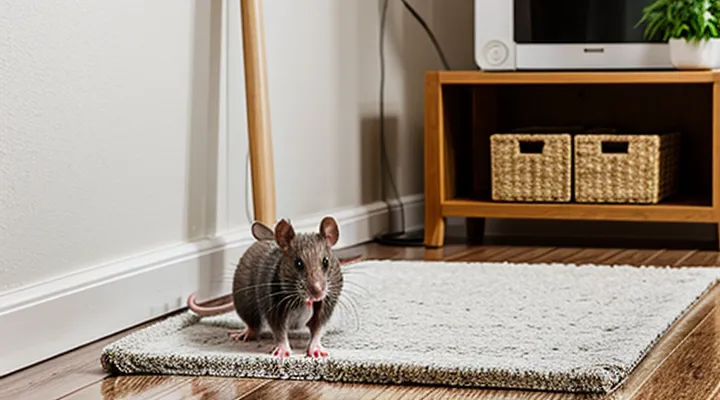
Understanding the Threat: Why Rodent Control is Crucial
Health Risks Posed by Rodents
Disease Transmission Pathways
Rats and mice serve as vectors for a variety of pathogens that can reach humans through distinct routes. Understanding these pathways is essential for effective rodent control and public‑health protection.
Direct contact with rodent saliva, urine, or feces introduces agents such as hantavirus, leptospira, and salmonella. Contamination occurs when individuals handle infested materials, touch surfaces, or inadvertently ingest residues.
Aerosolisation of dried droppings or urine particles allows respiratory exposure to hantavirus and other airborne microbes. Disturbing contaminated nesting material releases fine particles that remain suspended and can be inhaled.
Food and water supplies become contaminated when rodents gnaw containers, deposit waste, or urinate on consumables. Pathogens like E. coli and Salmonella proliferate in such environments, leading to gastrointestinal infections upon ingestion.
Parasite transmission follows indirect routes. Fleas, mites, and ticks that feed on rodents can later bite humans, carrying plague bacteria (Yersinia pestis) or rickettsial agents. Cockroaches and flies may also transport rodent‑derived pathogens to food sources.
Environmental persistence extends risk. Rodent droppings left in walls, attics, or storage areas can retain viable pathogens for weeks. Contact with contaminated dust during cleaning or renovation releases infectious material.
Mitigation requires:
- Sealing entry points to prevent rodent ingress.
- Eliminating food and water sources through proper storage and waste management.
- Regularly cleaning and disinfecting areas with visible droppings, using protective equipment.
- Using traps or licensed exterminators to reduce rodent populations promptly.
- Monitoring for signs of infestation and conducting routine inspections.
By addressing each transmission route, households can substantially lower the probability of disease spread from rats and mice.
Allergic Reactions and Asthma Triggers
Rodent droppings, urine, and dander contain proteins that act as potent allergens. When these residues become airborne during cleaning, they can provoke allergic reactions such as sneezing, watery eyes, and skin irritation. In susceptible individuals, inhalation of contaminated dust may also trigger asthma attacks, characterized by wheezing, shortness of breath, and chest tightness.
Exposure occurs primarily through three pathways: (1) dust generated while sweeping or vacuuming infested areas; (2) aerosolized particles released when disinfectants are applied to contaminated surfaces; (3) direct contact with droppings or urine during removal and disposal. Each pathway introduces allergenic material into the respiratory system or onto the skin, increasing the risk of sensitization and exacerbation of existing respiratory conditions.
Mitigating these risks requires a systematic approach that combines protective equipment, controlled ventilation, and thorough decontamination. The following actions are recommended:
- Wear a fitted N‑95 respirator or a half‑mask equipped with a P100 filter to block fine particles.
- Use disposable nitrile gloves and a disposable gown; discard them immediately after use.
- Seal all openings in the work area, then activate exhaust fans or use portable air‑cleaning units with HEPA filters to maintain negative pressure.
- Damp‑wipe surfaces with a detergent solution before vacuuming to prevent dust from becoming airborne.
- Employ a vacuum equipped with a HEPA filter; empty the canister into a sealed bag outside the home.
- Collect droppings and nesting material in sealed plastic bags; double‑bag and dispose of them according to local hazardous‑waste regulations.
- After removal, disinfect the area with a solution containing at least 0.5 % bleach, allowing a contact time of ten minutes before rinsing.
- Conduct a final inspection for residual debris; repeat cleaning if any visible contamination remains.
Adhering to these procedures limits allergen exposure, reduces the likelihood of asthma flare‑ups, and supports a healthier indoor environment after rodent eradication.
Damage Caused by Rodents
Structural Damage to Homes
Rodents can undermine a building’s integrity through chewing, nesting, and contaminating materials. Their incisors continuously grow, prompting gnawing on wood, insulation, electrical wiring, and plumbing. This activity creates holes that weaken load‑bearing elements, expose circuits to short‑circuit risk, and allow water infiltration that accelerates rot and corrosion.
Typical structural impacts include:
- Compromised joists and beams from bite marks that reduce load capacity.
- Damaged drywall and plaster where rodents create entry points, leading to loss of fire‑resistance rating.
- Exposed or severed electrical cables, increasing fire hazard and causing system failures.
- Corroded pipes resulting from urine and droppings, which can cause leaks and weaken support structures.
Preventive actions focus on eliminating access and removing existing infestations:
- Seal all exterior gaps larger than ¼ inch with steel wool, cement, or metal flashing.
- Install hardware cloth around vents, utility openings, and foundation cracks.
- Conduct regular inspections of attic, crawl spaces, and basement for gnaw marks or droppings.
- Use bait stations or traps strategically, following integrated pest‑management principles to reduce population without damaging structures.
- Replace compromised wiring and insulation promptly, employing certified electricians and contractors.
Timely identification and remediation of rodent‑induced damage preserve the building’s strength, safety, and longevity.
Contamination of Food and Surfaces
Rodents introduce pathogens, urine, and feces directly onto stored food and kitchen surfaces, creating a direct route for bacterial, viral, and parasitic infections. Their gnawing behavior damages packaging, allowing contaminants to infiltrate sealed products and spread across countertops, cutting boards, and appliances.
- Seal all food in airtight containers made of glass, metal, or heavy‑duty plastic.
- Store dry goods on elevated shelves, away from walls and baseboards.
- Maintain a strict cleaning schedule: wipe down surfaces with a disinfectant solution after each food preparation session.
- Remove crumbs and spills immediately; use a vacuum equipped with a HEPA filter to capture droppings and hair.
- Install metal or concrete barriers around openings where rodents may enter, and repair any gaps in walls, floors, or door frames.
When contamination occurs, isolate affected items, discard any food that shows signs of damage or exposure, and dispose of it in sealed bags. Clean surfaces with a detergent, then apply an EPA‑registered rodent‑specific disinfectant, allowing the recommended contact time before rinsing. After treatment, air‑dry the area, then inspect for residual droppings or chew marks before resuming food preparation. Regular monitoring and immediate response to signs of rodent activity prevent recurrence and protect household health.
Identifying a Rodent Infestation
Common Signs of Rodent Presence
Droppings and Urine Trails
Rodent droppings and urine trails indicate active infestation and pose significant health hazards. Fresh droppings appear glossy, dark, and may contain a small piece of the animal’s tail or foot. Older deposits become dry, powdery, and may crumble easily. Urine trails are invisible but leave a faint, oily residue that can be detected by a strong, ammonia-like odor.
Health risks stem from pathogens such as Hantavirus, Salmonella, and Leptospira, which survive in droppings for weeks and can become airborne when disturbed. Direct contact or inhalation of contaminated dust may cause severe respiratory or gastrointestinal illness.
Effective removal requires a systematic approach:
- Wear disposable gloves, N‑95 respirator, and protective eyewear.
- Seal the work area with plastic sheeting to prevent dust migration.
- Apply a disinfectant containing at least 10 % bleach (1 part bleach to 9 parts water) to all visible droppings and suspected urine spots. Allow a minimum of 10 minutes contact time.
- Use a damp paper towel or disposable mop to lift material; avoid dry sweeping or vacuuming, which aerosolizes particles.
- Place all contaminated materials in a sealed plastic bag, double‑bag, and discard according to local hazardous‑waste guidelines.
- After removal, re‑apply the bleach solution to the cleaned surface and let it dry completely before restoring normal use.
Preventive measures include eliminating food sources, sealing entry points, and maintaining low humidity to discourage rodent activity. Regular inspection of hidden areas—attics, basements, and crawl spaces—helps detect new droppings early, allowing prompt remediation before infestations expand.
Gnaw Marks and Damage
Rats and mice leave distinctive gnaw marks that reveal the extent of structural compromise. Teeth continuously grow, so rodents cut through materials to shape a manageable bite size. Identifying these marks early prevents escalation.
Typical gnaw damage includes:
- Rounded or V‑shaped incisions on wood, plastic, and insulation.
- Parallel grooves on electrical wiring, increasing fire risk.
- Holes at the edges of cabinets, walls, and baseboards, providing entry points.
- Chewed seals on doors and windows, undermining barriers.
Consequences extend beyond cosmetic defects. Compromised insulation reduces energy efficiency; damaged wiring can cause short circuits; breached seals allow further infestation. Each sign signals an active population that requires immediate intervention.
Control measures focus on eliminating access and repairing damage:
- Inspect all interior and exterior surfaces for fresh gnaw marks; prioritize high‑traffic areas.
- Seal openings larger than ¼ inch with steel wool, copper mesh, or cement; reinforce existing gaps.
- Replace damaged wiring and insulation promptly, adhering to safety codes.
- Apply rodent‑resistant materials—hard‑plastic or metal—where gnawing is recurrent.
- Deploy traps or bait stations strategically near identified bite sites, monitoring for activity.
Documenting gnaw patterns assists in mapping movement routes, guiding targeted remediation and reducing future losses. Regular surveys and prompt repairs maintain the integrity of the dwelling and diminish health hazards associated with rodent presence.
Rodent Nests and Burrows
Rodent nests and burrows are the primary sites where rats and mice reproduce, store food, and rest. Recognizing these structures is essential for effective pest control.
Nests are typically built from shredded paper, fabric, insulation, or dried plant material. They are found in concealed locations such as attics, wall cavities, under floorboards, and inside storage boxes. Signs of a nest include dense piles of debris, droppings nearby, and a distinct musky odor.
Burrows consist of tunnels excavated in soil, mulch, or insulation. They often enter a building through gaps around foundations, utility penetrations, or damaged vents. Indicators of burrowing activity are small mounds of soil or shredded material at entry points, gnaw marks on wood or plastic, and visible tracks in dusty areas.
To eliminate nests and burrows:
- Inspect all potential hiding places weekly, focusing on hidden corners and structural voids.
- Seal openings larger than ½ inch with steel wool, metal flashing, or cement.
- Remove debris, excess clutter, and stored food that can serve as building material.
- Install snap traps or bait stations directly beside identified nests or burrow entrances.
- Apply a targeted rodenticide or professional fumigation in sealed rooms where nests are confirmed.
Prevention measures:
- Maintain a clear perimeter around the building; keep vegetation trimmed at least 3 feet from walls.
- Store firewood and other combustible materials off the ground and away from the structure.
- Use weather‑stripping on doors and windows to eliminate entry routes.
- Conduct quarterly assessments of foundation cracks and repair them promptly.
By systematically locating, destroying, and blocking access to rodent nests and burrows, homeowners can achieve lasting removal of rats and mice from the residence.
Locating Entry Points
Cracks and Gaps in Foundations
Cracks and gaps in a building’s foundation provide direct pathways for rats and mice to enter interior spaces. These openings often appear around utility penetrations, perimeter walls, and where concrete meets soil. Even small fissures, less than a quarter of an inch wide, can accommodate adult rodents and allow them to exploit structural voids for nesting and travel.
Inspection should begin with a systematic visual survey of the exterior foundation. Look for:
- Visible splits in concrete or masonry
- Openings around pipe sleeves, vent pipes, and sewer connections
- Gaps between the slab and foundation walls
- Deteriorated sealant or weatherstripping at crawl‑space access points
After identification, seal each opening using materials appropriate for the substrate and expected movement:
- Clean the area of debris, dust, and loose material.
- Apply a flexible, rodent‑resistant sealant (e.g., polyurethane or silicone‑based) to fill surface cracks.
- For larger gaps, insert steel wool or copper mesh, then cover with expanding foam designed for pest control.
- Install cement‑based patching compound or hydraulic cement for structural cracks, ensuring the product can expand as it cures.
- Re‑apply a weather‑proof coating or waterproof membrane to protect the repaired sections from moisture intrusion.
Regular maintenance includes re‑examining the foundation after heavy rain, freeze‑thaw cycles, or any construction activity that may disturb the integrity of the repair. Promptly addressing new fissures prevents re‑infestation and supports the overall effectiveness of rodent‑exclusion measures.
Utility Pipe Openings
Utility pipe openings provide direct pathways for rodents seeking shelter, food, and water inside a residence. Seal these penetrations promptly to eliminate entry points that bypass other preventive measures.
Effective sealing methods include:
- Installing stainless‑steel mesh (minimum ¼‑inch aperture) over openings before applying sealant.
- Applying expanding polyurethane foam to fill gaps around pipe sleeves, then trimming excess once cured.
- Wrapping pipe sections with metal flashing and securing with corrosion‑resistant screws, ensuring overlap of at least 2 inches.
- Using cement‑based mortar for larger ducts, smoothing the surface to prevent future cracks.
Regular inspection is essential. Examine all exterior and interior pipe junctions quarterly, especially after severe weather, and repair any deterioration immediately. Maintaining a continuous barrier around utility pipes significantly reduces the likelihood of rat and mouse infestation.
Damaged Screens and Vents
Damaged window screens and ventilation openings provide direct pathways for rodents to enter living spaces. Cracks, tears, or missing mesh allow rats and mice to exploit airflow routes, increasing the likelihood of infestation and associated health risks.
To secure compromised barriers, follow these steps:
- Inspect all screens, louvers, and vent covers for visible damage; record locations that require repair.
- Replace torn mesh with stainless‑steel material of 1 mm or smaller gauge to prevent gnawing.
- Seal gaps around frames using rodent‑proof caulk or expanding foam, ensuring a continuous barrier.
- Install hinged or removable vent covers equipped with tight‑fitting latches; verify they close fully after cleaning.
- Apply metal flashing or wire mesh over larger openings such as attic vents, securing edges with screws and sealant.
Regular maintenance—checking for new damage after storms, renovations, or pest activity—prevents re‑entry. Prompt repair of screens and vents eliminates one of the most common access points, strengthening overall rodent control measures.
Prevention: Keeping Rodents Out
Sealing Entry Points
Using Appropriate Materials for Sealing
Effective rodent control begins with sealing every potential entry point. Gaps larger than a quarter‑inch allow rats and mice to infiltrate a residence, making material selection critical for long‑term exclusion.
- Steel wool (grade 0000) – compressible, fits irregular holes, resists gnawing.
- Copper mesh – durable, maintains shape in larger openings, corrosion‑resistant.
- Expanding polyurethane foam – fills voids up to two inches, adheres to wood, concrete, and metal.
- Cement‑based mortar – seals cracks in foundations and walls, creates a hard barrier.
- Silicone or acrylic caulk – finishes joints around doors, windows, and pipe penetrations, remains flexible.
Apply materials according to these steps:
- Identify all openings using a flashlight and a thin rod; inspect exterior walls, roof eaves, utility penetrations, and crawl‑space vents.
- Clean surfaces of dust, grease, and loose debris; wet the area lightly if using foam to improve adhesion.
- Insert steel wool or copper mesh into gaps, then cover with caulk to lock the filler in place.
- For larger cracks, pack mortar or foam until flush with the surrounding surface; smooth the finish to prevent water accumulation.
- Allow curing time specified by the manufacturer before re‑installing doors, screens, or vent covers.
Regularly check sealed points for signs of wear, moisture damage, or new rodent activity. Replace compromised material promptly to maintain an airtight barrier and sustain a rodent‑free environment.
Regular Inspection of Your Home’s Exterior
Regular inspection of a property’s perimeter is a primary defense against rodent intrusion. Early detection of entry points and activity reduces the need for extensive eradication measures.
Inspectors should focus on structural gaps, damaged siding, and openings around utility penetrations. Look for gnaw marks on wood or plastic, fresh droppings, and shredded material near foundations. Evidence of burrows or soil displacement indicates active nesting.
- Walk the entire exterior perimeter at least quarterly.
- Examine the roofline, eaves, and soffits for holes or loose tiles.
- Check window and door frames for weather‑stripping wear.
- Survey vents, chimney crowns, and utility lines for gaps larger than ¼ inch.
- Inspect the ground adjacent to the building for mounded soil or runways.
After identification, seal all openings with steel wool, cement, or metal flashing. Trim trees and shrubs to keep foliage at least two feet from the walls. Store garbage in sealed containers and keep compost piles away from the structure. Maintain a clean, debris‑free foundation to discourage rodents from establishing a foothold.
Eliminating Food and Water Sources
Proper Food Storage Techniques
Effective food storage is essential for preventing rats and mice from infiltrating a residence. Rodents are attracted to accessible, aromatic, or improperly sealed supplies; eliminating these cues reduces the likelihood of infestation.
- Store all dry goods in airtight containers made of glass, metal, or heavy‑wall plastic. Ensure lids seal with a snap or screw mechanism.
- Keep pantry shelves clean; wipe up spills immediately and dispose of crumbs in a sealed bag before trash removal.
- Place bulk items such as grains, cereals, and pet food in containers no larger than the space needed for weekly consumption.
- Use refrigeration or freezing for high‑risk foods (e.g., nuts, seeds, cheese) when not in immediate use.
- Position food storage units away from walls and baseboards to avoid providing rodents with easy climbing routes.
- Rotate stock regularly; label containers with purchase dates and discard items past their prime.
Additional precautions include maintaining a dry environment by fixing leaks, using dehumidifiers in damp areas, and installing metal or reinforced plastic barriers on cabinet doors. Regular inspection of storage containers for signs of gnawing or contamination helps identify problems before they spread. Implementing these practices creates a hostile environment for rodents and supports overall pest‑prevention strategies.
Addressing Leaks and Moisture Issues
Leaks and excess moisture create ideal habitats for rats and mice, encouraging nesting and food sources. Prompt identification and repair of water intrusions remove a critical attractant, directly reducing infestation risk.
Common sources include:
- Roof or gutter failures that allow rainwater to seep into walls.
- Faulty plumbing joints, dripping faucets, or leaking appliances.
- Basement cracks where groundwater accumulates.
- Condensation on cold surfaces caused by inadequate ventilation.
Effective mitigation follows a systematic approach:
- Conduct a visual inspection of all interior and exterior areas for stains, damp spots, or mold growth.
- Use moisture meters to confirm hidden saturation behind walls, ceilings, or flooring.
- Repair roof shingles, seal gutter seams, and clear debris that impedes drainage.
- Replace worn pipe sections, tighten fittings, and install drip‑free faucet aerators.
- Apply waterproof sealant to foundation cracks and install a sump pump where groundwater rises.
- Increase air circulation with exhaust fans, dehumidifiers, or vent grilles to prevent condensation buildup.
- Maintain regular cleaning of appliances, ensuring no standing water remains in trays or drip pans.
By eliminating water sources, the environment becomes hostile to rodents, supporting broader pest‑prevention measures and sustaining a sanitary living space.
Maintaining a Clean Environment
Regular Waste Disposal Practices
Regular waste disposal is a primary factor in preventing rats and mice from entering residential spaces. Improperly managed refuse provides food, shelter, and nesting material, creating conditions that attract rodents.
Use containers with tight-fitting lids made of durable material. Ensure lids seal completely, leaving no gaps for entry. Place bins on smooth surfaces to facilitate cleaning and discourage burrowing.
Empty waste receptacles at least once daily in high‑traffic areas such as kitchens and dining rooms. Transfer contents to larger, sealed collection units before transport to municipal facilities. Avoid accumulation of organic matter that decomposes quickly.
Separate food scraps from non‑organic waste. Wrap edible residues in disposable material before disposal, or deposit them directly into sealed compost containers designed to exclude pests. Keep compost bins away from the house and secure them with mesh or lockable lids.
Best practices for routine waste management
- Select bins with rubber gaskets and lockable lids.
- Position containers away from walls and corners to eliminate hiding spots.
- Clean bins weekly with a disinfectant solution; rinse thoroughly and dry before reuse.
- Store garbage bags inside the bin, not on the floor or in open piles.
- Schedule regular collection times that align with municipal services, adjusting for holidays or service interruptions.
- Inspect lids and seals for damage after each collection; replace compromised components immediately.
Consistent adherence to these procedures removes attractive food sources and eliminates shelter opportunities, thereby reducing the likelihood of rodent infestation.
Decluttering and Organization
Effective rodent control begins with systematic decluttering. Removing unnecessary items eliminates hiding places and disrupts pathways that rats and mice use to navigate a home.
Clutter creates conditions favorable to infestation:
- Stacked cardboard or paper provides insulated nesting material.
- Unused appliances or furniture generate dark, undisturbed zones.
- Piles of laundry, shoes, or toys conceal food residues.
Targeted organization reduces these risks:
- Sort and discard items that have not been used in the past year.
- Store seasonal belongings in sealed, rodent‑proof containers.
- Elevate stored boxes off the floor; place them on sturdy shelves with a minimum clearance of six inches.
- Keep pantry shelves orderly; place food in airtight packaging and arrange items so that older stock is used first.
- Maintain clear aisles around walls, baseboards, and utility areas to prevent rodent access to structural gaps.
Implement a routine inspection schedule. Weekly checks for new clutter, immediate removal of debris, and regular cleaning of crumbs or spills sustain a hostile environment for rodents. Consistent organization complements other preventive measures, ensuring a durable, rodent‑free residence.
Eradicating an Existing Infestation
Non-Toxic Rodent Control Methods
Snap Traps and Live Traps
Snap traps provide immediate reduction of rodent numbers. They consist of a spring‑loaded bar that delivers a lethal strike when the baited trigger is activated. Effective use requires placement along walls, behind appliances, and near known runways, where rodents travel close to surfaces. Bait with high‑protein items such as peanut butter, dried fruit, or small pieces of meat; secure the bait to prevent premature disengagement. Check traps daily, dispose of carcasses in sealed bags, and reset with fresh bait. Ensure traps are positioned out of reach of children and pets, using protective covers or mounting on elevated surfaces when necessary.
Live traps capture rodents without killing them, allowing relocation or humane euthanasia. Models typically feature a spring‑loaded door that closes when the animal steps on a pressure plate. Position live traps in the same locations recommended for snap devices, using identical bait to attract target species. Monitor traps at least twice daily; prolonged confinement can cause stress, dehydration, or injury. When releasing captured rodents, follow local regulations—many jurisdictions prohibit relocation to prevent ecological disruption. If relocation is not permitted, arrange for professional disposal or humane killing in accordance with animal welfare guidelines.
Key practices for both trap types:
- Inspect and replace traps after each catch to maintain effectiveness.
- Wear disposable gloves when handling traps and rodents to reduce disease risk.
- Keep the area surrounding traps clean; remove clutter that can obscure devices.
- Rotate bait types periodically to prevent habituation.
- Combine trapping with sealing entry points, eliminating food sources, and maintaining low humidity to prevent reinfestation.
Ultrasonic Repellents: Effectiveness and Limitations
Ultrasonic devices emit high‑frequency sound waves that rodents cannot hear. The waves are intended to create an uncomfortable environment, prompting rats and mice to leave the area.
Scientific evaluations show mixed results. Controlled laboratory tests indicate that certain species exhibit avoidance behavior when exposed to frequencies above 30 kHz. Field trials in residential settings report reduced activity only when devices cover the entire space without physical obstructions. Effectiveness declines sharply if furniture, walls, or flooring block the sound path.
Key limitations include:
- Coverage gaps: Sound does not penetrate solid objects; gaps allow rodents to remain undisturbed.
- Frequency tolerance: Some rodents quickly adapt to the emitted frequency, rendering the device ineffective after a short period.
- Species variance: Different rodent species respond differently; devices calibrated for mice may not affect rats.
- Power dependency: Continuous operation requires reliable electricity; power outages eliminate protection instantly.
- Lack of monitoring: Devices provide no feedback on actual rodent presence or device performance.
When integrated with a comprehensive pest‑management plan—such as sealing entry points, maintaining cleanliness, and using traps—ultrasonic repellents can contribute to a reduction in rodent activity but should not be relied upon as the sole control method.
Chemical Rodent Control Methods
Rodenticides: Types and Application Safety
Rodenticides are chemical agents designed to eliminate rats and mice by disrupting vital physiological functions. They are classified according to active ingredients, mode of action, and formulation, allowing selection based on target species, infestation level, and environmental constraints.
- Anticoagulants (first‑generation: warfarin, chlorophacinone; second‑generation: brodifacoum, bromadiolone) – inhibit blood clotting, causing fatal hemorrhage after multiple ingestions.
- Neurotoxins (zinc phosphide, bromethalin) – interfere with nerve transmission, leading to rapid collapse.
- Metabolic poisons (cholecalciferol, sodium fluoroacetate) – disturb calcium regulation or cellular respiration, resulting in organ failure.
- Combination baits – blend two active ingredients to overcome bait shyness and resistance.
Safe application requires strict adherence to label instructions and regulatory guidelines. Key practices include:
- Use tamper‑resistant bait stations placed out of reach of children, pets, and non‑target wildlife.
- Position stations along established rodent pathways, near walls, and behind appliances, avoiding food preparation surfaces.
- Record placement locations, bait type, and expiration dates for ongoing monitoring.
- Wear protective gloves and masks when handling baits; wash hands thoroughly after use.
- Dispose of unused bait and contaminated containers according to local hazardous waste protocols.
- Conduct regular inspections to replace depleted stations and assess efficacy, adjusting dosage or product type as needed.
Implementing these measures minimizes health risks while ensuring effective reduction of rodent populations in residential settings.
Professional Pest Control Services
Professional pest control firms specialize in eliminating rat and mouse infestations through systematic procedures that exceed typical DIY attempts. Certified technicians conduct thorough site assessments, identify entry points, and evaluate population density before implementing control measures.
- Detailed inspection of interior and exterior structures
- Identification of species and activity patterns
- Sealing of gaps, cracks, and utility penetrations
- Placement of bait stations with regulated rodenticides
- Installation of snap traps or live‑capture devices where appropriate
- Continuous monitoring and data logging to verify reduction
The professional approach guarantees compliance with health‑safety regulations, minimizes non‑target exposure, and delivers sustained results. Technicians employ integrated pest management principles, combining sanitation, exclusion, and chemical tactics to prevent recurrence.
When choosing a provider, homeowners should verify licensing, request written service contracts, confirm warranty coverage for re‑infestation, and ensure that the company follows a documented follow‑up schedule. Selecting a reputable contractor aligns immediate eradication with long‑term protection of the property.
Safe Disposal of Rodent Carcasses
Protecting Yourself from Contamination
Rats and mice leave urine, droppings, and saliva that can contaminate surfaces, food, and air. Direct contact or inhalation of these residues may cause diseases such as leptospirosis, hantavirus, and salmonellosis. Protective measures reduce the likelihood of infection during inspection, removal, and cleaning.
- Wear disposable gloves made of nitrile or latex; replace them if torn or contaminated.
- Use a properly fitted N95 respirator or a half‑mask with P100 filter to prevent inhalation of dust and aerosolized particles.
- Put on a disposable gown or coveralls; secure the cuffs and seal the back with tape to limit skin exposure.
- Douse droppings, nests, and contaminated debris with an EPA‑approved rodent disinfectant or a 10 % bleach solution; allow the solution to soak for at least five minutes before removal.
- Employ a HEPA‑rated vacuum or wet cleaning methods; avoid dry sweeping that can disperse particles.
- Seal all waste in double‑layered bags and dispose of it according to local hazardous waste guidelines.
After the area is cleared, remove protective gear carefully. Wash hands thoroughly with soap and water for at least 20 seconds. Shower if any residue contacted the skin. Clean and disinfect all tools and equipment before storage. Regularly inspect the home for new signs of rodent activity and repeat protective protocols immediately upon detection.
Preventing Secondary Poisoning
Secondary poisoning occurs when non‑target animals ingest rodent poison residues left on carcasses, contaminated surfaces, or in food stores. Preventing this risk requires strict control of bait placement, secure disposal of dead rodents, and protection of pets and wildlife.
- Use tamper‑resistant bait stations that lock the poison inside and allow only rodents to enter.
- Position stations away from food preparation areas, pet feeding zones, and child‑accessible locations.
- Inspect bait stations daily; remove any uneaten bait before it degrades or spills.
- Collect dead rodents promptly with gloves, place them in sealed containers, and dispose of them according to local hazardous‑waste regulations.
- Avoid using anticoagulant rodenticides in environments where pets or wildlife may encounter them; consider non‑chemical traps where feasible.
- Keep pet food, water dishes, and outdoor feeding stations sealed to eliminate accidental ingestion of contaminated material.
Regular monitoring of bait stations and immediate removal of poisoned rodents eliminate the primary source of secondary exposure. Maintaining a clean, organized environment and following these practices ensures that rodent control does not endanger other animals.
Post-Extermination Cleanup and Future Prevention
Sanitizing Affected Areas
Disinfecting Surfaces and Contaminated Items
Rodent activity leaves urine, feces, and saliva that can contaminate countertops, floors, and household objects. These residues harbor bacteria, viruses, and parasites capable of transmitting disease to humans and pets. Immediate disinfection eliminates pathogens and prevents reinfestation by removing attractive food sources.
- Remove visible debris with disposable gloves and a disposable cloth.
- Wash hard surfaces (tiles, countertops, cabinets) with hot, soapy water; rinse thoroughly.
- Apply an EPA‑registered disinfectant labeled for rodent‑borne pathogens. Follow the product’s contact time, typically 5–10 minutes.
- Wipe the area with a clean, disposable wipe; discard after use.
- For contaminated items that cannot be discarded (e.g., appliances, tools), soak in a solution of 1 part bleach to 9 parts water for at least 10 minutes, then rinse and dry.
- Seal all waste in a double‑bagged, leak‑proof container before disposal.
After treatment, wear protective gloves and a mask, ensure adequate ventilation, and keep disinfectants out of reach of children and animals. Repeat the process whenever new droppings or gnaw marks appear, and maintain a schedule of monthly inspections to verify that surfaces remain free of rodent residue.
Ventilation and Air Quality Improvement
Effective ventilation reduces rodent attraction by lowering indoor humidity and eliminating food‑scent plumes. Install exhaust fans in kitchens, bathrooms, and basements; set them to operate continuously or activate on humidity thresholds. Ensure fresh‑air intakes are covered with fine mesh to prevent entry of rats and mice while allowing airflow.
Maintain air quality through regular filter replacement. Use HEPA or ULPA filters in HVAC systems to capture droppings, urine particles, and allergens that rodents generate. Schedule filter changes at least every three months, or more frequently in high‑risk areas.
Control moisture, a primary lure for pests. Deploy dehumidifiers to keep relative humidity below 50 % throughout the home. Inspect and repair leaks in plumbing, roofs, and foundations promptly; water accumulation creates nesting sites and food sources.
Seal ventilation ducts and conduit openings with steel wool and silicone caulk. Apply metal flashing around vent covers and chimney flues to block gnaw‑proof entry points. Verify that all vent grilles are tightly fitted and lack gaps larger than ¼ inch.
Key actions:
- Install continuously running exhaust fans in moisture‑prone rooms.
- Fit HVAC filters with HEPA/ULPA ratings; replace quarterly.
- Operate dehumidifiers to maintain <50 % relative humidity.
- Repair leaks in plumbing, roofing, and foundation promptly.
- Seal ductwork, vent openings, and chimney flues with steel wool and silicone caulk.
Implementing these measures creates a dry, well‑ventilated environment that discourages rat and mouse habitation while improving overall indoor air health.
Ongoing Monitoring for Reinfestation
Regular Inspections for Rodent Activity
Regular inspections are a cornerstone of any rodent‑prevention program. Systematic checks reveal early signs of activity, allowing swift intervention before infestations spread.
- Inspect kitchens, pantries, and food storage areas weekly for gnaw marks, droppings, or shredded packaging.
- Examine utility rooms, basements, and attics monthly for nesting material, grease stains, or gnaw‑damaged wiring.
- Use a flashlight and a mirror to view concealed spaces behind appliances, under sinks, and inside wall cavities.
- Record findings in a simple log: date, location, evidence type, and corrective action taken.
Visual indicators such as fresh droppings (dark, rod‑shaped), greasy smears along walls, and audible scratching at night confirm active presence. Structural clues—chewed edges on drywall, exposed insulation, or holes larger than ¼ inch—signal entry points that must be sealed.
When evidence is detected, immediate steps include:
- Trapping or baiting in the affected area.
- Sealing openings with steel wool, caulk, or metal flashing.
- Removing food sources by storing items in sealed containers and cleaning spills promptly.
Consistent documentation supports trend analysis, helping to adjust inspection frequency and target high‑risk zones. Adhering to this routine minimizes rodent populations and protects the home’s health and integrity.
Maintaining a Rodent-Proof Environment
A rodent‑proof environment begins with eliminating all possible entry points. Inspect walls, foundation, and roof for gaps larger than ¼ inch and seal them with steel wool, caulk, or metal flashing. Install door sweeps on exterior doors and screen vents to prevent small mammals from slipping through.
Secure food sources to remove attraction. Store pantry items in airtight containers made of glass or heavy‑wall plastic. Dispose of garbage daily in bins with tight‑closing lids, and keep compost piles far from the building and covered with wire mesh.
Maintain the surrounding area to discourage nesting. Trim tree branches and shrubs at least two feet from the structure, remove debris, and keep grass mowed short. Eliminate standing water and repair leaks promptly to reduce moisture that rodents seek.
Implement physical barriers and deterrents inside the property. Place metal or solid‑plastic shelving in storage areas, avoid using cardboard boxes for long‑term storage, and consider installing copper mesh around openings. Use ultrasonic devices or natural repellents such as peppermint oil only as supplementary measures.
Establish a monitoring routine. Conduct monthly visual inspections of potential entry points, look for droppings, gnaw marks, or burrows, and record findings. Deploy snap traps or live‑capture devices in identified activity zones, checking and resetting them regularly.
Document all actions and dates of repairs, inspections, and trap placements. A systematic record enables quick identification of recurring problems and supports timely intervention before infestations become severe.