
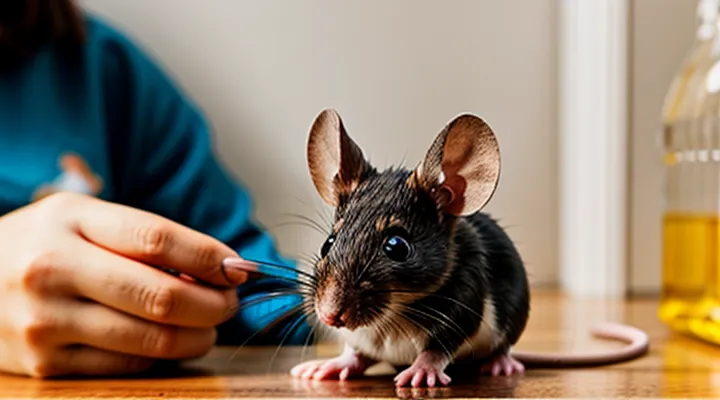
Understanding Pet Mice
What are Mice Like as Pets?
«Temperament and Personality»
Pet mice display a range of temperament traits that influence their suitability for domestic care. Most individuals are naturally curious, active during twilight hours, and respond positively to gentle handling. Social interaction with cage mates reduces stress and promotes a calmer demeanor, while solitary mice may become withdrawn or exhibit heightened vigilance.
Key personality characteristics to assess include:
- Sociability – willingness to engage with humans and other mice; observable through approach behavior and grooming of companions.
- Boldness – readiness to explore new environments; measured by the speed of adapting to novel toys or rearranged cage layouts.
- Territoriality – tendency to defend a specific area; less pronounced in well‑socialized groups but evident when resources are limited.
- Noise tolerance – reaction to sudden sounds; a calm mouse remains composed, whereas a nervous individual may exhibit rapid fleeing.
Selecting a mouse with a balanced combination of these traits enhances the likelihood of a harmonious household presence. Regular observation of behavior patterns, combined with consistent, low‑stress handling, supports the development of a stable and personable pet.
«Lifespan and Size»
Pet mice typically live between one and three years. Healthier individuals may reach the upper limit, while genetic strains prone to disease often fall near the lower end. Environmental factors such as diet, cage hygiene, and veterinary care influence longevity, but the range remains consistent across common domestic varieties.
Adult size varies modestly among breeds. Average body length, measured from nose to base of the tail, ranges from 7 cm to 10 cm. Tail length adds an additional 5 cm to 9 cm. Weight generally falls between 20 g and 35 g, with dwarf strains occupying the lower portion of the spectrum and larger laboratory‑type mice reaching the upper portion.
Key metrics:
- «lifespan»: 12–36 months, depending on genetics and care
- «size» (body length): 7–10 cm
- Tail length: 5–9 cm
- Weight: 20–35 g
Understanding these parameters assists prospective owners in planning appropriate housing, nutrition, and health monitoring for a mouse companion.
«Pros and Cons of Owning a Mouse»
«Benefits of Mouse Ownership»
Owning a mouse provides distinct advantages for those seeking a small, low‑maintenance companion. «Benefits of Mouse Ownership» include health, educational, and practical aspects.
- Compact size allows placement in limited living spaces without extensive enclosure requirements.
- Short lifespan and rapid breeding cycles facilitate observation of growth stages within a single year.
- Low daily food consumption reduces ongoing costs compared with larger pets.
- High activity levels and natural curiosity promote enrichment opportunities, supporting mental stimulation for both animal and owner.
- Minimal grooming needs eliminate regular bathing or brushing routines.
- Quiet demeanor prevents disturbance in shared housing environments.
These factors combine to create an accessible pet option that aligns with budget constraints, spatial limitations, and a desire for interactive learning experiences.
«Challenges and Considerations»
Choosing a mouse as a companion animal introduces several practical challenges. Prospective owners must evaluate these factors before committing to care.
- Habitat requirements: cages need solid flooring, adequate ventilation, and secure lids to prevent escape. Space must allow for nesting material, exercise wheels, and enrichment items.
- Dietary needs: balanced nutrition relies on commercially prepared mouse pellets supplemented with fresh fruits, vegetables, and occasional protein sources. Over‑feeding of high‑fat treats can lead to obesity and liver disease.
- Health monitoring: common ailments include respiratory infections, skin mites, and dental overgrowth. Early detection demands regular visual inspections and prompt veterinary consultation with an exotic‑animal specialist.
- Social behavior: many mouse strains thrive in small groups, yet overcrowding increases stress and aggression. Compatibility assessment should precede group formation, with separate housing for dominant individuals if necessary.
- Lifespan considerations: average longevity ranges from 1.5 to 3 years. Owners must prepare for short‑term commitment and potential emotional impact of rapid turnover.
Addressing these considerations reduces the risk of neglect, disease, and behavioral problems, ensuring a healthier environment for the small rodent and a more satisfying experience for the caretaker.
Preparing for Your New Pet
«Choosing the Right Mouse»
«Where to Acquire a Mouse»
Acquiring a mouse for companionship requires reliable sources to ensure health and legal compliance. Reputable breeders provide animals raised in controlled environments, often accompanied by health records and guidance on diet and enclosure. Pet stores licensed to sell small rodents typically stock mice sourced from approved breeders; verify that the store follows local animal welfare regulations. Rescue groups and shelters occasionally have mice available for adoption, offering a humane alternative and often including information on the animal’s temperament and history. Online marketplaces and classified ads can list mice for sale, but they demand careful verification of the seller’s credibility, quarantine procedures, and adherence to regional transport laws.
Key considerations when selecting a source include:
- Confirmation of the seller’s licensing and compliance with animal welfare statutes.
- Availability of health documentation, such as veterinary checks or vaccination records.
- Assurance of humane handling and transport methods to minimize stress.
- Opportunity to observe the mouse’s behavior and condition before purchase or adoption.
When possible, prioritize local breeders or shelters to reduce transportation distance and facilitate follow‑up support. If an online transaction is necessary, request recent photographs, a health certificate, and a clear return policy in case of unforeseen health issues.
By focusing on accredited providers, health verification, and ethical handling, prospective owners can secure a mouse that meets both legal standards and welfare expectations.
«Health Indicators to Look For»
When evaluating a mouse for companionship, specific health signs provide reliable guidance. Observing these indicators helps ensure the animal’s well‑being and reduces the risk of future veterinary intervention.
- Coat: smooth, glossy fur without bald patches or excessive dandruff.
- Eyes: clear, bright sclera; absence of discharge, cloudiness, or swelling.
- Ears: free of wax buildup, debris, or foul odor; ear canals should appear unobstructed.
- Activity level: regular exploration, purposeful movement; prolonged lethargy or tremors signal concern.
- Weight: stable body mass appropriate for the species; sudden loss or gain warrants attention.
- Respiratory pattern: quiet, even breaths; audible wheezing, rattling, or labored inhalation indicate respiratory distress.
- Excreta: firm, well‑formed pellets; watery or blood‑stained stools suggest gastrointestinal issues.
Each indicator reflects underlying physiological status. A glossy coat signals adequate nutrition and skin health, while clear eyes reveal proper ocular function. Normal ear condition prevents infections that can spread systemically. Consistent activity demonstrates musculoskeletal and neurological integrity; deviations often precede illness. Weight stability correlates with metabolic balance, and respiratory quietness confirms unobstructed airways. Proper excreta consistency reflects digestive efficiency.
If any sign deviates from the described norm, isolate the mouse, monitor progression, and arrange prompt veterinary assessment. Early detection based on these health indicators enhances the likelihood of a long, thriving partnership.
«Gender and Group Housing»
When selecting a mouse for companionship, understanding gender dynamics is essential for successful group living. Male mice typically exhibit territorial aggression, especially when housed together without sufficient space. Female mice form stable colonies, yet may compete for nesting resources if the environment is overcrowded.
Breeding potential rises sharply when a male and female share an enclosure. Unintended litters strain resources and increase health risks. Separating sexes eliminates this hazard and simplifies care routines.
Group housing demands adequate floor area, multiple enrichment items, and clear visual barriers. Providing at least 10 sq in per mouse prevents stress‑induced behaviors. Separate nesting zones reduce competition and promote natural hierarchy without escalating conflict.
Practical recommendations:
- Keep single‑sex groups unless breeding is intentional.
- Allocate a minimum of 10 sq in per individual; larger spaces improve welfare.
- Install at least two nesting boxes per enclosure to allow hierarchy formation.
- Rotate enrichment objects weekly to sustain curiosity and reduce monotony.
- Monitor interactions daily; isolate any mouse displaying persistent aggression.
Adhering to these guidelines supports harmonious cohabitation and maximizes the health and wellbeing of pet mice.
«Essential Supplies for Your Mouse»
«Housing and Enclosures»
A suitable enclosure for a pet mouse must provide adequate space, ventilation, and security. Minimum floor area of 200 cm² per animal prevents overcrowding; larger cages improve exercise opportunities. Wire cages with a solid base allow easy cleaning, while acrylic tanks eliminate escape risks but require regular ventilation checks.
Key elements of an effective housing setup include:
- Bedding: Use absorbent, dust‑free material such as shredded paper or aspen shavings. Replace weekly to maintain hygiene and odor control.
- Hideouts: Provide at least one enclosed shelter per mouse; ceramic tunnels or wooden huts offer refuge and reduce stress.
- Climbing structures: Install chew‑safe branches, ladders, or plastic platforms to encourage natural foraging behavior.
- Food and water dispensers: Choose sipper bottles with stainless‑steel tubes to prevent contamination; position feeders away from bedding to keep dry.
- Cleaning schedule: Perform spot cleaning daily, full substrate change weekly, and disinfect cage surfaces monthly with a mild, non‑toxic solution.
Safety considerations mandate smooth interior surfaces, secure latch mechanisms, and avoidance of toxic materials such as untreated pine or cedar. Regular inspection of wires, hinges, and accessories prevents injury and prolongs enclosure lifespan.
«Bedding and Substrate»
Choosing appropriate bedding is essential for a mouse’s health and comfort. The material must absorb moisture, control odor, and resist mold growth. Avoid substrates that produce excessive dust, as respiratory irritation is common in small rodents.
Key characteristics of suitable bedding:
- Paper‑based products: high absorbency, low dust, biodegradable.
- Aspen shavings: low aromatic oils, moderate chewability, minimal splinter risk.
- Coconut fiber (coir): excellent moisture retention, natural texture, low dust when processed correctly.
- Hemp bedding: strong odor control, durable, safe for chewing.
Unsuitable options include pine or cedar shavings, which contain volatile phenols that can damage respiratory tissues, and straw, which harbors mites and produces significant dust.
Maintenance guidelines:
- Replace all bedding at least once weekly; spot‑clean soiled sections daily to prevent ammonia buildup.
- Provide a thin layer (approximately 1–2 cm) to allow nesting while maintaining easy cleaning.
- Combine a primary substrate with a small amount of nesting material, such as shredded paper, to encourage natural behavior without compromising hygiene.
«Food and Water Solutions»
Proper nutrition and adequate hydration are essential for the health of a pet mouse. A balanced diet prevents obesity, dental problems, and deficiencies, while clean water supports kidney function and overall vitality.
Water should be offered in a sipper bottle with a stainless‑steel tube to prevent contamination. Bottles must be inspected daily for leaks, cleaned with mild soap, and refilled with fresh, filtered water at least once every 24 hours.
Food must consist primarily of nutritionally complete mouse pellets, which provide consistent protein, fiber, and vitamins. Supplementary items include:
- Fresh leafy greens (e.g., romaine lettuce, kale) – washed and provided in small quantities daily.
- Small pieces of carrot, broccoli, or bell pepper – offered two to three times per week.
- Occasional fruit (e.g., apple slice, banana) – limited to a few bites to avoid excess sugar.
Avoid seeds, nuts, and sugary treats, as they can cause digestive upset and weight gain. Toxic foods such as chocolate, caffeine, and onion must never be accessible.
Monitoring intake helps identify health issues early. If water consumption drops or food is left uneaten for more than 24 hours, inspect the cage for leaks, blockage, or illness and adjust the diet accordingly. The combination of reliable water delivery and a varied, pellet‑based diet ensures a thriving mouse companion.
«Enrichment and Toys»
Enrichment is essential for the well‑being of a mouse kept as a companion animal. Providing a stimulating environment supports natural behaviors, promotes physical activity, and reduces the likelihood of stress‑related issues.
- nesting material such as shredded paper, tissue or untreated cotton;
- chew toys made from safe wood, apple branches or mineral blocks;
- climbing structures including plastic ladders, woven tunnels or cork branches;
- foraging opportunities created with scatterable seeds, small food puzzles or hidden treats;
- puzzle devices that require manipulation to release a reward, encouraging problem‑solving skills.
Selection criteria focus on safety, size and durability. Materials must be free of chemicals, sharp edges or loose fibers that could cause injury. Items should fit comfortably within the cage dimensions, allowing the mouse to move freely. Rotating toys on a weekly basis prevents habituation and maintains interest. Regular cleaning with mild, non‑toxic solutions preserves hygiene without compromising the integrity of the enrichment objects.
Effective enrichment leads to observable outcomes: increased activity levels, expression of nesting and foraging instincts, and longer lifespan. Consistent application of these practices creates a habitat that mirrors the mouse’s natural environment while meeting the expectations of responsible pet ownership. «Mice are natural explorers», and a well‑designed enclosure satisfies that intrinsic drive.
Daily Care and Maintenance
«Feeding Your Mouse»
«Appropriate Diet for Mice»
A mouse’s nutritional requirements are distinct from those of larger rodents. Commercially prepared mouse pellets provide a complete source of protein, fat, carbohydrates, vitamins, and minerals. Pellets should form the foundation of every diet, with fresh water available at all times.
Supplementary foods enhance variety and support specific health needs. Acceptable items include:
- Small pieces of fresh vegetables such as carrots, broccoli, and leafy greens; limit to a few grams per day to avoid digestive upset.
- Fresh fruits like apple or berries in very small quantities; high sugar content warrants cautious feeding.
- Protein boosts such as boiled egg white or small insects (e.g., mealworms) for breeding or growth phases.
Foods to exclude entirely:
- Processed snacks, chocolate, caffeine, and sugary treats.
- High‑fat items such as nuts, seeds, or cheese in excess.
- Raw or undercooked beans, which contain toxic lectins.
Monitoring body condition and adjusting portion sizes prevents obesity, a common issue in captive mice. A weight‑stable adult typically consumes 3–5 g of pellets daily; juveniles require slightly higher protein ratios. Regular veterinary checks ensure dietary adequacy and early detection of nutritional deficiencies.
«Treats and Supplements»
Treats provide essential enrichment for a pet mouse, encouraging natural foraging behavior while supplying additional nutrients. Selecting appropriate items reduces the risk of obesity and digestive upset.
- Fresh fruits such as apple slices, berries, or kiwi, offered in small pieces no larger than a pea.
- Vegetables including carrot shavings, broccoli florets, or spinach leaves, introduced gradually.
- Commercial mouse treats formulated with low sugar and high fiber, verified by reputable manufacturers.
Supplements address dietary gaps that standard rodent pellets may leave. Core nutrients include:
- Vitamin C, administered through fortified water or powdered tablets, to counteract the mouse’s inability to synthesize the vitamin.
- Calcium carbonate, mixed into the diet at 0.5 % of total feed weight, supporting skeletal health.
- Probiotic powders, added to food once weekly, promoting gut flora balance.
Guidelines for safe administration:
- Limit treat portions to 5 % of total daily intake; excess calories accelerate weight gain.
- Rotate treat varieties weekly to prevent monotony and nutritional imbalances.
- Record any changes in coat condition, activity level, or stool consistency after introducing new items; discontinue if adverse reactions appear.
- Store all treats and supplements in airtight containers, refrigerated when required, to maintain freshness and prevent mold growth.
«Cage Cleaning and Hygiene»
«Regular Cleaning Schedule»
A mouse’s enclosure requires a predictable cleaning routine to prevent disease and maintain comfort. Regular removal of waste, replacement of bedding, and sanitation of accessories keep the habitat hygienic and reduce stress for the animal.
Cleaning frequency depends on cage size, bedding type, and the number of occupants. Daily spot‑cleaning removes fresh droppings and soiled food. Full substrate change and deep cleaning of all surfaces should occur once every week. For larger enclosures or multiple mice, a bi‑weekly deep clean may be necessary.
- Inspect the cage each morning; discard clumped bedding and wet spots.
- Replace soiled bedding with fresh material; retain a thin layer of clean substrate for familiar scent.
- Wash water bottles, food dishes, and toys with warm, unscented soap; rinse thoroughly.
- Disinfect the cage interior using a diluted, rodent‑safe solution; allow complete drying before reassembly.
- Refill water and food supplies with fresh items after the cage is restored.
Consistent adherence to this schedule lowers the risk of respiratory infections, skin irritations, and aggressive behavior caused by poor environmental conditions. A disciplined cleaning plan also simplifies health monitoring, allowing quick detection of abnormalities in the mouse’s appearance or activity.
«Deep Cleaning Practices»
When a mouse lives as a domestic companion, the cage environment determines the animal’s health. Regular surface cleaning removes debris; deep cleaning eliminates pathogens that survive between routine washes.
- Empty the cage completely; discard all bedding, nesting material, and food remnants.
- Disassemble all removable components: wheels, tunnels, water bottles, feeding dishes.
- Soak non‑porous items in hot water (minimum 60 °C) with a mild enzymatic detergent for 10 minutes.
- Rinse thoroughly to eliminate detergent residues.
- Submerge plastic and metal parts in a diluted bleach solution (1 part bleach to 9 parts water) for 5 minutes; then rinse with filtered water.
- Scrub the cage interior with a brush using the same hot‑water and detergent mixture; pay special attention to corners and seams.
- Allow all components to air‑dry completely before reassembly; moisture promotes bacterial growth.
- Replace bedding with a fresh, absorbent substrate; avoid recycled material.
Perform deep cleaning at least once every four weeks, or sooner after any illness outbreak. Verify cleanliness by inspecting surfaces for residue and confirming the absence of odor. Maintaining this schedule supports a stable, disease‑free habitat for the mouse companion.
«Handling and Socialization»
«Building Trust with Your Mouse»
Establishing a reliable bond with a pet mouse requires consistent, low‑stress interactions. Begin each encounter by offering food from the hand, allowing the mouse to approach voluntarily. Maintain a calm voice and avoid sudden movements, as rapid gestures trigger instinctive flight responses.
Gradual exposure to handling strengthens confidence. Follow a step‑by‑step routine:
- Place a clean hand inside the cage for a few seconds, retreat, and repeat several times daily.
- Gently scoop the mouse using both palms, supporting the body without gripping.
- Shorten handling sessions over weeks, extending duration only when the mouse remains relaxed.
Positive reinforcement consolidates trust. Provide treats immediately after successful handling, and return the mouse to its enclosure promptly to preserve a sense of safety. Consistency in these practices cultivates a cooperative relationship, enabling the mouse to view the caretaker as a predictable source of nourishment and security. The result is a calm, approachable companion ready for routine care and enrichment.
«Safe Handling Techniques»
Pet mice require gentle, controlled interaction to prevent injury and stress. Proper handling begins with clean hands, calm movements, and a secure, enclosed space for the animal.
- Approach the cage slowly; allow the mouse to become accustomed to the handler’s scent.
- Wash or disinfect hands before each contact; avoid scented lotions or strong chemicals.
- Use a cupped hand or a small, soft container to support the mouse’s body, keeping the tail away from the fingers.
- Move the mouse with minimal vertical motion; maintain a steady, low trajectory when transferring to a new enclosure.
- Release the animal by gently lowering the hand or container onto a familiar surface, allowing the mouse to exit voluntarily.
Additional precautions include regular cage cleaning to reduce parasite risk, providing nesting material that offers secure footing, and monitoring the mouse for signs of stress such as excessive grooming or freezing. Handling sessions should be brief, gradually increasing in duration as the mouse habituates.
Health and Well-being
«Common Mouse Health Issues»
«Signs of Illness»
When a mouse is kept as a companion, early detection of health problems relies on observing specific behavioral and physical changes. Recognizing these indicators enables prompt veterinary intervention and improves the animal’s chances of recovery.
Typical signs of illness include:
- Reduced activity or reluctance to explore the cage
- Loss of appetite or refusal to eat familiar foods
- Abnormal grooming, such as excessive licking or neglect of the coat
- Respiratory distress, manifested by labored breathing, wheezing, or nasal discharge
- Unusual droppings, including changes in size, consistency, or presence of blood
- Swelling or lumps on the body, particularly around the abdomen or limbs
- Discoloration of the skin or fur, such as pallor, cyanosis, or patches of hair loss
- Aggressive or unusually timid behavior, deviating from the mouse’s normal temperament
Any combination of these symptoms warrants immediate consultation with a qualified veterinarian experienced in small‑animal care. Regular health checks and a clean, enriched environment reduce the likelihood of disease and support overall well‑being.
«Preventative Measures»
Preventative measures are essential for maintaining a healthy mouse companion. Proper planning reduces the risk of illness, injury, and stress, ensuring a stable environment for the animal.
- Maintain cage cleanliness: replace bedding weekly, clean food dishes daily, and disinfect surfaces with a mild, non‑toxic solution.
- Provide a balanced diet: offer a commercial mouse mix supplemented with fresh vegetables, limit sugary treats, and ensure constant access to clean water.
- Monitor health indicators: observe activity levels, coat condition, and eating habits; record any changes promptly.
- Practice safe handling: wash hands before and after contact, use a gentle grip, and avoid sudden movements that could cause injury.
- Secure the enclosure: check for gaps, secure latches, and place the cage on a stable surface to prevent escapes.
Additional actions support long‑term well‑being. Quarantine newly acquired mice for at least two weeks to detect hidden illnesses before introducing them to existing occupants. Schedule regular veterinary examinations, focusing on dental health and respiratory function. Implement pest‑control measures in the surrounding area to reduce exposure to parasites and pathogens.
By adhering to these protocols, owners create a protective framework that promotes the vitality and happiness of their small rodent companions.
«Finding a Veterinarian for Small Animals»
«When to Seek Veterinary Care»
Pet mice can develop health problems that progress rapidly; prompt veterinary attention can prevent suffering and loss. Recognize situations that demand professional care rather than home remedies.
Signs indicating immediate veterinary consultation:
- Sudden loss of appetite lasting more than 24 hours.
- Persistent lethargy or inability to move normally.
- Unexplained weight loss or visible muscle wasting.
- Discharge from eyes, nose, or ears, especially if thick or colored.
- Respiratory distress, such as open‑mouth breathing, wheezing, or rapid panting.
- Blood in urine, stool, or from any body opening.
- Severe skin lesions, swelling, or abscesses that do not improve within a day.
- Unusual behavior, including aggression, self‑mutilation, or loss of normal social interaction.
Additional circumstances that merit veterinary evaluation:
- After a bite or wound from another animal.
- If the mouse has been exposed to toxins, chemicals, or unsafe food.
- When breeding is planned and reproductive health concerns arise.
- If the mouse shows signs of chronic disease, such as recurring diarrhea or persistent sneezing.
Veterinarians experienced with small rodents can perform examinations, diagnostics, and treatments tailored to mice. Early intervention improves outcomes and supports the well‑being of the companion. When any of the listed indicators appear, contact a qualified small‑animal practitioner without delay.
«Preparing for Vet Visits»
When a mouse is taken to a veterinary clinic, preparation reduces stress and improves diagnostic accuracy.
- Gather the mouse’s health history, including previous illnesses, vaccinations, and any medications.
- Keep a current weight record; mice can lose weight rapidly, and accurate measurements guide dosage decisions.
- Arrange a suitable carrier: a small, well‑ventilated box with a soft lining, sealed to prevent escape yet allowing airflow.
- Schedule appointments during quieter clinic hours to minimize exposure to loud noises and unfamiliar scents.
During the visit, the owner should handle the mouse gently, supporting the body to avoid injury. A calm voice and minimal movement help keep the animal tranquil. The veterinarian will perform a physical examination, assess dental health, and may request a fecal sample for parasite screening.
After the appointment, observe the mouse for changes in behavior, appetite, or grooming. Follow any prescribed medication schedule precisely, and maintain a clean environment to support recovery. Record all observations in a log to facilitate future consultations.
Enjoying Your Pet Mouse
«Interactive Activities with Your Mouse»
«Playtime and Stimulation»
Regularly scheduled play sessions prevent boredom and support the health of a domesticated mouse. Short, frequent periods of activity encourage natural foraging behavior and reduce stress‑induced grooming.
Enrichment options that promote both physical exercise and mental challenge include:
- a solid‑surface running wheel sized for the animal’s stride;
- plastic or wooden tunnels that mimic burrow systems;
- chewable objects such as untreated wood blocks or cardboard tubes;
- puzzle feeders that require manipulation to release treats;
- rotating toys that introduce novel textures.
Interaction should occur two to three times daily, lasting five to ten minutes per session. During each interval, the caretaker can place the mouse in a secure playpen, introduce a new toy, or hide a treat to stimulate problem‑solving. Gentle handling, combined with opportunities for climbing and nesting, maximizes the benefits of «playtime» and «stimulation», fostering a lively, well‑adjusted companion.
«Bonding Opportunities»
Bonding with a mouse relies on consistent, gentle interaction. Daily handling sessions of five to ten minutes encourage familiarity and reduce stress. Hold the mouse in a cupped hand, allowing it to explore the fingertips while maintaining a calm environment. Offering small pieces of fresh fruit or vegetable during handling creates positive associations.
Enrichment items expand opportunities for connection.
- Soft nesting material provides a safe retreat for mutual observation.
- Small tunnels and chewable sticks invite exploration, enabling the owner to follow the mouse’s movements.
- Interactive puzzles that release a treat when solved foster collaborative problem‑solving.
Verbal communication supports the relationship. Speaking in a low, steady tone while the mouse is active helps the animal recognize the caretaker’s presence. Repeating a simple phrase such as «hello friend» during each session reinforces recognition without reliance on visual cues.
«Mouse-Proofing Your Home»
«Safety Considerations for Free-Roaming»
Allowing a mouse to explore outside a cage presents distinct hazards that require proactive management. The animal’s small size, rapid movements, and instinctual curiosity increase the likelihood of injury or escape if the environment is not properly prepared.
Key safety measures for a «free‑roaming» mouse include:
- Secure all openings: seal gaps under doors, around baseboards, and in furniture to prevent accidental exits.
- Eliminate toxic substances: remove houseplants known to be poisonous, store cleaning agents out of reach, and avoid exposure to pesticides or rodent‑control products.
- Provide safe surfaces: cover sharp edges, secure loose cords, and ensure flooring is free of small debris that could be ingested.
- Supervise outdoor excursions: keep the mouse within a confined, escape‑proof area such as a playpen or a dedicated room under constant observation.
- Install barriers against predators: block access to cats, dogs, birds of prey, and other potential threats by using pet gates or temporary enclosures.
- Maintain appropriate temperature and ventilation: avoid drafts, extreme heat, or cold spots that could cause stress or health issues.
- Offer enrichment that does not compromise safety: use chew‑safe toys, tunnels, and climbing structures made of non‑toxic materials.
Regularly inspect the roaming zone for new hazards, replace damaged barriers promptly, and keep a record of any incidents to refine preventive strategies. These practices reduce the risk of injury, escape, and exposure to toxins, supporting the mouse’s well‑being while allowing natural exploratory behavior.