
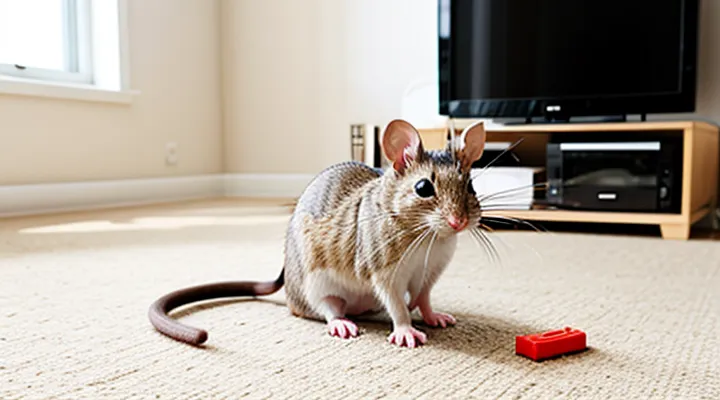
Understanding the Mouse Problem
Signs of a Mouse Infestation
Droppings and Urine Trails
Mouse droppings are small, dark, rod-shaped pellets about ¼‑inch long. They appear in clusters along walls, behind appliances, and near food sources. Fresh droppings are glossy; older ones become dry and crumbly. Urine trails are invisible to the naked eye but leave a faint, musky odor and can be detected with a handheld UV flashlight, which makes the wet spots fluoresce bright green.
Both excreta pose health risks. Pathogens such as Hantavirus, Salmonella, and Leptospira can survive in droppings for weeks. Inhalation of dried particles or direct contact with urine may cause respiratory irritation, allergic reactions, or gastrointestinal illness. Protective gloves, a mask rated N95, and a disposable coverall are recommended before handling any material.
Identifying droppings and urine locations guides trap placement. Follow these steps:
- Scan walls, baseboards, and corners for fresh pellet clusters.
- Shine a UV light along suspected pathways; mark any fluorescing spots.
- Map the identified points to reveal the mouse’s primary routes.
- Position snap traps or bait stations perpendicular to the mapped pathways, with the trigger end facing the wall.
- Replace or relocate traps after each capture to maintain pressure on the established runways.
Cleaning contaminated areas requires thorough disinfection. Use a solution of 1 part bleach to 10 parts water, apply to all droppings and urine spots, let stand for at least 10 minutes, then wipe with disposable towels. Dispose of cleaning materials in sealed bags and wash hands immediately after removal.
Gnaw Marks and Damage
Gnaw marks serve as the most reliable visual evidence of mouse activity inside a residence. Their presence confirms infestation, indicates movement pathways, and reveals the extent of damage, allowing targeted intervention.
Typical gnaw marks appear on wood, plastic, insulation, and wiring. They are characterized by clean, parallel cuts roughly 2‑3 mm apart, often leaving splintered edges. Fresh marks retain sharp edges, while older ones become smoothed by handling or cleaning.
Damage caused by rodents can be grouped as follows:
- Structural compromise – chewed support beams, baseboards, and drywall weaken walls and floors.
- Electrical hazards – exposed or stripped wires increase the risk of short circuits and fire.
- Food contamination – gnawed packaging allows bacteria and parasites to enter stored goods.
- Sanitary concerns – urine and feces deposited near gnaw sites spread pathogens.
Identifying gnaw marks directs control measures. Inspectors should trace each mark to its origin, seal entry points with steel wool or cement, and place traps or bait stations along the identified routes. Repairing compromised structures and replacing damaged wiring eliminates both current hazards and future access for rodents.
Strange Noises
Mice generate a range of sounds that can be mistaken for other household noises. Recognizing these noises helps confirm an infestation and guides appropriate control measures.
Typical mouse noises include:
- Scratching on walls, ceilings, or stored items, especially during night hours.
- Scurrying sounds as they move across insulation, wiring, or debris.
- Squeaking or high‑pitched chirps when communicating with mates or offspring.
- Gnawing noises from teeth breaking through wood, plastic, or drywall.
The timing of these sounds provides clues. Activity peaks between dusk and dawn; a sudden increase in nighttime rustling often signals breeding activity. Persistent scratching near baseboards or behind appliances suggests established pathways.
Distinguishing mouse sounds from other sources requires attention to frequency and location. Rodent noises are generally higher in pitch than the creaks of settling structures and are confined to concealed spaces such as wall cavities or attic corners. In contrast, plumbing or HVAC systems produce lower, rhythmic hums.
When strange noises are detected, follow these steps:
- Pinpoint the area by listening from different rooms and noting where the sound intensifies.
- Inspect for evidence: droppings, gnaw marks, or shredded material near the identified spot.
- Seal entry points using steel wool, caulk, or metal flashing to block further access.
- Deploy traps or bait stations directly in the vicinity of the noise source, ensuring placement along established runways.
- Monitor for a reduction in sound over several nights; continued activity indicates the need for additional traps or professional intervention.
Accurate interpretation of unexplained sounds reduces uncertainty, accelerates detection, and improves the effectiveness of rodent‑control strategies in a residential setting.
Unpleasant Odors
Unpleasant odors in a dwelling often signal a mouse infestation. Mice leave urine, feces, and secretions that emit a sharp, ammonia‑like smell, especially in concealed areas such as behind appliances, inside wall cavities, and under furniture. The odor intensifies after the rodents die, as decomposition releases putrescine and cadaverine, compounds detectable by the human nose at low concentrations.
Identifying the source of the smell is essential for effective rodent control. Follow these steps:
- Inspect kitchen corners, pantry shelves, and storage closets for dark stains or droppings.
- Use a flashlight to examine baseboards, vents, and the undersides of cabinets.
- Smell for a faint, sour scent near garbage disposals, sink drains, and behind refrigerators.
- Look for signs of gnaw marks on wires, packaging, or structural timber.
Once the contaminated zones are located, eliminate odors by:
- Removing all droppings and urine with disposable gloves and a disinfectant solution containing at least 1 % bleach.
- Disposing of any dead rodents in sealed bags and cleaning the surrounding area with an enzymatic cleaner that breaks down organic residues.
- Ventilating rooms by opening windows and operating exhaust fans for several hours.
- Placing activated charcoal or baking soda containers near the affected spots to absorb lingering smells.
- Sealing entry points with steel wool and caulk to prevent re‑infestation, which would reintroduce odor sources.
Persistent foul smells after thorough cleaning suggest hidden carcasses. In such cases, professional pest‑removal services can locate and remove concealed bodies, then apply industrial‑strength odor neutralizers. Maintaining a clean, waste‑free environment and regular inspection reduces the likelihood of odor‑related mouse problems.
Why Mice Are a Problem
Health Risks
Mice infestations create several direct health hazards for residents.
- Disease transmission – rodents carry pathogens such as Hantavirus, leptospirosis, salmonella, and Lymphocytic choriomeningitis virus. Contact with urine, droppings, or saliva can lead to respiratory, gastrointestinal, or systemic infections.
- Allergic reactions – proteins found in mouse urine and dander become airborne particles that trigger asthma attacks and allergic rhinitis, especially in children and sensitive adults.
- Contamination of food and surfaces – gnawed packaging and fecal deposits introduce bacteria and toxins into pantry items, cooking utensils, and countertops, increasing the risk of foodborne illness.
The methods used to eliminate rodents may add further risks.
- Snap traps – broken bones or splintered wood can cause accidental injuries; sharp edges pose a puncture hazard if mishandled.
- Live‑catch traps – prolonged confinement stresses captured mice, potentially releasing additional urine and feces, which heighten exposure to pathogens.
- Chemical baits – anticoagulant rodenticides are toxic to humans and pets; ingestion or dermal contact can cause internal bleeding, kidney damage, or neurological symptoms. Proper storage and usage instructions are essential to mitigate these effects.
Preventive measures reduce health threats. Maintain a clean environment by sealing food containers, promptly disposing of waste, and repairing structural gaps. Use traps or baits according to manufacturer guidelines, wear disposable gloves when handling devices, and wash hands thoroughly afterward. Regular monitoring and swift removal of dead rodents eliminate secondary contamination sources.
Overall, effective rodent control must balance eradication efficiency with strict adherence to safety protocols to protect occupants from disease, allergic responses, and chemical exposure.
Property Damage
Mice in a residential unit inflict damage by gnawing electrical wiring, insulation, drywall, and furniture. Their incisors can sever power cords, expose live wires, and create fire hazards. They also breach food containers, contaminate pantry items, and compromise structural integrity of cabinets and walls.
Repair expenses rise sharply when infestation persists. Replacing compromised wiring typically costs $150–$300 per outlet, while patching chewed drywall adds $200–$500 per affected area. Contaminated food waste demands disposal and deep cleaning, increasing overall maintenance outlays.
Applying proven rodent‑control techniques limits property loss. Effective measures include:
- Snap traps positioned along wall edges and behind appliances.
- Electronic traps delivering rapid, humane death without poison residues.
- Bait stations sealed to prevent accidental contact and to attract hidden mice.
- Sealing gaps around pipes, vents, and baseboards with steel wool and caulk.
- Weekly visual inspections to identify fresh gnaw marks and replace compromised traps promptly.
Prevention Strategies
Sealing Entry Points
Inspecting Walls and Floors
Inspecting walls and floors is a critical step in any apartment rodent‑control program. Mice travel through concealed pathways, so locating entry points and activity signs prevents infestations from spreading.
Begin the inspection by examining all wall surfaces and floor joints. Look for gnaw marks, shredded insulation, droppings, and oily streaks. Pay special attention to areas where utilities enter the unit, such as:
- Gaps around plumbing, electrical conduits, and cable lines
- Openings behind baseboards and crown molding
- Cracks in drywall, plaster, or tile grout
- Small holes near vent covers, air ducts, and window frames
After identifying potential routes, seal each opening with appropriate material—steel wool, copper mesh, or cement‑based caulk—to block further access. Replace damaged sections of drywall or flooring where necessary, ensuring a tight, durable barrier. Continuous monitoring of the inspected zones confirms the effectiveness of the repairs and helps detect any new activity promptly.
Addressing Gaps Around Pipes
Gaps surrounding plumbing, electrical conduits, and vent stacks create direct pathways for rodents to enter an apartment. Even openings as small as a quarter‑inch allow mice to squeeze through, bypassing traps and bait stations placed elsewhere.
To eliminate these entry points, follow a systematic sealing protocol:
- Conduct a visual inspection of all exposed pipework in kitchens, bathrooms, and utility closets. Use a flashlight to reveal gaps behind cabinets and under sinks.
- Measure each opening; gaps larger than 1 mm require immediate treatment.
- Apply steel wool or copper mesh to fill narrow spaces, preventing chewing damage.
- Cover the packed material with a durable sealant such as silicone caulk, expanding polyurethane foam, or cement‑based mortar, depending on the surrounding surface.
- For larger voids, install metal or PVC pipe sleeves that fit tightly around the pipe, then seal the sleeve edges with the same caulk or mortar.
- After sealing, verify integrity by running a thin piece of paper or a smoke pencil along the joint; any movement indicates remaining openings.
- Schedule quarterly re‑checks, especially after building maintenance or seasonal temperature changes that can cause material contraction.
Properly sealed pipe gaps remove a primary route for mouse intrusion, enhancing the overall effectiveness of any control strategy employed within the residence.
Securing Doors and Windows
Securing entry points is essential for preventing mouse intrusion in a residential unit. Mice exploit gaps around doors and windows to gain access, so eliminating these pathways reduces the likelihood of infestation.
Inspect all exterior doors for visible cracks, worn weather‑stripping, and gaps between the door frame and floor. Replace damaged seals with high‑quality, compressible material. Install door sweeps that extend to the threshold, ensuring a tight seal when the door closes. Verify that hinges and locks operate smoothly; misaligned hardware can create openings.
Examine windows for broken panes, loose frames, and gaps around screens. Fit screens with fine mesh that resists tearing. Apply caulk or expanding foam to seal openings around window frames, especially in older constructions where settling may have widened joints. Consider using removable magnetic closures on sliding windows for an additional barrier.
Practical steps to secure doors and windows:
- Remove debris and weather‑strip remnants from all seams.
- Attach new weather‑stripping with a continuous adhesive backing.
- Fit door sweeps that cover the full width of the threshold.
- Replace cracked or missing window screens with reinforced mesh.
- Apply silicone caulk to all cracks, corners, and joints.
- Use expandable foam for larger voids, trimming excess after curing.
- Test each door and window by sliding a thin piece of paper between frame and closure; any resistance indicates a proper seal.
Regular maintenance of these barriers, combined with prompt repair of damage, creates a hostile environment for mice and supports long‑term rodent control in an apartment setting.
Maintaining Cleanliness
Proper Food Storage
Proper food storage directly reduces the attraction of rodents to an apartment. Food that is easily accessible provides a reliable source of nutrition, encouraging mice to establish a presence. Eliminating that source forces the pests to search elsewhere, increasing the effectiveness of any trapping or exclusion measures.
Store dry goods—cereals, grains, nuts, and pet food—in containers that seal tightly. Plastic or glass jars with screw‑on lids, metal tins with snap closures, or heavy‑duty zip‑lock bags that can be pressed to remove air are suitable. After each use, return the package to its container and wipe the rim to remove crumbs.
Refrigerate perishable items promptly. Keep refrigerators and freezers clean; discard spoiled food before it becomes a scent source. Place a sealed trash bag in the kitchen and replace it daily. If a compost bin is used, keep it outside the apartment or in a sealed container with a tight lid.
Maintain a clean preparation area. Wipe countertops, stovetops, and the floor after meals. Sweep or vacuum to remove fallen particles. Avoid leaving pet food out overnight; store it in the same airtight containers used for human food.
Key practices
- Use airtight containers for all pantry items.
- Refrigerate or freeze leftovers within two hours of cooking.
- Empty kitchen trash each night, sealing the bag tightly.
- Clean spills immediately, focusing on edges of cabinets and appliances.
- Store pet feed in sealed bins and remove uneaten portions after each feeding.
Consistent application of these storage protocols deprives mice of food, limits their ability to reproduce, and supports broader pest‑control strategies within the living space.
Regular Cleaning Practices
Regular cleaning eliminates food residues that draw rodents into living spaces. Removing crumbs, spills, and waste reduces the likelihood that mice will discover a reliable food source.
Key practices include:
- Wiping countertops and tables after each meal.
- Sweeping or vacuuming floors daily, focusing on corners and under furniture.
- Storing dry goods in airtight containers; disposing of opened packages promptly.
- Emptying trash bins regularly and using lids that seal tightly.
- Cleaning pet feeding areas each evening; washing bowls and removing leftovers.
- Sanitizing kitchen appliances, especially microwaves and ovens, after use.
Consistent execution of these steps deprives mice of sustenance, forces them to search elsewhere, and enhances the effectiveness of traps and baits placed in the apartment.
Eliminating Water Sources
Mice survive on minimal moisture, but readily available water accelerates breeding and activity in residential units. Removing or limiting water supplies reduces the attractiveness of an apartment to rodents and supports long‑term control.
Typical indoor sources include leaky faucets, dripping pipes, condensation on windows, pet water dishes left unattended, and standing water in sink trays or bathroom corners. Even occasional spills that are not promptly dried can provide sufficient hydration for mice.
- Repair all faucet leaks and pipe drips; tighten connections and replace worn washers.
- Install splash guards on sinks and bathtubs to prevent pooling.
- Use absorbent mats under pet dishes; empty and refill water containers daily.
- Wipe countertops, floors, and appliance surfaces after any liquid spill.
- Ensure proper ventilation in bathrooms and kitchens to eliminate excess condensation.
Regular inspection of plumbing fixtures and prompt remediation of moisture accumulation sustain a dry environment. Scheduling quarterly checks of hidden areas—under appliances, behind cabinets, and in basements—prevents unnoticed leaks from becoming chronic water sources.
Trapping Methods
Humane Trapping
Live Traps
Live traps provide a humane alternative to lethal devices when dealing with rodents in a residential setting. The cage‑style mechanism encloses the mouse as soon as it steps on a trigger plate, preventing escape and allowing release far from the dwelling.
Choose traps made of sturdy wire mesh with a secure latch. Models featuring a transparent front panel facilitate monitoring without opening the unit. Size matters: select a trap that accommodates an adult mouse comfortably, typically 4–5 inches long.
Effective deployment follows a systematic approach:
- Position traps along walls, behind appliances, and near suspected entry points; mice travel close to surfaces.
- Use high‑protein bait such as peanut butter, cheese, or sunflower seeds; apply a pea‑sized amount to the trigger area.
- Set traps in the evening when mouse activity peaks, then check them early each morning.
- Release captured mice at least 2 miles away from the apartment, preferably in a wooded or field area, to reduce the chance of return.
- Clean traps with mild detergent after each use to remove scent trails that may deter further captures.
Legal considerations vary by jurisdiction; many regions prohibit releasing captured wildlife in urban areas. Verify local regulations before relocation. Regular inspection of trap placement and bait freshness maximizes capture rates and supports long‑term rodent management in an apartment environment.
Release Protocols
When a mouse is captured in a residential unit, the next step must follow a clear, humane release protocol. The protocol safeguards the animal, prevents re‑entry, and reduces health risks for occupants.
Preparation
- Verify local regulations; some jurisdictions prohibit releasing trapped rodents outside private property.
- Choose a release site at least one mile from the building, preferably a field, wooded area, or park with natural cover and food sources.
- Equip a sturdy, ventilated container with a secure lid for transport.
Transport
- Keep the container upright to avoid stress or injury.
- Limit travel time to no more than 30 minutes; longer periods increase mortality risk.
- Handle the container gently, avoiding sudden movements.
Release
- Open the container on the ground, not elevated, to allow the mouse to exit quickly.
- Remain still until the animal leaves the immediate area, then withdraw slowly.
- Do not attempt to force the mouse out; natural movement ensures a lower chance of injury.
Post‑release actions
- Seal or dispose of the trap according to manufacturer instructions to prevent accidental reuse.
- Clean the trap with hot, soapy water and a disinfectant; dry thoroughly before storage.
- Inspect the apartment for entry points; repair gaps, seal utility openings, and install door sweeps to block future incursions.
Following these steps ensures that captured mice are released responsibly, minimizes the likelihood of return, and maintains a safe environment for residents.
Lethal Trapping
Snap Traps
Snap traps provide an immediate, mechanical solution for indoor rodent infestations. The device consists of a spring‑loaded bar that delivers a rapid, lethal blow when a mouse triggers the trigger plate. Because the action is instantaneous, snap traps eliminate pests without the delay associated with poison or bait stations.
Effectiveness hinges on proper placement. Mice travel along walls, behind appliances, and near food sources. Position traps perpendicular to these pathways, with the trigger end facing the wall. Secure the trap on a flat surface to prevent wobbling, which can reduce strike accuracy.
Safety considerations include keeping traps out of reach of children and pets. Many manufacturers offer enclosed designs that shield the spring mechanism while still allowing mouse access. When selecting a trap, look for models with a sturdy base and a clear trigger mechanism to minimize accidental releases.
Disposal of captured rodents requires gloves and a sealable container. Place the dead mouse in a plastic bag, expel air, and seal tightly before discarding in an outdoor trash bin. Clean the trap with a mild disinfectant if it will be reused; otherwise, replace it with a new unit.
Advantages of snap traps:
- Immediate kill reduces the risk of disease transmission.
- No chemicals, eliminating secondary poisoning concerns.
- Low cost per unit, suitable for multiple placements.
Limitations:
- Requires regular monitoring to remove dead rodents.
- Ineffective if mice become trap‑averse after repeated exposure.
- Potential for accidental triggering by non‑target species.
Integrating snap traps with complementary measures—such as sealing entry points, maintaining cleanliness, and using deterrent scents—creates a comprehensive approach to rodent control in apartment dwellings. Regular assessment of trap performance and adjustment of locations ensure sustained effectiveness.
Electronic Traps
Electronic traps provide rapid, humane control of rodent infestations in residential units. The devices deliver a high‑voltage shock that kills a mouse instantly, eliminating the need for poison or manual disposal. Models typically consist of a baited chamber, a sensor that detects entry, and a sealed power source that activates upon contact.
Key operational considerations include:
- Power source: Plug‑in units ensure constant voltage; battery‑powered models offer flexibility but require regular replacement.
- Bait selection: Peanut butter, cheese, or commercial rodent attractants improve capture rates; replace bait every few days to maintain potency.
- Placement: Position traps along walls, behind appliances, and near known droppings; mice travel close to surfaces, increasing encounter probability.
- Safety features: Look for models with insulated exteriors and child‑proof covers to prevent accidental discharge.
- Maintenance: Empty the waste compartment after each kill, clean with mild detergent, and inspect wiring for corrosion to preserve effectiveness.
Cost ranges from $30 for basic plug‑in units to $120 for advanced models with multiple chambers and digital counters. While initial expense exceeds that of snap traps, the reduction in labor, lower risk of secondary poisoning, and immediate results justify the investment for most apartment dwellers.
Placement Strategies
Effective rodent control in an apartment relies heavily on where traps or bait stations are positioned. Correct placement maximizes encounter rates while minimizing exposure to non‑target occupants.
Key placement principles:
- Align devices against walls, where mice travel for shelter and concealment.
- Target known entry points such as gaps around pipes, vents, and door frames.
- Position traps near food sources: pantry shelves, kitchen countertops, and garbage disposals.
- Install stations in concealed corners behind furniture, under appliances, and within wall voids.
- Place bait at a height of 2–4 inches above the floor, matching the typical running line of mice.
- Use multiple stations spaced 10–15 ft apart to cover larger rooms and prevent avoidance.
Adjustment tactics:
- Rotate trap locations weekly to disrupt mouse habituation.
- Replace ineffective devices with alternative models (snap, electronic, or glue) after a 48‑hour observation period.
- Monitor activity patterns; increase density of stations in areas showing repeated signs such as droppings or gnaw marks.
By adhering to these placement strategies, occupants achieve higher capture rates and sustain long‑term suppression of rodent activity within the living space.
Repellent Solutions
Natural Repellents
Peppermint Oil
Peppermint oil functions as a natural repellent against house mice when applied correctly in an apartment environment. The volatile compounds in the oil overwhelm the rodents’ sense of smell, causing avoidance of treated areas.
Effectiveness stems from the oil’s strong, mentholated aroma, which mice find intolerable. Continuous exposure creates an inhospitable scent barrier around entry points, storage spaces, and pathways.
Application guidelines:
- Dilute 10‑15 drops of peppermint oil in 250 ml of water; place the solution in a spray bottle.
- Spray the mixture around baseboards, behind appliances, and near suspected entry holes every 3‑4 days.
- Soak cotton balls with undiluted oil; position them in corners, under sinks, and inside cabinets. Replace balls weekly.
- Use a few drops on a cloth strip; attach the strip to the interior of doors or windows that open onto common areas.
Safety precautions:
- Keep oil away from open flames; it is flammable.
- Avoid direct contact with skin; wear gloves when handling concentrated oil.
- Ensure pets cannot ingest soaked cotton balls or cloth strips.
Peppermint oil provides a short‑term deterrent; persistent infestations may require sealing entry points and supplemental traps. Regular monitoring confirms whether the scent barrier remains effective.
Cedarwood
Cedarwood is a natural rodent deterrent commonly incorporated into apartment‑wide mouse control programs. Its aromatic compounds, primarily thujone and cedrol, interfere with the scent receptors mice use to navigate and locate food, creating an environment that discourages settlement.
Application methods suitable for multi‑unit dwellings include:
- Scented blocks or chips: Place 2–3 pieces in each kitchen cabinet, pantry, and behind appliances. Replace every 4–6 weeks to maintain potency.
- Essential‑oil spray: Mix 10 ml cedarwood oil with 500 ml water and a few drops of emulsifier. Spray along baseboards, entry points, and behind walls once weekly.
- Cedar‑infused fabric: Hang small sachets in closets, under sinks, and inside storage boxes. Ensure fabrics are breathable to release scent continuously.
Effectiveness hinges on consistent exposure; cedarwood alone rarely eliminates an established infestation but reduces activity levels and prevents new incursions. For confirmed mouse presence, combine cedarwood with mechanical traps or snap devices, sealing entry gaps after capture.
Safety considerations:
- Non‑toxic to humans when used as directed; avoid direct skin contact with concentrated oil.
- Pets, especially cats, may be sensitive to strong aromas; limit exposure in confined spaces.
- Do not apply cedarwood directly to food surfaces or utensils.
Limitations:
- Odor diminishes in humid conditions; ventilation may accelerate loss.
- Mice may acclimate over several months, reducing deterrent impact.
Integrating cedarwood into a comprehensive rodent‑management plan enhances preventive measures while maintaining a humane, chemical‑free approach suitable for apartment living.
Dryer Sheets
Dryer sheets serve as a scent‑based deterrent for rodents that enter residential units. The strong fragrances released by the sheets overwhelm the sensitive olfactory receptors of mice, discouraging them from lingering in treated areas.
The scent works by masking odors that attract mice, such as food residues. When a mouse encounters the artificial perfume, it perceives the environment as hostile and seeks an alternative route.
Practical application:
- Place one sheet in each kitchen cabinet, pantry shelf, and behind the refrigerator.
- Position additional sheets near known entry points, such as under the sink and behind baseboard gaps.
- Replace sheets every two weeks or when the scent diminishes.
- Use fresh sheets after cleaning to maintain potency.
Effectiveness reports indicate that dryer sheets reduce mouse activity when combined with sealing cracks, proper food storage, and traps. Isolated use may yield limited results, as mice can become accustomed to the scent over time.
Safety notes:
- Sheets are non‑toxic to humans when handled briefly.
- Prevent pets from chewing or ingesting the material.
- Avoid direct contact with food surfaces; place sheets on the outer sides of containers or in drawers.
Key points:
- Strong fragrance repels mice by overstimulating their sense of smell.
- Placement in storage areas and near entry points maximizes coverage.
- Regular replacement sustains deterrent effect.
- Best results occur when paired with structural exclusion and mechanical traps.
Commercial Repellents
Ultrasonic Devices
Ultrasonic devices generate high‑frequency sound waves that are inaudible to humans but disturb the nervous system of rodents, prompting them to avoid the treated area. The emitted frequencies typically range from 20 kHz to 65 kHz, creating a hostile acoustic environment that interferes with a mouse’s hearing and balance.
Effectiveness depends on several variables. Proper placement ensures the sound reaches the entire living space without obstruction. The device must be positioned at least 12 inches above the floor and away from furniture or curtains that could block the wave propagation. Continuous operation is required; intermittent use reduces the deterrent effect and allows rodents to acclimate.
Key considerations for ultrasonic deterrents in an apartment setting:
- Install one unit per 500 sq ft; larger areas need additional devices to maintain overlapping coverage.
- Keep devices away from direct sunlight and moisture, which can degrade the emitter.
- Replace batteries or verify power supply every six months to prevent loss of output.
- Combine with sanitation measures—sealed food containers, regular trash removal—to eliminate attractants that may override the acoustic deterrent.
Limitations include reduced efficacy in heavily furnished rooms, potential habituation after several weeks, and the inability to affect rodents hidden behind solid walls. For sustained control, ultrasonic devices should be part of an integrated strategy that incorporates traps, exclusion of entry points, and diligent housekeeping.
Sprays and Granules
Sprays and granules represent chemical options for indoor rodent control, offering rapid action and coverage of hidden pathways.
Aerosol or pump sprays contain rodenticides or repellents that can be directed into cracks, wall voids, and behind appliances. Application requires a thin, even coating to avoid excessive residue that could attract pets or children. After treatment, the area should remain undisturbed for at least 24 hours to allow the active ingredient to contact any passing mice.
Granular formulations consist of small, odor‑masked pellets that can be scattered in crawl spaces, under furniture, and along baseboards. Granules release the toxic agent slowly, providing a prolonged exposure window. Proper placement follows these steps:
- Identify active travel routes using droppings or gnaw marks.
- Create a narrow line of granules (approximately 1 inch wide) along each route.
- Cover the line lightly with dust‑free material to reduce visual detection.
- Seal entry points after application to prevent re‑infestation.
Both delivery methods demand strict adherence to label instructions, including the use of gloves, ventilation, and safe storage away from food. When deployed correctly, sprays and granules can reduce mouse populations within a few days, complementing traps and exclusion measures for comprehensive apartment pest management.
Post-Extermination Measures
Cleaning and Sanitization
Disinfecting Contaminated Areas
After a mouse intrusion, surfaces that have been chewed, urinated on, or soiled with droppings require immediate disinfection to prevent disease transmission and deter further activity.
Identify all contaminated zones, including kitchen countertops, pantry shelves, cabinets, floor corners, and hidden crevices behind appliances. Wear disposable gloves and a mask to avoid inhaling particles.
Prepare a disinfectant solution that meets EPA standards for rodent-borne pathogens. Suitable options include:
- Diluted bleach (1 part bleach to 9 parts water) applied with a spray bottle.
- Commercial rodent‑specific disinfectants containing quaternary ammonium compounds.
- Hydrogen peroxide (3 %) for non‑porous surfaces.
Apply the solution generously, ensuring full coverage of the affected area. Allow the contact time recommended by the product label—typically 5–10 minutes—to achieve full pathogen kill.
Rinse surfaces with clean water when using bleach, then dry with disposable paper towels. Dispose of all cleaning materials in a sealed bag before discarding them in an outdoor trash container.
For porous items such as cardboard boxes or fabric, remove and discard them, as disinfectants cannot penetrate deeply enough to guarantee safety.
Repeat the disinfection process after any further signs of mouse activity, and maintain a regular cleaning schedule to keep the environment inhospitable to rodents.
Removing Odors
Effective odor control follows any successful rodent control effort in a dwelling. Residual smells attract new pests and signal unsanitary conditions, so eliminating them is a necessary component of a comprehensive strategy.
Begin with thorough sanitation. Remove all droppings, urine stains, and contaminated food sources. Dispose of waste in sealed bags, then wash affected surfaces with hot, soapy water. Increase airflow by opening windows and using exhaust fans to disperse volatile compounds.
Targeted odor‑neutralizing techniques
- Apply enzymatic cleaners to organic residues; enzymes break down proteins that cause persistent smells.
- Sprinkle baking soda on carpets and upholstery, let sit for 30 minutes, then vacuum to absorb moisture and odors.
- Place activated charcoal bags in corners, closets, and behind appliances; charcoal adsorbs volatile organic compounds.
- Use a dilute solution of white vinegar (1 part vinegar to 3 parts water) on hard surfaces; vinegar neutralizes ammonia from urine.
- Employ commercial pet‑odor neutralizers that contain cyclodextrin; the compound traps odor molecules for safe disposal.
After treatment, maintain a clean environment to prevent recurrence. Seal entry points, store food in airtight containers, and schedule regular inspections of traps and bait stations. Consistent cleaning and prompt removal of any new droppings will keep odor levels low and discourage further rodent activity.
Preventing Re-infestation
Ongoing Vigilance
Ongoing vigilance is the final safeguard that converts a single‑time mouse removal effort into lasting control. After traps are set and entry points sealed, continuous monitoring prevents re‑infestation before it becomes visible.
- Inspect all food storage areas nightly; discard crumbs and spills immediately.
- Check trap placement each morning; replace bait or reset mechanisms that have not triggered.
- Examine walls, baseboards, and ceiling corners weekly for fresh droppings, gnaw marks, or urine stains.
- Maintain a three‑day schedule for sealing any newly discovered gaps, using steel wool or caulk as required.
Consistent record‑keeping reinforces vigilance. A simple log noting dates, locations of traps, and observed signs of activity enables rapid identification of patterns. When a single indicator appears—such as a fresh droppings cluster—act within 24 hours to address the source.
Integrating vigilance into daily routines eliminates the gap between initial eradication and long‑term prevention, ensuring that a single mouse encounter does not evolve into a recurring problem.
Regular Inspections
Regular inspections form a critical component of any successful rodent‑control program in a residential unit. Conducting systematic checks allows early detection of entry points, nesting material, and droppings before an infestation spreads. Schedule visual surveys at least once a week during peak activity periods (late autumn through early spring) and increase frequency to twice weekly if signs of activity appear.
During each inspection, focus on the following elements:
- Gaps around pipes, vents, and wiring penetrations; seal with steel wool or caulking.
- Cracks in walls, baseboards, and flooring; repair with appropriate filler.
- Accumulated food debris in kitchens, pantries, and garbage areas; clean thoroughly.
- Presence of droppings, gnaw marks, or shredded insulation; record locations.
- Traps and bait stations; verify placement, functionality, and capture records.
Document findings in a log that includes date, inspected area, observed evidence, and corrective actions taken. Review the log weekly to identify patterns, adjust trap placement, and prioritize repairs. Consistent record‑keeping supports accountability and enables rapid response, reducing the likelihood of a full‑scale infestation.