
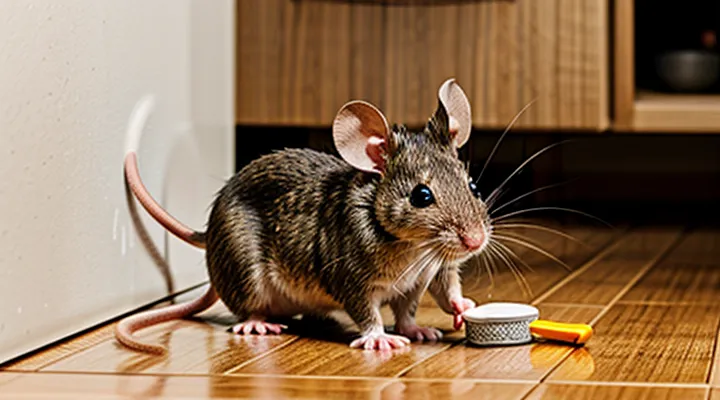
Understanding the Mouse Problem
Why Mice Enter Your Home
Food and Shelter
Food and shelter are the most effective levers for reducing mouse activity without employing traps.
Mice are drawn to readily available food sources and safe nesting sites. Eliminating these attractants forces rodents to relocate or become visible, allowing homeowners to intervene with minimal equipment.
Key actions focus on two areas:
- Remove unsecured food: store dry goods in airtight containers, clean crumbs from countertops and floors, and seal garbage bins with tight‑fitting lids.
- Limit water access: fix leaks, wipe wet surfaces, and avoid leaving pet water dishes overnight.
Shelter reduction requires altering entry points and interior conditions:
- Seal gaps larger than a quarter‑inch with steel wool, caulk, or expanding foam.
- Install door sweeps and weatherstripping on exterior doors.
- Declutter storage areas; keep boxes off the floor and elevate items to discourage nesting.
Habitat modification can be reinforced by strategic placement of deterrents:
- Distribute small amounts of non‑toxic repellent (e.g., peppermint oil on cotton balls) near suspected entryways.
- Use ultrasonic emitters in rooms where mice have been observed; position devices according to manufacturer guidelines.
Consistent maintenance sustains the environment hostile to mice. Regular inspections of food storage, waste disposal, and structural seals prevent re‑infestation and minimize the need for physical capture methods.
Breeding and Infestation
Mice reproduce rapidly; a single female can produce up to ten litters per year, each containing five to eight offspring. This reproductive capacity transforms a solitary sighting into a full‑scale infestation within weeks if conditions remain favorable.
Key factors that accelerate breeding include abundant food sources, accessible water, and concealed nesting sites. Stored grain, unsecured pantry items, and pet food left out provide the calories required for gestation and weaning. Leaky pipes, condensation, and damp basements supply the moisture mice need for survival. Cluttered storage areas, wall voids, and attic insulation offer shelter from predators and harsh weather.
Effective mitigation focuses on eliminating the resources that support population growth:
- Secure all food in airtight containers; discard crumbs and spills immediately.
- Repair leaks, dry damp areas, and ensure proper ventilation.
- Declutter basements, attics, and crawl spaces; seal gaps larger than ¼ inch with steel wool and expanding foam.
- Remove potential nesting materials such as shredded paper, fabric, and insulation.
Monitoring devices, such as motion‑activated cameras or non‑lethal deterrents, help confirm the presence of active colonies. Early detection enables prompt intervention before breeding cycles amplify the problem. Continuous maintenance of the preventive measures described above sustains a mouse‑free environment without reliance on traditional traps.
Risks of Having Mice
Health Hazards
Health hazards associated with non‑trap mouse capture methods demand careful attention. Direct handling of rodents introduces pathogens such as hantavirus, leptospirosis, and salmonella, which can enter the bloodstream through skin abrasions or mucous membranes. Contact with droppings, urine, and saliva creates aerosolised particles that settle on surfaces, increasing the risk of respiratory infection.
Use of homemade captures often involves improvised chemicals or repellents. Many household substances—acetone, bleach, or essential‑oil mixtures—pose dermal irritation, toxic inhalation, or corrosive damage when applied in confined spaces. Improper ventilation amplifies exposure, especially for children and individuals with asthma.
Physical injury remains a concern. Live mice may bite or scratch, delivering bacterial infection and triggering allergic reactions. Their sharp teeth can cause puncture wounds that require prompt cleaning to prevent tetanus or cellulitis.
Secondary poisoning presents a hidden danger when lethal baits are employed without traps. Residual toxin on captured mice can contaminate kitchen surfaces, pet food, or household dust, leading to accidental ingestion by non‑target occupants. Chronic low‑dose exposure to anticoagulant rodenticides is linked to liver dysfunction and bleeding disorders.
Sanitation failures compound all risks. Failure to disinfect areas where mice are confined or released allows pathogens to persist, contaminating food preparation zones and increasing the likelihood of gastrointestinal illness.
Mitigation strategies include:
- Wearing disposable gloves and protective eyewear during capture.
- Disinfecting surfaces with an EPA‑approved virucidal agent after contact.
- Ventilating rooms when applying chemical deterrents.
- Securing baits away from children, pets, and food storage.
- Consulting medical professionals promptly after any bite, scratch, or exposure incident.
Property Damage
Mice entering a residence without the use of conventional traps often create damage that extends beyond the immediate presence of the animal. Their incisors can chew through a variety of building materials, compromising structural integrity and increasing repair costs.
Typical damage includes:
- gnawed electrical wiring, creating fire hazards;
- perforated insulation, reducing energy efficiency;
- breached drywall and baseboards, exposing interior cavities;
- contaminated food storage areas, leading to spoilage and health risks.
Mitigation measures:
- Seal entry points with steel wool, caulk, or metal flashing to prevent access.
- Install removable barriers such as mesh screens on vents and gaps.
- Apply non‑lethal deterrents—eucalyptus oil, peppermint oil, or ultrasonic emitters—directly to suspected pathways.
- Conduct regular inspections of wiring, insulation, and stored goods to detect early signs of activity.
- Relocate food sources into airtight containers and maintain strict cleanliness to reduce attraction.
Implementing these actions reduces the likelihood of costly repairs and preserves the condition of the property while adhering to a trap‑free approach.
Humane Mouse Removal Methods
Live Traps (Catch and Release)
Types of Live Traps
Live traps provide a humane method for removing mice from residential spaces without relying on lethal devices. These devices confine the animal alive, allowing release at a suitable distance from the home.
- «Box trap»: A rectangular cage with a one‑way door; bait placed inside attracts the mouse, and the door closes when the animal steps on the trigger plate.
- «Tube trap»: A narrow cylindrical tube ending in a funnel; the mouse enters seeking bait, then cannot reverse direction due to a hinged lid.
- «Multi‑catch trap»: A larger enclosure featuring several entry points; capable of holding several mice simultaneously, reducing the need for frequent resetting.
- «Bucket trap»: A suspended platform linked to a weighted bucket; the mouse’s movement triggers the platform to drop, depositing the animal into the bucket.
- «Wooden crate trap»: Constructed from untreated wood with a spring‑loaded latch; bait placed at the far end draws the mouse, and the latch secures the door upon entry.
Selection should consider ease of cleaning, durability of materials, and the ability to transport the captured mouse safely for release. Proper placement near known activity zones and appropriate bait increase capture efficiency while maintaining humane standards.
Baiting and Placement
Effective bait selection determines success when eliminating mice without mechanical traps. Choose attractants that align with rodent feeding habits and household safety.
- Peanut butter, high‑fat content, adheres to surfaces, prolonging exposure.
- Sunflower seeds, small size, readily consumed, suitable for dry locations.
- Dried fruit, sweet aroma, appeals to omnivorous tendencies.
- Oatmeal mixed with a few drops of vanilla extract, low‑odor, safe around children and pets.
Placement must target established pathways and concealment zones. Position bait stations near walls, behind appliances, and within 12 inches of suspected activity. Secure bait on sturdy platforms—plastic lids, cardboard trays, or small wooden blocks—to prevent displacement by movement. Ensure each station remains stationary for at least 48 hours before relocation.
Additional considerations include maintaining a clean environment to avoid competing food sources, monitoring bait efficacy daily, and rotating attractants to prevent habituation. Continuous observation enables timely adjustment of station locations, enhancing overall effectiveness.
Safe Release Practices
Releasing a captured mouse safely protects the animal and reduces the likelihood of it returning to the home. The process requires careful planning, appropriate equipment, and adherence to local wildlife regulations.
- Choose a release location at least 100 meters from the dwelling, preferably in a wooded area or garden with natural cover.
- Use a sturdy container with a secure lid; a small cardboard box or a ventilated plastic bin works well.
- Transport the container calmly, avoiding sudden movements that could stress the animal.
- Open the lid gently on the ground, allow the mouse to exit on its own, and close the container promptly once the animal has left.
- Dispose of any bedding, food remnants, or droppings with a sealed bag to prevent odor attraction.
After release, clean the capture area thoroughly with a mild disinfectant, and seal any entry points that may have allowed the mouse inside. Regular inspection of gaps around doors, windows, and utility openings helps maintain a mouse‑free environment.
Repellents and Deterrents
Natural Repellents («Peppermint Oil», «Clove Oil»)
Natural repellents provide an effective, non‑lethal alternative for deterring rodents in residential settings. Essential oils with strong aromatic profiles interfere with a mouse’s sensory receptors, prompting avoidance of treated areas.
«Peppermint Oil» acts as a volatile deterrent. Apply a few drops to cotton balls, place them near entry points, behind appliances, and in concealed corners. Replace cotton balls every three to five days to maintain potency. Ensure ventilation to prevent lingering scent from becoming overwhelming for occupants.
«Clove Oil» offers a complementary scent profile. Mix ten millilitres of water with one millilitre of oil, transfer the solution to a spray bottle, and mist baseboards, shelves, and gaps around doors. Reapply weekly or after cleaning. Test on a small, inconspicuous surface to confirm material compatibility.
Key considerations:
- Use sealed containers to protect oils from evaporation.
- Combine both oils for broader olfactory coverage.
- Keep repellents out of reach of children and pets.
- Monitor mouse activity; adjust placement if signs persist.
When integrated with proper sanitation and exclusion measures, these natural agents reduce the likelihood of mouse incursions without resorting to mechanical traps.
Electronic Repellents
Electronic repellents provide a non‑lethal approach to deter rodents from residential spaces. These devices emit ultrasonic or electromagnetic frequencies that interfere with the sensory systems of mice, prompting them to vacate the area. The principle relies on frequencies above the human hearing range, typically between 20 kHz and 65 kHz, which cause discomfort without harming the animal.
Installation guidelines:
- Position units at ceiling height, away from walls, to ensure unobstructed wave propagation.
- Place one device per 25 square meters; larger rooms may require additional units for uniform coverage.
- Connect to a stable power source; avoid extension cords that could introduce voltage fluctuations.
Effectiveness considerations:
- Mice may acclimate to a single frequency; models offering adjustable or multi‑frequency output maintain deterrence over time.
- Metal furniture and dense insulation can block ultrasonic waves; assess room layout before final placement.
- Continuous operation yields consistent results; intermittent use reduces impact on the target species.
Maintenance requirements are minimal. Clean the exterior surface monthly to prevent dust accumulation, which can attenuate signal strength. Replace batteries in cordless units according to manufacturer specifications, typically every 6 months. Ensure compliance with local regulations regarding electromagnetic emissions; most devices meet FCC or CE standards, confirming safety for human occupants.
When combined with sanitation measures—such as sealing entry points and removing food sources—electronic repellents contribute to a comprehensive strategy for mouse control without the use of traditional traps. «Effective deterrence» depends on proper device selection, strategic placement, and ongoing monitoring of rodent activity.
Sealing Entry Points
Sealing entry points eliminates the primary route rodents use to invade a residence, forming the foundation of any non‑trap mouse‑control strategy. By blocking access, the need for reactive measures diminishes, allowing preventive maintenance to sustain a rodent‑free environment.
Typical ingress locations include:
- Gaps around utility pipes and cables
- Openings beneath doors and windows
- Cracks in foundation walls or basement floors
- Unfinished attic vents and roof eaves
- Holes behind appliances such as refrigerators or stoves
Identifying these vulnerabilities requires a systematic inspection. Begin at ground level, tracing the perimeter with a flashlight while feeling for drafts. Progress upward to the attic and basement, noting any visible fissures or loose siding. Document each site to prioritize remediation.
Materials suitable for durable sealing comprise steel wool, copper mesh, expanding polyurethane foam, and cement‑based caulk. For small gaps, insert steel wool tightly, then cover with caulk to prevent gnawing. Larger openings benefit from copper mesh backed by foam, creating a dual barrier resistant to chewing. Cement‑based sealants secure cracks in concrete or masonry, ensuring long‑term integrity.
After application, schedule periodic checks—quarterly for high‑traffic areas, semi‑annually for less exposed zones. Replace deteriorated material promptly, as rodents exploit even minor wear. Consistent maintenance sustains the barrier, reducing reliance on traps and supporting a humane, trap‑free approach to mouse control.
DIY Capture Techniques
«Bucket Trap» Method
The «Bucket Trap» method provides a simple, cost‑effective solution for removing mice from residential spaces without traditional snap or glue devices. By exploiting the animal’s natural tendency to seek shelter and climb, the trap directs the rodent into a container where escape becomes impossible.
Materials required:
- A sturdy bucket with a capacity of at least 5 liters
- A wooden or plastic ramp, 30–45 cm long
- A smooth, lubricated surface (e.g., petroleum jelly) for the ramp’s top edge
- A small amount of bait such as peanut butter or rolled oats
- Optional: a piece of cardboard or thin plywood to cover the bucket rim
Assembly steps:
- Position the bucket on a stable, flat surface near known mouse activity.
- Secure the ramp to the bucket rim so that its upper end rests on the rim and its lower end rests on the floor, forming an inclined plane.
- Apply a thin layer of lubricant to the ramp’s upper edge to reduce friction and encourage the mouse to slide off into the bucket.
- Place a pea‑sized amount of bait at the far end of the ramp, ensuring it is within reach but does not obstruct the mouse’s path.
- If desired, cover the bucket rim with a thin sheet that allows the mouse to fall through but prevents re‑entry.
Placement considerations:
- Locate the trap along walls, behind appliances, or near entry points where mice travel.
- Keep the area free of clutter to maintain an uninterrupted route to the bucket.
- Check the trap at least twice daily; a mouse typically remains in the bucket for several hours before exhaustion.
Disposal and sanitation:
- Transfer captured mice into a sealed plastic bag and dispose of them according to local regulations.
- Empty the bucket, rinse with hot water, and disinfect with a mild bleach solution.
- Allow the bucket and ramp to dry completely before reuse.
The described approach eliminates the need for lethal mechanisms while delivering reliable results in typical home environments.
«Paper Towel Roll» Trap
A paper towel roll can be transformed into an effective capture device for rodents that have entered a home. The method relies on the roll’s cylindrical shape, which guides a mouse toward a confined space where escape becomes impossible.
Materials required:
- Empty paper towel roll
- Cardboard or stiff paper for a funnel insert
- Peanut butter or small food bait
- Tape or rubber bands
- Small container or box with a lid
Construction steps:
- Cut a funnel shape from cardboard, ensuring the narrow end fits snugly inside the roll’s opening.
- Insert the funnel so that the wide end faces outward, creating a one‑way entry.
- Apply a thin layer of bait to the interior wall of the roll, near the narrow end.
- Secure the funnel with tape or rubber bands to prevent displacement.
- Position the assembled device on a floor surface where mouse activity has been observed, aligning the roll’s opening with the wall to encourage entry.
Deployment guidelines:
- Place the trap near known pathways, such as behind appliances or along baseboards.
- Check the device at regular intervals; once a mouse is captured, transfer it to a suitable release location or dispose of it according to local regulations.
- After use, clean the roll and replace the funnel if reuse is intended.
The «Paper Towel Roll» trap offers a low‑cost, non‑lethal alternative to conventional snap or glue devices, leveraging readily available household items to manage rodent intrusions.
Other Improvised Methods
Improvised techniques extend beyond common bait stations, offering alternatives that rely on household items and natural deterrents.
- A water‑filled plastic bottle positioned upside down creates a narrow funnel; a mouse enters seeking shelter, then slides toward the neck where the opening narrows, preventing escape. - A rolled towel or blanket placed over a shallow pan of oil forms a slippery surface; the mouse slips and becomes immobilized, allowing safe capture with gloves. - A piece of cardboard with a narrow slit, propped against a wall, serves as a temporary tunnel; the mouse follows the scent of food placed at the far end, then encounters the constrained exit, facilitating removal. - A cotton ball soaked in peppermint oil, enclosed in a perforated container, emits a strong scent that discourages entry; positioning several units along known pathways reduces activity without lethal measures. - A sturdy cardboard box with a hinged lid, propped open with a small stick, acts as a makeshift trap; bait placed inside lures the mouse, and the stick can be withdrawn remotely, sealing the box for transport.
Each method utilizes readily available materials, minimizes risk to occupants, and aligns with humane removal practices.
Prevention and Long-Term Solutions
Home Maintenance and Sanitation
Food Storage Best Practices
Proper food storage directly reduces the likelihood of rodent attraction. Seal all edible items in containers that prevent access, eliminate odors, and maintain freshness. Use materials such as glass jars, heavy‑wall plastic bins, or metal cans equipped with airtight lids.
- Store grains, cereals, and pet food in containers with snap‑tight or screw‑on closures.
- Keep pantry shelves clear of spills; wipe crumbs and residue after each use.
- Position food storage units away from walls and appliances to avoid concealed pathways.
- Rotate inventory regularly; discard items past their expiration dates to avoid decay.
- Maintain a consistent temperature; refrigeration slows scent development and deters pests.
Separate raw meat from ready‑to‑eat foods. Place raw products on the lowest shelf of the refrigerator, sealed in leak‑proof packaging, to prevent drips that could attract mice. Regularly clean refrigerator coils and door seals, removing any food particles that may accumulate.
Inspect storage areas weekly for signs of infestation. Look for gnaw marks, droppings, or disturbed packaging. Promptly repair any gaps in walls, floors, or cabinets, using steel wool or caulk to block potential entry points. Implementing these practices creates an environment where food remains secure and rodent activity is minimized.
Regular Cleaning
Regular cleaning eliminates food residues that attract rodents, reduces clutter that provides shelter, and lowers the likelihood of a mouse establishing a nest in domestic spaces. Maintaining a tidy environment directly impedes rodent activity without reliance on trapping devices.
- Remove crumbs and spills from countertops, floors, and appliances immediately after meals.
- Store dry goods in airtight containers; seal pantry items and dispose of packaging promptly.
- Vacuum carpets and rugs daily; mop hard floors with a disinfectant solution to eradicate scent trails.
- Declutter storage areas; discard unused items, and organize boxes to prevent concealed entry points.
- Clean behind and beneath appliances, furniture, and appliances on a weekly schedule to expose hidden food sources.
Consistent cleaning schedules, such as daily surface maintenance and weekly deep‑cleaning cycles, create conditions unsuitable for mouse habitation. Periodic inspection of hidden zones, combined with the described sanitation practices, sustains a rodent‑free household without the need for traps.
Waste Management
Effective waste management reduces food sources that attract mice, allowing a household to deter rodents without relying on traps.
Secure all edible waste in containers that seal tightly, preventing odor escape and limiting access. Plastic or metal bins equipped with snap‑lock lids provide reliable barriers.
Dispose of refuse promptly; daily removal of kitchen trash eliminates accumulation that could sustain rodent activity. Compost bins should be located outdoors, away from the building, and equipped with fine mesh to block entry.
Maintain a clutter‑free environment. Store cardboard, paper, and fabric items in sealed boxes, as these materials offer nesting opportunities when left exposed. Regularly vacuum corners, under appliances, and behind furniture to eliminate hidden debris.
Key actions:
- Use snap‑lock waste containers for all food scraps.
- Remove household trash at least once per day.
- Position composters outdoors, cover with mesh.
- Store potential nesting materials in sealed storage.
- Perform routine cleaning of hard‑to‑reach areas.
Identifying and Sealing Entry Points
Common Entry Areas
Mice exploit any opening that permits passage from the exterior to interior spaces. Identifying and securing these routes prevents intrusion without resorting to lethal devices.
- Gaps beneath exterior doors, often a few centimeters wide, allow entry during normal traffic.
- Cracks around window frames, especially in older constructions, create hidden pathways.
- Openings for utilities (cable, plumbing, HVAC) frequently lack proper flashing or mesh.
- Vents and dryer exhaust ducts, when unfiltered, serve as direct conduits.
- Foundation fissures, including those around crawl‑space access doors, provide low‑level ingress.
- Roof eaves and soffit vents, if not screened, enable upward movement into attics.
Seal each opening with materials that resist gnawing: steel wool combined with caulk for small cracks, heavy‑duty door sweeps for thresholds, metal flashing around utility penetrations, and mesh screens for vents. Regularly inspect previously sealed sites for signs of wear and reinforce as needed.
Materials for Sealing
Effective rodent exclusion begins with sealing entry points. Identify gaps around foundations, utility penetrations, and interior openings. Apply appropriate sealing agents to block access and reduce the likelihood of mice re‑entering the home.
Common sealing materials include:
- Expanding polyurethane foam for large cavities and irregular gaps.
- Silicone caulk for joints around windows, doors, and fixtures.
- Acrylic latex sealant for drywall cracks and small openings.
- Steel wool or copper mesh combined with caulk for holes surrounding pipes and vents.
- Weather‑strip tape for movable thresholds and door sweeps.
When applying each material, clean the surface, remove debris, and allow the sealant to cure fully before exposing the area to moisture or temperature fluctuations. Regular inspection of sealed points ensures long‑term integrity and supports a trap‑free rodent management strategy.
Regular Inspections
Regular inspections form the backbone of a trap‑free strategy. By scanning each room weekly, signs of mouse activity appear early, allowing swift corrective measures before an infestation spreads.
Key inspection points include:
- Gaps around pipes, vents, and baseboards; seal any opening larger than a quarter of an inch.
- Accumulated food debris in cabinets, pantry shelves, and behind appliances; remove and clean promptly.
- Droppings, gnaw marks, and shredded material along walls, under furniture, and in storage areas; document locations for targeted action.
Maintain a log of findings, noting date, area, and observed evidence. Refer to the log when planning cleaning cycles or sealant applications, ensuring consistent progress without reliance on lethal devices.
Creating an Unwelcoming Environment
Eliminating Water Sources
Mice require regular access to moisture; eliminating readily available water removes a primary incentive for their presence.
Typical indoor water sources include leaking pipes, dripping faucets, condensation on windows, pet water bowls left unattended, and standing water in plant saucers.
Practical steps to eradicate these sources:
- Repair all pipe leaks and faucet drips promptly.
- Wipe condensation from windows and walls each morning.
- Replace pet water bowls with sealed containers; refill only when necessary.
- Empty, dry, and store plant saucers after watering.
- Ensure that dishwashers, washing machines, and refrigerators are level to prevent pooling.
Regular inspection of the home’s interior and exterior for hidden moisture points, followed by immediate remediation, sustains an environment unsuitable for mouse habitation.
By denying water, the attraction factor diminishes, supporting a trap‑free approach to mouse control.
Reducing Clutter
Reducing clutter creates an environment where a mouse cannot hide or travel unnoticed. Open floor space eliminates potential nesting sites and forces the rodent into exposed areas where non‑lethal deterrents become effective.
Clear countertops and tables of food remnants, store utensils in closed cabinets, and keep pet dishes on raised platforms. Remove stacks of newspapers, cardboard boxes, and unused linens from corners; replace them with sealed containers or shelves attached to walls.
Key actions for clutter reduction:
- Declutter each room in a systematic pass, discarding items that are broken, rarely used, or lack a designated storage place.
- Store all food in airtight containers; label containers with dates to prevent stale leftovers.
- Install hooks or pegboards for tools and accessories, keeping surfaces free of loose objects.
- Vacuum regularly, focusing on edges and under furniture where debris accumulates.
A tidy home limits the mouse’s ability to establish a foothold, making observation of movement easier and enabling alternative control methods such as ultrasonic devices or natural repellents. Maintaining order also simplifies cleaning, removing scent trails that attract rodents. Continuous attention to clutter prevents re‑infestation without the need for traps.
Landscaping Considerations
Landscaping directly influences the likelihood of rodents entering a residence. Dense ground cover, unmanaged compost piles and low‑lying vegetation create shelter and concealment for mice, making exterior control difficult.
Effective measures include:
- Trim hedges and shrubs to a height no greater than 12 inches, eliminating hiding zones near foundations.
- Replace soft mulch with coarse stone or bark that discourages nesting.
- Store firewood off the ground and maintain a minimum clearance of 18 inches from the house.
- Install a perimeter of gravel or sand around the foundation to impede burrowing.
- Ensure drainage slopes direct water away from the structure, preventing damp soil that attracts rodents.
Regular inspection of garden borders for gaps, cracks or holes in siding and foundation walls prevents entry points. Sealing identified openings with steel wool and caulk creates a durable barrier without harming the animal.
Integrating these landscaping practices reduces mouse activity around the home, supporting non‑trap removal strategies while preserving the aesthetic and functional value of the outdoor space.