
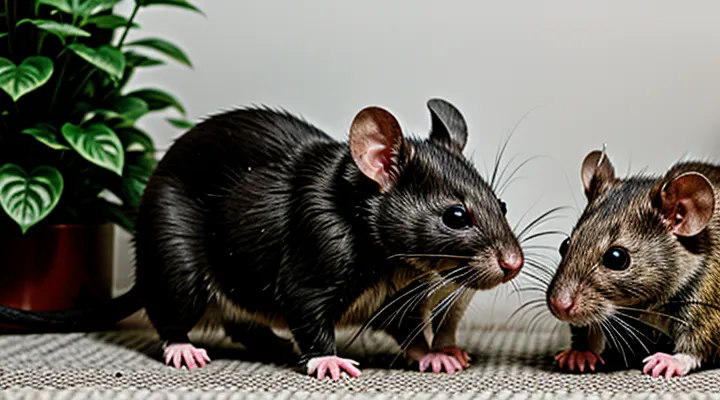
Getting Started with Decorative Rats
Choosing Your Rats
«Breeds» and Types
Decorative rats come in several distinct breeds, each developed for specific aesthetic traits and temperament. Understanding these varieties helps owners match a rat’s appearance and behavior to their environment and care capabilities.
- Standard Fancy – Classic color patterns such as hooded, siamese, and patched; medium size; adaptable temperament.
- Rex – Curly, plush fur; requires regular grooming to prevent matting; generally calm.
- Hairless (Dumbo) – Minimal fur, prominent ears; sensitive skin needs humidity control and protective clothing.
- Dumbo – Enlarged ears and rounded head; friendly disposition; ear cleaning is essential to avoid infections.
- Berkshire – Dark coat with white facial markings; sturdy build; suitable for novice caretakers.
- Satin – Shiny, sleek coat; lower grooming demand; active and inquisitive.
Selection criteria focus on coat maintenance, space requirements, and health predispositions. Rats with dense or curled fur often develop skin issues if not brushed weekly. Hairless individuals benefit from supplemental warmth and barrier creams. Ear size influences cleaning frequency; larger ears trap debris more readily. Temperament varies among breeds, but most decorative rats thrive on social interaction and mental stimulation; isolation can lead to stress-related behaviors.
Nutrition, housing, and enrichment remain consistent across breeds. Provide a balanced diet, a cage with multiple levels, and regular handling sessions. Monitor weight, coat condition, and activity levels to detect early signs of illness. Preventative veterinary checks at least twice yearly support long‑term well‑being.
Effective ownership hinges on matching breed characteristics with the caretaker’s commitment to grooming, environmental control, and social engagement. Proper alignment reduces health complications and enhances the rat’s quality of life.
Where to Adopt or Buy
When seeking a decorative rat, evaluate sources that guarantee health, temperament, and ethical practices. Reputable breeders maintain clean facilities, provide health records, and allow observation of parental animals. Rescue groups specialize in rehoming rats rescued from neglect or abandonment; they often screen adopters and supply background information on each animal. Licensed pet stores may carry rats sourced from accredited breeders, but verify that staff can present veterinary certificates. Online platforms such as dedicated rodent forums and classified sites list available rats; prioritize sellers who offer detailed health histories and allow video or in‑person inspection. Municipal animal shelters sometimes accept rats; contacting the shelter directly confirms availability and adoption procedures.
Key considerations for any acquisition:
- Verify that the provider complies with local animal‑ownership regulations.
- Request recent veterinary check‑ups, including vaccination and parasite treatment records.
- Ensure the rat has been socialized and exhibits normal behavior (active, curious, responsive to handling).
- Ask about the rat’s diet, housing requirements, and any known health issues.
- Confirm that the seller or rescue offers a return or support policy in case of unforeseen problems.
By selecting a source that meets these criteria, owners can secure a healthy decorative rat and lay the foundation for responsible long‑term care.
Setting Up Their Environment
Cage Requirements
A suitable enclosure is fundamental for the health and well‑being of ornamental rats. The cage must provide ample space, secure construction, proper ventilation, and easy maintenance.
- Minimum floor area: 2 sq ft per rat; larger groups require proportionally more space. A minimum height of 12 in allows for climbing and vertical enrichment.
- Material: sturdy wire mesh with openings no larger than ½ in to prevent escape while permitting airflow. Frames of powder‑coated steel resist corrosion; avoid cages with plastic components that may crack under chewing.
- Flooring: solid base covered with absorbent, dust‑free bedding such as shredded paper or aspen shavings. Avoid pine or cedar, which release volatile oils harmful to respiratory systems.
- Accessibility: doors and tunnels should open fully without sharp edges. A removable top or side panel simplifies cleaning and facilitates daily inspection.
- Enrichment fixtures: multiple levels, ramps, and chew‑safe toys must be securely attached to prevent collapse. All items should be free of paint or varnish containing toxic chemicals.
- Safety features: lockable latches prevent accidental opening; corners and edges should be rounded. Ensure the cage is placed on a stable surface away from direct sunlight, drafts, and temperature extremes.
Regular cleaning—removing soiled bedding and disinfecting surfaces weekly—maintains hygiene and reduces odor. Replace bedding entirely every two weeks or sooner if soiled. Inspect the cage daily for wear, loose wires, or damaged components; replace compromised parts immediately to avoid injury.
Size and Bar Spacing
When selecting a habitat for ornamental rats, prioritize interior dimensions that allow unrestricted movement. Minimum floor space should be at least 2 sq ft per animal; larger enclosures reduce territorial stress and support healthy exercise routines. Height of the cage must accommodate vertical climbing, with a minimum clearance of 12 inches from the floor to the top rail.
Bar spacing directly affects safety. Gaps larger than ½ inch permit head or paw entry, increasing the risk of entrapment or escape. Conversely, openings smaller than ¼ inch impede ventilation and may cause excessive heat buildup. The optimal range is ¼–½ inch, measured between the inner faces of adjacent bars.
Key considerations:
- Measure interior length, width, and height; add 10 % to each dimension to account for accessories such as wheels, tunnels, and bedding.
- Verify bar spacing with a ruler or caliper before purchase; avoid cages marketed solely by overall size.
- Choose metal bars with a smooth finish to prevent injuries; avoid rusted or sharp-edged fixtures.
- Ensure the cage top is securely latched; decorative rats are adept at manipulating loose fittings.
Regularly inspect the enclosure for wear. Replace any bars that become bent or corroded, as altered spacing can compromise security. Maintaining correct dimensions and bar spacing sustains a safe environment and promotes the well‑being of decorative rats.
Location in Your Home
Select a quiet area away from direct sunlight, drafts, and sudden temperature changes. Consistent ambient temperature between 18 °C and 24 °C supports healthy metabolism and reduces stress. Position the enclosure on a stable, level surface; avoid shelves that wobble or tables near windows that receive glare.
Provide sufficient space for movement and enrichment. Minimum floor area of 0.5 sq ft per rat, plus vertical climbing structures, prevents overcrowding. Place the cage where the household traffic is moderate; high‑traffic zones increase anxiety, while isolation can limit social interaction with owners.
Maintain proper ventilation without exposing rats to breezes. Mesh panels should face away from air vents, and the cage must not be placed directly in front of HVAC outlets. Ensure the enclosure is secure from predators such as cats and dogs; a closed door or barrier adds protection.
Control noise levels. Avoid locations near televisions, speakers, or appliances that generate continuous vibrations. Quiet surroundings promote regular sleep cycles and reduce the likelihood of startled behavior.
Facilitate easy cleaning and routine health checks. Position the cage near a sink or a water source to simplify water bottle refilling and substrate replacement. Ensure the area allows unobstructed access for daily inspection, grooming, and handling.
Key placement considerations
- Stable, level surface away from direct sunlight and drafts
- Moderate household traffic; not in high‑noise zones
- Adequate floor and vertical space for each rat
- Ventilation oriented away from strong air streams
- Secure from household pets and predators
- Proximity to cleaning facilities for efficient maintenance
By adhering to these guidelines, owners create a safe, comfortable environment that supports the well‑being of decorative rats and facilitates routine care.
Essential Cage Accessories
Providing decorative rats with a well‑equipped enclosure is a prerequisite for health and behavior management. The following items constitute the minimum set of accessories required for a functional cage.
- Appropriate cage – minimum dimensions 24 in × 12 in × 12 in; solid base, metal bars spaced no more than ½ in apart to prevent escapes.
- Absorbent bedding – dust‑free, non‑clumping material such as paper pulp or aspen shavings; replace weekly to maintain hygiene.
- Secure hideout – enclosed PVC pipe, wooden house, or ceramic shelter; offers a safe retreat for stress reduction.
- Water dispenser – stainless‑steel bottle with a bite‑proof nozzle; check daily for leaks and clean with mild soap.
- Food container – heavy ceramic or metal dish with low rims; prevents tipping and contamination.
- Chew objects – untreated wood blocks, natural mineral chews, or cardboard rolls; support continuous tooth wear.
- Exercise wheel – solid surface, 8‑inch diameter, mounted securely; eliminates injuries associated with wire wheels.
Placement of accessories should follow a logical flow: water and food near the cage front for easy access, hideout in a quiet corner, and wheel opposite the hideout to encourage movement. Regular inspection of each component for wear or damage ensures ongoing safety. Replacing worn items promptly prevents health risks and maintains a stable environment for decorative rats.
Bedding Materials
Choosing appropriate bedding directly affects a decorative rat’s health, comfort, and odor control. The substrate must be absorbent, low‑dust, and safe if ingested. Non‑toxic, washable options reduce the risk of respiratory irritation and skin problems while simplifying cage maintenance.
- Paper‑based bedding (e.g., shredded paper, recycled paper pellets). High absorbency, minimal dust, biodegradable; easy to replace, but may compress quickly under heavy use.
- Aspen shavings. Naturally low in aromatic oils, moderate dust; provides a familiar nesting texture, yet requires regular cleaning to prevent mold.
- Coconut fiber (coir). Excellent moisture retention, biodegradable, offers a soft nest; may develop a strong scent over time and can become moldy if not dried thoroughly.
- Reusable fleece liners. Washable, virtually dust‑free, long‑lasting; lack of absorbency necessitates a secondary absorbent layer underneath.
Avoid cedar, pine, and scented hardwoods; volatile compounds can damage respiratory tissues. Rotate bedding weekly, monitor humidity, and replace any soiled sections promptly to maintain a healthy environment for the pet rat.
Food and Water Dispensers
Choosing the right food and water dispensers is essential for the health and comfort of decorative rats. A reliable dispenser provides consistent access to fresh nutrition while minimizing spillage and contamination.
A gravity‑fed water bottle made of clear polycarbonate allows easy monitoring of liquid levels. The bottle should attach securely to the cage with a stainless‑steel sipper tube that resists gnawing. Replace the bottle weekly, clean the tube with a brush, and sterilize the bottle with a mild bleach solution (1 % concentration) before rinsing thoroughly.
Dry food dispensers fall into two categories:
- Weighted dispensers – maintain a steady supply of pellets; the weight mechanism prevents over‑eating and reduces waste.
- Hopper‑style automatic feeders – programmable timers release measured portions at set intervals, supporting a regular feeding schedule for multiple rats.
When selecting a dispenser, consider cage size, material durability, and ease of disassembly. Acrylic or stainless‑steel components withstand chewing and simplify cleaning. Ensure that the opening is large enough for typical pellet sizes but small enough to prevent accidental ingestion of dispenser parts.
Maintenance routine:
- Empty the dispenser daily to inspect for mold, debris, or damaged components.
- Wash all removable parts with warm, soapy water; rinse completely to avoid residue.
- Disinfect weekly using a diluted hydrogen peroxide solution (3 %); allow components to air‑dry before reassembly.
Position dispensers away from high‑traffic areas to reduce the likelihood of knocked‑over bottles. Secure the water bottle with a metal bracket to prevent bending of the sipper tube. Place the food dispenser at a height that encourages natural foraging behavior while keeping the bowl stable.
By adhering to these specifications, owners provide a hygienic, reliable source of sustenance that supports the well‑being of decorative rats and simplifies daily care.
Toys and Enrichment
Providing appropriate toys and enrichment is essential for the health and wellbeing of ornamental rats. Objects that stimulate natural behaviors reduce stress, prevent boredom, and encourage physical activity.
- Chewable items such as untreated wood blocks, natural branches, and safe cardboard tubes satisfy the instinct to gnaw and protect dental health.
- Puzzle feeders that require manipulation to release treats develop problem‑solving skills and keep the animal mentally engaged.
- Tunnels, hammocks, and multi‑level platforms create vertical space, promoting climbing and exploration.
- Small balls, rolling toys, and lightweight mirrors offer visual stimulation and encourage gentle exercise.
- Rotating a selection of toys every few days maintains novelty and prevents habituation.
When selecting enrichment, verify that all materials are non‑toxic, free of sharp edges, and sized appropriately to avoid ingestion hazards. Regularly inspect items for wear and replace damaged pieces promptly. Combining physical, sensory, and cognitive challenges creates a dynamic environment that supports the physiological and psychological needs of decorative rats.
Daily Care and Routine
Nutrition for Healthy Rats
Approved Foods
Providing a balanced diet is essential for the health and appearance of decorative rats. Their nutritional needs include a stable base of high‑quality laboratory rodent pellets, supplemented with fresh, safe foods.
- Vegetables: kale, spinach, carrot tops, broccoli, bell pepper, cucumber. Offer 1–2 teaspoons per rat daily, chopped finely.
- Fruits: apple (core removed), blueberry, strawberry, pear. Limit to a few small pieces two to three times per week to prevent excess sugar.
- Whole grains: cooked oatmeal, barley, quinoa. Serve warm, unsalted, in portions of ½ teaspoon per rat.
- Protein sources: boiled egg white, cooked lean chicken, low‑fat plain yogurt. Provide ¼ teaspoon of protein 2–3 times weekly.
- Treats: dried insects (e.g., crickets), small pieces of unsalted cheese, commercially approved rat treats. Use sparingly, no more than 1% of total intake.
All foods must be washed thoroughly, free of pesticides, and introduced gradually to monitor tolerance. Replace any uneaten fresh items within two hours to avoid spoilage. Consistent feeding schedules and clean water enhance digestion and coat quality.
Foods to Avoid
When keeping ornamental rats, diet quality directly influences health, behavior, and lifespan. Certain foods pose immediate or long‑term risks and must be excluded from daily meals.
- Chocolate, candy, and any product containing caffeine or theobromine – toxic to rodents, can cause seizures or cardiac failure.
- Citrus fruits and juices – high acidity irritates stomach lining and may lead to digestive upset.
- Raw or undercooked beans, especially kidney beans – contain phytohemagglutinin, a potent toxin.
- Processed meats, bacon, and deli slices – high salt and fat content strain kidneys and liver.
- Avocado flesh and pits – contain persin, which can cause respiratory distress.
- Nuts in shells or salted varieties – shells present choking hazards; excess salt induces dehydration.
- Dairy products such as milk, cheese, and yogurt – rats lack lactase, leading to diarrhea and nutrient imbalance.
- Sugary beverages, soda, and fruit drinks – contribute to obesity, dental disease, and metabolic disorders.
- Artificial sweeteners, especially xylitol – can cause rapid hypoglycemia and liver damage.
- Moldy or spoiled food – toxins from mold growth damage liver and immune system.
Avoid feeding decorative rats any food that is heavily processed, contains added sugars, salts, or artificial additives. Stick to a base of high‑quality laboratory rat pellets, supplemented with fresh vegetables, limited fruits, and occasional protein sources such as boiled egg or lean cooked chicken. Regularly inspect treats for freshness and remove any items that show signs of spoilage.
Treats and Supplements
Treats should complement a balanced pellet or mash diet, not replace it. Offer small portions of fresh fruit, vegetables, or unsalted nuts no more than once or twice a week. Suitable options include apple slices, carrot sticks, broccoli florets, and plain pumpkin seeds. Avoid sugary, salty, or processed foods; they can cause digestive upset and weight gain.
Supplements address specific nutritional gaps. Common categories are:
- Vitamin C – essential for preventing scurvy; a few milligrams per kilogram of body weight administered in water or mixed with food.
- Calcium and phosphorus – support bone health; use a calibrated powder formulated for small rodents, limited to the recommended daily amount.
- Probiotics – maintain gut flora; a daily dose of a rodent‑specific culture can reduce diarrhea after dietary changes.
- Omega‑3 fatty acids – improve coat condition; a few drops of fish‑oil emulsion added to wet food provide the benefit without excess calories.
When introducing any new item, observe the rat for 24 hours. Signs of intolerance include reduced appetite, loose stools, or respiratory changes. Record the response and adjust the amount or discontinue if adverse effects appear. Store treats and supplements in airtight containers, away from heat and light, to preserve potency.
Regular veterinary check‑ups verify that the nutritional plan meets the animal’s needs. Blood tests can reveal deficiencies that guide supplement selection, ensuring optimal health without over‑supplementation.
Hygiene and Grooming
Cage Cleaning Schedule
A regular cleaning routine is essential for maintaining a healthy environment for ornamental rats and preventing odor, disease, and stress.
Daily tasks focus on waste removal and surface hygiene. Remove all droppings, uneaten food, and soggy bedding. Spot‑clean the cage floor and replace any soiled bedding pieces. Wipe the sides of the cage and any accessories with a damp cloth, using a mild, rat‑safe disinfectant if needed.
Weekly duties extend the daily work with deeper sanitation. Empty the entire bedding, clean all cage components (bars, wheels, hideouts, water bottles, and feeding dishes) with warm, soapy water, then rinse thoroughly. Allow items to air‑dry before reassembly. Refill the cage with fresh, appropriate bedding material, ensuring a depth of at least two inches to allow for burrowing behavior.
Monthly actions address structural upkeep and thorough disinfection. Disassemble the cage, scrub all surfaces with a diluted bleach solution (1 part bleach to 32 parts water) or a veterinary‑approved sanitizer, then rinse multiple times to eliminate residues. Inspect the cage frame, wire mesh, and hinges for rust, wear, or damage; replace compromised parts promptly. Re‑coat metal components with a non‑toxic protective finish if corrosion is evident.
A sample schedule:
- Every day: waste removal, spot cleaning, bedding check.
- Every week: full bedding change, complete washing of accessories, thorough cage wipe.
- Every month: full disassembly, deep sanitization, hardware inspection, replacement of worn parts.
Adhering to this timetable reduces pathogen load, supports the rats’ respiratory health, and promotes a pleasant living space for both pets and owners.
Rat Bathing (When Necessary)
Bathing a pet rat should be an exception, not a routine. Rats groom themselves efficiently; frequent water exposure can strip natural oils, cause skin irritation, and increase stress. Provide a bath only when the animal is visibly soiled, has a strong odor that grooming does not remove, or has encountered a substance that could be toxic if ingested.
Indicators that a bath is required
- Fur coated with sticky residue (e.g., sap, glue, food coloring).
- Persistent odor despite regular cleaning of cage and accessories.
- Visible dirt patches that the rat cannot reach with its paws.
Preparation
- Use a shallow container no deeper than 2 cm; warm water (30‑32 °C) prevents hypothermia.
- Select a mild, fragrance‑free pet shampoo formulated for small rodents, or use plain warm water only.
- Have a soft towel, a hairdryer on low heat, and a safe, escape‑proof area ready.
Procedure
- Place the rat gently in the water, supporting its body to keep the head above the surface.
- Apply a few drops of shampoo (if used) to the back, avoiding the face, ears, and genital area.
- Lather briefly; excessive rubbing can damage the delicate fur.
- Rinse thoroughly with clean, lukewarm water to eliminate all soap residue.
- Transfer the rat to the towel, pat dry, and keep it in a warm, draft‑free spot until completely dry.
Post‑bath care
- Monitor the rat for signs of distress, excessive grooming, or skin redness.
- Return the animal to its cage only after it is fully dry and warm.
- Reinforce regular cage cleaning and provide sand baths to reduce the need for water baths.
Baths performed under these conditions maintain coat health without compromising the rat’s natural grooming mechanisms.
Nail Trimming
Proper nail maintenance prevents painful injuries, improves grip, and reduces damage to cages and furniture. Overgrown claws can curl into the foot pad, leading to infection and impaired mobility.
Typical trimming interval ranges from two to four weeks, depending on the rat’s activity level and nail growth rate. Visible signs of excessive length include clicking sounds on hard surfaces, snagging on bedding, or the claw tip touching the foot pad when the animal stands.
Required equipment:
- Small animal nail clipper or human nail scissors with a fine tip
- Styptic powder or cornstarch for bleeding control
- A bright light source or magnifying glass
- Soft restraint material such as a towel
Procedure:
- Secure the rat gently in a towel, exposing the paws while keeping the animal calm.
- Position the light to illuminate the nail, identifying the clear, pinkish nail bed and the darker growth zone.
- Clip only the sharp tip, staying clear of the growth zone to avoid bleeding.
- If bleeding occurs, apply a small amount of styptic powder or cornstarch until it stops.
- Release the rat and observe for any signs of discomfort before returning it to the cage.
After trimming, monitor the paws for swelling or excessive bleeding. Regular checks ensure that nails remain at an appropriate length and that the trimming technique remains safe and effective.
Health and Wellness
Common Health Issues
Maintaining the well‑being of decorative rats requires awareness of the ailments they most frequently encounter. Early detection and prompt treatment reduce suffering and increase lifespan.
- Respiratory infections – Symptoms include wheezing, nasal discharge, and labored breathing. Pathogens often spread in crowded or poorly ventilated cages.
- Dental overgrowth – Continuous incisor growth leads to malocclusion, difficulty eating, and facial swelling. Uneven wear may indicate inadequate gnawing material.
- Skin parasites – Mites and fleas cause itching, hair loss, and reddened skin. Infestations spread quickly through shared bedding.
- Gastrointestinal stasis – Reduced appetite, abdominal distension, and lethargy signal slowed gut motility. Dehydration commonly accompanies the condition.
- Tumors – Subcutaneous masses, especially in the neck or abdomen, may be benign or malignant. Rapid growth or ulceration warrants veterinary examination.
Preventive actions include providing spacious, well‑ventilated housing; offering constant access to chewable items; cleaning cages regularly; monitoring weight and food intake; and scheduling routine health checks with a small‑animal veterinarian. Immediate veterinary consultation is essential if respiratory distress, severe dental problems, unexplained weight loss, or any sudden behavioral change occurs.
Respiratory Problems
Respiratory problems are a leading health concern for ornamental rats, requiring prompt recognition and targeted care.
Typical signs include nasal discharge, audible wheezing, labored breathing, reduced activity, and a persistent cough. Early detection prevents progression to severe infection or chronic disease.
Common causes are poor air quality, excessive dust, low humidity, and exposure to pathogens such as Mycoplasma pulmonis or viral agents. Anatomical predispositions, including narrow nasal passages, increase susceptibility.
Preventive actions:
- Maintain cage ventilation with fresh, filtered air; replace bedding weekly with low‑dust material.
- Keep ambient humidity between 45‑55 % to keep mucous membranes moist.
- Clean food and water containers daily; avoid moldy or stale food.
- Quarantine new rats for at least two weeks and conduct health screening before integration.
Immediate response to suspected respiratory distress:
- Isolate the affected rat to reduce stress and limit pathogen spread.
- Provide a warm, humidified environment (e.g., a sealed container with a damp towel).
- Offer easy‑to‑ingest, nutrient‑rich liquids such as warmed electrolyte solution.
- Contact a veterinarian experienced with small mammals without delay.
Veterinary management typically involves antimicrobial therapy tailored to identified pathogens, anti‑inflammatory medication, and supportive care such as oxygen supplementation or nebulization. Dosage must follow professional guidelines; self‑medication risks toxicity.
After treatment, monitor respiratory rate, nasal secretions, and overall behavior for at least two weeks. Record any recurrence and adjust environmental parameters accordingly. Consistent observation and strict hygiene remain essential to sustain respiratory health in decorative rats.
Tumors and Cysts
Tumors and cysts are common health concerns for ornamental rats and require prompt identification and management.
Benign growths, such as lipomas and subcutaneous cysts, appear as smooth, movable masses under the skin. Malignant tumors, including mammary adenocarcinomas and sarcomas, often present as firm, irregular swellings that may ulcerate or cause pain. Distinguishing features include growth rate, texture, and the presence of systemic signs such as weight loss, lethargy, or abnormal discharge.
Owners should perform weekly visual inspections and gentle palpation of the entire body. Any new lump, change in size, or alteration in the animal’s behavior warrants veterinary evaluation. Diagnostic steps typically involve:
- Physical examination by a qualified exotic‑animal veterinarian.
- Fine‑needle aspiration or biopsy for cytological or histopathological analysis.
- Imaging studies (ultrasound, radiography, or CT) to assess depth and metastasis.
Treatment options depend on the diagnosis. Surgical excision is the primary approach for accessible benign cysts and many localized tumors. Complete removal with clean margins reduces recurrence risk. In cases of malignancy, adjunctive therapies such as chemotherapy or radiation may be recommended, though their efficacy varies among species. Palliative care, including analgesics and anti‑inflammatory drugs, helps maintain quality of life when curative treatment is not feasible.
Preventive measures focus on environmental and nutritional management. Provide a clean cage, avoid overcrowding, and minimize exposure to known carcinogens (e.g., tobacco smoke, certain chemicals). A balanced diet rich in antioxidants and low in excess fats supports immune function and may lower tumor incidence. Regular health checks, at least twice a year, enable early detection before lesions become advanced.
Documentation of any observed growths, including size, location, and progression, assists veterinary decision‑making. Prompt intervention, combined with diligent monitoring, maximizes the chance of successful outcomes and prolongs the wellbeing of decorative rats.
Parasites
Parasites pose a significant health risk for ornamental rats, compromising skin integrity, blood parameters, and overall vitality. Prompt identification and management are essential to prevent rapid deterioration.
Common parasites affecting decorative rats include:
- External: Sarcoptes mites, fur mites (Myobia spp.), and fleas. Symptoms: excessive scratching, hair loss, crusted lesions.
- Internal: Pinworms (Syphacia spp.), tapeworms (Hymenolepis spp.), and coccidia (Eimeria spp.). Symptoms: weight loss, diarrhea, reduced activity.
Prevention strategies:
- Maintain cage hygiene by removing waste daily and cleaning surfaces weekly with a diluted bleach solution (1:32).
- Provide a dust‑free, low‑humidity environment; high humidity encourages mite proliferation.
- Quarantine new rats for at least four weeks, monitoring fecal samples and coat condition before integration.
- Use reputable, veterinarian‑approved parasite prophylactics on a regular schedule; avoid over‑the‑counter products lacking rodent‑specific dosing.
Treatment protocol:
- Conduct a fecal flotation test to confirm internal parasites; prescribe appropriate anthelmintics (e.g., fenbendazole, 50 mg/kg for five days).
- For external infestations, apply a topical acaricide formulated for rodents, following label dosage precisely; repeat after seven days to break the life cycle.
- Re‑evaluate after treatment completion with a second fecal exam and coat inspection; adjust dosage if parasites persist.
Regular health checks, including visual coat assessment and periodic stool analysis, enable early detection and reduce the likelihood of severe infestations. Owners who implement these measures safeguard the well‑being of their decorative rats and minimize veterinary interventions.
Recognizing Signs of Illness
Monitoring the health of ornamental rats is essential for responsible ownership. Early detection of disease reduces suffering and prevents the spread of infection within a breeding group.
- Lethargy or reduced activity
- Loss of appetite or sudden weight loss
- Discharge from eyes, nose, or ears
- Unusual breathing sounds, rapid breathing, or labored respiration
- Diarrhea, loose stool, or blood in feces
- Scruffy or unkempt fur, bald patches, or excessive grooming
- Swelling, lumps, or abnormal growths on the body
- Changes in urination, such as reduced output or presence of blood
- Aggressive or unusually fearful behavior
When any of these indicators appear, isolate the affected rat immediately, then consult a veterinarian with experience in small rodents. Collect a sample of food, water, and bedding for analysis if possible. Maintain a clean environment, provide supportive nutrition, and follow the professional’s treatment plan without delay. Continuous observation after intervention confirms recovery and helps refine future health‑monitoring practices.
Finding a Rat-Savvy Veterinarian
When a decorative rat shows signs of illness, the owner must locate a veterinarian who understands rodent anatomy, disease patterns, and humane handling techniques. A specialized practitioner reduces diagnostic delays, minimizes stress for the animal, and applies appropriate medication dosages.
Begin the search by consulting local pet‑store staff, rodent‑focused breeders, and online rat‑owner communities. These sources often know practitioners who have treated rats regularly and can provide recent feedback on service quality.
Verify a clinic’s competence through the following steps:
- Call the office and ask whether a veterinarian on staff has experience with rats or other small mammals. Request specific examples of cases handled.
- Review the clinic’s website for credentials, such as board certification in exotic animal medicine or continuing‑education courses on rodent health.
- Confirm that the practice offers facilities suited to small‑animal care, including appropriate cages, restraint tools, and a quiet examination area.
- Check state veterinary board listings for any disciplinary actions or malpractice reports related to the practitioner.
Finally, schedule an introductory appointment for a routine health check. Observe the veterinarian’s approach to handling the rat, the thoroughness of the physical exam, and the clarity of the post‑visit instructions. Consistent, knowledgeable care establishes a reliable partnership that safeguards the rat’s wellbeing throughout its life.
Enrichment and Socialization
Interaction and Bonding
Handling Your Rats
Effective handling is essential for the health and temperament of decorative rats. Proper technique reduces stress, prevents injury, and strengthens the bond between owner and animal.
Before each session, verify that the cage is clean, the floor is non‑slippery, and the rat is not displaying signs of illness. Wash hands thoroughly with mild soap, dry them, and avoid strong scents that may alarm the animal.
When picking up a rat, follow a consistent sequence:
- Approach from the side, allowing the rat to see your hand.
- Place one hand gently under the chest, supporting the forelimbs.
- Use the other hand to cup the hindquarters, ensuring the spine is supported.
- Keep the grip firm but not tight; the rat should feel secure, not restrained.
- Hold the rat close to your body to limit movement, then release it onto a safe surface.
Monitor the rat’s behavior during handling. Rapid breathing, vocalization, or attempts to escape indicate stress; pause the session, let the rat settle, and resume only when calm. Regular short handling periods, gradually increased in duration, condition the rat to human contact without causing anxiety.
Playtime Activities
Playtime provides essential mental and physical stimulation for ornamental rats, reducing stress and preventing obesity. Safe environments and appropriate toys enable natural behaviors such as foraging, climbing, and chewing.
- Provide a solid-wood or plastic tunnel system with multiple entry points; rats navigate, explore, and exercise muscles.
- Offer chewable items made from untreated hardwood, apple wood, or safe mineral blocks to maintain dental health.
- Scatter a small amount of high‑fiber seed mix or vegetable pieces on a clean surface; this encourages foraging and problem‑solving.
- Use a lightweight, rolling ball or plastic tunnel ball that fits the rat’s size; supervise to avoid entrapment.
- Introduce a climbing structure with rungs or a low platform; rats develop balance and hind‑limb strength.
- Rotate toys weekly; novelty sustains interest and prevents habituation.
Play sessions should last 15–30 minutes, two to three times daily, allowing the rat to rest between intervals. Observe the animal for signs of fatigue or overstimulation, and remove any damaged or hazardous items immediately. Consistent, varied enrichment supports healthy development and strengthens the bond between owner and pet.
Understanding Rat Behavior
Rats communicate primarily through scent, vocalizations, and body language. They leave urine marks to define territory, emit high‑frequency squeaks when excited, and display specific postures—such as a raised back for dominance or a lowered body for submission. Recognizing these signals allows owners to assess social dynamics and intervene before aggression escalates.
Social structure drives most activities. Rats form stable groups with clear hierarchies; each individual occupies a niche that influences feeding order and access to nesting material. Introducing new rats requires gradual, supervised exposure to prevent stress‑induced fighting. Providing multiple shelters and chewable objects distributes resources, reducing competition.
Understanding nocturnal patterns improves welfare. Rats are most active during twilight and early night, exploring, foraging, and engaging in play. Aligning handling sessions with peak activity—typically between 6 p.m. and midnight—facilitates cooperative interaction and reduces fear responses. Consistent routine reinforces trust.
Key behavioral cues to monitor:
- Grooming frequency: excessive licking may indicate skin irritation or parasites; neglect suggests illness.
- Food intake: sudden refusal can signal respiratory infection or dental problems.
- Movement: sluggish or trembling locomotion often precedes neurological issues.
- Vocalizations: persistent high‑pitched squeals signal acute pain or distress.
By interpreting these behaviors, owners can tailor enrichment, social arrangements, and health checks, thereby ensuring decorative rats thrive in a supportive environment.
Social Needs
Keeping Multiple Rats
Rats thrive on companionship; solitary individuals often exhibit stress‑related behaviors, whereas groups provide opportunities for natural interaction and mental stimulation. Maintaining more than one rat reduces the likelihood of loneliness, encourages exercise, and promotes overall wellbeing.
When forming a group, consider the following guidelines:
- Minimum of two rats of the same sex to prevent breeding unless a controlled program is in place.
- Preferably three to five individuals; larger colonies may require expanded space and more complex enrichment.
- Match ages and temperaments; introduce younger rats gradually to older, established members to minimize aggression.
- Provide a balanced gender ratio if breeding is not intended, preventing dominance disputes.
Cage dimensions must accommodate the entire colony. A minimum floor area of 2 sq ft per rat, with additional vertical space for climbing, is recommended. Include multiple hideouts, tunnels, and chewable objects to satisfy exploratory instincts. Separate feeding stations prevent competition and ensure each rat receives adequate nutrition.
Nutrition should be consistent across the group, offering a high‑quality pellet base supplemented with fresh vegetables and occasional protein treats. Monitor each rat’s weight and health status weekly; any sudden changes may indicate illness or social stress. Regular veterinary check‑ups, including dental assessments, are essential for early detection of common rat ailments.
By adhering to these practices, owners can create a stable, enriching environment that supports the physical and psychological health of multiple decorative rats.
Introducing New Rats
Introducing a new rat to an established group requires careful preparation to prevent stress, aggression, and disease transmission. Begin with a health assessment: a veterinarian experienced with small rodents should examine the newcomer for parasites, respiratory infections, and dental issues. A minimum quarantine period of two weeks allows observation of symptoms and reduces the risk of introducing pathogens.
During quarantine, place the new rat in a separate cage equipped with the same bedding, diet, and enrichment items as the resident colony. This consistency helps the animal adapt to the environment while remaining isolated. Provide daily handling sessions to build trust and familiarize the rat with human contact.
After quarantine, start the introduction process gradually:
- Neutral arena: Use a clean, neutral enclosure where none of the rats have established territory. Allow visual contact for several minutes, then open the door to enable limited physical interaction.
- Supervised sessions: Conduct short, supervised meetings (5–10 minutes) several times a day. Observe body language; relaxed posture, grooming, and mutual sniffing indicate acceptance, while raised fur, chattering, or lunging signal tension.
- Incremental exposure: Increase the duration of each session only when the rats remain calm. If aggression appears, separate them and repeat the neutral arena step after a rest period.
- Full integration: Once the rats coexist without signs of conflict for several consecutive sessions, merge the cages. Maintain multiple hiding spots and enrichment to reduce competition for resources.
Monitor the group for at least two weeks after integration. Record any changes in weight, grooming, or activity levels. Promptly address injuries or persistent aggression by consulting a veterinarian or a rat behavior specialist. Consistent observation and a methodical approach ensure a harmonious colony and support the well‑being of all decorative rats.
Advanced Topics
Training Your Rats
Basic Commands
Training decorative rats begins with a clear set of commands that reinforce safety, handling ease, and mental stimulation. Consistent cues allow owners to guide behavior without stress.
First command: “Come.” Use a short, distinct word such as “here.” Pair the cue with a treat delivered at the rat’s entry point. Repeat several times daily until the animal moves toward the source without hesitation.
Second command: “Stay.” After the rat approaches, pause, then say “stay” while gently holding a hand in front of its body. Release a treat only when the rat remains stationary for a few seconds. Extend the duration gradually.
Third command: “Target.” Present a small stick or fingertip as a target. Say “touch” and reward each contact. This skill facilitates precise positioning during health checks or cage cleaning.
Fourth command: “Leave.” Hold a harmless object (e.g., a soft brush) near the rat’s nose, say “leave,” and reward when the animal withdraws. This command prevents accidental bites and encourages safe handling.
Fifth command: “Up.” When lifting is required, say “up” and support the rat’s hindquarters. Reward immediately after the rat allows itself to be lifted. Repetition builds trust for routine procedures such as nail trimming.
Training sessions should last no longer than five minutes, occur twice daily, and conclude with a treat. Consistency in tone, word choice, and timing ensures the rat associates each cue with a predictable outcome, supporting overall well‑being and owner confidence.
Litter Training
Effective litter training minimizes waste outside the cage and promotes hygiene for pet rats. Choose a low‑dust, absorbent substrate such as paper‑based pellets or aspen shavings; avoid aromatic or clumping litters that can irritate respiratory tracts. Place the litter material in a shallow, easily accessible tray or line the bottom of a designated corner, ensuring the surface is level and stable.
- Provide a consistent location; rats quickly associate a specific spot with elimination.
- Keep the tray clean by removing soiled portions daily and replacing the entire substrate weekly.
- Introduce a small piece of soiled bedding from the rat’s nest to the tray; the scent encourages use.
- Observe the animal’s behavior; if it hesitates, reposition the tray slightly closer to the nest or feeding area.
- Reward immediate use with a brief verbal cue or a tiny treat; repetition reinforces the habit.
Gradual adaptation yields reliable results. If a rat continues to eliminate elsewhere, verify that the litter depth is sufficient (approximately two centimeters) and that the cage environment remains quiet and free of stressors. Regular maintenance and consistent placement ensure the habit persists as the rat matures.
Responsible Ownership
Spaying and Neutering
Spaying or neutering pet rats eliminates the risk of unwanted litters and reduces the incidence of reproductive‑related diseases. The procedure removes the gonads, preventing cancers such as uterine adenocarcinoma in females and testicular tumors in males.
The surgery is typically performed when rats reach 8–12 weeks of age, when they are large enough to tolerate anesthesia but before sexual maturity develops fully. Veterinarians experienced with small rodents use inhalant anesthetics and micro‑surgical instruments to minimize tissue trauma. Post‑operative care includes a quiet enclosure, soft bedding, and monitoring for signs of infection or excessive bleeding for 48–72 hours.
Key advantages of sterilization include:
- Decreased territorial aggression and fighting among males
- Reduced urine marking and associated odor problems
- Lowered likelihood of hormone‑driven health issues
- Prevention of accidental breeding and overpopulation in multi‑rat households
Owners who schedule spay or neuter procedures early ensure a healthier, more manageable colony and avoid the complications associated with reproductive disorders.
End-of-Life Care
When a decorative rat reaches the final stage of life, owners must prioritize pain relief, hydration, and a calm environment. Assess the animal daily for reduced mobility, loss of appetite, weight loss, or labored breathing. Record observations and share them promptly with a veterinarian to adjust medication or confirm the need for humane euthanasia.
Pain management typically involves prescribed analgesics such as buprenorphine or meloxicam. Administer doses exactly as instructed, monitoring for sedation or gastrointestinal upset. Provide soft bedding, low‑profile cages, and easy access to food and water to reduce strain.
If euthanasia becomes the appropriate choice, schedule the procedure with a qualified professional. Request a quiet room, gentle handling, and the option for the owner to be present. Post‑procedure, follow the clinic’s guidelines for disposal or burial, respecting local regulations.
Comfort measures continue until the end. Offer fresh, moist foods—soft fruits, soaked pellets, or baby formula—to encourage intake. Keep the temperature stable, avoiding drafts and extreme heat. Limit handling to essential care; gentle petting may soothe, but excessive stimulation can cause stress.
Emotional support for the owner is essential. Seek advice from veterinary staff, support groups, or counseling services. Document the rat’s life milestones and create a memorial if desired; this can aid in processing grief.
Key actions:
- Observe and log clinical signs twice daily.
- Contact the veterinarian at the first indication of decline.
- Administer prescribed pain medication precisely.
- Prepare the cage with soft, low‑height bedding.
- Provide easily consumable, nutrient‑dense foods.
- Arrange humane euthanasia with a qualified practitioner.
- Follow disposal guidelines and consider a memorial.
By adhering to these steps, owners ensure a dignified, painless conclusion to their ornamental rat’s life while maintaining personal well‑being.