
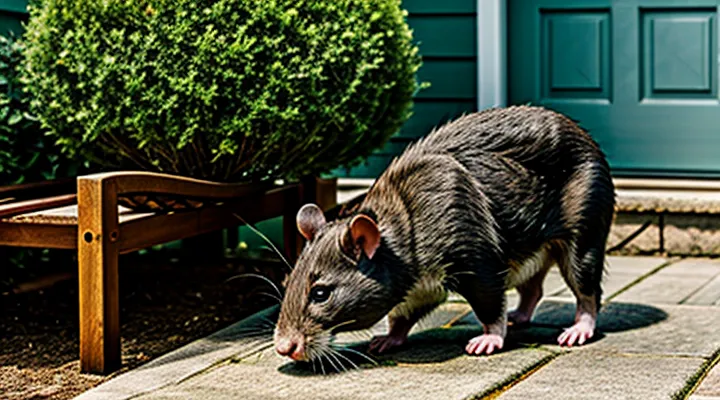
Understanding Large Domestic Rats
What Defines a «Large» Rat?
Breed Differences
Breed differences significantly affect the management of a sizable pet rat. Variations in genetics determine size, temperament, grooming requirements, health predispositions, and dietary preferences. Recognizing these distinctions enables owners to tailor care protocols for each type.
Key distinctions include:
- Size: «Giant» strains commonly exceed 500 g, while «Standard» varieties remain around 300 g.
- Temperament: «Dumbo» breeds display higher sociability and reduced aggression; «Hairless» lines may exhibit heightened sensitivity to handling.
- Grooming: Long‑haired breeds such as «Rex» require regular brushing to prevent matting; hairless types need skin moisturization.
- Health predispositions: Certain lines are prone to respiratory issues, whereas others show increased susceptibility to skin infections.
- Dietary preferences: Larger breeds often benefit from higher protein ratios, while smaller varieties thrive on balanced seed mixes with supplemental vegetables.
Genetic Factors
Genetic composition determines many aspects of a large pet rat’s physiology, temperament, and disease susceptibility. Inherited traits influence growth rate, coat coloration, skeletal structure, and metabolic efficiency, all of which affect daily management requirements.
Inheritance follows Mendelian patterns for single‑gene traits such as fur color, while polygenic factors shape size and behavior. Selective breeding can amplify desired characteristics, but it may also concentrate deleterious alleles. Responsible breeding programs track lineage to minimize the propagation of hereditary disorders.
Routine genetic screening provides early detection of conditions that commonly affect oversized rats. Available tests include:
- DNA panels for coat‑color genes, useful for predicting future litter appearance.
- Carrier‑state analysis for progressive myopathy, a muscular degeneration observed in certain lines.
- Metabolic marker assays that identify predisposition to obesity‑related complications.
When a genetic vulnerability is identified, preventive measures focus on tailored nutrition, environmental enrichment, and veterinary monitoring. For example, rats carrying a myopathy allele benefit from low‑impact exercise and protein‑moderated diets, while those prone to obesity require calorie‑controlled feedings and regular activity sessions.
Understanding hereditary factors enables precise adjustments to husbandry protocols, improving longevity and quality of life for large domesticated rats.
Healthy Weight vs. Obesity
Maintaining an optimal body condition in a sizable pet rat requires regular weight assessment and proactive management. A healthy adult rat typically weighs between 300 g and 500 g, depending on breed and age; body condition scoring should reveal a visible waistline and a slight abdominal tuck when viewed from above.
Excessive weight gain leads to reduced mobility, heightened stress on joints, and increased susceptibility to metabolic disorders such as diabetes and fatty liver disease. Obesity also shortens lifespan and compromises reproductive health.
Weight monitoring involves weekly weighing on a digital scale, recording measurements, and comparing trends. Sudden increases of more than 5 % within a fortnight signal the need for dietary adjustment.
Dietary control focuses on balanced nutrition and portion regulation:
- Provide a measured amount of high‑quality pellet or mash formulated for large rats; limit to 1 – 1.5 cups per day, divided into two feedings.
- Offer fresh vegetables (leafy greens, carrots, bell peppers) in limited quantities, no more than 10 % of total intake.
- Restrict high‑fat treats (nuts, seeds, cheese) to occasional rewards; count each as a “cheat” portion.
- Ensure constant access to clean water; replace daily to prevent contamination.
Physical activity supports weight management. Enrich the cage with climbing structures, tunnels, and chew toys to encourage natural foraging behavior. Schedule daily supervised out‑of‑cage sessions of 15 – 20 minutes for running on a safe wheel or exploring a playpen.
Consistent application of these practices promotes a lean, energetic rat and reduces the risk of obesity‑related complications.
Creating an Optimal Environment
Cage Requirements
Size and Bar Spacing
The enclosure must accommodate the animal’s considerable length and girth. Minimum floor area of 4 sq ft per kilogram of body weight prevents cramped movement and supports healthy muscle development. Height should allow vertical climbing without reaching the cage lid, typically at least 18 in for adult specimens.
Bar spacing directly influences safety. Gaps larger than ½ in permit the rat’s head to pass through, risking escape and injury. Recommended spacing does not exceed ¼ in, ensuring that even the smallest body parts remain contained while allowing sufficient airflow.
Key dimensions for a suitable habitat:
- Floor space: 4 sq ft per kilogram of body mass.
- Height: minimum 18 in, adjustable to the rat’s climbing ability.
- Bar spacing: ≤ ¼ in between vertical bars; horizontal bars may be spaced up to ¾ in for ventilation.
Materials for bars should be stainless steel or powder‑coated metal to resist gnawing and corrosion. Regular inspection of bar integrity prevents wear‑related widening that could compromise the enclosure.
Ventilation and Placement
Proper airflow prevents respiratory distress and limits ammonia accumulation from waste. A cage with a solid base and a ventilated upper section allows fresh air to circulate while maintaining a stable micro‑climate. Mesh panels should feature openings no larger than ¼ inch to keep bedding in place yet permit sufficient exchange.
- Choose a cage of at least 2 ft × 1 ft × 1 ft for a mature rat; larger dimensions improve air turnover.
- Install a removable top with stainless‑steel wire; avoid plastic that can trap moisture.
- Position the cage away from enclosed corners; a space with a gentle cross‑draft reduces stagnant zones.
- Incorporate a low‑noise fan or air purifier set on the lowest setting; filter replacement every 30 days maintains efficacy.
Placement influences temperature stability and stress levels. Locate the enclosure on a sturdy, level surface, away from direct sunlight, heating vents, and air‑conditioner drafts. A quiet area with moderate ambient temperature (18‑22 °C) supports consistent body heat. Avoid proximity to kitchens or bathrooms where humidity fluctuates sharply. Regularly check for signs of condensation on cage walls; excess moisture indicates inadequate ventilation and may require additional airflow adjustments.
Substrate Options
Choosing appropriate bedding is essential for the health and comfort of a sizable pet rat. Several materials are widely used, each offering distinct characteristics.
• Paper‑based products, such as recycled paper pellets or shredded paper, provide low dust levels and high absorbency. They are easy to replace and unlikely to cause respiratory irritation. However, they may retain moisture longer, requiring frequent changes to prevent mold growth.
• Aspen shavings deliver a dry, low‑dust environment. The wood is non‑aromatic, reducing the risk of respiratory issues. Aspen is relatively inexpensive but can become compacted over time, diminishing its ability to absorb waste efficiently.
• Coconut fiber (coir) offers excellent moisture retention and a natural scent that rats often find appealing. The material is biodegradable and provides a soft surface for burrowing. Excessive humidity may promote fungal development, so monitoring humidity is advisable.
• Hemp bedding combines low dust with strong absorbent properties. It remains fluffy after repeated cleaning cycles, supporting comfortable nesting. The cost is higher than paper or wood options, and availability may be limited in some regions.
• Recycled straw or wheat straw presents a natural texture that encourages chewing behavior. Dust levels can be moderate; selecting low‑dust varieties mitigates respiratory concerns. Straw decomposes quickly, necessitating regular replacement.
When evaluating substrate, consider the following criteria: dust production, absorbency, ease of cleaning, cost, and the potential for mold or fungal growth. Selecting a material that balances these factors supports optimal welfare for large domestic rats.
Enrichment and Stimulation
Toys and Chews
Providing appropriate stimulation for a sizable pet rat requires a selection of durable toys and safe chew items. Proper enrichment reduces stress, encourages natural behaviors, and supports dental health.
Suitable toys include:
- Climbing frames constructed from untreated wood, offering vertical exploration.
- Flexible tunnels made of heavy‑duty polyethylene, allowing burrowing simulations.
- Solid‑surface wheels with a minimum diameter of 12 inches, preventing spinal strain.
- Puzzle devices that dispense treats when manipulated, fostering problem‑solving skills.
Safe chew options consist of:
- Fresh, pesticide‑free apple wood branches, supplying fiber and promoting tooth wear.
- Untreated willow sticks, resistant to splintering while offering varied texture.
- Cardboard rolls, easy to shred and replace, providing constant gnawing material.
- Mineral blocks formulated for rodents, delivering essential nutrients during chewing.
Maintenance and safety guidelines:
- Verify that all items are free of toxic coatings, glue, or paint.
- Inspect toys regularly for cracks, splintered edges, or loose components.
- Size each object to accommodate the rat’s body length, preventing entrapment.
- Clean reusable toys with warm, mild soap; rinse thoroughly before returning to the enclosure.
Hiding Spots and Tunnels
Providing secure hiding places and tunnels satisfies a rat’s instinct to seek shelter and explore confined routes. Enclosures should contain multiple enclosed chambers that allow the animal to retreat from activity zones. Each chamber must be large enough for the rat to turn comfortably, typically at least 10 cm in diameter, while maintaining a height that prevents escape.
Materials such as untreated wood, natural cork, and sturdy cardboard create durable structures. When constructing tunnels, ensure smooth interior surfaces to avoid injury; avoid sharp edges or loose fibers that could cause abrasions. Connect tunnels to hiding chambers with gentle bends rather than sharp angles, facilitating natural movement patterns.
Key considerations for implementation:
- Position chambers near the base of the enclosure to provide a sense of security.
- Incorporate at least two separate tunnels to allow alternative routes and reduce congestion.
- Clean chambers weekly, removing waste and replacing soiled bedding to maintain hygiene.
- Rotate or rearrange tunnels periodically, offering novel pathways that stimulate mental activity.
Regular observation confirms that the rat utilizes these features for rest and navigation, indicating an environment that meets fundamental behavioral needs.
Social Interaction
Large pet rats require consistent social contact to maintain emotional stability and prevent stress‑induced health issues. Regular interaction reinforces trust, encourages natural behaviors, and reduces the likelihood of aggression.
Human‑rat engagement should involve daily handling sessions lasting several minutes. Gentle restraint, combined with soft vocal reassurance, promotes habituation to touch and facilitates routine veterinary examinations. Hand‑feeding treats reinforces positive associations and supports weight management.
Interaction among conspecifics is essential for a species that thrives in hierarchical groups. Introducing a second rat of compatible size and temperament establishes a stable social structure. Observe initial encounters closely; signs of mounting or excessive chasing indicate the need for gradual re‑introduction.
Practical guidelines for fostering healthy social dynamics:
- Provide at least two hours of supervised play outside the cage each day.
- Rotate enrichment items (tunnels, chew blocks, climbing platforms) to stimulate cooperative exploration.
- Maintain a consistent feeding schedule to minimize competition.
- Monitor body condition and behavior; abrupt changes may signal social tension or illness.
Nutritional Needs
Staple Diet
Commercial Rat Food
Commercial rat diets are formulated to meet the high metabolic demands of sizable pet rodents. Products typically combine protein sources, complex carbohydrates, fiber, and essential vitamins and minerals in ratios that support growth, dental health, and immune function. Formulations often include soy, wheat, or pea protein, supplemented with calcium carbonate and vitamin D3 to prevent skeletal deficiencies.
Nutrient balance is critical because large rats consume up to 20 % of their body weight in food daily. Excess protein can strain kidneys, while insufficient fiber leads to gastrointestinal impaction. Selecting a feed with 18–22 % protein, 5–7 % crude fiber, and a calcium‑phosphorus ratio near 1.2 : 1 reduces health risks.
Recommended commercial options include:
- Pelleted blends containing soy‑based protein, whole grain oats, and added omega‑3 fatty acids;
- Extruded kibble fortified with vitamin A, B‑complex, and trace minerals such as zinc and selenium;
- Pre‑mixed sachets of powdered diet designed for easy mixing with fresh vegetables, providing a balanced macro‑nutrient profile.
Storage guidelines advise keeping feed in airtight containers at temperatures below 25 °C to preserve nutrient integrity and prevent mold growth. Regularly inspect packaging for signs of moisture damage or pest infestation.
Transitioning to a new commercial product should follow a gradual 7‑day mixing schedule, increasing the proportion of the new feed while decreasing the old. This approach minimizes digestive upset and allows observation of tolerance.
By adhering to these standards, caretakers can ensure that commercial rat food contributes effectively to the overall well‑being of large domestic rats.
Fresh Fruits and Vegetables
Fresh produce supplies essential vitamins, minerals, and fiber for a large pet rat. Balanced inclusion of fruit and vegetable matter supports dental health, digestive function, and immune resilience.
-
«Apple» (core removed, skin thinly sliced)
-
«Pear» (seeds discarded, cut into bite‑size pieces)
-
«Blueberries» (whole, washed)
-
«Strawberries» (hull removed, quartered)
-
«Melon» (seedless, cubed)
-
«Carrot» (raw, grated or thinly sliced)
-
«Broccoli» (florets, lightly steamed)
-
«Spinach» (fresh, chopped)
-
«Bell pepper» (seedless, diced)
-
«Zucchini» (raw, sliced)
Portion control limits fruit to no more than 10 % of total daily intake; vegetables may constitute up to 20 %. Offer only fresh, pesticide‑free items, washed thoroughly. Remove pits, seeds, and stems that could cause obstruction. Serve in small, manageable pieces to prevent choking. Discard uneaten produce after two hours to avoid spoilage. Regular rotation of varieties ensures nutrient diversity and maintains interest.
Protein Sources
Protein fulfills growth, tissue repair, and metabolic needs of a large pet rat. High‑quality protein must be part of every daily diet.
- Commercial rat pellets formulated for adult rodents – provide balanced amino‑acid profile and are nutritionally complete.
- Cooked lean meats (chicken breast, turkey, rabbit) – offer concentrated protein; serve unseasoned, fully cooked, and cut into bite‑size pieces.
- Hard‑boiled eggs – supply complete protein; feed one small egg per week, divided into several portions.
- Insects (mealworms, crickets, black‑soldier fly larvae) – rich in protein and fat; limit to occasional treats to avoid excess calories.
- Low‑fat dairy (plain yogurt, cottage cheese) – deliver protein and calcium; offer in modest amounts to prevent lactose intolerance.
- Soy products (tofu, tempeh) – plant‑based protein; steam or bake before serving, avoid soy sauces or seasonings.
- Legumes (cooked lentils, peas) – add variety; ensure they are well‑cooked and free of added salt.
Daily protein intake should approximate 15–20 % of total calories for an adult large rat. Rotate sources to prevent nutritional gaps and monitor body condition. Avoid raw meat, processed foods, and any item containing onions, garlic, or high sodium. Fresh water must be available at all times.
Treats and Supplements
Healthy Treat Options
Providing nutritious treats supports dental health, weight management, and enrichment for a sizable pet rat. Treats must be low in sugar, free of artificial additives, and appropriate in size to prevent choking.
Recommended options include:
- Fresh vegetables: carrot sticks, broccoli florets, kale leaves, and cucumber slices. Offer in small, bite‑sized pieces.
- Fresh fruit: apple slices (core removed), blueberries, and pear wedges. Limit to occasional servings due to natural sugars.
- Whole‑grain cereals: unsweetened oatmeal, plain rice cakes, or small pieces of whole‑wheat bread. Ensure no added salt or flavorings.
- Protein sources: boiled egg white, cooked chicken breast (skinless, unseasoned), and plain low‑fat cottage cheese. Provide in modest quantities.
- Commercial rat treats: products formulated specifically for rats, free of added sugars and artificial colors. Verify ingredient list before purchase.
When introducing a new treat, observe the animal for adverse reactions over 24 hours. Rotate selections to maintain variety and prevent nutritional imbalances. Store fresh items in the refrigerator and discard any that become soggy or moldy.
Avoiding Harmful Foods
Proper nutrition is essential for the health of a large pet rat. Certain foods pose a clear risk of toxicity, digestive upset, or long‑term organ damage and must be excluded from the diet.
- Chocolate and cocoa products – contain theobromine, which is lethal to rodents.
- Caffeine‑containing items such as coffee, tea, and energy drinks – stimulate the cardiovascular system beyond safe limits.
- Citrus fruits and juices – high acidity can cause oral irritation and stomach upset.
- Raw beans, especially kidney beans – contain lectins that damage intestinal lining.
- Processed meats, including bacon, ham, and sausage – high salt and preservative content leads to kidney strain.
- Artificial sweeteners, particularly xylitol – induce rapid insulin release and hypoglycemia.
- Onion, garlic, and related Allium species – cause hemolytic anemia by damaging red blood cells.
- High‑fat snacks like chips and fried foods – contribute to obesity and hepatic lipidosis.
Safe alternatives include fresh vegetables (e.g., carrots, leafy greens), whole‑grain cereals, and small portions of lean cooked protein such as boiled chicken. Fresh water should be available at all times. Regularly inspect food items for mold or spoilage; discard any that show signs of decay. Maintaining a consistent diet reduces the likelihood of accidental ingestion of harmful substances.
«Rats are omnivores, but many human foods are toxic». Recognizing and eliminating these risks protects the animal’s lifespan and quality of life.
Vitamin and Mineral Supplements
Vitamin and mineral supplementation is a critical component of health maintenance for large pet rats. Proper nutrient balance supports growth, skeletal integrity, immune function, and reproductive performance.
Key vitamins required include:
- «vitamin A» for visual health and epithelial maintenance;
- «vitamin D3» to facilitate calcium absorption and bone mineralization;
- «vitamin E» as an antioxidant protecting cell membranes;
- «vitamin K» for normal blood clotting;
- B‑complex vitamins, especially «B1» (thiamine), «B2» (riboflavin), «B6», and «B12», which aid metabolic processes and nerve function;
- «vitamin C» when dietary sources are insufficient, though rats synthesize it endogenously.
Essential minerals comprise:
- Calcium, paired with phosphorus in a 1.2:1 ratio to sustain dentition and skeletal health;
- Magnesium, required for enzymatic reactions and neuromuscular activity;
- Potassium and sodium, maintaining fluid balance and nerve transmission;
- Iron, supporting hemoglobin formation;
- Zinc, crucial for wound healing and immune response;
- Selenium, acting as an antioxidant cofactor.
Dosage guidelines recommend daily intake based on body weight: approximately 0.02 mg of vitamin D3 per gram of body mass, 0.5 mg of calcium per gram, and proportionate amounts of other nutrients. Over‑supplementation can lead to toxicity; regular veterinary blood panels are advisable to verify serum levels.
Supplement sources include fortified commercial rat pellets, high‑quality powdered blends, and targeted liquid concentrates. When using powders, mix thoroughly into a small portion of fresh food to ensure complete consumption. Store all supplements in airtight containers, protected from light and moisture, to preserve potency.
Health and Wellness
Common Health Issues
Respiratory Problems
Respiratory problems are a common health concern for large pet rats and can develop rapidly. Early detection relies on observing subtle changes in breathing patterns and behavior.
Typical signs include:
- Rapid, shallow breaths or audible wheezing
- Nasal discharge, which may be clear, cloudy, or purulent
- Open‑mouth breathing, especially when the animal is at rest
- Lethargy, reduced activity, or loss of appetite
Primary causes encompass viral infections such as Sendai virus, bacterial agents like Mycoplasma pulmonis, environmental irritants, and poor ventilation. Overcrowding, dusty bedding, and sudden temperature shifts increase susceptibility.
Preventive measures focus on environmental management and hygiene:
- Maintain stable ambient temperature between 18 °C and 24 °C.
- Ensure adequate airflow without drafts; use low‑dust bedding such as paper‑based products.
- Clean cages regularly, removing waste and old food daily.
- Quarantine new arrivals for at least two weeks and monitor for symptoms.
When respiratory distress appears, immediate actions are essential:
- Isolate the affected rat to reduce stress and prevent transmission.
- Provide a warm, humidified area to ease breathing; a shallow water dish can increase ambient humidity.
- Contact a qualified veterinarian promptly; request a diagnostic work‑up that may include radiography, culture, and sensitivity testing.
- Follow prescribed antimicrobial or antiviral therapy exactly as directed; complete the full course even if symptoms improve.
Long‑term care includes periodic health checks, consistent cleaning routines, and monitoring for recurrent infections. Adjusting diet to include high‑quality protein and vitamin C can support immune function, reducing the likelihood of future respiratory episodes.
Tumors and Lumps
Tumors and lumps represent a frequent health issue in large pet rats, requiring prompt identification and appropriate management.
Common categories of masses include:
- Benign neoplasms such as lipomas, fibromas and adenomas;
- Malignant neoplasms including sarcomas, carcinomas and lymphomas;
- Non‑neoplastic enlargements like abscesses, cysts and granulomas.
Observable indicators encompass rapid growth, firmness, irregular borders, ulceration, interference with normal movement, weight loss or altered grooming behavior. Absence of external signs does not exclude internal pathology; abdominal distension may signal visceral tumors.
Diagnostic protocol starts with a thorough physical examination, followed by imaging techniques (radiography, ultrasound, computed tomography) to assess size, depth and organ involvement. Fine‑needle aspiration or core biopsy supplies cellular material for cytological or histopathological evaluation, confirming tumor type and grade.
Therapeutic options depend on diagnosis, location and overall condition:
- Surgical excision offers curative potential for accessible, well‑delineated masses;
- Chemotherapeutic agents, often combined with surgery, address metastatic or unresectable tumors;
- Palliative measures—analgesia, anti‑inflammatory drugs and supportive care—maintain quality of life when curative treatment is unsuitable.
Routine health checks, vigilant observation of body condition and early referral to a qualified exotic‑animal veterinarian constitute the most effective strategy for minimizing the impact of neoplastic disease in large domestic rats.
Skin Conditions
Skin health in large pet rats requires regular observation and prompt response to abnormalities. Common conditions include:
- Dry, flaky patches often result from low humidity or inadequate nutrition; increase ambient moisture and provide a balanced diet rich in essential fatty acids.
- Bacterial dermatitis appears as reddened, moist lesions with possible discharge; clean the area with sterile saline, apply a veterinarian‑prescribed topical antibiotic, and monitor for systemic signs.
- Fungal infections, typically caused by dermatophytes, manifest as circular, scaly lesions; confirm diagnosis through fungal culture, then administer an antifungal agent according to professional guidance.
- Parasite‑induced irritations, such as mange caused by mites, produce intense scratching and hair loss; treat with a licensed acaricide and isolate the affected animal to prevent spread.
- Ulcerative skin lesions may develop from pressure sores or self‑inflicted bites; relieve pressure, provide a soft bedding substrate, and apply appropriate wound dressings under veterinary supervision.
Preventive measures reinforce skin integrity. Maintain cage humidity between 45 % and 55 %, ensure daily grooming to remove debris, and schedule routine health checks with a qualified veterinarian. Early detection and targeted treatment reduce the risk of secondary infections and promote overall well‑being.
Parasites
Parasites represent a common health threat for sizable domesticated rats, requiring prompt identification and management.
External parasites frequently encountered include:
- Mites (e.g., Radfordia spp.) – cause itching, hair loss, and skin inflammation.
- Fleas – rare in laboratory‑bred rats but possible in mixed‑species environments; may transmit bacterial agents.
- Lice – lead to feather‑like fur damage and secondary infections.
Internal parasites commonly affect large pet rats:
- Pinworms (Syphacia muris) – produce perianal irritation and occasional diarrhea.
- Coccidia (Eimeria spp.) – cause intestinal inflammation, weight loss, and watery stools.
- Tapeworms (Hymenolepis nana) – result in abdominal discomfort and reduced nutrient absorption.
- Protozoa (e.g., Giardia) – produce malabsorption and chronic gastrointestinal distress.
Accurate diagnosis relies on microscopic examination of fecal samples, skin scrapings, or ear swabs. Veterinary professionals may prescribe antiparasitic agents such as ivermectin for mites, praziquantel for tapeworms, and fenbendazole for pinworms and coccidia. Treatment courses should follow dosage guidelines and be repeated if recommended to eliminate resistant stages.
Prevention strategies encompass regular cage sanitation, routine health checks, and quarantine of new acquisitions. Environmental controls include using washable bedding, maintaining low humidity, and avoiding contact with wild rodents. Periodic fecal screening supports early detection, reducing the likelihood of severe infestations.
Veterinary Care
Finding an Exotic Vet
Finding a qualified exotic‑animal veterinarian is essential for the health of a large pet rat. Begin by identifying professionals with specific experience in small‑mammal care.
• Search veterinary clinic directories for listings that include “exotic” or “small mammal” specialties.
• Verify credentials through state veterinary boards; confirm a current license and any additional certifications in exotic animal medicine.
• Contact the clinic to inquire about recent cases involving rats or similar rodents, noting the practitioner’s familiarity with issues such as respiratory infections, dental overgrowth, and nutritional needs.
Local university veterinary schools often operate teaching hospitals that accept exotic patients. Reach out to the animal‑health department to arrange a referral or schedule an appointment.
Professional associations, such as the Association of Exotic Mammal Veterinarians, provide searchable member databases. Use these resources to locate practitioners within a reasonable travel distance.
When selecting a veterinarian, consider the following criteria:
- Demonstrated expertise with rodent species.
- Availability for emergency consultations.
- Equipped with appropriate diagnostic tools (e.g., digital radiography, otoscopic equipment).
Maintain a record of the chosen clinic’s contact information, hours of operation, and emergency protocol. Regular check‑ups, prompt treatment of illness, and preventive care plans contribute to the well‑being of a sizable domestic rat.
Regular Check-ups
Regular examinations form a core component of health maintenance for a large pet rat. Consistent monitoring detects early signs of disease, supports optimal growth, and reduces emergency interventions.
Key observations for owners to record between veterinary visits include:
- Body weight measured weekly; a drop of more than 5 % signals potential health issues.
- Dental condition; check for overgrown incisors, uneven wear, or visible cracks.
- Coat quality; look for bald patches, excessive shedding, or dull fur.
- Respiratory sounds; listen for wheezing, clicking, or persistent sneezing.
- Activity level; note reduced exploration, lethargy, or changes in grooming behavior.
- Food and water intake; sudden decrease may indicate illness.
Professional check-ups should occur at least twice a year for mature rats, with quarterly visits for older or medically compromised individuals. During appointments, veterinarians assess complete blood work, parasite screening, and organ function. Detailed records of weight trends, dental checks, and observed symptoms enable accurate diagnosis and tailored treatment plans. Maintaining a log of all findings ensures continuity of care and facilitates prompt response to health changes.
Recognizing Illness Symptoms
Recognizing illness symptoms in a sizable pet rat enables prompt medical attention and reduces the risk of complications. Early detection relies on systematic observation of behavior, appearance, and physiological changes.
- «Lethargy» – reduced activity, reluctance to explore or climb.
- «Loss of appetite» – refusal of familiar foods or water.
- «Weight loss» – visible reduction in body mass over a short period.
- «Respiratory distress» – audible wheezing, rapid breathing, or nasal discharge.
- «Diarrhea» – watery or soft feces, possibly accompanied by blood.
- «Hair loss» – patches of missing fur, especially around the tail or hindquarters.
- «Eye or nose discharge» – clear, yellow, or pus‑like secretions.
- «Abnormal posture» – hunched back, dragging limbs, or difficulty maintaining balance.
- «Unusual scent» – strong, foul odor indicating infection or decay.
Consistent monitoring includes daily checks of food and water intake, weight measurement using a precise scale, and brief handling to assess mobility and coat condition. Record any deviations from the baseline to identify trends.
Seek veterinary evaluation if multiple symptoms appear simultaneously, if any sign persists beyond 24 hours, or if severe manifestations such as uncontrolled bleeding, sudden collapse, or pronounced respiratory difficulty occur. Immediate professional care improves outcomes and supports the long‑term well‑being of the animal.
Grooming and Hygiene
Self-Grooming Habits
Large domestic rats devote considerable time each day to self‑grooming, a behavior essential for coat integrity, thermoregulation, and parasite control. The process involves meticulous cleaning of fur, whiskers, paws, and facial area, using the tongue’s rough surface to remove debris and distribute natural oils.
Grooming sessions occur in short bursts lasting two to five minutes, repeated several times throughout daylight hours. Rats focus first on the face, then progress along the back, sides, and hindquarters, finishing with the tail and hind paws. The sequence minimizes gaps where ectoparasites could thrive.
Observation of grooming behavior provides insight into health status. Excessive licking of a single region may signal injury, infection, or skin irritation; conversely, reduced grooming frequency can indicate pain, dental problems, or systemic illness. Normal fur appears smooth, glossy, and free of bald patches.
Owners can facilitate optimal self‑maintenance by implementing the following practices:
- Provide a low‑dust, absorbent bedding to reduce soil accumulation on the coat.
- Offer chewable enrichment items that promote oral health and indirectly support grooming efficiency.
- Maintain ambient humidity between 40 % and 60 % to prevent fur desiccation.
- Conduct weekly visual inspections for signs of hair loss, scabs, or abnormal secretions.
- Schedule veterinary examinations at least twice yearly to detect early dermatological issues.
Regular monitoring of these parameters ensures that self‑grooming remains an effective, self‑sustaining component of overall well‑being for large pet rats.
Occasional Cleaning
Occasional cleaning of the enclosure prevents the buildup of waste, reduces odor, and lowers the risk of respiratory problems for a large pet rat. Removing soiled bedding and debris each week maintains a stable environment for the animal’s immune system.
Typical tasks performed during a cleaning session include:
- Discarding all used substrate and replacing it with fresh material.
- Washing the cage, water bottle, and food dish with hot water and a mild, unscented detergent.
- Rinsing all items thoroughly to eliminate detergent residue.
- Drying surfaces with a clean cloth before returning the rat to the enclosure.
Use only animal‑safe cleaning products; avoid chlorinated or scented chemicals. Wear disposable gloves to protect hands from potential pathogens. After cleaning, inspect the cage for sharp edges or loose parts that could cause injury. Regularly rotating the cleaning schedule in response to the rat’s activity level ensures consistent hygiene without unnecessary disruption.
Nail Trimming (if necessary)
Nail length in a large pet rat can affect mobility and cause tissue injury. Overgrown claws may snag on cage bars, tear skin, or press against the foot pads, leading to soreness and infection. Visible signs include curled nails, difficulty climbing, or blood stains on bedding.
When trimming is required
- Nails extend beyond the soft pad.
- The rat shows reluctance to walk or climb.
- Bleeding occurs after accidental snagging.
Recommended tools
- Small animal nail clippers or human manicure scissors with a fine tip.
- Styptic powder or cornstarch to stop bleeding.
- A towel or soft cloth to gently restrain the rat.
Procedure
- Secure the rat on a towel, exposing one paw at a time.
- Locate the clear, pinkish quick inside the claw; avoid cutting this area.
- Trim only the sharp, transparent tip, leaving at least 1 mm of nail beyond the quick.
- Apply styptic powder if bleeding appears, then release the paw.
- Repeat for each claw, alternating paws to reduce stress.
Frequency
- Inspect claws weekly.
- Trim every 4–6 weeks, depending on growth rate and activity level.
Aftercare
- Offer a treat to reinforce a calm experience.
- Observe the paws for swelling or continued bleeding for 24 hours.
- Maintain a clean cage to prevent infection.
Training and Behavior
Socialization
Handling Techniques
Handling a large pet rat demands confidence, gentle support, and consistent routine. Proper technique minimizes stress, protects the animal’s delicate spine, and reduces risk of bites.
Before each session, create a calm environment. Remove sudden noises, secure loose cords, and place a soft, non‑slippery surface on the handling area. Wash hands thoroughly to eliminate scents that could alarm the rat.
Key handling steps:
- Approach from the side, allowing the rat to see the hand.
- Place one hand under the chest, thumb supporting the ribcage, fingers cradling the abdomen.
- Use the second hand to steady the hindquarters, keeping the tail free to move.
- Lift smoothly, keeping the body horizontal; avoid swinging or abrupt motions.
- Hold for a brief period, typically 30–60 seconds, then set the rat gently back onto the surface.
Training enhances cooperation. Introduce a small treat in the palm to encourage voluntary climbing. Repeating short, positive sessions builds familiarity, enabling the rat to accept being lifted without restraint.
Safety measures include regular inspection of claws for overgrowth, which can cause accidental scratches. If a bite occurs, pause handling, assess the animal’s demeanor, and resume only after calm behavior resumes. Limit handling duration for very young or newly adopted rats to prevent fatigue.
Consistent application of these techniques fosters a trusting relationship and supports the overall well‑being of a sizable domestic rat.
Introducing to Other Rats
Introducing a large pet rat to conspecifics requires careful preparation, controlled exposure, and ongoing monitoring.
Begin with health verification. Both the newcomer and resident rats must be examined by a veterinarian to rule out parasites, respiratory infections, and skin conditions. Quarantine the new rat for at least two weeks, providing a separate cage with identical bedding, diet, and enrichment to maintain physiological consistency.
Proceed to scent exchange. Transfer bedding from the resident cage to the quarantine enclosure and vice versa for several days. This practice acclimates each animal to the other's odor without direct contact, reducing aggression during the first meeting.
Arrange the first visual encounter in a neutral arena. Use a sturdy, escape‑proof enclosure that neither rat has previously occupied. Place the rats on opposite sides, allowing visual observation for 10–15 minutes. Monitor body language: relaxed posture, grooming, and exploratory sniffing indicate acceptance; raised fur, chattering, or lunging suggest stress.
If the initial visual session shows neutral or positive responses, introduce limited physical contact. Open a small gate between the cages or use a mesh divider that permits tactile interaction while preventing bites. Limit the session to 5–10 minutes, then separate the animals and return them to their respective cages.
Repeat short, supervised interactions daily, gradually extending duration as tolerance increases. Once consistent peaceful behavior is observed, remove barriers and house the rats together in a spacious enclosure equipped with multiple hiding spots, climbing structures, and chewable toys.
Maintain vigilance for signs of hierarchy establishment, such as dominant feeding or territorial marking. Adjust feeding stations and shelter locations to provide equal access, preventing chronic stress.
Document each step, noting dates, behaviors, and any interventions. A systematic record supports timely adjustments and informs future introductions.
Building Trust
Building trust with a large pet rat requires consistent, low‑stress interaction. Gentle handling, routine, and clear signals create a predictable environment that encourages the animal to view humans as safe companions.
Key practices:
- Offer treats only when the rat approaches voluntarily; associate the hand with positive outcomes.
- Touch the rat’s back and sides rather than the head initially; this reduces perceived threat.
- Maintain a regular schedule for feeding, cleaning, and play; predictability reinforces confidence.
- Observe body language; relaxed posture, grooming, and exploratory behavior indicate growing trust.
Signs of established trust include the rat willingly climbing onto the hand, remaining still during handling, and displaying calm breathing. When these behaviors appear, gradually extend handling duration and introduce new activities, such as gentle training or enrichment toys.
Sustaining trust demands ongoing, respectful interaction. Provide a secure cage with hiding places, avoid sudden movements, and ensure that all household members follow the same handling guidelines. Consistent reinforcement preserves the bond and supports the rat’s overall wellbeing.
Basic Training
Litter Training
Litter training is essential for maintaining hygiene and minimizing odor when keeping a sizable pet rat. Properly trained rats use a designated area, which simplifies cleaning and protects bedding and accessories from contamination.
Preparation begins with selecting a suitable litter box. The box should be large enough for the rat to turn comfortably, with low sides for easy entry. Preferred materials include solid‑plastic trays or shallow ceramic dishes. Use an absorbent, dust‑free substrate such as paper‑based litter, shredded tissue, or kiln‑fired clay pellets. Place the box in a quiet corner of the cage, away from food and water stations, to encourage consistent use.
Training steps:
- Position a small amount of substrate in the box and place a piece of soiled bedding from the rat’s corner inside to create a familiar scent.
- Observe the rat’s natural elimination spots and gently relocate any droppings to the litter box after each occurrence.
- Reinforce correct use with a brief, calm handling session immediately after the rat deposits waste in the box; avoid prolonged interaction.
- Repeat the relocation and reinforcement process several times daily for one to two weeks, gradually reducing direct assistance as the rat learns the location.
- Maintain a regular cleaning schedule: remove clumped waste daily and replace substrate weekly to keep the environment inviting.
Common issues and solutions:
- Avoidance of the box – Ensure the box is easily accessible; lower the entry height if the rat appears hesitant.
- Excessive digging – Switch to a finer, less granular substrate that does not encourage burrowing.
- Spillage outside the box – Add a low barrier or tray around the box’s perimeter to catch stray waste.
Consistent application of these practices results in reliable litter use, supporting overall health and a cleaner habitat for a large domesticated rat.
Responding to Names
Teaching a large pet rat to recognize and respond to its name enhances communication and safety. Consistent vocal cues create a reliable signal that the animal can associate with attention or a specific action.
Effective training follows a structured routine:
- Choose a short, distinct name; avoid complex syllables that resemble other household sounds.
- Speak the name in a calm, steady tone at a comfortable distance from the rat’s enclosure.
- Immediately follow the spoken cue with a positive reinforcement, such as a favored treat or gentle petting.
- Repeat the sequence several times per session, limiting each session to five minutes to maintain the rat’s focus.
- Conduct short sessions two to three times daily, gradually increasing distance and introducing mild distractions.
Progress assessment relies on observable behavior. A correct response includes the rat pausing, turning its head toward the speaker, or moving toward the source of the sound. If the response is absent, adjust the volume, ensure the treat is highly desirable, and verify that the name is not confused with other auditory cues.
Consistency across all caregivers prevents mixed signals. All individuals interacting with the rat should use the identical pronunciation and reinforcement pattern. Over time, the rat develops a reliable association between the spoken name and the anticipated outcome, allowing seamless handling and reduced stress during routine care.
Positive Reinforcement
Positive reinforcement shapes desired behavior by delivering a rewarding stimulus immediately after the action. In the context of a sizable pet rat, this method strengthens cooperation, facilitates training, and improves overall welfare.
The approach leverages the rat’s natural motivation for food and social interaction. By pairing a specific cue with a preferred treat, the animal learns to associate the cue with a beneficial outcome, increasing the likelihood of repeat performance.
Effective implementation follows a clear sequence:
- Identify a high‑value reward (e.g., small pieces of fruit, mealworms, or specialized rodent treats).
- Choose a distinct cue (verbal word, hand signal, or clicker sound).
- Present the cue, wait for the target behavior, then deliver the reward within two seconds.
- Gradually reduce the frequency of treats while maintaining occasional reinforcement to preserve the behavior.
Consistency, timing, and a low‑stress environment are essential. Delayed or inconsistent rewards diminish the association, leading to confusion. Overuse of treats may cause weight gain; therefore, balance food‑based rewards with brief petting or play sessions when appropriate.
If a behavior fails to appear, reassess the cue’s clarity, the reward’s appeal, and the timing of delivery. Adjusting any of these variables typically restores progress without resorting to punishment.
Specific Considerations for Larger Rats
Mobility and Joint Health
Cage Accessibility
Ensuring easy access to the enclosure is essential for the health and well‑being of a large pet rat. Unrestricted movement allows natural foraging behavior, promotes muscular development, and facilitates routine health inspections.
Key design elements include:
- Door size large enough for a rat to enter and exit without strain; minimum opening of 10 cm × 10 cm.
- Low‑profile hinges or sliding panels that operate smoothly and can be opened with one hand.
- Removable sections of the floor or side walls for cleaning and inspection without disturbing the animal.
- Integrated ramps or ladders positioned at gentle angles (≤ 30°) to connect multiple levels.
Daily maintenance should verify that all access points open freely, that hinges remain lubricated, and that any wear on door seals is promptly repaired. If a rat shows reluctance to use a particular entrance, evaluate the height, angle, or surface texture and adjust accordingly. Regularly scheduled checks reduce the risk of injury and support a stable, enriched environment.
Exercise and Play
Providing adequate physical activity prevents obesity, strengthens musculature, and promotes mental stimulation in large pet rats. Environments should include vertical space, tunnels, and sturdy platforms that support climbing and jumping without risk of injury.
Key elements of a daily regimen:
- Structured play sessions lasting 15–30 minutes, conducted in a secure, escape‑proof area.
- Rotating toys such as chew blocks, cardboard mazes, and treat‑dispensing puzzles to maintain novelty.
- Opportunities for supervised exploration of safe household items, for example, cardboard tubes, wooden ladders, and plastic tunnels.
- Regular access to a running wheel calibrated for the animal’s size, ensuring smooth operation and proper ventilation.
Monitoring signs of fatigue, excessive stress, or aggression allows timely adjustment of intensity. Consistency in routine, combined with varied enrichment, sustains optimal health and behavioral balance for the animal.
Weight Management
Weight management directly affects the health and longevity of a large pet rat. Proper control of body mass reduces the risk of metabolic disorders, cardiovascular strain, and joint problems.
Key factors influencing weight include diet composition, portion size, feeding frequency, treat frequency, and level of physical activity. Adjusting any of these variables produces measurable changes in body condition.
- Provide a balanced base diet of high‑quality rodent pellets, calibrated to the rat’s age and activity level.
- Supplement with fresh, low‑calorie vegetables such as leafy greens, carrots, and broccoli.
- Offer protein sources like boiled egg or cooked lean meat in limited quantities.
- Restrict sugary fruits and high‑fat treats to occasional rewards.
- Divide daily rations into two to three meals to prevent overeating.
Monitor body condition weekly by weighing the rat and assessing the visible outline of the ribs and spine. A stable weight within the breed‑specific range indicates appropriate feeding. Immediate adjustments are required if weight gains exceed 5 % of baseline within a month.
Physical activity supports metabolic balance. Provide a solid‑surface exercise wheel, tunnels, and climbing structures. Schedule daily free‑run periods of at least 30 minutes, extending the duration for more active individuals.
Regular veterinary examinations, including body condition scoring and, when indicated, blood chemistry panels, confirm that nutritional strategies remain effective. Prompt medical intervention addresses unexpected weight fluctuations.
Managing Aggression (if present)
Identifying Triggers
Identifying triggers that provoke stress, illness, or undesirable behavior is essential for maintaining the wellbeing of a sizable pet rat. Accurate detection allows timely intervention and prevents escalation of health problems.
Common sources of agitation include:
- Sudden changes in temperature or lighting;
- Introduction of unfamiliar scents, such as strong cleaning agents;
- Inconsistent feeding schedules or abrupt diet alterations;
- Exposure to loud noises or frequent handling by multiple people;
- Overcrowding or insufficient hiding spaces within the enclosure.
Observation techniques rely on systematic recording of the rat’s responses. A daily log should note the time, environment, and any observable signs such as excessive grooming, reduced appetite, or vocalizations. Correlating these entries with external events highlights patterns that point to specific triggers.
Mitigation strategies focus on environmental stability and gradual adaptation. Maintain a constant ambient temperature, use mild, unscented cleaning products, and introduce new foods or companions gradually over several days. Provide multiple concealed areas to reduce perceived threats, and limit exposure to abrupt noises. Consistency in routine and careful monitoring reduce the likelihood that identified triggers will provoke adverse reactions.
Behavioral Modification
Effective behavioral modification for a sizable pet rat relies on consistency, timing, and appropriate reinforcement. Positive reinforcement—offering a preferred treat immediately after the desired action—strengthens the behavior. Negative reinforcement, such as removing an aversive stimulus when the rat complies, should be applied sparingly to avoid stress.
Key techniques include:
- Clicker training – a distinct sound paired with a reward signals the exact moment the correct behavior occurs.
- Target training – a small object (e.g., a wooden stick) encourages the rat to touch or follow it, facilitating relocation or enclosure navigation.
- Desensitization – gradual exposure to mild stressors (handling, new objects) reduces fear responses over repeated sessions.
Timing matters; rewards delivered within two seconds of the behavior ensure clear association. Sessions should last no longer than ten minutes to maintain focus and prevent fatigue. Environmental consistency—unchanged lighting, temperature, and cage layout—supports reliable learning.
When correcting unwanted actions, employ a brief, gentle interruption (a soft “no” sound or a light tap on the cage) followed by immediate redirection to an appropriate behavior and subsequent reward. Persistent aggressive or destructive habits may indicate health issues; veterinary assessment is advisable before intensive training.
Monitoring progress through a simple log—date, behavior targeted, reinforcement type, and outcome—provides data for adjusting strategies and confirming effectiveness.
Consulting a Professional
Professional guidance is essential for ensuring the well‑being of a sizable pet rat. Veterinary experts with exotic‑animal certification can diagnose health issues that are difficult to recognize without specialized training. Certified behavior consultants provide strategies for managing aggression, anxiety, and social dynamics within a rat’s environment. Experienced breeders offer insight into genetic considerations and optimal breeding practices.
Key actions for obtaining qualified assistance:
- Verify that the veterinarian holds a license for exotic‑pet practice and has documented experience with large rodents.
- Confirm the behavior specialist’s credentials through professional associations or peer recommendations.
- Compile recent health records, including vaccination history, weight trends, and any observed symptoms.
- Schedule a consultation that allows time for a thorough physical examination and discussion of diet, housing, enrichment, and preventive care.
- Request a written care plan that outlines nutrition recommendations, environmental modifications, and follow‑up appointments.
Engaging a qualified professional results in accurate health assessments, individualized nutrition regimes, effective behavior modification techniques, and early detection of potential diseases. These outcomes contribute to a longer, healthier life for the rat and reduce the risk of costly emergency interventions.
Senior Rat Care
Dietary Adjustments
Proper nutrition for a sizable pet rat requires regular evaluation of caloric intake, nutrient balance, and food texture. Mature rats consume approximately 20 – 30 g of food per 100 g of body weight each day; larger individuals may need up to 35 g to sustain growth and activity levels. Adjustments should reflect changes in weight, activity, and health status.
Key components of a balanced diet include:
- Commercial rat pellets formulated for high‑protein (18 %–20 %) and moderate‑fat (5 %–7 %) content; serve as the staple.
- Fresh vegetables such as carrots, broccoli, and leafy greens; supply vitamins A, C, and K, and provide fiber.
- Limited fruits (e.g., apple slices, berries) for natural sugars; offer occasional treats, not exceeding 10 % of daily intake.
- Protein supplements like boiled egg, cooked chicken, or mealworms; introduce in small portions to meet increased muscular demands.
- Calcium sources (e.g., crushed eggshell, mineral blocks) to prevent metabolic bone disease; ensure availability at all times.
When adjusting diet:
- Increase pellet quantity gradually to avoid digestive upset.
- Introduce new vegetables one at a time, monitoring for adverse reactions.
- Reduce high‑fat treats if weight gain exceeds 5 % of target body mass.
- Provide constant access to fresh water; consider a bottle with a stainless‑steel spout to maintain cleanliness.
- Conduct monthly weight checks; modify portions based on measured trends.
Seasonal variations may necessitate additional hydration or heat‑rich foods. In colder months, incorporate slightly higher fat content to support thermoregulation, while summer diets can emphasize hydrating vegetables. Consistent observation and measured adjustments ensure optimal health for large domestic rats.
Comfort and Support
Comfort for a large pet rat depends on a stable environment, appropriate bedding, and regular handling. A cage should provide at least 8 sq ft of floor space per animal, allowing free movement and exploration. Temperature must remain between 18 °C and 24 °C; supplemental heating is necessary only in colder climates. Soft, dust‑free bedding such as shredded paper or aspen shavings prevents skin irritation and supports nesting behavior.
Key measures to enhance comfort and support include:
- Spacious enclosure: Minimum dimensions 24 × 18 × 12 in, with multiple levels to encourage climbing.
- Temperature regulation: Use a ceramic heat emitter with a thermostat set to maintain the target range.
- Gentle nesting material: Provide a bundle of untreated tissue or cotton for nest building.
- Quiet location: Place the cage away from loud appliances and direct sunlight to reduce stress.
- Routine handling: Offer short, calm sessions three times a week to build trust and promote muscular health.
Monitoring includes checking for signs of distress such as excessive grooming, reduced activity, or abnormal posture. Adjust bedding depth, cage enrichment, or temperature promptly to address identified issues. Consistent application of these practices sustains both physical well‑being and psychological stability for the animal.
Monitoring for Age-Related Issues
Monitoring a large pet rat as it ages requires regular assessment of physiological and behavioral changes. Early detection of problems reduces the risk of severe illness and improves quality of life.
Key areas to observe include:
- Dental wear: check for overgrown incisors, uneven chewing, or difficulty handling food. Excessive growth can lead to malocclusion and oral infections.
- Joint health: watch for reduced mobility, reluctance to climb, or limping. Stiffness often signals arthritis or musculoskeletal degeneration.
- Weight fluctuations: record body mass weekly. Unexplained loss may indicate organ dysfunction; rapid gain can signal fluid retention or metabolic issues.
- Vision and hearing: note any disorientation, bumping into objects, or decreased response to sounds. Sensory decline affects navigation and safety.
- Skin and coat condition: inspect for thinning fur, hair loss, or lesions. Poor coat quality often reflects nutritional deficiencies or systemic disease.
- Gastrointestinal function: monitor stool consistency and frequency. Constipation or diarrhea may be linked to age‑related gut motility changes.
Routine veterinary examinations should occur at least twice yearly after the rat reaches senior age (approximately 18 months). Blood panels, urinalysis, and radiographs provide objective data on organ function, kidney health, and skeletal status. Dental trimming performed by a professional veterinarian prevents overgrowth complications.
Environmental adjustments support aging rats. Provide low‑height platforms, soft bedding, and easy‑access food dishes to accommodate reduced mobility and joint pain. Enrich the diet with calcium‑rich vegetables and high‑quality protein to maintain muscle mass and bone density.
Document observations in a log, noting date, symptom, and any interventions. Consistent records enable trend analysis and facilitate communication with veterinary staff.