
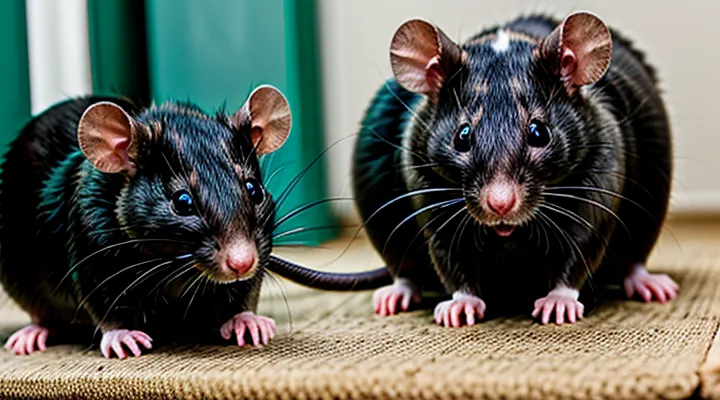
Understanding Your Pet Rat
The Social and Intelligent Nature of Rats
Why Rats Make Great Pets
Rats combine intelligence, sociability, and manageable size, making them well‑suited for domestic environments. Their ability to learn tricks, recognize owners, and respond to handling creates a rewarding interactive experience. Small stature reduces spatial demands, while a short lifespan—typically two to three years—limits long‑term financial commitment.
Key attributes that support their suitability as companions include:
- High trainability: Rats master obstacle courses, respond to clicker cues, and can be taught to retrieve items.
- Affectionate behavior: Frequent grooming, gentle nibbling, and willingness to cuddle indicate strong bonding potential.
- Low maintenance costs: Standard rodent feed, occasional bedding, and basic veterinary care keep expenses modest.
- Adaptability to indoor life: Quiet activity patterns and the ability to thrive in well‑ventilated cages suit apartment living.
These characteristics align with practical guidance for pet rat ownership, ensuring that owners can provide appropriate nutrition, enrichment, and health monitoring while benefiting from a responsive and engaging animal companion.
Social Needs and Group Living
Rats are inherently social mammals; isolation can cause stress, reduced activity, and health decline. Maintaining a stable group satisfies their need for interaction, promotes natural behaviors, and stabilizes appetite.
- Minimum group size: two individuals; three or more enhances hierarchy stability.
- Composition: same sex or neutered mixed‑sex groups prevent unwanted breeding.
- Age compatibility: similar maturity levels reduce aggression; juveniles may be integrated gradually.
- Space allocation: each rat requires at least 0.5 sq ft of floor area; larger enclosures lessen territorial disputes.
- Enrichment: shared tunnels, climbing structures, and chew toys encourage cooperative play and grooming.
When introducing new rats, follow a staged approach: visual contact through a barrier, short supervised sessions, and gradual extension of shared time. Monitor for dominant behaviors such as mounting or biting; intervene if injuries occur. Once harmony is observed, increase cohabitation duration and adjust nesting material to accommodate the enlarged group.
Regular observation of group dynamics—posture, vocalizations, grooming patterns—provides early indicators of stress or hierarchy shifts. Prompt adjustment of group composition or enclosure layout preserves welfare and supports overall health.
Creating a Healthy Environment
Housing Requirements
Cage Size and Type
A suitable cage provides enough space for movement, exploration, and enrichment while preventing injury. For a single adult rat, a minimum floor area of 2 sq ft (approximately 0.19 m²) is required; each additional rat adds at least 1 sq ft (0.09 m²). A height of 12 in (30 cm) or more allows vertical climbing, which rats naturally enjoy.
- Wire cages with a solid base are preferred; the base should be covered with a removable tray for easy cleaning.
- Bar spacing must not exceed ½ in (1.3 cm) to prevent escape or injury.
- Acrylic or glass enclosures can be used if they have adequate ventilation and a secure, lockable lid.
- Multi‑level cages increase usable space without enlarging the footprint; each level should be anchored securely and include ramps or ladders.
Material choice influences durability and hygiene. Galvanized steel resists rust and withstands chewing, while acrylic offers visibility but may crack under heavy gnawing. Ensure all components are free of sharp edges and that the cage can be disassembled for thorough sanitation.
Bedding Options and Materials
Choosing the right bedding directly affects a rat’s health, comfort, and odor control. The material must absorb moisture, limit dust, resist mold, and be safe if ingested.
- Paper products (e.g., shredded paper, paper pellets): high absorbency, low dust, biodegradable, inexpensive.
- Wood shavings (aspen, pine, cedar): moderate absorbency; cedar releases aromatic oils that can irritate respiratory tracts, making cedar unsuitable.
- Cloth fibers (cotton, fleece): reusable after washing, low dust, but slower to dry and may retain odors.
- Hemp: excellent absorbency, minimal dust, naturally antimicrobial, higher cost.
- Coconut fiber (coir): good moisture wicking, low dust, neutral scent, may compact over time.
Absorbency determines how quickly wet spots become dry, reducing bacterial growth. Dust levels correlate with respiratory health; low‑dust options such as paper and hemp minimize the risk of sneezing or lung irritation. Scented or chemically treated bedding can provoke allergies; unscented, natural fibers are safest. Materials that rats can chew without toxicity prevent accidental poisoning.
Cleaning routine should match the bedding’s performance. Replace heavily soiled sections daily; perform a full change weekly for paper and hemp, biweekly for cloth after thorough laundering. Maintain a thin layer (approximately one to two inches) to allow proper airflow while providing enough depth for nesting.
Overall, prioritize low‑dust, highly absorbent, non‑toxic substrates. Paper pellets and hemp deliver the most balanced combination of hygiene, comfort, and cost for most rat owners.
Cage Furnishings and Enrichment
Providing appropriate cage furnishings and enrichment directly influences rat health, behavior, and longevity. A well‑equipped enclosure mimics natural habitats, encourages activity, and reduces stress.
A solid base of absorbent, dust‑free bedding—such as paper‑based or aspen shavings—supports hygiene and allows burrowing. Replace soiled sections daily; perform a full change weekly.
Essential structures include:
- Hideouts – enclosed spaces made from untreated wood, ceramic, or sturdy plastic; each rat should have at least one private retreat.
- Climbing elements – wooden branches, rope ladders, or mesh shelves positioned at varying heights to promote vertical movement.
- Chew items – untreated wooden blocks, natural mineral chews, or cardboard tubes; rotate regularly to maintain interest and prevent over‑wear.
- Tunnels and tubes – clear PVC or acrylic passages that connect hideouts and climbing platforms; ensure diameter accommodates adult rats comfortably.
- Foraging opportunities – shallow dishes filled with shredded paper, oat flakes, or vegetable pieces; embed treats to stimulate natural searching behavior.
Maintain clearances between bars of at least ½ inch to prevent escape while allowing safe passage. Secure all accessories to the cage frame to avoid tipping or collapse.
Regularly inspect each item for wear, sharp edges, or mold. Remove damaged pieces immediately to avoid injury or contamination. Clean reusable accessories with mild, unscented soap and hot water; rinse thoroughly before returning to the enclosure.
Providing a varied, safe, and regularly refreshed environment fulfills physical and mental needs, contributing to robust, contented pet rats.
Diet and Nutrition
Staple Diet Recommendations
A reliable diet forms the foundation of a rat’s health. Consistent provision of nutritionally balanced foods supports growth, immune function, and longevity.
- Commercial rat pellets: Choose a high‑protein (18‑20 % protein) formulation specifically labeled for rats. Offer 1 – 2 g per 100 g body weight daily; adjust based on activity level and body condition.
- Fresh vegetables: Supply a daily mix of leafy greens (e.g., romaine lettuce, kale, dandelion leaves) and color vegetables (e.g., carrots, bell peppers, broccoli). Limit total vegetable weight to roughly 10 % of the rat’s daily intake to prevent digestive upset.
- Fruit treats: Offer small portions (no more than 5 % of the diet) of low‑sugar fruits such as apple slices (seed‑free), blueberries, or pear. Rotate varieties to provide antioxidant diversity.
- Protein supplements: Include occasional sources such as a hard‑boiled egg quarter, cooked lean chicken, or mealworms. Provide 1 – 2 g of additional protein twice per week, not exceeding 10 % of total calories.
- Hydration: Ensure constant access to fresh, clean water in a sipper bottle. Replace water daily and clean the bottle to prevent bacterial growth.
Exclude foods known to be toxic: raw potatoes, chocolate, caffeine, citrus peels, and processed snacks. Monitor body condition weekly; a healthy rat maintains a smooth, slightly rounded abdomen without excess fat deposits. Adjust portions promptly if weight gain or loss becomes apparent.
Approved Treats and Snacks
Veterinarians and experienced rat keepers agree that treats must complement a balanced diet without compromising health. Safe options provide essential vitamins, minerals, and occasional enrichment while remaining low in sugar and fat.
- Fresh fruits: apple (seedless, thinly sliced), banana (small piece), berries (blueberries, strawberries), melon (cantaloupe, honeydew). Offer no more than one teaspoon per day.
- Fresh vegetables: carrot, broccoli, kale, spinach, bell pepper, cucumber. Serve raw or lightly steamed; limit to two teaspoons daily.
- Whole grains: cooked oatmeal, quinoa, barley. Provide a tablespoon once or twice weekly.
- Protein sources: boiled egg white, cooked chicken breast (unsalted, unseasoned), low‑fat cottage cheese. Limit to a teaspoon per serving, no more than twice a week.
- Commercial rat treats: products specifically formulated for rodents, certified free of artificial colors and excessive sugars. Follow manufacturer’s serving recommendations, typically one or two small pieces per week.
Treats should be introduced gradually, observing for digestive upset or allergic reactions. Remove uneaten portions within two hours to prevent spoilage. Water must remain readily available, and treats should never replace the staple diet of high‑quality rat pellets. Regular veterinary check‑ups help confirm that treat choices align with each rat’s nutritional needs.
Foods to Avoid
Pet rats require a diet that excludes several foods because they can cause digestive upset, nutritional imbalance, or toxicity.
- Processed meats (bacon, sausage, deli slices) – high fat and salt content strain the liver and kidneys.
- Dairy products (milk, cheese, yogurt) – rats lack lactase, leading to diarrhea and abdominal pain.
- Sugary treats (candy, chocolate, sugary cereals) – rapid blood‑sugar spikes and potential toxicity, especially from theobromine in chocolate.
- Citrus fruits (oranges, lemons, grapefruits) – acidic juice irritates the stomach lining and can erode enamel on teeth.
- Raw beans and legumes (kidney beans, soybeans) – contain lectins that are poisonous when uncooked.
- High‑salt snacks (potato chips, pretzels) – excess sodium disrupts electrolyte balance and can cause dehydration.
- Fatty foods (fried items, oily spreads) – excessive fat leads to obesity and liver strain.
Replace prohibited items with fresh vegetables (broccoli, carrots, kale), whole‑grain cereals, and a small portion of high‑protein rodent pellets. Consistent access to clean water remains essential.
Hygiene and Cleaning
Daily Spot Cleaning
Daily spot cleaning keeps a rat’s enclosure hygienic and prevents odor buildup. Remove visible waste, uneaten food, and soiled bedding each day. Use a small, dedicated scoop or soft brush to gather debris without disturbing the cage structure.
- Collect droppings from the floor and corners.
- Dispose of fresh food remnants that have been exposed for more than a few hours.
- Spot‑replace any damp bedding patches with fresh material.
- Wipe the interior of the cage walls and accessories with a damp cloth, then dry thoroughly.
Perform the cleaning while the rats are in a secure travel carrier or a temporary holding box. This prevents stress and avoids accidental ingestion of cleaning tools. Choose non‑toxic, unscented cleaners; a solution of diluted white vinegar (1 part vinegar to 4 parts water) or a mild enzymatic cleanser approved for small animals works effectively. Rinse surfaces with clean water and allow them to air dry before returning the rats.
Consistent daily spot cleaning reduces the risk of respiratory irritation, skin infections, and parasite proliferation. It also makes full weekly deep cleaning faster, as accumulated grime is already minimized.
Weekly Deep Cleaning
Weekly deep cleaning is a cornerstone of healthy pet rat environments. It removes accumulated waste, reduces bacterial load, and prevents odor buildup that can stress rodents.
A systematic approach ensures consistency and safety:
- Remove all rats and place them in a secure, ventilated carrier.
- Disassemble cage components: wire mesh, plastic trays, hideouts, and chew toys.
- Scrub interior surfaces with a diluted, pet‑safe disinfectant (e.g., 1 % hydrogen peroxide solution). Rinse thoroughly with warm water to eliminate residues.
- Launder fabric items (nesting material, hammocks) in hot water (≥ 60 °C) and tumble dry on high heat.
- Clean water bottles and food dishes with a mild detergent, rinse, and sterilize in boiling water for 5 minutes.
- Inspect the cage for damage; replace worn wire or cracked plastic before reassembly.
- Reassemble the cage, add fresh bedding, and return the rats once the environment is completely dry.
Perform this routine once every seven days, supplementing daily spot cleaning of soiled areas. Consistent execution minimizes health risks and supports long‑term well‑being of pet rats.
Odor Control Strategies
Effective odor management begins with routine cage sanitation. Remove soiled bedding, droppings, and food remnants daily; replace the entire substrate weekly. Use a low‑dust, absorbent material such as paper‑based bedding or kiln‑treated wood shavings, which trap moisture and reduce bacterial growth. Clean all accessories—water bottles, food dishes, and toys—with mild, unscented detergent and rinse thoroughly before returning them to the enclosure.
Control of smell also depends on diet and waste handling. Offer fresh, high‑quality rodent pellets and limit sugary or fatty treats that increase fecal odor. Provide fresh vegetables in moderation; discard uneaten portions promptly. Store feed in airtight containers to prevent spoilage. Dispose of waste in sealed bags and remove it from the living area immediately.
Additional measures reinforce a fresh environment:
- Position the cage in a well‑ventilated room; avoid enclosed spaces that trap air.
- Install a small, battery‑operated air purifier with a HEPA filter to capture airborne particles.
- Place activated charcoal or zeolite packets near the cage, replacing them every two weeks.
- Groom rats regularly to remove excess oil and dander that contribute to odor.
- Monitor health; excessive odor may indicate urinary or respiratory issues requiring veterinary attention.
Health and Wellness
Common Health Issues
Respiratory Infections
Respiratory infections are a common health concern for domesticated rats and can develop rapidly if environmental conditions are unsuitable. Pathogens such as Mycoplasma pulmonis, Streptococcus spp., and viral agents thrive in damp, poorly ventilated enclosures, making hygiene and air quality critical factors in disease prevention.
Typical clinical signs include nasal discharge, sneezing, audible wheezing, labored breathing, and reduced activity. Rapid weight loss, hunched posture, and a dull coat may accompany severe cases. Early detection relies on observing these symptoms during routine handling.
Preventive measures:
- Maintain cage humidity below 60 % and provide constant airflow without drafts.
- Clean bedding weekly; replace it entirely every two weeks.
- Use dust‑free, absorbent substrate to minimize airborne particles.
- Quarantine new arrivals for at least two weeks, monitoring for respiratory signs.
- Limit exposure to other small‑animal species that may carry pathogens.
If infection is suspected, isolate the affected rat immediately. Supportive care should include:
- Warm, humidified environment to ease breathing.
- High‑quality protein and calorie‑dense food to counteract weight loss.
- Prompt veterinary evaluation; antibiotics such as enrofloxacin or doxycycline are commonly prescribed, but selection depends on pathogen identification and sensitivity testing.
Veterinary consultation is essential when symptoms persist beyond 48 hours, when breathing becomes labored, or when the rat shows signs of dehydration. Timely professional treatment improves recovery rates and reduces the risk of chronic respiratory complications.
Tumors and Abscesses
Tumors and abscesses are common health concerns that require prompt attention in pet rats. Early identification relies on regular observation of the animal’s behavior and physical condition. Signs such as swelling, discoloration, ulceration, or reduced activity indicate the need for veterinary assessment.
-
Tumors
- Appear as firm, often painless masses; may be subcutaneous or internal.
- Common types include mammary adenomas, fibrosarcomas, and lipomas.
- Diagnosis involves palpation, imaging (radiography or ultrasound), and biopsy.
- Treatment options range from surgical excision to palliative care, depending on size, location, and malignancy.
-
Abscesses
- Result from bacterial infection, frequently following bite wounds or skin injuries.
- Characterized by localized swelling, heat, and fluctuation; may discharge pus.
- Management includes drainage, culture-directed antibiotics, and analgesia.
- Proper wound cleaning and hygiene reduce the risk of recurrence.
Preventive measures integrate into overall rat husbandry. Maintain a clean cage environment, provide a balanced diet, and handle animals gently to avoid trauma. Routine health checks, at least once a month, enable detection before conditions progress. Immediate veterinary consultation is essential when any abnormal growth or infection is suspected, as timely intervention improves outcomes and supports the rat’s well‑being.
Parasites
Parasites are a common health threat for domesticated rats and can quickly compromise welfare if left unchecked. External parasites, such as fur mites (Myobia musculinus) and lice (Polyplax spp.), attach to the skin and cause itching, hair loss, and skin inflammation. Internal parasites, including tapeworms (Hymenolepis nana) and pinworms (Syphacia muris), inhabit the gastrointestinal tract, leading to weight loss, diarrhea, and reduced appetite.
Recognizing infestation relies on observable signs. Look for excessive scratching, bald patches, scabs, or crusty debris on the coat. Examine feces for small, moving segments or eggs under a microscope. Regular health checks, ideally weekly, increase early detection rates.
Preventive measures focus on hygiene and quarantine. Clean cages weekly with a mild, unscented disinfectant; replace bedding every few days. Avoid sharing equipment between unrelated groups. Introduce new rats only after a 30‑day isolation period, during which fecal examinations confirm parasite‑free status.
If infestation is confirmed, treatment follows specific protocols. For fur mites, apply a veterinary‑approved topical acaricide or administer a short course of ivermectin, adhering to dosage guidelines. Lice respond to similar acaricidal treatments. Internal parasites require oral anthelmintics such as fenbendazole or pyrantel pamoate, prescribed by a veterinarian. Complete the full treatment cycle to prevent recurrence.
Post‑treatment care includes thorough cleaning of the environment, replacement of all bedding, and regular monitoring for residual symptoms. Maintain a balanced diet rich in fiber and vitamins to support immune function, reducing susceptibility to future infestations. Consult a qualified vet promptly for diagnosis, prescription, and follow‑up, ensuring optimal health for pet rats.
Preventive Care
Regular Vet Check-ups
Regular veterinary examinations are a cornerstone of responsible rat ownership. Early detection of health problems reduces suffering and lowers treatment costs. A typical schedule includes an initial assessment when the rat is acquired, followed by exams every six months for adult animals and quarterly visits for juveniles or rats with known health issues.
During each visit, the veterinarian will:
- Examine the eyes, ears, and nasal passages for signs of infection or parasites.
- Palpate the abdomen to assess organ size and detect masses.
- Evaluate coat condition, weight, and body condition score.
- Perform dental checks, as overgrown incisors can cause eating difficulties.
- Collect samples for fecal analysis to identify parasites or bacterial imbalances.
Vaccinations are not standard for rats, but the vet may recommend preventive treatments against common parasites such as mites and pinworms. Blood work is advisable for older rats or those showing unexplained weight loss, lethargy, or respiratory symptoms.
Owners should maintain a record of each appointment, noting observations, treatments, and any changes in behavior or appearance. This documentation assists the veterinarian in tracking trends and adjusting care plans promptly. Regular check-ups, combined with attentive daily observation, form an effective strategy for preserving the health and longevity of pet rats.
Recognizing Signs of Illness
Pet rats hide discomfort, so early detection relies on observing subtle deviations from normal habits. A healthy rat is active, eats regularly, maintains a sleek coat, and displays bright eyes and clear nasal passages. Any departure from these baselines warrants immediate veterinary consultation.
Typical indicators of disease include:
- Reduced activity – prolonged lethargy, reluctance to explore or climb.
- Loss of appetite – refusal to eat or drink, sudden weight loss.
- Coat changes – dull fur, excessive grooming, bald patches, or matting.
- Eye and nasal symptoms – watery, red, or crusted eyes; nasal discharge or sneezing.
- Respiratory distress – audible wheezing, labored breathing, open‑mouth breathing.
- Gastrointestinal upset – diarrhea, loose stools, blood in feces, or constipation.
- Urinary abnormalities – reduced urine output, discoloration, or strong odor.
- Behavioral shifts – aggression, fearfulness, or abnormal vocalizations.
- Physical abnormalities – swelling, lumps, or limping.
Prompt action involves isolating the affected rat, providing a stress‑free environment, and contacting a qualified exotic‑animal veterinarian. Recording the onset, duration, and progression of each symptom improves diagnostic accuracy and speeds treatment. Regular health checks, combined with consistent observation, remain the most reliable strategy for maintaining rat wellbeing.
First Aid for Minor Injuries
Pet rats frequently sustain minor injuries such as small cuts, abrasions, splinters, or mild sprains. Immediate attention reduces infection risk and promotes rapid recovery.
- Examine the affected area. Remove loose fur or debris with tweezers sanitized in alcohol.
- Rinse the wound gently with warm, sterile saline or clean water. Avoid harsh scrubbing.
- Apply a small amount of veterinary‑approved antiseptic (e.g., chlorhexidine solution diluted to 0.05%).
- If bleeding persists after gentle pressure for 30 seconds, place a sterile gauze pad and maintain pressure for an additional minute.
- For superficial cuts, cover with a breathable, non‑adhesive dressing to protect the site while allowing airflow.
- Monitor the rat for signs of swelling, excessive licking, or changes in behavior. Record observations for at least 24 hours.
- Contact a qualified veterinarian if the wound enlarges, shows pus, the rat exhibits persistent pain, or if the injury involves the eyes, ears, or mouth.
Regularly stock a basic first‑aid kit: sterile gauze, tweezers, saline solution, approved antiseptic, and adhesive bandage strips sized for small rodents. Familiarity with these supplies enables swift, effective response to minor injuries, supporting overall health and longevity of pet rats.
Handling and Training
Building Trust
Gentle Introduction Techniques
Gentle introduction techniques are essential for establishing trust between a new rat and its owner. Begin by allowing the animal to become familiar with the owner’s scent. Place a small piece of clean cloth that has been handled by the caretaker inside the cage for several hours, then swap it with a fresh cloth after a day. This simple scent exchange reduces fear without direct contact.
Next, use a neutral enclosure. Transfer the rat to a clean, empty cage that contains only basic bedding and a hiding spot. The unfamiliar environment eliminates territorial markings that could provoke defensive behavior. Keep the cage in a quiet area and observe the rat for a few minutes before approaching.
When handling for the first time, adopt a slow, deliberate motion. Extend a hand palm‑up, allowing the rat to climb onto the fingers voluntarily. Support the body with the other hand and avoid sudden lifts. Limit the initial session to 30–60 seconds, then return the animal to the cage. Repeat this routine daily, gradually extending the duration as the rat shows comfort.
Treats reinforce positive association. Offer a small piece of favorite food (e.g., a sunflower seed or a slice of apple) directly from the hand after each handling attempt. Ensure the treat size is appropriate to prevent choking and that the rat consumes it before retreating.
Monitor stress indicators such as rapid breathing, excessive grooming, or attempts to escape. If any sign appears, pause the interaction, allow the rat to settle, and resume only after calm behavior resumes. Consistency, patience, and respect for the animal’s pace create a foundation for a confident, well‑adjusted pet.
Positive Reinforcement
Positive reinforcement strengthens desired behaviors by delivering a rewarding stimulus immediately after the action. In pet rat training, the reward typically consists of a small piece of favorite food, gentle petting, or a brief period of play.
When applying this technique, follow a consistent sequence: present the cue, wait for the rat to respond, deliver the reward without delay, and repeat the cycle until the behavior becomes reliable. Consistency ensures that the animal associates the specific action with the positive outcome.
Effective rewards are:
- High‑value treats such as bits of fruit, nuts, or commercial rat treats, offered in quantities small enough to avoid weight gain.
- Brief, gentle handling that the rat enjoys, such as a soft stroke along the back.
- Short play sessions with a favorite toy or tunnel.
Key considerations:
- Deliver the reward within one to two seconds of the behavior to maintain the association.
- Use a distinct verbal cue or hand signal for each target behavior to avoid confusion.
- Gradually reduce the frequency of treats while maintaining occasional reinforcement to prevent dependency.
Common errors include delaying the reward, using low‑value treats that do not motivate the rat, and mixing multiple cues for the same action. Correcting these mistakes improves training efficiency and enhances the rat’s willingness to cooperate during handling, health checks, and enclosure maintenance.
Avoiding Stressful Situations
Pet rats experience rapid physiological changes when confronted with stress, which can lead to immune suppression, weight loss, and behavioral abnormalities. Minimizing stress is essential for long‑term health and reliable observation of normal activity.
- Sudden loud noises (vacuum cleaners, alarms) – keep cleaning equipment in a separate room or use low‑noise models.
- Rapid temperature fluctuations – maintain ambient temperature between 18‑24 °C; avoid drafts from windows or vents.
- Inconsistent lighting cycles – provide a steady 12‑hour light/dark schedule; use timers for artificial lighting.
- Overcrowding – house no more than two rats per 0.5 ft² of cage floor; supply multiple nesting sites and hideaways.
Gentle handling reduces fear responses. Approach the cage calmly, allow the rats to sniff a hand before lifting, and support the body with both palms. Avoid jerky movements and prolonged restraint; limit handling sessions to five minutes unless the animal is fully accustomed.
Environmental enrichment prevents boredom‑induced stress. Rotate chew toys, tunnels, and climbing structures weekly. Replace worn items promptly to maintain novelty. Ensure the cage is cleaned regularly, but perform spot cleaning daily to avoid the shock of a completely stripped environment.
Recognizing stress early enables swift intervention. Common indicators include:
- Excessive grooming or hair loss.
- Reduced food and water intake.
- Aggressive biting or frantic escape attempts.
- Abnormal vocalizations (high‑pitched squeaks).
- Lethargy or prolonged hiding.
Address each sign by reviewing recent changes in the rats’ routine, adjusting the environment, and consulting a veterinarian if symptoms persist. Consistent, low‑stress conditions support robust health and predictable behavior in pet rats.
Basic Training
Litter Training
Litter training is a fundamental component of responsible rat ownership. It reduces odors, prevents waste from contaminating food areas, and simplifies cage cleaning.
Choose a low‑dust, absorbent substrate such as paper‑based pellets or wood shavings specifically marketed for small rodents. Avoid cedar or pine, which release aromatic oils harmful to respiratory systems. Provide a litter box that occupies roughly one‑third of the cage floor; a shallow plastic container with smooth edges works well.
Training steps:
- Place the litter box in a corner where rats naturally eliminate, often near the food dish.
- Line the box with a thin layer of chosen substrate.
- Observe each rat’s behavior; when a rat approaches the box, gently guide it inside.
- Reward the action with a small treat immediately after use.
- Repeat the process consistently for several days until the rats enter the box voluntarily.
Maintain the box by scooping solid waste daily and replacing the substrate weekly. If accidents occur outside the box, clean the affected area with a mild enzymatic cleaner to eliminate scent trails that could encourage repeat behavior.
Common issues and solutions:
- Reluctance to use the box: verify that the substrate is comfortable and the box is not too deep.
- Excessive digging: provide additional enrichment tunnels that lead to the litter area.
- Persistent messes: increase the number of boxes, ensuring at least one per two rats.
By following these guidelines, owners establish a reliable elimination system, enhancing overall hygiene and simplifying routine cage upkeep.
Name Recognition
Recognizing each rat by its given name is essential for accurate health monitoring, appropriate feeding schedules, and consistent social interaction. When a caretaker can differentiate individuals, they can record weight changes, note signs of illness, and adjust diet portions without confusion.
Effective name recognition relies on three practical steps:
- Observe distinctive physical traits such as fur color patterns, ear size, or tail length. Pair these traits with the rat’s name during daily handling.
- Use consistent verbal cues. Speak the rat’s name in a calm, steady tone each time you approach, reward, or examine it. Repetition reinforces the animal’s association with the name.
- Maintain a simple log. List each rat’s name alongside key metrics—weight, age, any medical observations. Review the log during routine care to ensure the correct individual receives attention.
Applying these methods reduces the risk of misidentifying a sick rat as a healthy companion, prevents over‑ or under‑feeding, and supports stable social dynamics within the group. Accurate name recognition therefore contributes directly to the overall well‑being of pet rats under regular husbandry.
Simple Tricks
Simple tricks can streamline daily care and enhance the health of pet rats.
Offering a small piece of fresh fruit or vegetable directly from the hand encourages trust and reduces stress during handling.
Placing a short, flexible tunnel in the cage provides a quick outlet for natural exploratory behavior without requiring extensive remodeling.
Rotating bedding types—paper strips one week, aspen shavings the next—prevents monotony and supports a balanced microbial environment.
Inspecting the water bottle each morning for drips or blockages ensures constant access to clean hydration and eliminates hidden sources of contamination.
Introducing a single, safe scent item such as a cotton ball dabbed with a few drops of lavender oil once a week stimulates olfactory activity and prevents boredom.
Consistent application of these straightforward measures promotes robust immunity, smoother social interaction, and longer lifespan for companion rats.
Enrichment and Play
Toys and Activities
DIY Enrichment Ideas
Providing rats with stimulating environments reduces stress, encourages natural foraging behavior, and promotes physical health. Simple, low‑cost projects can be assembled from household items, ensuring continuous mental engagement without compromising safety.
- Construct a tunnel system using PVC pipe sections, capped at both ends and secured with non‑toxic silicone. Cut openings at intervals to create branching pathways; rats will explore and navigate the maze repeatedly.
- Create a foraging wheel by attaching a sturdy cardboard tube to a rotating base. Drill small holes along the tube wall, insert wooden beads or dried herbs, and allow the rat to spin the wheel while extracting hidden treats.
- Assemble a climbing arena from untreated wooden dowels arranged in a criss‑cross pattern. Secure the structure to a sturdy base, then scatter climbing ropes made from braided cotton string for additional grip.
- Build a hideout box from a clean plastic container with a lid modified to include a small entrance hole. Line the interior with shredded paper or fleece, providing a secure refuge.
- Design a scent trail using diluted essential oils (e.g., lavender, chamomile) applied to cotton pads placed within a maze. Rotate pads regularly to maintain novelty and encourage investigative behavior.
Regularly rotate each enrichment item, replace worn components, and monitor for signs of chewing or damage. Maintaining a varied, interactive environment supports optimal well‑being for pet rats.
Store-Bought Toys
Store-bought toys provide essential enrichment for pet rats, supporting natural foraging, chewing, and exploratory behaviors. Selecting appropriate items enhances physical health, prevents boredom, and reduces stress.
When evaluating commercial toys, consider size, material, and durability. Toys must be large enough to prevent accidental ingestion of small components. Materials should be non‑toxic, free of dyes or chemicals that could leach into the animal’s system. Durable construction reduces the risk of breakage that could create hazardous fragments.
Safety checks should be performed before each use. Inspect for loose seams, sharp edges, or splintering wood. Test the toy’s stability by applying pressure; it should resist collapse under the rat’s weight. Discard any item that shows signs of wear that could compromise safety.
Maintenance involves regular cleaning to prevent bacterial buildup. Soak plastic or silicone toys in warm, mild detergent, rinse thoroughly, and air‑dry. For wooden or cardboard items, replace them periodically; they degrade quickly under constant gnawing and humidity.
Recommended categories of store‑bought toys include:
- Chew‑resistant wooden blocks or logs untreated with chemicals.
- Polypropylene tunnels and tubes with smooth interiors.
- Silicone climbing ladders and platforms designed for small rodents.
- Puzzle feeders that dispense treats when manipulated.
- Textured balls or cylinders that encourage rolling and exploration.
Integrating these items into a rat’s habitat, rotating them weekly, and monitoring condition ensures continuous stimulation while maintaining a hygienic environment.
Exercise Wheels: Pros and Cons
Exercise wheels provide a reliable means for pet rats to satisfy their natural drive to run, supporting cardiovascular health and muscle development. Regular wheel use can also reduce stress‑induced behaviors by offering a predictable outlet for energy.
Advantages
- Continuous aerobic activity improves heart function and lung capacity.
- Encourages weight management, preventing obesity in confined environments.
- Stimulates mental engagement; the repetitive motion offers a self‑directed task.
- Simple to install; most models attach to cage bars without additional tools.
Disadvantages
- Inadequate wheel size (diameter below 12 cm) may cause spinal curvature or joint strain.
- Plastic wheels can develop cracks, creating safety hazards and potential ingestion of fragments.
- Noise from metal or poorly lubricated bearings may disturb both rats and owners.
- Unsupervised use can lead to overexertion, especially in young or ill animals.
When selecting a wheel, prioritize a solid, smooth‑surfaced model with a minimum 12 cm diameter and a sturdy frame. Inspect the wheel weekly for wear, and limit sessions to 30–45 minutes to avoid fatigue. Integrating the wheel with other enrichment items creates a balanced activity regimen, enhancing overall well‑being.
Out-of-Cage Time
Supervised Play Areas
Supervised play areas provide a safe environment where pet rats can explore, exercise, and engage in natural behaviors while remaining under direct observation. Enclosed spaces prevent escape, limit exposure to hazardous materials, and enable rapid intervention if a rat shows signs of distress or injury.
Key considerations for setting up and managing a supervised play area:
- Use a sturdy, escape‑proof enclosure with a secure lid; mesh should have openings no larger than 0.5 cm.
- Line the floor with chew‑safe bedding (e.g., paper‑based or aspen shavings) and include tunnels, climbing structures, and chew toys to stimulate activity.
- Maintain a temperature between 18 °C and 24 °C; avoid direct sunlight and drafts.
- Keep the area free of toxic substances, small objects that could be swallowed, and loose wires.
- Limit sessions to 30–45 minutes, adjusting duration based on the rats’ age and health status.
- Observe each rat individually for signs of aggression, injury, or excessive stress; separate individuals if conflicts arise.
- Clean the enclosure after each use, removing waste and disinfecting surfaces with a rat‑safe solution.
Regularly rotating toys and rearranging the layout preserves novelty and encourages continual physical and mental engagement, supporting overall health and well‑being.
Rat-Proofing Your Home
Ensuring a safe environment for a pet rat begins with eliminating any opportunity for the animal to escape or encounter hazards. Seal all potential exit points, inspect walls, floors, and ceilings for gaps larger than ¼ inch, and apply steel wool or caulk followed by a layer of expanding foam. Replace damaged or missing weather stripping around doors and windows to prevent inadvertent openings.
Install a secure, well‑ventilated enclosure that fits within a room free of small objects that could be swallowed. Use a solid‑bottom cage with a lockable latch; verify that the latch engages fully before allowing the rat access. Keep the cage away from electrical cords, hot surfaces, and chemicals. If the cage is placed on a shelf, secure the shelf to the wall to avoid tipping.
Maintain the surrounding area by:
- Removing clutter such as stacks of paper, fabric scraps, and cardboard boxes.
- Storing food in sealed containers; clean up crumbs immediately.
- Using pet‑safe deterrents (e.g., citrus sprays) on baseboards and behind appliances.
- Regularly checking for signs of chewing on wires or furniture and repairing promptly.
Create a designated play zone with a solid floor, covered by a non‑slip mat. Block access to vents, dryer ducts, and any gaps behind appliances using metal mesh or hardware cloth. Ensure that all doors to the play area have latch mechanisms that require deliberate action to open.
Finally, conduct a monthly inspection of the entire room. Document any new gaps, wear on cage components, or changes in the rat’s behavior that might indicate stress or a breach in security. Prompt corrective action preserves both the animal’s well‑being and the integrity of the household environment.
Special Considerations
Lifespan and End-of-Life Care
Signs of Aging
Aging rats display specific physical and behavioral changes that signal the need for adjusted care. Recognizing these signs early allows owners to prevent health complications and maintain quality of life.
Common indicators include:
- Graying fur, especially around the face and tail
- Reduced activity, longer periods of rest, and slower movements
- Diminished appetite or irregular eating patterns
- Weight loss or uneven body condition
- Cloudy or yellowed eyes, cataracts, or reduced vision
- Dental wear leading to difficulty chewing
- Stiffness or difficulty navigating obstacles, suggesting joint degeneration
- Increased susceptibility to infections, evident by frequent sneezing, nasal discharge, or skin lesions
When any of these symptoms appear, modify the environment by providing softer bedding, easy‑access food trays, and low‑step platforms. Schedule a veterinary examination to assess organ function, dental health, and potential age‑related diseases. Adjust nutrition to include higher protein content and supplements that support joint and eye health. Monitoring these factors consistently ensures that senior rats receive the targeted support they require.
Comfort Measures
Providing a comfortable environment is essential for the well‑being of domestic rats. Choose a cage substrate that is soft, absorbent, and dust‑free; shredded paper, aspen shavings, or specialized rodent bedding meet these criteria. Replace the bedding regularly to prevent moisture buildup and odor accumulation.
Maintain a stable ambient temperature between 18 °C and 24 °C (65 °F–75 °F). Avoid drafts and direct sunlight, which can cause stress or hypothermia. If the room temperature fluctuates, use a low‑wattage heating pad designed for small animals, placing it beneath a portion of the cage floor to create a warm zone.
Offer multiple hiding places constructed from safe materials such as untreated wood, cardboard tubes, or PVC pipes. Position hides in quiet corners of the cage to give rats a sense of security. Rotate or clean hides weekly to reduce parasite risk.
Implement gentle handling practices. Support the rat’s body with both hands, allowing it to grasp your fingers. Limit handling sessions to five minutes initially, extending duration as the animal becomes accustomed to human contact.
Provide a balanced diet that includes fresh vegetables, high‑quality pellets, and occasional protein treats. Ensure constant access to clean water using a sipper bottle; check the bottle daily for leaks or blockage.
Schedule regular health inspections. Look for signs of discomfort such as excessive grooming, hunched posture, or reduced activity. Promptly address any abnormalities with a qualified veterinarian experienced in small‑animal care.
Key comfort measures
- Soft, dust‑free bedding, refreshed weekly
- Stable temperature, 18 °C–24 °C, with optional low‑heat pad
- Several secure hides, cleaned regularly
- Controlled, gentle handling sessions
- Nutritionally complete diet, fresh water available at all times
- Routine visual health checks, veterinary consultation as needed
Dealing with Loss
Losing a pet rat is a distinct event that requires practical steps to support emotional adjustment and maintain a healthy environment for remaining animals.
Identify the loss promptly. Observe changes in behavior, appetite, and activity among other rats. Isolate the deceased animal to prevent contamination of food and water sources. Dispose of the body according to local regulations, using sealed bags and appropriate waste containers.
Address personal grief. Allow time for reflection, avoid suppressing emotions, and consider sharing memories with fellow rat owners or a support group. Document the rat’s life in a brief journal or photo collection to preserve its contribution to the household.
Implement preventive measures for future incidents. Conduct regular health checks, establish a quarantine protocol for new arrivals, and keep a detailed record of vaccinations and veterinary visits.
Consider a simple memorial. Choose a designated spot for a small plaque, a favorite toy, or a photo frame. This tangible reminder can aid in processing loss without disrupting daily routines.
Maintain routine care for surviving rats. Continue scheduled feeding, cleaning, and enrichment activities. Monitor their health closely during the adjustment period, and seek veterinary advice if stress-related symptoms appear.
Spaying and Neutering
Benefits and Risks
Proper rat husbandry yields measurable advantages. Well‑balanced nutrition supports rapid growth, robust immune function, and stable weight, reducing veterinary expenses. Enriched environments stimulate natural foraging and climbing behaviors, which enhances cognitive development and lowers incidences of stereotypic pacing. Regular health monitoring enables early detection of respiratory or skin conditions, allowing prompt treatment and preserving longevity. Consistent cage cleaning minimizes odor, prevents bacterial proliferation, and protects owners from zoonotic exposure.
Neglecting essential care introduces specific hazards. Inadequate diet predisposes rats to malnutrition, obesity, and metabolic disorders such as diabetes. Poor sanitation fosters ammonia buildup, leading to respiratory irritation, chronic bronchitis, or pneumonia. Lack of social interaction or environmental enrichment increases stress, resulting in aggression, self‑injury, or suppressed immune response. Failure to provide safe handling practices raises the risk of bites, which can transmit pathogens like Streptobacillus moniliformis to humans.
Key considerations for risk mitigation:
- Provide fresh, species‑appropriate pellets supplemented with occasional fresh fruits and vegetables.
- Clean the enclosure weekly; replace bedding and disinfect surfaces with a rodent‑safe solution.
- Offer multiple levels, tunnels, and chewable toys to satisfy exploratory instincts.
- Conduct weekly visual health checks; isolate any individual showing nasal discharge, wheezing, or skin lesions.
- Train handling techniques that respect the rat’s natural flight response, using gentle restraint and gradual acclimation.
Behavioral Changes
Pet rats frequently display subtle shifts in activity, social interaction, and feeding patterns. Recognizing these alterations promptly helps prevent health problems and ensures a stable environment.
Common behavioral indicators include reduced exploration, increased aggression toward cage mates, sudden avoidance of familiar objects, and irregular eating or drinking habits. These signs often correlate with underlying issues such as illness, stress, or changes in the living conditions.
Potential triggers for behavioral change are:
- Illness: respiratory infection, gastrointestinal upset, or dental problems can cause lethargy and loss of appetite.
- Environmental stress: temperature fluctuations, excessive noise, or sudden rearrangement of the cage may induce anxiety.
- Social dynamics: introduction of a new rat, loss of a companion, or hierarchical disputes can alter social behavior.
- Nutritional deficiencies: inadequate fiber or vitamin intake may affect activity levels and grooming.
Effective responses involve:
- Conduct a brief health check: observe coat condition, respiration, and stool consistency.
- Verify cage parameters: maintain temperature between 68‑74 °F (20‑23 °C), provide adequate bedding depth, and limit exposure to loud sounds.
- Review diet: ensure a balanced mix of fortified pellets, fresh vegetables, and occasional protein treats.
- Monitor social structure: keep compatible groups together, separate aggressive individuals, and allow gradual introductions for new rats.
- Seek veterinary evaluation if symptoms persist beyond 24‑48 hours or worsen rapidly.
Consistent observation and swift corrective action preserve the well‑being of pet rats and support a harmonious household.
Multi-Rat Dynamics
Introducing New Rats
Introducing a new rat to an established colony requires careful preparation to prevent stress, disease transmission, and aggression. Begin by isolating the newcomer in a separate cage for at least two weeks. During quarantine provide the same diet, bedding, and environmental conditions as the resident cage, and observe the rat for signs of respiratory infection, parasites, or abnormal behavior. Conduct a brief health check—inspect eyes, nose, and fur, and listen for wheezing—before any contact with the existing group.
After quarantine, create a neutral arena where the new rat and a single resident can interact without territorial advantage. Use a clean, spacious enclosure with multiple hideouts, climbing opportunities, and fresh food. Allow the animals to see each other through a barrier for several minutes, then remove the barrier for a short, supervised session. Limit initial encounters to five‑ten minutes, extending the duration only when both rats display calm behavior such as grooming, sniffing, and mutual exploration.
Maintain vigilance during the integration period. Record each interaction, noting any signs of dominance (chasing, biting) or submission (crouching, retreat). If aggression escalates, separate the rats and repeat neutral‑arena sessions after a brief rest. Provide additional enrichment—new tunnels, chew toys, and nesting material—to disperse attention and reduce competition for resources.
Gradually increase the number of resident rats introduced to the newcomer, always monitoring group dynamics. Once the new rat cohabits peacefully for several days, merge cages, ensuring sufficient space, multiple feeding stations, and ample hiding spots to accommodate the enlarged colony. Regular health checks and environmental maintenance will sustain group stability and overall well‑being.
Managing Conflicts
Managing conflicts among pet rats is essential for a stable colony and reduces stress‑related health problems. Recognizing early signs prevents escalation and protects both individuals and the group.
Typical indicators include frequent chasing, biting, persistent vocalizations, and avoidance of specific cage areas. A sudden change in hierarchy, introduction of new rats, or overcrowding often triggers these behaviors.
Preventive measures:
- Provide ample hiding spots, tunnels, and multi‑level platforms to allow subordinate rats to retreat.
- Maintain a cage size that offers at least 0.2 square feet per rat, plus vertical space.
- Keep a balanced sex ratio; avoid housing multiple intact males together.
- Introduce new rats gradually using a neutral enclosure and scent swapping.
When conflict arises, intervene promptly:
- Separate aggressor and victim into different compartments for a minimum of 24 hours.
- Observe each rat individually for injuries or signs of illness.
- Re‑introduce slowly, starting with visual contact through a barrier, then brief supervised interactions.
- Adjust group composition if repeated aggression persists, considering removal of the dominant individual.
Consistent monitoring and environment enrichment minimize disputes, supporting overall well‑being and longevity of the rats.