
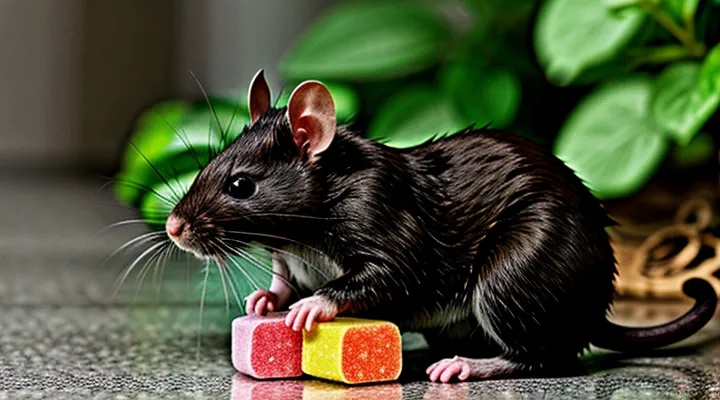
What are Rodent Baits?
Types of Baits: «Candies» vs. Traditional
Candy‑based rodent attractants differ fundamentally from conventional baits in composition, delivery method, and target behavior. The sweet formulation contains high‑glycemic sugars, flavor enhancers, and a low‑dose active ingredient that rodents ingest voluntarily due to the palatable taste. Traditional baits rely on bitter or protein‑rich matrices, often requiring a stronger odor or visual cue to trigger feeding.
- Palatability: Candies exploit innate preference for sweet flavors; traditional baits depend on protein or grain appeal.
- Active ingredient concentration: Sweet baits embed the toxin at sub‑lethal levels, encouraging repeated consumption; conventional baits use higher concentrations to achieve rapid effect.
- Placement flexibility: Candy baits can be hidden in crevices without detection because they resemble natural food sources; traditional baits may be rejected if exposed to non‑target species.
- Resistance management: Repeated low‑dose exposure in candy baits reduces the likelihood of rapid resistance development; high‑dose traditional baits can select for tolerant individuals more quickly.
Both bait types aim to control rat and mouse populations, yet candy formulations achieve higher acceptance rates, lower non‑target risk, and improved long‑term efficacy through sustained ingestion patterns.
Active Ingredients in Rodent Baits
Rodent baits marketed as candy‑like treats rely on a limited set of pharmacologically active compounds that disrupt vital physiological processes in rats and mice.
- Second‑generation anticoagulants (e.g., bromadiolone, difenacoum, brodifacoum) inhibit vitamin K epoxide reductase, preventing clotting factor regeneration and causing fatal internal hemorrhage after several days of ingestion.
- First‑generation anticoagulants (warfarin, chlorophacinone) act on the same enzyme but require multiple feedings to achieve lethal doses, making them suitable for low‑risk environments.
- Neurotoxic agents such as bromethalin interfere with mitochondrial oxidative phosphorylation, leading to rapid accumulation of ATP deficiency, neuronal swelling, and death within 24–48 hours.
- Metal phosphides (zinc phosphide, aluminum phosphide) release phosphine gas in the acidic stomach, producing systemic cellular toxicity and respiratory failure.
- Hypercalcemic compounds (cholecalciferol) elevate serum calcium by enhancing intestinal absorption and bone resorption, resulting in cardiac arrhythmia and renal failure.
- Metabolic poisons (sodium fluoroacetate) block the citric acid cycle by forming fluorocitrate, halting ATP production and causing multi‑organ failure.
Each ingredient is selected for its efficacy, delayed onset of symptoms, and compatibility with palatable sweet matrices that encourage consumption by target species while minimizing immediate aversion.
How Rodent Baits Attract Pests
Palatability and Formulation
Palatability determines whether a rodent will readily consume a candy formulation. Sweetness is achieved with sucrose, fructose, or low‑calorie alternatives such as maltitol, each providing a rapid gustatory signal that aligns with the natural preference of rats and mice for simple carbohydrates. Flavor enhancers—vanillin, fruit extracts, or amino‑acid derivatives—modify the aromatic profile, increasing acceptance during brief exposure periods. Texture contributes to intake; a semi‑solid matrix with a modest hardness encourages mastication without causing oral injury, while a smooth surface reduces aversion to foreign particles. Odor intensity, measured in parts per million, correlates with initial approach behavior; formulations that release volatile compounds within the 0.5–2 ppm range show higher first‑choice consumption in controlled trials.
Formulation considerations balance palatability with stability and dosage precision. The base matrix typically consists of a hydrocolloid (e.g., agar or gelatin) that solidifies at temperatures below 40 °C, allowing incorporation of heat‑sensitive nutrients or pharmaceuticals without degradation. Binders such as maltodextrin improve cohesion and prevent crumb formation during handling. Nutrient content is calibrated to deliver a defined caloric load—commonly 0.5 kcal per 10 mg candy—to avoid confounding metabolic studies. Active agents (e.g., drug compounds, vitamins) are dissolved or dispersed uniformly, ensuring each unit contains a consistent amount within a ±5 % variance. Shelf‑life is extended by adding antioxidants (ascorbic acid, tocopherols) that inhibit oxidation of lipophilic ingredients, and by packaging in moisture‑proof pouches that maintain relative humidity below 30 %.
Key formulation steps:
- Dissolve sweetener and flavor agents in warm water (35–40 °C).
- Introduce hydrocolloid with continuous stirring until fully hydrated.
- Add binder and antioxidant, then cool to 25 °C.
- Incorporate active compound, mix gently to prevent air incorporation.
- Cast into molds, allow solidification at 4 °C for 30 minutes.
- Package individually to preserve dose integrity.
Effective palatability and precise formulation together ensure reliable ingestion, facilitating reproducible experimental outcomes in rodent studies.
Scent and Taste Appeal
Rodent chewable treats rely on a combination of olfactory and gustatory cues to encourage consumption. The scent profile is crafted from volatile compounds that trigger the highly developed nose of rats and mice. Common attractants include ground grain, fruit extracts, and low‑molecular‑weight aldehydes such as isoamyl acetate, which mimic natural food odors. These aromas are incorporated at concentrations that exceed the detection threshold but remain below levels that cause aversion.
Taste appeal centers on the activation of sweet, umami, and salty receptors. Simple sugars (glucose, sucrose) provide rapid energy signals, while amino‑acid‑rich ingredients (e.g., casein hydrolysate) stimulate umami pathways. A modest salt content enhances palatability by aligning with the rodents’ electrolyte needs. Balancing these flavors prevents oversaturation, which can lead to reduced intake.
Key formulation considerations:
- Volatile stability: Use encapsulation or low‑temperature processing to preserve aroma during storage.
- Flavor synergy: Pair sweet bases with mild protein or fat sources to broaden the gustatory spectrum.
- Species specificity: Rats show higher preference for grain‑derived scents, whereas mice respond more strongly to fruit‑derived volatiles.
- Concentration control: Conduct dose‑response trials to identify the optimal scent intensity that maximizes attraction without triggering avoidance.
Empirical testing, such as two‑choice preference assays, validates the effectiveness of the scent‑taste matrix. Data consistently demonstrate that a well‑balanced aromatic profile combined with a multi‑modal taste composition yields the highest consumption rates in laboratory and pest‑control contexts.
Factors Influencing Bait Acceptance
Bait acceptance by rats and mice depends on a set of interacting variables that determine whether an individual will approach, ingest, and retain the offered confection.
- Flavor profile – Sweetness, bitterness, and the presence of natural attractants such as fruit extracts directly affect willingness to taste the product.
- Aroma intensity – Volatile compounds released from the bait create a detectable scent gradient; stronger, species‑specific odors increase detection distance.
- Texture and hardness – Soft, easily chewable matrices encourage rapid consumption, while overly hard pellets reduce handling time.
- Nutrient composition – Inclusion of proteins, fats, or carbohydrates aligns with the animal’s dietary needs, enhancing motivational drive.
- Prior exposure – Rodents familiar with a particular formulation develop learned preferences, whereas novel tastes may be rejected.
- Environmental conditions – Ambient temperature, humidity, and lighting influence metabolic rates and foraging activity, altering bait appeal.
- Competitive pressure – Presence of alternative food sources or conspecifics can suppress or amplify interest in the bait.
- Placement strategy – Positioning near travel routes, nesting sites, or water sources maximizes encounter probability.
- Dosage and palatability balance – Excessive active ingredients or toxins can produce aversion; optimal concentration maintains attractiveness while delivering efficacy.
- Seasonal factors – Seasonal shifts in natural food availability modify hunger levels and taste preferences, affecting acceptance rates.
Understanding these determinants enables the design of rodent lures that achieve consistent uptake, supporting effective population management and disease control programs.
The Mechanism of Action
Anticoagulants: The Most Common Method
Anticoagulant rodent baits rely on disrupting the blood‑clotting cascade, causing fatal internal hemorrhage after a single ingestion. The active compounds, typically second‑generation warfarin analogues such as brodifacoum, difenacoum, or bromadiolone, inhibit vitamin K epoxide reductase. This enzyme is essential for recycling vitamin K, a cofactor required for the synthesis of clotting factors II, VII, IX, and X. Without functional clotting factors, the animal cannot form stable fibrin clots, leading to slow, often unnoticed bleeding that culminates in death within 2–7 days.
Key characteristics of anticoagulant baits include:
- High palatability: Flavorings and attractants mask the bitter taste of the active ingredient, ensuring consumption by target species.
- Low acute toxicity: The compounds exhibit modest toxicity on first exposure, reducing risk of immediate poisoning to non‑target animals that may encounter the bait.
- Secondary poisoning potential: Predators or scavengers that ingest poisoned rodents can accumulate the anticoagulant, necessitating careful placement and monitoring.
Effective use demands adherence to dosage guidelines, typically 0.005–0.025 mg of active ingredient per gram of bait, calibrated to the size of the target rodent. Over‑dosing can accelerate mortality but may increase the likelihood of bait aversion and resistance development. Resistance arises from genetic mutations in the VKORC1 gene, diminishing binding affinity for the anticoagulant. Management strategies involve rotating active ingredients, integrating non‑anticoagulant controls, and conducting periodic susceptibility testing.
Regulatory frameworks in many jurisdictions classify anticoagulant baits as restricted-use products. Users must maintain records of application sites, quantities, and dates, and ensure baits are placed in tamper‑resistant stations inaccessible to children, pets, and wildlife.
In summary, anticoagulant baits function by impairing vitamin K‑dependent clotting, delivering a delayed lethal effect that maximizes uptake while minimizing immediate hazards. Proper formulation, dosing, and compliance with safety regulations are essential for sustained efficacy and reduced environmental impact.
Other Chemical Actions
Palatable delivery matrices for laboratory rodents often contain additional bioactive constituents that influence experimental outcomes beyond the intended pharmacological agent. These constituents serve distinct chemical functions that modify animal behavior, product stability, and drug release characteristics.
- Sweetening agents (e.g., sucrose, fructose, artificial sweeteners) stimulate gustatory receptors, increase dopamine signaling, and promote voluntary consumption.
- Flavoring compounds (e.g., fruit extracts, vanilla, cocoa) mask aversive tastes of active substances, reducing avoidance.
- Binding polymers (e.g., gelatin, agar, maltodextrin) create a cohesive matrix, control dissolution rate, and protect labile compounds from degradation.
- Preservatives (e.g., sodium benzoate, potassium sorbate) inhibit microbial growth, extend shelf life, and prevent contamination that could alter experimental data.
- Colorants (e.g., FD&C dyes) provide visual identification without affecting physiological parameters when used within approved limits.
- Appetite stimulants (e.g., low‑dose nicotine, certain amino acids) enhance feeding drive, ensuring consistent intake across subjects.
The underlying mechanisms involve receptor activation, physicochemical interactions, and metabolic processing. Sweeteners engage T1R2/T1R3 receptors on the tongue, triggering neural pathways that reinforce ingestion. Flavor additives bind to olfactory receptors, altering perception of bitterness. Binding polymers modulate water uptake and diffusion, shaping the kinetic profile of the active ingredient. Preservatives act through antimicrobial pathways that disrupt bacterial enzyme systems, preserving the integrity of the matrix. Colorants, when non‑toxic, remain inert within the gastrointestinal tract. Appetite stimulants interact with central neurotransmitter systems, elevating feeding motivation without producing overt pharmacological effects.
Safety assessment must consider cumulative exposure, potential synergism with the primary compound, and species‑specific metabolic pathways. Toxicological thresholds for each additive are established by regulatory agencies; adherence ensures that secondary actions do not confound experimental results. Monitoring for adverse reactions, such as gastrointestinal irritation or altered metabolic markers, is essential to maintain data validity.
Delayed vs. Acute Toxicity
Rodent bait candies deliver toxic agents through palatable matrices designed to entice rats and mice. Toxicity manifests in two temporal patterns: acute and delayed. Acute toxicity results from rapid absorption of the active ingredient, producing lethal effects within minutes to a few hours. This profile relies on compounds such as anticoagulants with high potency or neurotoxins that interfere with essential physiological pathways immediately after ingestion. The swift onset minimizes the chance of bait avoidance, but it may also increase the risk of secondary poisoning if predators consume the carcass before the toxin degrades.
Delayed toxicity depends on slower metabolic activation or gradual accumulation of the poison. Anticoagulant rodenticides that inhibit vitamin K recycling exemplify this class; they cause internal hemorrhage after 24–72 hours, allowing the animal to return to the nest and potentially spread the bait to conspecifics through grooming or shared food sources. Delayed action reduces immediate aversion, enhances bait consumption per individual, and provides a window for monitoring mortality rates.
Key distinctions:
- Onset time: minutes‑hours (acute) vs. days (delayed).
- Mechanism: direct physiological disruption (acute) vs. enzymatic inhibition or metabolic buildup (delayed).
- Risk profile: higher immediate hazard to non‑target species (acute) vs. prolonged environmental persistence and secondary exposure (delayed).
- Control strategy: acute baits suited for rapid eradication in confined infestations; delayed baits preferred for long‑term management where bait shyness is a concern.
Effective deployment requires matching the toxin’s temporal profile to the infestation dynamics, habitat characteristics, and non‑target safety considerations.
Effectiveness and Considerations
Placement Strategies for Optimal Results
Effective bait deployment requires precise positioning to maximize uptake by laboratory rodents. Placement must align with natural foraging patterns while minimizing exposure to non‑target species.
Key considerations include:
- Proximity to nesting sites – Position candy baits within 10‑15 cm of burrow entrances or cage corners where mice and rats habitually explore.
- Height and surface – Offer baits on low‑profile platforms or directly on the floor; avoid elevated trays that discourage ground‑level foragers.
- Temporal distribution – Introduce fresh baits during the dark phase when nocturnal activity peaks, then remove uneaten portions before daylight to prevent spoilage.
- Environmental control – Keep bait areas dry and free of competing food sources; humidity and temperature fluctuations can reduce palatability.
- Rotation and spacing – Alternate placement locations every 24–48 hours and maintain a minimum distance of 30 cm between bait points to prevent clustering and ensure uniform exposure.
Implementing these tactics consistently yields higher consumption rates, more reliable dosing, and reduced variability in experimental outcomes.
Environmental Factors Affecting Efficacy
Environmental conditions strongly influence the performance of palatable bait formulations used with laboratory rodents. Temperature fluctuations modify the stability of active ingredients; higher ambient heat accelerates degradation of sugars and volatile attractants, reducing the bait’s appeal and potency. Conversely, low temperatures can increase viscosity, making the product less accessible to gnawing rodents.
Humidity levels affect moisture absorption. Elevated relative humidity promotes clumping and microbial growth, which can mask flavor cues and diminish consumption rates. Dry environments prevent these issues but may cause desiccation of the bait, leading to hardening and reduced palatability.
Lighting cycles impact nocturnal feeding patterns. Prolonged illumination suppresses natural foraging activity, decreasing intake of sweetened treats. Maintaining a dark‑phase period aligned with the animals’ circadian rhythm maximizes bait consumption.
Cage ventilation determines odor dispersion. Poor airflow concentrates scent markers, potentially repelling rodents if the formulation emits strong odors. Adequate exchange prevents buildup and preserves the intended olfactory profile.
Background diet interacts with bait efficacy. High‑fat or protein‑rich chow can satiate rodents, lowering their drive to seek additional sugar sources. Providing a modestly restricted feeding schedule before bait presentation enhances responsiveness.
Stressors such as handling, noise, or social hierarchy disturbances alter feeding behavior. Elevated cortisol levels reduce exploratory eating, resulting in lower bait uptake. Minimizing disturbances during the exposure period improves consistency.
Microbial flora within the gut modulates taste perception and metabolic processing of sweet compounds. Antibiotic treatment or germ‑free conditions can shift preference thresholds, affecting how rodents evaluate the candy‑based bait.
Key environmental variables
- Ambient temperature (optimal range: 20‑24 °C)
- Relative humidity (maintain 40‑60 %)
- Light‑dark cycle (12 h dark phase)
- Cage ventilation (air changes ≥ 15 h⁻¹)
- Baseline diet composition (moderate caloric content)
- Stress level (limited handling, quiet environment)
- Gut microbiota status (avoid unnecessary antibiotics)
Controlling these parameters ensures that sweet bait products retain their intended attractiveness and pharmacological effectiveness when used with rats and mice.
Resistance and Bait Shyness
Resistance refers to the reduced efficacy of rodenticide baits after repeated exposure, resulting from physiological adaptations that neutralize the active ingredient. Bait shyness describes a learned avoidance behavior in which rats and mice reject previously encountered bait after experiencing sublethal effects.
Metabolic resistance arises when liver enzymes increase the breakdown of anticoagulants or neurotoxic compounds, lowering the lethal dose. Target‑site resistance involves genetic mutations that diminish binding affinity of the toxin to its physiological receptor. Behavioral resistance includes reduced bait consumption due to altered foraging patterns.
Bait shyness develops when an animal associates the taste, odor, or texture of a bait with an unpleasant sensation. Sublethal dosing provides the stimulus for this association, while innate neophobia amplifies avoidance of novel formulations. Repeated exposure accelerates the learning process, leading to rapid decline in bait uptake.
Key factors influencing both phenomena are genetic variability within populations, environmental stressors such as food scarcity, and the physical properties of the bait matrix. High protein or fat content can mask toxicants, while strong aromatic additives may either attract or repel rodents, affecting the likelihood of shyness.
Effective control measures include:
- Rotating active ingredients with different modes of action to disrupt metabolic adaptation.
- Implementing pre‑baiting periods using non‑toxic, palatable carriers to establish acceptance before introducing toxin‑laden bait.
- Reducing sublethal exposure by calibrating bait concentration to the minimum effective dose.
- Monitoring bait consumption and population response daily to detect early signs of resistance or shyness.
- Integrating environmental management, such as sanitation and exclusion, to lower alternative food sources that compete with bait.
These practices sustain bait efficacy and mitigate the emergence of resistant or bait‑shy rodent populations.
Safety and Responsible Use
Risks to Non-Target Animals and Humans
Rodent bait products designed for rats and mice can be encountered by other wildlife, domestic animals, and people, creating unintended exposure pathways.
Risks to wildlife and domestic animals
- Direct consumption of bait leads to acute toxicity, manifested by neurological signs, gastrointestinal distress, or death.
- Predators and scavengers ingest poisoned prey, resulting in secondary poisoning that may affect birds of prey, foxes, and feral cats.
- Sublethal exposure can impair reproduction, reduce foraging efficiency, and alter population dynamics in sensitive species.
Risks to humans
- Accidental ingestion of bait, especially by children, causes nausea, vomiting, seizures, or respiratory failure depending on the active ingredient.
- Handling of bait without protective equipment can result in dermal absorption or inhalation of toxic dust, producing occupational illness.
- Contamination of food, water, or surfaces in homes and agricultural settings creates chronic exposure risks, potentially leading to organ damage over time.
Mitigation considerations
- Use tamper‑resistant packaging and place bait stations out of reach of non‑target species.
- Employ bait formulations with low secondary‑toxicity profiles and rapid degradation in the environment.
- Provide clear labeling, safety data sheets, and training for users to minimize handling errors and accidental exposure.
Safe Handling and Storage
Proper management of rodent treats minimizes contamination, preserves potency, and protects both animals and personnel.
Store the product in a sealed, opaque container to shield it from moisture, light, and airborne particles. Place the container in a refrigerator set between 2 °C and 8 °C for formulations containing moisture‑sensitive ingredients; otherwise, a cool, dry pantry at 15 °C–20 °C suffices. Label each container with batch number, expiration date, and storage temperature range; replace the label if any information becomes illegible.
Handle treats only with clean hands or disposable gloves. Before each use, inspect the material for discoloration, clumping, or foreign objects; discard any compromised portion. Transfer the required amount to a sterile tray, avoiding direct contact with the original container. Return unused portions to the original sealed container promptly, ensuring the lid is tightened securely.
Routine procedures maintain safety:
- Verify temperature of storage area daily; record deviations.
- Rotate stock on a first‑in‑first‑out basis; remove items approaching expiry.
- Conduct microbiological testing at intervals recommended by the manufacturer.
- Keep a log of personnel who accessed the product, including date and quantity removed.
In the event of spillage, isolate the area, clean with a mild detergent solution, rinse thoroughly, and dry before resealing the container. Dispose of waste according to laboratory biosafety guidelines.
Adhering to these protocols preserves the integrity of rodent confectionery and prevents accidental exposure or degradation.
Disposal of Baits and Rodent Carcasses
Proper handling of spent rodent attractant treats and the bodies of captured animals prevents secondary poisoning, environmental contamination, and legal violations.
When a bait station is emptied, place all remaining material in a rigid, sealable container. Close the lid tightly, attach a label indicating “rodent bait – hazardous waste,” and store the container in a secure, temperature‑controlled area until a licensed waste collector retrieves it. Follow municipal or regional regulations that classify rodent toxicants as hazardous or restricted waste; do not discard them in regular trash or down drains.
For the disposal of dead rodents, wear disposable nitrile gloves and a face shield. Transfer each carcass into a double‑sealed, puncture‑resistant bag. Add an absorbent, non‑reactive absorbent (e.g., vermiculite) to reduce fluid leakage, then seal the outer bag. Decontaminate the work surface with an EPA‑approved disinfectant after each handling. Submit the sealed packages to a licensed animal carcass disposal service or, where permitted, place them in a designated biohazard landfill.
Key steps for safe disposal
- Remove bait from stations promptly after use.
- Seal bait in a rigid, labeled container.
- Store sealed bait until collection by an authorized hazardous‑waste handler.
- Wear gloves and protective eyewear when handling carcasses.
- Place each carcass in a double‑sealed, puncture‑proof bag.
- Add absorbent material to prevent leakage.
- Disinfect work surfaces after each operation.
- Transfer sealed bags to a licensed carcass‑disposal provider or approved biohazard landfill.
Compliance with these procedures safeguards human health, protects non‑target species, and maintains the effectiveness of rodent control programs.
Alternatives and Integrated Pest Management
Trapping Methods
Rodent bait candies are designed to attract rats and mice to a specific location where a trap can be deployed. Effective trapping relies on precise placement, appropriate trap selection, and proper bait handling.
Snap traps provide immediate kill and are most effective when loaded with a small piece of candy that fits the trap’s trigger mechanism. The candy should be soft enough to be chewed but firm enough to stay on the trigger until the animal bites. Position snap traps along walls, behind objects, and near known gnawing sites, aligning the trigger with the rodent’s natural travel paths.
Live‑catch cages capture rodents without killing them. Bait the entrance with a single candy morsel to encourage entry. After capture, release the animal at a distance of at least 100 m from the original site, following local regulations.
Glue boards immobilize rodents when they step onto a sticky surface. Apply a thin layer of candy paste to the board’s center to lure the animal. Place boards in concealed areas such as under appliances or inside cabinets to reduce non‑target exposure.
Electronic traps deliver a high‑voltage shock that kills instantly. Use a small candy pellet as bait, ensuring it does not interfere with the trap’s sensor. Position electronic units in the same locations as snap traps for consistency.
Key considerations for all methods
- Use fresh, aromatic candy to maintain potency.
- Replace bait regularly to prevent desiccation.
- Inspect traps daily; remove dead or captured rodents promptly.
- Wear gloves when handling traps to avoid transferring human scent.
- Seal gaps and eliminate food sources to increase trap success.
By integrating these trapping techniques with targeted candy bait, pest managers can achieve rapid population reduction while minimizing collateral damage.
Exclusion Techniques
Exclusion techniques refer to measures that prevent rats and mice from accessing bait or the areas where bait is applied. By limiting entry points and controlling movement, these methods increase bait efficiency and reduce the risk of non‑target consumption.
- Seal cracks, gaps, and utility openings with steel wool, cement, or metal flashing.
- Install door sweeps and weather stripping on all exterior doors.
- Fit vent covers with fine mesh that resists gnawing.
- Place bait stations inside tamper‑resistant boxes that lock out larger animals and children.
- Locate stations along established runways, away from walls and corners where rodents hide.
- Remove clutter, debris, and overgrown vegetation that provide shelter near bait locations.
Physical barriers deny rodents the pathways needed to reach bait, forcing them to travel longer distances and reducing the likelihood of accidental ingestion by pets or wildlife. Tamper‑resistant containers confine the attractant, ensuring that only target species can retrieve it. Habitat modification eliminates shelter and food sources that sustain rodent populations, making bait stations more attractive relative to the environment.
Effective exclusion combines sealing, barrier installation, and strategic bait placement. Regular inspection of seals and containers maintains integrity, while periodic cleaning of surrounding areas sustains the reduced attraction for non‑target organisms. Implementing these practices yields higher bait uptake by the intended rodents and minimizes collateral exposure.
Sanitation Practices
Proper sanitation is critical when providing sweet bait to laboratory rodents or pet rats and mice. Contamination of the treats can alter experimental outcomes, cause health issues, and attract pests.
All feeding stations must be cleaned after each use. Remove residual crumbs, wipe surfaces with an approved disinfectant, and rinse with potable water before drying. Store the candy-like baits in sealed, airtight containers, preferably in a refrigerated environment if the formulation includes perishable ingredients. Label containers with batch numbers and expiration dates to prevent cross‑contamination.
Personnel handling the treats should follow these protocols:
- Wash hands thoroughly with soap and water before and after contact.
- Wear disposable gloves that are changed between batches.
- Use dedicated utensils for measuring and dispensing; sterilize them after each session.
- Avoid direct contact between the bait and animal bedding, water bottles, or cage accessories.
Waste management also requires attention. Collect leftover or spoiled candies in sealed bags and dispose of them according to biohazard guidelines. Clean any spill immediately to prevent attraction of insects or rodents outside the controlled environment.
Routine inspection of storage areas, feeding equipment, and cages helps identify moisture buildup, mold growth, or rodent droppings. Replace compromised items promptly to maintain a hygienic feeding system.