
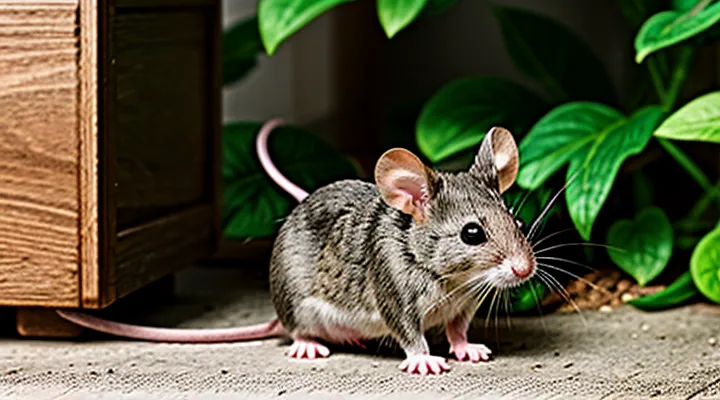
«Understanding Pet Mice»
«What Are Pet Mice?»
Pet mice are small rodents commonly kept for companionship, education, or research. The most popular species for domestic care are the house mouse (Mus musculus) and the fancy mouse, a selectively bred variant with diverse coat colors and patterns. Adult mice typically weigh 20–30 g and live 1.5–3 years with proper nutrition and veterinary oversight.
Nutrition requires a balanced diet of commercial mouse pellets supplemented with small portions of fresh vegetables, fruits, and occasional protein sources such as boiled egg or mealworms. Water must be available at all times through a sipper bottle to prevent contamination. Overfeeding high‑fat treats leads to obesity and reduced lifespan.
Housing should provide at least 0.5 sq ft of floor space per mouse, with a solid base, deep bedding for nesting, and a secure lid to prevent escape. Materials such as paper-based bedding or aspen shavings reduce respiratory irritation compared to pine or cedar. Enrichment items—tunnels, wheels, chew blocks, and climbing structures—support natural foraging and exercise, decreasing stress‑induced behaviors.
Health monitoring includes daily observation for signs of respiratory distress, skin lesions, or abnormal grooming. Common ailments are respiratory infections, mites, and tumors. Prompt veterinary consultation improves outcomes; routine cleaning of the enclosure minimizes pathogen buildup.
Handling techniques involve gentle scooping with both hands, allowing the mouse to grasp the fingers, and limiting sessions to a few minutes until the animal shows signs of fatigue. Regular handling builds trust and reduces bite risk.
Legal considerations vary by jurisdiction; some regions require permits for mouse ownership or prohibit certain breeds. Prospective owners should verify local regulations before acquisition.
Key points for prospective owners:
- Choose a reputable breeder or supplier to avoid genetic defects.
- Provide a balanced diet and fresh water daily.
- Maintain a clean, spacious cage with adequate enrichment.
- Monitor health and seek veterinary care for abnormalities.
- Confirm compliance with local animal‑keeping laws.
«The History of Mice as Pets»
Mice have accompanied humans for millennia, initially as symbols rather than companions. In ancient Egypt, hieroglyphs depict small rodents alongside offerings, indicating a cultural awareness of their presence. By the Middle Ages, European manuscripts occasionally illustrate mice in domestic scenes, reflecting their ubiquity in households and barns.
The Victorian era marked the first deliberate attempts to domesticate mice. Breeders in England produced the “Fancy Mouse” for exhibition, selecting for coat color and temperament. These mice were displayed at animal shows, establishing a precedent for pet ownership separate from pest control.
The 20th century introduced laboratory breeding, which inadvertently created stable, health‑screened lines. Researchers exported these mice to hobbyists, who began keeping them for their manageable size and low maintenance. Commercial pet stores started offering mice in the 1970s, packaging them with cages, bedding, and dietary guidelines.
Modern pet markets treat mice as small companion animals. Breeders provide varieties such as the “Dwarf” and “Hairless” mouse, catering to owners seeking specific traits. Regulatory standards now require humane handling, appropriate enclosure size, and enrichment to prevent stress.
Key milestones in the evolution of mice as pets:
- Ancient Egypt: symbolic representation in art.
- Medieval Europe: incidental presence in domestic illustrations.
- 1860s–1900s (Victorian England): development of Fancy Mouse for shows.
- 1900s–1960s: laboratory breeding supplies health‑tested stock.
- 1970s onward: commercial pet industry adopts mice as standard small‑animal pets.
Understanding this chronology clarifies how mice transitioned from wild pests to recognized companion animals, informing current best practices for prospective owners.
«Mouse Breeds and Varieties»
Mouse breeds suitable for companionship differ in size, coat pattern, temperament, and husbandry requirements. Understanding these distinctions helps prospective owners select a mouse that matches their environment and handling preferences.
Commonly kept varieties include:
- Fancy mouse (Mus musculus domesticus) – selectively bred for diverse coat colors and patterns; typically docile, adapts well to standard cages, and thrives on a diet of commercial mouse pellets supplemented with fresh vegetables.
- House mouse (Mus musculus) – the wild type of the species; exhibits robust health, higher activity levels, and a tendency to explore; requires secure enclosures to prevent escape and may benefit from enrichment that mimics natural foraging.
- Deer mouse (Peromyscus maniculatus) – larger body size, longer tail, and a grayish dorsal coat; known for curious behavior and occasional aggression; needs a spacious habitat with vertical climbing structures and a protein‑rich diet.
- African pygmy mouse (Mus minutoides) – one of the smallest pet rodents, reaching only 4–6 cm in length; demands a delicate handling approach, a temperature‑controlled environment, and a diet high in small seeds and insects.
- Chinese hamster (Cricetulus griseus) – occasionally kept as a mouse alternative; characterized by a short lifespan, solitary tendencies, and a requirement for low‑humidity bedding.
Key considerations when evaluating a breed:
- Size and space – larger breeds such as the deer mouse require cages with greater floor area and vertical height, while dwarf varieties fit comfortably in compact enclosures.
- Temperament – social strains like the fancy mouse tolerate regular handling; more territorial types, including some house mouse lines, may display heightened stress if housed singly.
- Health predispositions – certain breeds are prone to specific ailments; for example, African pygmy mice often develop respiratory issues in humid conditions, whereas house mice show resilience to minor infections.
- Dietary needs – all varieties need a balanced mix of commercial pellets, fresh greens, and occasional protein sources, but the proportion of each varies with metabolic rate and size.
Selecting a breed aligns directly with the owner’s capacity to meet these practical demands. Properly matched, the mouse provides a manageable, engaging companion within a controlled indoor setting.
«The Pros and Cons of Owning a Pet Mouse»
«Advantages of Keeping Mice»
«Low Maintenance»
Mice require minimal daily attention. A balanced diet consists of commercial mouse pellets supplemented with occasional fresh vegetables; the feed can be left in the cage for the entire day without spoilage. Water bottles with sipper tubes provide continuous hydration and need replacement only when visibly dirty.
Cage maintenance is straightforward. A standard 20‑inch cube enclosure with solid flooring and a wire top allows easy removal of waste. Spot‑cleaning of soiled bedding twice a week prevents odor buildup, while a full substrate change every four weeks eliminates the need for intensive cleaning schedules.
Interaction demands are limited. Mice are active during twilight hours; brief handling sessions of five to ten minutes, two to three times per week, satisfy social needs without causing stress. Their small size permits safe containment in a handheld cup for short transfers, eliminating complex transport equipment.
Low‑maintenance advantages
- Simple feeding regimen: pellets and occasional produce.
- Minimal cleaning: spot‑clean twice weekly, full change monthly.
- Limited handling: short sessions a few times per week.
- Compact housing: standard cage fits most living spaces.
«Small Space Requirements»
Mice thrive in compact enclosures when the habitat meets minimum spatial standards. A cage should provide at least 10 × 10 × 12 inches (25 × 25 × 30 cm) of floor area per animal; larger dimensions reduce stress and allow natural foraging behavior. If housing multiple mice, increase floor space by 5 inches (12 cm) for each additional individual.
Key elements for a small‑space setup include:
- Vertical enrichment: Install climbing ropes, ladders, or multi‑level platforms to utilize height without expanding the footprint.
- Solid flooring: Choose a solid base over wire mesh to protect delicate feet and simplify cleaning.
- Secure lid: Ensure the cover fits tightly; mice can escape through gaps as small as 0.5 mm.
- Ventilation: Provide adequate airflow while preventing drafts that could lower body temperature.
Placement matters. Position the cage away from direct sunlight, drafts, and loud appliances. A quiet corner with stable temperature (18‑24 °C) promotes consistent activity patterns.
Routine maintenance compensates for limited space. Spot‑clean daily, replace bedding weekly, and inspect enrichment items for wear. A disciplined cleaning schedule prevents odor buildup and maintains a healthy microenvironment within the confined area.
«Engaging Behavior»
Pet mice display a range of activities that can enrich the owner’s experience while supporting the animal’s welfare. Their natural curiosity drives exploration of tunnels, wheels, and chewable objects, providing visible signs of mental stimulation. Social interaction occurs through gentle nibbling, grooming, and brief bouts of play, especially when multiple mice share a spacious enclosure.
Key behaviors that indicate engagement include:
- Frequent use of an exercise wheel or climbing structures, suggesting adequate physical activity.
- Regular investigation of new items such as tunnels, cardboard tubes, or safe chew toys, reflecting environmental enrichment.
- Vocalizations like soft squeaks during handling, which signal comfort and curiosity.
- Mutual grooming between cage mates, a marker of social bonding and reduced stress.
Owners can foster these behaviors by:
- Rotating enrichment items weekly to maintain novelty.
- Providing a balanced diet that supports energy for active play.
- Ensuring a minimum cage size of 10 gallons per mouse, with vertical space for climbing.
- Offering a nesting material that allows construction of secure hideaways.
- Handling mice gently for short periods each day to build trust and encourage interaction.
Observing the frequency and quality of these actions helps assess the mouse’s well‑being and guides adjustments to housing or enrichment strategies. Consistent engagement reduces the risk of stereotypic behavior, promotes healthy development, and strengthens the owner‑pet relationship.
«Disadvantages of Keeping Mice»
«Short Lifespan»
Pet mice typically live between 1½ and 3 years, depending on strain, genetics, and husbandry. This brief lifespan influences every aspect of care, from health monitoring to emotional preparation. Prospective owners must recognize that the animal’s life cycle includes rapid growth, early sexual maturity, and a swift decline in vitality, requiring vigilant observation throughout.
Key considerations for managing a mouse’s short life expectancy:
- Health surveillance: Conduct weekly checks for weight loss, respiratory distress, ocular discharge, or skin lesions. Early veterinary intervention can extend life by addressing infections or metabolic disorders promptly.
- Environmental stability: Maintain consistent temperature (20‑24 °C), humidity (40‑60 %), and low-noise conditions to reduce stress, a major factor in premature mortality.
- Nutritional adequacy: Provide a balanced diet rich in protein, fiber, and essential vitamins; avoid high‑fat treats that accelerate obesity‑related diseases.
- Breeding decisions: Limit or eliminate breeding to prevent additional litters that would inherit the same limited lifespan, unless the owner is prepared for continuous turnover.
- Emotional readiness: Anticipate the inevitable loss; establish coping strategies such as keeping a health log, photographing milestones, and planning a respectful end‑of‑life protocol.
Understanding the inherent brevity of a mouse’s life enables owners to deliver optimal care, maximize the animal’s well‑being, and prepare for the emotional impact of a short but meaningful companionship.
«Nocturnal Nature»
Mice are naturally active during darkness, a trait that shapes their behavior in a home environment. Their peak periods of exploration, feeding, and social interaction occur after sunset and continue through the early morning hours. Light‑intense rooms can suppress these activities, leading to reduced exercise and heightened stress.
To accommodate nocturnal rhythms, owners should provide a dimly lit enclosure that mimics twilight conditions. A low‑intensity LED strip or a covered cage with a small opening for occasional light exposure offers sufficient visibility without disrupting the mouse’s internal clock. Regular darkness cycles—approximately 12 hours of low light followed by 12 hours of darkness—support healthy hormone regulation and sleep patterns.
Practical measures for managing nighttime activity include:
- Scheduling feeding before the dark phase to ensure adequate nutrition when the mouse is most active.
- Placing enrichment items such as tunnels, wheels, and chew blocks within reach of the cage floor, allowing safe exploration without excessive climbing.
- Using a quiet, vibration‑free location for the cage to prevent startling the animal during its active period.
Observing the mouse’s behavior during its natural active window provides insight into health status. Sudden changes—reduced movement, excessive grooming, or vocalization—may indicate illness or environmental stress and warrant immediate veterinary consultation. Adjusting lighting, temperature, and enrichment based on these observations helps maintain a stable, thriving nocturnal companion.
«Specific Care Needs»
Keeping a mouse as a companion animal requires precise attention to several physiological and behavioral requirements. Failure to meet these parameters often leads to stress, disease, or premature mortality.
Mice thrive in environments that replicate their natural burrowing habits. Enclosures should provide:
- A minimum floor area of 600 cm² per animal, with vertical space of at least 15 cm.
- Solid-bottom cages or deep layers of paper-based substrate, changed weekly to prevent ammonia buildup.
- Multiple hideouts constructed from untreated wood or thick cardboard, placed in low-light corners.
- A solid wheel of 8–10 cm diameter to enable safe aerobic activity.
Nutrition must be balanced and consistent. Offer a commercial rodent pellet formulated for laboratory mice, supplemented with:
- Fresh vegetables (e.g., carrot, broccoli) no more than 5 % of total intake.
- Small protein sources such as boiled egg or mealworm, limited to twice weekly.
- Clean water in a sipper bottle, refilled daily to avoid contamination.
Health monitoring includes weekly observation for signs of respiratory distress, skin lesions, or abnormal grooming. Dental overgrowth is common; provide chew blocks to wear down incisors naturally. Temperature should remain between 20 °C and 24 °C, with humidity controlled at 40–60 %. Handling should be gentle, using cupped hands to minimize stress; limit sessions to five minutes and allow the mouse to retreat to its hideout if it shows avoidance behavior.
By adhering to these specific care protocols, owners can maintain a healthy, active mouse that exhibits typical exploratory and social behaviors.
«Setting Up Your Mouse's Habitat»
«Choosing the Right Cage»
«Cage Size Recommendations»
Choosing an enclosure that meets spatial requirements is essential for a mouse’s physical health and behavioral well‑being. A cage that is too small restricts movement, hampers natural foraging, and increases stress‑related behaviors.
Recommended minimum dimensions
- Floor area: at least 200 sq in (≈1,300 cm²) per individual mouse.
- Height: 12–15 in (30–38 cm) to allow vertical climbing and nesting.
- For a pair, increase floor area to 400 sq in; for three or more, add 200 sq in per additional mouse.
Additional considerations
- Use a solid base with a removable tray for easy cleaning.
- Provide multiple levels or platforms if the cage height exceeds 12 in, ensuring each level has secure ladders or ramps.
- Ensure adequate ventilation; bars should be spaced no more than ½ in (1.3 cm) apart to prevent escape while allowing airflow.
- Select materials that are chew‑resistant and non‑toxic; stainless steel or powder‑coated wire mesh are preferred.
Adhering to these specifications creates an environment where mice can explore, exercise, and exhibit natural behaviors without compromising safety.
«Material Considerations»
When selecting equipment for a pet mouse, material choice directly affects health, safety, and durability.
Cage construction should be robust and non‑toxic. Stainless steel bars prevent rust and resist gnawing. Acrylic or polycarbonate panels provide clear visibility while remaining impact‑resistant. Avoid cages made of untreated wood, which can splinter and harbor parasites.
Bedding must balance absorbency with dust control. Paper‑based substrates offer low dust and quick disposal. Aspen shavings are safe for chewing but generate moderate dust; they require frequent replacement. Recycled cotton fibers provide softness but can retain moisture, increasing mold risk.
Food and water containers require materials that do not leach chemicals. Polypropylene bowls are dishwasher‑safe and resistant to chewing. Glass bottles with stainless‑steel sipper tubes eliminate plastic exposure and simplify sterilization.
Toys and enrichment items should be chew‑proof. Untreated natural wood blocks, sisal rope, and hard plastic tunnels withstand constant gnawing. Avoid painted or varnished items, which can release toxic fumes when chewed.
Cleaning supplies must be compatible with the chosen materials. Unscented, enzyme‑based cleaners effectively remove urine and feces without damaging stainless steel or acrylic surfaces. Bleach solutions (1 % concentration) are safe for metal and glass but can degrade plastic if left unattended.
Material checklist
- Cage: stainless steel bars, acrylic/polycarbonate panels
- Bedding: paper substrate, aspen shavings, cotton fiber (monitor moisture)
- Feeders: polypropylene bowls, glass bottles with stainless‑steel sippers
- Enrichment: natural wood, sisal rope, hard plastic tunnels
- Cleaners: unscented enzyme cleaners, 1 % bleach solution (use on metal/glass only)
Choosing appropriate materials minimizes health hazards, extends equipment lifespan, and supports a stable environment for a mouse companion.
«Essential Cage Accessories»
«Bedding and Substrate»
Choosing appropriate bedding is critical for mouse health and hygiene. The material must absorb moisture, control odor, and prevent respiratory irritation. Avoid cedar, pine, or any aromatic wood shavings; their volatile compounds can damage delicate lung tissue. Opt for untreated paper products, aspen shavings, or commercially formulated rodent bedding that meets laboratory standards for low dust.
Recommended bedding options:
- Paper-based pellets or shredded paper (e.g., Carefresh, Kaytee Clean & Cozy) – high absorbency, minimal dust.
- Aspen shavings – natural, low-resin, moderate dust, suitable for larger enclosures.
- Hemp or coconut fiber – biodegradable, good odor control, low dust when processed correctly.
When layering substrate, place a thin base of absorbent material (approximately 1–2 cm) to capture droplet accumulation. Top the base with a softer layer for nesting, allowing mice to build nests without excessive digging into the substrate. Replace the entire bedding at least once a week, or more frequently if moisture or odor levels rise.
Maintain a dry environment by monitoring humidity. Aim for relative humidity between 40 % and 60 %. Use a hygrometer to track conditions; adjust ventilation or add dry absorbent inserts if levels exceed the target range. Regular cleaning and proper substrate selection together create a stable, comfortable habitat for pet mice.
«Food and Water Dispensers»
Pet mice require constant access to fresh food and clean water. Reliable dispensers reduce the risk of spoilage and maintain hygiene.
A suitable food dispenser should:
- Hold dry pellets or seed mixes without spilling.
- Feature a secure lid to prevent gnawing.
- Be made of chew‑resistant plastic or glass.
- Allow easy refilling from the top.
A water bottle is preferable to an open bowl because it:
- Prevents contamination from bedding.
- Provides a steady flow through a stainless‑steel sipper tube.
- Includes a vented cap to maintain pressure and avoid leaks.
Maintenance guidelines:
- Clean both dispensers weekly with warm, mild soap; rinse thoroughly.
- Inspect sipper tubes for blockages each refill and replace if cracked.
- Rotate food containers to ensure all portions remain fresh.
- Position dispensers away from heavy chewing zones but within easy reach of the mouse.
Automatic feeders, powered by batteries or mains, can dispense measured portions at set intervals. They are useful for owners who are absent for extended periods but require regular battery checks and calibration to avoid over‑ or under‑feeding.
Choosing the right dispenser combination supports stable nutrition, reduces waste, and promotes a healthier environment for a pet mouse.
«Hides and Toys»
Providing appropriate hiding spots and stimulating toys is essential for the welfare of a mouse kept as a companion animal. Secure, enclosed areas allow the animal to retreat from stressors, while varied enrichment prevents boredom and promotes natural behaviors.
- Small PVC pipe sections, cleaned and cut to fit the cage, create tunnels that mimic burrows.
- Ceramic or wooden houses with removable lids offer shelter and easy cleaning.
- Stacked cardboard tubes, trimmed to avoid sharp edges, serve as both hideouts and climbing structures.
- Fabric pouches sewn from breathable material give a soft retreat without retaining moisture.
Toy selection should encourage exploration, gnawing, and foraging:
- Chew blocks made of untreated wood or compressed hay satisfy dental needs.
- Plastic wheels with solid rims prevent injury while allowing vigorous exercise.
- Puzzle feeders that dispense seeds when manipulated stimulate problem‑solving.
- Loose, non‑toxic shredded paper or tissue provides material for nest building.
Rotate hides and toys regularly to maintain novelty. Observe the mouse’s preferences and adjust the environment accordingly; consistent enrichment correlates with reduced aggression and healthier weight management.
«Exercise Wheels»
Exercise wheels provide the primary outlet for a mouse’s natural tendency to run. A well‑chosen wheel encourages cardiovascular health, muscle development, and stress reduction without requiring additional space.
Select a wheel with a diameter of at least 8 inches for adult mice; smaller wheels force a cramped stride, increasing the risk of spinal curvature. The rim should be solid, not mesh, to prevent foot injuries. Plastic or metal frames are acceptable, but the running surface must be smooth and free of sharp edges.
When installing the wheel, attach it securely to the cage top or side using brackets that distribute weight evenly. Verify that the wheel rotates freely; resistance indicates misalignment or debris. Regularly inspect the axle and bearings for wear, and replace parts promptly.
Maintain cleanliness by removing droppings and nesting material from the wheel after each cleaning cycle. A mild, unscented soap solution followed by thorough rinsing prevents residue buildup that could affect the mouse’s grip.
Consider the following checklist when evaluating a wheel:
- Diameter ≥ 8 inches (adult mice) or 10 inches (larger breeds)
- Solid running surface, no mesh or gaps
- Quiet operation (low‑noise bearings)
- Easy attachment to cage without compromising structural integrity
- Materials that are non‑toxic and resistant to chewing
Providing an appropriate exercise wheel satisfies a mouse’s instinctual need for movement, supporting overall health and prolonging the animal’s lifespan.
«Feeding and Nutrition for Pet Mice»
«Staple Diet for Mice»
A pet mouse requires a consistent, nutritionally complete diet to maintain health and activity. Commercially formulated mouse pellets provide a balanced base of protein, fat, fiber, vitamins, and minerals. Supplement the pellets with fresh produce to prevent deficiencies and encourage natural foraging behavior.
- Small pieces of carrot, broccoli, or kale (wash thoroughly, remove any pesticide residue)
- Leafy greens such as spinach or romaine lettuce (offer in limited amounts to avoid calcium excess)
- Occasional fruit slices—apple, banana, or berries (limit to 5 % of daily intake because of sugar)
- Protein boosts: boiled egg white, plain cooked chicken, or low‑fat cheese (no more than a pea‑sized portion)
Feed pellets twice daily, dividing the total daily amount according to the mouse’s weight and activity level. Fresh vegetables and fruit should be provided in small daily portions; discard uneaten produce after a few hours to prevent spoilage.
Clean water must be available at all times; use a sipper bottle to keep the supply free of contamination. Replace water daily and clean the bottle weekly to maintain hygiene.
«Safe Fruits and Vegetables»
Providing a mouse with fresh produce supports dental health, hydration, and enrichment. Only specific fruits and vegetables are safe; others can cause digestive upset or toxicity.
Safe options include:
- Apples (core and seeds removed)
- Blueberries
- Strawberries (small pieces)
- Carrots (raw, finely grated)
- Bell peppers (any color, no seeds)
- Cucumber (peeled, sliced)
- Zucchini (raw, diced)
- Broccoli florets (small portions)
- Spinach (limited, due to oxalates)
- Kale (moderate amounts)
Foods to avoid:
- Citrus fruits (acidic, can irritate stomach)
- Grapes and raisins (risk of kidney failure)
- Avocado (contains persin, toxic to rodents)
- Onions, garlic, chives (cause hemolytic anemia)
- Tomato leaves and stems (contain solanine)
Introduce new items gradually, monitoring for changes in stool or behavior. Offer produce in small, bite‑size pieces and remove uneaten portions within two hours to prevent spoilage. Balance fresh foods with a high‑quality pellet diet to meet nutritional requirements.
«Treats and Supplements»
Treats should complement a mouse’s staple diet, not replace it. Commercial mouse treats are formulated with balanced protein and carbohydrate levels; select products that list natural ingredients and avoid excessive sugar or artificial additives. Small, bite‑size pieces are ideal because mice have high metabolic rates and can overeat quickly.
When offering fresh treats, limit portions to a few grams per week. Safe options include:
- Fresh apple slices (remove seeds)
- Small pieces of carrot or broccoli
- Unsalted, plain cooked egg (hard‑boiled, shredded)
- Tiny portions of plain yogurt (lactose‑intolerant mice may react)
Avoid citrus fruits, chocolate, caffeine, and any food containing onions or garlic, as these compounds are toxic to rodents.
Supplements may address specific health concerns, but they must be administered under veterinary guidance. Commonly used supplements for pet mice include:
- Vitamin E – supports skin and fur health; typical dosage is 5 IU per kilogram of body weight, given once weekly.
- Calcium carbonate – assists in bone development; 0.1 g per kilogram of body weight, mixed into the regular feed.
- Probiotic powders – promote gut flora balance; follow manufacturer’s recommended concentration, usually 1 % of the total feed weight.
Do not exceed recommended dosages; overdosing can cause renal stress or metabolic imbalance. Store all treats and supplements in airtight containers, keep them away from direct sunlight, and discard any product that shows signs of spoilage.
Monitoring weight and behavior after introducing new treats or supplements provides immediate feedback on suitability. A stable weight, active foraging, and normal grooming indicate a well‑balanced diet, while sudden weight loss, lethargy, or digestive upset signals the need to adjust or discontinue the item.
«Foods to Avoid»
Mice require a diet that mimics their natural foraging habits while providing balanced nutrition. Certain foods pose health risks and should never be offered to a pet mouse.
- Chocolate and caffeine‑containing products – toxic to rodents, can cause cardiac arrest.
- Processed sugary snacks – high sugar content leads to obesity, dental disease, and gastrointestinal upset.
- Citrus fruits and juices – acidity irritates the digestive tract and may cause ulceration.
- Raw beans, especially kidney beans – contain lectins that are poisonous when uncooked.
- High‑fat items such as fried foods, bacon, and cheese – promote fatty liver disease and rapid weight gain.
- Salted or seasoned nuts – excessive sodium disrupts electrolyte balance and can induce kidney failure.
- Onion, garlic, and related Allium species – cause hemolytic anemia by damaging red blood cells.
- Dairy products – many adult mice lack lactase, resulting in diarrhea and discomfort.
- Moldy or spoiled foods – introduce mycotoxins that damage liver and nervous system.
Providing only safe, species‑appropriate foods reduces the likelihood of acute poisoning and long‑term health complications, supporting a stable and thriving companion mouse.
«Health and Wellness of Pet Mice»
«Common Mouse Ailments»
«Respiratory Infections»
Respiratory infections are a common health concern for mouse companions. They can develop rapidly and may become life‑threatening if left untreated. Early detection and proper care are essential for maintaining the well‑being of a pet mouse.
Typical clinical signs include:
- Nasal discharge, clear or purulent
- Labored or noisy breathing
- Sneezing or wheezing
- Lethargy and reduced activity
- Weight loss and poor grooming
Risk factors that increase susceptibility are:
- Overcrowded cages or poor ventilation
- High humidity or extreme temperature fluctuations
- Presence of dust, strong odors, or ammonia buildup
- Stress from handling, transport, or abrupt diet changes
- Underlying immunosuppression, such as from illness or age
Preventive measures focus on environmental control and routine monitoring:
- Provide a cage with adequate airflow; refresh bedding weekly and keep it dry.
- Maintain temperature between 65–75 °F (18–24 °C) and humidity below 50 %.
- Clean food and water containers daily; use sealed feeders to limit contamination.
- Limit exposure to other rodents or wild animals that may carry pathogens.
- Conduct weekly health checks, noting any deviation from normal breathing patterns.
If infection is suspected, veterinary evaluation should occur promptly. Diagnostic steps often involve physical examination, radiography, and microbiological testing of nasal swabs. Treatment protocols typically include:
- Broad‑spectrum antibiotics selected based on culture results
- Supportive care such as warmed humidified air and fluid supplementation
- Isolation of the affected mouse to prevent spread within the colony
Owners should keep a record of medication dosages, treatment duration, and observed responses. After recovery, continue strict hygiene practices for at least two weeks to reduce recurrence risk. Regular veterinary check‑ups, even in the absence of symptoms, help identify subclinical issues before they progress to overt respiratory disease.
«Tumors»
Tumor development is a significant health concern for rodents kept as companions. Recognizing the propensity of laboratory‑derived and domesticated strains to develop neoplasms helps owners make informed decisions about care.
Common neoplastic conditions in pet mice include:
- Mammary adenocarcinoma, frequently observed in females after sexual maturity.
- Lymphoma, affecting multiple organ systems and often associated with viral agents.
- Subcutaneous fibrosarcoma and papillomas, visible as firm skin masses.
Early detection relies on observation of physical and behavioral changes. Indicators worth monitoring are:
- Localized swelling or protruding masses.
- Rapid weight loss despite adequate feeding.
- Reduced activity, reluctance to move, or altered grooming patterns.
Preventive measures reduce tumor incidence. Strategies involve:
- Selecting breeding lines with documented lower tumor rates.
- Maintaining low‑stress environments: stable temperature, minimal noise, and ample enrichment.
- Providing a balanced diet low in excess calories and free of known carcinogens.
- Implementing rigorous cage hygiene to limit exposure to infectious agents.
Veterinary evaluation should occur at the first sign of abnormal growth. Diagnostic tools include palpation, ultrasound, and histopathology. Treatment options range from surgical excision of isolated tumors to chemotherapy for systemic disease; prognosis depends on tumor type, size, and metastasis extent.
Owners are advised to schedule routine health examinations, quarantine newly introduced mice, and keep detailed records of growth patterns and any medical interventions. Consistent monitoring and prompt veterinary involvement improve outcomes for mice that develop neoplastic conditions.
«Parasites»
Pet mice are vulnerable to a range of parasites that can compromise health, shorten lifespan, and create hygiene problems for owners. Recognizing the most common infestations and implementing preventive protocols are essential components of responsible mouse care.
Typical parasites affecting companion mice fall into two categories:
- Ectoparasites – mites, fleas, and lice that live on the skin and fur.
- Endoparasites – gastrointestinal nematodes (e.g., pinworms), coccidia, and protozoan organisms such as Giardia.
Infestation indicators include excessive scratching, hair loss, scabs, visible insects, weight loss, loose stools, and lethargy. Early detection prevents severe illness and limits spread to other cage mates.
Preventive measures:
- Quarantine all new arrivals for at least two weeks, observing for signs of parasites.
- Maintain a clean enclosure: replace bedding weekly, wash food dishes daily, and disinfect cages with a mild, rodent‑safe solution.
- Provide a balanced diet rich in fiber to support intestinal health.
- Use commercially available, mouse‑approved ectoparasite treatments only under veterinary guidance.
If parasites are confirmed, treatment protocols typically involve:
- Topical acaricides for mites and lice, applied according to product instructions.
- Oral anthelmintics for nematodes, prescribed by a veterinarian.
- Antiprotozoal medications for coccidia or Giardia, administered in the drinking water or food.
After treatment, repeat fecal examinations and skin checks to verify eradication. Continue regular health monitoring and maintain strict hygiene to reduce recurrence risk.
«Recognizing Signs of Illness»
When a mouse lives in a household, early detection of health problems prevents suffering and reduces veterinary costs. Owners should observe daily behavior, physical condition, and any deviations from normal patterns.
Typical indicators of illness include:
- Reduced activity or reluctance to explore the cage
- Loss of appetite or failure to consume fresh food and water
- Weight loss evident when the mouse feels unusually thin to the touch
- Respiratory sounds such as wheezing, clicking, or frequent sneezing
- Discharge from eyes, nose, or ears, especially if it is thick or colored
- Abnormal stool, including diarrhea, blood, or a marked change in consistency
- Ungroomed fur, bald patches, or a dull coat
- Swelling in the abdomen, limbs, or around the eyes
- Excessive scratching, biting, or self‑injury
Any of these signs warrants immediate evaluation by a qualified veterinarian familiar with small rodents. Prompt treatment improves recovery odds and supports the mouse’s overall well‑being.
«Finding a Veterinarian for Small Animals»
When you decide to keep a mouse as a companion, securing veterinary care is essential for the animal’s health and longevity. Small‑animal practitioners possess the knowledge and equipment needed to address the specific physiological and behavioral needs of rodents.
Begin the search by identifying clinics that list “exotic,” “small‑animal,” or “rodent” services on their websites. Verify credentials: a veterinarian should hold a license for small‑animal practice and, ideally, additional training in exotic species. Contact the clinic to confirm experience with mice, asking about routine examinations, disease prevention, and emergency protocols.
Consider the following criteria when evaluating potential providers:
- Proximity to your residence, ensuring timely visits and emergency access.
- Availability of appropriate diagnostic tools (e.g., small‑animal ultrasound, fecal analysis).
- Willingness to discuss nutrition, enclosure design, and behavioral enrichment.
- Transparent fee structure for routine care and urgent treatment.
If local options are limited, explore regional veterinary hospitals or university veterinary schools that offer exotic‑animal services. Many institutions provide referral programs or tele‑medicine consultations for minor concerns.
Maintain a record of the veterinarian’s contact information, office hours, and after‑hours emergency numbers. Schedule an initial wellness exam within the first month of ownership to establish a health baseline and receive guidance on vaccination, parasite control, and proper diet.
By selecting a qualified practitioner and establishing a consistent care schedule, you create a supportive environment that maximizes the well‑being of your pet mouse.
«Preventative Care»
Preventative care is essential for the health and longevity of a mouse kept as a companion animal. Regular veterinary check‑ups, ideally every six months, allow early detection of common issues such as respiratory infections, dental overgrowth, and skin problems.
A structured routine reduces stress and supports immunity. Key components include:
- Nutrition: Provide a balanced diet of commercial mouse pellets supplemented with fresh vegetables. Avoid sugary treats that can lead to obesity and dental disease.
- Environmental hygiene: Clean the cage weekly, replacing bedding and sanitizing food dishes. Spot‑clean daily to remove droppings and soiled material, preventing ammonia buildup.
- Enrichment: Offer tunnels, wheels, and chew toys to encourage natural behaviors. Adequate stimulation lowers the risk of stereotypic actions and associated injuries.
- Health monitoring: Observe for signs of illness—nasal discharge, wheezing, hair loss, or changes in activity. Record weight weekly; a sudden drop may indicate underlying problems.
- Vaccination and parasite control: While mice are not routinely vaccinated, discuss parasite prevention with a qualified veterinarian, especially if the mouse has outdoor exposure.
Implementing these measures creates a proactive health strategy, minimizing the need for emergency interventions and fostering a stable, thriving pet mouse.
«Handling and Socialization»
«Gentle Handling Techniques»
Gentle handling is essential for maintaining a mouse’s trust and preventing injury. Approach the cage calmly, keep movements smooth, and avoid sudden gestures that may startle the animal.
When picking up a mouse, follow these steps:
- Place one hand flat on the cage floor to support the mouse’s body.
- Use the other hand to form a gentle cup around the torso, ensuring the limbs are not restrained.
- Lift slowly, allowing the mouse to feel the weight shift before moving it to a new location.
During routine care, handle the mouse only when necessary. Use a soft, clean cloth to wipe the fur if required, and always keep the animal’s head upright to preserve balance.
Practice these techniques daily to reinforce a calm response. Consistent, low‑stress interactions reduce fear, improve handling ease, and contribute to the mouse’s overall well‑being.
«Building Trust with Your Mouse»
Establishing trust with a pet mouse requires consistent, low‑stress interaction. Begin each session by approaching the cage calmly, keeping movements slow to prevent startling the animal. Offer food directly from your hand, allowing the mouse to take the treat voluntarily; this reinforces a positive association with your presence.
Maintain a routine that includes brief, daily handling. Gently cup the mouse with both hands, supporting its body and tail, and let it explore your fingers for a few seconds before returning it to the enclosure. Over time, the mouse will recognize your hands as a safe environment rather than a threat.
Key practices for reliable trust building:
- Keep the habitat quiet, free from sudden noises or vibrations.
- Use the same scent on your hands for each interaction; mice rely heavily on olfactory cues.
- Limit handling sessions to 2–3 minutes initially, extending duration as the mouse shows comfort.
- Observe body language: relaxed posture, whisker movement, and willingness to approach indicate growing confidence.
By applying these steps consistently, owners create a predictable environment that encourages the mouse to view human contact as a regular, non‑dangerous part of its daily life.
«Social Needs of Mice»
Mice are highly social rodents; isolation can lead to stress, aggression, and health problems. When kept as companions, they require interaction with conspecifics to maintain normal behavior patterns.
A solitary mouse often exhibits repetitive grooming, reduced activity, and heightened fear responses. Pairing or grouping compatible individuals mitigates these issues and promotes natural social hierarchy.
Key social requirements include:
- Continuous contact with at least one other mouse of the same species.
- Opportunities for scent exchange through shared bedding or nesting material.
- Regular observation to detect dominance disputes and intervene if necessary.
Providing a stable social environment reduces the likelihood of abnormal behaviors and supports overall welfare, making mouse ownership more sustainable.
«Enrichment and Entertainment»
«Interactive Toys and Activities»
Providing mental and physical stimulation is essential for a domesticated mouse. Without enrichment, rodents develop stereotypic behaviors, reduced activity, and weakened immune function.
- Exercise wheels: Choose models with a solid surface and a diameter of at least 7 cm to prevent foot injuries. Bearings should be silent to avoid stress.
- Tunnel systems: Plastic or cardboard tubes create three‑dimensional routes that encourage exploration. Connect multiple sections for varied pathways.
- Climbing structures: Small wooden ladders, rope bridges, and textured platforms promote forelimb strength and balance.
- Puzzle feeders: Devices that release food only after manipulation stimulate problem‑solving skills and slow consumption, preventing obesity.
- Chew toys: Untreated willow, apple wood, or mineral blocks satisfy the natural gnawing instinct and protect cage bars from damage.
Interactive sessions complement static toys. Hand‑taming sessions of 5–10 minutes, performed twice daily, allow the mouse to become accustomed to human contact and reduce fear responses. Introducing a shallow dish of fresh vegetables encourages foraging behavior; scatter pieces across the cage floor to create a search task. Rotating toys every few days prevents habituation and maintains curiosity. Short supervised free‑range periods in a secure, escape‑proof enclosure provide opportunities for sprinting, jumping, and social interaction with other compatible mice, enhancing overall welfare.
«Creating a Stimulating Environment»
A mouse that lives as a companion requires an environment that encourages natural behaviors and prevents boredom. The enclosure should be spacious enough for climbing, digging, and exploring; a minimum floor area of 30 × 30 cm and a height of 30 cm is advisable. Wire mesh must be fine enough to prevent escape while allowing ventilation.
Enrichment items promote physical activity and mental stimulation. Include:
- A solid‑surface running wheel (diameter ≥ 8 cm) to accommodate the mouse’s stride without causing spinal stress.
- Wooden or plastic tunnels and tubes that mimic burrows, arranged in a maze‑like configuration.
- Climbing structures such as cork branches, natural bark, or rope ladders.
- Nesting material (soft shavings, shredded paper) for building secure nests.
- Foraging opportunities: hide small food pellets or treats within paper rolls, egg cartons, or specially designed puzzle boxes.
Sensory variety enhances well‑being. Rotate toys and rearrange tunnel layouts weekly to introduce novel patterns. Provide a quiet corner with a covered hideaway for rest, and ensure ambient lighting follows a regular light‑dark cycle (approximately 12 hours each).
Regular maintenance supports a stimulating setting. Clean the cage weekly, replace soiled bedding, and sanitize enrichment objects to prevent disease. Observe the mouse’s interaction with each element; remove any item that shows signs of wear or causes injury.
Social interaction is also a factor. If housing multiple mice, maintain compatible groups and monitor hierarchy to prevent stress. For solitary owners, spend short, gentle handling sessions daily to reinforce trust and provide additional mental engagement.
«Out-of-Cage Time»
Out-of-cage time provides essential physical exercise and mental stimulation for a pet mouse. Regularly removing the mouse from its enclosure prevents muscle atrophy, encourages natural foraging behavior, and reduces stress associated with confinement.
Safe supervision is mandatory. A mouse can escape through tiny gaps, chew electrical cords, or ingest hazardous substances if left unattended. Always keep the mouse within sight, use a secure, escape‑proof area, and remove dangerous objects before the session begins.
Typical sessions last between 10 and 30 minutes, two to three times daily, depending on the animal’s age and activity level. Younger mice may require shorter, more frequent periods, while adult specimens tolerate longer intervals. Observe the mouse’s behavior; fatigue or excessive hiding signals the need to end the session.
Prepare the play space with the following elements:
- A solid, non‑slippery surface such as a low‑pile carpet or sealed wood panel.
- Hideouts made from untreated cardboard, wood blocks, or commercially available mouse tunnels.
- Enrichment items like chew sticks, seed balls, and small plastic toys.
- A clean, dry area free of food crumbs, chemicals, and open water sources.
After each out-of-cage period, wash the mouse’s paws with a damp cloth and return it to a clean cage. Replace any soiled bedding and inspect the enclosure for signs of damage. Consistent, supervised out-of-cage time contributes directly to the mouse’s longevity and overall well‑being.
«Breeding Pet Mice (and Why You Might Not Want To)»
«Understanding Mouse Reproduction»
Pet mice reproduce quickly; owners must recognize the biological cycle to prevent unwanted litters. Female mice reach sexual maturity at five to six weeks, enter estrus every four to five days, and can produce a litter after a single mating. Gestation lasts 19–21 days, and a typical litter contains five to eight pups. Neonates are born hairless, blind, and dependent on the mother for warmth and nutrition. Weaning occurs at three weeks, after which juveniles become sexually active within another two to three weeks.
Key considerations for responsible care:
- Separate sexes as soon as sexual maturity is evident to avoid accidental breeding.
- Provide ample nesting material; a secure nest reduces stress and supports successful gestation.
- Monitor body condition; overweight females may experience complications during pregnancy.
- If breeding is intentional, prepare a separate enclosure for the pregnant female and newborns, ensuring minimal disturbance.
- Implement a sterilization plan (e.g., spaying) for females kept long‑term to eliminate reproductive risks.
Understanding these parameters enables owners to maintain healthy mouse populations and avoid the rapid expansion typical of rodent households.
«The Responsibilities of Breeding»
Breeding mice for companionship requires meticulous planning and ongoing oversight. Prospective breeders must verify the health of each parent through veterinary examinations that include screenings for common hereditary conditions such as respiratory infections, dental malformations, and tumors. Selecting disease‑free individuals reduces the likelihood of transmitting ailments to offspring.
Environmental control is non‑negotiable. Breeding cages must provide adequate space, ventilation, and temperature stability to prevent stress‑induced illnesses. Enrichment items—nesting material, tunnels, and chew toys—support natural behaviors and promote physical development.
Record‑keeping demands precision. Document each pairing, gestation dates, litter size, birth weights, and subsequent health assessments. Accurate logs facilitate traceability, enable early detection of genetic trends, and satisfy potential regulatory requirements.
Population management prevents overpopulation and associated welfare concerns. Limit breeding cycles to avoid excessive litter production, and establish a plan for responsibly placing juveniles with qualified caretakers. If demand exceeds capacity, consider halting breeding until placement opportunities increase.
Legal compliance varies by jurisdiction. Verify local statutes regarding the ownership and breeding of rodents, obtain necessary permits, and adhere to animal welfare regulations. Failure to comply can result in fines, confiscation, or loss of breeding privileges.
Ethical responsibility extends beyond the immediate litter. Provide ongoing support to new owners, offer guidance on nutrition, housing, and health monitoring, and remain available for consultation throughout the mouse’s lifespan. This comprehensive approach safeguards animal welfare, maintains breed integrity, and upholds the standards expected of responsible mouse breeders.
«Alternatives to Breeding»
Keeping a mouse as a companion animal raises ethical considerations about reproduction. Choosing alternatives to breeding reduces the number of unwanted litters and supports responsible ownership.
Adopting an existing mouse eliminates the need for new offspring. Shelters, rescue groups, and university animal‑care programs often have healthy individuals looking for homes. Adoption fees typically cover basic veterinary assessment and initial quarantine, ensuring the animal is fit for a domestic environment.
Purchasing from a reputable source provides another option. Established breeders who follow strict health protocols and limit litter sizes can supply mice with known genetic backgrounds. Verify that the breeder conducts health screenings and adheres to humane housing standards before committing to a purchase.
Participating in community exchange programs offers a third pathway. Enthusiast networks arrange temporary foster placements, allowing experienced owners to care for mice that need short‑term attention while permanent homes are found. These arrangements prevent unnecessary breeding cycles and promote animal welfare.
Key points for prospective owners:
- Adopt from shelters or rescues.
- Choose reputable breeders with documented health practices.
- Engage in foster or exchange programs within mouse‑keeping communities.
By selecting one of these alternatives, owners contribute to a sustainable mouse‑keeping practice without contributing to population growth.