
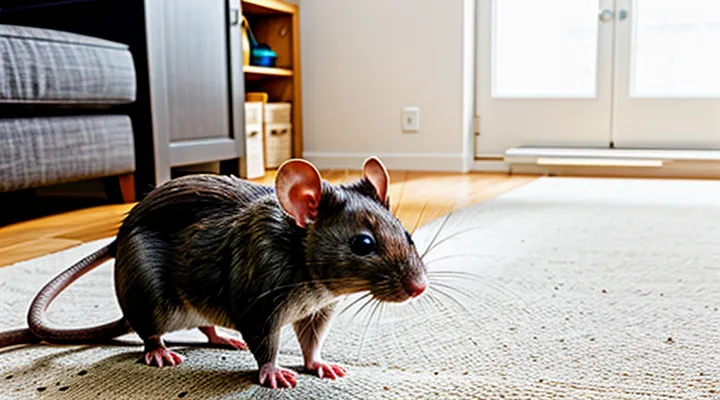
Understanding Rat Behavior in Urban Environments
Why Rats Seek Human Habitations
Rats appear in apartments because human dwellings provide the resources they require for survival and reproduction.
Food waste, unsecured pantry items, and pet food create a reliable supply of calories. The abundance eliminates the need for foraging outside the building.
Structural gaps, wall voids, and insulation offer protected nesting sites. These spaces shield rats from weather and disturbance while allowing easy movement between rooms.
Indoor environments maintain temperatures between 20 °C and 30 °C year‑round. Consistent warmth reduces the metabolic cost of thermoregulation.
Leaking pipes, condensation, and standing water furnish the moisture rats need for hydration and nest construction.
The presence of humans limits natural predators such as birds of prey, snakes, and feral cats. Fewer threats increase survival rates.
High resource density accelerates breeding cycles. Short gestation periods combined with plentiful food enable rapid population growth.
Key drivers for rat habitation in apartments
- Accessible food sources
- Protected nesting areas
- Stable temperature
- Readily available water
- Minimal predation pressure
- Favorable reproductive conditions
These factors collectively explain why rats are drawn to and can thrive within residential units.
Common Rat Species Found Indoors
Rats that frequently occupy residential units belong to two species with distinct ecological preferences. The Norway rat (Rattus norvegicus), often called the brown rat, thrives in basements, sewers, and ground‑level walls. It prefers dense vegetation and abundant water, which explains its presence near plumbing leaks, garbage storage, and cluttered storage areas. Typical body length ranges from 20 to 25 cm, with a robust build and a blunt tail. This species is nocturnal, highly adaptable, and capable of squeezing through openings as small as ½ inch.
The roof rat (Rattus rattus), commonly referred to as the black rat, favors elevated habitats such as attics, rafters, and ceiling cavities. It is smaller and more agile than the Norway rat, measuring 16 to 20 cm in body length, with a longer, slender tail. Roof rats are attracted to warm, dry spaces that provide access to pantry items, fruit, and plant material. Their climbing ability allows them to navigate wires, pipes, and structural beams, making them a frequent occupant of upper‑floor apartments.
Both species share several indicators of indoor infestation:
- Droppings: small, dark pellets, typically found near food sources or along walls.
- Gnaw marks: fresh, light‑colored cuts on wood, plastic, or wiring.
- Grease tracks: oily streaks along baseboards, corners, or behind appliances.
- Nest material: shredded paper, fabric, or insulation gathered in concealed locations.
Understanding which species is present helps target control measures, as Norway rats respond better to ground‑level traps, while roof rats require access points in ceilings and walls. Effective management combines sealing entry points, eliminating water sources, and employing appropriate trapping or baiting strategies.
Signs of Rat Presence in an Apartment
Rats will leave clear evidence of their activity. Recognizing these indicators allows timely intervention before infestations expand.
- Fresh droppings, dark and rod‑shaped, often found near food sources, along baseboards, or behind appliances.
- Gnawed materials, including wood, plastic, wiring, or packaging, displaying irregular bite marks.
- Strong, musky odor that intensifies in confined areas such as closets or crawl spaces.
- Nests constructed from shredded paper, fabric, insulation, or dried plant matter, typically hidden in corners, attics, or wall voids.
- Scratching sounds heard at night, especially within ceilings, walls, or ducts.
- Tracks or smudge marks on dusty surfaces, indicating movement paths.
- Presence of urine stains, which may appear as yellowish spots that fluoresce under ultraviolet light.
Each sign warrants inspection and, if confirmed, immediate professional pest control measures to protect health and property.
The Risks and Challenges of Apartment Rat Infestations
Health Hazards Posed by Rats
Rats that establish a presence in a residential unit introduce several direct health threats. Their droppings contain pathogens such as Leptospira (leptospirosis), Salmonella (salmonellosis), and Hantavirus (hantavirus pulmonary syndrome). Inhalation of aerosolized particles from dried feces or urine can trigger severe respiratory infections and allergic reactions. Contact with contaminated surfaces may lead to skin infections, including cellulitis and rat‑bite fever caused by Streptobacillus moniliformis.
Additional hazards arise from the rats’ habit of gnawing on electrical wiring, plumbing, and food containers. Damaged wiring increases the risk of fires, while compromised plumbing can spread waterborne bacteria throughout the building. Food stores become breeding grounds for mold and bacteria when rats contaminate them with saliva and excreta, raising the likelihood of food poisoning.
The presence of rats also amplifies the indoor allergen load. Rodent hair, dander, and urine proteins act as potent allergens, provoking asthma attacks and chronic sinusitis in susceptible individuals. Persistent exposure can exacerbate existing respiratory conditions and reduce overall indoor air quality.
Key health risks can be summarized as follows:
- Vector‑borne diseases (leptospirosis, hantavirus, salmonellosis)
- Direct infections from bites or skin contact
- Respiratory irritation and allergic reactions
- Secondary hazards (fire, water contamination, food spoilage)
Effective control measures—prompt sealing of entry points, professional extermination, and thorough sanitation—are essential to eliminate these risks and protect occupants’ well‑being.
Disease Transmission
Rats inhabiting residential units act as carriers of a wide range of pathogens that can affect human health. Direct contact with rat urine, feces, or saliva introduces bacteria such as Leptospira spp., which cause leptospirosis, a disease characterized by fever, muscle pain, and potential kidney failure. Inhalation of aerosolized particles from dried droppings can transmit Hantavirus, leading to severe respiratory illness with a mortality rate of up to 35 % in some regions.
Rodents also spread Salmonella and Campylobacter through contaminated food surfaces, increasing the risk of gastroenteritis. Parasites, including fleas (Xenopsylla cheopis) and mites, thrive on rat hosts and serve as vectors for plague (Yersinia pestis) and murine typhus (Rickettsia typhi). These ectoparasites can transfer to humans when rats are present in close proximity to living spaces.
Key points for disease prevention in an apartment setting:
- Seal entry points: steel wool or concrete patches block rodent access.
- Maintain sanitation: eliminate food residues, store waste in sealed containers.
- Conduct regular inspections: look for droppings, gnaw marks, and nesting material.
- Use professional pest control: integrated pest management reduces reliance on chemicals and targets infestations effectively.
- Implement personal protective measures: wear gloves and masks when cleaning suspected contamination; disinfect surfaces with bleach solutions (1 % sodium hypochlorite) after removal of debris.
Failure to address rat infestations can result in persistent exposure to these pathogens, elevating the likelihood of outbreaks among occupants. Prompt identification and eradication of rodent presence are essential components of public health protection in multi‑unit dwellings.
Allergen Production
Rats generate several biologically active proteins that can trigger allergic reactions in sensitive individuals. The most significant allergens are urinary proteins, saliva enzymes, and dander particles composed of skin flakes. When a rat urinates, the protein Rat Allergen 1 (Rat n1) disperses into the surrounding air, adhering to fabrics and surfaces. Saliva contains amylase and other enzymes that become airborne during grooming, while dander is shed continuously as the animal molts.
Key characteristics of rat‑related allergens:
- Stability: Proteins remain active for weeks on porous materials such as carpets, curtains, and upholstered furniture.
- Airborne potential: Small particles can travel several meters from the source, reaching breathing zones in adjacent rooms.
- Cross‑reactivity: Individuals allergic to mouse or hamster proteins may react to rat allergens due to structural similarity.
Exposure symptoms range from nasal congestion and itchy eyes to asthma exacerbations. Sensitization can develop after repeated low‑level contact, even without visible infestation.
Mitigation measures focus on reducing allergen load:
- Frequent cleaning: Vacuum with HEPA‑rated filters, wash bedding, and wipe surfaces with enzymatic cleaners that break down protein residues.
- Barrier control: Use sealed containers for food, eliminate standing water, and block entry points to limit rat presence.
- Air filtration: Install portable HEPA air purifiers in living spaces, especially bedrooms and ventilation ducts.
- Professional pest management: Employ licensed exterminators to eradicate established colonies and prevent re‑infestation.
Monitoring indoor air for specific rat allergens using immunoassay kits provides objective data on exposure levels and the effectiveness of control strategies. Regular assessment helps maintain allergen concentrations below thresholds associated with clinical symptoms.
Structural Damage to Apartments
Rats that establish a presence in an apartment create direct threats to the building’s structural integrity. Their incisors continuously gnaw on materials that are not designed to withstand such forces, leading to compromised components.
- Wood framing, joists, and support beams develop holes and fractures from repeated chewing.
- Plastic or rubber seals around pipes and vents become perforated, allowing water intrusion and corrosion of metal fittings.
- Electrical wiring is stripped, exposing conductors that can overheat and ignite surrounding insulation.
- Concrete and masonry may be undermined when rats burrow through cracks, expanding openings and weakening load‑bearing walls.
Visible evidence of infestation includes gnaw marks, shredded insulation, droppings, and audible scratching within walls. Early identification prevents escalation to costly repairs.
Eliminating access points, sealing entry gaps, and maintaining regular inspections are proven methods to protect the apartment’s structure from rodent damage. Professional pest control combined with building‑code‑compliant repairs restores integrity and reduces the risk of future deterioration.
Chewing and Gnawing Habits
Rats possess continuously growing incisors that require regular gnawing to prevent overgrowth. This biological imperative drives them to chew on a wide range of materials encountered in a typical apartment, including wood, plastic, cardboard, and electrical insulation. Persistent gnawing can compromise structural integrity, damage wiring, and create fire hazards.
Effective management of this behavior involves providing appropriate alternatives and limiting access to vulnerable items. Key strategies include:
- Supplying durable chew toys made of untreated wood, mineral blocks, or safe polymers.
- Securing cords and cables with protective sleeves or conduit.
- Sealing gaps around baseboards, pipes, and vent openings to reduce exploratory gnawing.
- Removing cardboard boxes, paper stacks, and other easily shredded items from accessible areas.
Monitoring wear patterns on furniture and fixtures helps identify early signs of excessive gnawing. Prompt replacement of worn components prevents escalation and maintains a safe living environment for both occupants and the rodents.
Impact on Electrical Wiring and Plumbing
Rats that inhabit an apartment can compromise both electrical systems and plumbing infrastructure. Their gnawing behavior targets insulated copper wires, plastic sheathing, and rubber grommets. Damage to conductors creates short circuits, increases fire risk, and can cause intermittent power loss. When rats chew through the protective coating of a cable, exposed metal may contact other conductors or metal fixtures, leading to arcing and potential overload of circuit breakers.
Rats also affect water supply and drainage. They gnaw at PVC pipes, copper tubing, and flexible hoses, creating leaks that waste water and encourage mold growth. Burrowing in wall cavities can displace pipe supports, causing misalignment and stress on joints. Accumulated urine and feces near plumbing fixtures attract bacteria, contaminating water lines and increasing the likelihood of blockages.
Typical consequences include:
- Frequent tripping of breakers or blown fuses
- Visible scorch marks or exposed wiring
- Dripping water or puddles in walls and ceilings
- Corroded pipe surfaces and rust formation
- Unpleasant odors from rodent waste in plumbing areas
Mitigation requires regular inspection of wiring conduits and pipework, sealing entry points, and employing rodent‑proof materials such as steel mesh or hard‑plastic barriers. Prompt repair of any identified damage prevents escalation into costly electrical fires or extensive water damage.
Contamination of Food and Property
Rats that establish a presence in a residential unit introduce a range of contamination hazards that affect both consumables and the building’s interior. Their saliva, urine, and feces contain pathogens such as Salmonella, Leptospira, and Hantavirus, which can be transferred to stored food, kitchen surfaces, and utensils. Direct contact with contaminated food leads to spoilage, loss of nutritional value, and health risks for occupants.
Physical damage accompanies biological contamination. Rodents gnaw on packaging, wiring, and insulation, creating entry points for moisture and pests. Chewed electrical cords increase the likelihood of short circuits and fire. Structural components, including drywall and wooden framing, become sites for droppings and nesting material, fostering mold growth and weakening integrity.
Typical contamination outcomes include:
- Spoiled pantry items and compromised refrigeration due to droppings and urine.
- Cross‑contamination of prepared meals when rodents access countertops or utensils.
- Deterioration of furniture upholstery and carpeting from nesting debris.
- Corrosion of metal fixtures caused by acidic urine residues.
- Increased pest activity, as rat waste attracts insects and other vermin.
Effective mitigation requires sealing entry points, maintaining airtight storage, and promptly removing any evidence of rodent activity. Failure to address these issues results in ongoing food loss, elevated repair costs, and heightened exposure to disease vectors.
Preventing and Managing Rat Infestations
Identifying and Sealing Entry Points
Rats gain access to residential units through small openings that are often overlooked. Detecting these gaps requires systematic inspection of the building envelope and interior fixtures.
- Examine exterior walls, especially where utilities penetrate; gaps as narrow as ¼ inch permit entry.
- Inspect roof eaves, vents, and soffits; damaged flashing or missing mesh creates pathways.
- Check foundation cracks, crawl‑space doors, and basement windows; ensure they are sealed or fitted with tight screens.
- Survey interior gaps around pipes, cables, and HVAC ducts; use a flashlight to reveal hidden spaces behind appliances and cabinets.
- Verify that door sweeps and weatherstripping are intact; worn strips allow rodents to slip beneath doors.
Once openings are identified, apply appropriate sealing methods:
- Fill structural cracks with hydraulic cement, which expands as it cures and adheres to concrete and masonry.
- Install stainless‑steel mesh or metal flashing over vent openings; metal resists gnawing better than plastic.
- Use silicone or polyurethane caulk for gaps around pipes and cords; choose a product rated for exterior use to withstand temperature fluctuations.
- Replace damaged door sweeps with heavy‑duty aluminum or rubber models that overlap the threshold.
- Secure crawl‑space access with heavy‑gauge hardware cloth and latch mechanisms that close tightly.
Regularly re‑inspect sealed areas, especially after seasonal weather changes, to maintain a barrier that prevents rats from establishing a presence within the apartment.
Cracks and Gaps in Walls
Cracks and gaps in walls constitute the most common access points for rats seeking shelter in multi‑unit dwellings. Even openings as small as ¼ inch allow entry, because rats can compress their bodies to fit through narrow spaces. Once inside, these fissures serve several purposes:
- Provide a concealed route between rooms, floors, and adjacent apartments.
- Offer a protected environment for nesting material and food storage.
- Enable movement toward utility shafts, plumbing, and ventilation ducts.
The presence of structural discontinuities also influences the likelihood of infestation. Buildings with aging plaster, poorly sealed electrical boxes, and deteriorated caulking around windows create a network of pathways that rats exploit. Regular visual inspection of interior and exterior wall surfaces can reveal signs such as:
- Frayed or missing drywall tape.
- Exposed insulation fibers.
- Small piles of droppings or gnaw marks near seams.
Remediation requires a systematic sealing approach. Use steel wool or copper mesh to fill openings larger than ¼ inch, then apply a durable, rodent‑resistant sealant such as polyurethane caulk. For larger fissures, install metal flashing or cement mortar before finishing with a protective paint layer.
Maintenance practices that reduce wall breaches include:
- Replacing cracked plaster during routine renovations.
- Ensuring that all utility penetrations are wrapped with metal conduit.
- Periodically checking and resealing around baseboards, door frames, and window sills.
By eliminating cracks and gaps, the structural integrity of walls is restored, and the primary conduit for rat ingress is removed, markedly decreasing the probability of rat habitation in an apartment setting.
Gaps Around Pipes and Vents
Rats routinely use the spaces surrounding plumbing and ventilation systems to gain access to residential units. Even openings as narrow as a quarter‑inch can accommodate an adult rat, and gaps often appear where pipes penetrate walls, floors, and ceilings, or where vent ducts connect to external walls.
Typical problem areas include:
- Pipe sleeves that lack a tight fit around water, gas, or drain lines.
- Unsealed gaps around bathroom exhaust fans and kitchen range hoods.
- Openings at the base of wall‑mounted air‑conditioning units.
- Holes left by removed or repaired fixtures, such as old dryer vents.
Inspection should begin with a visual survey of all pipe and vent penetrations. Use a flashlight and a thin probe or a piece of rigid wire to test for openings larger than 6 mm. Document each location, then apply an appropriate sealant:
- Expanding foam for irregular gaps up to several centimeters.
- Stainless‑steel mesh combined with silicone caulk for larger openings that must remain ventilated.
- Metal or PVC collars fitted tightly around pipe sleeves, secured with screws and sealed with high‑temperature silicone.
- Self‑adhesive rodent‑resistant tape for seams around vent covers.
Sealing these gaps eliminates the primary pathways rats exploit to enter an apartment. By removing entry points, the likelihood of establishing a nest, accessing food sources, and causing structural damage is substantially reduced. Regular maintenance—checking for new cracks after renovations or plumbing work—ensures the barrier remains effective over time.
Proper Food Storage and Waste Management
Proper food storage and waste management are essential factors in preventing rodent infestations in residential units. Food items should be kept in sealed containers made of plastic, glass, or metal; these containers must close tightly to block access and eliminate odors that attract rats. Refrigerators and freezers should be cleaned regularly to remove spilled crumbs and residues.
Effective waste handling reduces the likelihood of rodent activity. Trash bins must have lids that close securely and be emptied daily. Compost piles, if present, should be stored in sealed containers away from the living space. Recycling containers should be rinsed before placement in the trash area to remove food traces.
Key practices:
- Store all dry goods in airtight containers.
- Clean kitchen surfaces after each meal preparation.
- Dispose of waste in bins with tight‑fitting lids.
- Remove trash from the apartment at least once every 24 hours.
- Keep outdoor garbage areas clean and free of food debris.
Consistent application of these measures limits food sources, discourages rat presence, and supports a hygienic living environment.
Airtight Containers
Rats commonly seek shelter in apartments because food, water, and nesting sites are readily available. Their small size allows entry through gaps as narrow as a quarter inch, making unsecured storage a frequent point of intrusion.
Airtight containers provide a physical barrier that blocks rats from accessing stored items. The sealed lid eliminates odor cues that attract rodents, while the rigid walls resist gnawing. Materials such as heavy‑gauge plastic or stainless steel enhance durability and prevent breach.
- Choose containers with a lock‑tight sealing mechanism; spring‑clamp lids are preferred.
- Verify that seams and hinges are reinforced; any exposed threads become leverage points for gnawing.
- Store food, pet supplies, and waste in containers placed on elevated surfaces, away from walls and plumbing.
- Inspect containers regularly for cracks or compromised seals; replace damaged units promptly.
- Complement container use with sealing of entry points, including gaps around pipes, vents, and baseboards.
Implementing airtight storage reduces the likelihood that rats will locate food sources within an apartment. Combined with comprehensive exclusion measures, these containers become an effective component of a rodent‑prevention strategy.
Regular Trash Disposal
Rats are drawn to food residues and organic waste left in apartment trash containers. Consistent removal of garbage eliminates a primary food source, reducing the likelihood of rodent infestation.
- Empty kitchen bins nightly or every 24 hours.
- Seal each bag tightly before placing it in the bin.
- Use containers with tight‑fitting lids; inspect for cracks or gaps.
- Store outdoor dumpsters at least 10 feet from building entrances.
- Schedule weekly curbside collection; avoid overflow.
Failure to adhere to these steps allows waste to ferment, emit odors, and attract rats. Persistent odors signal an abundant food supply, encouraging rodents to explore entry points such as utility openings and gaps in doors.
Maintaining a disciplined trash disposal routine directly limits food availability, discourages rat activity, and supports a healthier living environment within an apartment.
Effective Trapping and Baiting Strategies
Rats in residential units create health risks and property damage; effective control depends on accurate detection, proper trap placement, and strategic bait selection.
Identify activity by inspecting for droppings, gnaw marks, and pathways along walls, behind appliances, and in concealed spaces. Mark confirmed routes with chalk or tape to guide trap deployment.
Trapping techniques
- Snap traps: steel‑spring models with a high‑trigger sensitivity; position perpendicular to travel lanes, baited on the rear side.
- Electronic traps: deliver a rapid voltage pulse; suitable for concealed areas where noise must be minimized.
- Live‑capture cages: mesh enclosures with a one‑way entry; reserve for humane relocation where local regulations permit.
- Glue boards: adhesive surfaces; limit use to narrow passages to avoid non‑target captures.
Bait selection
- Peanut butter mixed with oats: strong odor, adheres to trap surfaces.
- Fresh fruit pieces (e.g., apple or banana): high sugar content, attractive during warm months.
- Commercial rodent gel: concentrated formulation, effective in small quantities.
- Protein‑rich bait (cooked chicken or fish): useful when rats exhibit reduced interest in carbohydrate sources.
Apply bait sparingly—no more than a pea‑sized amount—to prevent spillage and maintain trap sensitivity. Replace bait every 24–48 hours to retain potency.
Safety and maintenance
- Wear disposable gloves when handling traps and bait to avoid disease transmission.
- Dispose of captured rodents in sealed bags, followed by a sanitation step with a disinfectant solution.
- Inspect traps weekly; reset or relocate any that have not been triggered after several days.
- Seal entry points after capture by using steel wool, copper mesh, or expanding foam; rodents can gnaw through softer materials.
Consistent application of these methods reduces infestation levels, limits reinvasion, and supports a sanitary living environment.
Types of Traps and Baits
Effective rat control in a residential unit relies on selecting appropriate devices and attractants. Mechanical devices capture or kill rodents, while chemical lures increase capture rates. The following categories cover the most widely used options.
-
Snap traps: spring‑loaded bars deliver an instantaneous kill. Placement near walls, behind appliances, and in concealed pathways maximizes success. Bait the trap with high‑protein foods such as peanut butter, dried fish, or meat scraps.
-
Glue boards: adhesive surfaces immobilize rats when they walk across them. Position boards perpendicular to travel routes. Apply a small amount of attractive food paste—commonly a mixture of peanut butter and honey—to draw the animal onto the board.
-
Electronic traps: low‑voltage circuits cause rapid death through a controlled pulse. These units often include a sensor that activates only when a rodent is present, reducing false triggers. Use the manufacturer‑provided bait or a thin layer of bacon fat.
-
Live‑catch cages: wire mesh enclosures allow capture without killing. Bait the interior with fresh fruit, nuts, or cat food. Check cages frequently to prevent stress and release captured rats far from the building.
Chemical baits complement mechanical methods. Two primary formulations dominate:
-
Anticoagulant pellets: contain compounds such as brodifacoum or difenacoum that disrupt blood clotting. Place pellets in tamper‑resistant stations to limit access by children and pets. Rotate active ingredients to mitigate resistance.
-
Acute toxic blocks: incorporate fast‑acting neurotoxins like bromethalin. These are effective against rats that avoid anticoagulants. Deploy in sealed bait stations, ensuring placement along established runways.
Integrating multiple trap types with targeted baits creates redundancy, increasing the likelihood of eliminating a rat problem in a confined living space. Regular inspection, prompt disposal of captured rodents, and consistent bait replenishment sustain control efforts.
Safe Placement Considerations
Housing rats in a flat requires strict attention to safety to protect both the animals and the occupants. Secure enclosures, proper ventilation, and careful placement of supplies minimize risks and promote healthy living conditions.
- Choose a cage made of sturdy metal or thick plastic; avoid flimsy acrylic that can crack under pressure.
- Position the cage away from direct sunlight, drafts, and heating vents to prevent temperature extremes.
- Ensure the cage sits on a stable, non‑slippery surface; use a rubber mat to prevent tipping.
- Provide a sealed, chew‑resistant food container; store dry food in airtight containers to deter pests.
- Install a dedicated water bottle with a stainless‑steel nozzle; check daily for leaks.
- Keep the cage at least 12 inches from electrical cords; use cord protectors to eliminate chewing hazards.
- Maintain a regular cleaning schedule; remove waste and replace bedding to reduce ammonia buildup and odor.
- Use pet‑safe disinfectants; avoid chemicals that could harm rodents or irritate residents.
- Limit access to small gaps and openings; seal cracks around windows, doors, and baseboards to prevent escape.
- Provide enrichment items (tunnels, climbing structures) that are free of toxic paints or finishes.
Following these guidelines creates an environment where rats can thrive safely within an apartment setting.
When to Call Professional Pest Control
Rats can infiltrate apartment buildings through tiny openings, hidden pipes, or cluttered storage areas. When their presence moves beyond occasional sightings, professional intervention becomes necessary.
Key indicators that a qualified pest‑control service should be engaged include:
- Persistent droppings in kitchens, bathrooms, or behind appliances.
- Gnaw marks on wiring, furniture, or structural components.
- Strong musky odors that do not dissipate after cleaning.
- Evidence of nesting material such as shredded paper, fabric, or insulation.
- Repeated sightings despite attempts at traps or bait stations.
Attempting to manage an established infestation with over‑the‑counter products often fails because rats quickly develop bait aversion and can access concealed spaces that homeowners cannot reach. Improper placement of traps may also pose safety risks to children and pets.
A professional pest‑control provider will conduct a thorough inspection, identify entry points, and implement an integrated management plan. This typically involves sealing gaps, deploying strategically placed bait stations, and applying rodenticides in compliance with local regulations. Technicians also offer guidance on sanitation practices that reduce attractants and prevent future incursions.
Promptly contacting experts after the first reliable sign of infestation limits damage to wiring, insulation, and stored goods, while protecting health by reducing exposure to pathogens carried by rodents.
Coexistence with Rats: A Difficult Reality
The Challenges of Eradication
Rats in a residential unit present persistent elimination obstacles. Their adaptability to confined spaces, nocturnal activity, and rapid breeding create a resilient population that resists simple control measures.
Key difficulties include:
- Access to hidden pathways: gaps around pipes, vents, and floorboards provide unobstructed movement between rooms and adjacent structures.
- Food sources: unsecured pantry items, garbage, and pet feed sustain the colony even after initial trapping.
- Reproductive rate: a single female can produce up to 12 offspring per litter, with multiple litters per year, rapidly replenishing numbers after a partial kill.
- Chemical resistance: repeated exposure to rodenticides can induce bait aversion, diminishing effectiveness of poison-based strategies.
Mitigation demands a comprehensive approach. Seal all entry points with durable materials, eliminate all potential food and water supplies, and implement an integrated pest management plan that combines trapping, baiting, and regular inspections. Continuous monitoring verifies success and prevents resurgence, ensuring long‑term control in the living environment.
Long-Term Prevention Measures
Rats thrive in environments where food, water, and shelter are readily available. Effective long‑term prevention requires eliminating these resources and sealing entry points.
Identify and repair structural gaps. Inspect walls, floors, and ceilings for holes larger than a quarter‑inch; use steel wool and caulk or metal mesh to close openings. Install door sweeps on all exterior doors and ensure windows have tight-fitting screens.
Maintain strict sanitation. Store food in sealed containers made of glass or heavy plastic. Dispose of waste daily in bins with tight lids; keep compost and recycling away from the living space. Clean crumbs and spills immediately; vacuum regularly to remove hidden droppings and scent trails.
Control vegetation around the building. Trim tree branches and shrubs that touch the exterior, preventing rodents from climbing onto the roof. Keep garden beds, if any, free of dense ground cover that offers nesting material.
Implement a monitoring program. Place snap traps or live‑catch traps in concealed locations near suspected pathways; check them weekly and record activity. Rotate trap placement to cover all potential routes. Use non‑toxic rodent‑deterrent devices, such as ultrasonic emitters, as supplemental measures, but verify efficacy periodically.
Engage professional pest‑management services for annual inspections. Experts can conduct thorough assessments, apply rodent‑proofing treatments, and advise on building‑wide policies that reinforce individual efforts.
Consistent application of these measures creates an environment where rats cannot establish a permanent presence, safeguarding the apartment over the long term.
Maintaining a Rat-Free Environment
Maintaining a rat‑free environment in an apartment requires systematic prevention, vigilant monitoring, and prompt response to any signs of infestation.
Seal entry points. Inspect walls, floors, and ceilings for gaps larger than a quarter‑inch. Apply steel wool or silicone caulk to cracks around pipes, vents, and utility openings. Install door sweeps on all exterior doors to block rodent access.
Control food sources. Store pantry items in airtight containers made of glass or heavy plastic. Clean countertops, tables, and floors after each meal; immediately dispose of food waste in sealed trash bags. Avoid leaving pet food out overnight.
Eliminate shelter. Remove clutter such as cardboard boxes, paper piles, and unused furniture that can serve as nesting material. Keep storage areas tidy and elevate items off the floor when possible.
Implement regular sanitation. Vacuum and mop weekly to remove crumbs and droppings. Wash dishes promptly; do not allow dishes to sit in the sink. Clean behind appliances and under sinks where food residues may accumulate.
Monitor for activity. Place snap traps or live‑catch traps along walls, near suspected entry points, and in concealed areas. Check traps daily and record any captures. Use non‑toxic rodent repellents, such as ultrasonic devices, as supplemental deterrents.
Respond swiftly to evidence. If droppings, gnaw marks, or live rodents are detected, contact a licensed pest‑control professional. Follow their recommendations for targeted baiting, sealing, and decontamination to prevent population growth.
Maintain documentation. Keep a log of inspections, repairs, and pest‑control actions. Review the record monthly to identify patterns and adjust preventive measures accordingly. This disciplined approach minimizes the risk of rats establishing a presence in an apartment.