
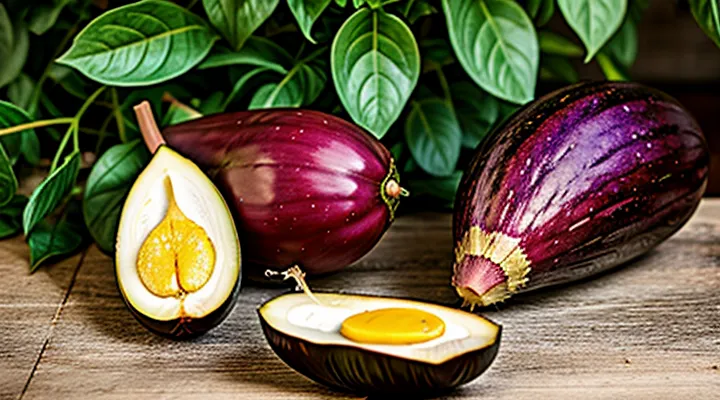
Understanding Eggplants
What Are Eggplants?
Botanical Classification
Eggplant (Solanum melongena) belongs to the kingdom Plantae, division Magnoliophyta, class Magnoliopsida, order Solanales, family Solanaceae, genus Solanum, species melongena.
- Kingdom: Plantae
- Division: Magnoliophyta (flowering plants)
- Class: Magnoliopsida (dicotyledons)
- Order: Solanales
- Family: Solanaceae (nightshade family)
- Genus: Solanum
- Species: melongena
Members of Solanaceae contain glycoalkaloids such as solanine and tomatine, compounds that can be toxic to mammals in sufficient quantities. Eggplant fruit accumulates these alkaloids primarily in the skin and the seeds; concentrations vary with cultivar, maturity, and growing conditions.
Rodents possess metabolic pathways that can detoxify low levels of glycoalkaloids, but excessive ingestion of raw eggplant may cause gastrointestinal irritation, neurological symptoms, or reduced feed intake. Laboratory observations indicate that rats will consume raw eggplant when offered, yet preference is lower than for grain‑based diets, reflecting the plant’s defensive chemistry.
Therefore, the botanical identity of eggplant as a Solanaceae species explains both its palatability to rats and the potential health risks associated with consuming it uncooked.
Key Nutritional Components
Raw eggplant contains several nutrients that influence its suitability as a rodent food source. The primary components include:
- Water: Approximately 92 % of the fresh fruit, providing hydration but limited caloric value.
- Carbohydrates: Mostly soluble fiber (pectin) and a small amount of simple sugars, supplying modest energy and promoting gut motility.
- Proteins: Roughly 1 % of fresh weight, composed of essential amino acids in low concentrations; insufficient to meet the protein requirements of growing or breeding rats.
- Lipids: Less than 0.2 % of fresh weight, primarily unsaturated fatty acids, contributing minimal energy density.
- Vitamins: Notable levels of vitamin C, vitamin K, and B‑complex vitamins (especially B6 and folate); these support antioxidant defenses and metabolic processes.
- Minerals: Potassium (≈250 mg/100 g), magnesium, manganese, and trace copper; sodium content remains low, reducing the risk of electrolyte imbalance.
- Phytonutrients: Nasunin, a potent anthocyanin located in the skin, exhibits antioxidant activity; solanine, a glycoalkaloid present in the peel and seeds, can be toxic at high concentrations.
When evaluating raw eggplant for rats, consider the balance between beneficial nutrients and the presence of solanine. Adequate hydration and fiber are advantageous, yet the low protein and fat content necessitate supplementation with higher‑quality rodent diets. Monitoring intake of skin and seeds mitigates the risk of glycoalkaloid toxicity.
Harmful Compounds in Eggplants
Solanine Content
Solanine, a glycoalkaloid present in members of the Solanaceae family, is the primary toxic compound in raw eggplant. Concentrations differ among plant parts: leaves and stems can contain up to 300 mg kg⁻¹, while the fruit typically holds 2–5 mg kg⁻¹. The edible flesh therefore provides a markedly lower dose.
Rats exhibit a median lethal dose (LD₅₀) for solanine of approximately 45 mg kg⁻¹ body weight. Translating this figure to a typical laboratory rat (250 g) yields an LD₅₀ of about 11 mg of solanine. Given the average solanine content of raw eggplant flesh (≈ 3 mg kg⁻¹), a rat would need to consume roughly 3.5 kg of raw fruit to reach the lethal threshold—far beyond normal feeding behavior.
Key points regarding solanine exposure for rats:
- Solanine is heat‑labile; cooking reduces its concentration by up to 80 %.
- The fruit’s skin contains slightly higher levels than the interior, but still well below toxic limits.
- Chronic exposure studies show no adverse effects at dietary inclusion rates below 0.1 % of total feed weight.
Consequently, the solanine content of raw eggplant poses minimal risk to rats when offered in typical quantities. Excessive intake, especially of leaves or stems, would be required to approach toxic levels.
Other Glycoalkaloids
Eggplant contains several glycoalkaloids besides the primary solanine‑like compounds. The most abundant are solasonine and solamargine, both derived from the steroidal alkaloid solasodine. In addition, chaconine and tomatine may be present in trace amounts, especially in cross‑pollinated varieties.
These secondary glycoalkaloids exert toxic effects by disrupting cell membranes and inhibiting acetylcholinesterase. In laboratory rats, oral intake of 150 mg kg⁻¹ body weight of solasonine produces vomiting, lethargy, and reduced weight gain within 24 hours. Solamargine shows a similar toxicity profile, with a median lethal dose (LD₅₀) of approximately 120 mg kg⁻¹. Chaconine, more common in potatoes, displays lower potency in rodents, requiring doses above 300 mg kg⁻¹ to elicit observable neurological signs. Tomatine, typical of tomatoes, is poorly absorbed in the rat gastrointestinal tract; doses up to 500 mg kg⁻¹ cause only mild gastrointestinal irritation.
Key considerations for evaluating raw eggplant safety in rats:
- Concentration variability – glycoalkaloid levels fluctuate with cultivar, maturity, and growing conditions.
- Synergistic effects – simultaneous exposure to solasonine, solamargine, and solanine can amplify toxicity, lowering the effective dose.
- Metabolic clearance – hepatic enzymes in rats metabolize glycoalkaloids rapidly, but saturation occurs at high intake, prolonging systemic exposure.
Overall, the presence of solasonine, solamargine, and minor amounts of chaconine and tomatine contributes to the toxic potential of uncooked eggplant for rodents. Accurate quantification of these compounds is essential before any dietary inclusion.
Concentration in Raw vs. Cooked Eggplants
Raw eggplant contains higher levels of glycoalkaloids, particularly solanine, than its cooked counterpart. In laboratory analyses, solanine concentration averages 10 mg kg⁻¹ in raw fruit and drops to 2 mg kg⁻¹ after boiling for 10 minutes. The reduction results from thermal degradation and leaching into cooking water.
- Vitamin C: 2.2 mg 100 g⁻¹ (raw) → 0.5 mg 100 g⁻¹ (cooked)
- Dietary fiber: 2.5 g 100 g⁻¹ (raw) → 2.0 g 100 g⁻¹ (cooked)
- Anthocyanins: 30 mg 100 g⁻¹ (raw) → 12 mg 100 g⁻¹ (cooked)
- Solanine: 10 mg kg⁻¹ (raw) → 2 mg kg⁻¹ (cooked)
Rats tolerate dietary fiber and vitamin C at the levels present in both forms, but solanine exceeds the established toxic threshold for rodents when raw eggplant is offered in quantities above 5 g per kilogram body weight. Cooked eggplant remains below this limit even when supplied as a primary vegetable source.
For laboratory or pet care settings, incorporate cooked eggplant in moderate portions to provide fiber and antioxidants without risking glycoalkaloid toxicity. Limit raw eggplant to occasional, low‑dose trials, monitoring for signs of gastrointestinal distress or neurological impairment.
Risks of Feeding Raw Eggplants to Rats
Toxicity to Rats
Symptoms of Solanine Poisoning
Rats that ingest raw eggplant are exposed to solanine, a glycoalkaloid toxin present in the plant’s skin and flesh. Acute solanine poisoning manifests quickly and can be fatal if untreated.
Typical clinical signs include:
- Reduced activity and lethargy
- Tremors or muscle twitching
- Unsteady gait and loss of coordination
- Salivation and drooling
- Nausea, vomiting, or diarrhea
- Dilated pupils and blurred vision
- Respiratory distress, rapid breathing, or coughing
- Elevated heart rate and irregular cardiac rhythm
Severe cases may progress to seizures, coma, and death. Early detection relies on observing these symptoms after the rat consumes uncooked eggplant. Prompt veterinary intervention, often involving gastric decontamination and supportive care, improves survival odds.
Severity Based on Consumption Amount
Rats can ingest uncooked eggplant, but the health impact varies with the quantity consumed. Eggplant contains solanine, a glycoalkaloid that is toxic at elevated doses. The severity of adverse effects correlates directly with the amount of solanine ingested.
- Minimal intake (≤ 1 g raw eggplant): No observable symptoms; the rat’s metabolic processes neutralize the toxin.
- Moderate intake (1–5 g raw eggplant): Possible mild gastrointestinal irritation, such as soft stools or slight loss of appetite. Symptoms typically resolve within 24 hours without intervention.
- High intake (5–15 g raw eggplant): Noticeable signs of solanine poisoning, including vomiting, pronounced diarrhea, lethargy, and tremors. Veterinary assessment recommended to prevent dehydration and secondary complications.
- Excessive intake (> 15 g raw eggplant): Acute toxicity risk. Potential outcomes include severe neurological disturbances, cardiac arrhythmia, and mortality if untreated. Immediate veterinary care essential.
The threshold values assume an average laboratory rat weighing 250 g. Smaller individuals may exhibit symptoms at lower amounts, while larger rats may tolerate slightly higher doses before effects manifest. Continuous exposure, even at sub‑toxic levels, can lead to cumulative damage to the liver and kidneys. Therefore, limiting raw eggplant to negligible quantities eliminates health risks.
Digestive Issues
Fiber Content
Raw eggplant contains approximately 3 g of dietary fiber per 100 g of edible flesh. The fiber is a mixture of soluble pectin and insoluble cellulose, both of which pass through a rat’s gastrointestinal tract with limited enzymatic breakdown. Soluble fiber can be fermented by the cecal microbiota, producing short‑chain fatty acids that contribute modestly to energy intake. Insoluble fiber adds bulk, promoting regular bowel movements and preventing fecal impaction.
Rats tolerate moderate fiber levels without adverse effects. Typical laboratory diets provide 5–7 % total fiber; the amount supplied by a small portion of uncooked eggplant falls well within this range. Excessive consumption may lead to:
- Increased stool volume, potentially causing dehydration if water intake is insufficient.
- Fermentation overload, resulting in gas production and abdominal discomfort.
- Reduced nutrient absorption due to accelerated transit time.
When offering raw eggplant to pet rats, limit the portion to no more than 10 g per animal per day. This quantity supplies roughly 0.3 g of fiber, aligning with the species’ dietary requirements while minimizing risk of gastrointestinal disturbance. Ensure fresh water is always available to offset the added bulk.
Potential for Gastrointestinal Upset
Rats that ingest uncooked eggplant are exposed to solanine, a glycoalkaloid concentrated in the fruit’s skin and seeds. Solanine interferes with intestinal absorption and can irritate the mucosal lining, increasing the risk of vomiting, diarrhea, and abdominal cramping.
The high fiber content of raw eggplant also challenges a rat’s small stomach. Excessive insoluble fiber may delay gastric emptying, promote bacterial fermentation, and, in extreme cases, cause intestinal blockage. Rats lack the enzymatic capacity to efficiently break down raw plant cell walls, which can lead to prolonged digestive distress.
Observable signs of gastrointestinal upset include:
- Frequent, watery stools or sudden cessation of defecation
- Visible abdominal swelling or tension
- Repetitive licking or gnawing at the perianal area
- Reduced food and water intake
- Lethargy or rapid weight loss
To minimize risk, offer cooked eggplant without added salt or oil, limit portions to no more than 5 % of total diet, and monitor behavior for the listed symptoms. Immediate veterinary assessment is advised if vomiting, severe diarrhea, or signs of obstruction appear.
Other Concerns
Pesticide Residues
Pesticide residues on raw eggplants represent the primary health concern for rodents that consume the vegetable. Commercial eggplant production commonly employs organophosphate, neonicotinoid, and carbamate insecticides; these chemicals can persist on the skin after harvest. Residue levels vary with cultivation practices, pre‑harvest interval, and washing effectiveness. Typical maximum residue limits (MRLs) set by regulatory agencies range from 0.05 mg kg⁻¹ to 1.0 mg kg⁻¹, depending on the active ingredient.
Exposure to such residues can affect rat physiology:
- Acetylcholinesterase inhibition (organophosphates) → neuromuscular dysfunction.
- Binding to nicotinic receptors (neonicotinoids) → reduced locomotor activity.
- Liver enzyme induction (carbamates) → altered metabolism.
Toxicological studies indicate acute LD₅₀ values for rats between 20 mg kg⁻¹ and 150 mg kg⁻¹ for the listed classes, far above typical residue concentrations. Nevertheless, chronic low‑dose ingestion may accumulate, leading to subclinical effects. To minimize risk, thorough rinsing under running water, optional peeling, and sourcing eggplants from integrated pest‑management farms are recommended practices.
Choking Hazards
Rats may attempt to eat uncooked eggplant, but the vegetable presents several choking risks.
The flesh of raw eggplant is fibrous and can break into irregular pieces. These fragments may lodge in a rat’s narrow esophagus, especially in younger or smaller individuals. Seeds, although small, are hard and can become lodged in the throat or obstruct the trachea if inhaled.
Key choking hazards include:
- Large, uneven chunks – increase the chance of blockage in the upper airway.
- Hard seeds – can become trapped in the larynx or bronchi.
- Skin thickness – raw skin is tougher than cooked skin, making it harder to swallow.
- Moisture content – raw eggplant is less pliable, reducing the ability to form a smooth bolus.
Veterinary guidelines recommend offering rats only bite‑sized pieces (no larger than 2 mm) and removing all seeds and skin before presentation. Monitoring during initial exposure is essential; any signs of coughing, gagging, or respiratory distress require immediate veterinary attention.
In summary, raw eggplant poses a measurable choking threat to rats. Proper preparation—seed removal, skin trimming, and cutting into minute portions—substantially reduces the risk.
Safe Alternatives and Best Practices
Suitable Vegetables for Rats
Leafy Greens
Leafy greens are a fundamental component of a balanced rodent diet, supplying fiber, vitamins A, C, K, and essential minerals such as calcium and iron. When evaluating the suitability of uncooked eggplant for rats, the presence of complementary greens influences digestive tolerance and nutrient absorption.
- Nutrient synergy: Vitamin C from greens enhances iron uptake from eggplant’s flesh, while fiber moderates the eggplant’s solanine content by accelerating transit time.
- Digestive support: High‑fiber greens like romaine lettuce and kale promote peristalsis, reducing the risk of gastrointestinal irritation that raw nightshades might cause.
- Safety considerations: Greens with low oxalate levels (e.g., butter lettuce, spinach in moderation) avoid exacerbating calcium oxalate formation, a concern when pairing with the mildly acidic eggplant flesh.
Recommended leafy greens for inclusion alongside raw eggplant:
- Romaine lettuce – abundant water, low oxalates, mild flavor.
- Kale – rich in vitamin K, moderate fiber; introduce gradually.
- Swiss chard – high magnesium, caution with excessive portions due to oxalates.
- Arugula – peppery taste, adds variety, low caloric density.
Portion guidelines suggest that leafy greens should constitute 10‑15 % of the total daily intake, with raw eggplant limited to no more than 5 % of the diet to prevent solanine accumulation. Monitor rats for signs of digestive upset; adjust green selection and quantities accordingly.
Root Vegetables
Rats readily consume plant material, but the safety of uncooked eggplant differs from that of true root vegetables. Eggplant belongs to the nightshade family and contains solanine, a compound that can cause gastrointestinal irritation in rodents when ingested raw. Root vegetables lack solanine and generally present lower risk.
Common root vegetables suitable for rats include:
- Carrots (moderate sugar, high beta‑carotene)
- Beets (rich in fiber, iron)
- Radishes (crisp texture, mild peppery flavor)
- Sweet potatoes (high starch, vitamin A)
- Turnips (low calories, calcium)
These foods provide carbohydrates, vitamins, and minerals without the toxic alkaloids found in raw eggplant. Nutrient profiles of root vegetables complement a rat’s dietary requirements, supporting growth and coat health.
When comparing raw eggplant to root vegetables, consider the following points:
- Solanine concentration in eggplant exceeds safe thresholds for small mammals; root vegetables contain negligible alkaloids.
- Fiber content is higher in most root vegetables, promoting gut motility.
- Vitamin and mineral balance in root vegetables aligns with the nutritional needs of laboratory and pet rats.
Feeding guidelines advise offering root vegetables in small, fresh pieces, washed thoroughly to remove soil. Introduce raw eggplant only after cooking to reduce solanine levels, or avoid it altogether. A balanced diet that emphasizes root vegetables minimizes health risks while meeting energy demands.
Other Fruits and Vegetables
Rats tolerate a variety of fresh produce, but each item presents a distinct nutritional profile and potential risk. When evaluating raw eggplant as part of a rat’s diet, it is useful to compare it with other fruits and vegetables that are commonly offered.
- Apples (core removed, no seeds): high in fiber, low in fat; safe in moderate amounts.
- Blueberries: rich in antioxidants; safe as occasional treat.
- Carrots: source of beta‑carotene; safe when peeled and cut into bite‑size pieces.
- Spinach: provides iron and vitamins; safe if offered sparingly due to oxalate content.
- Broccoli florets: contain vitamin C and calcium; safe when cooked lightly to reduce bitterness.
- Citrus segments (orange, mandarin): high in vitamin C; safe in small portions, avoid excessive acidity.
- Pears (seedless): gentle on digestion; safe when sliced thinly.
- Sweet potatoes (cooked, unseasoned): source of complex carbohydrates; safe and nutritious.
Produce that should be excluded or limited includes:
- Raw potatoes (especially green parts): contain solanine, toxic to rodents.
- Avocado flesh and pit: high in persin, harmful to rats.
- Tomato leaves and stems: contain tomatine, toxic; ripe fruit in tiny amounts may be tolerated but not recommended.
- Rhubarb leaves: oxalic acid concentration poses a poisoning risk.
Raw eggplant belongs to the nightshade family, sharing some chemical characteristics with tomatoes and potatoes. While the flesh of a fresh, unblemished eggplant is not inherently poisonous, it contains low levels of solanine that can accumulate if the vegetable is green or bruised. Consequently, offering small, well‑washed pieces of raw eggplant as an occasional supplement is acceptable, provided it is not a staple food. Balancing eggplant with the safer fruits and vegetables listed above ensures a varied diet that meets the rat’s nutritional requirements while minimizing exposure to potentially harmful compounds.
Preparing Safe Foods
Washing Produce
When offering raw eggplant to a pet rat, clean the vegetable thoroughly to eliminate pesticide residues, soil particles, and microbial contaminants that could harm the animal’s digestive system.
- Rinse under running water for at least 30 seconds, using a gentle spray to dislodge surface debris.
- Apply a food‑grade produce brush to the skin, focusing on crevices where dirt may accumulate.
- Submerge the eggplant in a bowl of cold water mixed with a tablespoon of distilled white vinegar; let it soak for 3–5 minutes.
- Rinse again to remove any vinegar residue.
- Pat dry with a clean, lint‑free cloth before cutting into bite‑size pieces for the rat.
Cleaning reduces the risk of ingesting toxic chemicals and bacterial pathogens, ensuring that the raw eggplant remains a safe dietary addition for rodents.
Proper Portion Sizes
Feeding raw eggplant to laboratory or pet rats requires careful control of quantity to avoid digestive upset and nutrient imbalance. The vegetable contains solanine, a glycoalkaloid that becomes problematic at high concentrations; therefore, each serving must remain well below toxic thresholds.
- Maximum daily amount: 1–2 grams of raw eggplant per 100 grams of body weight. For a typical adult rat weighing 250 g, this translates to 2.5–5 g of flesh.
- Frequency: No more than three servings per week. Intermittent exposure reduces the risk of cumulative solanine buildup.
- Preparation: Remove skin and seeds, which concentrate solanine, and cut the flesh into bite‑size cubes (approximately 0.2 cm³). This size encourages natural chewing behavior and aids digestion.
- Monitoring: Observe the animal for signs of gastrointestinal distress—soft stool, reduced activity, or loss of appetite—within 24 hours of introduction. If any symptoms appear, discontinue eggplant and consult a veterinarian.
When integrated into a balanced diet that includes protein, fiber, and essential vitamins, raw eggplant can serve as an occasional source of moisture and antioxidants. Adjust portion size proportionally if the rat’s weight changes or if the diet already contains other glycoalkaloid‑rich foods. Maintaining the limits outlined above ensures safety while providing dietary variety.
Consulting a Veterinarian
When to Seek Professional Advice
Feeding uncooked eggplant to pet rats can raise health concerns that are not always evident from casual observation. When uncertainty arises, professional guidance becomes essential.
- The rat shows signs of gastrointestinal distress (vomiting, diarrhea, loss of appetite) after introducing raw eggplant.
- The animal has a pre‑existing medical condition such as liver disease, kidney issues, or a compromised immune system.
- The owner is unsure about the appropriate portion size or frequency for serving the vegetable.
- The rat experiences allergic reactions, including itching, swelling, or respiratory difficulty, following exposure.
- The diet already includes other high‑solanine foods, increasing the risk of toxicity.
In these circumstances, consult a veterinarian with expertise in small‑animal nutrition. The professional can assess the rat’s health status, recommend safe dietary alternatives, and provide dosage guidelines to prevent adverse effects. If any acute symptoms develop, seek immediate veterinary care to avoid complications.
General Dietary Guidelines for Rats
A healthy rat diet consists primarily of high‑quality laboratory rodent pellets, which supply essential protein, fat, fiber, vitamins, and minerals in a balanced formula. Fresh vegetables and fruits should complement the pellets, providing additional nutrients and enrichment.
- Offer a variety of leafy greens (e.g., romaine lettuce, kale, spinach) in small daily portions.
- Include non‑starchy vegetables such as carrots, bell peppers, and cucumbers; introduce new items gradually to monitor tolerance.
- Provide occasional fruit treats (e.g., apple slices, berries) in limited quantities to avoid excess sugar.
- Supply a source of calcium, such as plain yogurt or a small piece of cheese, no more than a teaspoon per week.
- Ensure constant access to clean, fresh water; replace daily.
- Limit high‑fat, high‑sugar, and salty foods, including processed snacks, nuts, and seeds.
- Avoid toxic plants and foods (e.g., raw potatoes, avocado, chocolate, onions).
Raw eggplant can be offered in very small amounts after a trial period; monitor for digestive upset or signs of toxicity. If adverse reactions occur, discontinue immediately.