
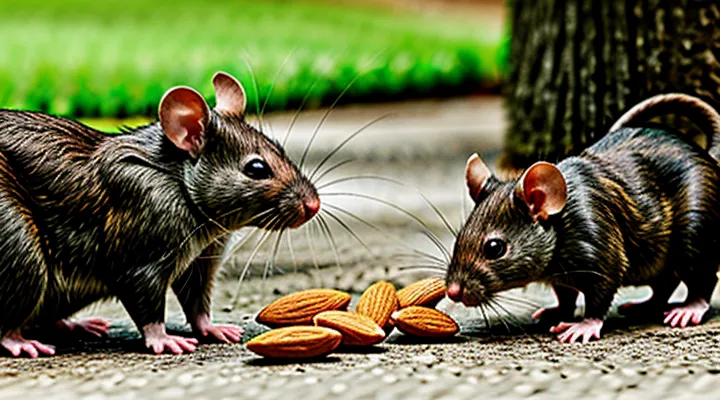
Are Almonds Safe for Rats?
The Question of «Sweet» vs. «Bitter» Almonds
Rats can eat almonds, but the type of almond determines safety and nutritional value. Sweet almonds are the commercially available variety, low in cyanogenic compounds, and provide protein, healthy fats, and vitamin E. Bitter almonds contain amygdalin, which converts to hydrogen cyanide when metabolized; even small quantities can cause toxicity in rodents.
-
Sweet almonds
- Minimal cyanide risk
- High caloric density; excessive feeding may lead to obesity
- Suitable as an occasional treat when unsalted and unseasoned
-
Bitter almonds
- High amygdalin content; lethal dose for rats estimated at 0.5 g/kg body weight
- Not recommended for any dietary inclusion
- Must be processed to remove cyanogenic glycosides before any experimental use
Feeding guidelines recommend offering no more than one to two whole sweet almonds per 100 g of rat body weight per week. Almond pieces should be small enough to prevent choking. Monitor for signs of digestive upset, such as loose stools or reduced feed intake, and discontinue use if symptoms appear.
Cyanide Content in Bitter Almonds
Bitter almond kernels contain amygdalin, a glucoside that releases hydrogen cyanide when hydrolyzed. The cyanide concentration varies with cultivar, growing conditions, and processing; raw kernels may contain up to 0.5 % cyanogenic compounds by weight. In mammals, ingestion of even small amounts can inhibit cytochrome c oxidase, disrupting cellular respiration and leading to rapid onset of toxicity.
Rats metabolize cyanide similarly to other rodents. Experimental data show that a dose of 0.5 mg cyanide per kilogram of body weight can cause lethal effects within minutes. Considering the cyanide yield from bitter almonds, a single gram of raw kernel can supply enough cyanide to exceed this lethal threshold for an average laboratory rat (≈250 g). Consequently, exposure to bitter almond material poses a high risk of acute poisoning.
Mitigation strategies include:
- Removing the bitter almond skin, which concentrates amygdalin.
- Heat treatment (boiling or roasting) that degrades up to 90 % of cyanogenic glycosides.
- Substituting sweet almond varieties, which contain negligible cyanide levels.
When assessing the safety of offering almonds to rats, the presence of cyanide in bitter kernels must be the primary factor. Proper identification of almond type and application of processing methods are essential to avoid toxic outcomes.
The Risk of Choking and Blockages
Almonds pose a significant choking hazard for rats because the nuts are hard, dense, and often larger than a rodent’s oral cavity can safely accommodate. When a rat bites into an almond, the sharp edges can become lodged in the throat or esophagus, obstructing airflow and preventing normal swallowing.
Potential complications include:
- Immediate airway blockage leading to asphyxiation.
- Partial obstruction causing difficulty breathing, reduced oxygen intake, and stress on the cardiovascular system.
- Gastrointestinal blockage if a fragment passes the throat but remains too large to move through the intestines, resulting in vomiting, abdominal swelling, and possible perforation.
- Secondary infections stemming from tissue damage at the obstruction site.
Preventive measures consist of offering only small, softened pieces of almond or avoiding the nut entirely. Regular monitoring after any almond exposure is essential; signs such as coughing, gagging, or abnormal posture indicate an obstruction that requires immediate veterinary intervention.
Nutritional Profile of Almonds
Essential Nutrients for Rats
Rats require a diet that supplies protein, essential fatty acids, vitamins, minerals, fiber, and adequate water. Protein supports tissue growth and immune function; typical sources include soy, whey, and animal‑derived meals. Essential fatty acids, particularly omega‑3 and omega‑6, maintain cell membrane integrity and neurological health. Vitamins A, D, E, K, and the B‑complex facilitate vision, bone metabolism, antioxidant protection, and energy conversion. Minerals such as calcium, phosphorus, magnesium, potassium, and trace elements (zinc, iron, copper) regulate bone development, nerve signaling, and enzymatic activity. Fiber from vegetables and grains promotes gastrointestinal motility and microbial balance.
Almonds contain protein, monounsaturated fats, vitamin E, magnesium, and phosphorus. They deliver a high caloric density and a favorable fatty‑acid profile, yet they lack sufficient calcium and are rich in oxalates, which can interfere with mineral absorption. The hard texture poses a choking risk for small rodents, and excessive fat may lead to obesity or hepatic lipidosis.
A balanced rat regimen should consist primarily of nutritionally complete pellets, supplemented with fresh vegetables, limited fruit, and occasional protein treats. Almonds may be offered sparingly—no more than a half‑nut per animal per week—to provide supplemental vitamin E and magnesium without exceeding safe fat levels. Regular monitoring of body condition and health markers ensures that almond inclusion does not compromise nutrient balance.
Fats and Calories
Almonds contain approximately 49 g of fat per 100 g, providing around 575 kcal. The fat profile is predominantly monounsaturated (≈30 g) and polyunsaturated (≈12 g), with a smaller proportion of saturated fatty acids (≈4 g). These nutrients supply a dense source of energy, making almonds calorie‑rich compared to typical rodent chow.
When rodents ingest almonds, the high fat content can increase daily caloric intake quickly. An adult laboratory rat consuming 5 g of almonds adds roughly 30 kcal, which represents about 15 % of its standard maintenance energy requirement (≈200 kcal). Excessive intake may lead to weight gain, hepatic lipid accumulation, and altered lipid metabolism.
Potential health effects of almond fat for rats include:
- Improved skin and coat condition due to essential fatty acids.
- Enhanced absorption of fat‑soluble vitamins (A, D, E, K) present in the nut.
- Risk of gastrointestinal disturbance if introduced abruptly or offered in large quantities.
- Possible exacerbation of existing metabolic disorders (e.g., obesity, hyperlipidemia).
Safe incorporation of almonds into a rat’s diet requires limiting portions to ≤2 g per day for a 250‑g adult, ensuring that total dietary fat does not exceed 15 % of total calories. The remainder of the diet should remain balanced with low‑fat protein sources, fiber, and micronutrients.
In summary, almonds provide a high‑fat, high‑calorie supplement that can be beneficial in controlled, modest amounts but may cause metabolic imbalance if over‑fed.
Potential Benefits of Almonds for Rats
Almonds provide a concentrated source of nutrients that can complement a rat’s standard diet when offered in limited quantities. Their composition includes high‑quality protein, monounsaturated fats, vitamin E, magnesium, and dietary fiber, each contributing to specific physiological functions.
- Protein supports tissue growth and repair.
- Monounsaturated fats supply energy and assist in the absorption of fat‑soluble vitamins.
- Vitamin E acts as an antioxidant, protecting cell membranes from oxidative damage.
- Magnesium participates in enzymatic reactions essential for muscle and nerve activity.
- Fiber promotes intestinal motility and aids in the maintenance of a healthy gut microbiome.
Regular, modest inclusion of almonds may improve coat condition by delivering essential fatty acids, enhance immune resilience through antioxidant activity, and contribute to cognitive health via vitamin E and magnesium.
Caution is required: limit servings to a few slivered pieces per week, select raw or dry‑roasted almonds without added salt or seasoning, and inspect for mold or rancidity before offering. Excessive intake can lead to caloric overload or gastrointestinal upset.
The Dangers of Feeding Almonds to Rats
Toxicity Concerns
Rats may ingest almonds, yet several toxicity factors limit safe consumption.
Almonds contain compounds that can harm rodents:
- Bitter almond glycosides – cyanogenic compounds that release cyanide when metabolized; even small amounts can cause respiratory distress or death.
- Aflatoxin contamination – fungal toxins that accumulate on poorly stored nuts; exposure leads to liver damage and immunosuppression.
- High fat content – excessive dietary fat predisposes rats to obesity, pancreatitis, and hepatic steatosis.
- Sodium levels – salted almonds introduce electrolyte imbalance, potentially causing hypertension and renal strain.
- Allergenic proteins – can trigger hypersensitivity reactions, manifested as itching, swelling, or anaphylaxis.
Safe practice requires offering only unsalted, fresh, sweet almonds in minimal quantities and monitoring for adverse signs. Regular veterinary assessment is advised when almonds become part of a rat’s diet.
Digestive Issues
Almonds contain high levels of fat, protein, and fiber. Rats that consume them may experience gastrointestinal disturbances because their digestive systems are adapted to lower‑fat diets.
Potential digestive problems include:
- Steatorrhea – excess fat in the diet can overwhelm the rat’s bile capacity, leading to oily, loose stools.
- Bloating – fiber and resistant starch may ferment in the cecum, producing gas and abdominal distension.
- Diarrhea – rapid transit caused by irritant compounds in the almond skin can result in watery feces.
- Constipation – excessive protein without adequate hydration may harden stools, especially if water intake declines.
Clinical signs to monitor are changes in stool consistency, visible abdominal swelling, reduced appetite, and lethargy. Persistent symptoms warrant veterinary evaluation and dietary adjustment.
Preventive measures:
- Offer almonds only as an occasional treat, limited to a few fragments per week.
- Provide fresh water continuously to aid digestion of the added fat.
- Observe each rat individually; some may tolerate almonds better than others due to genetic or microbiome differences.
In summary, while almonds are not toxic to rats, their rich composition can provoke a range of digestive issues if introduced without caution. Controlled portions and vigilant monitoring reduce the risk of adverse gastrointestinal effects.
Allergic Reactions
Almonds contain proteins that can trigger immune responses in some rodents. When a rat ingests almond tissue, hypersensitivity may develop if its immune system recognizes almond allergens as foreign. Typical manifestations include:
- Swelling of the facial region, ears, or paws
- Redness and itching of the skin
- Respiratory distress, such as rapid breathing or wheezing
- Gastrointestinal upset, including vomiting and diarrhea
- Lethargy or collapse in severe cases
Allergic reactions are mediated by IgE antibodies that bind to mast cells, causing histamine release. The severity depends on the rat’s genetic predisposition, prior exposure, and the amount of almond consumed. Repeated low‑dose exposure can sensitize an otherwise tolerant animal, increasing the risk of a stronger response later.
Management requires immediate removal of the almond source, observation for worsening symptoms, and, if needed, administration of antihistamines or corticosteroids under veterinary supervision. Preventive measures include limiting almond access and monitoring any new food introductions for adverse signs.
Recommended Foods for Rats
Safe and Nutritious Options
Almonds are technically edible for rats, but they present several concerns. The high fat content can strain a rodent’s digestive system, especially in large quantities. Raw almonds may also contain trace amounts of cyanogenic compounds, which become problematic if the nut is bitter. Moderation is essential; a single, unsalted, fully roasted almond can be offered occasionally as a treat.
Nutritional benefits of almonds include vitamin E, magnesium, and healthy monounsaturated fats. These nutrients support coat health and cellular function, yet rats obtain similar or superior nutrients from more appropriate foods. Overreliance on almonds may lead to imbalanced diets, excess calories, and potential weight gain.
Safe and nutritious alternatives that align with a rat’s natural dietary needs:
- Fresh vegetables (e.g., carrots, broccoli, kale) – provide fiber, vitamins, and minerals.
- Fresh fruits (e.g., apple slices, berries) – supply antioxidants and natural sugars in limited amounts.
- Whole grains (e.g., rolled oats, whole‑wheat pasta) – deliver complex carbohydrates and B‑vitamins.
- Commercial rat pellets – formulated to meet complete nutritional requirements.
When offering any treat, ensure it is unsalted, unflavored, and given in small pieces. Observe the animal for digestive upset and discontinue if any adverse reaction occurs.
Balanced Diet Components
Rats require a diet that supplies protein, fiber, essential fatty acids, vitamins, minerals, and clean water. Protein sources include laboratory‑grade rodent chow, cooked eggs, and lean meats. Fiber is obtained from whole‑grain cereals, vegetables, and small amounts of fruit. Essential fatty acids come from seeds and nuts, but must be limited to prevent excess caloric intake. Vitamins A, D, E, K, and the B‑complex are present in fortified chow and fresh produce. Minerals such as calcium, phosphorus, magnesium, and trace elements are balanced in commercial formulations.
Almonds offer protein, healthy fats, vitamin E, and magnesium. The fat content is high; a single almond provides roughly 6 g of fat and 1 g of protein. Rats can metabolize these nutrients, yet the caloric density can disrupt weight control. Raw almonds contain phytic acid, which interferes with mineral absorption if fed in large quantities. A safe portion does not exceed one‑half almond per 100 g of body weight per week, and the nut should be unsalted and unroasted to avoid added sodium and potential acrylamide formation.
In practice, almonds serve as an occasional supplement rather than a staple. Introduce the nut gradually, observe for digestive upset, and adjust the overall diet to maintain nutrient balance. Alternative sources of comparable nutrients include sunflower seeds, pumpkin seeds, and small pieces of cooked sweet potato, which provide similar benefits with lower fat levels. Regular health monitoring ensures that the inclusion of any nut does not compromise the rat’s overall nutritional status.
Treats and Snacks
Almonds provide protein, healthy fats, and vitamin E, making them an attractive occasional treat for pet rats. Their hard texture can help exercise a rat’s gnawing instinct, but the high fat content and potential for aflatoxin contamination introduce health risks if offered improperly.
- Offer only unsalted, raw almonds; roasted or flavored varieties contain additives that may irritate the digestive system.
- Limit portions to a single half‑almond per rat, no more than twice a week, to prevent excess calorie intake and weight gain.
- Inspect each almond for mold, cracks, or foreign objects before serving; discard any that appear damaged.
For routine snacking, prioritize low‑fat, high‑fiber options such as fresh vegetables, small pieces of apple, or commercially formulated rat treats that meet nutritional standards. These alternatives supply essential nutrients without the caloric load associated with nuts, reducing the likelihood of obesity and related health issues.
How to Introduce New Foods to Rats
Gradual Introduction
Almonds can be offered to rats, but only after a careful, step‑by‑step acclimation process. Introducing a new food abruptly may cause digestive upset or allergic reactions; a measured approach minimizes these risks.
Begin with a tiny piece—approximately 1 mm in length—mixed into the regular diet. Observe the animal for 24 hours, noting any changes in stool consistency, appetite, or behavior. If no adverse signs appear, increase the portion to a quarter of a typical almond slice and repeat the observation period.
Continue the progression:
- Day 1–2: 1 mm fragment, mixed with staple feed.
- Day 3–4: Quarter‑slice, still combined with regular food.
- Day 5–7: Half‑slice, offered as a separate treat.
- Day 8 onward: Full small slice, provided intermittently (no more than twice per week).
Throughout the schedule, maintain a balanced diet rich in grains, vegetables, and protein sources. Limit almond intake to less than 5 % of total caloric consumption to avoid excess fat. Should any of the following occur—diarrhea, lethargy, facial swelling, or respiratory distress—discontinue almond exposure immediately and consult a veterinarian.
By adhering to this incremental method, owners can safely assess a rat’s tolerance to almonds and incorporate the nut as an occasional nutritional supplement.
Observation of Behavior
Observational studies indicate that laboratory and pet rats accept raw almonds when presented alongside standard chow. Individual animals typically approach the nut, sniff, and gnaw small fragments within seconds. Consumption is limited to a few pieces per session; larger nuts are broken into bite‑size sections before ingestion.
Behavioral signs of acceptance include:
- Rapid approach and exploration of the almond surface.
- Persistent gnawing until the nut is reduced to manageable fragments.
- Continued feeding on the fragments without interruption of normal water intake.
Indicators of aversion or intolerance appear as hesitation, frequent grooming of the mouth, or cessation of feeding after initial sampling. In some cases, rats exhibit mild gastrointestinal discomfort, manifested by reduced activity and occasional soft stool, when almond intake exceeds 2 g per kilogram of body weight.
Long‑term exposure to almonds does not alter baseline locomotor activity or social interaction patterns, provided the quantity remains within the observed tolerance range. Excessive almond consumption correlates with increased weight gain due to the nut’s high fat content, which may affect metabolic parameters over weeks.
Overall, direct observation confirms that rats will eat almonds in modest amounts, display typical foraging behavior, and show no immediate adverse reactions when intake is regulated.
When to Consult a Vet
Feeding almonds to pet rats can be safe in small, unsalted portions, but several conditions require professional veterinary assessment.
Signs that a rat may need immediate veterinary attention after almond consumption include:
- Persistent vomiting or retching
- Diarrhea lasting more than 24 hours
- Visible swelling or discoloration of the mouth, throat, or abdomen
- Difficulty breathing or audible wheezing
- Sudden lethargy, loss of coordination, or collapse
- Blood in stool or urine
Even without acute symptoms, a veterinarian should be consulted if:
- The rat has a known history of kidney or liver disease, as almond fat can exacerbate organ strain.
- The animal exhibits chronic digestive issues that could be aggravated by nut oils.
- The rat is a juvenile or elderly, groups with heightened sensitivity to dietary changes.
- The owner plans to introduce almonds regularly and seeks guidance on appropriate frequency and portion size.
Professional evaluation ensures that underlying health problems are identified, dietary recommendations are tailored, and potential complications from nut consumption are prevented.
Alternative Healthy Treats for Rats
Fruits and Vegetables
Rats thrive on a diet that combines protein, grains, and a variety of plant matter. While nuts such as almonds can be offered occasionally, the bulk of their nutrition should come from fresh produce.
Safe fruits and vegetables for pet rats include:
- Apples (core and seeds removed)
- Blueberries
- Strawberries
- Carrots (peeled)
- Broccoli florets
- Spinach (limited amount)
- Peas (fresh or frozen, no added salt)
- Bell peppers (all colors)
Items to avoid because they can cause digestive upset or toxicity are: citrus fruits, raw potatoes, onions, garlic, and any fruit with pits or seeds that contain cyanogenic compounds.
When incorporating produce, introduce new items gradually and monitor for changes in stool or behavior. Balanced portions of these foods support dental health, provide essential vitamins, and complement occasional almond treats without compromising overall well‑being.
Grains and Seeds
Almonds are classified as seeds and are occasionally offered to pet rodents as a treat. Their high fat content, protein, and vitamin E make them nutritionally dense, but the same attributes can cause digestive upset or excessive caloric intake in small mammals.
Key considerations for feeding almonds to rats:
- Raw, unsalted almonds are the only acceptable form; roasted, flavored, or coated varieties introduce additives and oils that may be harmful.
- A single almond provides roughly 7 g of fat; limiting intake to one almond per week prevents weight gain and reduces the risk of pancreatitis.
- Observe the animal for signs of gastrointestinal distress, such as loose stools or reduced appetite, after introduction.
When incorporating almonds into a rat’s diet, treat them as an occasional supplement rather than a staple. The primary diet should consist of a balanced commercial pellet, supplemented with small quantities of whole grains and seed mixes that contain lower fat levels.
Common grain and seed options that safely complement a rat’s nutrition include:
- Oats
- Barley
- Sunflower seeds (unshelled, limited quantity)
- Millet
- Wheat berries
These items provide carbohydrates, fiber, and essential nutrients without the high fat load of almonds. Rotate treats to maintain dietary variety while monitoring health indicators.
Commercial Rat Treats
Commercial rat treats are formulated to provide balanced nutrition, enrichment, and palatability for pet and laboratory rats. Manufacturers select ingredients based on digestibility, nutrient density, and safety standards established by veterinary nutrition guidelines.
Almonds occasionally appear in treat recipes as a source of healthy fats and protein. Rodents metabolize nuts differently from humans; raw almonds contain cyanogenic glycosides that can be toxic in large quantities, while roasted, unsalted almonds present a lower risk. However, the high fat content may lead to obesity or gastrointestinal upset if not limited. Regulatory bodies require that any nut ingredient be listed on the label, and that the product meet maximum permissible levels for aflatoxin contamination.
Key criteria for assessing commercial treats that contain almonds:
- Clear ingredient list specifying almond form (e.g., roasted, blanched) and quantity.
- Absence of added sugars, artificial flavors, or preservatives that could compromise rat health.
- Compliance with the Association of American Feed Control Officials (AAFCO) nutrient profiles for rodents.
- Evidence of batch testing for mycotoxins, particularly aflatoxins, to ensure safety.
- Manufacturer’s recommendation for serving size, expressed in grams or treat count per day.
When selecting treats, choose products that limit almond inclusion to less than 5 % of total weight, provide a balanced profile of protein, fiber, and essential vitamins, and include a guarantee of toxin testing. Such formulations allow owners to offer occasional almond‑flavored enrichment without jeopardizing the animal’s health.