
Understanding Cat Grass
What is Cat Grass?
Common Types of Cat Grass
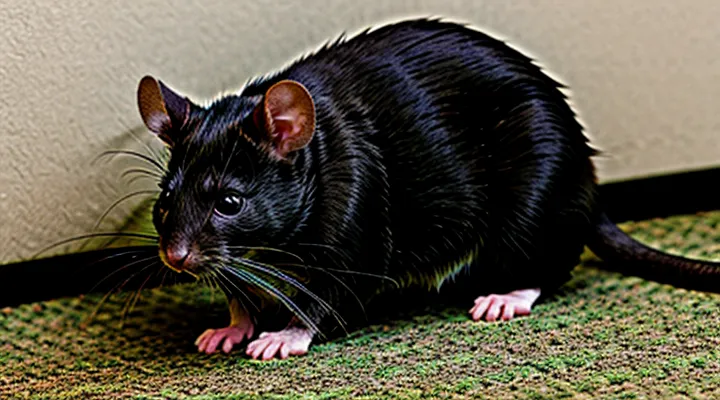
Rats may be offered the same leafy greens marketed for felines, but owners should recognize which grasses are most frequently sold as “cat grass.”
- Wheatgrass (Triticum aestivum) – fast‑growing, high in chlorophyll and vitamin E; commonly sold in seed packets for indoor sprouting.
- Oat grass (Avena sativa) – slightly coarser texture, rich in dietary fiber and B‑vitamins; preferred by rodents that enjoy chewing.
- Barley grass (Hordeum vulgare) – bright green shoots, source of antioxidants and minerals such as potassium and magnesium.
- Ryegrass (Lolium perenne) – tender leaves, moderate fiber content; often mixed with other grasses in commercial blends.
These varieties share a soft, non‑toxic profile suitable for small mammals. They provide roughage that aids digestion, stimulates natural foraging behavior, and supplies trace nutrients absent from standard rodent pellets.
Safety requires growing the grass in pesticide‑free soil, harvesting before the seed heads appear, and rinsing the sprouts to remove dust. Fresh portions should be offered in limited quantities—no more than a few centimeters of leaf per day—to prevent gastrointestinal upset.
Understanding the typical cat‑grass selections enables informed decisions about supplementing a rat’s diet with safe, fiber‑rich greens.
Nutritional Value of Cat Grass
Cat grass, typically wheatgrass or oat grass, contains a blend of nutrients that can supplement a rodent’s diet. The plant’s composition includes:
- Dietary fiber: insoluble fiber promotes gastrointestinal motility and helps prevent fecal impaction.
- Vitamins: moderate levels of vitamin A support vision and immune function; vitamin C contributes to antioxidant activity; vitamin K participates in blood clotting.
- Minerals: calcium and magnesium aid bone development and metabolic processes; small amounts of iron and potassium assist in oxygen transport and electrolyte balance.
- Chlorophyll: acts as a natural detoxifier, binding certain toxins and reducing odor in waste.
- Phytonutrients: flavonoids and phenolic compounds provide anti‑inflammatory and antioxidant effects.
The nutrient density of cat grass is low in calories, making it a safe additive without risk of excess energy intake. Its high water content also contributes to hydration, especially when fresh grass is offered.
When evaluating the suitability of cat grass for rats, consider the following points:
- Digestive benefit: fiber content can alleviate hairball‑like accumulations in the gastrointestinal tract.
- Nutrient supplementation: vitamins and minerals fill gaps left by standard rodent chow.
- Palatability: most rats will nibble fresh grass, providing enrichment and encouraging natural foraging behavior.
Overall, cat grass delivers a modest but valuable spectrum of nutrients that can enhance a rat’s diet when offered as a supplemental treat.
Rats and Their Dietary Needs
General Rat Diet
Safe Foods for Rats
Rats may encounter cat grass in households where it is offered to feline pets. The plant is non‑toxic to rodents and can provide a source of fiber, but it should not replace a balanced diet.
Safe foods for rats include:
- Fresh vegetables: carrots, broccoli, cucumber, bell pepper, spinach (in moderation).
- Fresh fruits: apple (seedless), banana, berries, melon, pear.
- Whole grains: oats, brown rice, quinoa, whole‑wheat pasta.
- Protein sources: boiled egg, cooked chicken breast, mealworms, low‑fat cheese.
- Nuts and seeds: unsalted almonds, sunflower seeds, pumpkin seeds (limited quantity).
- Commercial rodent pellets formulated for laboratory or pet rats.
Items to avoid because they cause toxicity or digestive upset:
- Citrus fruits, especially oranges and lemons.
- Raw onions, garlic, and leeks.
- Chocolate, caffeine, and alcohol.
- Processed foods high in salt, sugar, or fat.
- Sticky or moldy foods.
Cat grass, when provided fresh and clean, is safe for occasional consumption. It should be offered alongside a varied diet that meets nutritional requirements for protein, vitamins, and minerals. Excessive intake may lead to loose stools; monitor intake and adjust accordingly.
Maintaining a diet composed of the listed safe foods supports healthy growth, coat condition, and overall vitality in pet rats.
Unsafe Foods for Rats
Rats may be tempted by cat grass, but several common foods pose serious health risks. Understanding which items are unsafe prevents gastrointestinal distress, organ damage, and fatal outcomes.
- Chocolate, cocoa products, and any food containing theobromine
- Caffeine‑containing beverages and snacks
- Raw or undercooked beans, especially kidney beans
- Citrus peels, grapes, raisins, and cherries
- High‑fat processed meats, bacon, and sausage
- Salty snacks, chips, and seasoned nuts
- Onion, garlic, leeks, and chives
- Artificial sweeteners, particularly xylitol
- Dairy products for adult rats, due to lactose intolerance
- Moldy or spoiled food, regardless of type
Feeding rats any of these items can trigger vomiting, diarrhea, tremors, or irreversible organ failure. When considering alternatives such as cat grass, provide only fresh, pesticide‑free grass and avoid mixing it with the hazardous foods listed above.
Digestive System of Rats
Rats possess a short, simple stomach that secretes acidic gastric juices to break down proteins and moderate amounts of plant material. The pyloric sphincter regulates passage of chyme into the duodenum, where pancreatic enzymes and bile emulsify fats and further digest carbohydrates.
The small intestine, extending roughly 30 cm in an adult rat, provides the primary site for nutrient absorption. Its villi and microvilli increase surface area, allowing efficient uptake of amino acids, glucose, and short‑chain fatty acids derived from fermentable fibers.
The cecum, a blind sac located at the junction of the small and large intestines, houses a dense microbial population capable of fermenting cellulose and other complex polysaccharides. Fermentation produces volatile fatty acids that contribute to the rat’s energy budget and stimulate intestinal motility.
The large intestine reabsorbs water and electrolytes, forming compact feces. Its mucosal lining secretes mucus that protects against mechanical irritation and microbial invasion.
When evaluating the suitability of cat grass (commonly wheatgrass or oat grass) for rats, consider the following physiological factors:
- Fiber content: High in insoluble cellulose, which the cecal microbiota can partially ferment, aiding bowel regularity.
- Moisture: Fresh grass supplies water, supporting hydration and softening feces.
- Nutrient profile: Contains modest amounts of vitamins A, K, and B‑complex, which may complement a balanced laboratory or pet diet.
- Potential hazards: Pesticide residues, mold, or fungal contamination can introduce toxins; only pesticide‑free, freshly harvested grass should be offered.
In practice, a limited amount of fresh cat grass—approximately 1–2 g per 100 g of body weight, offered once daily—provides fiber without overwhelming the rat’s digestive capacity. Excessive intake may lead to gastrointestinal upset, including bloating or diarrhea, due to rapid fermentation.
Overall, the rat’s digestive system is equipped to process modest quantities of herbaceous grass, provided the material is clean, fresh, and administered in controlled portions.
Can Rats Eat Cat Grass?
Potential Benefits for Rats
Fiber Content
Fiber in cat grass is primarily composed of insoluble cellulose, hemicellulose, and small amounts of lignin. These components resist digestion in the small intestine, adding bulk to the gastrointestinal tract and promoting regular motility. For rats, the additional bulk can help prevent constipation and support the natural shedding of intestinal lining cells.
Key characteristics of the fiber:
- High insoluble fraction, which accelerates transit time.
- Low fermentable content, reducing the risk of excessive gas production.
- Minimal caloric contribution, allowing inclusion without significant impact on energy balance.
When introducing cat grass to rats, consider the following guidelines:
- Offer a limited portion, such as a 1‑2 cm strip, once or twice daily.
- Observe fecal consistency; a slight increase in bulk indicates effective fiber intake.
- Replace the grass regularly to prevent mold growth, which could introduce harmful microorganisms.
Excessive fiber may dilute nutrient absorption, leading to deficiencies if the diet relies heavily on the grass. Balanced provision ensures that the primary benefits—enhanced gut motility and reduced hairball formation—are realized without compromising overall nutrition.
Vitamins and Minerals
Cat grass supplies a modest spectrum of nutrients that can complement a rat’s diet, but it should not replace formulated feed. The plant’s primary contribution is chlorophyll, which provides vitamin K and a small amount of vitamin A. These vitamins support blood clotting and vision, respectively, and are readily absorbed when the grass is chewed fresh.
Key minerals present in cat grass include:
- Calcium – aids skeletal development and nerve function.
- Magnesium – participates in enzymatic reactions and muscle relaxation.
- Potassium – regulates fluid balance and cellular activity.
The concentrations of these minerals are low; they can help meet minor dietary gaps but cannot satisfy the full mineral requirements of a healthy rat. Excessive consumption may lead to imbalances, especially if the animal already receives calcium‑rich foods.
Potential benefits of offering cat grass to rats are:
- Additional fiber that promotes gastrointestinal motility.
- Access to naturally occurring vitamins and minerals.
- Opportunity for gnawing behavior, reducing dental overgrowth.
Risks involve:
- Over‑ingestion causing mild digestive upset, such as soft stools.
- Possible pesticide residues if the grass is not organically cultivated.
- Inadequate nutrient density, leading to reliance on the grass instead of balanced feed.
Integrating cat grass into a rat’s regimen should follow these guidelines:
- Provide a small patch (no more than a few centimeters wide) in the cage.
- Replace the grass every 2–3 days to ensure freshness.
- Monitor the rat’s stool consistency and overall health; discontinue if adverse signs appear.
When used sparingly, cat grass contributes useful vitamins and minerals without compromising the nutritional integrity of a rat’s primary diet.
Potential Risks for Rats
Pesticides and Herbicides
Cat grass is often offered to pet rodents for digestive health, but the presence of pesticide or herbicide residues can compromise safety. Residues may arise from conventional cultivation, where chemicals such as glyphosate, atrazine, chlorpyrifos, or neonicotinoids are applied to control weeds and pests. These substances are absorbed through plant tissues and remain on the surface, posing ingestion risks for small mammals.
Potential effects on rats include:
- Gastrointestinal irritation or ulceration.
- Neurotoxicity leading to tremors or coordination loss.
- Hormonal disruption affecting reproduction.
- Immunosuppression increasing susceptibility to disease.
To minimize exposure, follow these practices:
- Source cat grass from certified organic growers who avoid synthetic agrochemicals.
- Inspect plants for visible signs of damage or chemical spraying equipment nearby.
- Rinse harvested grass thoroughly with potable water; consider a brief soak in a dilute vinegar solution (1 % acetic acid) followed by a second rinse.
- Dry the grass in a clean, well‑ventilated area before offering it to rats.
- Periodically test a sample batch for common pesticide residues using accredited laboratory services, especially when bulk‑purchasing.
When organic options are unavailable, cultivate cat grass at home using untreated seed and soil. Employ mechanical weed control (hand weeding) and natural pest deterrents such as neem oil or diatomaceous earth, applied according to label instructions to avoid residue buildup.
In summary, the safety of providing cat grass to rats hinges on controlling pesticide and herbicide contamination through careful sourcing, thorough cleaning, and, when feasible, home cultivation with non‑chemical management methods.
Contamination
Providing grass cultivated for felines to pet rodents introduces several contamination risks that can affect rat health.
Microbial contamination includes bacteria such as Salmonella and E. coli, as well as fungi that produce mycotoxins. These organisms thrive in moist growth media and can colonize the plant surface, posing gastrointestinal threats to rats.
Chemical contamination arises from pesticides, herbicides, or synthetic fertilizers applied during production. Residues may remain on leaves even after washing, leading to toxic exposure in small mammals.
Cross‑species parasites, such as coccidia or nematodes, can be transferred from cat‑targeted crops to rodents, especially when the grass is harvested from mixed‑use facilities.
Mitigation measures:
- Purchase grass from suppliers that certify pesticide‑free, hydroponic cultivation.
- Rinse the grass thoroughly under running water; consider a brief soak in a mild saline solution.
- Inspect each stem for discoloration, mold, or insect damage; discard compromised material.
- Quarantine new grass for 24‑48 hours, observing rats for abnormal behavior or symptoms.
- Store remaining grass in a clean, dry container, replacing it weekly to limit microbial growth.
Risk assessment indicates that rats, with faster metabolism and smaller body mass, react more severely to contaminants than cats. Regular monitoring of health indicators—weight, stool consistency, and activity level—helps detect adverse effects early.
Overconsumption Issues
Rats may nibble on cat grass, but excessive intake can lead to several health concerns.
- Digestive upset: Large quantities overwhelm the small intestine, causing diarrhea and abdominal cramping.
- Nutrient dilution: Overeating grass reduces consumption of balanced rodent pellets, resulting in deficiencies of protein, vitamins, and minerals.
- Electrolyte imbalance: High fiber content accelerates water loss, potentially lowering potassium and sodium levels.
- Obstruction risk: Accumulated fibrous material may form blockages in the gastrointestinal tract, requiring veterinary intervention.
- Potential contamination: Uncontrolled growth may harbor molds or pesticides that become toxic when ingested in bulk.
Moderate provision—no more than a few centimeters per day—helps avoid these problems while allowing rats to benefit from the occasional fiber boost. Monitoring intake and maintaining a primary diet of species‑appropriate feed are essential for safe inclusion of cat grass in a rat’s regimen.
Best Practices for Introducing New Foods
Starting Small
Begin with a tiny portion of fresh cat grass, no larger than a single leaf. Rats are curious feeders; a modest introduction reduces the risk of digestive upset and allows observation of acceptance.
Monitor each rat for the first 24‑48 hours. Record any signs of refusal, excessive chewing, or loose stools. If the animal shows interest and no adverse effects appear, increase the amount gradually.
Steps for a safe escalation:
- Offer one leaf on a clean dish.
- After a day of tolerance, add a second leaf.
- Extend the offering to a small bunch (2‑3 cm) after another 24 hours.
- Maintain a steady supply, replacing wilted pieces daily.
Keep the grass away from contaminated surfaces and change the water bowl regularly. Small, controlled exposure establishes a habit without overwhelming the rat’s digestive system.
Observing for Reactions
When introducing cat grass to a rat, systematic observation determines safety and acceptance. Begin by offering a small, fresh sprig in the cage and record the animal’s immediate response. Note whether the rat approaches, sniffs, or ignores the plant. If it chews, monitor the amount consumed within the first hour.
Key indicators to track include:
- Behavioral changes: increased activity, grooming, or signs of distress such as frantic pacing.
- Digestive signs: normal fecal consistency versus loose or watery stools.
- Physical health: absence of vomiting, drooling, or swelling around the mouth.
- Weight fluctuations: stable or rising weight over several days suggests tolerance; sudden loss warrants cessation.
Continue observations for at least three days after the initial exposure. Any adverse reaction—persistent diarrhea, lethargy, or oral irritation—requires immediate removal of the grass and veterinary consultation. If the rat shows no negative effects and continues to consume the grass modestly, the plant can be considered a safe occasional supplement.
Consulting a Veterinarian
Consult a qualified veterinarian before offering cat grass to pet rats. Professional assessment determines if the plant aligns with the animal’s dietary requirements and health status.
Key factors to discuss with the veterinarian include:
- Species‑specific digestive tolerance for grass species commonly sold for felines.
- Potential presence of pesticides, herbicides, or contaminants in commercial packages.
- Interaction with existing medical conditions, such as gastrointestinal disorders or dental issues.
- Recommended portion size and frequency to avoid nutrient imbalance or obstruction risk.
After receiving guidance, implement the vet’s instructions precisely. Monitor the rat for changes in appetite, stool consistency, and behavior. Report any adverse reactions promptly to ensure timely medical intervention.
Alternatives to Cat Grass for Rats
Safe Greens and Vegetables
Rats may accept cat grass, but owners should prioritize greens and vegetables that are proven safe for rodent diets. Selecting appropriate foliage reduces the risk of digestive upset and supports dental health.
- Wheatgrass
- Oat grass
- Barley grass
- Romaine lettuce (core leaves only)
- Spinach (in limited amounts)
- Kale (young leaves)
- Carrot tops
- Parsley (fresh, not dried)
- Dandelion leaves (pesticide‑free)
Feed fresh portions daily, limiting each serving to a few centimeters of stem or a small handful of leaves. Rinse thoroughly to remove soil and contaminants. Avoid plants such as avocado, nightshade family members, and citrus peels, which can be toxic to rats. Monitor for signs of diarrhea or reduced appetite, and discontinue any new green that provokes adverse reactions.
Commercial Rat Treats
Commercial rat treats are formulated to meet the specific dietary needs of pet rats, providing balanced protein, fiber, vitamins, and minerals. Manufacturers source ingredients such as grains, seeds, dried fruits, and fortified additives to ensure consistency and safety. When evaluating the suitability of cat grass for rats, these treats offer several relevant points:
- Nutrient composition – Commercial products contain defined amounts of calcium, phosphorus, and vitamin D, which support bone health. Cat grass supplies primarily fiber and chlorophyll, lacking the comprehensive nutrient profile found in rat‑specific treats.
- Safety standards – Treats undergo testing for contaminants, microbial load, and toxin levels. Cat grass sold for feline use may not be subject to the same rigorous controls, increasing the risk of pesticide residues or mold.
- Digestive impact – The high cellulose content of cat grass can aid digestion, but excessive intake may cause gastrointestinal upset in rats. Commercial treats balance fiber with digestible carbohydrates to prevent such issues.
- Palatability – Rats readily accept flavored treats that incorporate natural attractants. Cat grass, being bland, may be ignored, reducing its effectiveness as a supplemental food source.
For owners considering cat grass as an occasional addition, the following guidelines apply:
- Verify that the grass is grown without chemical treatments.
- Limit exposure to a few stems per day to avoid over‑fibering.
- Monitor the rat for signs of diarrhea or reduced appetite.
- Maintain the primary diet of nutritionally complete commercial treats.
In summary, while cat grass can be offered in modest amounts, it does not replace the comprehensive nutrition provided by commercially produced rat treats, which remain the cornerstone of a healthy rat diet.
Other Enrichment Options
Rats benefit from a varied enrichment program that mimics natural foraging and exploratory behaviors. While some owners consider providing feline grass as a source of fiber, several alternative stimuli deliver comparable or superior mental and physical stimulation.
- Chewable items: Untreated wooden blocks, willow sticks, and mineral chews satisfy dental wear requirements and encourage gnawing.
- Foraging puzzles: PVC tubes, paper rolls, or commercially available treat dispensers hide small food rewards, prompting problem‑solving and scent tracking.
- Nest-building materials: Shredded tissue, untreated paper, and cotton squares allow construction of burrows, supporting nesting instincts.
- Climbing structures: Rope ladders, hammocks, and angled platforms create vertical space, fostering agility and muscle development.
- Sensory enrichment: Fresh herbs (e.g., basil, mint) and safe essential‑oil diffusions introduce novel aromas; rotating items prevents habituation.
- Social interaction: Pairing compatible rats or providing regular, supervised handling promotes social bonding and reduces stress.
Integrating multiple options ensures a dynamic environment, reduces boredom, and promotes overall health. Rotate enrichment weekly and monitor individual preferences to tailor the program effectively.