
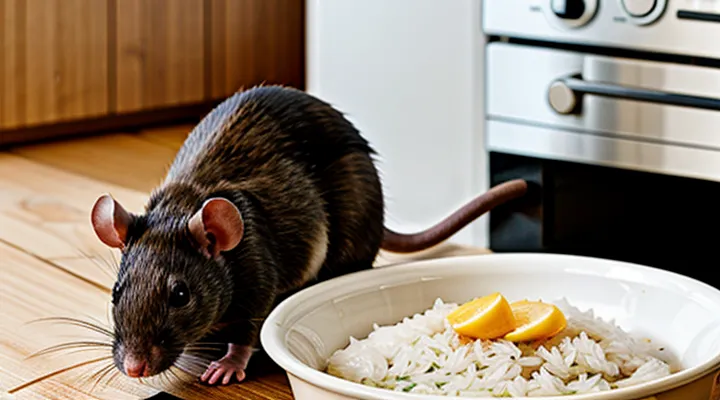
The Nutritional Value of Boiled Rice for Rats
Carbohydrate Content
Boiled white rice contains approximately 28 g of carbohydrates per 100 g of cooked weight, while brown rice provides about 23 g per 100 g. The carbohydrate fraction consists mainly of starch, with a minor contribution from dietary fiber (≈1 g in white rice, ≈1.8 g in brown rice). Protein content is low (≈2.5 g in white, ≈2.6 g in brown), and fat is negligible (<0.5 g).
When evaluating rice as a supplement for laboratory or pet rats, the following points are relevant:
- Energy density: 1 g of carbohydrate yields 4 kcal; 100 g of boiled rice supplies roughly 112 kcal.
- Glycemic impact: White rice has a high glycemic index (≈70), leading to rapid blood glucose elevation; brown rice presents a moderate index (≈50), offering slower absorption.
- Nutrient balance: Rat maintenance diets typically provide 45–55 % of calories from carbohydrates; an additional 10–15 % from rice aligns with standard macronutrient ratios without exceeding caloric limits.
Excessive carbohydrate intake can induce obesity, insulin resistance, and altered gut microbiota in rodents. Therefore, rice should be offered as an occasional treat, limited to no more than 10 % of total daily caloric intake, and combined with a complete rodent chow that supplies essential proteins, fats, vitamins, and minerals.
Vitamin and Mineral Deficiencies
Boiled rice offers carbohydrates and small amounts of protein but provides minimal vitamins and minerals required for healthy rodent physiology. Relying on it as a primary food source leaves rats vulnerable to specific nutrient shortfalls.
-
Vitamin A – absent, leading to impaired vision and skin health.
-
Vitamin D – missing, causing reduced calcium absorption and bone weakness.
-
Vitamin E – scarce, increasing oxidative stress susceptibility.
-
Vitamin K – insufficient, affecting blood clotting mechanisms.
-
B‑complex (especially B12, thiamine, riboflavin, niacin, pyridoxine) – low, resulting in energy metabolism disorders and neurological deficits.
-
Vitamin C – not synthesized by rats; dietary provision is necessary to prevent scurvy‑like symptoms.
-
Calcium – negligible, predisposing to skeletal demineralization.
-
Phosphorus – low, disrupting cellular energy pathways.
-
Magnesium – limited, affecting muscle function and nerve transmission.
-
Potassium – insufficient, leading to electrolyte imbalance.
-
Iron – minimal, causing anemia and reduced oxygen transport.
-
Zinc – scarce, impairing immune response and wound healing.
-
Selenium – absent, diminishing antioxidant defenses.
Deficiencies manifest as stunted growth, brittle teeth, poor coat condition, diminished fertility, weakened immunity, and increased mortality. Laboratory analyses confirm that diets composed predominantly of boiled rice fail to meet the Recommended Dietary Allowances for laboratory rats.
To prevent these outcomes, supplement boiled rice with commercially formulated rodent feed or fortified vegetables, fruits, and mineral mixes. Regular monitoring of weight, coat quality, and behavior provides early detection of nutritional inadequacies. Incorporating a balanced diet ensures that rats receive the full spectrum of vitamins and minerals essential for optimal health.
Potential for Digestive Upset
Boiled rice introduces a high proportion of rapidly digestible starch, which can overwhelm the rat’s limited amylase capacity. Excess starch may remain undigested in the small intestine, drawing water into the lumen and producing loose stools. In addition, the absence of fiber in plain rice reduces bulk, slowing transit and increasing the likelihood of bacterial overgrowth in the colon.
Key factors that contribute to gastrointestinal disturbance when rice is added to a rat’s diet:
- Starch concentration: >70 % of the dry weight, leading to osmotic imbalance.
- Lack of fiber: minimal insoluble fiber, diminishing stool formation.
- Temperature and moisture: warm, moist rice can foster pathogenic bacterial growth if not consumed promptly.
- Portion size: large servings raise the risk of sudden fermentative activity.
To mitigate these risks, introduce rice in small, measured amounts mixed with a balanced rodent chow that supplies adequate fiber and protein. Observe the animal for signs of soft feces, bloating, or reduced appetite, and discontinue rice if symptoms appear. Continuous monitoring and gradual dietary adjustments are essential for maintaining digestive health.
The Risks and Benefits of Feeding Boiled Rice to Rats
Benefits of Boiled Rice for Rats
Hydration
Boiled rice contains a limited amount of water, generally 60‑70 % by weight after cooking. This moisture contributes minimally to a rat’s daily fluid requirement, which averages 10‑15 ml per 100 g of body mass. Relying on rice as a primary source of hydration would leave a shortfall that must be compensated by other means.
Rats obtain most of their fluid intake from drinking water and from foods with high water content, such as fresh vegetables or fruits. Compared with these items, boiled rice delivers far less liquid per gram and lacks the electrolytes that support renal function. Consequently, providing rice without unrestricted access to fresh water can lead to dehydration, reduced urine output, and impaired thermoregulation.
Practical guidance for caretakers:
- Keep a clean water bottle or bowl within constant reach; refill daily.
- Offer rice as a supplemental treat, not as a staple.
- Pair rice servings with moisture‑rich foods (e.g., cucumber, apple).
- Observe behavioral signs of dehydration—lethargy, sunken eyes, dry skin—and adjust diet accordingly.
Ensuring that rats have ample drinking water alongside any boiled rice prevents fluid deficit and maintains normal physiological processes.
Palatability
Boiled rice presents a neutral flavor profile that many laboratory rats accept when introduced gradually. The grain’s soft texture mimics the consistency of standard rodent chow, facilitating oral manipulation without requiring extensive chewing. Palatability improves when rice is served warm, as temperature enhances aroma diffusion and reduces perceived hardness.
Key factors influencing acceptance:
- Temperature: Warm rice (approximately 37 °C) is more readily consumed than cooled portions.
- Moisture content: Slightly moist rice prevents rapid drying in the cage, maintaining a pleasant mouthfeel.
- Portion size: Small servings (1–2 g) introduced alongside regular diet reduce aversion.
- Flavor additives: Minimal amounts of vegetable broth or a pinch of powdered mouse chow can increase attractiveness without altering nutritional balance.
Observational data indicate that rats will consume boiled rice voluntarily when these conditions are met, though individual preferences vary. Continuous monitoring of intake ensures that rice does not replace essential nutrients supplied by the primary diet.
Risks of Boiled Rice for Rats
Nutritional Imbalance
Boiled white rice provides primarily carbohydrates and a small amount of protein, but it lacks several nutrients essential for a rat’s health. Deficiencies include:
- Vitamin A, D, E, and K
- B‑complex vitamins, especially B12 and folic acid
- Calcium, phosphorus, and magnesium in appropriate ratios
- Essential fatty acids such as omega‑3 and omega‑6
When rice constitutes a significant portion of a rat’s diet, these gaps can lead to weakened immune function, poor bone development, and impaired reproductive capacity. The animal may compensate by increasing intake of other foods, but uncontrolled substitution often results in excess calories and obesity, further stressing metabolic balance.
Balanced nutrition for rats requires a diet that combines grain, protein, vegetables, and fortified pellets. If rice is offered, it should be limited to a small supplement, paired with sources that supply the missing vitamins, minerals, and fats to prevent the described imbalances.
Choking Hazard
Boiled rice can be offered to pet rats, but its physical properties create a real choking risk if not prepared correctly. The soft, sticky texture of cooked grains can form clumps that block a rat’s narrow airway, especially when the rice is still warm and expands in the mouth.
Key factors that increase the hazard include:
- Whole grains larger than a pea; they do not compress easily.
- Moisture that causes the rice to adhere together, forming a solid mass.
- Rapid cooling that creates a firmer, less pliable texture.
To reduce the danger, follow these steps:
- Cool the rice completely before serving; cold rice is less likely to stick together.
- Break the grain into pieces no larger than 2 mm, using a fork or a food processor.
- Mix the rice with dry, fibrous foods such as shredded vegetables or commercial rat chow to improve mouthfeel and encourage chewing.
- Offer only small portions and observe the animal for the first few minutes.
Signs of choking require immediate attention:
- Labored or silent breathing.
- Gagging, coughing, or pawing at the mouth.
- Sudden collapse or loss of balance.
If any of these symptoms appear, remove the rat from the enclosure, gently open its mouth, and attempt to clear the obstruction with tweezers or a small, blunt instrument. If the blockage cannot be removed quickly, seek veterinary emergency care without delay.
Potential for Contaminants
Boiled rice can introduce contaminants that affect rodent health. Cooking water may contain heavy metals such as lead or cadmium if the source is polluted. Residual pesticides from rice cultivation can survive the boiling process, especially when rice is not rinsed thoroughly. Cross‑contamination can occur during preparation; utensils, cutting boards, or storage containers that have contacted raw meat or spoiled food may transfer pathogenic bacteria like Salmonella or E. coli to the rice.
Key contamination risks include:
- Heavy metals – accumulate in rice grains; ingestion can cause renal and neurological damage in rats.
- Pesticide residues – organophosphates and pyrethroids remain after cooking; chronic exposure impairs nervous system function.
- Microbial growth – improper cooling or storage promotes bacterial proliferation; spores survive boiling if temperatures are insufficient.
- Mycotoxins – fungal toxins such as aflatoxin may be present in improperly stored rice; they are heat‑stable and toxic to rodents.
Mitigation measures consist of using filtered water, rinsing rice multiple times, cooking at a rolling boil for at least 10 minutes, and storing the cooked product in a sealed container at refrigeration temperature for no more than 24 hours. Regular testing of water and rice for contaminants provides additional assurance of safety.
Best Practices for Feeding Boiled Rice to Rats
Preparation Guidelines
Cooking Method
Boiled rice intended for rodent consumption must be prepared without seasoning, oil, or salt. Use plain water, a ratio of one part rice to two parts water, and bring the mixture to a rolling boil. Reduce heat to low, cover the pot, and simmer for 12–15 minutes until the grains are soft and the water is fully absorbed. Remove the pot from heat, let it stand covered for five minutes, then fluff the rice with a fork.
After cooking, spread the rice on a clean surface to cool to room temperature. Cool rice prevents thermal injury and reduces bacterial growth. Once cooled, transfer the rice to an airtight container and refrigerate if not used within two hours. Discard any rice that shows signs of spoilage, such as off‑odor or mold.
- Use only white or short‑grain brown rice; avoid flavored or enriched varieties.
- Do not add butter, broth, or spices.
- Serve in small portions, typically 1–2 grams per 100 g of rat body weight.
- Monitor rats for digestive tolerance; excessive intake may cause loose stools.
Serving Size
Boiled rice can be included in a rat’s diet, but the amount must remain a minor component of overall nutrition. A typical serving should not exceed 5 % of the daily caloric intake, which translates to roughly 5–10 grams of cooked rice for an adult laboratory rat weighing 250 g. Smaller juveniles require proportionally less, about 2–3 grams per day.
- Small rat (150 g): 2 g cooked rice, 1–2 times per week.
- Medium rat (250 g): 5 g cooked rice, up to 3 times per week.
- Large rat (350 g): 8 g cooked rice, no more than 3 times per week.
Rice should be served plain, cooled to room temperature, and mixed with regular pellets or fresh vegetables to maintain a balanced nutrient profile. Excessive rice can displace essential protein and fat sources, leading to deficiencies.
Frequency
Boiled rice can be included in a rat’s diet, but the feeding schedule must be controlled to prevent nutritional imbalance.
A typical adult laboratory or pet rat requires a diet primarily composed of commercial rodent pellets, which supply essential protein, fat, fiber, vitamins, and minerals. Boiled rice offers carbohydrate energy without significant protein or micronutrients, so it should serve only as a supplemental treat.
Recommended frequency
- Occasional treat: 1–2 small portions per week (approximately 5–10 % of the daily caloric intake).
- Maximum limit: No more than three servings per week for a single rat; additional servings increase the risk of weight gain and deficiency of essential nutrients.
- Monitoring: Observe body condition and stool consistency after each rice feeding; adjust or discontinue if adverse effects appear.
Guidelines for each serving
- Use plain, unsalted, unseasoned rice cooled to room temperature.
- Limit portion size to the size of a pea for a 250‑gram rat.
- Ensure the primary diet remains pellet‑based, supplemented with fresh vegetables and occasional protein sources.
Feeding boiled rice more frequently than the limits above can lead to excess carbohydrate intake, reduced appetite for nutritionally complete foods, and potential gastrointestinal disturbances. Regular assessment of weight and health status is essential to maintain a balanced diet.
Combination with Other Foods
Protein Sources
Boiled rice offers a readily digestible carbohydrate source but supplies minimal protein, which is essential for rat growth, tissue repair, and immune function. A balanced diet must therefore include additional protein ingredients to meet the animal’s nutritional requirements.
- Commercial rat pellets (contain 14‑20 % protein)
- Cooked eggs (hard‑boiled, chopped) – 12 % protein
- Low‑fat plain yogurt – 4‑5 % protein
- Cooked lean poultry or fish (no seasoning) – 20‑25 % protein
- Soybean meal or tofu – 35‑50 % protein
- Insect larvae (mealworms, crickets) – 50‑60 % protein
When mixing boiled rice with protein sources, aim for a total diet composition of roughly 15‑20 % protein on a dry‑matter basis. For example, combine one part rice with one part cooked egg or pellet crumble, ensuring the mixture remains moist but not soggy. Introduce new protein items gradually to monitor tolerance and avoid digestive upset.
Provide fresh water at all times and limit rice portions to no more than 25 % of the daily intake. Regularly assess body condition and adjust protein levels accordingly to maintain healthy weight and activity.
Fresh Fruits and Vegetables
Rats can safely receive fresh fruits and vegetables as part of a balanced diet that also includes a small amount of cooked grains such as boiled rice. These plant foods supply essential vitamins, minerals, and fiber, supporting digestion and immune function.
Suitable options include:
- Apples (core removed, no seeds)
- Blueberries
- Strawberries
- Carrots (peeled, finely diced)
- Bell peppers (any color, seed‑free)
- Zucchini
- Leafy greens (romaine lettuce, kale, spinach – offered in moderation)
Nutritional considerations
- Vitamin C from citrus and berries compensates for the low vitamin C content of rice.
- Fiber from raw vegetables counteracts the relatively low fiber level in boiled grains.
- Calcium and potassium are abundant in leafy greens, enhancing mineral balance.
Preparation guidelines
- Wash all produce thoroughly to remove pesticides.
- Cut into bite‑size pieces to prevent choking.
- Offer only a few bites per day; excess fruit may cause diarrhea due to natural sugars.
- Remove any pits, seeds, or stems that contain toxins (e.g., apple seeds, avocado).
Potential risks
- Citrus peels, grapes, and raisins are toxic and must be excluded.
- Overfeeding high‑sugar fruits can lead to obesity and metabolic issues.
- Raw beans and nightshades contain alkaloids that may harm rats.
Integrating fresh produce with a modest portion of boiled rice provides a nutritionally complete regimen, provided that variety, portion size, and safety precautions are observed.
Alternatives to Boiled Rice for Rat Diets
Commercial Rat Food
Commercial rat food is formulated to meet the complete nutritional requirements of pet rodents. It supplies protein, fat, fiber, vitamins, and minerals in proportions that support growth, reproduction, and overall health. The ingredients typically include grain-based pellets, soy or animal-derived protein, added vitamins, and sometimes supplemental seeds or dried insects.
When evaluating the suitability of boiled rice as a supplement, compare its nutritional profile with that of commercial mixes. Boiled rice offers primarily carbohydrates and a modest amount of protein, but lacks essential amino acids, fatty acids, and micronutrients present in balanced rat diets. Adding rice without adjusting the overall diet can dilute protein and fat intake, potentially leading to deficiencies.
Key considerations for integrating boiled rice with commercial rat food:
- Nutrient balance – Ensure that rice does not exceed 10 % of total daily intake to avoid displacing essential nutrients.
- Digestibility – Rice should be fully cooked, cooled, and free of added salt, butter, or seasonings that could harm rodents.
- Frequency – Offer rice as an occasional treat rather than a staple; regular feeding should rely on formulated pellets.
- Health monitoring – Observe weight, coat condition, and activity levels after introducing rice; adjust portions if adverse changes appear.
In practice, a balanced approach involves feeding a high-quality commercial product as the primary diet and using boiled rice sparingly as a supplemental carbohydrate source. This method preserves the nutritional integrity of the rat’s diet while providing variety.
Safe Human Foods
Grains
Rats can digest a variety of grains, but each type presents distinct nutritional and digestive considerations. Boiled rice, a refined grain, supplies primarily carbohydrates with minimal protein, fiber, and essential fatty acids. Its low fiber content limits gastrointestinal motility, which may lead to constipation if offered as a staple. The starches in cooked rice are readily absorbed, potentially causing rapid blood‑glucose spikes in small rodents.
When incorporating grains into a rat’s diet, follow these principles:
- Provide whole grains (e.g., oats, barley, quinoa) that retain fiber, vitamins, and minerals.
- Limit refined grains, such as white rice, to occasional treats.
- Ensure grains are fully cooked, free of seasoning, and served at room temperature.
- Balance grain portions with protein sources (e.g., lean meat, insects) and fresh vegetables.
Specific to boiled rice, a safe protocol includes:
- Cook rice without salt or oil; rinse to remove excess starch.
- Cool to ambient temperature.
- Offer a spoon‑ful mixed with other staple foods no more than twice per week.
- Observe the animal for signs of digestive upset, such as loose stools or reduced activity.
Overall, grains contribute energy and texture to a rat’s diet, but reliance on boiled rice alone fails to meet the species’ comprehensive nutritional requirements. A diversified menu that emphasizes whole grains and limits refined starches ensures optimal health and prevents metabolic imbalances.
Vegetables
Vegetables provide essential vitamins, minerals, and fiber that complement the carbohydrate content of boiled rice in a rat’s diet. When combined with rice, they help balance blood glucose levels and support digestive health.
Suitable vegetables for inclusion with boiled rice:
- Carrots, finely shredded or cooked, offer beta‑carotene and soluble fiber.
- Spinach, lightly steamed, supplies iron, calcium, and folate.
- Broccoli florets, steamed briefly, contain vitamin C and glucosinolates.
- Zucchini, raw or lightly cooked, adds moisture and potassium.
- Peas, shelled and cooked, contribute protein and vitamin K.
Preparation guidelines:
- Wash thoroughly to remove pesticides and soil.
- Cook until soft enough for a rat’s small incisors; over‑cooking reduces nutrient density.
- Cool to room temperature before mixing with rice to avoid thermal injury.
- Serve in small portions, no more than 10 % of the total daily intake, to prevent gastrointestinal upset.
Vegetables to exclude:
- Raw onions and garlic; contain compounds toxic to rodents.
- Cabbage and cauliflower in large quantities; may cause gas and bloating.
- Nightshade family members (e.g., raw potatoes, tomatoes) when unripe; contain solanine.
Integrating a varied selection of safe vegetables with boiled rice creates a more complete nutritional profile, reduces the risk of nutrient deficiencies, and promotes overall health in pet rats.
Fruits
When assessing the suitability of cooked grains for laboratory or pet rodents, fruit often serves as a complementary source of moisture, vitamins, and simple sugars. Incorporating fruit alongside boiled rice can improve dietary balance, provided the selections are appropriate and quantities are controlled.
Common fruits recommended for rats include:
- Apple (core removed, skin optional) – provides vitamin C and fiber.
- Blueberries – high in antioxidants, low in calories.
- Banana – rich in potassium, best offered in small pieces.
- Pear (seedless) – supplies vitamin K and dietary fiber.
- Strawberries – source of folate and vitamin C, limited to a few slices.
These items contribute nutrients that boiled rice lacks, such as vitamin C and certain phytonutrients. However, fruit sugars raise the overall carbohydrate load; excessive amounts may disrupt the energy balance achieved by the rice portion.
Practical feeding guidelines:
- Limit fruit to no more than 10 % of the total daily intake by weight.
- Offer fruit in bite‑sized pieces to prevent choking.
- Serve fruit fresh, washed, and free of pits or seeds that contain cyanogenic compounds.
- Introduce new fruit varieties gradually, observing any changes in stool consistency or behavior.
Precautions include avoiding grapes, raisins, citrus peels, and avocado, all of which have documented toxicity in rodents. Regular health monitoring ensures that the combined diet of boiled rice and fruit maintains optimal weight, dental health, and gastrointestinal function.