
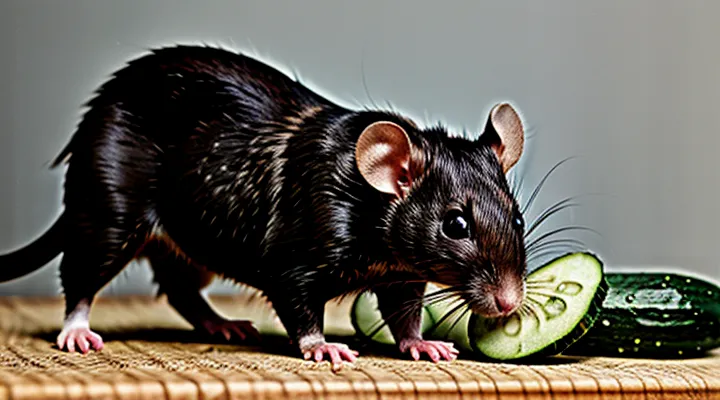
Nutritional Value of Cucumbers for Rats
Key Nutrients and Their Benefits
Hydration and Water Content
Cucumbers contain roughly 95 % water, making them one of the most hydrating vegetables available for small mammals. When offered to domesticated rats, the high moisture content can supplement daily fluid intake, especially in environments where water sources may be limited or temperature is elevated.
The water in cucumbers is readily absorbed through the gastrointestinal tract, providing immediate hydration without the need for additional electrolytes. This effect supports normal kidney function and helps maintain optimal blood volume, which is critical for a rat’s rapid metabolism.
Key points for using cucumbers as a hydration source:
- Portion size: A 1‑inch slice (approximately 5 g) supplies about 4.5 ml of water; multiple slices can be given daily without exceeding caloric limits.
- Frequency: Offer fresh cucumber pieces 2–3 times per week; daily feeding may reduce appetite for higher‑protein foods.
- Preparation: Wash thoroughly, remove seeds, and present in bite‑size chunks to prevent choking.
- Monitoring: Observe for signs of excess moisture intake, such as loose stool or reduced water consumption from the bottle.
Integrating cucumber into a balanced diet provides a low‑calorie, high‑water supplement that aids overall hydration while preserving space for essential protein and fiber sources.
Vitamins and Minerals
Cucumbers contain water, fiber, and a modest profile of vitamins and minerals that can complement a rat’s diet when offered in moderation. The primary nutrients relevant to rodent health are:
- Vitamin C: present in trace amounts; rats synthesize this vitamin internally, so dietary contribution is optional.
- Vitamin K1: supports blood clotting; the quantity in cucumber is low and does not replace a balanced source.
- Vitamin A (beta‑carotene precursor): contributes to vision and immune function; the conversion rate in rats is limited, making cucumber a minor source.
- Potassium: aids cellular function and fluid balance; cucumber supplies a small portion of daily requirements.
- Magnesium and calcium: essential for bone health and enzymatic reactions; cucumber provides negligible levels compared with fortified rodent chow.
The high water content (≈95 %) and low calorie density make cucumber a safe hydrating snack, but the fiber is primarily insoluble, offering limited digestive benefit for rats that already receive adequate roughage from hay and fortified pellets. Excessive cucumber can displace more nutrient‑dense foods, potentially leading to deficiencies in protein, essential fatty acids, and fortified vitamins.
When introducing cucumber, follow these guidelines:
- Offer only a few millimeter‑sized cubes once or twice a week.
- Observe the rat for signs of gastrointestinal upset, such as loose stools or reduced appetite.
- Ensure the primary diet remains a commercially formulated rat feed that meets AAFCO standards for protein, fat, vitamins, and minerals.
In summary, cucumbers contribute minor amounts of vitamins and minerals that do not replace the comprehensive nutrition required by pet rats. Controlled, occasional servings can add variety without compromising dietary balance.
Fiber Content
Pet rats need dietary fiber to maintain gastrointestinal motility and to prevent hairball formation. Cucumbers supply soluble and insoluble fiber, making them a viable supplement when offered in moderation.
- Fresh cucumber, raw, skin on: approximately 0.5 g fiber per 100 g.
- Cucumber, peeled: around 0.3 g fiber per 100 g.
- Cucumber pickles (brine‑preserved, low‑salt): about 0.2 g fiber per 100 g, but sodium content may be problematic.
A typical adult rat consumes 15–20 g of food daily; the recommended fiber intake is 2–3 % of total diet weight, equating to roughly 0.3–0.6 g fiber per day. Supplying a small slice (10–15 g) of fresh cucumber with skin can meet 0.05–0.07 g of that requirement, contributing to overall fiber goals without displacing essential protein and fat sources.
Excessive cucumber can dilute caloric density and introduce excess moisture, potentially leading to soft stools. Limit cucumber to no more than 10 % of the daily fresh‑food portion and monitor fecal consistency. Regularly rotate cucumber with other high‑fiber vegetables, such as carrots or leafy greens, to ensure a balanced fiber profile.
Feeding Cucumbers to Pet Rats
Can Rats Eat Cucumbers?
Safety and Toxicity Concerns
Cucumbers are generally low‑calorie vegetables with high water content, making them seemingly safe for small mammals. However, several factors can affect their suitability for pet rats.
- Pesticide residues: Commercial cucumbers often carry surface chemicals that can be toxic if ingested. Thorough washing or using organic, pesticide‑free produce reduces this risk.
- Choking hazard: The skin and seeds can be firm enough to cause obstruction, especially in younger or smaller rats. Cutting cucumbers into bite‑size pieces mitigates this danger.
- Digestive upset: The high moisture level may lead to loose stools or diarrhea when introduced abruptly or in large quantities. Gradual inclusion, starting with a few small cubes, helps the gut adapt.
- Nutrient imbalance: Cucumbers provide minimal protein, fat, and essential vitamins required by rats. Overreliance on them can displace more nutritionally complete foods.
In summary, cucumbers can be offered as an occasional treat if they are cleaned, peeled, seed‑free, and presented in small, manageable portions. Constant monitoring for adverse reactions is essential to ensure the animal’s health remains uncompromised.
Potential Allergic Reactions
Feeding cucumbers to pet rats introduces a vegetable that many owners consider safe, yet a subset of animals may develop allergic responses. Allergic reactions stem from immune system recognition of specific proteins or compounds present in the cucumber tissue.
Typical signs of an adverse reaction include:
- Itching or excessive grooming of the face and paws
- Redness, swelling, or hives on the skin
- Sneezing, nasal discharge, or watery eyes
- Gastrointestinal upset such as vomiting or diarrhea
- Respiratory distress, including labored breathing
The prevalence of cucumber allergy in rats is low, but individual sensitivity varies. A prudent approach involves a gradual introduction: offer a small piece (no larger than 0.5 cm) and observe the animal for 24 hours. If no symptoms appear, the portion can be modestly increased, maintaining close monitoring.
Should an allergic reaction occur, immediate steps are:
- Remove the cucumber from the diet.
- Rinse the affected area with lukewarm water to reduce irritation.
- Contact a veterinarian experienced with small mammals; antihistamines or corticosteroids may be prescribed.
Preventive measures include:
- Providing a diverse diet that limits repeated exposure to any single vegetable.
- Keeping a record of foods that cause reactions.
- Selecting cucumber varieties with lower seed content, as seeds often contain higher concentrations of potential allergens.
If a rat shows consistent intolerance, replace cucumber with alternatives such as bell pepper, carrot, or leafy greens, which generally provoke fewer immune responses. Monitoring and documentation remain essential for maintaining the health of pet rats when introducing new foods.
How to Prepare Cucumbers for Rats
Washing and Peeling
Pet rats may safely consume cucumber when the vegetable is properly prepared. Clean preparation eliminates surface contaminants that could harm small mammals.
- Rinse under cool running water for at least 30 seconds.
- Use a soft brush to remove visible soil.
- If a commercial produce wash is available, apply according to label instructions, then rinse again.
Peeling removes the outer layer where pesticide residues and waxes often accumulate. A vegetable peeler or a small, sharp knife produces thin strips suitable for a rat’s bite size. Discard the peel; retain the flesh.
After washing and peeling, cut the cucumber into bite‑size pieces, no larger than a quarter of an inch. Store portions in a sealed container in the refrigerator and use within 24 hours to prevent bacterial growth. Choose organic cucumbers when possible to reduce exposure to synthetic chemicals.
Cutting and Portion Size
When offering cucumber to a pet rat, prepare the vegetable in small, manageable pieces. Cut the cucumber into cubes no larger than ½ inch (about 1 cm) on each side. This size allows the rat to grasp the piece with its paws and chew without risk of choking.
Portion size must reflect the rat’s overall diet. A single serving should not exceed 5–10 % of the daily food intake. For an average adult rat, this translates to roughly one to two small cubes per day. Over‑feeding can displace essential protein‑rich foods and lead to digestive imbalance.
If the cucumber is fresh, rinse it thoroughly under running water to remove any pesticide residue. Pat dry with a clean cloth before cutting. For rats with sensitive stomachs, introduce the vegetable gradually: start with one cube on the first day and observe for signs of soft stool or reduced appetite. Increase to the recommended portion only after the rat tolerates the initial amount.
Avoid giving cucumber with the skin if the rat shows a preference for peeled fruit, as the rind can be tougher to chew. However, the skin contains fiber; removing it entirely may reduce nutritional benefit. Decide based on the individual animal’s response.
Regularly rotate the cucumber with other safe vegetables to provide variety and prevent monotony. Keep track of the total vegetable grams offered each week to stay within the 5–10 % guideline. This disciplined approach ensures cucumber remains a healthy, occasional treat rather than a dietary staple.
Frequency and Amount of Feeding
Occasional Treat vs. Regular Diet
Cucumbers contain high water content, low calories, and modest amounts of vitamin C and potassium. For a rat, these nutrients provide hydration and a mild flavor contrast without adding significant energy.
When offered as an occasional treat, raw cucumber should be:
- washed thoroughly to remove pesticides or contaminants;
- sliced into bite‑size pieces no larger than a pea;
- presented without skin if the rat shows a preference for softer texture;
- limited to one or two small pieces per week, totaling no more than 5 % of daily caloric intake.
Regular inclusion of cucumber in the diet can lead to:
- excessive water intake, potentially diluting electrolytes;
- reduced consumption of essential protein sources such as legumes, grains, and prepared rodent pellets;
- insufficient fiber if cucumber replaces higher‑fiber vegetables.
Balanced nutrition for pet rats relies on a staple of high‑quality pellet or mash, supplemented with a rotating selection of vegetables. Cucumbers remain suitable for occasional enrichment but should not replace core food groups. Monitoring weight, coat condition, and stool consistency will reveal any adverse effects promptly.
Monitoring Rat's Reaction
When introducing cucumber to a pet rat, systematic observation is essential to assess safety and acceptance. Begin by selecting a fresh, washed cucumber slice, free of pesticides. Offer the piece at a quiet time, preferably after the rat’s regular feeding, to reduce competition with staple foods.
- Record the rat’s initial reaction: approach, sniff, or avoidance.
- Note the duration of interaction: time spent chewing, licking, or discarding.
- Monitor physiological signs: changes in respiration, grooming frequency, or signs of distress.
- Document any gastrointestinal response: stool consistency, frequency, or presence of vomiting within 24 hours.
- Repeat the trial on consecutive days, varying slice size to gauge tolerance thresholds.
Data should be logged in a consistent format, such as a spreadsheet with columns for date, time, behavior, and health indicators. Comparing baseline metrics collected prior to cucumber exposure helps isolate the vegetable’s impact. If adverse reactions appear, discontinue the food and consult a veterinarian specializing in small mammals. Continuous, objective monitoring ensures that cucumber inclusion aligns with the rat’s dietary needs and overall well‑being.
Potential Risks and Considerations
Digestive Issues
Diarrhea and Upset Stomach
Feeding cucumbers to domesticated rats can trigger gastrointestinal disturbances. Raw cucumber contains a high water content and soluble fibers that may exceed a small rodent’s digestive capacity, leading to loose stools and abdominal discomfort. Rats that are not accustomed to this vegetable are especially vulnerable; sudden introduction can upset the microbial balance in the gut, resulting in diarrhea that may become dehydrating if not addressed promptly.
Key factors influencing the risk:
- Quantity: serving sizes larger than a few millimeters of flesh per rat increase the likelihood of loose stool.
- Frequency: repeated daily feeding prevents adaptation and maintains the stress on the digestive tract.
- Preparation: peeling removes some fiber but also eliminates nutrients; leaving the skin may introduce pesticide residues if the cucumber is not thoroughly washed.
- Individual health: rats with existing gastrointestinal issues, stress, or compromised immunity respond more poorly to novel foods.
If a rat exhibits watery feces, reduced appetite, or signs of abdominal pain after cucumber consumption, immediate steps include:
- Removing the cucumber from the diet.
- Providing fresh water to prevent dehydration.
- Offering easily digestible foods such as plain cooked rice or a small amount of mashed banana.
- Monitoring stool consistency for 24‑48 hours; persistent diarrhea warrants veterinary consultation.
In practice, small, occasional pieces of cucumber—no more than a ½ cm cube—can be offered as a treat to healthy, acclimated rats without inducing stomach upset. Regular observation and gradual introduction remain essential to avoid gastrointestinal complications.
Gas and Bloating
Feeding cucumbers to domesticated rats can introduce digestive disturbances, primarily gas and bloating. Cucumbers contain a high water content and soluble fiber that ferment in the hindgut, producing carbon dioxide and methane. Excessive fermentation overwhelms the rat’s small stomach capacity, leading to abdominal distension and discomfort.
Signs of gas accumulation include a visibly swollen abdomen, rapid breathing, and reduced activity. Rats may also display a hunched posture, audible rumbling from the gastrointestinal tract, and occasional attempts to expel gas through the mouth or nose. Persistent bloating can progress to impaired nutrient absorption and, in severe cases, intestinal blockage.
To minimize risk, follow these guidelines:
- Offer cucumber in small, bite‑size pieces no larger than 0.5 cm³.
- Limit frequency to one or two servings per week, not exceeding 5 % of total daily caloric intake.
- Observe the animal for at least 24 hours after introduction; discontinue if any bloating signs appear.
- Provide a balanced diet rich in fiber from safe sources such as kale, carrots, and whole‑grain pellets to support normal gut motility.
If gas and bloating develop, remove cucumber from the diet immediately, increase fresh water availability, and monitor for improvement. Persistent symptoms warrant veterinary assessment to rule out underlying gastrointestinal pathology.
Pesticide Residues
Importance of Organic or Thoroughly Washed Cucumbers
Pet rats can safely consume cucumbers when the produce is either organic or has been washed thoroughly. Residual pesticides on conventional cucumbers may cause gastrointestinal irritation or toxic effects in small animals. Organic cucumbers reduce exposure to synthetic chemicals, lowering the risk of chronic health issues such as liver strain or immune suppression.
Thorough washing removes surface contaminants, including:
- Soil particles that can harbor pathogenic bacteria (e.g., Salmonella, E. coli)
- Pesticide residues that persist after conventional farming
- Wax coatings that may contain additives not suitable for rodent digestion
Cleaning methods that ensure safety include:
- Rinsing under running water for at least 30 seconds.
- Scrubbing with a vegetable brush to dislodge stubborn residues.
- Soaking in a dilute vinegar solution (1 part vinegar to 3 parts water) for 5 minutes, followed by a final rinse.
Providing clean, pesticide‑free cucumber slices supports proper hydration, offers low‑calorie fiber, and supplies vitamins A and K without introducing harmful substances. Regularly inspecting the fruit for bruises or mold further prevents bacterial growth that could compromise a rat’s health.
Nutritional Imbalance
Substituting Essential Nutrients
Cucumbers contain water, fiber, and small amounts of vitamins C and K, but they lack several nutrients that laboratory‑tested rats require for optimal health. Essential nutrients for pet rats include protein, calcium, phosphorus, vitamin A, vitamin D, and certain B‑complex vitamins. When cucumbers are offered as a treat, they should not replace foods that deliver these critical components.
- Protein sources: cooked eggs, lean meat, or commercial rat pellets provide the amino acids absent in cucumbers.
- Calcium and phosphorus: hard‑boiled egg shells, plain yogurt, or calcium‑fortified rodent blocks supply the mineral balance.
- Vitamin A: carrots, sweet potatoes, or fortified kibble deliver retinol precursors missing from cucumber flesh.
- Vitamin D: exposure to natural daylight or a modest amount of fortified fish oil compensates for the vitamin’s scarcity in cucumber tissue.
- B‑complex vitamins: whole‑grain cereals, beans, or specialized supplements fill the gap left by cucumber’s low B‑vitamin content.
If a rat’s diet already meets the recommended levels of these nutrients, a small slice of cucumber can serve as hydration aid and fiber supplement without adverse effects. However, substituting cucumber for any of the listed nutrient sources will quickly lead to deficiencies, manifested by weight loss, poor coat condition, and skeletal issues. Regular monitoring of body condition and periodic veterinary blood work are essential when adjusting a rat’s diet to include unconventional vegetables.
Alternative Safe Vegetables for Rats
Leafy Greens
Pet rats can safely consume cucumbers, but a balanced diet should also include appropriate leafy greens. Leafy greens supply fiber, vitamins A, C, K, and minerals such as calcium and iron, which support digestion, immune function, and bone health. When integrating greens with cucumber treats, consider the following nutritional criteria:
- Low oxalate content (e.g., romaine lettuce, butterhead lettuce) to reduce kidney stress.
- High moisture levels (e.g., spinach, kale) to aid hydration.
- Minimal pesticide residues; wash thoroughly or select organic produce.
Portion control matters. A single rat should receive no more than 1‑2 teaspoons of mixed greens per day, divided into two feedings. Overfeeding can cause diarrhea or nutrient imbalance. Introduce new greens gradually, monitoring stool consistency and appetite.
Preparation guidelines:
- Remove tough stems and veins that rats may reject or choke on.
- Chop greens into bite‑size pieces to facilitate chewing.
- Offer fresh greens alongside a small cucumber slice; discard uneaten portions after two hours to prevent spoilage.
Veterinary sources recommend that leafy greens complement, not replace, a core diet of high‑quality rat pellets. Pellets provide essential protein and fat ratios; greens and cucumbers enrich the diet with micronutrients and variety. Consistent inclusion of safe greens enhances overall health while maintaining the dietary balance required for pet rats.
Root Vegetables
Root vegetables offer a practical alternative to cucumber when planning a balanced diet for domesticated rats. They supply essential carbohydrates, fiber, and micronutrients that support digestive health and energy metabolism.
Suitable root vegetables for pet rats include:
- Carrot, raw or lightly steamed, providing beta‑carotene and soluble fiber.
- Sweet potato, cooked without added salt, delivering complex starches and vitamin A.
- Beet, peeled and boiled, rich in folate and antioxidants.
- Radish, sliced raw, offering vitamin C and a crisp texture.
- Turnip, steamed, containing glucosinolates that may aid liver function.
When introducing any root vegetable, follow these guidelines:
- Wash thoroughly to remove soil and pesticide residues.
- Peel if the skin is thick or waxed.
- Cut into bite‑size pieces to prevent choking.
- Offer a small portion initially; observe for signs of gastrointestinal upset.
- Limit frequency to two to three times per week to avoid excess sugar or starch.
Root vegetables complement cucumber by supplying nutrients that cucumber lacks, such as higher levels of beta‑carotene and complex carbohydrates. Balanced inclusion of both types of produce contributes to a varied diet, promotes dental wear, and reduces the risk of nutrient deficiencies.
Other Fruits and Berries
Pet rats can enjoy a variety of fruits and berries in addition to cucumber, provided the items are fresh, washed, and offered in small portions. Fruit supplies essential vitamins and hydration but also contains natural sugars that can disrupt gut balance if overused.
- Apple (core removed, skin optional) – 1–2 small cubes, three times per week.
- Blueberries – 2–3 whole berries, twice weekly.
- Strawberries – quartered, once weekly.
- Raspberries – 2–3 berries, twice weekly.
- Pear (seedless) – 1–2 small pieces, once weekly.
- Kiwi – peeled, 1–2 small chunks, once weekly.
- Banana – thin slice, no more than once a week due to high sugar.
Each fruit should be introduced gradually to monitor for adverse reactions such as diarrhea or loss of appetite. Seeds, pits, and cores must be removed because they pose choking hazards or contain toxins. Citrus fruits (orange, lemon, lime) are generally discouraged because their acidity can irritate the digestive tract. Grapes and raisins are excluded due to the risk of kidney damage.
Incorporating these fruits alongside cucumber expands dietary variety while maintaining nutritional balance. Limit total fruit intake to no more than 10 % of the rat’s overall diet to prevent obesity and ensure that staple foods—pellets, grains, and protein sources—remain the primary nutrition.