
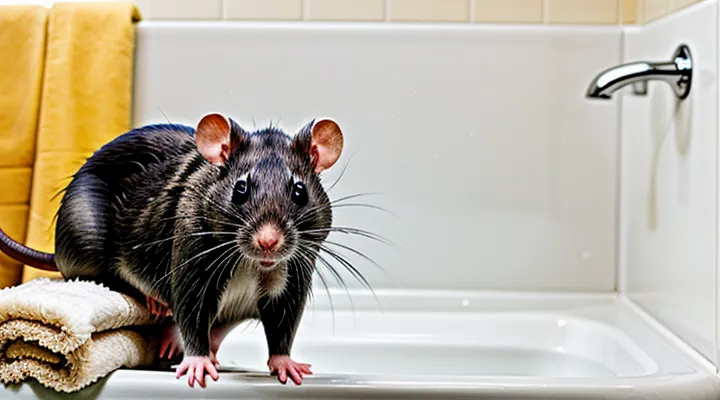
The Natural Cleanliness of Rats
Why Rats Rarely Need Baths
Self-Grooming Habits
Pet rats devote a large portion of their daily activity to self‑grooming, a behavior that maintains coat integrity, removes parasites, and regulates body temperature. The process involves precise movements of the forepaws, mouth, and hind limbs, allowing the animal to reach most of its fur without external assistance.
- Fur brushing – Rats run their teeth along each hair shaft, detangling and distributing natural oils.
- Facial cleaning – The forepaws wipe the whiskers and snout, preventing debris accumulation.
- Foot washing – Hind paws are licked and rubbed against the abdomen, keeping pads free of dirt.
- Tail grooming – The tail is combed with the mouth, reducing skin irritation.
These actions reduce the need for owner‑initiated baths. Rats that groom efficiently typically require only occasional spot cleaning to address soiled areas or external contaminants. Excessive bathing can disrupt the lipid layer produced during self‑grooming, leading to dry skin, increased susceptibility to infections, and heightened stress responses.
Veterinarians advise owners to monitor grooming effectiveness before deciding on a full immersion. If a rat appears unable to reach certain body parts, exhibits matting, or shows signs of ectoparasite infestation, targeted cleaning with a damp cloth or a brief, lukewarm shower may be justified. Otherwise, regular provision of a clean cage, fresh bedding, and opportunities for self‑maintenance suffices to keep the animal healthy and comfortable.
The Role of Scent Glands
Pet rats possess specialized scent glands located near the anus and on the forepaws. These glands release fatty secretions that convey information about age, reproductive status, and individual identity to other rats. The chemical profile of the secretions is unique to each animal and helps maintain a stable social structure within a colony.
Bathing a rat removes the surface layer of these secretions. Immediate consequences include:
- Disruption of established dominance hierarchies, leading to increased aggression or withdrawal.
- Heightened stress response, observable through elevated grooming and vocalization.
- Rapid re‑production of the scent coating, often within hours, which can mask the intended hygienic effect.
A common misconception asserts that a full immersion in water will eradicate the rat’s natural odor permanently. In practice, the scent glands continue to produce compounds regardless of external cleaning, and the animal’s perception of cleanliness is tied to the presence of its own scent markers, not to the absence of odor to human observers.
Effective hygiene for pet rats relies on methods that preserve glandular secretions while controlling pathogens:
- Spot cleaning with a damp, unscented cloth to remove fecal matter without stripping the scent layer.
- Weekly cage substrate changes and regular disinfection of food dishes and water bottles.
- Use of a mild, rat‑safe grooming spray only when necessary, applied sparingly to the fur surface.
By respecting the functional role of scent glands, owners can maintain both the health of their rats and the integrity of the animals’ social communication system.
When a Bath Might Be Necessary
Specific Scenarios for Bathing
Medical Conditions Requiring Cleaning
Pet rats occasionally develop health issues that cannot be managed by routine grooming alone. In such cases, targeted cleaning becomes a therapeutic requirement rather than a cosmetic choice.
- Dermatitis or skin infections – bacterial or fungal growth creates moist, foul‑smelling patches that must be washed with a veterinarian‑approved antiseptic solution to reduce pathogen load and promote healing.
- Matted fur caused by excessive grooming or injury – dense tangles trap debris and moisture, increasing the risk of ulceration; careful trimming followed by a mild, hypoallergenic cleanser restores skin integrity.
- Anal gland blockage or prolapse – secretions accumulate around the perianal area, leading to irritation and secondary infection; gentle irrigation with saline eliminates buildup and eases discomfort.
- External parasites (mites, fleas) – infestations embed eggs and larvae in the coat; a thorough bath with a prescribed acaricide removes the organisms and prevents reinfestation.
- Post‑surgical wound care – incision sites may require periodic rinsing to prevent contamination; sterile saline or prescribed wound cleanser should be applied according to veterinary instructions.
When a medical condition demands cleaning, follow these protocols: use lukewarm water (approximately 37 °C) to avoid thermal shock; limit exposure to 2–3 minutes to reduce stress; employ a soft, lint‑free cloth or syringe‑driven stream for precise application; dry the animal with a low‑speed, low‑heat blower or absorbent towels, ensuring no residual moisture remains. Monitor the rat for signs of distress, respiratory difficulty, or worsening of the underlying condition, and seek veterinary advice immediately if any adverse response occurs.
Exposure to Harmful Substances
Bathing pet rats raises concerns about chemical exposure because their skin and respiratory systems are highly sensitive. Many commercial shampoos contain surfactants, fragrances, and preservatives that rats cannot metabolize safely. Direct contact with these agents can lead to dermatitis, respiratory irritation, or systemic toxicity.
Common pet‑care products often include the following harmful substances:
- Sodium lauryl sulfate – disrupts skin barrier, causing dryness and inflammation.
- Parabens – estrogenic activity, potentially affecting hormonal balance.
- Essential oil blends – can be cytotoxic, especially when inhaled.
- Alcohol‑based cleansers – evaporate quickly, leaving irritant residues.
- Formaldehyde‑releasing preservatives – known irritants and possible carcinogens.
Safe bathing practices rely on minimal chemical use. Warm water alone cleanses effectively; if additional cleaning is required, apply a damp cloth moistened with plain, non‑chlorinated water. Products labeled “rat‑safe” or formulated for small mammals must list all ingredients; verify the absence of the substances above before use. After cleaning, dry the animal gently with a soft towel and observe for signs of irritation such as redness, sneezing, or excessive grooming.
In summary, exposure to harmful chemicals during rat bathing is a realistic risk. Avoid commercial shampoos, choose water‑only methods, and ensure any additives are free of known irritants. Regular observation after cleaning confirms that the animal remains healthy and free from adverse reactions.
Extreme Dirt or Odor
Pet rats that live in cages with inadequate cleaning can accumulate a thick layer of bedding, urine, and feces. This buildup creates a gritty texture on the fur and a strong, ammonia‑like smell that may be mistaken for a health problem.
Extreme grime interferes with normal grooming behavior. Rats spend several minutes each day licking their coat; when debris clogs the fur, the animal cannot remove it efficiently, leading to skin irritation and increased risk of infection. Persistent odor indicates that waste has soaked into the bedding and possibly the cage walls, providing a breeding ground for bacteria and parasites.
Bathing is not a routine solution for such conditions. Water immersion can strip natural oils, cause hypothermia, and stress the animal. Effective management relies on preventive measures:
- Remove and replace all bedding weekly; use absorbent, dust‑free material.
- Spot‑clean urine and feces daily with a mild, pet‑safe disinfectant.
- Provide a sand bath or dust‑free substrate for rats that enjoy rolling, which helps loosen surface dirt without water.
- Monitor for signs of skin lesions; treat with veterinarian‑approved topical ointments rather than frequent baths.
If a rat’s coat is visibly matted or emits a foul odor despite regular cage maintenance, a single, brief shower with lukewarm water and a small amount of unscented baby shampoo may be performed. Immediately dry the animal with a low‑heat hair dryer or towel, and keep it in a warm, draft‑free environment until fully dry. This approach addresses extreme dirt or odor while preserving the rat’s natural skin barrier.
The Risks of Improper Bathing
Hypothermia and Respiratory Issues
Bathing a pet rat can lower body temperature rapidly. Rats maintain a high metabolic rate; exposure to water that is too cold or prolonged immersion removes the insulating fur layer, causing core temperature to drop below normal limits. Hypothermia develops within minutes, especially in younger or underweight individuals. Immediate signs include shivering, lethargy, and loss of coordination. If untreated, the condition progresses to reduced heart rate and possible cardiac arrest.
Respiratory complications arise when moisture remains on the nasal passages and lungs. Wet fur hinders normal ventilation, increasing the risk of bronchial inflammation and pneumonia. Observable symptoms are rapid or labored breathing, nasal discharge, and coughing. Prevention requires:
- Use lukewarm water (approximately 37 °C / 98 °F).
- Limit exposure to 30 seconds or less.
- Dry the rat thoroughly with a low‑heat hair dryer or soft towel immediately after cleaning.
- Monitor temperature and breathing for at least an hour post‑bath.
Prompt warming and dry environment restore normal function; delayed intervention may necessitate veterinary care to address hypothermia or respiratory infection.
Skin Dryness and Irritation
Bathing a pet rat can remove surface contaminants, but excessive moisture disrupts the natural lipid barrier of the skin. When the barrier is compromised, transepidermal water loss increases, leading to dryness that manifests as flaky patches or a dull coat. Dry skin often precedes irritation; rats may scratch or gnaw at affected areas, which can introduce secondary infections.
Key factors influencing skin health during bathing:
- Water temperature: Warm (not hot) water prevents vasodilation that can accelerate fluid loss from the skin.
- Duration: Sessions longer than one minute raise the risk of lipid depletion; brief rinses are sufficient for spot cleaning.
- Cleaning agents: Only mild, fragrance‑free, pet‑safe shampoos maintain pH balance; harsh detergents strip oils and provoke inflammation.
- Drying method: Patting with a soft towel and allowing natural air drying avoids friction that irritates delicate fur and skin.
- Frequency: Bathing more than once a month typically outweighs benefits, as rats groom themselves and produce natural oils regularly.
If dryness appears after a bath, immediate steps include applying a veterinary‑approved moisturizer or a thin layer of hypoallergenic ointment, and reducing bathing frequency. Persistent irritation warrants veterinary examination to rule out dermatitis, fungal infection, or allergic reaction to the cleanser.
Stress and Behavioral Changes
Bathing a pet rat can trigger a measurable stress response. Cortisol levels rise within minutes of exposure to water, especially when the animal lacks prior habituation. Elevated cortisol suppresses immune function and may delay recovery from minor injuries.
Observable behavioral changes indicate acute discomfort. Rats often exhibit frantic shaking, rapid breathing, and attempts to escape the container. After the bath, they may hide for extended periods, reduce food intake, and display diminished exploration of familiar objects.
Repeated exposure without proper acclimation intensifies anxiety. Chronic stress manifests as stereotypic pacing, excessive grooming, and aggression toward handlers. These patterns correlate with reduced social interaction and lower overall activity levels.
To limit stress while maintaining hygiene, follow these guidelines:
- Introduce water gradually using a shallow dish; allow the rat to explore the wet surface voluntarily.
- Keep bath duration under two minutes; terminate the session at the first sign of agitation.
- Use lukewarm water (30‑32 °C) to avoid thermal shock.
- Dry the animal with a soft towel immediately; avoid hairdryers or forced airflow.
- Offer a familiar treat or nesting material post‑bath to reinforce a positive association.
Implementing these practices preserves coat cleanliness without compromising the rat’s physiological balance or behavioral wellbeing.
Safe Bathing Techniques for Pet Rats
Preparing for a Rat Bath
Gathering Supplies
When preparing to bathe a pet rat, select items that ensure safety, comfort, and cleanliness. A shallow, non‑slip basin allows the animal to stand without risk of drowning. Use a thermometer or a water‑temperature probe to confirm the water stays between 30‑32 °C (86‑90 °F), the range tolerated by rodents. Choose a mild, fragrance‑free shampoo formulated for small mammals; avoid products containing detergents, alcohol, or essential oils. A separate, unscented conditioner designed for rodents can help maintain coat health, but it is optional.
Absorbent towels made of cotton or microfiber should be readily available for immediate drying. Disposable gloves protect the handler from bites and limit scent transfer, which can stress the rat. A soft, silicone grooming brush assists in removing debris without damaging delicate fur. Keep a supply of paper towels or clean cloths for spot cleaning and to wipe the basin after use.
Additional accessories improve efficiency: a small cup for gentle rinsing, a dry powder (such as corn starch) to absorb excess moisture, and a sealed container for disposing of used water. Store all items within arm’s reach to minimize the time the rat spends unattended in the basin.
Water Temperature Considerations
When cleaning a pet rat, water temperature is the most critical factor for safety and comfort.
- Ideal range: 30 °C to 35 °C (86 °F–95 °F). This mimics the warmth of a rat’s natural nest and prevents shock.
- Minimum acceptable temperature: 25 °C (77 °F). Below this, rats may become hypothermic quickly, especially if the bath lasts more than a minute.
- Maximum acceptable temperature: 38 °C (100 °F). Higher temperatures can cause burns to delicate skin and accelerate dehydration.
Testing water temperature before immersion is essential. Use a digital thermometer or place a few drops on the inside of your wrist; the water should feel warm, not hot.
Cold water triggers vasoconstriction, reducing blood flow to the skin and increasing the risk of respiratory distress. Hot water accelerates metabolism, leading to rapid breathing and possible overheating. Both extremes can stress the animal, impair grooming behavior, and compromise immune function.
For brief spot cleaning, lukewarm water (around 32 °C) applied with a soft cloth is sufficient. Full immersion should be limited to 30–45 seconds, followed immediately by gentle drying with a towel and placement in a pre‑warmed enclosure.
Maintaining consistent water temperature throughout the bath eliminates temperature fluctuations that could cause panic or injury. Adjust ambient room temperature if necessary to keep the bathing environment stable.
Creating a Calm Environment
A calm setting reduces stress and improves the likelihood of a successful wash for a pet rat. Begin by selecting a quiet room away from household traffic. Close doors, turn off televisions and radios, and dim bright lights to create a low‑stimulus atmosphere.
Prepare the bathing area in advance. Fill a shallow, non‑slippery container with warm water (approximately 30 °C/86 °F). Place a soft towel at the bottom to prevent slipping. Keep all necessary items—towel, mild rodent‑safe cleanser, and a dry cloth—within arm’s reach so the rat is not left unattended.
Handle the animal gently. Support the body with both hands, allowing the rat to feel secure. Speak in a low, steady voice to provide auditory reassurance. Avoid sudden movements that could trigger a flight response.
Control ambient conditions. Maintain room temperature between 22 °C and 24 °C (72 °F–75 °F) to prevent chills. Use a fan on low speed only if it helps disperse humidity without creating drafts.
Establish a consistent routine. Bathing at the same time each week signals predictability, which rodents interpret as safety. After the wash, wrap the rat in a dry, absorbent towel and keep it in a warm, draft‑free enclosure until fully dry.
Key steps for a stress‑reduced bath:
- Choose a quiet, dimly lit space.
- Prepare warm water and a non‑slippery surface.
- Keep all supplies within easy reach.
- Support the rat securely and speak calmly.
- Maintain moderate room temperature.
- Follow a regular schedule and dry the animal promptly.
Implementing these measures creates an environment that minimizes anxiety, allowing the bath to address hygiene concerns without compromising the rat’s welfare.
The Bathing Process
Gentle Immersion and Support
Pet rats rarely require full‑body washing; most owners rely on spot cleaning with a damp cloth. When immersion is necessary—such as after exposure to toxic substances—water temperature should hover around 30 °C (86 °F) to prevent shock. Fill a shallow basin no deeper than two inches, submerge the animal briefly, and support the torso with one hand while the other steadies the head. This grip limits panic and maintains airway alignment.
Key practices for a safe soak include:
- Use lukewarm, distilled or filtered water; avoid chlorinated tap water that can irritate skin.
- Add a few drops of a mild, pet‑safe cleanser only if the rat’s fur is heavily soiled; otherwise, plain water suffices.
- Limit exposure to 30 seconds; prolonged immersion raises the risk of hypothermia.
- Dry the rat immediately with a low‑heat hairdryer set on “cool” or a soft towel; keep the environment warm until the animal regains normal activity.
- Monitor breathing and behavior throughout; abort the process if the rat shows signs of distress such as frantic squeaking or excessive shivering.
Support after bathing extends to nutrition and hydration. Offer a fresh water bottle and a small portion of high‑protein food within an hour to replenish energy reserves. Observe the rat for at least 15 minutes to ensure it resumes normal grooming and movement. Properly executed gentle immersion, coupled with attentive post‑care, addresses the few situations where a full wash is unavoidable while preserving the animal’s health.
Using Rat-Safe Shampoos
When a rat’s coat becomes oily, dusty, or soiled after handling, a gentle cleaning can be beneficial. The most reliable method involves a shampoo specifically formulated for rodents, which differs fundamentally from products intended for dogs, cats, or humans.
Key characteristics of rat‑safe shampoos include:
- Mild surfactants that cleanse without stripping natural oils.
- pH balance close to the animal’s skin (approximately 6.5–7.0).
- Absence of fragrances, dyes, and harsh preservatives that could irritate sensitive skin.
- Non‑toxic ingredients such as oatmeal, aloe, or chamomile extracts, verified by veterinary standards.
Application should follow a brief, controlled process: dampen the rat with lukewarm water, apply a pea‑sized amount of shampoo, massage gently for no more than 30 seconds, then rinse thoroughly with clean water. Immediate drying with a soft towel prevents chill and reduces stress.
Regular use of an appropriate rodent shampoo eliminates misconceptions that bathing is inherently harmful. Properly selected products maintain coat health, reduce dermal infections, and support overall hygiene without compromising the animal’s well‑being.
Rinsing Thoroughly
Bathing a pet rat requires a precise rinsing stage to remove soap residues that can irritate delicate skin and respiratory passages. Excessive moisture on the fur retains detergent, leading to dermatitis or inhalation of suds during grooming. A thorough rinse eliminates these risks and supports normal coat maintenance.
Effective rinsing follows a short, warm shower of 30‑45 seconds. Use lukewarm water (approximately 35 °C) and a gentle stream that reaches the entire body without forcing water into the ears or nose. Hold the rat securely, allowing the head to stay above the water level to prevent aspiration.
Key steps for a complete rinse:
- Position the rat in a shallow basin; ensure water depth does not exceed the belly.
- Direct water from the base of the tail upward, sweeping toward the head.
- Observe that water flows freely off the fur; any pooling indicates incomplete removal.
- After the stream stops, gently pat the animal with a lint‑free towel to remove excess water, avoiding vigorous rubbing that could damage the coat.
Inspect the fur after drying. If any soap film remains, repeat the rinse with fresh water. Consistent practice of this method dispels the myth that rats can be bathed without thorough rinsing; it confirms that meticulous water removal is essential for the animal’s health.
Post-Bath Care
Drying Your Rat Safely
After a rat receives a water bath, immediate drying prevents hypothermia and skin irritation. Rats lose body heat quickly; a damp coat can lower core temperature within minutes. Prompt, gentle drying maintains comfort and health.
Effective drying techniques include:
- Place the rat on a clean, dry towel; pat the fur lightly rather than rubbing.
- Use a low‑speed, warm (not hot) hair dryer set to the lowest heat setting; keep the nozzle at least six inches away.
- Offer a second dry towel for the rat to burrow into, allowing residual moisture to evaporate naturally.
- Monitor the animal’s behavior; signs of shivering or lethargy indicate insufficient drying.
Safety considerations:
- Verify ambient room temperature exceeds the rat’s normal range (around 68–75 °F) before drying.
- Avoid direct airflow on the face and ears to prevent respiratory stress.
- Do not use scented or chemical sprays; they can irritate sensitive skin.
- Limit drying sessions to five minutes; prolonged exposure to air currents may cause stress.
Ensuring Warmth and Comfort
Bathing a pet rat can lower body temperature rapidly; immediate measures are required to prevent hypothermia. After water exposure, wrap the animal in a soft, absorbent towel and hold it until most moisture is removed. A brief period of gentle patting with a dry cloth speeds evaporation without chilling the skin.
Maintain ambient temperature between 22 °C and 25 °C (71 °F–77 °F) during and after the bath. If the room is cooler, use a low‑intensity heat lamp positioned at a safe distance, or place the wrapped rat on a warm surface such as a heated pad set to the lowest safe setting. Monitor the animal’s behavior; shivering, lethargy, or prolonged huddling indicate insufficient warmth.
Practical steps for comfort:
- Drying: Use a lint‑free towel; avoid hairdryers unless the airflow is cool and set to the lowest speed.
- Environment: Keep drafts away; close windows and doors, and eliminate direct airflow from fans.
- Post‑bath shelter: Provide a nest box with clean bedding, preferably a material that retains heat, such as shredded paper or fleece.
- Observation: Check the rat’s body temperature by gently feeling the ears and tail; they should feel warm, not cold to the touch.
Consistent application of these practices ensures the rat remains warm and comfortable, reducing stress and health risks associated with bathing.
Alternatives to Full Baths
Spot Cleaning Methods
Damp Cloth Cleaning
Pet owners often assume that a full‑body soak is necessary to keep a rat clean, yet evidence shows that a damp cloth is sufficient and safer. Immersion in water lowers body temperature, can cause stress, and may lead to respiratory problems because rats readily inhale moisture when their fur becomes saturated.
A damp cloth removes surface grime without saturating the coat. The procedure consists of:
- Selecting a soft, lint‑free fabric.
- Moistening the cloth with warm (not hot) water; avoid adding soap unless a veterinarian recommends a specific cleanser.
- Gently wiping the rat’s head, back, and limbs in short strokes, allowing excess moisture to evaporate naturally.
- Inspecting the skin for signs of irritation or parasites after each session.
Myths that a wet wipe is inadequate stem from the belief that rats require deep cleaning to prevent odor. In reality, regular light cleaning eliminates the majority of dirt and reduces the need for harsh chemicals. Applying soap or shampoo can strip natural oils, leading to dry skin and increased shedding.
Consistent use of a damp cloth preserves the integrity of the fur, maintains skin health, and minimizes stress compared with full baths. This method aligns with best practices for small‑animal care and supports overall well‑being.
Unscented Wipes
Unscented wipes provide a practical alternative to full‑body baths for small rodents. They remove surface grime, urine residues, and mild odors without immersing the animal in water, which can cause stress and hypothermia.
Key advantages:
- No fragrance, reducing risk of respiratory irritation.
- Simple application: wipe each side of the body, tail, and paws with a single swipe.
- Quick drying time, allowing immediate return to the cage.
Considerations:
- Wipes do not substitute for cleaning of the cage, bedding, or food dishes.
- Overuse may strip natural oils, leading to dry skin; limit to once or twice weekly unless the rat becomes visibly dirty.
- Choose products labeled veterinary‑grade and free of alcohol or harsh solvents.
Effective use protocol:
- Inspect the rat for wounds or abscesses; avoid wiping compromised skin.
- Hold the rat gently, supporting the body to prevent injury.
- Use a fresh wipe for each area to prevent cross‑contamination.
- Discard the wipe after use; do not reuse on another animal.
- Observe the rat for signs of discomfort; discontinue if irritation appears.
When a thorough cleaning is required—such as after a medical procedure or severe soiling—brief, lukewarm water baths remain the standard method. Unscented wipes complement, not replace, that practice.
Sand Baths and Dusting Powders
Benefits for Fur Health
Bathing pet rats, when performed correctly, directly influences coat condition and overall skin health. Water removes accumulated debris that can trap moisture, preventing the development of fungal or bacterial infections.
Key benefits for fur health include:
- Elimination of excess oils that, if left unchecked, cause greasiness and attract dirt.
- Restoration of natural shine by redistributing sebum evenly across each hair shaft.
- Reduction of mite and flea populations through thorough rinsing of habitats where parasites hide.
- Removal of shed hair that otherwise forms mats, decreasing the risk of skin irritation and alopecia.
- Promotion of better thermoregulation as a clean coat improves heat dissipation during activity.
Regular, gentle baths combined with a suitable, non‑irritating shampoo support a resilient coat, lower incidence of dermatological problems, and a more comfortable animal.
Choosing Appropriate Products
When bathing a pet rat, the choice of products determines whether the experience supports skin health, fur condition, and overall well‑being.
Select a cleanser formulated specifically for small mammals. Such products contain mild, pH‑balanced surfactants that remove dirt without stripping natural oils. Avoid shampoos designed for dogs, cats, or humans, as they often include fragrances, harsh detergents, or antibacterial agents that can irritate a rat’s delicate epidermis.
A water‑soluble, non‑foaming formula reduces the risk of inhalation and eye irritation. Look for labels that list ingredients such as aloe vera, oatmeal, or chamomile, which provide soothing properties. Products free of parabens, sulfates, and artificial dyes further minimize the chance of allergic reactions.
If a conditioner is desired, choose a lightweight, rinse‑free spray that restores moisture without leaving a residue that could attract dirt. Apply sparingly to the coat, focusing on the dorsal area where fur tends to mat.
Cleaning accessories should be soft, non‑abrasive, and easy to sterilize. Options include:
- Silicone or rubber wash mitts with a gentle texture.
- Soft, lint‑free towels for drying; avoid paper products that can shed fibers.
- Small, plastic bowls for lukewarm water; metal containers may become too cold quickly.
Maintain a dedicated set of tools for each rat to prevent cross‑contamination. After each bath, rinse thoroughly with lukewarm water, ensuring no product remains in the fur or ears. Pat the animal dry, then monitor for signs of skin redness, excessive scratching, or respiratory distress. Promptly discontinue any product that provokes adverse reactions and consult a veterinarian experienced with rodents.
Dispelling Common Bathing Myths
Myth: Rats Enjoy Water
Rats are commonly believed to love water, yet observations and scientific reports contradict this notion. In laboratory and home environments, most rats display avoidance behavior when presented with a water source beyond a shallow dish for drinking. The instinct to escape immersion stems from their natural habitat, where exposure to open water increases predation risk and can lead to hypothermia.
Key points that refute the myth:
- Stress response – Elevated cortisol levels appear shortly after a rat is placed in a tub, indicating acute stress.
- Thermoregulation – Dense fur and a high surface‑to‑volume ratio cause rapid heat loss in water, risking hypothermia even in lukewarm conditions.
- Escape attempts – Rats frequently scramble to climb out of containers, sometimes injuring themselves on the sides.
- Behavioral preference – When given a choice, rats favor dry nesting material over damp bedding, reinforcing aversion to prolonged moisture.
Practical guidance for owners who must bathe a rat (e.g., for medical reasons) includes:
- Use a shallow, lukewarm basin no deeper than 1–2 cm.
- Limit exposure to 30 seconds or less.
- Dry the animal immediately with a low‑heat hair dryer set on a gentle setting.
- Observe for signs of stress—rapid breathing, vocalization, frantic movement—and discontinue if they appear.
The consensus among veterinarians and rodent specialists is that routine bathing is unnecessary and can be detrimental. Providing a clean cage, regular spot cleaning, and a water dish for drinking satisfies hygiene needs without subjecting rats to the discomfort associated with immersion.
Myth: Regular Baths Keep Rats Healthy
Regular bathing is often presented as a preventive measure for rodent health, yet scientific observations contradict this belief. Rats possess a natural grooming habit that effectively removes dirt and parasites; external washing interferes with skin oils and can cause irritation. Over‑watering disrupts the delicate balance of the pelage, leading to matting and increased risk of skin infections.
Key points demonstrating why frequent baths are unnecessary:
- Self‑grooming efficiency: Rats spend up to 15 % of their waking hours licking and cleaning their fur, which removes debris without harming the skin barrier.
- Skin integrity: Water and soap strip sebaceous secretions, resulting in dryness, cracks, and susceptibility to bacterial invasion.
- Stress response: Handling for baths triggers cortisol release, compromising immune function and potentially shortening lifespan.
- Temperature regulation: Rats regulate body heat through whisker and fur insulation; excessive moisture impairs this process and may cause hypothermia.
Veterinary guidelines recommend bathing only when a rat is visibly soiled with substances that self‑grooming cannot remove, such as oil or toxic chemicals. In such cases, a brief, lukewarm rinse with a mild, rodent‑safe cleanser, followed by immediate drying, minimizes health risks. Regular baths, however, do not contribute to improved wellness and may, in fact, undermine it.
Myth: All Soaps Are Safe for Rats
The belief that any soap can be used on a pet rat is false. Human shampoos, dish detergents, and scented soaps contain surfactants, fragrances, and preservatives that irritate a rat’s delicate skin and respiratory system. These compounds often have a pH level far above the neutral range required for rodent skin, leading to dryness, dermatitis, and possible infection.
Ingredients commonly found in unsafe products include:
- Sodium lauryl sulfate or similar harsh surfactants
- Parabens, formaldehyde releasers, and other preservatives
- Essential oils, citrus extracts, or strong fragrances
- Antibacterial agents such as triclosan
Safe bathing practices involve:
- Warm water at room temperature, no colder than 25 °C (77 °F)
- A shampoo formulated specifically for small rodents or other exotic pets, free of dyes and strong fragrances
- A minimal amount of product, applied gently to the fur and avoided on the face and ears
- Thorough rinsing to eliminate any residue, followed by immediate drying with a soft towel
Using a rodent‑specific cleanser preserves the natural oil balance, reduces stress, and prevents skin complications. Regular grooming with a damp cloth can often replace full baths, minimizing exposure to chemicals altogether.