
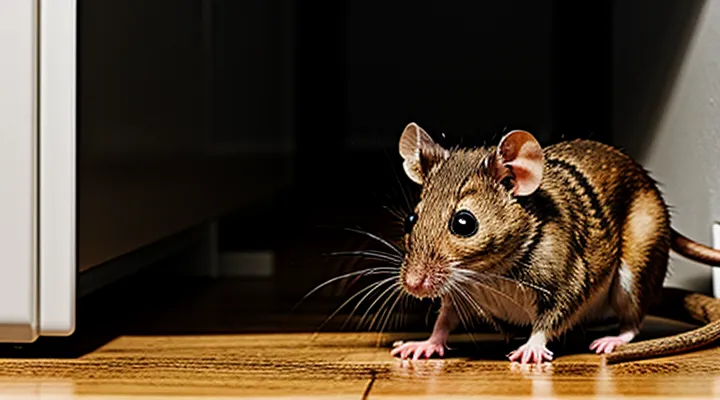
Understanding House Mice
Wild vs. Domesticated Rodents
House mice (Mus musculus) exhibit behaviors that differ markedly from those of rodents selectively bred for companionship, such as fancy mice or guinea pigs. Wild individuals retain strong neophobia, rapid flight responses, and territorial aggression, which impede habituation to human presence. Domesticated strains display reduced fear of humans, increased social tolerance, and a propensity to seek interaction, outcomes of generations of selective breeding for docility.
Key distinctions:
- Genetic selection: Domesticated rodents carry alleles linked to reduced stress reactivity; wild mice lack these modifications.
- Social structure: Captive colonies are often formed in small, stable groups, fostering cooperative behaviors; wild populations operate in fluid hierarchies with constant competition.
- Environmental exposure: Laboratory or pet environments provide predictable food sources and shelter, encouraging trust; wild habitats present variable resources and predators, reinforcing avoidance.
- Learning capacity: Both groups can learn from repeated handling, but domesticated individuals acquire conditioned responses faster and retain them longer.
Taming a house mouse therefore depends on altering its environment and behavior through consistent, low‑stress exposure. Successful taming protocols include:
- Gradual introduction of hand‑feeding using soft foods.
- Daily, brief handling sessions lasting no more than a few minutes.
- Provision of nesting material and hiding places to reduce perceived threat.
- Avoidance of sudden movements or loud noises that trigger flight.
Even with optimal conditions, wild house mice retain a baseline wariness that limits the depth of human‑mouse interaction compared with fully domesticated rodents. The practical limit of tameness aligns with the animal’s innate survival instincts, which cannot be eliminated but can be moderated through persistent, gentle conditioning.
Natural Behavior and Instincts
House mice are primarily nocturnal foragers. Their activity peaks after dark, when they search for seeds, insects and human food waste. This pattern reduces exposure to predators and aligns with the availability of food scraps in human habitats.
Instincts governing survival include:
- Strong scent‑based communication; individuals deposit urine and glandular secretions to mark territory and identify kin.
- Hierarchical social structure; dominant mice control access to nesting sites and resources, while subordinates exhibit submissive postures.
- Rapid reproductive drive; females can produce multiple litters each year, each consisting of 5‑8 pups, ensuring population resilience.
- Nest‑building behavior; mice collect soft materials such as paper fibers, cotton and hair to construct insulated chambers.
- Vigilance and flight response; acute hearing and whisker sensitivity trigger immediate escape when potential threats are detected.
These innate behaviors persist regardless of human contact, limiting the extent to which a house mouse can be domesticated.
The Challenges of Taming a House Mouse
Fear and Survival Instincts
House mice rely on acute fear responses to detect predators and unfamiliar stimuli. When a human enters their environment, the animal’s nervous system triggers a rapid flight reaction, releasing adrenaline that heightens alertness and prepares muscles for escape. This physiological cascade limits the time available for social learning, making consistent interaction difficult.
Survival instincts prioritize concealment and quick retreat over curiosity. The mouse’s natural repertoire includes:
- Immediate fleeing at the slightest disturbance
- Preference for narrow, dark routes that offer shelter
- Frequent use of scent marking to map safe zones
- Rapid habituation only after repeated exposure without threat
These behaviors are hard‑wired; they persist even when food is offered, because the perceived risk outweighs the reward.
Successful taming attempts must suppress the fear circuit long enough for the mouse to form a positive association with human presence. Repeated, low‑stress contact, predictable feeding schedules, and safe enclosure design gradually reduce the animal’s threat assessment, allowing limited trust to develop. Without systematic desensitization, the instinct to flee remains dominant, and the mouse will resist domestication.
Health Risks Associated with Wild Mice
Zoonotic Diseases
House mice (Mus musculus) frequently inhabit human environments, providing frequent opportunities for pathogen transmission. Direct contact, bites, scratches, or handling of contaminated bedding can introduce agents that cause illness in people.
Key zoonotic agents associated with house mice include:
- Hantavirus – transmitted through aerosolized urine, droppings, or saliva; can cause hemorrhagic fever with renal syndrome or hantavirus pulmonary syndrome.
- Salmonella spp. – spread via fecal contamination of food or surfaces; leads to gastroenteritis.
- Leptospira interrogans – shed in urine; may result in leptospirosis, presenting with fever, headache, and renal impairment.
- Lymphocytic choriomeningitis virus (LCMV) – present in mouse secretions; can cause meningitis or encephalitis, particularly risky for immunocompromised individuals and pregnant women.
- Bartonella spp. – transmitted by ectoparasites feeding on mice; associated with fever, endocarditis, and vascular lesions.
Risk factors increase when mice are kept as pets or handled regularly. Stress from captivity can elevate shedding rates, while inadequate sanitation amplifies environmental contamination. Protective measures—regular hand washing, use of gloves, routine cage cleaning, and health screening of the animal—reduce exposure but do not eliminate it.
Consequently, attempts to domesticate a house mouse must account for the persistent threat of zoonotic disease transmission. The decision to keep such a rodent involves weighing the potential for human infection against any perceived benefits of taming.
Parasites
House mice (Mus musculus) commonly host ectoparasites and endoparasites that affect their health and behavior. Fleas (e.g., Xenopsylla cheopis) attach to the skin, feed on blood, and can transmit bacterial pathogens such as Yersinia pestis. Mites (e.g., Myobia musculinus) cause irritation, leading to excessive grooming and skin lesions. Both groups thrive in environments with high mouse density and poor sanitation.
Internal parasites include nematodes (e.g., Aspiculuris tetraptera) that inhabit the intestinal tract, causing weight loss, diarrhea, and reduced vigor. Tapeworms (Hymenolepis nana) may be present when mice ingest contaminated food or feces, resulting in nutrient depletion. Protozoan infections, such as Giardia spp., produce malabsorption and can be transmitted to humans handling the animals.
Parasite burden influences a mouse’s suitability for domestication. Heavy infestations diminish activity levels, increase stress responses, and raise the risk of zoonotic disease transmission to caretakers. Effective management requires:
- Regular health examinations by a qualified veterinarian.
- Application of approved ectoparasitic treatments (e.g., topical ivermectin, selamectin).
- Strategic deworming protocols targeting identified endoparasites.
- Maintenance of clean housing, frequent bedding changes, and control of wild rodent ingress.
Eliminating or minimizing parasitic infections improves the mouse’s physiological condition, stabilizes behavior, and reduces health hazards for humans attempting to keep the animal as a companion.
Short Lifespan and Breeding Habits
House mice (Mus musculus) typically live 12–18 months in the wild, with most individuals dying before reaching two years. Mortality peaks during the first six weeks as juveniles face predation, disease, and competition for food. In laboratory settings, where hazards are minimized, the average lifespan extends to about 24 months, yet senescence signs appear after the first year.
Reproductive biology accelerates population growth:
- Sexual maturity occurs at 5–6 weeks of age.
- Estrous cycles last 4–5 days; females can become pregnant immediately after weaning.
- Gestation lasts 19–21 days, producing litters of 5–8 pups on average.
- Post‑natal development reaches independence by 21 days, allowing a new breeding cohort within a month.
- Females may produce 5–10 litters per year under favorable conditions.
These traits generate rapid turnover, limiting the window for social conditioning. Frequent breeding cycles mean that any individual mouse available for taming will likely be less than a year old, a period when natural wariness and high activity dominate behavior. Consequently, attempts to domesticate a house mouse must contend with a brief, highly dynamic life stage, requiring early, consistent interaction to influence temperament before reproductive and survival pressures intensify.
Can a House Mouse Become Accustomed to Humans?
Gradual Habituation
Food as a Motivator
Food can serve as an effective motivator when attempting to tame a domestic mouse. Mice possess a strong preference for high‑energy items, and their natural foraging behavior makes them responsive to predictable rewards.
Operant conditioning relies on immediate reinforcement. Presenting a bite of food within a few seconds of a desired action strengthens the association between the behavior and the reward. Consistency in timing prevents the development of confusion or frustration.
Typical food choices include:
- Small pieces of seed or grain (sunflower, millet)
- Soft fruit fragments (apple, banana)
- Commercial mouse treats formulated with protein and fat
- Tiny amounts of cheese or peanut butter (used sparingly to avoid health issues)
A step‑by‑step protocol:
- Select a quiet enclosure and place a single food item at a fixed spot.
- Allow the mouse to discover the item without interference.
- When the mouse approaches or contacts the food, gently guide it toward a target (e.g., a hand or a designated platform) and immediately deliver another bite.
- Repeat the sequence several times per session, keeping each session short (5–10 minutes) to maintain focus.
- Gradually increase the distance between the food source and the target, reducing the reliance on food as the sole cue.
Safety considerations demand fresh, uncontaminated food and avoidance of items that can cause digestive distress. Monitoring weight ensures that food‑based training does not lead to obesity. Ethical handling requires respect for the animal’s stress signals; cease the session if the mouse exhibits prolonged avoidance or aggression.
Creating a Safe Environment
A calm mouse will only accept human interaction if its surroundings eliminate threats and provide comfort.
Essential elements of a secure habitat include:
- A sturdy cage with smooth bars spaced no more than ½ inch to prevent escape and injury.
- Solid flooring covered by thick, chew‑resistant bedding such as aspen shavings; avoid pine or cedar, which release harmful oils.
- Fresh water supplied in a metal bottle to avoid contamination.
- A balanced diet of commercial mouse pellets supplemented with small portions of fresh fruit, vegetables, and occasional protein.
- No exposed wires, sharp objects, or toxic plants within reach.
Ongoing maintenance reinforces safety:
- Clean the enclosure weekly, removing soiled bedding and uneaten food to deter disease.
- Inspect bars, locks, and accessories for wear; replace damaged parts promptly.
- Rotate enrichment items—tunnels, chew toys, climbing branches—to keep the mouse mentally engaged and reduce stress.
- Observe behavior daily; signs of stress or injury require immediate adjustment of the environment.
By systematically eliminating hazards and meeting basic physiological needs, the mouse perceives its enclosure as a refuge, laying the groundwork for reliable handling and gradual domestication.
Limits of Taming
Lack of Genetic Predisposition
House mice (Mus musculus) lack the genetic traits that predispose certain species to domestication. Unlike animals such as dogs or guinea pigs, mice have not undergone selective breeding for reduced fear of humans, social tolerance, or cooperative behavior. Their genomes reveal an abundance of alleles linked to high stress reactivity and strong territorial instincts, which impede the formation of reliable human‑animal bonds.
Key genetic limitations include:
- Absence of mutations that suppress the hypothalamic‑pituitary‑adrenal axis response, resulting in heightened cortisol release when approached.
- Retention of alleles governing rapid flight responses, causing instinctive escape rather than approach.
- Lack of genes associated with prolonged social attachment, which in domesticated species support bonding over extended periods.
Because these genetic components are not present, attempts to tame a house mouse rely solely on conditioning rather than innate temperament. Conditioning can produce temporary tolerance but cannot override the underlying biological drive for avoidance and self‑preservation. Consequently, sustained tameness remains improbable without artificial genetic modification or long‑term, multi‑generational selective breeding, both of which are impractical for typical pet owners.
Retained Wildness
House mice retain instinctual behaviors that persist despite frequent human contact. These behaviors include rapid flight response, nocturnal foraging, and territorial scent marking. Genetic studies show that the species has evolved minimal physiological changes since its divergence from wild ancestors, preserving neural circuits responsible for predator avoidance and exploratory aggression.
When attempts are made to condition a mouse for companionship, retained wildness manifests as:
- Immediate retreat from sudden movements or unfamiliar objects.
- Preference for concealed nesting sites over open exposure.
- Persistent scent‑based communication that can trigger dominance disputes with conspecifics.
Successful habituation relies on consistent, low‑stress exposure, gradual desensitization to human presence, and reinforcement of calm behaviors. Even under optimal conditions, the mouse’s innate wariness limits the degree of tameness achievable, distinguishing it from species that have undergone extensive selective breeding for docility.
Alternatives to Taming Wild House Mice
Pet Mice as Companions
Domesticated Breeds
Domesticated mouse breeds result from selective breeding for temperament, coat color, and health traits. These strains are commonly used in laboratories, pet trade, and educational settings, each with distinct characteristics that influence their suitability for interaction with humans.
Laboratory strains such as C57BL/6 and BALB/c exhibit consistent behavior patterns, low aggression, and reduced stress responses. Their genetic uniformity facilitates reproducible research outcomes and provides a predictable baseline for handling.
Pet breeds, including the Fancy mouse and the Deer mouse variant, display a range of coat colors and patterns. They are selected for sociability, ease of grooming, and adaptability to cage environments. Typical features are:
- Calm demeanor under routine handling
- Minimal scent marking compared to wild counterparts
- Compatibility with small group housing
These domesticated lines demonstrate that targeted breeding can produce mice capable of regular human contact, supporting the premise that a house mouse can be conditioned for tame behavior when derived from such established breeds.
Benefits of Pet Mice
Pet mice provide companionship that fits small living spaces. Their presence offers consistent, observable interaction without the demands of larger animals.
- Low upkeep: food, bedding, and occasional cage cleaning require minimal time and expense.
- Educational value: observing foraging, nesting, and social behavior illustrates basic biological concepts for students of all ages.
- Stress mitigation: watching a mouse’s activity can lower cortisol levels and promote relaxation.
- Allergy-friendly alternative: hairless or short‑haired strains reduce allergen exposure compared to cats or dogs.
- Social enrichment: group housing allows mice to engage in natural hierarchy and grooming, enhancing their welfare and providing owners with insight into complex social structures.
Humane Exclusion and Pest Control
Prevention Methods
Effective prevention of a house mouse becoming accustomed to human presence requires targeted actions that limit interaction and discourage habituation. Secure food sources, eliminate shelter opportunities, and maintain strict sanitation standards to reduce attractants.
- Store grains, cereals, and pet food in sealed containers made of glass or thick plastic.
- Clean spills and crumbs immediately; sweep floors and vacuum upholstery daily.
- Repair structural gaps larger than ¼ inch; install steel wool or caulk around entry points.
- Use snap traps or electronic devices in concealed locations to control populations without offering bait that encourages approach.
- Remove clutter such as piles of paper, cardboard boxes, and unused fabrics that provide nesting sites.
Consistent application of these measures prevents mice from associating the environment with safety and sustenance, thereby reducing the likelihood of taming behavior and limiting infestation risk.
Ethical Removal Techniques
Ethical removal of house mice focuses on eliminating infestations while minimizing suffering, preventing environmental harm, and complying with animal‑welfare regulations. Techniques prioritize humane outcomes, avoid lethal traps when possible, and incorporate preventive measures to reduce recurrence.
Effective methods include:
- Live‑catch traps constructed from metal or durable plastic, designed to restrain mice without injury; captured individuals are released at a distance of at least 5 kilometers from residential areas.
- Snap traps equipped with calibrated spring mechanisms that deliver instantaneous, fatal blows; models certified by humane‑testing organizations meet strict impact standards.
- Electronic traps that emit a high‑frequency shock causing rapid death; devices must be insulated to protect non‑target species and household occupants.
- Exclusion strategies such as sealing entry points, installing door sweeps, and applying rodent‑proof mesh to vents; these reduce the need for active removal.
- Integrated pest‑management (IPM) plans combining sanitation, habitat modification, and monitored trapping to maintain low mouse populations over time.
Key considerations for each approach:
- Ensure traps are placed along established runways, near walls, and away from children or pets.
- Use bait that attracts mice but does not entice other wildlife; common choices include peanut butter, oatmeal, or commercial rodent attractants.
- Regularly inspect and reset traps to prevent prolonged confinement, which can cause stress or injury.
- Document removal activities to verify compliance with local wildlife statutes and to inform future prevention efforts.
- When releasing captured mice, select habitats lacking predators and abundant in shelter and food, thereby increasing survival odds.
Adopting these practices balances the objective of controlling house mouse presence with a commitment to humane treatment and responsible stewardship.