
Why Consider a Live Mouse as a Pet?
The Charm of Small Rodents
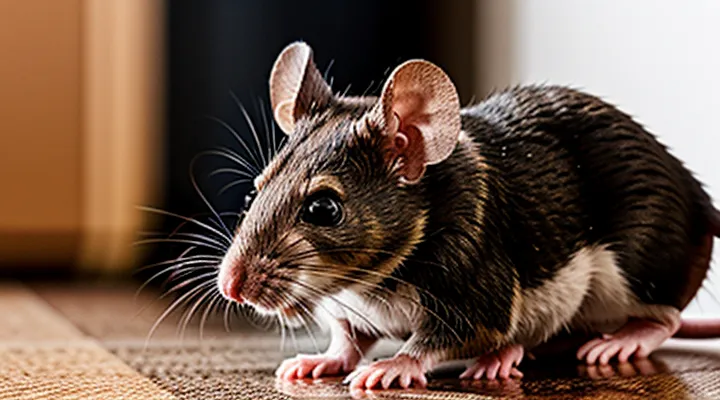
Small rodents attract owners with compact size, rapid movements, and a pronounced curiosity that encourages interactive observation. Their ability to navigate intricate environments with agility invites enrichment activities that enhance both animal welfare and owner engagement.
- Compact form factor allows housing in modest spaces while maintaining visual appeal.
- High activity levels provide continuous visual stimulation without requiring extensive handling.
- Social tendencies facilitate bonding through gentle taming and routine interaction.
- Natural grooming behavior reduces maintenance demands, keeping cages tidy with minimal intervention.
When selecting a live mouse, the creature’s charm translates into practical responsibilities. Adequate cage dimensions must accommodate exploratory behavior; appropriate substrate supports natural digging and prevents injury. Enrichment items—tunnels, wheels, chewable objects—satisfy instinctual foraging and prevent stress‑induced behaviors. Health monitoring focuses on coat condition, eye clarity, and activity patterns, all of which reflect the animal’s overall vitality and the effectiveness of its environment.
Prospective purchasers should match the rodent’s intrinsic appeal with a commitment to consistent care, environmental enrichment, and regular health checks. Aligning these factors ensures the charm of the small rodent remains a sustainable and rewarding aspect of ownership.
Educational Value for Children
A live mouse provides direct exposure to biological processes that textbooks cannot replicate. Observation of growth, behavior, and health indicators delivers concrete data for scientific inquiry.
Key educational outcomes include:
- Understanding anatomy through dissection or visual study.
- Learning genetics by tracking inheritance patterns in offspring.
- Developing responsibility by managing feeding schedules and cage hygiene.
- Enhancing observation skills through daily monitoring of activity and social interactions.
- Applying ethical reasoning when deciding on care standards and end‑of‑life considerations.
Effective implementation requires a secure enclosure, regular veterinary checks, and clear protocols for handling. Temperature, ventilation, and enrichment objects must meet species‑specific standards to prevent stress and disease.
Parents and educators should establish written care plans, assign consistent caretaker duties, and integrate mouse‑related activities into curricula such as biology labs, data‑collection projects, and discussions on animal welfare. Documentation of observations supports assessment and reinforces scientific methodology.
Low Maintenance Pet Benefits
When evaluating a small rodent as a companion, the level of daily care required becomes a decisive factor. A species that demands minimal grooming, limited space, and straightforward feeding routines aligns well with busy schedules and constrained living areas.
Low‑maintenance characteristics include predictable dietary needs, short cleaning cycles, and limited health monitoring. The animal’s size reduces the risk of property damage, while its short lifespan simplifies long‑term commitment planning.
- Simple diet: commercial pellets and occasional fresh produce provide complete nutrition.
- Minimal enclosure cleaning: weekly spot‑cleaning and monthly full changes keep hygiene manageable.
- No bathing or grooming: the fur self‑maintains, eliminating the need for regular washing.
- Compact housing: a small cage fits into apartments, dorm rooms, or office spaces without extensive modification.
- Quiet behavior: low vocalization levels prevent disturbance in shared living environments.
These attributes lower the time and financial investment required for responsible ownership. Prospective owners should verify that the supplier offers cages meeting ventilation standards, provides clear feeding guidelines, and includes a health guarantee. Confirming these details ensures the purchase aligns with the low‑maintenance expectations outlined above.
Before You Buy: Essential Considerations
Researching Mouse Breeds
Fancy Mice vs. Common Mice
When choosing a live mouse, the decision hinges on whether the animal is a decorative breed or a standard laboratory strain. Decorative, or “fancy,” mice are bred for specific coat colors, patterns, and body shapes, while common mice represent the typical phenotypes used in research facilities.
- Genetics: Fancy mice carry multiple recessive alleles that produce visual traits; common mice maintain a stable genetic background suited for reproducibility.
- Appearance: Fancy mice display a wide palette of fur colors, hair length variations, and ear modifications; common mice exhibit uniform coloration and standard morphology.
- Cost: Decorative breeds command higher prices due to selective breeding and limited supply; standard strains are produced in bulk, resulting in lower unit costs.
- Health screening: Fancy mice often lack rigorous pathogen testing; common mice undergo regular health monitoring to meet experimental standards.
- Temperament: Fancy mice may show increased aggression or anxiety from selective breeding; common mice are selected for docility and consistent behavior.
- Breeding considerations: Fancy mice require careful pairing to preserve desired traits; common mice are bred for genetic stability and minimal variation.
- Legal restrictions: Some jurisdictions impose additional permits for exotic or genetically modified decorative breeds; standard strains are generally exempt from such regulations.
Assess the intended purpose before purchase. If the mouse will serve as a pet or exhibit, prioritize visual traits and accept higher maintenance. For scientific experiments, select a strain with documented health status and genetic consistency. Align budget, regulatory compliance, and care capacity with the chosen category to ensure successful acquisition.
Lifespan and Size Variations
When acquiring a live mouse, two critical biological parameters dictate suitability for research, breeding, or pet purposes: expected longevity and adult dimensions.
Mice display a predictable lifespan range that depends on genetics, housing conditions, and health management. Typical laboratory strains live 18–24 months under optimal care; outbred stocks often reach 24–30 months. Factors that shorten life expectancy include poor nutrition, overcrowding, chronic stress, and untreated disease. Monitoring health status and providing a stable environment can extend the upper limits of the species’ natural lifespan.
Size variation correlates strongly with strain and sex. Adult body weight spans from 15–25 g for small‑stock strains (e.g., C57BL/6) to 35–45 g for larger outbred lines (e.g., CD‑1). Length measurements range from 7–9 cm (head‑to‑base) to 10–12 cm (total length, including tail). Males generally exceed females by 10–20 % in both weight and length. Selecting a strain that matches cage capacity, handling equipment, and experimental requirements prevents overcrowding and reduces stress.
Key considerations before purchase:
- Identify the intended use (research, breeding, companionship) to choose an appropriate strain.
- Verify the supplier’s health monitoring program to ensure longevity potential.
- Confirm cage size and enrichment provisions accommodate the expected adult dimensions.
- Account for sex‑specific size differences when planning group housing.
By aligning lifespan expectations with size specifications, buyers can secure mice that meet experimental standards, welfare criteria, and logistical constraints.
Understanding Mouse Behavior
Social Needs and Group Dynamics
Mice thrive when kept with conspecifics; solitary housing frequently leads to heightened anxiety, reduced exploratory behavior, and abnormal vocalizations. Their natural inclination to form stable groups creates a baseline for physiological stability and cognitive development.
Key social requirements include continuous interaction with familiar cage‑mates, a clear dominance hierarchy, and access to stimuli that encourage grooming, nesting, and foraging. Absence of these elements elevates cortisol levels and predisposes individuals to stereotypic movements.
Group dynamics depend on several variables. Compatible strains exhibit predictable affiliative patterns, while mixed strains may generate aggression. Same‑sex groups reduce breeding complications but can intensify territorial disputes; mixed‑sex groups require careful monitoring of reproductive cycles to prevent uncontrolled litters. Space allocation per animal, cage enrichment distribution, and regular observation of hierarchy shifts are essential to maintain low stress levels.
Before acquiring a live mouse, prospective owners should verify the following:
- Housing capacity that supports the intended group size and provides at least 0.5 sq ft per mouse.
- Availability of enrichment items (nesting material, tunnels, chew blocks) to satisfy exploratory drives.
- Access to a qualified veterinarian experienced with small rodents for health screening and ongoing care.
- A plan for gradual introduction of new individuals, including observation of submissive and dominant behaviors.
- Protocols for separating aggressive members without disrupting the overall hierarchy.
Meeting these criteria ensures that the social environment aligns with the species’ innate needs, thereby reducing welfare risks and fostering a stable, productive colony.
Nocturnal Habits and Activity Levels
When acquiring a live mouse, understanding its nocturnal behavior is essential for proper care. Mice are primarily active during the dark phase of the light‑dark cycle. They begin exploring, foraging, and running on wheels shortly after lights go out, and they typically enter a period of rest when daylight returns. Providing a dim or fully dark enclosure during the night encourages natural activity patterns and reduces stress.
Key considerations for nocturnal habits:
- Supply a running wheel or tunnels that operate silently; these structures satisfy the mouse’s instinct to run and explore during peak activity hours.
- Schedule feeding times to align with night‑time activity, offering fresh food and water shortly before the dark period.
- Ensure the cage is placed in a quiet area away from daytime disturbances, as mice are sensitive to sudden noises and light fluctuations.
Activity levels vary among individuals but generally remain high throughout the night. Mice may cover several meters of wheel distance each hour, engage in grooming, and interact with cage mates. Monitoring these behaviors helps identify health issues; a sudden decline in movement or reduced wheel use can signal illness or injury.
To accommodate vigorous nocturnal activity, select a cage with ample floor space and vertical enrichment. A minimum of 0.5 sq ft per mouse prevents overcrowding and allows free movement. Regularly rotate toys and rearrange the layout to maintain curiosity and prevent boredom, which can lead to stereotypic behaviors such as excessive chewing.
In summary, matching the enclosure environment, feeding schedule, and enrichment to the mouse’s night‑time routine promotes welfare and simplifies the transition from purchase to stable, healthy habitation.
Health and Genetics
Common Ailments to Watch For
When acquiring a live mouse, verify the animal’s health before transport. Look for signs that indicate common ailments which can affect research outcomes and animal welfare.
- Respiratory infection: nasal discharge, labored breathing, sneezing, reduced activity.
- Parasitic infestation (mites, pinworms): hair loss, scratching, visible parasites in bedding or fur.
- Bacterial infection (e.g., Salmonella, Klebsiella): fever, lethargy, diarrhea with foul odor, weight loss.
- Dermatitis or skin ulceration: reddened patches, crusty lesions, excessive grooming.
- Conjunctivitis: watery or purulent eye discharge, swollen eyelids, rubbing of eyes.
- Gastrointestinal distress: soft or watery stools, bloating, reduced food intake.
- Metabolic disorders (obesity, diabetes): excessive body fat, polyuria, polydipsia, lethargy.
Document any observed symptoms, request a health certificate from the supplier, and isolate the mouse until a veterinary assessment confirms that no condition is present. Prompt identification prevents spread to colony mates and ensures reliable experimental data.
Ethical Breeding Practices
When evaluating a supplier, verify that the breeding program follows recognized animal‑welfare standards. Breeders should maintain detailed health records, conduct regular veterinary examinations, and screen for common hereditary conditions such as respiratory infections, tumors, and metabolic disorders. Documentation of these screenings must be readily available to prospective buyers.
A responsible breeding operation provides a stable genetic pool. Practices include rotating breeding pairs, avoiding close inbreeding, and monitoring lineage to prevent the propagation of deleterious traits. These measures reduce the likelihood of health problems that could affect the mouse after purchase.
Housing conditions reflect the ethical quality of the program. Cages must meet size requirements, include enrichment items, and be cleaned on a schedule that prevents pathogen buildup. Temperature, humidity, and lighting should be controlled within species‑appropriate ranges. Breeders should demonstrate compliance with these parameters during inspections.
Humane handling is essential throughout the lifecycle. Staff must be trained in low‑stress capture, transport, and socialization techniques. Mice should be acclimated to human contact before sale to minimize anxiety and improve adaptability to new environments.
Accreditation and transparency enhance credibility. Look for affiliations with recognized organizations such as the International Laboratory Animal Science Association (ILAS) or local animal‑care agencies. Ethical breeders typically publish their breeding policies, provide references, and allow site visits upon request.
Key criteria for ethical sourcing:
- Verified health screening and veterinary oversight
- Genetic management to avoid inbreeding
- Adequate cage size, enrichment, and environmental control
- Trained personnel practicing low‑stress handling
- Membership in reputable animal‑welfare associations
By applying these standards, buyers can ensure that the mouse they acquire originates from a program that prioritizes health, genetic integrity, and humane treatment.
Preparing for Your New Pet
Setting Up the Habitat
Cage Type and Size Requirements
Choosing an appropriate cage is a prerequisite for acquiring a live mouse. The enclosure must meet species‑specific standards, support health monitoring, and comply with institutional regulations.
Common cage options include:
- Solid‑bottom polycarbonate cages with wire lids; suitable for short‑term housing and easy cleaning.
- Ventilated rack systems; provide airflow, reduce odor, and allow stacking for space efficiency.
- Modular cages with removable panels; facilitate observation and enrichment placement.
Size specifications are non‑negotiable. Minimum dimensions per mouse are:
- Floor area: 200 cm² (approximately 30 in²) for solitary housing; increase proportionally for groups.
- Height: at least 150 mm (6 in) to enable vertical movement.
- Volume: no less than 1 L of usable space per animal, measured from floor to top of cage interior.
Additional factors that affect cage selection:
- Construction material must be chew‑resistant, autoclavable, and free of toxic coatings.
- Seamless design to prevent escape and simplify disinfection.
- Compatibility with bedding, nesting material, and supplemental enrichment devices such as tunnels or wheels.
Substrate and Bedding Options
When selecting a habitat for a newly acquired mouse, the choice of substrate directly affects hygiene, respiratory health, and enrichment.
Paper‑based products (e.g., shredded paper, cellulose pellets) provide low dust, high absorbency, and safe chewing material. They break down quickly, requiring weekly replacement.
Aspen shavings offer a natural scent, moderate absorbency, and minimal aromatic oils that can irritate sensitive airways. They last longer than paper but generate more particulate matter, so frequent spot cleaning is advisable.
Corn cob bedding absorbs moisture efficiently but contains fine particles that may cause respiratory issues in some mice. It is inexpensive and suitable for short‑term use, provided the enclosure is cleaned daily.
Pine or cedar shavings release volatile compounds that can damage nasal passages and compromise immune function; they should be avoided.
Hemp or coconut fiber bedding combines good absorbency with low dust and a pleasant texture for burrowing. These materials decompose slowly, allowing longer intervals between full changes.
A practical approach combines a primary substrate with supplemental enrichment:
- Primary layer: paper‑based product or aspen shavings (2–3 cm depth).
- Spot‑cleaning material: a thin layer of hemp or coconut fiber for nesting and digging.
Regular maintenance schedule:
- Daily removal of soiled spots and uneaten food.
- Weekly full substrate change for paper‑based or hemp bedding; bi‑weekly for aspen or corn cob.
Choosing a low‑dust, absorbent substrate minimizes health risks and supports natural behaviors, making it a critical factor in preparing for a live mouse purchase.
Enrichment and Toys
When considering a live mouse, evaluate the enrichment options that will support its welfare. Enrichment reduces stress, promotes natural behaviors, and prevents stereotypies. Choose items that are safe, easy to clean, and appropriate for the mouse’s size.
- Chew blocks made of untreated wood or cardboard encourage dental health.
- Tubes, tunnels, and climbing ladders allow exploration and vertical movement.
- Nesting material such as shredded paper or cotton provides shelter and nesting opportunities.
- Puzzle feeders introduce foraging challenges, stimulating problem‑solving skills.
- Exercise wheels with solid surfaces prevent foot injuries while offering sustained activity.
Materials must be non‑toxic, free of sharp edges, and resistant to gnawing. Rotate toys regularly to maintain novelty and prevent habituation. Monitor the mouse for signs of injury or disinterest; adjust the enrichment plan accordingly. Selecting a comprehensive set of toys before purchase ensures a stimulating environment from the first day.
Nutritional Needs
Commercial Mouse Food Selection
When acquiring a live mouse, the choice of commercial mouse food directly influences animal health, experimental reliability, and facility hygiene. Selecting an appropriate diet requires evaluating several objective criteria.
- Nutrient profile: Verify that the product meets the species‑specific requirements for protein (18–20 % for adult mice), fat (4–6 %), fiber, vitamins, and minerals. Look for complete formulations that provide balanced macro‑ and micronutrients without the need for supplementary additives.
- Ingredient quality: Prefer feeds made from certified, non‑GM grain sources and free of unnecessary fillers or artificial colors. Ingredient lists should be transparent, allowing identification of potential allergens such as soy or wheat.
- Formulation type: Choose between pelleted, extruded, or gel diets based on cage design, water availability, and the mouse’s age. Pellets reduce spillage, while gels may improve intake in postoperative or aged animals.
- Shelf life and storage: Opt for products with a clear expiration date and packaging that protects against moisture and oxidation. Store in a cool, dry environment to preserve nutrient integrity.
- Manufacturer reputation: Select brands with documented quality‑control standards, batch testing, and compliance with regulatory guidelines (e.g., ISO 9001, GMP). Peer‑reviewed studies citing the feed add credibility.
- Cost efficiency: Calculate cost per kilogram of usable feed, factoring in wastage rates and any required supplements. Bulk purchasing can lower expenses but must not compromise freshness.
- Regulatory compliance: Ensure the diet complies with institutional animal care and use protocols and any regional veterinary regulations governing laboratory animal nutrition.
Implement a consistent feeding schedule, typically providing ad libitum access unless experimental design dictates restriction. Transition new mice to the selected diet gradually, mixing the new feed with the previous diet over 3–5 days to mitigate gastrointestinal upset. Monitor body weight, coat condition, and fecal output weekly; deviations may indicate nutritional deficiencies or intolerances, prompting a reassessment of the feed choice.
Document the selected product, batch numbers, and any observed health outcomes in the animal’s record. This practice supports reproducibility, facilitates troubleshooting, and aligns with best practices for responsible animal procurement and care.
Safe Treats and Supplements
When a live mouse enters a home, its nutritional needs shift from a standard laboratory diet to a more varied regimen that supports health and reduces stress. Selecting appropriate treats and supplements requires attention to species‑specific tolerances and to the risk of contamination.
- Fresh fruits such as apple (seedless), blueberry, and banana, offered in small cubes.
- Vegetables including carrot, cucumber, and broccoli florets, washed thoroughly.
- Whole‑grain options like unsweetened oatmeal or small pieces of whole‑wheat bread.
- Protein treats such as cooked egg white, plain boiled chicken, or low‑fat cheese, limited to a few grams per week.
Supplement choices focus on micronutrients often lacking in captive diets:
- Calcium powder (non‑phosphate) mixed into regular feed to prevent bone loss.
- Vitamin D3 liquid drops, administered according to the product’s dosage chart.
- Probiotic capsules opened and the contents sprinkled onto food to aid gut flora.
- Omega‑3 fish oil, diluted in water and provided in a dropper to improve coat condition.
Implementation guidelines:
- Introduce one new item at a time, observe the mouse for 24 hours, and discontinue if signs of diarrhea or respiratory distress appear.
- Store fresh treats in a sealed container in the refrigerator; discard any that become soggy or moldy.
- Measure supplements with a calibrated syringe; excess amounts can cause toxicity.
- Keep the primary diet—commercial rodent pellets—available at all times to ensure balanced intake.
Adhering to these practices minimizes health risks and promotes a smooth transition for a newly acquired mouse.
Veterinary Care
Finding an Exotic Pet Vet
When acquiring a live mouse, securing veterinary care that understands exotic small mammals is a prerequisite for the animal’s health and compliance with local regulations. A specialist can diagnose common conditions such as respiratory infections, gastrointestinal issues, and dental problems that general practitioners may overlook.
To locate a qualified exotic pet veterinarian, follow these steps:
- Search professional directories of veterinary associations that list members with small‑animal or exotic‑pet certifications.
- Verify credentials by confirming board certification in exotic animal medicine or completion of a recognized internship.
- Contact local animal shelters, rodent breeders, or specialty pet stores for referrals; these sources frequently work with veterinarians experienced in rodent care.
- Review online reviews and ask the clinic about experience with mice, including routine examinations, vaccination protocols, and emergency procedures.
- Ensure the practice offers appropriate facilities, such as a separate examination area, equipment for small‑animal diagnostics, and access to laboratory services.
Before the first appointment, prepare the mouse by transporting it in a secure, ventilated carrier, providing a brief health history, and noting any recent changes in behavior, appetite, or weight. Establish a schedule for regular check‑ups to monitor growth, detect early signs of disease, and maintain a preventive care plan tailored to the species.
Routine Check-ups and Preventative Care
When acquiring a live mouse, establish a health‑monitoring routine immediately. Record weight, activity level, and grooming condition daily for the first two weeks; any deviation signals potential illness.
Veterinary examinations should occur at least every three months. During each visit, the clinician will assess:
- Body condition score and weight trends
- Dental health and oral lesions
- Skin integrity, fur quality, and signs of ectoparasites
- Respiratory sounds and ocular discharge
Preventative care reduces morbidity and extends lifespan. Implement the following measures consistently:
- Provide sterilized bedding and change it weekly to limit bacterial growth.
- Offer a balanced diet formulated for rodents; supplement with fresh water refreshed daily.
- Apply a veterinarian‑approved deworming protocol every six months.
- Maintain cage temperature between 20 °C and 26 °C; avoid drafts and direct sunlight.
- Use a dust‑free enrichment system to prevent respiratory irritation.
Document all observations, treatments, and test results in a dedicated logbook. Regular review of this record enables early detection of trends and supports informed decisions about the mouse’s ongoing care.
The Purchase Process
Where to Buy a Mouse
Reputable Breeders
When acquiring a live mouse, selecting a reputable breeder reduces health risks and ensures ethical care. Reliable breeders maintain detailed records of each animal’s lineage, health history, and breeding practices. They provide transparent information about the mouse’s age, strain, and any genetic considerations.
Key indicators of a trustworthy source include:
- Valid licensing or registration with a recognized animal welfare authority.
- Clean, well‑ventilated facilities that separate breeding areas from housing for adult mice.
- Documentation of veterinary examinations, vaccinations, and parasite treatments.
- Written health guarantees covering common conditions such as respiratory infections or skin disorders.
- Clear policies for return or replacement if the mouse develops health issues shortly after purchase.
- Positive references or reviews from previous customers, preferably with verifiable contact details.
Potential buyers should request photographs of the breeding environment and, when possible, arrange a site visit. Direct communication with the breeder allows verification of their knowledge about strain characteristics, dietary requirements, and appropriate handling techniques.
By confirming these criteria, purchasers obtain a mouse that meets expected standards of health and welfare, facilitating a smoother integration into research, educational, or pet‑keeping contexts.
Pet Stores: What to Look For
When acquiring a live mouse, the choice of retailer determines animal health, legal compliance, and long‑term care quality.
- Verify that the store holds a current animal‑sale license and follows local wildlife regulations.
- Inspect the enclosure area for cleanliness, proper ventilation, and appropriate temperature control.
- Confirm that mice are housed in species‑appropriate cages with adequate bedding and enrichment items.
- Request documentation of health screenings, including tests for common rodent pathogens and parasites.
Assess staff competence and store policies:
- Employees should demonstrate knowledge of mouse nutrition, handling techniques, and quarantine procedures.
- The store must provide clear guidance on diet, cage setup, and veterinary resources.
- Look for written return or exchange policies that address health concerns discovered after purchase.
Consider logistical factors:
- Proximity to the store reduces stress during transport.
- Availability of same‑day delivery or secure pickup options helps maintain animal welfare.
- Transparent pricing that separates the cost of the mouse, cage, and accessories prevents hidden expenses.
Selecting a pet store that meets these criteria minimizes risk, ensures regulatory adherence, and supports the well‑being of the mouse from the moment of acquisition.
Rescue Organizations
When acquiring a live mouse, turning to rescue organizations can reduce costs, improve animal welfare, and simplify legal compliance. These groups typically rehome rodents rescued from research facilities, pet stores, or owners who can no longer provide care, offering animals that are already acclimated to handling and basic health monitoring.
Key factors to verify with any rescue source include:
- Documentation of the mouse’s health status, vaccination history (if applicable), and any known genetic traits.
- Proof of legal eligibility to own the species in your jurisdiction, often supplied by the organization.
- Clear policies on quarantine periods, return agreements, and post‑sale support.
- Transparent pricing that covers veterinary assessment, transport, and any required permits.
Contacting a reputable rescue involves checking its registration with relevant animal welfare authorities, reviewing testimonials or case studies, and confirming that staff possess experience with rodent care. A well‑managed organization will provide a health certificate and a brief behavioral assessment, enabling you to make an informed decision before finalizing the purchase.
By selecting a rescue organization that meets these criteria, you ensure the mouse’s well‑being, comply with regulations, and avoid unnecessary expenses associated with breeding‑facility purchases.
What to Ask the Seller
Health Guarantees and History
When purchasing a live mouse, verify that the supplier provides a written health guarantee. The guarantee should specify that the animal is free from common pathogens, such as mouse hepatitis virus, Sendai virus, and ectoparasites, and that it meets the health standards required for your intended use.
The health guarantee must be accompanied by documentation that includes:
- A certified health certificate issued by a veterinary professional.
- Results of recent pathogen screening tests, with dates and laboratory identifiers.
- Details of any quarantine period applied before delivery.
- Information on the mouse’s genetic background, including strain designation and any known mutations.
Understanding the animal’s history is equally critical. Request a comprehensive health and breeding record that covers:
- Birth date and source colony.
- Previous health assessments and any recorded illnesses.
- Treatment history, including vaccinations or prophylactic measures.
- Breeding practices, such as in‑breeding coefficients or out‑crossing strategies.
These records enable assessment of the mouse’s suitability for research, breeding programs, or pet ownership, and provide a baseline for ongoing health monitoring after acquisition.
Age and Sex of the Mouse
When acquiring a live mouse, age and sex are primary variables that determine suitability for research, breeding, or pet ownership. Age defines physiological maturity, metabolic rate, and susceptibility to disease. Juvenile mice (typically 3–4 weeks old) are still undergoing organ development, making them appropriate for studies of growth or genetic manipulation. Adult mice (8–12 weeks) exhibit stable hormonal cycles and fully formed nervous systems, which is essential for behavioral experiments. Senior mice (over 12 months) may serve longevity or age‑related disease models but often present increased mortality risk.
Sex influences social dynamics, reproductive potential, and experimental outcomes. Male mice generally display territorial aggression, which can affect group housing and stress levels. Female mice exhibit estrous cycles that can introduce hormonal variability; synchronization or cycle tracking may be required for certain protocols. In breeding programs, sex ratio determines litter size and generation turnover. For pet owners, temperament differences may guide the choice of one sex over the other.
Key points for verification:
- Request a health certificate that lists exact age (in days) and sex.
- Inspect physical markers: males possess larger testes and a more pronounced anogenital distance; females lack these features and may show nipples that are less prominent.
- Confirm breeding records if the mouse originates from a laboratory colony, as documented lineage provides reliable age data.
- Use genetic or phenotypic sexing kits when visual assessment is ambiguous.
Selecting the appropriate age and sex aligns the animal’s biological characteristics with the intended purpose, minimizes unnecessary stress, and supports compliance with ethical standards.
Initial Health Check at Home
Observing for Signs of Illness
When evaluating a live mouse before purchase, focus on visible health indicators. Examine the fur for smoothness and uniform coloration; patches of alopecia, dull coat, or excessive shedding suggest dermatological problems. Check the eyes and ears for clarity; discharge, redness, or crusting can signal infection. Observe the nose and mouth for nasal or oral secretions, which may indicate respiratory illness.
Assess the mouse’s posture and movement. A mouse that hunches, drags hind limbs, or exhibits unsteady gait may be suffering from musculoskeletal or neurological issues. Note any abnormal tremors or seizures, which require immediate veterinary attention. Evaluate respiratory sounds by listening for wheezing, labored breathing, or audible clicks; these are typical of respiratory distress.
Inspect the skin for lesions, ulcers, or parasites. Look for scabs, open wounds, or signs of ectoparasites such as fleas or mites. Run a gentle hand over the body; excessive scratching or agitation can reveal underlying irritation or infestation.
Behavioral cues provide additional insight. A mouse that is lethargic, fails to explore, or shows reduced grooming activity may be ill. Conversely, hyperactivity or frantic movements can indicate stress or pain. Record any sudden changes in appetite or water consumption; reduced intake often precedes more serious conditions.
Summarize findings in a checklist before finalizing the transaction:
- Coat condition: smooth, uniform, free of patches
- Eyes/ears: clear, no discharge or redness
- Nose/mouth: dry, no secretions
- Posture/gait: stable, no dragging or tremors
- Respiratory sounds: quiet, no wheezing
- Skin: intact, no lesions or parasites
- Behavior: active, normal grooming, consistent eating
Only proceed with purchase if the mouse meets all health criteria. Any deviation warrants further investigation or refusal to buy.
Gradual Introduction to the Habitat
When a mouse arrives, its enclosure must transition from a neutral state to a fully functional habitat. Begin by cleaning the cage with a mild, non‑toxic disinfectant, then rinse thoroughly and allow it to dry completely. Place bedding, nesting material, and enrichment items before the animal enters to reduce stress.
- Initial placement – Set the mouse in a separate holding box within the cage for 15–30 minutes. This allows the animal to observe its surroundings without direct contact with unfamiliar objects.
- Gradual exposure – After the initial period, open the holding box and let the mouse explore the cage at its own pace. Do not force interaction with wheels, tunnels, or chew toys; observe natural curiosity and retreat behavior.
- Monitoring – Check for signs of anxiety (excessive grooming, freezing, or attempts to escape). If observed, return the mouse to the holding box for another short interval and repeat exposure later the same day.
- Environmental stabilization – Maintain consistent temperature (20‑26 °C), humidity (40‑60 %), and a 12‑hour light/dark cycle. Adjust lighting gradually if the cage includes a dimmable source to avoid abrupt changes.
- Diet introduction – Offer a small amount of standard mouse pellets and fresh water immediately after the mouse begins moving freely. Introduce supplemental foods (e.g., sunflower seeds) after 24 hours, ensuring they do not dominate the diet.
Complete the transition within 24‑48 hours, after which the mouse should exhibit regular foraging, nesting, and activity patterns. Continue daily observation for the first week to confirm adaptation and to identify any health concerns early.