
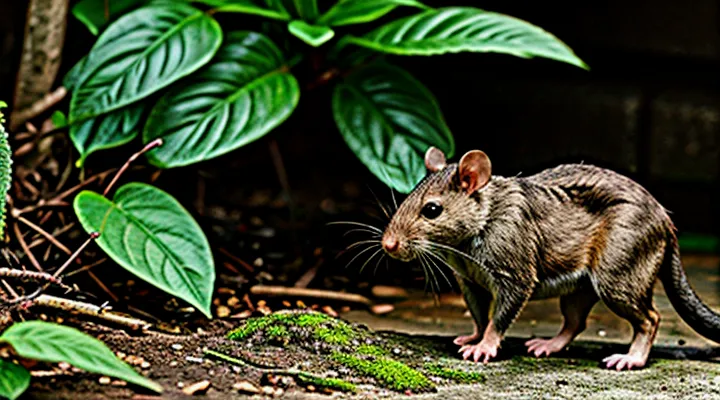
The Brown Wild Rat: An Overview
Taxonomy and Classification
The brown wild rat is classified within the mammalian order Rodentia under the family Muridae. Its accepted scientific name is Rattus norvegicus, a designation that has remained stable since the species was first described by Berkenhout in 1769. The full taxonomic hierarchy is:
- Kingdom: Animalia
- Phylum: Chordata
- Class: Mammalia
- Order: Rodentia
- Family: Muridae
- Genus: Rattus
- Species: R. norvegicus
Historical treatment of the species has involved several synonymizations, most notably Rattus brunneus and Rattus albinus, which were later merged under R. norvegicus after morphological and genetic analyses confirmed conspecificity. Molecular phylogenetics places the brown wild rat in a clade with the black rat (Rattus rattus) and the Asian house rat (Rattus tanezumi), indicating a close evolutionary relationship among these members of the Rattus genus. Recent genome sequencing supports this grouping and clarifies divergence times, estimating that R. norvegicus split from its nearest relatives approximately 1.2 million years ago.
Physical Characteristics
Size and Weight
The brown wild rat exhibits a relatively narrow range of adult dimensions, reflecting its adaptation to diverse habitats. Body length typically measures 20–30 cm, while the tail adds an additional 15–20 cm, resulting in a total length of 35–50 cm. Adult weight averages between 150 g and 300 g, with males often exceeding females by up to 10 % in mass.
- Head‑body length: 20–30 cm
- Tail length: 15–20 cm
- Body mass: 150–300 g
- Sexual dimorphism: males marginally larger
- Geographic variation: individuals from northern populations tend toward the upper limits of size and weight ranges
Juvenile growth follows a rapid phase during the first two months, after which size increments plateau. Seasonal fluctuations in food availability can cause temporary weight changes of up to 20 % in adult specimens.
Fur Coloration
The brown wild rat exhibits a spectrum of fur colors ranging from light tan to deep chocolate, determined primarily by the relative expression of eumelanin and pheomelanin pigments. Genetic loci such as Mc1r and Agouti modulate pigment synthesis, producing the observed variation among individuals and populations.
Seasonal molting introduces temporary shifts in coloration. In temperate zones, summer coats display richer brown tones, while autumn and winter molts result in lighter, grayer fur that enhances camouflage against snow‑covered or leaf‑laden substrates.
Geographic distribution influences color patterns:
- Northern populations: higher eumelanin concentration, darker coats.
- Southern populations: increased pheomelanin, lighter, reddish hues.
- Urban colonies: mixed pigmentation, reflecting diverse genetic input from surrounding habitats.
Age and sex also affect fur appearance. Juveniles retain a muted gray‑brown coat until sexual maturity, when males often develop a more saturated brown to signal reproductive status.
Health status can be inferred from fur condition. Malnutrition or parasitic infestation frequently leads to dull, uneven coloration, whereas well‑nourished individuals maintain vibrant, uniform coats.
Overall, fur coloration in this species results from an interaction of genetic regulation, environmental pressures, and physiological condition, providing functional advantages in thermoregulation, predator avoidance, and social signaling.
Unique Anatomical Features
The brown wild rat exhibits several anatomical adaptations that distinguish it from other murine species. Its skull is elongated with a pronounced rostrum, providing enhanced leverage for gnawing hard seeds and tubers. The dentition includes ever‑growing incisors reinforced by a high‑density enamel layer, reducing wear during constant foraging.
The auditory system features an enlarged tympanic membrane and elongated auditory bullae, granting acute low‑frequency hearing essential for detecting predator movements within dense underbrush. The tail is proportionally long, covered with a dense, keratinized sheath that facilitates thermoregulation and balance during arboreal excursions.
Key morphological traits:
- Muscular forelimbs with an expanded deltoid crest, supporting powerful digging motions.
- Highly vascularized nasal cavity, increasing olfactory sensitivity for locating food caches.
- Compact lumbar vertebrae with reinforced interspinous ligaments, enhancing spinal stability during rapid sprints.
Habitat and Distribution
Geographic Range
The brown wild rat occupies a broad swath of temperate and subtropical zones across the Northern Hemisphere. Its core range extends from the western edge of the Palearctic region through central and eastern Europe, reaching into western Siberia. Populations are established throughout the Balkans, the Caucasus, and the Ural foothills, where the species adapts to mixed forest and steppe mosaics.
In East Asia the species is present in northern China, the Korean Peninsula, and the southern portion of the Russian Far East. Isolated colonies occur on the Japanese islands of Hokkaido and Honshu, where cooler climates support suitable habitats. Southern limits include the northern foothills of the Himalayas and the high plateaus of northern India, where the rat is confined to montane grasslands above 1,500 m.
Introduced populations have been documented in parts of North America, notably in the Pacific Northwest, where accidental transport via agricultural shipments has led to small, self‑sustaining colonies. These introduced groups are confined to coastal temperate rainforests and adjacent agricultural fields.
Key characteristics of the range include:
- Preference for riparian corridors, which facilitate dispersal across fragmented landscapes.
- Altitudinal distribution from sea level up to approximately 2,200 m in mountainous regions.
- Seasonal migrations toward lower elevations during winter months in higher latitudes.
Overall, the species demonstrates a flexible geographic distribution, thriving in diverse habitats that provide ample food resources and shelter.
Preferred Habitats
Urban Environments
The brown wild rat exhibits physiological and behavioral traits that facilitate survival in densely populated human habitats. Its compact body size, high reproductive rate, and flexible diet enable rapid colonization of sewer systems, abandoned structures, and street vegetation.
Urban populations display heightened nocturnal activity, reduced wariness of human presence, and increased use of artificial lighting for foraging. These behavioral shifts correspond with altered stress hormone levels, which support extended breeding cycles and higher offspring survival in fluctuating resource conditions.
Key adaptations observed in city-dwelling individuals include:
- Enhanced olfactory sensitivity to locate food waste and discarded organic matter.
- Modified gut microbiota that efficiently process diverse human-derived nutrients.
- Development of complex tunnel networks that integrate natural burrows with man‑made conduits.
The species’ ecological impact in metropolitan areas involves competition with other synanthropic rodents, transmission of pathogens to humans and pets, and contribution to waste decomposition. Effective management strategies must consider the rat’s reproductive capacity, habitat plasticity, and the availability of food sources within the urban matrix.
Rural Environments
The brown wild rat thrives in agricultural landscapes where fields, hedgerows, and farmsteads provide shelter and food. Its burrowing activity modifies soil structure, enhancing aeration and water infiltration. Populations concentrate near grain storage, livestock feed, and waste piles, exploiting abundant, predictable resources.
Reproductive patterns shift with seasonal crop cycles. Litters emerge shortly after planting, when seed availability peaks, and breeding intensity declines during harvest and winter scarcity. Females produce up to six offspring per litter, with multiple litters possible in a single year under favorable conditions.
Behavioral adaptations to rural settings include:
- Opportunistic foraging on cultivated grains, stored feed, and insect prey.
- Use of abandoned structures and fence lines for nesting, reducing exposure to predators.
- Diurnal activity peaks aligned with human activity, allowing exploitation of disturbed food sources.
- Social tolerance in high‑density patches, facilitating rapid population growth.
Predation pressure originates from domestic cats, raptors, and farm‑associated canids. Disease transmission is a concern; proximity to livestock and humans increases the risk of zoonotic pathogens such as leptospirosis and hantavirus. Effective management requires integrated pest control, secure storage of feed, and habitat modification to limit shelter availability.
Adaptability and Resilience
The brown wild rat exhibits high ecological plasticity, enabling survival across temperate forests, agricultural fields, and urban fringe environments. Morphological traits such as a robust musculature and flexible dentition allow exploitation of diverse food sources, from seeds and insects to human waste. Physiological mechanisms include a broad thermal tolerance window (5–35 °C) and efficient water conservation through concentrated urine, reducing dependence on reliable water sources.
Behaviorally, the species demonstrates opportunistic foraging patterns and rapid learning of novel food cues. Social structure adapts to population density; solitary individuals dominate low‑density habitats, while hierarchical groups form in resource‑rich settings. Reproductive timing shifts in response to climatic cues, with breeding peaks aligning with periods of abundant food, thereby maximizing offspring survival.
Key factors contributing to resilience:
- Dietary flexibility: omnivorous intake, tolerance of low‑quality substrates.
- Habitat generalism: use of burrows, surface nests, and man‑made structures.
- Rapid maturation: sexual maturity reached at 6–8 weeks, enabling quick population recovery.
- Genetic variability: high heterozygosity observed in mitochondrial markers, supporting adaptation to localized pressures.
These attributes collectively sustain population stability despite habitat alteration, predation pressure, and disease exposure.
Diet and Feeding Behavior
Omnivorous Nature
The brown wild rat exhibits a flexible omnivorous diet that enables survival across diverse habitats. Plant material, invertebrates, and occasional vertebrate carrion constitute the primary food sources.
- Seeds, nuts, and grains provide carbohydrates and lipids.
- Fruits and berries supply simple sugars and antioxidants.
- Earthworms, insects, and larvae contribute high‑quality protein.
- Small vertebrate remnants offer additional protein and minerals.
Seasonal shifts alter the proportion of each component; during spring and summer, fresh vegetation dominates, while autumn sees increased consumption of stored seeds and fallen fruit. In winter, the species expands scavenging behavior, exploiting carrion and human‑derived waste.
Digestive physiology reflects this dietary breadth. A moderately long small intestine maximizes nutrient absorption from plant matter, while a robust cecum facilitates fermentation of fibrous material. Enzymatic activity adapts to protein‑rich meals, enabling efficient breakdown of animal tissue.
Foraging strategies combine opportunistic exploration with learned preferences. Individuals memorize productive microhabitats and adjust search patterns based on resource availability, reducing energy expenditure while maintaining nutritional intake.
The omnivorous habit influences ecosystem dynamics by dispersing seeds, regulating invertebrate populations, and contributing to nutrient recycling through scavenging. This ecological role reinforces the species’ adaptability and persistence in both natural and urban environments.
Foraging Strategies
Scavenging
Brown wild rats exhibit opportunistic scavenging, exploiting dead organic material when it becomes available. This behavior supplements primary foraging on seeds, fruits, and insects, allowing rapid energy intake without the costs of active hunting.
Typical carrion sources include:
- Small mammals that succumb to predation or disease
- Avian carcasses left after predation or accidental death
- Invertebrate remains such as dead insects and larvae
- Human-generated waste containing decomposing tissue
Olfactory receptors tuned to volatile compounds released during decomposition enable detection of carrion from distances of up to several hundred meters. Auditory and tactile cues complement scent detection, especially in cluttered environments where odor plumes are disrupted.
Seasonal shifts affect scavenging frequency. In temperate zones, winter scarcity of fresh plant material increases reliance on carrion, while summer abundance of insects reduces it. Urban habitats provide a constant supply of refuse, minimizing seasonal variation.
Competition with other scavengers—such as crows, feral dogs, and other rodent species—drives rapid consumption and aggressive displacement. Individuals display heightened vigilance, retreating from sites with elevated predator presence or human activity.
Scavenging contributes to nutrient recycling by accelerating decomposition and dispersing organic matter across habitats. However, ingestion of contaminated carrion can introduce pathogens, positioning brown wild rats as vectors for zoonotic diseases. Their role in these processes underscores the ecological impact of scavenging within the species’ broader behavioral repertoire.
Predation
The brown wild rat (Rattus norvegicus) occupies a central position in many terrestrial food webs, serving as a primary prey species for a diverse assemblage of carnivores. Its abundance in agricultural and urban habitats increases encounter rates with predators, influencing both population dynamics and ecosystem processes.
Predation pressure shapes the rat’s foraging patterns, activity cycles, and shelter selection. Individuals modify movement speed and route complexity when exposed to visual or olfactory cues of hunters, reducing time spent in open foraging patches. Temporal adjustments, such as heightened nocturnal activity, correspond to the activity peaks of diurnal predators, thereby minimizing overlap.
Key predator groups include:
- Mammalian carnivores: red fox (Vulpes vulpes), European badger (Meles meles), domestic cat (Felis catus)
- Avian raptors: common buzzard (Buteo buteo), barn owl (Tyto alba), marsh harrier (Circus aeruginosus)
- Reptilian hunters: grass snake (Natrix natrix), European adder (Vipera berus)
These predators employ distinct hunting strategies—ambush, pursuit, aerial swoop—that compel the rat to develop complementary anti‑predator behaviors, such as rapid retreat to burrows, use of dense vegetation, and social alarm signaling.
The cumulative effect of predation regulates rat density, redistributes energy flow, and contributes to the maintenance of biodiversity by supporting predator populations that rely on the species as a reliable food source.
Food Preferences
The brown wild rat exhibits a flexible diet that reflects its opportunistic foraging strategy. Primary food items include:
- Grains and seeds such as wheat, barley, and sunflower kernels.
- Fresh fruits and berries, particularly those abundant in ripening seasons.
- Invertebrates, especially beetles, earthworms, and larval stages of insects.
- Plant material, including tender shoots, leaves, and tuberous roots.
- Human-derived waste, comprising discarded food scraps and stored grain residues.
Seasonal shifts influence consumption patterns. In spring, the diet leans toward high‑protein insects and emerging plant shoots. Summer sees increased fruit intake, while autumn emphasizes seed and grain storage exploitation. Winter reliance on stored human refuse and cached seeds rises as natural resources decline.
Foraging behavior prioritizes high‑energy items. Rats select foods with elevated carbohydrate or protein content, balancing caloric intake against exposure risk. Preference tests reveal a marked inclination for oily seeds over dry cereals, and for fresh fruit pulp over dried equivalents.
Microhabitat selection aligns with food availability. Populations congregate near agricultural fields during harvest periods, relocate to riparian zones when fruiting trees are in season, and occupy urban waste sites when natural sources wane. This adaptability underpins the species’ successful colonization of diverse environments.
Social Structure and Reproduction
Social Hierarchy
Dominance and Subordinance
The brown wild rat establishes a clear social hierarchy in which individuals occupy dominant or subordinate positions. Dominance is not static; rank can shift with changes in age, health, or environmental pressures.
Dominant rats exhibit specific behaviors that reinforce their status. These include:
- Frequent territorial patrols and aggressive encounters with rivals.
- Marking of burrow entrances and surrounding vegetation with urine and scent glands.
- Rapid, direct approaches toward conspecifics, often accompanied by raised fur and vocalizations.
Subordinate rats respond with behaviors that minimize conflict. Typical responses are:
- Retreat from dominant individuals, maintaining a safe distance.
- Submission postures such as lowered bodies, flattened ears, and reduced locomotion.
- Increased grooming of dominant partners, which can reinforce social bonds while signaling deference.
Hormonal regulation underlies these patterns. Elevated testosterone correlates with aggressive and territorial actions in dominant males, while higher corticosterone levels are observed in subordinates, reflecting stress associated with lower rank. Neural circuits involving the amygdala and hypothalamus modulate aggression thresholds and social recognition.
Rank influences access to resources. Dominants secure prime foraging sites, preferential nesting chambers, and greater mating opportunities. Subordinates receive residual food supplies and may engage in opportunistic breeding when dominant individuals are absent.
Overall, dominance and subordinance shape the social organization of the species, determining individual fitness, population structure, and the dynamics of group interactions.
Mating Behavior
The brown wild rat exhibits a polygynous mating system in which dominant males secure access to multiple females during the breeding season. Females enter estrus for a brief interval of 4–6 hours, synchronized with the nocturnal activity peak of the population. Chemical cues released from the female’s urine and dorsal gland secretions trigger male courtship behavior, which includes rapid pursuit, sniffing, and vocalizations consisting of high‑frequency chirps.
Mating rituals proceed as follows:
- Male approaches the receptive female and performs a series of investigative sniffs.
- Upon acceptance, the male initiates a short, vigorous mounting bout lasting 2–3 seconds.
- Copulation is typically repeated 2–4 times within a 30‑minute window to ensure sperm transfer.
- After mating, the male resumes territorial patrol, while the female seeks a concealed nesting site for gestation.
Gestation lasts approximately 21 days, producing litters of 3–7 offspring. Maternal care is exclusive; the female provides nest construction, thermoregulation, and frequent nursing. Paternal involvement is absent, and males do not participate in offspring rearing.
Population density influences mating dynamics. In high‑density environments, increased male–male aggression leads to the formation of dominance hierarchies, with subordinate males experiencing reduced reproductive success. Conversely, low‑density conditions promote extended mate searching and reduced competition, allowing peripheral males occasional access to estrous females.
Environmental factors such as temperature and food availability modulate the timing of the breeding season. Warmer months with abundant resources trigger earlier onset of estrus cycles, extending the overall reproductive window. Seasonal photoperiod changes are less influential than resource-driven cues.
Reproduction Cycle
Gestation Period
The brown wild rat (Rattus norvegicus) exhibits a gestation period that averages 21–23 days under typical temperate conditions. Laboratory observations confirm that the interval remains consistent across multiple litters, with minor fluctuations linked to ambient temperature and maternal nutrition.
Key characteristics of the gestational phase include:
- Duration stability: Most pregnancies conclude within the 21‑23‑day window; extreme environmental stress can extend the period by up to two days.
- Embryonic development: Organogenesis progresses rapidly, with fetal heartbeats detectable by day 9 and limb formation complete by day 14.
- Maternal investment: The female gains approximately 8 % of her pre‑gestational body mass, allocating resources primarily to fetal growth rather than fat storage.
Comparative data show that the gestation length of the brown wild rat aligns closely with other Rattus species, yet it is shorter than that of larger murid rodents such as the wood rat (Neotoma spp.), whose gestation can exceed 30 days. The brevity of the reproductive cycle contributes to the species’ high reproductive output, enabling multiple litters per year in favorable habitats.
Research indicates that photoperiodic cues do not significantly alter gestation length, whereas caloric restriction can delay parturition by one to two days, reflecting the species’ sensitivity to maternal energy balance during pregnancy.
Litter Size
The brown wild rat typically produces litters ranging from three to eight offspring, with the most frequent size observed at five pups. This range reflects the species’ reproductive strategy, balancing the energetic demands of gestation with the high mortality rates typical of temperate rodent populations.
Litter size exhibits measurable variation across geographic zones and seasonal cycles. Populations inhabiting resource‑rich coastal plains tend toward the upper end of the spectrum, while those in arid interior regions often average fewer than four young per birth. Seasonal peaks in food availability during late spring and early summer correspond with larger broods, whereas harsher winter conditions suppress litter size.
Key determinants of litter size include:
- Maternal body condition and fat reserves
- Ambient temperature and photoperiod
- Availability of high‑protein food sources
- Population density and competition pressure
Female brown wild rats reach sexual maturity at approximately ten weeks and can produce two to three litters annually under optimal conditions. The interbirth interval averages 28 days, allowing rapid population turnover when environmental factors remain favorable.
Parental Care
The brown wild rat (Rattus norvegicus) demonstrates a structured system of parental investment that optimizes offspring survival in temperate habitats. Females initiate nest construction shortly after mating, selecting concealed sites with abundant dry material. The nest provides thermal insulation and protection from predators, and its architecture is consistently uniform across populations.
Maternal care proceeds through distinct phases:
- Gestation and parturition: The gestation period averages 21–23 days. During this time, the female reduces foraging activity and concentrates on maintaining nest integrity.
- Neonatal period (0–10 days): Pups remain immobile, relying exclusively on the mother for warmth and nutrition. The dam delivers milk rich in lipids and proteins, and the litter’s growth rate averages 0.8 g per day.
- Weaning (10–21 days): The mother gradually introduces solid food, encourages exploratory behavior, and reduces nursing frequency. By day 21, pups exhibit independent feeding and begin to leave the nest.
- Post‑weaning supervision: The dam continues to monitor juvenile activity, providing occasional grooming and defending the brood against intruders.
Male brown wild rats rarely participate in direct offspring care. Their contribution is limited to territorial defense, which indirectly benefits the litter by reducing predator incursions and competition for resources.
Hormonal regulation underlies maternal behaviors. Elevated prolactin and oxytocin levels correlate with nest building, nursing frequency, and pup retrieval. Disruption of these endocrine pathways results in diminished care and increased pup mortality.
Environmental pressures influence parental strategies. In regions with high predation risk, females shorten the weaning interval and increase pup vigilance. Conversely, abundant food supply allows extended lactation, resulting in larger weaning masses and higher post‑natal survival rates.
Behavior and Communication
Nocturnal Habits
The brown wild rat exhibits a strictly nocturnal activity cycle, emerging from burrows shortly after sunset and remaining active until pre‑dawn. Light intensity governs the onset of foraging; individuals adjust emergence time in response to lunar illumination, reducing exposure during bright moon phases to lower predation risk.
Feeding behavior centers on opportunistic consumption of seeds, insects, and carrion found on the forest floor. Sensory adaptations support night hunting: large, rod-shaped pupils maximize retinal light capture, while vibrissae detect substrate vibrations, enabling precise navigation through dense underbrush. Social interactions occur primarily at communal nesting sites, where brief vocalizations coordinate group movements and maintain cohesion during low‑light conditions.
Key nocturnal adaptations include:
- Enhanced olfactory receptors for locating food sources without visual cues.
- Circadian rhythm regulated by melatonin fluctuations, aligning physiological processes with night hours.
- Reduced metabolic rate during daylight, conserving energy while concealed in burrows.
Predator avoidance relies on rapid, erratic sprinting and the ability to climb vertical surfaces, allowing escape from nocturnal raptors and terrestrial hunters. The combination of sensory specialization, metabolic regulation, and behavioral flexibility defines the species’ successful exploitation of the night environment.
Sensory Perception
Olfaction
Olfaction in the brown wild rat is a primary sensory system that mediates foraging, predator avoidance, and social communication. The nasal epithelium contains a dense array of olfactory receptor neurons, each expressing a single receptor type that binds volatile compounds. Signals from these receptors travel to the olfactory bulb, where they are organized into glomerular maps reflecting chemical categories. This neuroanatomical arrangement enables rapid discrimination of food odors, conspecific scent marks, and alarm pheromones.
Behavioral studies show that rats rely on scent cues to locate high‑energy seeds and to assess the nutritional quality of plant material. Experiments using odorant gradients demonstrate that individuals adjust their movement speed and path curvature in proportion to odor concentration, optimizing search efficiency. In predator‑rich habitats, detection of mammalian kairomones triggers immediate freezing or escape responses, reducing predation risk.
Social interactions depend heavily on olfactory information. Each individual deposits a unique chemical signature in urine and glandular secretions. Receivers analyze these signatures to determine sex, reproductive status, and hierarchical rank. Dominant rats exhibit increased licking of scent marks, reinforcing territorial boundaries and influencing group dynamics.
Key physiological and behavioral features of the olfactory system include:
- High receptor diversity: Over 1,200 functional olfactory receptor genes provide extensive chemical detection capacity.
- Rapid signal transduction: Activation of cyclic‑nucleotide pathways yields millisecond‑scale neuronal firing.
- Plasticity: Exposure to novel odors induces receptor gene expression changes, enhancing adaptability to shifting environments.
- Integration with other senses: Olfactory input modulates whisker‑driven tactile exploration, aligning multimodal perception during navigation.
Research methodologies such as electro‑olfactogram recordings, functional magnetic resonance imaging, and behavioral assays with controlled odorant delivery have quantified detection thresholds, discrimination accuracy, and learning rates. Findings confirm that the brown wild rat’s olfactory apparatus is finely tuned to support ecological success and complex social structures.
Hearing
The brown wild rat possesses a highly developed auditory system that supports nocturnal foraging and social interaction. The external ear consists of a prominent pinna that directs sound waves toward a short ear canal, minimizing acoustic loss. The middle ear contains a robust tympanic membrane and ossicular chain that efficiently transmit vibrations to the inner ear.
The cochlea is elongated, accommodating a broad range of frequencies. Auditory thresholds indicate sensitivity from approximately 1 kHz to 45 kHz, with peak responsiveness near 10 kHz, a range that matches conspecific vocalizations and environmental cues. Hair cells within the organ of Corti exhibit a dense distribution, enabling precise frequency discrimination.
Hearing contributes to several behavioral functions:
- Detection of predator movements through low‑frequency rustling sounds.
- Localization of conspecific calls used for territory establishment and mating.
- Navigation within complex burrow systems via echolocation‑like reverberations.
Neural pathways relay auditory information to the inferior colliculus and auditory cortex, where rapid processing facilitates immediate behavioral responses. Adaptations such as a high‑frequency sensitivity and a flexible pinna allow the species to maintain communication efficiency in cluttered habitats and to respond swiftly to threats.
Touch (Vibrissae)
The brown wild rat possesses a dense array of facial vibrissae that serve as the primary tactile organ for environmental assessment. Each whisker is anchored in a highly innervated follicle‑sac complex containing mechanoreceptors sensitive to minute deflections. Deflection of a vibrissa generates action potentials in the trigeminal nerve, which are relayed to the somatosensory cortex where spatial and temporal patterns are decoded.
Vibrissal input guides several essential behaviors:
- Navigation through narrow burrows and cluttered ground cover.
- Detection of prey and predators via air‑borne vibrations.
- Coordination of social interactions, including grooming and hierarchy establishment.
- Regulation of locomotor adjustments during rapid escapes.
The sensory field of a single whisker extends several centimeters beyond its physical length, creating an overlapping matrix that provides high‑resolution mapping of surrounding objects. This matrix is dynamically modulated; rats can reposition individual whiskers to focus on regions of interest, a process mediated by musculature attached to the mystacial pad.
Developmentally, vibrissae emerge shortly after birth, reaching full length within three weeks. During this period, neural circuitry undergoes experience‑dependent plasticity, refining receptive fields based on tactile exposure. Adult rodents exhibit experience‑driven refinement, allowing individuals accustomed to complex underground habitats to display superior discriminative ability compared to surface‑dwelling conspecifics.
Ecologically, the tactile system compensates for limited visual acuity in low‑light environments. By translating mechanical disturbances into precise spatial information, vibrissae enable the brown wild rat to exploit food resources hidden beneath leaf litter and to maintain predator awareness without reliance on sight. The integration of vibrissal data with olfactory and auditory cues yields a multimodal perception system that underpins the species’ adaptive success.
Communication Methods
Vocalizations
The brown wild rat produces a diverse repertoire of vocal signals that convey information about identity, emotional state, and environmental conditions. Acoustic recordings reveal three primary categories: ultrasonic squeaks (30–80 kHz), audible chirps (1–5 kHz), and low‑frequency grunts (below 1 kHz). Each category serves distinct behavioral functions.
Ultrasonic squeaks accompany rapid locomotion and predator evasion. Their brief duration (10–30 ms) and high frequency enable transmission through dense underbrush while remaining inaudible to many mammalian predators. Squeaks often occur in succession, forming patterned sequences that facilitate group cohesion during foraging bursts.
Audible chirps emerge during social interactions such as territorial disputes and mating displays. Frequency modulation within chirps encodes individual identity; playback experiments demonstrate that conspecifics can discriminate between familiar and unfamiliar callers with high accuracy. Chirp rate increases proportionally to aggression intensity, providing a reliable cue for escalation assessment.
Low‑frequency grunts are associated with feeding and grooming activities. Grunts persist for longer intervals (100–300 ms) and exhibit consistent harmonic structure, which may aid in maintaining contact when visual cues are limited. Observational data indicate that grunting frequency rises when food resources are scarce, suggesting a role in signaling satiation level to nearby individuals.
Research methodologies include:
- Passive acoustic monitoring: Deploying ultrasonic microphones in natural habitats to capture spontaneous vocalizations.
- Playback trials: Broadcasting recorded calls to assess behavioral responses and determine signal function.
- Spectrographic analysis: Measuring frequency, duration, and amplitude parameters to classify call types.
Understanding the vocal communication system of this rodent species informs broader ecological studies, such as predator–prey dynamics and population density assessments. Acoustic markers provide non‑invasive indicators of stress, reproductive status, and habitat quality, supporting effective conservation and management strategies.
Scent Marking
Scent marking in the brown wild rat involves the deliberate deposition of chemical signals onto substrates such as soil, vegetation, and nest material. The species employs specialized exocrine glands—particularly the flank and anal glands—along with urine to produce a complex blend of volatile and semi‑volatile compounds.
The deposited chemicals serve multiple purposes:
- Delineation of individual home ranges.
- Communication of reproductive status to conspecifics.
- Transmission of identity cues that enable kin recognition.
- Indication of recent occupancy, discouraging intruders.
The chemical profile consists of fatty acids, ketones, and sulfur‑containing molecules, each contributing to a distinctive odor signature. Urine adds nitrogenous metabolites that vary with diet and physiological condition, enhancing the informational content of the mark.
Marking behavior follows a predictable pattern. Rats increase deposition frequency during the breeding season, concentrating activity around nesting sites and feeding stations. Nighttime patrols involve rapid, repeated rubbing of the flank gland against surfaces, followed by immediate urine spraying. Seasonal shifts in ambient temperature affect volatilization rates, prompting adjustments in mark placement to maintain signal efficacy.
From an ecological perspective, scent marking influences population structure by regulating spacing and reducing direct confrontations. Predators detect the odor plume, potentially altering foraging routes and affecting the rats’ risk landscape. The persistent chemical trail also provides a temporal record of habitat use, useful for researchers monitoring movement and social dynamics.
Body Language
The brown wild rat communicates extensively through body language, a primary channel for conveying intent, social status, and environmental awareness.
Postural cues dominate interactions. A flattened torso and lowered head indicate submission or fear, while an upright stance with a raised tail signals confidence and readiness to defend territory. When a rat arches its back and fluffs its fur, it amplifies its apparent size to deter rivals. Conversely, a relaxed posture with a loosely curled tail reflects a calm, non‑threatening state.
Facial expressions provide additional information. Narrowed eyes and tightly pressed whiskers accompany aggressive encounters; wide-open eyes and forward‑projected whiskers accompany exploratory behavior. Rapid whisker movements detect airflow changes, allowing the animal to assess nearby obstacles or predators.
Locomotor patterns also encode meaning. Quick, erratic scurrying denotes alarm, whereas deliberate, measured movement along established routes indicates foraging or patrol activities. Tail flicking frequency correlates with arousal level; high‑frequency flicks accompany heightened alertness, while slow, rhythmic sweeps accompany resting periods.
Key body‑language signals can be summarized as follows:
- Submission: crouched body, tail tucked, ears flattened.
- Dominance: upright posture, tail erect, fur raised.
- Alertness: ears forward, whiskers forward, rapid tail flicks.
- Exploration: head raised, whiskers splayed, steady gait.
- Stress: hunching, rapid breathing, frequent grooming.
These visual and tactile signals operate in concert with vocalizations and olfactory cues, forming a comprehensive communication system that regulates social hierarchy, predator avoidance, and resource allocation within brown wild rat populations.
Ecological Role and Impact
Role in Ecosystems
Prey Animal
The brown wild rat, an adaptable rodent, incorporates animal prey into its diet alongside plant material. Prey items supply essential protein and support rapid growth during breeding periods.
- Terrestrial insects (beetles, crickets, ants)
- Larval stages of butterflies and moths
- Earthworms and other annelids
- Amphibian larvae (tadpoles)
- Nestling birds and their eggs when accessible
Foraging occurs chiefly at night. The rat relies on keen olfactory detection and tactile exploration to locate concealed organisms. Capture is swift; the animal seizes prey with its incisors and consumes it whole or after brief handling.
During warm months, insect abundance leads to a diet composed of up to 70 % arthropods. In cooler seasons, reduced insect activity prompts a shift toward higher consumption of earthworms and amphibian larvae, which remain active in moist microhabitats.
Predation by this rodent contributes to regulation of invertebrate populations and influences the distribution of small vertebrates in its habitat. These trophic interactions facilitate energy transfer across ecosystem layers and maintain biodiversity equilibrium.
Seed Dispersal
The brown wild rat (Rattus norvegicus brunneus) frequently transports seeds while foraging, influencing plant regeneration across temperate habitats. Individuals collect seeds opportunistically, often after harvesting grains, fruits, or nuts. Transport distances range from a few meters to several hundred meters, depending on territorial range and resource availability. Dispersed seeds experience reduced predation pressure because they are moved away from parent plants, which typically host higher densities of seed predators.
Key aspects of seed dispersal by this rodent include:
- Cache formation: Rats bury seeds in shallow soil pockets, creating scatter‑hoard caches that may be retrieved partially or forgotten, providing a seed bank for germination.
- Selective handling: Larger, nutritionally rich seeds are preferentially cached, while smaller or less palatable items are consumed on site, shaping the composition of dispersed flora.
- Temporal patterns: Peak caching activity aligns with autumn seed fall, maximizing the number of viable seeds stored before winter dormancy.
- Habitat modification: By moving seeds into disturbed microhabitats such as burrow entrances or trail edges, rats facilitate colonization of pioneer plant species.
Empirical studies show that seed germination rates increase by 15–30 % when seeds are retrieved from rat caches compared with seeds left on the soil surface. Moreover, the spatial distribution of seedlings often mirrors the rats’ home‑range boundaries, indicating that individual movement patterns directly structure vegetation patches. Consequently, the brown wild rat serves as an effective, albeit opportunistic, agent of secondary seed dispersal, contributing to plant community dynamics without intentional mutualistic intent.
Impact on Humans
Agricultural Pests
The brown wild rat, a highly adaptable rodent, frequently invades cultivated fields and storage facilities. Its omnivorous diet includes seedlings, roots, and harvested grains, while a prolific breeding cycle can generate several generations within a single growing season. Nocturnal foraging and extensive burrowing enable the species to exploit crop residues and protect offspring from daytime disturbances.
Agricultural damage manifests in several ways:
- Direct consumption of seedlings, reducing stand density.
- gnawing of tubers and root crops, leading to loss of marketable yield.
- Contamination of stored produce with urine, feces, and pathogens.
- Structural damage to irrigation and drainage systems through burrow networks.
Behavioral traits that intensify pest pressure include attraction to grain odors, rapid colonization of newly harvested fields, and social hierarchies that maintain high population stability. Seasonal fluctuations in food availability trigger dispersal events, expanding the geographic scope of infestation.
Effective control relies on integrated measures:
- Habitat sanitation—removal of debris, proper waste disposal, and elimination of shelter sites.
- Physical barriers—metallic mesh, sealed storage containers, and trenching to prevent burrow entry.
- Biological agents—predatory birds, feral cats, and rodent-specific parasites introduced under regulated conditions.
- Chemical interventions—targeted rodenticides applied according to approved dosage guidelines, with rotation to avoid resistance.
- Monitoring programs—regular trapping and population surveys to inform timely action.
Combining these tactics reduces rodent populations, minimizes crop loss, and safeguards food safety without reliance on a single control method.
Disease Vectors
The brown wild rat frequently functions as a carrier of zoonotic pathogens, linking wildlife reservoirs to human populations. Its close association with agricultural fields, urban waste sites, and riparian habitats creates continuous opportunities for pathogen exchange.
Key pathogens transmitted by this species include:
- Hantaviruses causing hemorrhagic fever with renal syndrome
- Leptospira spp. responsible for leptospirosis
- Salmonella enterica serovars leading to gastroenteritis
- Yersinia pestis, the agent of plague, during epizootic cycles
Transmission occurs through direct contact with contaminated saliva, urine, or feces, and indirectly via ectoparasites such as fleas and ticks that feed on the rat and subsequently bite humans or domestic animals. Seasonal fluctuations in population density, driven by food availability and breeding cycles, amplify vector potential during spring and autumn peaks. Habitat fragmentation elevates contact rates with peridomestic environments, increasing spillover risk.
Effective management relies on integrated surveillance of rat populations, pathogen screening, and habitat modification to reduce attractants. Targeted rodent control, coupled with public education on sanitation and protective measures, mitigates disease emergence linked to this mammal.
Structural Damage
The brown wild rat, a pervasive rodent across temperate regions, inflicts extensive structural damage through its innate gnawing habit and extensive burrowing activity. Incisor growth necessitates constant chewing, leading the animal to gnaw on timber, plastic, insulation, and metal components of buildings. This behavior compromises load‑bearing beams, electrical wiring, and fire‑resistant barriers, accelerating deterioration and increasing the risk of collapse or electrical failure.
Burrows excavated beneath foundations, crawl spaces, and drainage systems destabilize soil matrices, create voids, and promote moisture accumulation. Resulting effects include settlement cracks in walls, compromised concrete integrity, and accelerated corrosion of underground utilities. The following damage categories are most frequently observed:
- Chewed structural timber and support joists
- Severed or exposed electrical cables leading to short circuits
- Eroded concrete footings and foundation slabs
- Corroded metal pipes and HVAC ducts
- Compromised roofing membranes due to nesting material accumulation
Effective management requires regular inspection of vulnerable zones, sealing of entry points, and implementation of rodent‑resistant materials. Prompt remediation of identified damage limits repair costs and preserves the longevity of both residential and commercial structures.
Control and Management
Prevention Strategies
Effective control of the brown wild rat requires targeted prevention measures that reduce habitat suitability, limit food access, and interrupt reproductive cycles. The rodent’s adaptability to urban and peri‑urban environments makes proactive management essential for public health and agricultural protection.
- Secure waste containers with tight‑fitting lids; remove spillage promptly.
- Eliminate standing water and damp debris that provide nesting sites.
- Install physical barriers such as metal mesh around building foundations and utility openings.
- Apply rodent‑specific bait stations in accordance with regulatory guidelines; rotate active ingredients to prevent resistance.
- Conduct regular inspections of storage facilities, farms, and residential areas to identify early signs of infestation.
Implementation should involve coordinated efforts among municipal services, property owners, and pest‑management professionals. Monitoring programs that track population indices enable timely adjustments to control tactics. Training for staff on safe handling of toxicants and proper placement of exclusion devices enhances overall efficacy. Continuous evaluation of outcomes ensures resources are allocated to the most effective interventions.
Pest Control Methods
Trapping
Trapping is a primary tool for managing populations of the brown wild rat, whose nocturnal foraging and burrowing habits create frequent contact with human structures. Effective capture relies on understanding the species’ preference for concealed routes, seasonal peaks in activity, and attraction to high‑energy food sources.
Key trap categories include:
- Live‑capture cages equipped with hinged doors that close when the animal enters.
- Snap traps designed to deliver a rapid, lethal blow to the skull.
- Electronic devices that emit a high‑voltage pulse upon contact.
- Glue boards placed along established runways, useful for monitoring rather than control.
Placement strategies must align with the rat’s movement patterns. Position traps near entry points to buildings, along walls, and adjacent to known burrow openings. Set devices at ground level or slightly elevated, reflecting the animal’s tendency to travel along baseboards and pipe runs. Deploy traps during the early night hours when foraging intensity reaches its maximum.
Bait selection should mirror the rat’s omnivorous diet. Effective attractants comprise a mixture of grains, nuts, dried fruit, and protein‑rich items such as peanut butter or boiled egg. Adding a small amount of scent‑enhancing oil can increase uptake, but avoid overly strong aromas that may deter cautious individuals.
Regular inspection, at intervals of 12–24 hours, prevents bait spoilage and reduces the risk of non‑target captures. After retrieval, humane euthanasia or release protocols must follow local wildlife regulations. Continuous data collection on capture rates and locations enables adaptive management, ensuring that trapping efforts remain aligned with the species’ ecological traits.
Baits and Rodenticides
Baits and rodenticides constitute the primary tools for managing populations of the brown wild rat, a species noted for its adaptability and high reproductive capacity. Effective control relies on aligning toxic agents with the species’ foraging habits, nocturnal activity, and preference for grain‑based foods. Formulations must be palatable enough to overcome neophobia while delivering a lethal dose within a short exposure period.
Key categories of toxicants include:
- Anticoagulants (first‑generation: warfarin, chlorophacinone; second‑generation: bromadiolone, difenacoum) – inhibit vitamin K recycling, causing fatal hemorrhage after several days of ingestion.
- Acute neurotoxins (zinc phosphide, bromethalin) – induce rapid respiratory failure or central nervous system disruption, suitable for immediate reduction of dense infestations.
- Metabolic disruptors (phosphonic acid derivatives) – interfere with carbohydrate metabolism, leading to systemic collapse after prolonged consumption.
Selection criteria emphasize target specificity, resistance management, and non‑target safety. Resistance to first‑generation anticoagulants is widespread; rotating active ingredients and integrating non‑chemical measures mitigates selection pressure. Bait stations should be placed along established runways, near burrow entrances, and within 2 m of food sources to exploit the rat’s territorial foraging range. Monitoring dead‑out rates and bait consumption guides dosage adjustments and prevents overexposure.
Regulatory frameworks mandate labeling, dosage limits, and restricted access to mitigate environmental impact. Personal protective equipment and proper disposal of unused bait are compulsory for operators. Integration of habitat modification—removing excess vegetation, securing waste containers, and sealing entry points—enhances the efficacy of chemical interventions and reduces reliance on repeated toxic applications.
Biological Control (limited)
The brown wild rat (Rattus norvegicus) occupies diverse habitats, reproduces rapidly, and exhibits nocturnal foraging that facilitates population expansion. Its adaptability to human‑altered environments makes it a persistent pest in agricultural and urban settings.
Biological control aims to suppress pest numbers through natural enemies rather than chemicals. In the case of the brown wild rat, the scope of such interventions is restricted by the rat’s high reproductive rate, broad diet, and the scarcity of specialist predators that can reduce populations without collateral damage.
Limited biological control options include:
- Predatory birds – species such as barn owls (Tyto alba) and marsh harriers (Circus aeruginosus) prey on rats, but their impact is seasonal and dependent on habitat suitability.
- Small carnivorous mammals – feral cats (Felis catus) and weasels (Mustela nivalis) can capture individual rats; however, they also affect non‑target wildlife and may be prohibited in certain regions.
- Pathogenic agents – strains of the bacterium Yersinia pestis and the protozoan Toxoplasma gondii are lethal to rats, yet their use is constrained by public health concerns and regulatory bans.
- Parasitic nematodes – Heterakis spp. can impair rat health, but field efficacy remains low and requires extensive inoculation efforts.
Regulatory frameworks typically limit the release of vertebrate predators and pathogenic microorganisms to prevent ecosystem disruption. Environmental assessments must confirm that introduced agents do not threaten native species, domestic animals, or human health.
Effective implementation relies on integrating limited biological agents with habitat management, sanitation improvements, and targeted trapping. Monitoring programs should quantify mortality rates, assess non‑target impacts, and adjust strategies based on population feedback.
Ethical Considerations
Research involving the brown wild rat requires strict compliance with animal welfare standards, transparency in methodology, and accountability for ecological impact.
Key ethical issues include:
- Minimization of pain and distress through appropriate anesthesia, analgesia, and humane endpoints.
- Justification of sample size to avoid unnecessary replication while ensuring statistical validity.
- Prevention of habitat disruption during field capture, release, or observation.
- Proper disposal of biological waste to prevent disease transmission and environmental contamination.
Regulatory oversight typically involves institutional animal care committees, national wildlife protection statutes, and international guidelines such as the ARRIVE framework. Documentation of permits, ethical approvals, and monitoring outcomes must be retained for audit and peer review.
Researchers bear responsibility for balancing scientific objectives with the intrinsic value of the species, ensuring that data collection does not compromise population stability or ecosystem integrity.