
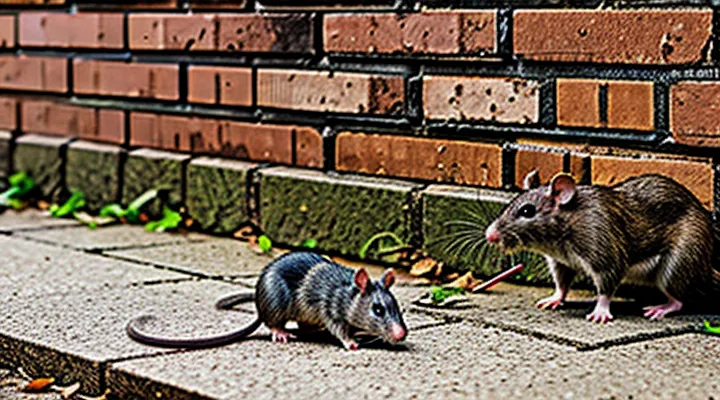
The Problem of Rodent Infestations
Understanding Rat and Mouse Behavior
Rodent Habitats and Breeding
Rodents thrive in environments that provide shelter, food, and water. Typical habitats include wall voids, crawl spaces, basements, and outdoor structures such as sheds and garden beds. These locations offer protection from predators and extreme temperatures, allowing rats and mice to establish permanent colonies.
Breeding cycles accelerate population growth. Female rats can produce up to seven litters per year, each containing six to twelve pups; mice may have ten litters with four to eight offspring each. Rapid reproduction demands constant access to nesting material, which often consists of shredded insulation, paper, or soft debris found near construction sites.
Using masonry units as a physical barrier disrupts these conditions. Properly sealed brickwork eliminates gaps larger than ¼ inch, preventing entry into wall cavities and crawl spaces. When bricks are installed with mortar and reinforced with steel mesh, they create a durable, impenetrable surface that denies rodents shelter and nesting sites.
Key control benefits of brick installations:
- Eliminates entry points larger than rodent body size
- Provides a non‑chemical, long‑lasting obstruction
- Reduces humidity in concealed spaces, limiting water sources
- Allows easy cleaning and inspection of structural joints
By removing accessible habitats and restricting breeding opportunities, masonry barriers serve as an effective component of an integrated rodent management program.
Entry Points and Vulnerabilities
Rats and mice exploit structural gaps, utility openings, and deteriorated masonry to infiltrate buildings. Identifying these weaknesses is the first step in preventing infestation.
Common intrusion sites include:
- Cracks in foundation walls and footings
- Unsealed gaps around pipe penetrations
- Openings around vents, chimneys, and exhaust fans
- Damaged or missing mortar joints in brickwork
- Gaps beneath doors and windows, especially in older frames
- Roof eaves and soffit cracks where rodents can climb
Brick masonry offers a durable barrier that can be applied to each vulnerability. Properly sealed brick units, reinforced with mortar and flashing, eliminate the voids rodents use for passage. For pipe and vent penetrations, brick sleeves fitted tightly around the conduit create a continuous wall surface, while metal collars prevent abrasion and future gaps. Repointing deteriorated joints restores the integrity of existing walls, closing hidden channels. Installing brick lintels above doorways and windows adds structural support and blocks lateral movement. In roof assemblies, brick flashing integrated with eaves redirects moisture and prevents the formation of loose siding that rodents could exploit.
Effective implementation requires:
- Comprehensive inspection to map all potential entry points.
- Selection of brick dimensions and mortar mix suitable for the building’s climate and load requirements.
- Precise installation techniques, including proper joint depth and consistent curing conditions.
- Periodic maintenance checks to detect early signs of mortar loss or brick displacement.
By systematically sealing each identified opening with robust brickwork, property owners reduce the likelihood of rodent ingress, protect structural components, and minimize the need for chemical control measures.
Traditional Rodent Control Methods
Chemical Control: Pros and Cons
Baits and Poisons
Baits and poisons remain essential components of rodent management when masonry elements are employed as physical barriers. Their purpose is to attract rats and mice to a controlled zone where lethal agents act, complementing the exclusion function of brick structures.
- Anticoagulant baits (warfarin, bromadiolone) disrupt blood clotting, leading to death within 2–5 days.
- Neurotoxic baits (bromethalin, zinc phosphide) cause rapid paralysis and fatality.
- Digestive poisons (cholecalciferol) induce hypercalcemia, resulting in organ failure.
- Aromatic attractants (peanut butter, grain) increase bait acceptance across species.
Placement of baits adjacent to brick barriers maximizes exposure. Small perforations or mortar joints serve as entry points; positioning bait stations within 10 cm of these gaps ensures rodents encounter the toxic medium before attempting to bypass the masonry. Sealed, tamper‑resistant containers protect non‑target animals while allowing continuous bait availability.
Safety measures must accompany toxic deployment:
- Use child‑proof and pet‑proof bait stations.
- Rotate active baits every 30 days to prevent resistance development.
- Monitor bait consumption daily; replace depleted units promptly.
- Record placement coordinates for regulatory compliance and future inspection.
Integrating chemical attractants with brick‑based obstruction creates a two‑layer defense: physical denial of access combined with targeted lethality. Adhering to dosage guidelines, environmental regulations, and regular inspection schedules sustains efficacy while minimizing collateral risk.
Fumigation Techniques
Fumigation remains a primary method for eliminating hidden rodent populations when structural barriers, such as masonry units, are employed to restrict movement. Effective fumigation requires sealing all openings, introducing the appropriate gaseous agent, maintaining a controlled exposure period, and ventilating the area before reoccupation.
Key steps in a fumigation operation include:
- Inspection of the brick enclosure to locate cracks, gaps, or voids that could allow gas escape.
- Selection of a fumigant (e.g., sulfuryl fluoride, methyl bromide, phosphine) based on the target species, infestation severity, and regulatory limits.
- Placement of distribution devices (fumigant generators, perforated tubes) to ensure uniform diffusion throughout the brickwork and adjacent cavities.
- Monitoring of gas concentration with calibrated sensors to verify that lethal levels are sustained for the required dwell time.
- Post‑treatment aeration using forced ventilation to reduce residual concentrations to safe levels.
Safety protocols demand personal protective equipment for all personnel, continuous gas monitoring, and adherence to occupational exposure limits. Documentation of fumigant type, concentration, exposure duration, and environmental conditions supports compliance and enables repeatable outcomes.
Integrating fumigation with brick barriers enhances overall rodent control. The impermeable nature of properly laid bricks limits re‑entry after treatment, while periodic fumigation addresses residual or newly introduced individuals that bypass physical defenses. Regular inspection of brick integrity, combined with scheduled gas applications, maintains a hostile environment for rats and mice without reliance on mechanical traps alone.
Mechanical Control: Traps and Barriers
Snap Traps and Live Traps
Bricks placed along walls, under cabinets, or in utility spaces create stable platforms that keep snap and live traps level and secure, preventing displacement by curious rodents.
Snap traps rely on rapid closure to kill target rodents instantly. Brick foundations keep the trigger mechanism horizontal, ensuring consistent activation when a mouse or rat steps on the bait platform. The rigid surface also reduces false triggers caused by vibrations from nearby activity. Proper placement near brick-built entry points maximizes encounter rates while minimizing exposure to non‑target species.
Live traps capture rodents unharmed for later release. A brick base maintains the trap’s door alignment, preventing premature opening due to uneven ground. Positioning live traps against brick walls channels rodents toward the entrance, as they often travel along solid surfaces. The durability of masonry allows traps to remain functional in high‑traffic or damp environments where plastic bases would degrade.
Key distinctions
- Outcome: snap traps deliver lethal control; live traps enable humane relocation.
- Maintenance: snap traps require periodic checking for dead rodents; live traps need frequent emptying and cleaning.
- Risk: snap traps can injure non‑target animals if placed improperly; live traps reduce accidental harm when secured on bricks.
- Durability: both benefit from brick support, but live traps gain additional stability for longer deployment periods.
Effective deployment combines brick structures with trap selection based on infestation severity and ethical considerations. Install bricks at known travel routes, mount snap traps where rapid reduction is needed, and place live traps in adjacent zones for capture‑and‑release programs. Regular inspection of brick surfaces ensures they remain intact, preserving trap functionality and extending the lifespan of the rodent‑control system.
Exclusion Methods
Bricks provide a durable, non‑chemical barrier that prevents rats and mice from entering structures. Their mass and rigidity block small openings that rodents exploit, creating a permanent exclusion system that requires minimal maintenance.
Effective brick‑based exclusion relies on three core actions:
- Sealing entry points: Install solid brick lintels or caulking around window frames, door thresholds, and utility penetrations. Gaps larger than ¼ inch should be filled with mortar‑bonded brick to eliminate access.
- Constructing perimeter walls: Build a continuous brick perimeter around foundations, extending at least 12 inches below ground level to deter burrowing. Incorporate a smooth, vertical exterior face to impede climbing.
- Reinforcing existing structures: Replace deteriorated masonry with new brick units, ensuring mortar joints are tight and free of cracks. Apply a waterproof sealant to prevent moisture‑induced expansion that could create new voids.
Proper installation demands alignment of bricks with the building’s structural framework, consistent mortar depth of ½ inch, and regular inspection for settlement. When these measures are implemented, the brick barrier remains effective for decades, offering a reliable, low‑risk solution for rodent exclusion.
Bricks as a Physical Barrier and Deterrent
Strategic Placement of Bricks
Blocking Entryways and Holes
Bricks provide a durable, non‑penetrable barrier that prevents rats and mice from entering structures through gaps, cracks, and small openings. Their weight and rigidity make them unsuitable for gnawing, ensuring long‑term protection without frequent replacement.
Key considerations when employing bricks for blockage:
- Identify all potential ingress points: foundation cracks, vent openings, utility pipe gaps, and doorframe seams.
- Clean each opening to remove debris and deter scent trails that might encourage rodents to explore alternative routes.
- Select bricks with dimensions that exceed the width of the opening by at least 1‑2 cm on each side, guaranteeing a snug fit.
- Apply a high‑quality mortar or sealant around the brick edges to eliminate residual gaps that could be exploited by small rodents.
- Verify that the installed brick does not impede ventilation, drainage, or structural integrity; adjust placement as needed to maintain building safety.
Regular inspection confirms the barrier remains intact. Look for signs of displacement, cracking, or moisture damage, and repair promptly to sustain effectiveness. By systematically sealing entryways with appropriately sized bricks and proper sealing techniques, homeowners and facility managers can substantially reduce rodent intrusion risk.
Creating Physical Obstacles
Bricks provide a durable medium for constructing barriers that prevent rats and mice from accessing targeted areas. Their weight and solidity make them effective at sealing gaps, covering openings, and forming elevated platforms that rodents cannot easily traverse.
Effective barrier design follows three principles. First, dimensions must exceed the maximum body size of the target species; a gap larger than 2 cm allows most mice, while rats require openings no larger than 1 cm. Second, placement should target known entry points such as foundation cracks, utility penetrations, and vent openings. Third, the barrier surface must be smooth and free of gaps that could be exploited for climbing or burrowing.
Implementation steps:
- Inspect the perimeter and interior for all potential ingress routes.
- Measure each opening and calculate the required brick thickness and overlap.
- Cut bricks to fit, using a masonry saw or chisel, ensuring a tight fit with no residual space.
- Apply mortar or high‑strength sealant around the brick edges to create a continuous, impermeable surface.
- Install a slight overhang or lip where necessary to deter climbing, positioning the brick edge at least 5 cm above the underlying surface.
Regular inspection confirms barrier integrity. Replace cracked or displaced bricks promptly, reseal joints after any structural movement, and reinforce areas subject to high moisture, which can weaken mortar. Consistent maintenance preserves the obstacle’s effectiveness and reduces the likelihood of rodent intrusion.
Psychological Impact on Rodents
Disrupting Travel Paths
Bricks provide a durable, non‑chemical means of breaking the established routes that rats and mice use to move through buildings. By inserting solid brick elements into known corridors, gaps, and entry points, the animals encounter physical barriers that compel them to seek alternative passages, often leading them into traps or away from critical areas.
Key tactics for disrupting travel paths with brick constructions include:
- Installing low brick ledges along baseboards to block horizontal movement.
- Building short brick walls across openings such as vent shafts, crawl‑space entrances, and utility gaps.
- Placing staggered brick slabs in floor joist spaces to fragment continuous tunnels.
- Creating brick “bump‑outs” around door frames and window sills to eliminate smooth runoff surfaces.
- Using brick-filled trenching around the exterior perimeter to prevent exterior burrowing.
Effective deployment requires attention to the following factors:
- Ensure all seams are sealed; even gaps as narrow as 1 mm can permit rodent passage.
- Select dense, weather‑resistant brick types to withstand moisture and mechanical wear.
- Position barriers at least 2 inches above ground level to avoid easy under‑digging.
- Regularly inspect for cracks or displacement that could reopen travel routes.
When applied correctly, brick barriers force rodents onto longer, more exposed routes, reduce the frequency of direct contacts with food storage and habitation zones, and increase the likelihood of capture in auxiliary control measures. The result is a measurable decline in rodent activity without reliance on poisons or repellents.
Perceived Obstacles
Bricks are employed in rodent management to create physical barriers that limit movement and access to shelter. Users often encounter perceived obstacles that can reduce the effectiveness of this approach.
- Weight and handling – Heavy masonry requires manual lifting or mechanical assistance, which may deter installation in confined spaces.
- Surface irregularities – Cracked or uneven bricks can create gaps that rodents exploit, compromising the intended blockage.
- Material durability – Exposure to moisture, freeze‑thaw cycles, or chemical agents can degrade brick integrity, leading to premature failure.
- Aesthetic concerns – Visible brick installations may clash with interior décor or exterior design standards, prompting resistance from occupants.
- Cost considerations – Procurement and labor expenses can exceed budget limits, especially when large quantities are needed for comprehensive coverage.
Addressing these concerns involves selecting appropriately sized, high‑density bricks, sealing joints to eliminate openings, applying protective coatings, and planning installation during periods of low rodent activity. Accurate cost‑benefit analysis and coordination with design teams ensure that the barrier solution aligns with functional and visual requirements.
Enhancing Brick Effectiveness
Combining Bricks with Other Methods
Baits and Bricks Integration
Integrating rodent poisons with masonry units creates a dual‑function system that both blocks passageways and delivers toxic bait directly to target species. The brick’s solid structure prevents burrowing, while strategically drilled cavities hold measured amounts of bait, reducing exposure to non‑target animals.
Effective integration follows three operational steps. First, select bricks with dimensions compatible with existing wall or foundation gaps. Second, bore holes of 1–2 cm diameter at a depth that aligns with typical gnawing zones, then fill each cavity with a calibrated dose of anticoagulant or acute poison. Third, seal the openings with a thin layer of non‑porous mortar to conceal the bait and protect it from rain or debris.
Safety considerations include:
- Using tamper‑resistant sealing material to deter pets and children.
- Applying bait concentrations that meet regulatory limits for indoor and outdoor use.
- Conducting periodic inspections to verify integrity of the seal and replace depleted cartridges.
Monitoring involves setting motion‑activated cameras or tracking stations near treated bricks. Data on visitation frequency and mortality rates guide adjustments in bait density and placement density, ensuring sustained control without excessive chemical use.
Traps and Brick Placement
Bricks can be integrated into rodent‑control systems to enhance the effectiveness of mechanical traps. Solid masonry creates barriers that limit escape routes, concentrate movement along predictable paths, and provide stable platforms for trap placement.
Key trap types compatible with brick structures:
- Snap traps mounted on brick edges to intercept rodents traveling along wall seams.
- Live‑capture cages anchored to brick foundations, preventing displacement by gnawing.
- Glue boards affixed to brick surfaces where rodents pause while navigating gaps.
Effective brick placement follows three principles:
- Align bricks to form continuous walls that close off gaps larger than 0.5 cm, the typical maximum rodent body width.
- Position bricks to create narrow corridors (10–15 cm wide) that funnel rodents toward traps.
- Install bricks at a slight incline (5–10°) to encourage downward movement, directing pests onto ground‑level traps.
Maintenance considerations include regular inspection of brick joints for damage, re‑securing traps after each capture, and replacing worn adhesive surfaces. Properly combined, masonry and trapping devices produce a durable, low‑maintenance solution for managing rat and mouse populations.
Maintenance and Monitoring
Regular Inspection of Brick Barriers
Regular inspection of brick barriers is essential for maintaining their effectiveness against rodent intrusion. Over time, mortar deterioration, cracks, and displacement create entry points that rodents can exploit. Detecting these weaknesses early prevents population growth and reduces the need for chemical control measures.
A systematic inspection routine should include the following elements:
- Visual assessment of brick surfaces for cracks, chips, or missing units.
- Examination of mortar joints for erosion, gaps, or loss of adhesion.
- Verification of seal integrity around utility penetrations, vents, and foundation joints.
- Evaluation of surrounding soil moisture, which can accelerate brick degradation.
- Documentation of findings with photographs and written notes for trend analysis.
Inspections should be scheduled at least quarterly, with additional checks after severe weather events or construction activities. A qualified technician must perform the assessment, using a flashlight, magnifying glass, and a moisture meter where appropriate. Any identified defect must be recorded, prioritized, and repaired promptly to restore barrier continuity.
Prompt remediation typically involves repointing mortar, replacing damaged bricks, and resealing joints with rodent-resistant materials. Recording repair dates and methods creates a maintenance log that supports long‑term performance evaluation and compliance with pest‑management protocols.
Adapting to Rodent Behavior
Bricks can be incorporated into building envelopes to interrupt the routes rodents use for entry and movement. Effective application requires alignment of barrier design with the known habits of rats and mice.
Rodents exhibit predictable behaviors: they travel close to surfaces, exploit narrow gaps, gnaw on soft materials, and establish burrows near food sources. Their nocturnal activity increases the likelihood of contact with structural elements that are not continuously monitored.
Adaptation measures include:
- Installing tightly fitted brick lintels above openings to eliminate the vertical gaps rodents exploit.
- Using mortar mixtures with high compressive strength to resist gnawing and prevent the creation of micro‑cracks.
- Aligning brick courses with existing wall joints to create continuous, unbroken surfaces that discourage climbing.
- Embedding metal mesh or concrete inserts within brick cavities to add a secondary physical barrier where rodents might attempt to tunnel.
- Applying textured brick faces that reduce the ease of grasping and climbing.
Continuous observation of rodent pathways allows for timely reinforcement of compromised sections. Replace damaged bricks promptly, re‑seal mortar joints, and adjust barrier configurations in response to shifting activity patterns. This iterative process ensures the brick system remains an effective deterrent as rodent behavior evolves.
Safety and Environmental Considerations
Preventing Non-Target Species Harm
Proper Brick Handling
Proper brick handling is essential when employing masonry to deter rodent intrusion. Workers must inspect each unit for cracks or chips before transport; damaged bricks compromise barrier integrity and create entry points. Load bricks onto pallets with uniform weight distribution to prevent shifting during movement, and secure the load with straps or shrink‑wrap. Use gloves and safety glasses to protect against sharp edges and dust.
When positioning bricks around foundations, follow these steps:
- Clear debris and vegetation from the target area to ensure full contact between brick and soil.
- Lay a thin layer of sand or fine gravel to level the surface and improve drainage.
- Align bricks tightly, leaving no gaps larger than ¼ inch; fill residual spaces with mortar or steel wool to block gnawing.
- Embed the outermost row at least 4 inches below ground level to counter burrowing behavior.
- Apply a waterproof sealant to the exterior faces, reducing moisture that attracts rodents.
Storage guidelines reduce degradation before installation. Keep bricks in a dry, well‑ventilated area, stacked on pallets with spacers to allow airflow. Cover stacks with breathable tarps rather than plastic sheeting, which traps humidity and promotes mold growth. Rotate inventory regularly, using older units first to avoid prolonged exposure.
Maintenance after installation involves periodic inspection for displacement or erosion. Replace any compromised units promptly, and reseal joints annually to maintain a continuous, hostile environment for rats and mice.
Awareness of Wildlife
Effective rodent management with masonry elements requires a clear understanding of local wildlife. Recognizing the presence of non‑target species prevents accidental harm and supports ecological balance.
When bricks are placed as barriers or traps, they can obstruct the movement of amphibians, reptiles, and small mammals that share the same habitat. Surveys of the area identify vulnerable populations, allowing practitioners to adjust placement density, height, and spacing. This reduces unintended casualties and complies with wildlife protection regulations.
Key considerations for responsible brick‑based control:
- Conduct a pre‑implementation site assessment to document resident species.
- Select brick dimensions that target rats and mice while allowing passage for larger, protected fauna.
- Install escape routes or buffer zones where non‑target animals are likely to travel.
- Monitor the site regularly for signs of wildlife disturbance and modify the setup accordingly.
Awareness of the surrounding ecosystem also informs the choice of materials. Non‑porous, chemically inert bricks minimize leaching of substances that could affect soil organisms. Reusing reclaimed bricks reduces habitat disruption associated with new manufacturing.
Integrating wildlife knowledge into brick deployment enhances the precision of rodent control, safeguards biodiversity, and aligns practice with legal standards governing wildlife preservation.
Eco-Friendly Rodent Management
Reducing Chemical Dependency
Masonry blocks can replace toxic rodenticides by creating physical barriers that prevent rats and mice from accessing food sources and nesting sites. Their durability and low cost make them a viable alternative to chemical control in residential, agricultural, and industrial settings.
Physical obstruction eliminates the need for poison distribution, reducing the risk of secondary poisoning of non‑target animals and decreasing environmental contamination. Brick installations also lower the frequency of re‑application required by chemical products, which often lose efficacy due to rodent resistance.
Key benefits include:
- Immediate reduction of rodent entry points
- No chemical residues in soil or water
- Minimal maintenance after proper placement
- Compatibility with integrated pest‑management programs
Effective deployment follows a systematic approach: assess entry routes, position bricks to seal gaps larger than 1 cm, reinforce walls and foundations, and monitor for signs of breach. Combining barrier construction with sanitation measures sustains low rodent populations while keeping chemical usage to a minimum.
Sustainable Pest Control Practices
Bricks can serve as a physical barrier that prevents rodents from entering structures, offering a low‑impact alternative to chemical treatments. Their durability and inert composition eliminate the risk of toxic residues, aligning with ecological pest‑management objectives.
Sustainable practices that incorporate brick barriers include:
- Installing tightly fitted brick lintels above openings to block gnawing routes.
- Using brick masonry to seal gaps around foundations, walls, and utility penetrations.
- Designing brick‑based trap stations that combine mechanical capture with non‑lethal removal.
- Integrating brick walls with natural predators by providing nesting niches that encourage owls and barn‑cats.
These measures reduce reliance on pesticides, lower long‑term maintenance costs, and support biodiversity by preserving habitat integrity. The approach emphasizes prevention, durability, and environmental compatibility, making brick applications a viable component of integrated rodent‑management programs.