
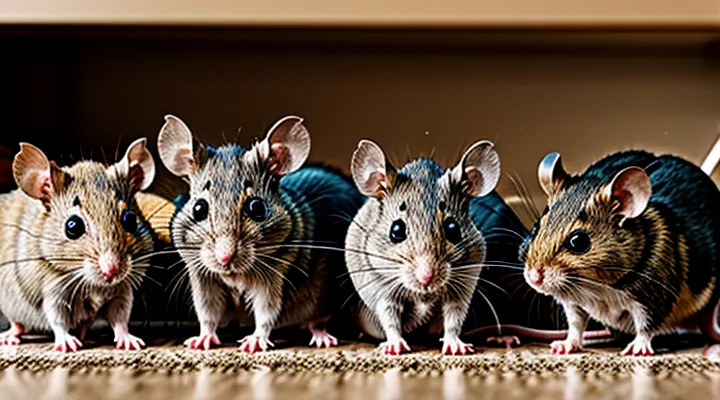
The Domestic Mouse: A Brief History and Domestication
Origins of Domestic Mice
Domestic mice (Mus musculus) trace their ancestry to wild Eurasian subspecies that inhabited temperate regions of Europe and western Asia. Early agricultural societies attracted these rodents to grain stores, establishing a commensal relationship that accelerated their spread across human settlements.
Key stages in the development of the house mouse include:
- Neolithic adoption (c. 8000–6000 BP): Rodents entered villages in the Near East, exploiting stored cereals.
- Bronze Age expansion (c. 3000–1200 BP): Trade routes facilitated migration into the Mediterranean basin and Central Europe.
- Classical antiquity (c. 800 BP): Roman commerce disseminated mice throughout the empire, reaching North Africa and the British Isles.
- Medieval diffusion (c. 500 BP): Urban growth and maritime voyages introduced mice to Scandinavia, the Iberian Peninsula, and the Baltic region.
- Global colonization (16th–19th centuries): European exploration carried mice aboard ships, establishing populations in the Americas, Oceania, and sub‑Saharan Africa.
Genetic analyses reveal that modern laboratory and pet strains derive from a limited number of founder populations, primarily the Western European and Mediterranean lineages. Hybridization among these lineages produced the phenotypic diversity observed in today’s domestic mouse varieties.
The Domestication Process
The domestication of Mus musculus began when humans captured wild rodents for laboratory use and as pets, a practice dating to the early Neolithic period. Selective breeding accelerated around the 19th century, when scientists established controlled matings to obtain predictable phenotypes such as coat color, size, and behavior.
Key stages in the development of laboratory and pet mouse strains include:
- Capture of wild individuals for experimental colonies (late 1800s).
- Systematic inbreeding to produce genetically uniform lines (early 1900s).
- Introduction of specific mutations through spontaneous occurrence or targeted mutagenesis (mid‑20th century).
- Expansion of outbred stocks to preserve heterozygosity for commercial breeding (late 20th century).
These processes generated the diversity of domestic mouse varieties observed today. Inbred strains provide reproducible models for biomedical research, while outbred and fancy breeds supply distinct physical traits for hobbyists. The genetic foundations established during domestication continue to shape the classification, utility, and popularity of mouse breeds.
Common Characteristics of Domestic Mice
Size and Lifespan
Domestic mouse breeds vary considerably in body dimensions, influencing housing requirements and handling techniques. Adult specimens typically measure between 2 inches (5 cm) and 4 inches (10 cm) in body length, with tail lengths ranging from 1.5 inches (4 cm) to 3 inches (7.5 cm). Weight spans from 15 grams in miniature lines to 40 grams in larger varieties.
Lifespan correlates with genetic background, health management, and environmental conditions. Under optimal care, most pet mouse strains survive 1.5 to 3 years; some robust lines reach up to 4 years, while miniature breeds often cap near 2 years.
- Balb/c: 2.5–3 inches, 20–25 g, 1.5–2 years
- C57BL/6: 3–3.5 inches, 25–30 g, 2–3 years
- Swiss (outbred): 2.5–3 inches, 18–22 g, 1.5–2.5 years
- Miniature: 2–2.5 inches, 15–18 g, 1–2 years
Accurate knowledge of size and longevity supports proper enclosure sizing, diet planning, and veterinary monitoring for each popular domestic mouse variety.
Temperament and Behavior
Domestic mouse varieties exhibit a range of temperament traits that influence handling, housing, and breeding outcomes. Individual breeds differ in sociability, activity level, territoriality, and response to environmental stimuli.
- Satin mice – calm, tolerant of frequent handling, low aggression toward conspecifics; display steady exploratory behavior.
- Rex mice – moderately active, curious, readily adapt to new enrichment; may show brief bouts of dominance when cage space is limited.
- Hairless (Nude) mice – highly social, seek constant contact with caretakers; sensitive to temperature fluctuations, which can affect activity patterns.
- Dwarf (Miniature) mice – energetic, prone to rapid movement and climbing; may exhibit heightened territoriality in densely populated cages.
- Color-point mice – generally docile, display consistent grooming routines; less likely to engage in aggressive encounters.
Across most breeds, the following behavioral patterns are observable:
- Social interaction – mice form hierarchical groups; dominant individuals establish preferred nesting sites, while subordinates display submissive postures.
- Exploratory drive – nocturnal activity peaks during dark phases; mice investigate tunnels, wheels, and novel objects with rapid whisker movements.
- Grooming – regular self‑cleaning maintains fur condition; excessive grooming can indicate stress or skin irritation.
- Aggression – escalates when resources such as food, water, or nesting material are scarce; introducing new individuals requires gradual acclimation to prevent fighting.
Understanding these temperament and behavior characteristics enables precise selection of breeds for research, pet ownership, or breeding programs, and informs cage design, enrichment choices, and handling protocols.
Nutritional Needs
Domestic mice bred for research, pet ownership, and exhibition exhibit distinct nutritional requirements that reflect their genetic background, activity level, and reproductive status. Energy provision must derive primarily from high‑quality carbohydrates; laboratory strains often thrive on a diet containing 18–20 % protein, while larger ornamental varieties may benefit from 20–22 % protein to support rapid growth and robust coat development. Fat content should remain between 4 and 6 % of the diet, supplying essential fatty acids without promoting obesity.
Vitamins and minerals demand precise calibration. Vitamin A, D₃, and E levels should meet the National Research Council guidelines to prevent ocular degeneration, skeletal abnormalities, and oxidative stress. Calcium and phosphorus ratios must approximate 1.2:1, ensuring proper bone mineralization, especially in breeding females and growing juveniles. Trace elements such as zinc, copper, and selenium are required in microgram quantities; deficiencies manifest as impaired immune function and reduced fertility.
Water availability influences feed intake and renal health. Mice must have continuous access to clean, non‑chlorinated water; dehydration accelerates kidney lesions and compromises thermoregulation. In environments where water consumption is low, moist food formulations can mitigate risk.
Feeding schedules impact metabolic stability. Ad libitum access is standard for most domestic strains, yet controlled portions during breeding cycles prevent excess weight gain and reduce the incidence of diet‑induced diabetes. Monitoring body condition scores weekly allows timely dietary adjustments.
Key nutritional components can be summarized:
- Proteins: 18–22 % of diet; animal‑based sources preferred for amino acid completeness.
- Carbohydrates: 45–55 % of diet; primarily corn starch or wheat flour.
- Fats: 4–6 % of diet; inclusion of omega‑3 and omega‑6 fatty acids.
- Vitamins: A, D₃, E at NRC‑recommended levels; supplemented B‑complex for metabolic support.
- Minerals: Calcium 1.2 %, phosphorus 1.0 %; magnesium, potassium, and sodium within physiological ranges.
- Trace elements: Zinc, copper, selenium at microgram concentrations.
Regular assessment of feed composition, alongside health monitoring, ensures that each mouse variety maintains optimal growth, reproductive performance, and longevity.
Housing Requirements
Domestic mice require enclosures that prevent escape, allow ventilation, and support normal activity. Minimum floor area should be 0.5 sq ft per mouse, with a height of at least 12 in to accommodate climbing. Larger breeds, such as the Giant Deer Mouse, benefit from 1 sq ft per animal to reduce stress and aggression.
Key elements of a suitable habitat include:
- Bedding: Absorbent, dust‑free material (e.g., aspen shavings, paper pulp) that can be changed weekly. Avoid cedar or pine, which contain volatile oils harmful to rodents.
- Temperature: Stable range of 68–75 °F (20–24 °C). Sudden fluctuations increase susceptibility to respiratory infections.
- Humidity: Maintain 40–60 % relative humidity. Excess moisture promotes mold growth; overly dry air irritates mucous membranes.
- Enrichment: Provide nesting material, chewable objects, and vertical structures such as PVC tubes or wooden ramps. Rotate items regularly to prevent habituation.
- Cleaning protocol: Remove soiled bedding and waste daily; perform a full cage cleaning weekly with mild, unscented detergent and rinse thoroughly.
- Location: Place cages away from direct sunlight, drafts, and loud noises. Ensure the area is predator‑proof and inaccessible to other household pets.
Special considerations for specific popular varieties:
- Hairless strains (e.g., Hairless Swiss): Require additional humidity control and skin‑friendly bedding to prevent dehydration.
- Long‑haired breeds (e.g., Angora): Need frequent grooming opportunities and low‑dust substrate to avoid matting and respiratory irritation.
- Large‑size mice (e.g., Giant): Demand reinforced cage bars (minimum ¼ in diameter) and increased floor space to accommodate greater body mass.
Adhering to these parameters promotes health, reduces stress, and supports normal reproductive cycles across the most commonly kept mouse breeds.
Popular Breeds and Varieties
Fancy Mice
Standard Fancy Mice
Standard Fancy Mice represent the most widely recognized class of domestic mice kept for exhibition and hobby breeding. The breed adheres to a strict set of standards governing size, coat quality, coloration, and body proportions, which are enforced by major mouse fancier societies.
Typical traits include a mature weight of 20–30 g, a compact body with a well‑defined spine, and a smooth, glossy coat. Coat patterns are categorized by color, marking, and texture; the standard tolerates only minor variations from the described ideal. Temperament is generally calm, facilitating handling during shows and routine care.
Commonly accepted varieties within the Standard Fancy group are:
- Solid colors (e.g., black, white, chocolate)
- Dilute shades (e.g., blue, lilac)
- Marked patterns (e.g., tuxedo, hooded, bicolor)
- Agouti and sable types
- Long‑hair (Silk) and short‑hair (Standard) sub‑categories
Breeding objectives focus on preserving genetic health while enhancing desired phenotypes. Breeders employ line breeding and outcrossing strategies to minimize hereditary defects such as respiratory issues, dental malocclusion, and coat abnormalities.
Care requirements are straightforward. Cages should provide at least 100 cm² per mouse, with solid flooring, enrichment items, and a secure lid. A balanced diet of commercial mouse pellets supplemented with fresh vegetables and occasional protein treats supports optimal growth. Regular health checks, including observation for respiratory distress and grooming of the coat, are essential for maintaining show‑quality condition.
The Standard Fancy category dominates mouse exhibitions worldwide, attracting participants who value consistency, aesthetic precision, and the historical lineage of the breed. Its prominence ensures a robust supply of high‑quality stock for both new hobbyists and seasoned breeders.
Long-Haired Fancy Mice
Long‑haired fancy mice represent a distinct segment of domestic mouse breeding, prized for their dense, silky coats that differ markedly from the short‑haired standard. The hair length results from a recessive mutation affecting hair growth cycles, producing a continuous, soft fleece that requires specific grooming to prevent matting and skin irritation.
Breeders focus on three primary attributes: coat quality, body conformation, and color pattern. High‑grade specimens exhibit uniform fur length, a sleek body without excess fat, and vivid, well‑defined markings. Genetic management emphasizes avoiding inbreeding depression, as the long‑hair gene can be linked to reduced vigor when homozygous in isolated lines.
Key varieties include:
- Rex long‑haired – plush, velvety fur with a slightly wavy texture; popular in exhibition circles.
- Silkie long‑haired – exceptionally fine, feather‑like hair that drapes over the body; requires daily brushing.
- Baldwin long‑haired – combines the long coat with a distinctive bald patch on the head, creating a striking contrast.
- Harlequin long‑haired – features bold, irregular patches of black and white against a long, flowing background.
Proper husbandry entails a low‑humidity environment, a diet rich in protein and omega‑3 fatty acids, and routine fur maintenance. Temperature control is essential; excessive heat accelerates coat shedding, while cold stress can lead to skin lesions. Health monitoring should include regular checks for dermatitis, parasites, and dental overgrowth, conditions that can be exacerbated by the dense fur.
Overall, long‑haired fancy mice demand meticulous breeding strategies and attentive care, yet they offer a unique aesthetic and genetic diversity that enriches the broader spectrum of domestic mouse varieties.
Satin Fancy Mice
Satin Fancy mice represent a distinct line within the spectrum of domestic mouse varieties, prized for their glossy coat and compact body shape. Developed in the United States during the mid‑20th century, the strain combines a smooth, satin‑like fur texture with a broad palette of colors, including solid, agouti, and patterned forms.
Key characteristics include:
- Coat: ultra‑smooth, reflective fur that lacks the wiry texture of many other breeds.
- Size: adult weight typically ranges from 20 to 30 grams, with a short, sturdy build.
- Coloration: extensive variety, encompassing black, white, chocolate, and mixed patterns such as tuxedo or Himalayan.
- Temperament: generally calm, inquisitive, and tolerant of handling, making them suitable for both hobbyists and exhibition environments.
Health considerations focus on skin and coat maintenance. Regular grooming with a soft brush removes loose hair and distributes natural oils, reducing the risk of alopecia. A balanced diet rich in protein and essential fatty acids supports fur quality; commercial mouse pellets supplemented with occasional fresh vegetables provide adequate nutrition.
Breeding standards emphasize coat sheen, uniform color distribution, and body proportions. Judges assess the degree of gloss, the absence of hair breakage, and the symmetry of the head‑to‑body ratio. Successful litters often result from pairing individuals with complementary color patterns and similar coat quality.
Availability spans specialty pet stores, dedicated breeders, and online communities. Prospective owners should verify health certifications and inquire about lineage documentation to ensure adherence to breed standards and minimize hereditary issues.
Frizzie Fancy Mice
Frizzie Fancy Mice are a distinct variety within the spectrum of domesticated mouse breeds, recognized for their dense, wavy coat and compact body shape. The breed originated from selective breeding programs in the United States during the late 20th century, aiming to enhance coat texture while preserving a manageable size for hobbyists.
Key characteristics include:
- Coat: soft, curly fur covering the entire body, requiring regular grooming to prevent matting.
- Size: adult weight typically ranges from 20 to 30 grams, slightly larger than standard laboratory strains.
- Coloration: wide palette spanning solid, agouti, and patterned variants; coat color genetics follow the same loci as other fancy mouse strains.
- Lifespan: average 1.5 to 2.5 years under optimal husbandry conditions.
Temperament is generally calm and inquisitive, making Frizzie Fancy Mice suitable for both experienced breeders and novice caretakers. Their sociable nature encourages group housing, provided space and enrichment are adequate to reduce stress and prevent dominance hierarchies.
Breeding considerations focus on maintaining coat quality and avoiding genetic defects. Recommended practices include:
- Pairing individuals with complementary coat genes to enhance curl density.
- Monitoring litter health for signs of respiratory issues, which can be exacerbated by dense fur.
- Implementing a rotational breeding schedule to minimize inbreeding coefficients.
Proper care involves a balanced diet of commercial rodent pellets, occasional fresh produce, and constant access to clean water. Enrichment items such as tunnels, chew blocks, and nesting material support natural foraging behavior and promote muscular development. Regular health checks and a clean environment are essential to sustain the breed’s distinctive appearance and overall vitality.
Manx Fancy Mice
Manx Fancy mice represent a well‑defined group within the spectrum of domestic mouse varieties. Originating from the Isle of Man, the breed was developed in the early 20th century through selective breeding for a compact body, short tail and a broad range of coat colors. The genetic foundation emphasizes a recessive short‑tail allele, which distinguishes the breed from most other domestic mice.
Key physical traits include:
- Tail length reduced to a few vertebrae, often appearing as a stub or being entirely absent.
- Body weight ranging from 20 g to 30 g, with a muscular, rounded torso.
- Coat patterns covering solid, agouti, sable, and spotted variations; color intensity is enhanced by the breed’s dense fur.
- Head shape characterized by a broad skull, prominent ears and large, alert eyes.
Behavioral observations note a calm temperament, high adaptability to cage environments and a propensity for low‑intensity activity. These mice respond well to standard feeding regimens consisting of a balanced commercial mouse diet supplemented with occasional fresh vegetables. Enrichment should focus on nesting material and climbing structures, as the reduced tail does not impair mobility but may affect balance on narrow perches.
Reproductive management requires attention to the short‑tail gene. Breeding pairs should be screened to avoid homozygosity for deleterious mutations linked to spinal abnormalities. Litter sizes average four to six pups, with a gestation period of approximately 19 days. Neonates display the characteristic stub tail at birth, facilitating early identification of breed purity.
The Manx Fancy’s popularity stems from its distinctive appearance and manageable temperament, making it a common choice for hobbyists, educational programs and small‑scale research projects that demand a consistent phenotypic profile.
Laboratory Mice
Inbred Strains
Inbred mouse strains represent genetically homogeneous lines produced by successive brother‑sister matings for at least 20 generations. Each strain carries a fixed set of alleles, ensuring reproducible phenotypes across generations and laboratories.
Researchers rely on inbred strains to isolate the effects of experimental variables. Uniform genetics reduce background noise, allowing precise attribution of observed outcomes to interventions such as drug treatment, gene manipulation, or environmental change.
Commonly employed inbred lines include:
- C57BL/6 J – black coat, robust immune response, widely used in behavioral and metabolic studies.
- BALB/c J – albino coat, predisposition to Th2‑biased immunity, frequent in immunology research.
- DBA/2 J – gray coat, high susceptibility to audiogenic seizures, valuable for neurophysiology.
- 129 Sv/Ev – light coat, amenable to embryonic stem cell derivation, foundational for knockout generation.
- A/J – brown coat, elevated serum cholesterol, often used in cardiovascular investigations.
Advantages of inbred strains encompass genetic consistency, extensive phenotypic documentation, and availability of extensive genomic resources. Limitations involve reduced heterozygosity, which may mask gene‑environment interactions present in outbred populations, and the potential for strain‑specific pathologies that influence experimental interpretation.
Outbred Strains
Outbred mouse strains consist of genetically heterogeneous populations maintained through random mating, which preserves a broad spectrum of alleles across successive generations. This diversity mirrors natural variation, allowing researchers to model phenotypic ranges encountered in human populations.
Key characteristics of outbred stocks include:
- High phenotypic variability, useful for studies of complex traits.
- Robust reproductive performance and large litter sizes.
- Reduced susceptibility to inbreeding depression, supporting long‑term colony stability.
Prominent outbred lines employed in laboratory settings are:
- Swiss Webster – widely distributed, noted for vigorous breeding and adaptability to diverse experimental conditions.
- CD‑1 (ICR) – recognized for consistent growth rates and suitability for toxicology and pharmacology assessments.
- NMRI – valued for large litters and reliable maternal behavior.
- Hsd:ICR – employed in immunology and developmental biology due to strong immune responses.
Applications of outbred mice span behavioral neuroscience, where genetic variability enhances the relevance of cognitive and anxiety paradigms; toxicological screening, which benefits from population‑level response distributions; and preclinical drug testing, where outbred cohorts provide a realistic estimate of efficacy and safety margins.
Management of outbred colonies requires strict control of breeding pairs to avoid inadvertent selection, routine health monitoring to prevent pathogen spread, and documentation of pedigree information to maintain random mating structures. Although variability can complicate statistical power calculations, the broader genetic background of outbred stocks offers a valuable counterbalance to the uniformity of inbred lines, ensuring that experimental outcomes remain translatable to heterogeneous human populations.
Other Notable Varieties
Hairless Mice
Hairless mice constitute a recognized strain among the many domestic mouse varieties. The absence of fur results from a recessive mutation in the Hr gene, which eliminates hair growth while preserving normal skeletal and muscular development.
These mice display a pink, delicate integument that requires protection from drafts, low humidity, and abrasive surfaces. Their average lifespan ranges from 18 to 24 months, comparable to fur‑bearing counterparts, provided environmental stressors are minimized.
Key applications include:
- Biomedical research, particularly in dermatology, immunology, and transgenic studies where unobstructed skin access is essential.
- Companion animal market, favored by owners seeking a low‑allergen pet.
Optimal husbandry demands:
- Ambient temperature maintained between 22 °C and 26 °C.
- Relative humidity kept at 50–60 % to prevent skin desiccation.
- Soft bedding such as shredded paper or fine cellulose, avoiding abrasive wood shavings.
- Standard rodent diet supplemented with vitamin E to support skin health.
Health concerns focus on dermal infections, ectoparasite infestations, and temperature‑induced stress. Regular inspection of the skin, prompt treatment of lesions, and consistent environmental monitoring reduce morbidity.
Breeding programs operate through controlled pairings of homozygous carriers, often employing heterozygous outcrosses to sustain genetic vigor. Commercial suppliers distribute hairless mice to research institutions and specialty pet retailers, ensuring a steady supply for both scientific and domestic purposes.
Waltzing Mice
Waltzing Mice represent a distinct line within the spectrum of domestic mouse varieties, prized for their striking appearance and lively demeanor. Breeders recognize this strain for its consistent coat pattern and the rhythmic movement that inspired its name.
Physical attributes include a medium‑sized body (approximately 8–10 cm in length), a glossy coat with alternating dark and light bands, and a slightly arched back that accentuates the animal’s gait. Ears are proportionally large, set high on the skull, and the tail is long, thin, and uniformly pigmented.
Behavioral observations note a high level of activity, especially during the evening hours when individuals exhibit a characteristic side‑to‑side sway reminiscent of a waltz. Temperament remains calm under handling, making the strain suitable for both novice owners and experienced exhibitors.
Breeding practices focus on maintaining the banded coat and the unique locomotion pattern. Key considerations are:
- Pairing individuals with complementary banding to reinforce the visual contrast.
- Providing enriched cages with ample space for movement to preserve the natural gait.
- Monitoring litter size to avoid overpopulation, as the strain tends toward larger litters (6‑9 pups).
Waltzing Mice serve multiple purposes. As pets, they attract enthusiasts seeking an engaging visual display. In research settings, their predictable movement patterns assist studies on motor coordination. In competitive shows, the breed’s distinct coat and motion earn high scores under standard judging criteria.
Genetic Diversity and Color Mutations
Common Color Variations
Black Varieties
Black-coated mice represent a distinct group within domestic mouse breeds, recognized for uniform melanin pigmentation that simplifies visual identification and experimental standardization. Their coat color results from dominant alleles at the C locus, providing a stable phenotype across generations.
- C57BL/6 (Black‑6) – Inbred laboratory strain, dark brown to black fur, widely used in genetics, immunology, and neuroscience; carries the Tyrc‑2j mutation conferring normal eye pigmentation.
- DBA/2 – Inbred line with glossy black coat, employed in aging studies and auditory research; exhibits susceptibility to certain autoimmune conditions.
- Swiss Black – Outbred stock derived from the original Swiss albino line, selected for black coat; valued for robust breeding performance and suitability in toxicology testing.
- Nude (Foxn1nu) Black – Immunodeficient strain lacking thymic development, black coat retained; essential for xenograft and tumor‑growth experiments.
- FVB/N Black – Inbred strain with black fur, high transgenic efficiency, frequently used for embryonic stem cell manipulation and ocular research.
Breeding programs prioritize genetic purity, health monitoring, and coat consistency. Pigmentation genes can interact with background mutations, influencing susceptibility to dermal disorders and affecting behavioral assays that rely on visual cues. Proper colony management ensures that black varieties remain reliable models for scientific inquiry and pet ownership alike.
Brown Varieties
Brown domestic mouse varieties constitute a distinct group defined by agouti or solid brown coat coloration. The phenotype results from expression of the agouti (A) allele, which directs alternating bands of eumelanin and pheomelanin along hair shafts, producing the characteristic brown pattern. In strains where the non‑agouti (a) allele is present, the coat may appear uniformly brown due to reduced eumelanin synthesis.
Common brown strains include:
- C3H/HeJ – classic agouti coat, widely used in oncology and immunology studies.
- NZW – solid brown coat, employed in aging and metabolic research.
- DBA/2J – agouti coloration, valued for auditory and cardiovascular investigations.
- CBA/J – brown coat with moderate fertility, frequently used in breeding programs.
- 129S1/SvImJ – brown agouti coat, a standard background for gene‑targeting experiments.
Genetic background influences behavior, disease susceptibility, and physiological parameters. For example, C3H/HeJ mice exhibit heightened susceptibility to certain viral infections, while DBA/2J strains display increased propensity for age‑related hearing loss. Researchers select brown varieties to match experimental requirements, leveraging the predictable coat phenotype as an additional marker for genotype verification.
Breeding strategies for brown mice rely on Mendelian inheritance of the agouti locus. Crosses between agouti and non‑agouti carriers produce a 3:1 ratio of brown to non‑brown offspring in F2 generations, assuming no epistatic interactions. Maintaining homozygous agouti lines ensures consistent coat color and reduces variability in phenotypic assessments.
Cream and Fawn Varieties
The cream variety of domestic mice is distinguished by a uniform, pale coat ranging from ivory to a soft yellowish hue. The coloration results from recessive alleles that suppress melanin production, producing a consistent light shade across the body, ears, and tail. Breeders value this phenotype for its visual contrast with darker markings and its ease of identification in mixed litters. Standard body size, robust health, and a calm disposition are typical, making cream mice suitable for both exhibition and research environments.
Fawn mice display a warm, sandy coat with subtle variations from light beige to a deeper tan, often accompanied by faint darker shading on the dorsal line. The fawn hue originates from a combination of dilute and brown alleles, creating a muted, natural appearance. This variety is favored for its aesthetic similarity to wild-type coloration while retaining the docile temperament of laboratory strains. Fawn mice generally exhibit normal growth rates, good fertility, and resistance to common murine ailments.
Key characteristics of cream and fawn varieties:
- Coat color genetics: recessive (cream) vs. dilute‑brown combination (fawn)
- Typical weight: 20–30 g for adults, with minimal sexual dimorphism
- Temperament: gentle, low‑aggression, suitable for handling
- Breeding considerations: homozygous parents ensure color stability; heterozygous pairings may produce mixed‑color offspring
- Common uses: pet trade, educational programs, phenotypic studies
Both varieties contribute to the diversity of domestic mouse breeds, offering reliable phenotypic markers for genetic research and appealing options for hobbyists seeking specific coat colors.
Silver and Blue Varieties
Silver and blue coat colors represent two of the most recognizable phenotypes among domestic mice kept for research, breeding, and hobby purposes. Both arise from dilution mutations that alter the expression of eumelanin, producing a light‑gray (silver) or a muted navy (blue) appearance.
The silver phenotype typically results from the dil allele, which reduces melanin density across the hair shaft. The blue phenotype is commonly associated with the c (albino) background combined with a b allele that yields a diluted black pigment, giving the characteristic slate‑blue coat. In both cases, the underlying genetics are recessive; homozygosity is required for full expression, and heterozygous carriers display normal dark coloration.
Key physical traits include:
- Coat: uniform, low‑intensity pigmentation without patterning.
- Eyes: often pink or ruby in silver mice, and dark brown to black in blue mice, depending on the presence of the c allele.
- Body size: comparable to standard laboratory strains; no significant deviation linked solely to coat color.
- Breeding: predictable Mendelian ratios when both parents carry the relevant dilution allele; backcrossing to a homozygous line stabilizes the phenotype.
Commonly encountered strains featuring these colors are:
- C57BL/6J – blue coat, black eyes, widely used in genetics.
- BALB/cJ – silver coat, pink eyes, frequent in immunology studies.
- DBA/2J – exhibits a subtle silver‑gray coat, often employed in behavioral research.
- 129S1/SvImJ – carries a blue–gray coat, utilized for embryonic stem cell work.
Health considerations are minimal; the dilution alleles do not predispose mice to specific disorders. Nonetheless, standard husbandry practices—adequate nutrition, ventilation, and enrichment—remain essential. Maintaining genetic purity requires routine genotyping, especially when cross‑breeding with non‑diluted lines, to avoid inadvertent reversion to darker coats.
Overall, silver and blue varieties provide reliable visual markers for strain identification and experimental design, while retaining the robust physiology characteristic of domestic mouse populations.
Pattern and Markings
Pied and Broken Patterns
Pied and broken coat patterns refer to distinct patches of color separated by unpigmented (white) areas. In the pied variant, large, irregular white zones appear on the head, torso, or limbs, while the remaining fur retains the breed’s standard coloration. The broken pattern displays smaller, more numerous white spots dispersed across the body, often creating a speckled appearance. Both phenotypes result from mutations affecting melanin distribution during embryonic development, and they are inherited as autosomal recessive traits in most mouse lines.
Common mouse varieties that exhibit these patterns include:
- Swiss (albino) pied – white background with colored patches on ears and tail.
- BALB/c broken – predominantly white coat with scattered colored spots.
- C57BL/6J pied – black fur interspersed with white patches on the dorsal surface.
- FVB/NJ broken – extensive white spotting across the entire body, with residual strain‑specific coloration.
Breeders select for these traits to enhance visual diversity and to meet specific research or exhibition requirements. The presence of pied or broken markings does not affect the animals’ health or behavior when maintained under standard husbandry conditions.
Roan and Brindle Patterns
Roan coloration in domestic mice presents a mixture of white and pigmented hairs distributed evenly across the coat, producing a speckled appearance that remains consistent throughout the animal’s life. The pattern results from the interaction of the roan allele (R) with the base coat color, allowing both white and colored hair follicles to express simultaneously. Heterozygous carriers (Rr) display the classic roan effect, while homozygous individuals (RR) may exhibit a denser concentration of pigmented hairs, sometimes approaching a solid color.
Brindle coloration manifests as alternating dark and light stripes that follow the direction of hair growth, creating a subtle, wave‑like pattern. The brindle phenotype is linked to the B allele, which modifies the distribution of melanin in hair follicles. Brindle mice often show a base color overlaid with irregular, darker bars, and the intensity of the pattern can vary depending on the presence of modifier genes.
Key distinctions and breeding considerations:
- Genetic inheritance: Roan follows an incomplete dominant pattern; brindle is typically semi‑dominant with variable expressivity.
- Visual effect: Roan yields a uniform speckling; brindle produces longitudinal striping.
- Stability: Roan remains constant across generations when the allele is maintained; brindle may fade or intensify with successive breeding due to modifier influence.
- Compatibility: Crossing roan with solid‑colored lines introduces the roan allele without disrupting other color traits; crossing brindle with non‑brindle lines can generate a spectrum of striping intensities, useful for creating novel aesthetics.
Understanding the genetic mechanisms behind roan and brindle patterns enables precise selection of desired coat appearances within popular mouse varieties.
Genetic Factors Influencing Traits
Domestic mice exhibit a wide range of phenotypic variations, each traceable to specific genetic mechanisms. Coat color, body size, behavior, and disease susceptibility are governed by distinct loci that interact in predictable patterns. For example, the Agouti (A) locus determines the distribution of pigment along hair shafts, while the Extension (E) locus controls the production of eumelanin versus pheomelanin. Mutations at these sites produce the classic black, brown, and agouti coats found in many laboratory strains.
Inbred lines maintain homozygosity at numerous loci, allowing researchers to isolate the effect of single genes on observable traits. The Leptin (Lep) mutation, present in the ob/ob mouse, reduces appetite regulation and leads to pronounced obesity. Similarly, the Disc1 allele influences neural development and is linked to altered social behavior. By fixing these alleles, breeders can generate populations with uniform characteristics for experimental consistency.
Polygenic inheritance underlies complex traits such as growth rate and stress response. Multiple quantitative trait loci (QTL) contribute additive effects, producing a spectrum of phenotypes within a strain. Genome-wide association studies have identified clusters of SNPs associated with body weight, immune function, and learning ability. The cumulative impact of these variants can be amplified or mitigated through selective breeding programs that prioritize desirable combinations.
Environmental factors modulate gene expression through epigenetic mechanisms. DNA methylation patterns and histone modifications respond to diet, housing conditions, and handling, altering the manifestation of genetically predisposed traits without changing the underlying sequence. This interaction explains variability among mice with identical genotypes raised under different conditions.
Key genetic determinants of mouse traits include:
- Single-gene mutations (e.g., A, E, Lep) that produce discrete phenotypes.
- Inbred strain homozygosity ensuring consistent expression of targeted alleles.
- Quantitative trait loci contributing to polygenic characteristics.
- Epigenetic modifications that adjust gene activity in response to external stimuli.
Understanding these genetic factors enables precise manipulation of mouse populations, facilitating research that relies on reproducible and well-characterized animal models.
Care and Welfare Considerations
Health Management
Effective health management is essential for maintaining the vitality of popular domestic mouse strains used in research and pet ownership. Proper care reduces morbidity, extends lifespan, and ensures reliable experimental outcomes.
Preventive measures focus on nutrition, housing, and parasite control. High‑quality rodent chow supplemented with fresh water meets dietary requirements; feed should be stored in sealed containers to prevent contamination. Cages must provide adequate ventilation, temperature stability (18‑26 °C), and bedding that is low‑dust and absorbent. Routine inspection for ectoparasites and internal worms, followed by appropriate acaricide or anthelmintic treatment, prevents infestations.
Common health issues include:
- Respiratory infections (Mycoplasma pulmonis, Sendai virus)
- Dermatitis and skin lesions (eczema, ulcerative dermatitis)
- Gastrointestinal disturbances (enteritis, cecal dysbiosis)
- Neoplastic growths (lymphomas, mammary tumors)
Early detection relies on daily observation for changes in activity, grooming, respiration, and fecal consistency. Any deviation warrants veterinary assessment.
Treatment protocols consist of:
- Identifying the pathogen through culture, PCR, or histopathology.
- Selecting antimicrobial agents based on sensitivity profiles; dosing must consider the mouse’s small body mass.
- Providing supportive care such as warmed environments, hydration, and nutritional supplementation.
- Monitoring response and adjusting therapy within 48–72 hours.
- Implementing humane endpoints when recovery is unlikely.
Comprehensive record‑keeping supports health management across breeding colonies. Documentation should include individual identification, health status, treatments administered, and breeding outcomes. Periodic health screening of breeding pairs identifies carriers of hereditary conditions, allowing selective removal to maintain colony robustness.
Socialization and Enrichment
Domestic mouse strains benefit from regular handling that encourages calm responses to human contact. Short, gentle sessions several times daily reduce stress indicators and improve compatibility with caretakers. Consistent interaction also facilitates training for simple tasks, such as navigating tunnels or responding to cues.
Environmental enrichment enhances mental and physical health. Effective items include:
- Complex cage layouts with multiple levels, tunnels, and hideouts.
- Natural foraging materials like shredded paper, coconut husk, or oat hulls.
- Durable chew objects such as wooden blocks, mineral chews, or untreated cardboard.
- Sensory stimulators, for example, scented cotton swabs or low‑frequency sound sources.
Group housing, when compatible, provides social stimulation. Prior to mixing, assess temperament and establish a neutral arena to observe interactions. Maintain a minimum of one hideout per mouse to prevent dominance disputes.
Rotation of enrichment objects every two to three weeks prevents habituation. Record behavioral responses to identify preferences and adjust the enrichment program accordingly. Regular health checks should accompany any enrichment plan to ensure that objects remain safe and free of contaminants.
Breeding and Genetics in Hobbyist Settings
Breeding domestic mice in hobbyist environments requires careful genetic management to preserve desired traits and maintain colony health. Successful programs combine systematic pair selection, precise record‑keeping, and routine health monitoring.
Key genetic considerations include:
- Trait inheritance – understand dominant, recessive, and co‑dominant alleles governing coat color, size, and behavior; use test crosses to confirm carrier status.
- Inbreeding avoidance – calculate coefficient of inbreeding (COI) for each proposed pairing; aim for COI below 6 % to reduce deleterious recessive expression.
- Line purity – maintain separate breeding lines for distinct phenotypes; prevent accidental introgression by isolating cages and equipment.
- Genetic drift control – introduce occasional outcrosses from reputable sources to sustain heterozygosity while preserving core characteristics.
Operational practices that support genetic stability:
- Assign a unique identifier to every mouse, documenting birth date, parentage, and phenotype.
- Conduct health screenings monthly, focusing on common conditions such as respiratory infections and dermatitis.
- Rotate breeding pairs every 4–6 months to distribute genetic contribution evenly across the colony.
- Store breeding data in a digital database with backup copies; generate reports before each breeding cycle to assess COI and lineage gaps.
Environmental factors also influence breeding outcomes. Provide consistent temperature (20–24 °C), humidity (45–55 %), and a quiet lighting schedule (12 h light/12 h dark). Offer a balanced diet rich in protein and essential vitamins; supplement with enrichment items to stimulate natural behaviors and reduce stress‑induced infertility.
By integrating genetic analysis with disciplined husbandry, hobby breeders can sustain robust mouse populations, preserve hallmark traits, and contribute reliable specimens for research and exhibition.