
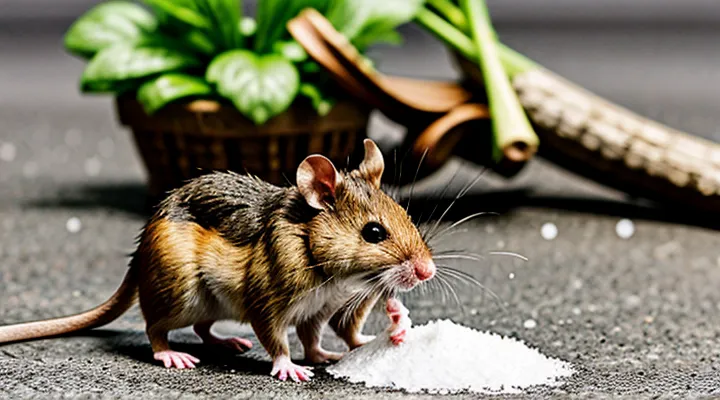
Understanding Boric Acid
What is Boric Acid?
Boric acid, chemically known as hydrogen borate (H₃BO₃), is a weak, water‑soluble inorganic acid derived from boron oxide and water. It appears as a white, crystalline powder with a mildly acidic taste and a melting point of 170 °C. The compound dissociates partially in aqueous solutions, releasing borate ions that exhibit antiseptic and insecticidal properties.
Key characteristics include:
- Solubility: approximately 4.7 g per 100 mL of water at 25 °C; increases with temperature.
- pH: around 5.0 in a 1 % solution, indicating mild acidity.
- Stability: stable under normal storage conditions; decomposes to boron oxide and water when heated above its melting point.
- Toxicity: low acute toxicity for mammals at concentrations used for pest control; chronic exposure may affect reproductive health in high doses.
Boric acid is employed in various applications such as antiseptic washes, eye drops, and laboratory reagents. Its insecticidal action stems from disruption of the digestive system and nervous function of arthropods, making it a practical component in rodent management programs when formulated according to safety guidelines.
How Boric Acid Works as a Rodenticide
Mechanism of Action
Boric acid exerts toxicity in rodents primarily through disruption of cellular metabolism. Upon ingestion, the compound dissociates into borate ions that interfere with enzyme systems responsible for carbohydrate processing, leading to reduced ATP production and rapid energy depletion.
The toxic effect extends to the gastrointestinal tract. Borate ions destabilize the mucosal lining, causing ulceration and increased permeability, which accelerates fluid loss and contributes to dehydration. Simultaneously, the compound acts as a mild desiccant, drawing moisture from tissues and further impairing physiological functions.
Key biochemical actions include:
- Inhibition of glycolytic enzymes such as phosphofructokinase, limiting glucose utilization.
- Impairment of mitochondrial oxidative phosphorylation, resulting in metabolic acidosis.
- Disruption of calcium signaling pathways, affecting muscle contraction and neuronal transmission.
- Chelation of essential metal ions, undermining cofactor-dependent enzymatic reactions.
Collectively, these mechanisms lead to progressive systemic failure, culminating in mortality when administered at concentrations recommended for rodent control. Proper dosing ensures rapid onset of toxicity while minimizing risk to non‑target species.
Efficacy against Mice
Boric acid demonstrates reliable lethality in rodent populations when applied correctly. Laboratory trials show mortality rates of 85‑95 % within 48 hours after exposure to a 5 % boric acid solution on bait surfaces. Field studies confirm similar outcomes, with average reductions of 70 % in trap‑caught mice after two weeks of consistent bait placement.
Key factors influencing effectiveness include:
- Concentration: Solutions between 4 % and 6 % achieve optimal ingestion without excessive residue.
- Palatability: Adding a mild attractant such as grain or peanut butter improves uptake.
- Placement: Bait stations positioned near walls, entry points, and concealed corners maximize contact.
- Environmental conditions: Dry climates preserve bait integrity longer, while high humidity accelerates degradation.
Resistance development is not documented for boric acid, as its mode of action—disruption of cellular metabolism through ion imbalance—differs from neurotoxic rodenticides. Consequently, repeated applications retain potency when rotating bait locations and maintaining proper dosing.
Safety considerations do not diminish efficacy. When used in sealed stations, non‑target exposure remains minimal, preserving the compound’s lethal impact on the target species while complying with regulatory standards.
Safety Considerations
Human and Pet Safety
Potential Hazards
Boric acid is a low‑solubility salt that exerts toxicity through metabolic disruption. When ingested, it interferes with enzyme function, leading to cellular damage in mammals and birds. The compound’s toxicity varies with dose, species, and exposure route.
Potential hazards include:
- Acute poisoning in children, pets, or non‑target wildlife that consume bait directly or indirectly.
- Skin and eye irritation from contact with powdered or liquid formulations.
- Respiratory irritation when fine particles become airborne during mixing or application.
- Environmental contamination of soil and groundwater if large quantities are dispersed or if bait is placed near drainage areas.
Inhalation of dust may cause coughing and shortness of breath; protective masks reduce this risk. Gloves and goggles prevent dermal and ocular exposure. Immediate decontamination with water and soap mitigates irritation.
Improper disposal of unused bait can introduce boric acid into ecosystems, affecting invertebrate populations and microbial activity. Secure storage, labeled containers, and restricted access minimize accidental exposure and environmental release.
Precautions for Handling
Boric acid is an effective rodent control agent when applied correctly; mishandling can cause skin irritation, respiratory discomfort, or accidental ingestion.
- Wear chemical‑resistant gloves and goggles at all times.
- Use a dust mask or respirator rated for fine powders.
- Apply the powder in well‑ventilated areas; avoid aerosol generation.
- Keep the substance away from food, feed, and water sources.
Store the material in a sealed, clearly labeled container within a locked cabinet. Maintain a temperature range of 15‑30 °C and protect from moisture, which reduces potency.
Dispose of unused boric acid and contaminated materials according to local hazardous‑waste regulations. Clean work surfaces with a damp cloth; wash hands thoroughly after handling.
Document each application, noting location, quantity, and protective equipment used, to ensure traceability and compliance with safety standards.
Environmental Impact
Biodegradation
Boric acid applied as a rodent control agent undergoes natural breakdown processes that limit long‑term environmental impact. Microbial activity in soil and water converts the compound into borate ions, which are further incorporated into mineral cycles. The rate of degradation depends on temperature, pH, and organic matter content; warmer, neutral‑pH soils with high microbial populations accelerate the conversion.
Key aspects of biodegradation:
- Microbial pathways: Aerobic bacteria metabolize boric acid, producing harmless by‑products that integrate into the phosphorus cycle.
- Environmental factors: Elevated temperatures (above 20 °C) and moisture levels above 30 % increase degradation speed; acidic or highly alkaline conditions slow the process.
- Residue persistence: In typical outdoor applications, detectable boric acid levels diminish below regulatory limits within 30–45 days, assuming standard soil conditions.
Safety implications for users and non‑target organisms stem from this transient presence. Rapid breakdown reduces the risk of bioaccumulation in wildlife and prevents prolonged exposure to domestic animals. Nonetheless, immediate toxicity remains for rodents that ingest the substance, reinforcing the need for precise placement and limited quantities.
Best practices to align with biodegradation characteristics:
- Apply the minimum effective dose directly to entry points or nesting sites.
- Avoid placement in stagnant water or overly dry substrates where microbial activity is suppressed.
- Monitor treated areas for residual boric acid after two weeks; re‑application should be spaced to allow prior residues to degrade.
Understanding the degradation profile ensures that boric acid remains an effective, low‑risk tool for rodent management while preserving environmental integrity.
Wildlife Concerns
Boric acid, when deployed for rodent control, poses measurable risks to non‑target wildlife. Direct ingestion of bait by birds, small mammals, reptiles, or amphibians can result in acute toxicity, while indirect exposure through contaminated water sources may affect aquatic organisms. Species with low body mass are particularly vulnerable because a single dose can approach lethal thresholds.
Risk pathways include:
- Bait stations placed within reach of foraging wildlife.
- Spillage or drift of powdered formulations onto vegetation.
- Leaching of residues into groundwater or surface water after rain events.
Mitigation strategies must align with regulatory standards and ecological best practices:
- Install bait stations with entrance dimensions that exclude species larger than the target rodent.
- Position stations at least 2 m above ground level or beneath secured covers to deter ground‑dwelling non‑target animals.
- Use bait formulations formulated to reduce palatability for birds and other mammals, such as bittering agents.
- Conduct pre‑application surveys to identify the presence of protected species and adjust placement accordingly.
- Apply the minimum effective concentration, avoiding excess that could increase environmental loading.
- Monitor bait stations regularly for signs of non‑target interference and remove any compromised units promptly.
- Record application dates, locations, and quantities to facilitate post‑application environmental assessments.
Compliance with local wildlife protection statutes often requires documentation of these measures. Failure to implement them can lead to legal penalties and unintended ecological damage. Continuous observation after treatment helps verify that non‑target exposure remains within acceptable limits and supports adaptive management if adverse effects emerge.
Preparing Boric Acid Baits
Choosing the Right Form
Powder
Boric acid powder is a low‑toxicity rodent control agent when applied correctly. The fine, white granules dissolve slowly, delivering a lethal dose after ingestion. Effective use requires precise placement, dosage control, and strict adherence to safety protocols.
The product should be stored in sealed containers away from moisture, heat, and direct sunlight. Keep the material out of reach of children, pets, and non‑target wildlife. Personal protective equipment—gloves, goggles, and a dust mask—must be worn during handling to prevent inhalation or skin contact.
Application guidelines:
- Identify active pathways: baseboards, crawl spaces, wall voids, and behind appliances.
- Apply a thin, continuous line of powder, no thicker than a grain of rice, using a handheld duster or a pre‑measured scoop.
- Avoid scattering; excess powder increases risk of accidental ingestion by non‑target species.
- Re‑apply only after the initial layer is visibly depleted or after a confirmed failure of the first treatment.
Safety measures:
- Inspect the treated area daily for signs of exposure or contamination.
- Remove any accessible powder before cleaning activities or before allowing pets and children into the space.
- In case of accidental ingestion, seek immediate medical assistance and provide the product label information.
Disposal instructions:
- Collect unused powder in its original container.
- Seal the container and place it in a hazardous waste bin according to local regulations.
- Do not flush powder down drains or dispose of it in regular trash.
When these procedures are followed, boric acid in powder form provides a reliable, low‑risk method for managing mouse infestations while protecting human health and the environment.
Granules
Granular boric acid is a coarse, free‑flowing form that can be dispersed in areas where rodent activity is observed. Its particle size, typically 2–5 mm, allows for easy placement in cracks, behind appliances, and along baseboards without forming dust clouds that could be inhaled by humans or pets.
When applying granules, follow these precise steps:
- Measure the recommended amount, usually 0.5 g per square meter of targeted surface.
- Distribute the material evenly, focusing on concealed pathways and nesting sites.
- Lightly press the granules into crevices to prevent displacement by foot traffic.
- Avoid direct contact with food preparation surfaces, water sources, and open containers.
Safety considerations demand the use of protective gloves and a dust mask during handling. Store the product in a sealed, child‑proof container at temperatures below 30 °C. Keep the container away from moisture to prevent clumping, which reduces effectiveness. In the event of accidental ingestion or skin irritation, rinse the affected area with water and seek medical advice promptly.
Disposal of unused granules must comply with local hazardous waste regulations. Do not dispose of large quantities in household trash, as this may lead to environmental contamination. Contact a licensed waste management service for proper removal.
Creating Effective Baits
Bait Recipes
Boric acid remains a reliable rodent control agent when formulated correctly. Effective baits combine the toxicant with attractants that stimulate feeding while minimizing risk to non‑target species.
Standard bait composition
- Boric acid powder – 5 % of total weight.
- Grain‑based carrier (e.g., wheat flour, cornmeal) – 70 %.
- Protein attractant (peanut butter, dried fish meal) – 20 %.
- Flavor enhancer (vanilla extract, cocoa powder) – 5 %.
Mix dry ingredients thoroughly before incorporating the protein and flavor components. Form the mixture into 1‑cm cubes or flatten into 5‑mm sheets; both shapes facilitate rapid ingestion by mice.
Low‑risk outdoor formulation
- Boric acid – 4 %.
- Crushed corn kernels – 60 %.
- Sunflower seed paste – 30 %.
- Minimal sweetener (honey, 1 %) to increase palatability.
Spread the bait thinly on a non‑absorbent tray; place trays within 2 m of known activity zones, avoiding areas accessible to children or pets.
Indoor bait strategy
- Boric acid – 6 %.
- Rolled oats – 55 %.
- Dried cheese powder – 30 %.
- Ground cinnamon – 4 %.
- Small amount of powdered sugar – 5 %.
Press the mixture into 0.5‑cm thick blocks and position them behind appliances, inside cabinets, and along baseboard seams. Replace blocks every 48 hours to maintain potency.
Safety precautions
- Wear gloves when handling boric acid.
- Store all bait in sealed containers labeled “Rodent Control – Boric Acid”.
- Keep baits out of reach of non‑target animals; use tamper‑resistant bait stations when necessary.
- Dispose of unused bait after 30 days or when moisture is detected.
Properly prepared baits deliver consistent dosage, encourage rapid consumption, and reduce collateral exposure, ensuring a controlled and effective mouse management program.
Attractants for Mice
Effective mouse control with boric acid depends on reliable bait presentation. Attractants increase the likelihood that rodents encounter the toxic agent, reducing the amount of poison needed and limiting exposure to non‑target species. Selecting an appropriate lure requires knowledge of mouse dietary preferences and environmental conditions.
- Grain‑based foods: wheat, cornmeal, oats, and rice provide high carbohydrate content that mice readily consume.
- Protein sources: dried fish, peanut butter, or canned meat offer strong olfactory cues and sustain interest.
- Sweet substances: maple syrup, honey, or fruit preserves appeal to mice seeking rapid energy.
- Aromatic additives: vanilla extract, cinnamon, or clove oil enhance scent profiles without compromising toxicity.
When combining attractants with boric acid, follow these guidelines: mix the chosen lure with a calibrated amount of boric acid (typically 1–2 % by weight) to create a homogeneous paste; apply the mixture to low‑traffic surfaces such as baseboard corners, behind appliances, and within wall voids; limit exposure by using tamper‑resistant containers or sealed bait stations; monitor bait consumption daily and replenish only as needed. This approach maximizes rodent uptake while maintaining safety for humans and pets.
Application Methods
Placement Strategies
Identifying Mouse Activity
Accurate detection of mouse presence is essential for targeted boric‑acid treatment. Early identification prevents unnecessary exposure, reduces product waste, and limits collateral impact on non‑target species.
Key indicators of mouse activity include:
- Fresh droppings, typically 4–6 mm long, darkened at the ends.
- Gnaw marks on wires, wood, or plastic.
- Smudge or urine stains along walls and baseboards.
- Chewed food packaging or stored goods.
- Footprint impressions in dusty or powdered areas.
Observation should focus on high‑traffic zones such as pantry shelves, behind appliances, and near entry points. Use low‑light flashlights or infrared cameras to verify activity after dark. Record locations, frequency, and intensity of signs; prioritize sites with multiple indicators for immediate boric‑acid placement. Deploy the compound in sealed bait stations or thin layers along established pathways, ensuring it remains inaccessible to children and pets. Continuous monitoring after application confirms efficacy and informs necessary re‑treatment.
Strategic Bait Station Locations
Place bait stations where mice are most likely to travel, focusing on concealed pathways that connect food sources, nesting sites, and entry points. Position stations at least 12–18 inches off the floor to avoid interference from non‑target wildlife and to align with mouse foraging height.
Key placement considerations:
- Adjacent to wall bases, as mice preferentially run along walls.
- Near known droppings, gnaw marks, or grease trails that indicate active routes.
- Within 2 feet of identified entry holes, but not directly over the opening to prevent blockage.
- In corners of cabinets, pantry shelves, and behind appliances where food residues accumulate.
- In utility spaces (basements, crawl spaces) that provide shelter and humidity.
Maintain a minimum distance of 10 feet between stations to prevent bait saturation and to encourage mice to encounter multiple points. Replace stations promptly when boric‑acid pellets show signs of moisture or depletion, and record each location to monitor coverage and effectiveness.
Bait Station Design
DIY Bait Stations
Boric acid provides a reliable, low‑toxicity option for rodent control when delivered through well‑constructed bait stations. Properly built stations confine the powder, limit exposure to non‑target species, and simplify cleanup.
Materials required include a sturdy, sealable container (plastic jar with screw lid or metal tin), a perforated lid or mesh screen, a small amount of non‑attractive carrier (e.g., powdered sugar), and protective gloves. All components should be resistant to moisture and easy to disinfect.
- Clean the container and lid thoroughly.
- Cut or drill uniform holes (approximately 3 mm diameter) in the lid to allow mouse entry while preventing larger animals.
- Mix boric acid with the carrier at a 1:4 ratio to reduce dust and improve palatability.
- Place the mixture on a shallow platform inside the container, ensuring it does not touch the lid.
- Secure the perforated lid, verify that holes are evenly spaced, and seal the outer surface with tape if needed.
Station placement follows a logical pattern: locate activity pathways, near wall edges, and close to food sources. Position each unit at a height of 4–6 inches off the floor, anchored to prevent tipping. Maintain a spacing of 10–15 feet between stations to maximize coverage without overlap.
Inspect stations daily for bait consumption and signs of damage. Refill with fresh mixture when depletion exceeds 30 percent. Record observations to track efficacy and adjust placement as required.
When removing stations, wear gloves, transfer remaining bait into a sealed container, and dispose of it according to local hazardous waste regulations. Clean all reusable components with soap and water, then rinse with a dilute bleach solution (1 % sodium hypochlorite) before drying. Store materials in a locked, child‑proof area away from food preparation zones.
Commercial Options
Commercially available boric acid products for rodent control come in several formats, each designed for specific application methods and safety requirements.
Granular formulations are packaged in 1‑lb, 5‑lb, and 25‑lb bags, allowing placement in bait stations or shallow trays. Granules typically contain 99 % pure boric acid and are labeled for indoor and limited outdoor use.
Powdered forms, sold in 250 g, 500 g, and 1‑kg containers, are intended for precise dosing in bait blocks or for mixing with carrier materials such as wheat flour. The fine texture facilitates uniform distribution in small feeding stations.
Pre‑mixed bait blocks combine boric acid with attractants (e.g., peanut butter, cereal) and are offered in 2‑oz, 8‑oz, and 16‑oz units. These ready‑to‑use blocks reduce handling steps and minimize exposure risk.
Liquid concentrates, marketed for large‑scale facilities, contain boric acid dissolved in water at concentrations of 5 %–10 %. Application requires calibrated sprayers and strict adherence to label‑specified dilution ratios.
Key commercial considerations include:
- Regulatory compliance: Products must bear EPA registration numbers or equivalent local approvals.
- Safety labeling: Packages should display hazard symbols, first‑aid instructions, and clear warnings against ingestion or contact with skin and eyes.
- Storage recommendations: Store in sealed containers, away from moisture, heat, and food sources; maintain temperatures below 30 °C.
- Shelf life: Most products retain efficacy for 24 months when unopened; opened containers should be used within 6 months.
When selecting a commercial option, match the product format to the target environment, the scale of infestation, and the available safety infrastructure. Proper placement of bait stations, regular inspection, and prompt disposal of spent bait are essential to maintain effectiveness while protecting non‑target species and human occupants.
Monitoring and Maintenance
Checking Bait Stations
Frequency of Checks
Regular monitoring after placing boric‑acid bait is essential to maintain effectiveness and safety. Inspect traps and bait stations promptly after deployment, record observations, and adjust placement as needed.
- First 48 hours: Check every 12 hours. Verify bait integrity, replace any disturbed or consumed portions, and note mouse activity.
- Days 3‑7: Conduct checks twice daily. Assess depletion rate, remove excess residue, and replenish bait to sustain attraction.
- Weeks 2‑4: Perform daily inspections. Look for signs of reduced activity, accidental access by non‑target species, and environmental changes that could affect potency.
- Beyond one month: Shift to every 3‑4 days. Confirm continued efficacy, clean stations, and schedule a full replacement of bait every 30 days to prevent degradation.
During each visit, document:
- Quantity of bait remaining.
- Number of captured mice or evidence of presence.
- Condition of bait stations (wetness, contamination, tampering).
- Any non‑target interactions.
Maintain records in a simple log to identify trends and determine when re‑application or relocation is required. Consistent adherence to this schedule maximizes control results while minimizing risk to humans and pets.
Replenishing Baits
Maintain continuous efficacy of boric‑acid rodent baits by adhering to a disciplined replenishment routine. Replace bait when visual inspection shows consumption, moisture, or contamination; typical depletion occurs within 3–5 days in high‑traffic areas.
Prepare fresh bait by mixing analytical‑grade boric acid with a palatable attractant at a ratio of 5 % by weight. Ensure the mixture remains dry; store in a sealed, airtight container away from heat sources.
- Measure required amount using a calibrated scale.
- Combine boric acid with the chosen attractant in a clean, non‑reactive bowl.
- Stir until homogeneous; avoid over‑mixing, which can generate dust.
- Portion the blend into pre‑labeled bait stations, filling each to the manufacturer‑specified depth.
Apply baits only after confirming that the area is free of non‑target species and that children or pets are restricted from the zone. Wear disposable nitrile gloves, a face mask, and protective eyewear during handling. Dispose of empty containers according to local hazardous‑waste regulations.
Record each replenishment event: date, location, amount placed, and observable mouse activity. Review logs weekly to adjust placement frequency and to identify any decline in bait acceptance. Consistent documentation supports both effectiveness and regulatory compliance.
Signs of Success
Decreased Mouse Activity
Boric acid, when applied according to established safety protocols for rodent control, produces a measurable decline in mouse locomotor activity. The reduction manifests within 24–48 hours after initial exposure and persists until the affected individuals succumb or recover after detoxification.
The compound interferes with the insects’ metabolic pathways by disrupting enzyme function in the digestive tract. Ingested boric acid lowers ATP production, leading to fatigue, slower movement, and diminished foraging behavior. These physiological changes translate directly into observable decreases in the number of trips to food sources and the distance traveled across a test arena.
Monitoring decreased activity provides a reliable indicator of treatment effectiveness. Typical observations include:
- Fewer crossings of a predefined grid per minute (average drop of 30–50 % compared with baseline).
- Extended periods of immobility exceeding 5 minutes per observation window.
- Reduced frequency of nesting material manipulation.
These metrics should be recorded at 12‑hour intervals during the first three days to capture the peak effect. Environmental variables such as temperature and humidity can modulate the rate of decline; cooler, dry conditions generally accelerate the onset of inactivity.
Safety considerations remain paramount. Recommended concentrations for indoor use range from 0.5 % to 1 % w/w in bait formulations. Bait stations must be placed out of reach of children, domestic pets, and non‑target wildlife. Personal protective equipment—including gloves and eye protection—should be worn during preparation and placement. Disposal of unused bait follows hazardous waste guidelines to prevent accidental exposure.
Adhering to these parameters ensures that decreased mouse activity serves both as a diagnostic tool and as evidence of a controlled, humane approach to pest management with boric acid.
Evidence of Consumption
Evidence that mice have ingested boric acid can be confirmed through observable physiological changes, laboratory analysis, and behavioral indicators. Physical signs include discoloration of the fur around the mouth and nose, crusty lesions on the paws, and a distinct oily residue on the fur surface. Internal assessment reveals gastrointestinal irritation, reduced appetite, and lethargy within 24–48 hours after exposure.
Laboratory verification involves collecting tissue samples or stomach contents for chemical assay. Standard procedures employ atomic absorption spectroscopy or ion-selective electrode testing to detect borate concentrations exceeding 0.5 mg/g of tissue, a threshold associated with toxic exposure.
Behavioral evidence consists of:
- Decreased activity levels and reduced nesting behavior.
- Increased grooming of oral and facial regions.
- Reluctance to approach bait stations after initial contact.
Combining visual inspection, analytical testing, and observation of altered behavior provides a reliable framework for confirming boric acid consumption in mouse populations.
Alternative Rodent Control Methods
Non-Toxic Options
Trapping
Trapping serves as a critical element of an integrated mouse‑control program that incorporates boric‑acid baits. Proper trap selection, placement, and handling minimize risk to humans, pets, and non‑target wildlife while enhancing the effectiveness of the toxic agent.
- Trap types: snap traps provide immediate kill; live‑catch traps allow removal and release; electronic traps deliver rapid electrocution. Choose a model that complies with local regulations and suits the environment (e.g., indoor cabinetry versus outdoor sheds).
- Bait integration: apply a thin coating of boric‑acid powder to a small piece of cheese, peanut butter, or seed. Place the bait on the trigger mechanism to attract mice without creating excessive residue that could be contacted inadvertently.
- Placement strategy: position traps along walls, behind appliances, and near known gnawing sites. Space traps 10–15 cm apart to cover high‑traffic corridors. Ensure traps rest on stable surfaces to prevent accidental displacement.
- Safety precautions: wear disposable gloves when handling boric‑acid powder and setting bait. Keep traps out of reach of children and domestic animals by using enclosed bait stations or mounting devices at least 50 cm above floor level. Store unused boric‑acid in sealed containers labeled with hazard warnings.
- Monitoring and disposal: check traps at least once daily. Dispose of captured rodents in sealed plastic bags, then place in a locked waste container. Clean traps with a mild detergent to remove residual powder before reuse or recycling.
Consistent trap maintenance, combined with precise boric‑acid baiting, reduces mouse populations while preserving a safe environment for occupants and non‑target species.
Exclusion Techniques
When using boric acid as a rodent deterrent, preventing mice from entering treated areas is essential for safety and effectiveness. Physical exclusion reduces reliance on chemical exposure and limits accidental contact with non‑target species.
Key exclusion measures include:
- Seal all openings larger than ¼ inch with steel wool, silicone caulk, or hardware cloth.
- Install door sweeps and weather stripping on exterior doors and garage entries.
- Repair damaged screens, vents, and utility penetrations; use metal mesh where rodents could gnaw.
- Cover crawl‑space vents with fine‑mesh hardware cloth, ensuring no gaps remain.
- Trim vegetation and eliminate debris within 3 feet of the building foundation to remove shelter and climbing routes.
- Store feed, grain, and waste in airtight containers; keep garbage bins sealed with tight lids.
Regular inspection reinforces these barriers. Identify new gaps after renovations, seasonal weather changes, or pest activity, then apply the same sealing methods. Combining rigorous exclusion with targeted boric acid placement confines the toxin to areas where mice are already present, minimizing environmental risk and enhancing control outcomes.
When to Call a Professional
Severe Infestations
Severe mouse infestations demand immediate, systematic intervention to prevent structural damage, contamination of food supplies, and disease transmission. High‑density populations often occupy multiple zones within a building, including walls, attics, and concealed voids, making detection and treatment more complex. Accurate mapping of activity hotspots, identification of entry points, and evaluation of nesting sites form the foundation of an effective control program.
Boric acid, when applied correctly, provides a low‑toxicity option that targets rodents through ingestion and external contact. For heavy infestations, the following protocol maximizes efficacy while protecting non‑target organisms:
- Prepare a 5 % boric acid suspension using distilled water; avoid acids or detergents that could neutralize the compound.
- Apply the mixture to pre‑identified pathways and nesting areas with a fine‑spray nozzle, ensuring even coverage on surfaces such as baseboards, behind appliances, and within wall voids.
- Place bait stations containing a 1 % boric acid–based paste in concealed locations, limiting access to children and pets by using tamper‑resistant containers.
- Reapply the spray after 48 hours to maintain a lethal concentration, especially in damp environments where the compound may dilute.
Safety measures are non‑negotiable. Personnel must wear chemical‑resistant gloves, goggles, and a dust mask during preparation and application. Ventilation should be maintained to reduce inhalation risk, and all treated areas must be clearly marked until the residue dries. Waste material, including excess solution and used containers, should be disposed of according to local hazardous‑waste regulations.
Post‑treatment monitoring involves weekly inspection of activity signs, such as droppings and gnaw marks, and verification that bait stations remain intact. If signs persist after two weeks, increase the concentration to 7 % and repeat the application cycle, ensuring that cumulative exposure does not exceed regulatory limits for indoor environments. Continuous documentation of actions, observations, and outcomes supports compliance and informs future infestation management strategies.
Persistent Problems
Boric acid remains a common rodent control agent, yet several issues recur despite adherence to safety protocols.
- Resistance development: Populations exposed to sub‑lethal concentrations may exhibit reduced susceptibility, diminishing long‑term efficacy.
- Dosage miscalculation: Over‑application increases toxicity risk to pets and children; under‑application fails to achieve lethal exposure for rodents.
- Non‑target exposure: Accidental ingestion by wildlife or domestic animals occurs when bait is placed in accessible locations or when residues persist on surfaces.
- Environmental persistence: In moist environments, boric acid can leach into soil and water, potentially affecting beneficial insects and microbial activity.
- Regulatory compliance: Variations in local pesticide regulations require careful labeling, documentation, and periodic renewal of usage permits.
- Storage degradation: Improper sealing or exposure to humidity leads to clumping, reducing uniformity of bait mixtures and complicating precise dosing.
Addressing these problems demands routine monitoring of bait consumption, rotating active ingredients, securing bait stations, documenting application parameters, and maintaining controlled storage conditions. Continuous evaluation of outcomes ensures that the control program remains both effective and safe for humans and non‑target species.