
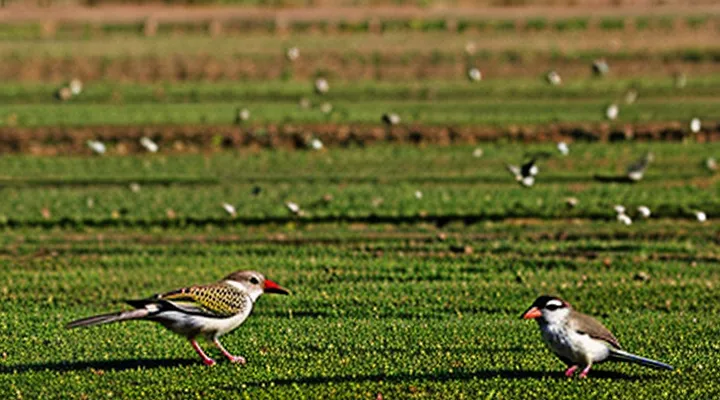
The Ecological Role of Mouse-Hunting Birds
Pest Control and Ecosystem Balance
Predatory birds that capture rodents serve as natural pest regulators. Their hunting activity directly reduces mouse populations that threaten stored grain, garden crops, and orchard yields.
By lowering rodent numbers, these avian hunters diminish the incidence of diseases transmitted through rodent urine and feces, such as hantavirus and leptospirosis. Fewer rodents also mean reduced competition for seeds and seedlings, allowing higher plant productivity.
Rodent control through avian predation preserves vegetation structure. When mouse densities decline, overgrazing pressure eases, supporting diverse groundcover and reducing soil erosion. This balance sustains habitats for insects, small mammals, and other bird species.
Maintaining habitats that attract rodent‑hunting birds reinforces trophic stability. Nesting boxes, tall trees, and undisturbed hedgerows provide shelter and perching sites, encouraging resident and migratory populations to remain active in the area.
Practical measures to promote these avian predators:
- Install and regularly clean nesting boxes designed for species such as barn owls, kestrels, and hawks.
- Preserve mature trees and shrubs that offer roosting platforms.
- Limit broad‑spectrum pesticide applications that can harm both prey and predator.
- Manage farmland margins with native grasses and wildflowers to support insect prey for fledgling birds.
Implementing these steps leverages the innate hunting capacity of rodent‑targeting birds, delivering effective pest control while maintaining ecological equilibrium.
Impact on Agricultural Landscapes
Predatory avian species that specialize in catching mice are common across cultivated fields, orchards, and grain storage areas. Their foraging activity directly lowers the density of rodent populations that damage seeds, seedlings, and stored produce.
Reduced rodent pressure translates into measurable declines in crop loss. Field surveys indicate that farms with established populations of these birds experience 15‑30 % fewer instances of seed predation and a corresponding increase in yield stability.
Economic analysis shows that natural mouse control by birds cuts pesticide expenditures. Farmers report annual savings ranging from $200 to $800 per hectare, reflecting decreased chemical purchases and application labor.
Beyond pest suppression, the presence of mouse‑hunting birds enhances overall biodiversity. Their nesting sites and perching structures provide habitats for insects, pollinators, and secondary predators, reinforcing ecosystem resilience and supporting soil health.
Effective integration of these avian allies into agricultural practice requires targeted habitat management:
- Install nest boxes and perch rods near field margins.
- Preserve hedgerows and native grass strips that supply cover and food sources.
- Reduce pesticide applications that harm non‑target bird species.
- Implement crop rotation and fallow periods that sustain insect prey populations.
Adopting these measures sustains the natural predation service, promotes sustainable farming, and safeguards long‑term productivity.
Adaptations for Rodent Predation
Keen Senses: Vision and Hearing
Predatory birds that pursue rodents rely on exceptionally acute vision and hearing to locate and capture mice in diverse habitats. Their eyes possess a high density of photoreceptor cells, providing sharp acuity and a broad field of view. The central fovea, enlarged in species such as the barn owl and hawk, concentrates visual detail on small prey, while a reflective tapetum lucidum amplifies low‑light signals, enabling detection at dusk and night. Binocular overlap creates precise depth perception, allowing rapid calculation of distance and trajectory during a strike.
Auditory capabilities complement visual performance. Asymmetrically placed ears create interaural time and intensity differences that the brain translates into three‑dimensional sound localization. The facial disc of owls funnels sound waves toward the ear canal, enhancing frequency resolution in the 2–8 kHz range where mouse vocalizations peak. Neural pathways in the midbrain and forebrain process these cues with millisecond latency, triggering swift motor responses.
Together, visual sharpness and auditory precision form a dual sensory system that compensates for environmental variability. When visibility is limited, hearing alone can pinpoint prey location; when sound is masked, visual tracking maintains pursuit accuracy. This integration underlies the efficiency of rodent‑hunting avian predators.
Nocturnal Hunting Strategies
Birds that specialize in capturing small rodents employ a suite of nocturnal hunting adaptations that maximize success in low‑light environments. Their sensory and morphological traits work together to locate and seize prey with minimal disturbance.
- Auditory precision – Asymmetrical ear placement and a facial disc channel sound toward the ear canals, allowing detection of mouse footfalls and rustling from several meters away.
- Silent flight – Fringe‑like edges on primary feathers break up airflow, reducing turbulence and eliminating audible wing beats that could alert prey.
- Low‑light vision – Tapetum lucidum and a high density of rod cells enhance visual acuity under starlight, enabling precise targeting of moving mammals.
- Perch‑and‑pounce tactic – Strategic selection of elevated roosts provides an unobstructed line of sight and a rapid descent trajectory that shortens the time between detection and capture.
- Tactile foraging – Some species use a slight forward tilt of the head to sense vibrations transmitted through vegetation, supplementing auditory cues.
These strategies are reinforced by behavioral timing; peak hunting activity aligns with the crepuscular surge of mouse movement, reducing competition from diurnal predators. Morphological specializations, such as robust talons and a flexible neck, translate sensory input into swift, lethal strikes. Consequently, nocturnal avian predators exert significant top‑down control on rodent populations, influencing ecosystem dynamics and supporting agricultural pest management.
Diurnal Hunting Techniques
Diurnal avian predators of rodents rely on daylight to maximize visual discrimination and speed. Sharp binocular vision resolves the movement of small mammals against complex ground textures, allowing precise distance estimation and rapid trajectory calculation.
Aerial pursuit combines several tactics:
- Perch‑launch: The bird selects an elevated, concealed roost, scans the ground, then initiates a short, steep dive toward the target.
- Low‑altitude sweep: Continuous flight just above the vegetation enables detection of rodents emerging from cover; swift, level passes force the prey into escape routes where the predator can intercept.
- Hover‑strike: Hovering over a known foraging area creates a visual deterrent; the sudden plunge captures startled mice before they can flee.
- Coordinated chase: Pairs or small groups stagger their attacks, with one individual flushing the mouse while another positions for capture.
Acoustic cues supplement visual data. Some species emit low‑frequency calls that echo off the terrain, revealing the presence of hidden rodents. The calls also serve to coordinate group movements during a coordinated chase.
Morphological adaptations reinforce these techniques. Streamlined bodies reduce drag during dives, while powerful talons and a flexible grip secure prey mid‑air. Muscular leg placement permits rapid extension upon impact, converting kinetic energy into a decisive strike.
Energy efficiency drives the selection of daytime hunting. Solar warmth maintains optimal muscle temperature, shortening reaction times. Additionally, daylight reduces the need for nocturnal sensory specialization, allowing the predator to allocate resources to visual acuity and speed.
Specialized Talons and Beaks
The predatory birds that capture rodents possess talons and beaks shaped for rapid immobilization and efficient processing of prey.
Talons exhibit pronounced curvature that concentrates pressure on a small contact area, allowing penetration of mouse fur and skeletal tissue. Keratin layers are reinforced by dense collagen fibers, providing resistance to wear during repeated strikes. Muscular attachments enable swift closure, delivering force measured in hundreds of newtons, sufficient to fracture vertebrae and crush small bones.
Beaks are hooked, with a sharp dorsal edge that slices through flesh while the ventral ridge exerts compressive force. The raptorial mandible features a reinforced keel, supporting powerful adductor muscles that generate bite forces capable of severing spinal cords in milliseconds. Serrated microstructures along the cutting edge reduce slippage on moist tissue.
Key adaptations:
- Curved talons with high grip density
- Reinforced keratin sheath on claws
- Rapid‑actuating flexor muscles
- Hooked beak with dorsal cutting edge
- Strengthened mandibular keel for bite force
- Micro‑serration reducing tissue slip
Species such as the Eurasian sparrowhawk, barn owl, and Cooper’s hawk demonstrate these traits. Their talons grip the mouse’s torso, while the beak delivers a precise bite to the neck or spinal column, ensuring swift termination and minimizing struggle. The combination of these specialized structures underlies the effectiveness of avian rodent hunters.
Grip and Capture Mechanics
Predatory avian species that target rodents rely on specialized grip and capture mechanisms to secure fast‑moving prey. Their talons exhibit sharp, curved claws that generate high point pressure, allowing penetration of fur and skin with minimal effort. Muscular tendons contract rapidly, delivering a forceful clasp that immobilizes the mouse before it can escape.
The capture sequence follows a predictable pattern:
- Initial strike – a swift, downward plunge positions the bird directly over the target.
- Talon deployment – fore‑limbs extend, spreading the claws to maximize surface area.
- Force application – flexor muscles contract, tightening the grip until the prey’s spine is immobilized.
- Stabilization – the bird adjusts its foot angle to prevent the mouse from wriggling free.
- Transport – the bird lifts the prey, using its beak to guide the animal toward the nest or feeding site.
Key anatomical features support this process:
- Curved talons concentrate pressure at the tip, reducing the energy required to puncture.
- Hyper‑flexible tendons store elastic energy, releasing it instantly during the strike.
- Sensory receptors in the foot pads detect subtle movements, enabling rapid adjustments in grip strength.
- Robust musculature in the legs provides both crushing power and fine motor control for handling live prey.
These mechanisms combine to allow raptors to capture, restrain, and transport mice efficiently, ensuring a reliable food source despite the prey’s agility.
Killing and Consumption Methods
Rodent‑hunting birds employ rapid, precise attacks to subdue small mammals. The initial strike typically involves a high‑velocity dive that delivers a powerful impact with the talons, breaking the prey’s spine or neck. Some species, such as the Eurasian sparrowhawk, use a grip that immobilizes the mouse while the bird positions its beak to deliver a lethal bite to the head or throat. Larger raptors, like the red‑tailed hawk, may crush the vertebral column with a single grip, causing immediate fatal injury.
After the kill, consumption proceeds through two main strategies:
- Beak tearing: The bird uses its hooked beak to separate flesh from bone, discarding inedible parts while retaining muscle and organ tissue.
- Whole ingestion: Species with flexible throats, such as the American kestrel, swallow smaller mice whole, allowing digestive enzymes to break down the prey internally.
Digestive processing begins with the crop, where soft tissues are stored briefly. The stomach secretes strong acids and pepsin, dissolving muscle fibers and bone fragments. Nutrient absorption occurs in the intestines, with calcium from bone contributing to eggshell formation in breeding females. This efficient system enables avian predators to convert a single mouse into sufficient energy for flight, territorial defense, and reproduction.
Common Mouse-Hunting Bird Species
Owls: Silent Hunters of the Night
Owls dominate the nocturnal niche of rodent predation, targeting mice with remarkable efficiency. Their physiological design and hunting tactics enable sustained success in low‑light environments, making them essential components of ecosystems that rely on natural pest control.
- Silent flight: Specialized feather edges reduce turbulence, eliminating audible wingbeats.
- Facial disc: Concentric feathers channel sound toward asymmetrical ear openings, enhancing auditory localization.
- Asymmetric ears: Heightened vertical and horizontal sound discrimination allows detection of minute movements beneath leaf litter.
- Large, forward‑facing eyes: High rod density provides acute vision during twilight, while a fixed focal length eliminates the need for rapid lens adjustment.
Hunting proceeds from concealed perches or low‑level flights. Owls assess prey position using combined auditory and visual cues, then execute a rapid, talon‑first dive. Stomach analyses show that mice constitute 30‑50 % of the diet for most species, supplemented by insects, other small mammals, and occasional birds.
By suppressing mouse populations, owls indirectly protect agricultural yields and reduce disease vectors. Their presence correlates with lower rodent damage in fields and grain stores, confirming their role as natural regulators within habitats ranging from temperate forests to urban parks.
Barn Owls: The Farmers' Friend
Barn owls (Tyto alba) specialize in hunting small mammals, primarily rodents that damage grain stores and seedbeds. Their silent flight, facilitated by a fringed wing surface, allows close approach to prey concealed in vegetation or burrows. Nighttime activity aligns with the peak activity of field mice, maximizing capture efficiency.
A single barn owl can eliminate dozens of mice per night, reducing the need for chemical rodenticides. This natural predation lowers the risk of contaminating crops and soil, preserving ecological balance on farms. Additionally, barn owls require minimal human intervention; nest boxes installed in barns or fence lines provide secure breeding sites, encouraging population stability.
Key advantages for agricultural operations:
- Immediate reduction of rodent damage to stored grain and standing crops.
- Decreased reliance on toxic pest control agents.
- Enhanced biodiversity through the presence of a top predator.
- Low maintenance cost after initial nest-box installation.
Barn owls favor open habitats such as fields, meadows, and farmyards, but they readily adapt to human-made structures. Their diet composition, typically 80–95 % rodents, reflects the abundance of mice in cultivated areas. Breeding success correlates directly with prey availability; abundant mouse populations support larger clutches and higher fledgling survival rates, reinforcing the owl’s role as a self‑sustaining pest‑management ally.
Great Horned Owls: Versatile Predators
Great Horned Owls (Bubo virginianus) occupy a broad range of habitats, from dense forests to open deserts, and consistently target small mammals, especially mice. Their adaptability allows them to exploit diverse environments while maintaining high predation efficiency.
Key adaptations that enable effective mouse capture include:
- Powerful, hooked talons capable of exerting up to 300 psi pressure, crushing bone and spinal cord.
- Asymmetrical ear placements that create a precise auditory map, detecting prey movements as faint as 0.5 m away.
- Large, forward‑facing eyes with a high density of rod cells, providing superior low‑light vision and depth perception.
- Flexible neck vertebrae that permit a 270° rotation, allowing rapid head shifts without moving the body.
Hunting occurs primarily at night. The owl perches silently, uses its acute hearing to locate hidden rodents, then executes a swift, downward dive. Flight feathers feature a soft fringe that muffles wingbeats, minimizing acoustic detection. Once the prey is seized, the owl delivers a lethal bite to the neck, ensuring immediate immobilization.
Population studies show that Great Horned Owls can suppress local mouse densities by up to 30 % during breeding seasons, contributing to the regulation of rodent communities and reducing crop damage in agricultural zones. Their predatory flexibility makes them a pivotal component of ecosystems where small mammals serve as primary prey.
Hawks and Falcons: Daytime Hunters
Hawks and falcons dominate daylight predation on small rodents, employing keen vision, rapid flight, and powerful talons to capture mice. Their hunting strategy combines soaring at altitude to locate movement, followed by a steep, controlled dive that delivers lethal force within milliseconds.
Key adaptations include:
- Visual acuity: Up to eight times better than human eyesight, enabling detection of prey from several hundred meters.
- Wing morphology: Long, pointed wings provide high speed and maneuverability during pursuit.
- Talons and beak: Muscular feet and hooked beaks inflict immediate, fatal wounds.
Common species that specialize in mouse hunting are:
- Red-tailed hawk (Buteo jamaicensis) – broad wings, versatile perch hunting.
- Cooper’s hawk (Accipiter cooperii) – short, rounded wings for dense forest maneuvering.
- American kestrel (Falco sparverius) – small size, hover‑strike technique.
- Peregrine falcon (Falco peregrinus) – extraordinary dive speed, effective in open fields.
Territorial behavior ensures sufficient prey density; individuals defend hunting grounds ranging from a few hectares to several dozen square kilometers. Seasonal shifts in mouse populations prompt adjustments in hunting range and brood size, maintaining reproductive success.
Overall, the combination of physiological traits, precise hunting tactics, and territorial fidelity makes hawks and falcons the primary daylight predators of mice among avian rodent hunters.
Red-tailed Hawks: Masters of the Open Sky
Red‑tailed Hawks (Buteo jamaicensis) dominate open habitats where small mammals, especially mice, are abundant. Their broad, rounded wings generate lift with minimal effort, allowing prolonged soaring above fields and grasslands. From this altitude the hawk spots prey movement against the ground’s texture, then initiates a steep, high‑speed dive to capture the target.
Key adaptations for rodent predation include:
- Acute binocular vision with a fovea tuned to detect motion at distances up to 500 m.
- Powerful talons equipped with sharp, curved claws that grip and immobilize prey instantly.
- A robust, hooked beak designed for rapid killing and efficient removal of flesh.
- Muscular legs and a flexible spine that absorb impact forces during the final strike.
Territorial behavior ensures access to prime hunting grounds. A pair typically defends a radius of 2–3 km, maintaining a stable supply of mice and other small vertebrates. Seasonal shifts in prey density prompt brief migrations toward regions with higher rodent activity, ensuring consistent food intake throughout the breeding cycle.
Reproductive success correlates directly with hunting efficiency. Adults that secure larger mouse hauls produce more fledglings, as nestlings receive higher protein intake. Consequently, red‑tailed hawks exhibit strong selective pressure for refined aerial pursuit skills, reinforcing their status as premier hunters of ground‑dwelling rodents in open ecosystems.
Kestrels: Agile and Opportunistic
Kestrels are small falcons renowned for their speed and adaptability when pursuing rodents such as mice. Their hunting strategy combines swift aerial maneuvers with opportunistic perching, allowing them to exploit both open fields and dense vegetation.
Key adaptations that support this behavior include:
- Hovering flight – rapid wing beats generate a stationary position over potential prey, providing a precise visual field.
- Acute vision – retinal specialization detects minute movements of small mammals from distances exceeding 100 m.
- Grasping talons – curved claws deliver a secure, quick kill, minimizing struggle and escape risk.
- Flexible diet – while primarily insectivorous, kestrels readily shift to mammalian prey when abundance rises.
Territorial ranges often overlap agricultural landscapes where mouse populations fluctuate seasonally. Kestrels adjust hunting intensity in response to these cycles, increasing sortie frequency during peak rodent activity. Their presence contributes to natural pest regulation, reducing the need for chemical control measures.
Reproductive timing aligns with prey availability; breeding commences when mouse numbers are highest, ensuring ample food for nestlings. Both male and female participate in provisioning, delivering captured mice directly to the brood. This collaborative effort maximizes chick growth rates and survival prospects.
Other Avian Predators
Among raptors, several species specialize in capturing small mammals such as mice. Owls employ silent flight and acute hearing to locate prey in darkness. The Barn Owl (Tyto alba) detects rustling movements with facial discs that funnel sound to the ears, then seizes the rodent with talons and swallows it whole. The Short‑eared Owl (Asio flammeus) hunts over open fields, relying on rapid wingbeats and keen eyesight.
Diurnal hunters include hawks and falcons. The Cooper’s Hawk (Accipiter cooperii) pursues mice through dense vegetation, using short, powerful wing strokes for maneuverability. The American Kestrel (Falco sparverius) hovers above grasslands, dropping onto rodents with a swift dive. The Red‑tailed Hawk (Buteo jamaicensis) scans from perches, then engages in a controlled stoop to capture ground‑dwelling prey.
Other avian predators contribute to rodent control:
- Shrikes (family Laniidae): impale captured mice on thorns, immobilizing them before consumption.
- Roadrunners (Geococcyx californianus): chase mice on foot, delivering a rapid bite to the neck.
- Gyrfalcons (Falco rusticolus): hunt in arctic tundra, targeting lemmings and field mice with high‑speed stoops.
These birds share adaptations—enhanced vision, silent flight, powerful talons, and digestive systems capable of processing whole prey—that enable efficient predation on small mammals.
Shrikes: The «Butcher Birds»
Shrikes, known as “butcher birds,” specialize in capturing small vertebrates, including rodents such as mice. Their hunting technique combines swift aerial pursuit with a distinctive habit of impaling prey on thorns, barbed wire, or sharp protrusions. This behavior secures the catch, facilitates consumption, and creates a visible cache for future meals.
Key adaptations that enable effective mouse predation:
- Hooked, robust beak capable of delivering rapid, lethal strikes.
- Acute vision that detects movement from a distance of up to 30 meters.
- Strong, agile flight allowing sudden dives and precise maneuvering among vegetation.
- Muscular legs and talons that grip and subdue struggling prey.
Geographic distribution spans temperate regions of Europe, Asia, and Africa, where open habitats and scrub provide ample perching sites for ambush. Species such as the great grey shrike (Lanius excubitor) and the lesser grey shrike (Lanius minor) regularly incorporate mice into their diet, often accounting for a significant portion of daily caloric intake during breeding seasons.
Ecological impact includes regulation of rodent populations, which contributes to reduced crop damage and lower disease transmission risk. By maintaining prey numbers below outbreak thresholds, shrikes serve as natural pest-control agents within ecosystems that support agricultural and human activities.
Herons: Unexpected Rodent Eaters
Herons, traditionally associated with fish, regularly incorporate rodents into their diet. Field observations confirm that great blue heron (Ardea herodias), grey heron (Ardea cinerea), and little egret (Egretta garzetta) capture mice, voles, and rats when aquatic prey are scarce or when foraging near marsh margins.
Key aspects of rodent predation include:
- Habitat overlap – Herons patrol shallow water, reed beds, and floodplains where small mammals forage.
- Visual acuity – High‑resolution binocular vision detects swift, ground‑level movements.
- Stalk‑and‑strike technique – Slow approach followed by rapid neck extension, delivering force sufficient to subdue mammals.
- Beak morphology – Sharp, hooked bill penetrates fur and bone, enabling efficient killing and swallowing.
Ecological implications are measurable. Studies in temperate wetlands show a 12‑15 % reduction in rodent activity in areas with stable heron populations, contributing to lower seed predation and reduced disease vector presence. Seasonal data indicate peak rodent consumption during autumn, aligning with increased ground‑level rodent activity and declining fish abundance.
Conservation considerations emphasize preserving mixed‑habitat wetlands. Maintaining water depth gradients and vegetative cover supports both aquatic and terrestrial prey, sustaining herons’ opportunistic feeding strategies and reinforcing their role as versatile predators within the avian rodent‑hunting community.
Conservation and Coexistence
Protecting Avian Habitats
Preserving the environments where rodent‑predating birds thrive directly supports their capacity to control mouse populations. Healthy habitats provide nesting sites, reliable prey access, and refuge from predators and human disturbance.
Key actions for habitat protection include:
- Safeguarding wetlands, grasslands, and forest edges that host nesting colonies.
- Restoring native vegetation to maintain insect abundance, which sustains adult birds during breeding seasons.
- Implementing buffer zones around agricultural fields to reduce pesticide drift and habitat fragmentation.
- Monitoring water quality to prevent contamination that can impair reproductive success.
- Enforcing legal restrictions on land conversion in critical breeding and foraging areas.
Effective management relies on coordinated efforts among wildlife agencies, landowners, and conservation NGOs. Regular population surveys and habitat assessments guide adaptive strategies, ensuring that these avian predators continue to provide natural mouse control across diverse ecosystems.
Reducing Secondary Poisoning Risks
Rodent‑hunting birds are vulnerable to secondary poisoning when prey consumes anticoagulant rodenticides. Toxic residues accumulate in the predator’s bloodstream, leading to hemorrhagic disorders and mortality. Reducing this risk requires systematic changes in pest‑management practices.
- Choose non‑chemical control methods (mechanical traps, habitat modification, biological agents) wherever feasible.
- If rodenticides are unavoidable, select products with low secondary‑toxicity profiles, such as first‑generation anticoagulants, and apply the minimum effective dose.
- Place bait stations away from known foraging areas of predatory birds; use tamper‑resistant containers and locate them at least 100 m from nesting or roosting sites.
- Implement strict bait‑removal schedules: clear unused bait daily, and safely dispose of dead rodents to prevent scavenger access.
- Conduct regular monitoring of rodent populations and predator health; record incidents of unexplained mortality and test tissue samples for anticoagulant residues.
- Provide training for land managers and pest‑control operators on the hazards of secondary poisoning and best‑practice placement techniques.
- Encourage integration of integrated pest management (IPM) plans that prioritize environmental safety and predator conservation.
Adopting these measures lowers the probability that predatory birds ingest contaminated prey, thereby sustaining their ecological role in controlling rodent populations while protecting wildlife health.
Encouraging Natural Pest Control
Predatory birds that target rodents provide an effective, self‑sustaining method for reducing mouse populations in agricultural and urban settings. Their hunting behavior directly lowers infestations without chemical intervention, decreasing damage to stored grain, structures, and crops.
Creating environments that attract these avian hunters involves several practical steps. Providing safe nesting sites encourages breeding colonies, while open perches and water sources enhance foraging efficiency. Reducing obstacles such as excessive glass or bright lights minimizes mortality from collisions.
- Install wooden nest boxes sized for species such as barn owls, kestrels, and sparrowhawks.
- Position perches on fence lines, barns, and rooftops to give clear lines of sight.
- Maintain low‑intensity lighting and avoid reflective surfaces near feeding areas.
- Preserve hedgerows, grass strips, and low trees that serve as cover and hunting platforms.
- Limit pesticide applications that could poison birds or diminish prey availability.
Integrating avian pest control with conventional practices requires monitoring mouse activity and bird presence. Regular surveys of nest occupancy and prey capture rates inform adjustments to habitat features. When combined with crop rotation and sanitation measures, natural predation reduces reliance on rodenticides, lowers resistance development, and supports biodiversity.