
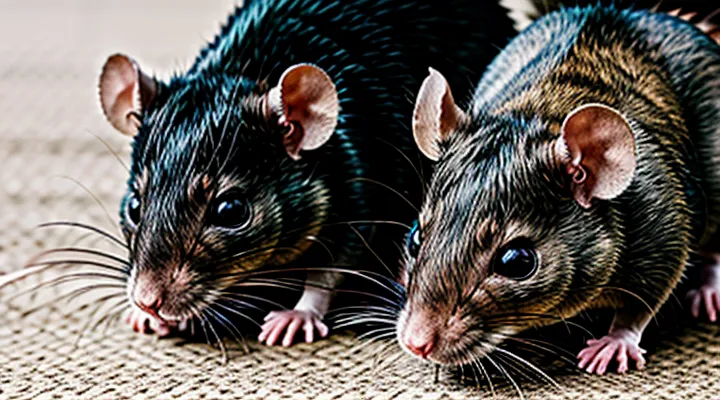
Understanding Rat Poison
What is Rat Poison?
Types of Active Ingredients
Understanding the chemical agents that kill rodents is essential for selecting a product that eliminates pests while minimizing risk to non‑target species. Active ingredients differ in mode of action, toxicity profile, and regulatory restrictions.
- Anticoagulants – inhibit vitamin K recycling, causing internal bleeding. First‑generation compounds (e.g., warfarin) require multiple feedings; second‑generation agents (e.g., brodifacoum, difethialone) are effective after a single dose but present higher secondary‑poisoning potential.
- Bromethalin – disrupts cellular energy production by uncoupling mitochondrial oxidative phosphorylation. Rapid onset of neurologic signs reduces the chance of bait avoidance; toxicity to birds and aquatic life is documented.
- Zinc phosphide – releases phosphine gas when ingested, leading to cellular respiration failure. Primarily used in outdoor settings; gas production poses inhalation hazards for humans and pets.
- Cholecalciferol (Vitamin D₃) – induces hypercalcemia, resulting in renal failure. Low acute toxicity to mammals makes it attractive for indoor use, but prolonged exposure can affect wildlife.
- Sodium fluoroacetate – interferes with the citric‑acid cycle, causing metabolic collapse. Restricted in many jurisdictions due to extreme toxicity to mammals and birds.
Choosing a formulation requires matching the active ingredient’s characteristics to the environment, target species, and exposure risk. Products containing second‑generation anticoagulants demand strict placement controls, whereas bromethalin or cholecalciferol may be preferable where secondary poisoning is a concern. Compliance with local regulations and adherence to label instructions ensure effective rodent control without compromising safety.
How Rat Poisons Work
Rat poisons function by disrupting essential biological processes, leading to fatal outcomes after ingestion. Anticoagulant agents, such as brodifacoum and difenacoum, inhibit vitamin K recycling, preventing clotting factor synthesis and causing internal hemorrhage. The effect appears several days after consumption, allowing rodents to feed repeatedly and spread the toxin throughout the colony.
Bromethalin operates as a neurotoxin; it uncouples mitochondrial oxidative phosphorylation, causing rapid accumulation of cyclic AMP in nerve cells. This results in swelling, loss of neuronal function, and eventual paralysis. Symptoms emerge within hours, reducing the risk of bait avoidance.
Zinc phosphide generates phosphine gas when exposed to stomach acid. Phosphine interferes with cellular respiration by inhibiting cytochrome c oxidase, leading to systemic hypoxia. The reaction occurs instantly, producing a swift lethal effect.
Cholecalciferol (vitamin D₃) induces hypercalcemia by increasing intestinal calcium absorption and mobilizing calcium from bone. Elevated calcium levels cause renal failure, cardiac arrhythmias, and tissue calcification, typically manifesting after several days.
Key considerations for safe selection include:
- Active ingredient – choose compounds with a known toxicity profile and clear labeling.
- Bait matrix – prefer formulations that limit exposure to non‑target species, such as sealed blocks or tamper‑resistant stations.
- Regulatory compliance – ensure the product meets local pest‑control regulations and carries an EPA registration number.
- Secondary poisoning risk – opt for agents with low secondary toxicity or use placement strategies that minimize predator access.
Understanding these mechanisms enables informed decisions when evaluating rat control options, ensuring effectiveness while minimizing hazards to pets, wildlife, and humans.
Why Use Rat Poison?
Risks of Rat Infestations
Rat infestations create immediate health hazards. Rodents carry pathogens such as Leptospira, Hantavirus, and Salmonella, which can contaminate food, water, and surfaces. Direct contact with urine or droppings leads to skin irritation, allergic reactions, and respiratory issues. Structural damage follows as rats gnaw electrical wiring, insulation, and plumbing, increasing fire risk and costly repairs.
Key consequences of an unchecked infestation include:
- Transmission of bacterial and viral diseases to humans and pets.
- Contamination of stored food, resulting in spoilage and economic loss.
- Compromise of building integrity through chewing of materials and creation of nesting sites.
- Attraction of secondary pests like insects and other rodents, amplifying the problem.
Understanding these dangers informs the selection of a rodent control product that eliminates the threat while minimizing exposure to hazardous chemicals. A solution that targets rats effectively, degrades safely after use, and limits residual toxicity protects occupants and property alike.
When to Consider Professional Help
Choosing the right rodent control agent often involves assessing risk, scale, and environment. Professional assistance becomes necessary under specific conditions:
- Infestation exceeds a few individuals and spreads across multiple rooms or structures.
- Signs of poison exposure appear in non‑target animals, children, or vulnerable occupants.
- The property includes food‑processing areas, hospitals, schools, or other regulated spaces where improper use can breach health codes.
- Local regulations restrict over‑the‑counter toxicants, requiring licensed applicators for certain formulations.
- Attempts to bait have failed repeatedly despite proper placement and rotation of products.
Engaging a certified pest‑management service provides several advantages. Trained technicians can evaluate the extent of the problem, select a product that complies with safety standards, and apply it according to legal guidelines. They also offer integrated control strategies that combine baiting with exclusion, sanitation, and structural repairs, reducing reliance on chemical agents alone.
When the above indicators are present, delegating the task to professionals minimizes health hazards, ensures regulatory compliance, and increases the likelihood of lasting eradication. Ignoring these signals can lead to ineffective treatment, accidental poisoning, and potential legal repercussions.
Factors to Consider When Choosing Rat Poison
Safety Concerns
Risks to Children and Pets
When rodent control products contain anticoagulant or neurotoxic agents, accidental exposure poses a serious health threat to youngsters and domestic animals. Ingesting even a small fragment can trigger internal bleeding, seizures, or organ failure, conditions that often require emergency veterinary or medical intervention.
Key hazards include:
- Taste and scent attraction – many baits are flavored to appeal to rodents, which also makes them enticing to curious children and pets.
- Rapid absorption – toxic compounds enter the bloodstream quickly, reducing the window for effective treatment.
- Delayed symptom onset – signs may appear hours after ingestion, complicating timely diagnosis.
- Environmental persistence – residues can remain on surfaces or in discarded bait, creating secondary exposure risks.
Preventive measures demand secure placement of poison stations, use of tamper‑resistant containers, and selection of products formulated with reduced palatability for non‑target species. Regular inspection of the area for stray bait fragments and immediate removal of any discovered pieces further minimizes danger.
Environmental Impact
When evaluating rodent control agents, the ecological consequences of the active ingredient dominate safety considerations. Anticoagulant compounds, such as brodifacoum and difenacoum, persist in soils and water, increasing the risk of non‑target wildlife exposure through secondary poisoning. First‑generation anticoagulants (e.g., warfarin) degrade more rapidly but may require higher application rates, which can still introduce residues into the environment. Bait matrices based on zinc phosphide release phosphine gas upon ingestion, presenting a lower risk of bioaccumulation but generating toxic fumes that affect nearby fauna if misapplied.
Effective mitigation of environmental harm involves several practical steps:
- Select products labeled for minimal residual activity and approved for indoor or limited‑area use.
- Apply bait only in sealed stations to prevent accidental consumption by birds, pets, or beneficial insects.
- Monitor and retrieve uneaten bait after the expected uptake period to reduce lingering contamination.
- Dispose of used bait and packaging according to local hazardous‑waste regulations, avoiding landfill or waterway disposal.
Choosing a formulation with rapid degradation, low secondary toxicity, and strict usage instructions aligns pest control objectives with ecological stewardship, ensuring that rodent management does not compromise surrounding ecosystems.
Effectiveness
Fast-Acting vs. Slow-Acting Poisons
When evaluating rodent control options, the speed at which a poison acts influences both efficacy and safety. Fast-acting formulations deliver lethal doses within minutes to a few hours, causing immediate incapacitation. This rapid result simplifies monitoring, reduces the chance of secondary exposure, and limits the time rats have to consume multiple doses. However, the swift onset may also increase the risk of accidental ingestion by non‑target animals that encounter the bait shortly after placement.
Slow-acting products require several days to cause death, allowing rats to return to their nests and share the bait with colony members. This secondary poisoning effect can improve overall eradication rates in established infestations. The delayed action also provides a larger window for safe handling and reduces the likelihood of immediate accidental toxicity. On the downside, prolonged exposure increases the chance that pets or children might encounter the bait before it becomes lethal.
Key considerations for choosing between the two types:
- Target population size: large, entrenched colonies benefit from slow-acting agents; isolated sightings often suit fast-acting options.
- Environment: indoor or high‑traffic areas favor rapid‑kill poisons to minimize accidental contact; outdoor settings can accommodate slower formulas.
- Risk tolerance: prioritize fast-acting when immediate results are critical; select slow-acting when minimizing immediate hazards is paramount.
Balancing these factors leads to a product choice that maximizes rodent control while maintaining safety for humans and non‑target species.
Bait Resistance
Bait resistance refers to a rat’s ability to avoid or reject a poison formulation after repeated exposure. Resistant individuals may develop aversion to the taste, odor, or texture of the product, reducing overall efficacy and prompting the need for alternative solutions.
When evaluating a rodent control product, consider the following factors related to bait resistance:
- Active ingredient diversity: Formulations that combine anticoagulants with secondary toxins limit the chance that rats will become accustomed to a single mode of action.
- Palatability enhancers: Inclusion of attractants such as grain, peanut butter, or fish oil improves initial acceptance and counters innate aversion.
- Rotating bait types: Periodic substitution of different brands or formulations disrupts learned avoidance patterns.
- Durability of the matrix: Hardened or gel‑based baits resist degradation in the environment, preserving potency until consumption.
- Resistance monitoring: Regular inspection of trapped specimens for signs of sublethal exposure helps identify emerging bait avoidance early.
Selecting a product that addresses these aspects minimizes the likelihood of rats developing resistance, ensuring sustained control while maintaining safety for non‑target species.
Formulation and Application
Bait Stations and Traps
Bait stations and traps are fundamental tools for controlling rat populations while minimizing risk to non‑target animals and humans.
A bait station encloses rodenticide in a sealed compartment that admits only rodents of a specific size. Construction typically includes a tamper‑proof latch, weather‑resistant housing, and a removable tray for easy refilling. Design standards require that the station prevent access by children, pets, and wildlife, thereby reducing accidental exposure.
Traps serve two primary purposes: confirming infestation levels and providing immediate removal of individual rats. Common types are snap traps, which deliver a rapid lethal force; electric traps, which administer a high‑voltage shock; and live‑catch traps, which allow relocation of captured rodents. Selection criteria include trigger sensitivity, bait compatibility, durability, and compliance with local pest‑control regulations.
Key criteria for choosing bait stations and traps:
- Tamper‑resistant mechanisms that meet safety standards.
- Materials resistant to corrosion and rodent gnawing.
- Capacity adequate for the expected infestation intensity.
- Simple cleaning and refill procedures to maintain hygiene.
- Compatibility with the chosen rodenticide formulation.
- Ability to target rats while excluding larger or smaller species.
Safety practices require regular inspection of stations and traps, immediate removal of dead rodents, and secure disposal of contaminated components. Placement should focus on active runways, near food sources, and in concealed areas to maximize capture rates while limiting human contact.
Integrating bait stations with traps creates a layered approach: stations deliver poison in a controlled environment, while traps provide real‑time data on population dynamics and verify the effectiveness of the toxic bait. This combination supports a responsible, evidence‑based rat management program.
Pellets, Blocks, and Gels
Pellets, blocks, and gels represent the three most common delivery formats for rodent control agents. Each format differs in composition, placement method, and safety profile, which influences suitability for residential, commercial, or industrial environments.
Pellets are compact granules that contain concentrated active ingredients. They are typically placed in bait stations or along travel routes where rats are active. Advantages include precise dosage per bite and resistance to moisture, which reduces degradation. Potential drawbacks involve limited appeal to neophobic rats and the need for regular inspection to ensure freshness.
Blocks are solid, often cylindrical or rectangular, bait matrices that embed the toxicant within a durable medium. They are designed for long‑term deployment in tamper‑resistant stations. Benefits comprise extended stability, reduced spillage, and lower risk of accidental exposure for non‑target animals when stations are properly sealed. Limitations include higher cost per unit and the possibility of rats discarding portions before consumption.
Gels are semi‑liquid formulations that mimic natural food sources, attracting rats with strong scent and texture. Application typically involves a small amount placed on a bait station or a disposable tray. Strengths involve high palatability, rapid consumption, and suitability for tight spaces where solid baits cannot be positioned. Risks consist of increased susceptibility to drying, potential mess, and heightened caution required to prevent contact with children or pets.
Key safety considerations for all formats:
- Use bait stations that meet regulatory standards for tamper resistance.
- Position stations out of reach of non‑target wildlife, domestic animals, and children.
- Follow label instructions regarding dosage, placement density, and disposal of uneaten bait.
- Monitor stations regularly, replace expired or contaminated bait, and document observations of rodent activity.
Selecting the appropriate format depends on the target environment, the behavior of the rodent population, and the level of control required. Aligning product choice with these factors ensures effective pest management while minimizing hazards.
Safe Handling and Disposal of Rat Poison
Proper Storage
Proper storage of rodenticide ensures effectiveness and minimizes accidental exposure. Keep the product in its original, sealed container until use. Store the container in a location inaccessible to children, pets, and non‑target wildlife.
- Choose a cool, dry area; temperature extremes degrade active ingredients.
- Place the container on a high shelf or within a locked cabinet.
- Label the storage area clearly with hazard warnings.
- Separate the poison from food, cleaning supplies, and other chemicals.
- Conduct regular inspections for damage, leakage, or expired inventory; replace compromised units promptly.
Document the storage location in a safety log, noting the date of receipt, batch number, and expiration date. Maintain the log in the same secure area to facilitate quick reference during inspections or emergencies.
Application Guidelines
When applying rodent control agents, follow precise procedures to protect non‑target organisms and comply with regulations.
- Examine the product label; confirm active ingredient, concentration, and specific usage restrictions.
- Wear disposable gloves and, if the formulation is aerosol or dust, use a mask approved for particulate protection.
- Position bait within sealed stations that prevent access by children, pets, and wildlife. Place stations along walls, near gnawing activity, and away from food preparation surfaces.
- Secure stations to the ground or a fixed surface to avoid displacement by wind or other animals.
- Record the date, location, and quantity of bait deployed; maintain the log for the duration of the treatment period.
- Inspect stations daily; replace depleted bait promptly, and remove stations once activity ceases.
- Dispose of unused product and contaminated materials according to local hazardous‑waste guidelines; never discard in regular trash.
Adhering to these steps minimizes accidental exposure, maximizes efficacy, and ensures compliance with safety standards.
Safe Disposal Methods
Local Regulations
When purchasing rodent control agents, verify that the product complies with all applicable local statutes and ordinances. Municipal codes often define which active ingredients are permitted, the maximum concentration allowed, and any required labeling formats. Failure to meet these requirements can result in fines, product seizure, or liability for accidental exposure.
Key regulatory considerations include:
- Ingredient restrictions – Certain anticoagulants or neurotoxins may be banned or limited to professional use only.
- Packaging and labeling – Labels must display hazard warnings, first‑aid instructions, and contact information for the manufacturer as mandated by local health departments.
- Application permits – Some jurisdictions require a licensed pest‑control operator to apply specific formulations, especially in multi‑unit housing or near food‑service areas.
- Disposal rules – Unused or expired bait must be disposed of according to municipal hazardous‑waste guidelines to prevent environmental contamination.
Consult the city’s environmental health office or the state’s department of agriculture for the most current statutes before selecting a product. Maintaining a record of compliance documentation protects both the homeowner and the service provider.
Preventing Secondary Poisoning
When selecting a rodent control product, the primary objective is to eliminate the target pest while minimizing risk to non‑target animals. Secondary poisoning occurs when predators, scavengers, or household pets consume a poisoned rodent and ingest the toxin. Preventing this outcome requires careful attention to product formulation, placement, and post‑kill management.
Choose products that contain active ingredients with low secondary toxicity, such as vitamin‑B‑based anticoagulants or bromadiolone formulations with reduced bioaccumulation. Verify that the label lists a specific secondary‑poisoning warning and includes dosage limits for small mammals. Prefer baits packaged in tamper‑resistant containers that limit accidental access by children, pets, or wildlife.
Implement the following practices to avoid secondary exposure:
- Place bait stations at least 10 feet away from food storage, animal feeding areas, and high‑traffic zones.
- Secure stations with lockable lids; ensure only the target species can enter.
- Monitor bait consumption daily; remove any uneaten bait promptly.
- Dispose of dead rodents in sealed plastic bags, then place them in a locked trash container for municipal collection.
- Conduct regular inspections for signs of secondary victims and report incidents to local pest‑control authorities.
Maintain records of bait type, location, and quantity used. Documentation supports rapid response if accidental ingestion is suspected and provides evidence for regulatory compliance. By adhering to these guidelines, users can achieve effective rodent control while protecting pets, wildlife, and humans from unintended toxin exposure.
Alternatives to Rat Poison
Trapping Methods
Snap Traps
Snap traps provide a mechanical alternative to chemical rodent control, delivering rapid, humane termination without toxic exposure. Their simplicity reduces risk to children, pets, and non‑target wildlife when installed correctly.
Key attributes to evaluate when selecting a snap trap include:
- Trigger sensitivity – a low‑force mechanism ensures capture of both small and large rodents while minimizing false triggers.
- Spring strength – high‑tension springs deliver decisive impact, preventing escape and reducing suffering.
- Safety shield – a protective guard prevents accidental finger injury during setting and handling.
- Bait compatibility – a recessed compartment accommodates a variety of attractants without compromising trap closure.
- Durability – corrosion‑resistant materials extend service life in damp environments such as basements or crawl spaces.
- Ease of cleaning – detachable plates allow quick removal of carcasses and thorough sanitation, limiting disease spread.
Placement strategy influences effectiveness. Position traps along established runways, near walls, and behind obstructions where rats preferentially travel. Align the trigger arm perpendicular to the expected approach direction to maximize strike probability. Secure the trap to a stable surface to prevent displacement by vigorous gnawing.
Bait selection should match local rodent preferences. Common choices include peanut butter, dried fruit, or small meat pieces. Apply a modest amount to avoid oversaturation, which can mask the scent and reduce lure potency.
After a successful capture, dispose of the rodent in a sealed container before placing it in a municipal waste bin. Clean the trap with a mild disinfectant, rinse thoroughly, and store it in a locked cabinet to prevent unauthorized access.
Regulatory considerations vary by jurisdiction. Verify that the chosen model complies with regional pest‑control guidelines, especially in residential complexes or agricultural settings where specific trap certifications may be required.
By assessing trigger mechanics, safety features, durability, bait suitability, and compliance, consumers can choose a snap trap that aligns with a broader strategy of safe, non‑chemical rodent management.
Live Traps
Live traps are devices that capture rats without killing them, allowing the animal to be released elsewhere. They function by enticing the rodent with bait, then sealing the entrance once the target enters. This method eliminates the need for chemical toxins and provides a reversible solution for unwanted infestations.
When selecting a live trap, evaluate the following characteristics:
- Size appropriate for the target species; a trap too small may cause injury, while one too large reduces effectiveness.
- Construction material; sturdy metal or durable plastic prevents breakage and resists gnawing.
- Trigger mechanism; sensitive levers or pressure plates ensure quick closure after entry.
- Release method; hinged doors or slide-out trays enable safe, low‑stress removal of the captured rat.
- Seal quality; tight-fitting lids prevent escape during transport.
Safety considerations include placing traps away from children and non‑target pets, checking them at least twice daily to avoid prolonged confinement, and adhering to local regulations regarding the release of captured wildlife. Proper sanitation—cleaning traps with disinfectant after each use—reduces disease transmission. Ensure bait does not attract other animals; peanut butter or grain works well for rats while minimizing attraction to birds.
Integrating live traps into a broader pest‑management plan reduces reliance on hazardous rodenticides. By removing rats physically, the risk of accidental poisoning declines, and the environment remains free of residual chemicals. Regular monitoring, combined with preventive measures such as sealing entry points, enhances long‑term control without compromising safety.
Natural Repellents
Peppermint Oil
Peppermint oil is a botanical compound frequently marketed as a rodent deterrent. Its strong menthol scent disrupts the olfactory cues rats rely on for navigation and feeding, creating an environment they tend to avoid.
Effectiveness depends on concentration, application method, and area coverage. Studies indicate that a 5 % solution applied to entry points and nesting sites can reduce rat activity by up to 30 % within a week. Results vary with species tolerance and environmental conditions; oil loses potency when exposed to sunlight or high humidity, requiring re‑application every 48–72 hours.
Safety considerations make peppermint oil attractive for households with children or pets. The substance is non‑toxic at recommended dilutions, and it does not leave chemical residues that linger in food preparation areas. However, ingestion of undiluted oil can cause gastrointestinal irritation, and prolonged skin contact may lead to dermatitis in sensitive individuals. Protective gloves and proper ventilation are advisable during large‑scale use.
Regulatory status differs by jurisdiction. In many regions, peppermint oil is classified as a natural pest‑control agent rather than a registered pesticide, meaning it bypasses the rigorous efficacy testing required for conventional rodenticides. Users should verify local guidelines before large‑scale deployment.
Key points for selecting peppermint oil as part of a rodent‑control strategy
- Concentration: 5 %–10 % solutions balance efficacy and safety.
- Application: Spray or soak cotton pads placed near entry points; avoid direct contact with food surfaces.
- Re‑application interval: 2–3 days under normal indoor conditions.
- Safety: Keep away from open flames; store in a cool, dark place.
- Limitations: Ineffective as a sole method for established infestations; best used as a supplementary deterrent alongside trapping or sealed exclusion.
When integrated with structural exclusion measures, peppermint oil contributes to a low‑risk approach for managing rat problems while minimizing exposure to hazardous chemicals.
Ultrasonic Devices
Ultrasonic devices emit high‑frequency sound waves that rodents find uncomfortable, offering a non‑chemical option for managing infestations. When evaluating such products, prioritize models with adjustable frequency ranges, as rats adapt to static emissions. Verify that the device covers the intended area; manufacturers typically provide square‑foot specifications, and larger spaces may require multiple units placed at overlapping intervals.
Key performance criteria include:
- Frequency spectrum (generally 20–65 kHz) that targets adult rats and juveniles.
- Timer settings that allow intermittent operation, reducing habituation.
- Power source flexibility (plug‑in, battery, or solar) to suit varied environments.
- Independent third‑party testing reports confirming efficacy under controlled conditions.
Safety considerations involve ensuring the device does not interfere with household electronics or cause audible disturbance to humans and pets. Look for certifications such as FCC or CE, which indicate compliance with electromagnetic emission standards. Placement should avoid direct proximity to aquariums, baby monitors, or other sensitive equipment.
While ultrasonic repellents can complement a broader pest‑control strategy, they should not replace proven anticoagulant baits when rapid population reduction is required. Integrating both methods—chemical products selected for low toxicity and ultrasonic deterrents for preventive coverage—provides a balanced approach that maximizes effectiveness while minimizing health risks.
Integrated Pest Management
Prevention Strategies
Effective rodent control begins with measures that reduce the need for toxic baits. Secure food storage, seal entry points, and maintain a clean environment to eliminate attractants. Regular inspection of foundations, walls, and utility lines identifies gaps that rodents can exploit; prompt repair blocks access routes.
Implementing controlled baiting further limits accidental exposure. Use tamper‑resistant bait stations that contain the poison and prevent contact by non‑target species. Position stations along established runways, away from children’s play areas and pet pathways. Record placement locations to facilitate monitoring and timely removal.
Key practices for safe product selection include:
- Verify active ingredient compliance with local regulations and review safety data sheets.
- Choose formulations with low secondary toxicity, such as anticoagulants with limited impact on wildlife.
- Prefer products offering clear dosage instructions and clear labeling of hazards.
- Store unopened containers in locked, climate‑controlled areas; keep opened containers sealed and out of reach.
Continuous monitoring ensures the strategy remains effective. Check bait stations weekly for depletion or tampering, replace expired products, and adjust placement based on observed rodent activity. Combining environmental management with disciplined baiting creates a robust defense while minimizing health risks.
Professional Pest Control Services
Professional pest‑control operators bring expertise that surpasses DIY attempts when dealing with rodent infestations. Their assessment begins with a thorough inspection of entry points, nesting sites, and food sources, allowing them to recommend a rat‑control solution that balances efficacy with safety for occupants and pets.
Key advantages of engaging a licensed service include:
- Access to EPA‑approved anticoagulant and non‑anticoagulant formulations not available to the general public.
- Precise placement of baits in concealed locations, minimizing accidental exposure.
- Integrated pest‑management strategies that combine baiting with exclusion measures, reducing reliance on chemicals.
- Ongoing monitoring and adjustment of treatment protocols based on observed activity.
When evaluating a provider, consider the following criteria:
- Certification and membership in recognized pest‑control associations.
- Documentation of product registrations and safety data sheets.
- Transparent pricing that separates bait costs from service fees.
- Guarantees of follow‑up visits and effectiveness assessments.
By delegating the selection and application of rodent toxicants to professionals, property owners ensure compliance with health regulations, protect non‑target species, and achieve long‑term control outcomes without the uncertainties inherent in consumer‑grade products.