
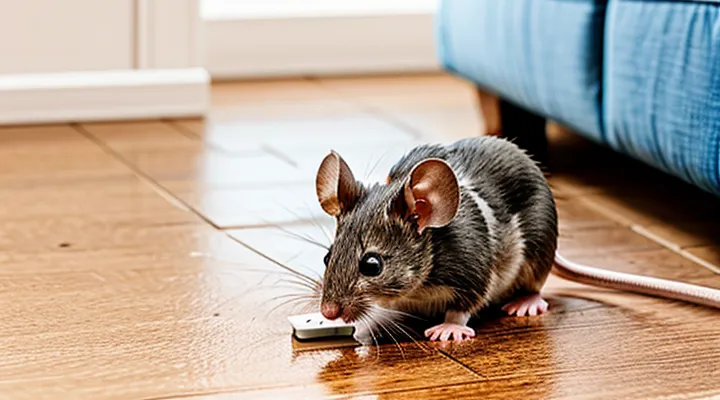
Understanding Mouse Infestations in Apartments
Common Signs of Mice
Recognizing a mouse problem is the first step toward selecting an effective rodent control solution for apartment living.
- Small, dark droppings about the size of a grain of rice, often found along walls, behind appliances, or in pantry corners.
- Gnawed edges on food packaging, furniture, or electrical cords, indicating persistent chewing activity.
- Nests constructed from shredded paper, fabric, or insulation, typically hidden in concealed spaces such as wall voids or under cabinets.
- Scratching or scurrying sounds occurring at night, especially within ceiling spaces or behind walls.
- Visible tracks or smudge marks along baseboards, windowsills, or near entry points, formed by oily footprints.
- Streaks of urine, which can appear as yellowish stains on surfaces or cause a distinct odor.
Each indicator confirms the presence of mice and informs the choice of a control product. Droppings and urine signal health risks, prompting the need for baits or traps with rapid action. Gnaw damage to wiring highlights the importance of products that deter chewing. Nest locations reveal where placement of monitoring devices or exclusion barriers will be most effective. By systematically evaluating these signs, residents can match the most appropriate control method to the specific infestation pattern within their apartment.
Risks of Mice in Apartments
Health Hazards
Effective mouse management in apartments often involves chemical, electronic, or trap-based solutions. Each approach carries specific health risks that occupants should evaluate before implementation.
-
Rodenticides: Active ingredients such as anticoagulants, bromethalin, and zinc phosphide can be absorbed through skin, inhaled as dust, or ingested accidentally. Exposure may cause bleeding disorders, neurological symptoms, or gastrointestinal distress. Pets and children are especially vulnerable because of lower body weight and higher likelihood of contact.
-
Ultrasonic emitters: Devices emit high‑frequency sound waves beyond human hearing. Prolonged exposure has been linked to headaches, nausea, and increased stress levels in sensitive individuals. Although the sound is inaudible, some users report ear discomfort and sleep disruption.
-
Snap and glue traps: Physical traps pose a risk of puncture wounds or allergic reactions to the adhesive. Improper handling can lead to secondary infections. Disposal of captured rodents may release pathogens such as hantavirus, leptospira, and salmonella, which can be transmitted through aerosolized particles.
-
Electronic bait stations: Battery‑powered stations often contain powdered or liquid poison. Leaking batteries release heavy metals, while spilled bait can contaminate surfaces, leading to accidental ingestion.
-
DIY solutions: Home‑made mixtures using bleach, ammonia, or essential oils may irritate mucous membranes, provoke asthma attacks, or cause skin dermatitis when applied without protective equipment.
Mitigation measures include:
- Selecting products with low‑toxicity active ingredients and clear labeling.
- Using sealed bait stations to prevent accidental contact.
- Ensuring adequate ventilation during and after application.
- Wearing gloves and eye protection when handling chemicals or traps.
- Storing all rodent control materials out of reach of children and pets.
Understanding these hazards enables residents to choose a mouse control option that minimizes health risks while maintaining effective pest management in a multi‑unit dwelling.
Property Damage
Choosing a mouse control solution for a rental unit involves evaluating the risk of damage to walls, flooring, and fixtures. Most traps and baits are designed for discreet placement, yet improper installation can create holes, stains, or chemical residues that compromise the landlord’s property value.
Potential sources of damage include:
- Snap traps affixed with nails or screws leave puncture marks that require patching.
- Glue boards adhered directly to surfaces may strip paint or wallpaper when removed.
- Rodenticide stations can leak liquids, staining carpets or hardwood floors.
- Electronic ultrasonic devices often require drilling for mounting brackets, creating entry points for moisture.
Mitigation strategies focus on minimizing alterations to the dwelling:
- Use self‑adhesive traps that rely on removable strips rather than permanent fasteners.
- Position glue boards on removable mats placed over existing flooring to protect the underlying material.
- Select sealed bait stations with leak‑proof containers and place them on insulated pads.
- Opt for plug‑in ultrasonic units that sit on a flat surface without drilling; if wall mounting is necessary, employ removable command strips approved for the wall finish.
Documenting the placement and removal process protects both tenant and landlord. Photographs taken before installation and after removal provide evidence that the control method did not impair the property. When a product’s instructions recommend permanent fixtures, substitute it with an alternative that meets the same efficacy standards without compromising structural integrity. This approach ensures effective rodent management while preserving the condition of the apartment.
Choosing the Right Mouse Control Product
Factors to Consider
Safety for Pets and Children
When selecting a rodent‑control device for a flat, protecting pets and children must be a primary criterion. The device should prevent accidental ingestion, skin contact, or entanglement while remaining effective against mice.
Key safety attributes include:
- Non‑toxic components – formulation free of anticoagulants, neurotoxins, or strong chemicals that could harm a curious child or a small animal if touched or swallowed.
- Secure enclosure – trap or bait station built with a lockable lid that requires a deliberate two‑handed action to open, reducing the risk of unintended access.
- Rounded edges and smooth surfaces – eliminates sharp corners that could cause cuts or snag fur.
- Pet‑proof placement options – mounting brackets or wall‑mounted designs that position the unit out of reach of cats, dogs, and toddlers.
- Clear labeling – bold warnings and usage instructions printed directly on the product, ensuring caregivers understand proper handling.
Additional considerations:
- Verify that the manufacturer provides a material safety data sheet (MSDS) confirming the absence of hazardous substances.
- Choose products that have undergone independent testing for child‑ and pet‑safety compliance, such as ASTM F963 or EN 71 standards.
- Opt for reusable or washable components to maintain hygiene without exposing the household to residual chemicals.
By prioritizing these safety features, residents can achieve effective mouse management in apartments without compromising the well‑being of their youngest family members or beloved companions.
Apartment Size and Layout
Apartment dimensions determine the effective range of any mouse‑control system. In studios and one‑bedroom units, a single device covering up to 30 feet typically suffices. Larger two‑ or three‑bedroom apartments often require a product with extended coverage or the ability to add repeaters to maintain signal strength throughout the space.
Layout influences signal propagation and placement options. Open‑plan designs allow unobstructed line‑of‑sight transmission, while corridors, walls, and furniture create attenuation zones that can reduce reliability. Multi‑room configurations demand devices that support seamless handoff between zones or provide additional nodes to bridge gaps.
Key layout factors to evaluate:
- Presence of interior walls (especially concrete or brick) that block radio frequencies.
- Length and shape of hallways connecting rooms.
- Placement of large metal appliances or dense furniture clusters.
- Availability of power outlets for auxiliary repeaters or power‑over‑Ethernet adapters.
Choosing a mouse‑control solution that matches the apartment’s square footage and architectural characteristics ensures consistent performance without dead zones.
Severity of Infestation
Understanding the level of mouse presence in an apartment is essential for selecting an effective control solution. Infestation severity can be classified into three distinct categories:
- Low – occasional sightings, minimal droppings, no damage to structures or food storage.
- Moderate – frequent activity, noticeable gnaw marks, occasional contamination of pantry items.
- High – constant sightings, extensive droppings, significant damage to wiring, insulation, and stored food.
Each severity tier dictates the intensity of treatment required. Low-level situations often respond to simple traps or bait stations placed strategically near entry points. Moderate infestations typically need a combination of traps, bait, and sealing of potential access routes to prevent re‑entry. High-level cases demand comprehensive measures, including professional-grade rodenticides, extensive sealing of cracks, and ongoing monitoring to verify eradication.
Accurate assessment of severity influences product choice, placement density, and duration of use. Over‑treating a low infestation wastes resources and may introduce unnecessary hazards, while under‑treating a high infestation prolongs health risks and property damage. Effective control strategies align the product’s potency and delivery method with the measured severity, ensuring optimal results for apartment dwellers.
Types of Mouse Control Products
Snap Traps
Snap traps remain a practical choice for managing mouse infestations in apartment settings. Their mechanical action delivers immediate lethality, eliminating the need for chemical agents that could affect neighboring units. The devices require no power source, making them suitable for rented spaces where electrical modifications are prohibited.
Key considerations when selecting a snap trap for an apartment include:
- Size: models with a 2‑inch trigger plate accommodate common house mice while fitting discreetly under cabinets or behind appliances.
- Construction: metal bodies resist tampering and provide durability; plastic alternatives are lighter but may deform under repeated use.
- Bait compatibility: traps that accept a variety of attractants—peanut butter, cheese, or commercial lures—allow customization based on local mouse preferences.
- Safety features: designs with covered trigger mechanisms reduce accidental injury to occupants, especially in households with children or pets.
Installation guidelines enhance effectiveness. Position traps along established rodent pathways—near walls, behind refrigerators, and within concealed gaps. Ensure the trigger plate is fully depressed before setting the bait to prevent premature activation. Replace captured traps with fresh units promptly to maintain pressure on the mouse population.
Advantages of snap traps include low upfront cost, ease of disposal, and compliance with most lease agreements that restrict poison usage. Limitations involve the need for regular monitoring and potential for non‑target captures. When combined with proper sanitation and sealing of entry points, snap traps provide a reliable component of an overall mouse control strategy tailored to apartment environments.
Pros and Cons
When evaluating the leading mouse control device for apartment living, consider functional benefits and potential drawbacks.
-
Precise tracking on compact surfaces reduces the need for large mouse pads.
-
Low power consumption extends battery life, minimizing replacement frequency.
-
Wireless connectivity eliminates cable clutter, preserving limited floor space.
-
Adjustable DPI settings accommodate both detailed work and casual browsing.
-
Compact design fits easily under desks or on narrow tables, ideal for tight quarters.
-
Limited ergonomic features may cause discomfort during extended use for users with larger hands.
-
Small size can make the device harder to grip for individuals with reduced dexterity.
-
Some models rely on optical sensors that struggle on reflective or uneven surfaces common in budget furniture.
-
Battery indicator may be absent, leading to unexpected power loss if not monitored.
-
Price points for premium versions can exceed the budget constraints typical of apartment dwellers.
Electronic Traps
Electronic traps provide a reliable, humane solution for managing mice in apartment settings. They operate by delivering a short, high‑voltage shock that instantly kills the rodent when it contacts the metal grid. The shock is triggered by a sensor that detects the animal’s weight, preventing accidental activation by humans or pets.
Key benefits include:
- Immediate result: no waiting for poison to take effect.
- Clean operation: no droppings or dead bodies left behind.
- Low maintenance: batteries last several months; the dead mouse drops into a sealed compartment for easy disposal.
- Safety features: built‑in lockout mechanisms disable the device when the compartment is opened.
When selecting an electronic trap for a rental unit, consider the following criteria:
- Power source – battery‑powered models offer flexibility in placement; plug‑in units guarantee continuous operation.
- Size of capture compartment – larger chambers reduce the need for frequent emptying.
- Noise level – silent or low‑decibel models minimize disturbance to neighbors.
- Warranty and customer support – reputable brands often provide multi‑year warranties and responsive service.
Popular models that meet these standards include the high‑capacity “Rat Zapper Pro,” the compact “Mighty Mouse Eliminator,” and the budget‑friendly “EcoShock Mini.” Each offers a balance of power, durability, and ease of use, making them suitable choices for tenants seeking an effective rodent control device without compromising apartment integrity.
How They Work
Effective mouse deterrent solutions for apartment living rely on targeted technologies that interrupt rodent activity without causing structural damage.
Ultrasonic emitters generate sound frequencies above 20 kHz, invisible to humans but intolerable to mice. Sensors detect movement; once activity is sensed, the device continuously projects the tone, creating an environment that mice avoid.
Electromagnetic traps employ a low‑voltage pulse that passes through a conductive plate. When a mouse contacts the plate, the current induces rapid muscle contraction, resulting in an immediate, humane kill. The circuit resets automatically, allowing repeated use without manual resetting.
Mechanical snap traps use a spring‑loaded bar held under tension by a trigger mechanism. Contact with the bait releases the tension, driving the bar forward at high speed to break the rodent's spine. Modern designs incorporate safety shields to prevent accidental discharge.
Bait stations contain anticoagulant or non‑anticoagulant poison encased in tamper‑resistant compartments. Rodents ingest the bait, and the toxic agent interferes with blood clotting or metabolic pathways, leading to death within a predictable timeframe. The sealed housing limits exposure to non‑target species.
Key operational elements common to these products include:
- Detection system – motion sensor, pressure plate, or manual bait placement that initiates action.
- Power source – AC adapter, rechargeable battery, or long‑life alkaline cells ensuring continuous operation.
- Placement strategy – positioning along walls, near entry points, or in concealed corners to maximize contact probability.
- Safety features – child‑proof locks, tamper‑resistant housings, or automatic reset mechanisms that reduce user intervention.
By integrating precise detection, controlled activation, and secure deployment, these devices maintain a rodent‑free environment while conforming to the spatial constraints of apartment dwellings.
Bait Stations
Bait stations provide a discreet, sealed method for delivering rodenticide directly to mice in multi‑unit housing. Their compact design fits easily behind appliances, in wall voids, or under cabinets, minimizing exposure to occupants and pets while maintaining effectiveness.
Key attributes for apartment use include:
- Tamper‑resistant construction – prevents accidental contact by children or pets.
- Low‑profile shape – allows placement in confined spaces without obstructing traffic.
- Pre‑measured dose – ensures consistent consumption and reduces the risk of over‑application.
- Durable housing – resists damage from building maintenance activities and frequent cleaning.
When selecting a bait station for an apartment, consider the following criteria:
- Regulatory compliance – product must meet local health and safety regulations for residential environments.
- Active ingredient suitability – choose formulations effective against house mice while posing minimal risk to non‑target species.
- Placement flexibility – stations should accommodate various mounting options (adhesive, screw, or snap‑fit).
- Ease of monitoring – transparent or removable lids enable quick inspection of bait consumption and station integrity.
Installation guidelines:
- Position stations along known mouse pathways, such as near baseboards, behind refrigerators, and adjacent to entry points.
- Secure each unit to a stable surface to prevent displacement during routine cleaning.
- Replace bait according to manufacturer recommendations or when consumption falls below 25 % of the original load.
Safety protocols demand that only trained personnel handle the bait, wear protective gloves, and store stations out of reach when not in use. Proper disposal of spent stations follows local hazardous waste procedures to avoid environmental contamination.
By adhering to these specifications, bait stations become a reliable component of comprehensive mouse management strategies for apartment residents.
Safety Precautions
Choosing a rodent‑control device for a flat requires strict adherence to safety protocols to protect occupants, pets, and property.
- Verify that the product complies with local health‑agency certifications and carries a clear label indicating non‑toxicity to humans when used as directed.
- Keep all bait stations out of reach of children and animals; install them in concealed locations such as behind appliances or within wall voids.
- Follow manufacturer instructions for placement distance from food preparation areas, typically at least 3 feet to prevent accidental ingestion.
- Use gloves when handling traps or bait to avoid direct skin contact with chemicals or sharp components.
- Inspect the device regularly for damage, wear, or leakage; replace malfunctioning units immediately.
- Store spare cartridges, traps, or bait in a sealed container separate from living spaces, preferably in a locked cupboard.
- In case of accidental exposure, have the emergency contact information for poison control and local medical services readily available.
Implementing these measures ensures effective rodent management while maintaining a safe residential environment.
Repellents
Effective mouse deterrents for apartments rely on chemical, ultrasonic, and natural options that target rodent behavior without compromising indoor safety.
Chemical repellents contain active ingredients such as peppermint oil, capsaicin, or rodenticides formulated for confined spaces. Application involves placing sachets or sprays in corners, behind appliances, and along baseboards. These products emit odors or tastes that mice find unappealing, reducing entry and nesting activity.
Ultrasonic devices emit high‑frequency sound waves beyond human hearing. Placement near potential entry points creates a hostile acoustic environment. Continuous operation is required; gaps in coverage allow re‑infestation.
Natural deterrents include dried herbs (mint, rosemary) and essential‑oil diffusers. They provide a low‑toxicity alternative, suitable for households with pets or children. Effectiveness depends on regular renewal of scent intensity.
Key factors for selecting a suitable deterrent:
- Compatibility with apartment layout (size, number of rooms)
- Safety profile for occupants and non‑target animals
- Maintenance requirements (refill frequency, battery replacement)
- Proven efficacy against house mice in indoor settings
When implementing repellents, combine multiple methods to create layered protection: position chemical sachets in hidden areas, install an ultrasonic unit in the main living space, and supplement with natural scents near entry points. Regular inspection of gaps, sealing cracks, and proper waste management remain essential to sustain control.
Natural vs. Chemical Options
Apartment dwellers require rodent control solutions that fit limited space, shared walls, and strict building policies. Two primary categories dominate the market: natural methods and chemically based products.
Natural methods rely on deterrents that exploit mice’s sensory aversions. Common agents include peppermint oil, dried herbs such as cayenne pepper, and ultrasonic emitters. These options pose no toxicity risk to residents or pets, comply with most lease agreements, and leave no residue. Their effectiveness depends on proper placement and regular replenishment; a single application may protect an area for only a few days, and mice can become habituated if exposure is inconsistent.
Chemically based products deliver immediate lethality or rapid repellence. Typical formulations contain anticoagulant rodenticides, bromadiolone, or fast‑acting neurotoxins applied in bait stations. These agents achieve high kill rates, require minimal re‑application, and can address infestations that have spread beyond the immediate vicinity of a trap. However, they introduce health hazards, demand secure containment to prevent accidental ingestion by children or pets, and often conflict with building regulations that restrict toxic substances.
A concise comparison:
- Safety – Natural: non‑toxic; Chemical: hazardous, requires strict handling.
- Efficacy – Natural: moderate, reliant on continuous use; Chemical: high, rapid results.
- Regulatory compliance – Natural: generally permissible; Chemical: may be restricted by landlord or local codes.
- Maintenance – Natural: frequent reapplication; Chemical: occasional bait station checks.
Choosing the appropriate approach hinges on the severity of the infestation, the resident’s tolerance for chemical exposure, and any lease or municipal restrictions. In many cases, a hybrid strategy—initial chemical intervention followed by natural deterrents to prevent re‑infestation—delivers comprehensive control while minimizing long‑term risks.
Best Practices for Mouse Control in Apartments
Integrated Pest Management (IPM) Approach
Integrated Pest Management (IPM) provides a systematic framework for selecting and using a mouse control solution in multi‑unit dwellings. The approach emphasizes prevention, monitoring, and targeted intervention, reducing reliance on chemical agents and minimizing health risks for residents.
Key elements of IPM applied to apartment mouse control include:
- Inspection and identification – Conduct regular visual checks in kitchens, storage areas, and utility rooms to confirm species, infestation level, and entry points.
- Sanitation and exclusion – Eliminate food sources by securing waste containers and sealing cracks, gaps, and utility penetrations that permit rodent ingress.
- Mechanical and physical controls – Deploy snap traps, electronic devices, or live‑capture units positioned along established runways; select models that comply with residential safety standards and enable rapid disposal.
- Chemical use as a last resort – Apply rodenticides only when mechanical methods fail, ensuring bait stations are tamper‑resistant and placed in inaccessible locations.
- Monitoring and documentation – Record trap counts, bait consumption, and sighting reports to assess efficacy and adjust tactics promptly.
When evaluating products under the IPM paradigm, prioritize the following criteria:
- Effectiveness – Proven capture rate for common house mice (Mus musculus) in confined spaces.
- Safety – Compliance with UL or ISO certifications, child‑proof design, and low toxicity for non‑target species.
- Ease of installation – Compact form factor, adhesive mounting options, and clear instructions for placement in narrow apartments.
- Maintenance requirements – Minimal reset frequency, recyclable components, and straightforward disposal procedures.
- Environmental impact – Materials sourced responsibly, reduced reliance on poisons, and low energy consumption for electronic models.
Implementing IPM in apartment settings ensures that mouse control solutions are selected based on evidence, safety, and sustainability. The structured process limits chemical exposure, protects occupants, and maintains long‑term efficacy, aligning pest management with the practical constraints of high‑density housing.
Prevention Strategies
Sealing Entry Points
Effective mouse control in apartments begins with eliminating the pathways rodents use to enter living spaces. Sealing entry points creates a physical barrier that prevents mice from accessing food, water, and shelter, thereby reducing infestation risk.
Identify all potential openings. Common sites include:
- Gaps around utility pipes and cables
- Cracks in foundation walls and floor joists
- Openings around doors, windows, and vents
- Holes behind appliances and under sinks
Use appropriate materials for each location. Expandable foam works well for irregular gaps, while steel wool combined with caulk effectively blocks larger openings that rodents could gnaw through. For structural cracks, apply epoxy or cement-based filler to ensure durability.
Inspect the building envelope regularly. Seasonal temperature changes can cause new fissures; a quarterly review detects emerging vulnerabilities before mice exploit them. Document each sealed entry point to track maintenance efforts and verify coverage.
Maintain a perimeter seal around the exterior. Install door sweeps, weatherstripping, and tight-fitting window screens. Ensure that exterior vent covers are equipped with metal mesh that resists chewing.
Integrate sealing with the overall rodent management plan. After all entry points are secured, complement the barrier with traps or bait stations placed in strategic interior locations. Continuous monitoring confirms that the sealed barriers remain intact and that mouse activity stays at zero.
Proper Food Storage
Proper food storage directly influences the effectiveness of rodent‑control measures in apartment living. Food residues, exposed packaging, and unsecured waste provide the primary attractants for mice, undermining even the most advanced trapping or baiting systems. Eliminating these sources creates an environment where control products can operate without competition from abundant food supplies.
Key practices include:
- Seal dry goods in containers with locking lids made of plastic or glass.
- Refrigerate perishable items promptly and keep refrigerator doors closed.
- Transfer leftovers to airtight containers within two hours of preparation.
- Dispose of kitchen waste in bins equipped with tight‑fitting lids; empty them daily.
- Clean countertops, floors, and appliance interiors immediately after meals; remove crumbs and spills.
These actions reduce the availability of nutrients that sustain mouse populations, thereby lowering infestation pressure. When food is inaccessible, bait stations become more attractive, and snap traps encounter fewer non‑target encounters. The combined effect shortens the time required to achieve a measurable decline in mouse activity.
Residents should integrate storage protocols with their chosen mouse‑control solution. Consistent application of the checklist creates a hostile environment for rodents while allowing the control product to target the remaining individuals efficiently. The result is a cleaner apartment, fewer health risks, and a reduced reliance on chemical interventions.
Maintaining Cleanliness
Keeping a living space free of rodent activity requires a control solution that does not compromise cleanliness. Devices designed for compact dwellings incorporate sealed chambers, non‑spill bait compartments, and low‑odor formulations, preventing residue on floors and furniture.
Product features that support hygiene include:
- Integrated waste containers that lock after capture, eliminating the need for manual handling of dead rodents.
- Anticorrosive surfaces that resist urine and droppings, allowing easy wiping with a damp cloth.
- Disposable bait cartridges sealed in plastic, reducing dust and preventing accidental spillage.
Effective maintenance consists of a regular routine:
- Inspect traps weekly for signs of capture or depletion.
- Replace bait cartridges according to manufacturer guidelines, typically every 30 days, to avoid buildup of organic material.
- Empty waste containers into a sealed bag; dispose of the bag in an outdoor trash bin promptly.
- Clean the exterior of each unit with a mild detergent and a soft cloth; avoid abrasive cleaners that could damage seals.
- Record inspection dates and actions taken to ensure consistent oversight.
Adhering to these practices preserves indoor air quality, reduces visual clutter, and sustains the efficacy of the control system while meeting the cleanliness standards expected in apartment living.
When to Call a Professional
Signs of a Severe Infestation
Identifying a severe mouse problem enables residents to choose an effective rodent management solution tailored for apartment living. Early detection prevents damage to structures, contamination of food supplies, and health risks associated with disease‑carrying pests.
- Multiple droppings clustered along walls, cabinets, and near food sources
- Gnawed insulation, wiring, or wooden components indicating repeated access points
- Strong, musky odor that intensifies in confined spaces
- Visible tracks in dust, flour, or on smooth surfaces, especially near entryways
- Large, fresh nests composed of shredded paper, fabric, or soft materials placed in hidden corners or behind appliances
- Audible scurrying sounds at night, suggesting high activity levels
When these indicators appear, the infestation has likely surpassed a manageable threshold. Selecting a product that combines rapid action, non‑toxic baiting, and secure placement options is essential for multi‑unit dwellings, where conventional traps may be insufficient and safety regulations are strict. Addressing the problem promptly with a proven control method reduces the likelihood of structural damage and mitigates health hazards for all occupants.
Benefits of Professional Extermination
Professional extermination delivers results that exceed the capabilities of over‑the‑counter traps and baits in apartment settings. Certified technicians assess structural vulnerabilities, apply targeted treatments, and monitor activity, ensuring comprehensive eradication rather than isolated captures.
Key advantages include:
- Immediate reduction of mouse populations through calibrated chemical applications.
- Prevention of re‑infestation by sealing entry points identified during inspection.
- Compliance with building regulations and safety standards, minimizing liability for landlords.
- Documentation of service, providing evidence for insurance claims and tenant communications.
- Access to specialized products unavailable to the general public, enhancing efficacy while reducing health risks.
Top Recommended Mouse Control Products for Apartment Dwellers
Non-Toxic Options
Humane Traps
Humane traps provide a non‑lethal method for managing mouse problems in small living spaces. They consist of a sealed container that lures rodents with bait and prevents escape once the animal enters. The design eliminates the need for poison or snap mechanisms, reducing health hazards and damage to property.
Key advantages for apartment residents include:
- No risk of accidental poisoning of children or pets.
- Quiet operation, preventing disturbance to neighbors.
- Easy inspection and release of captured mice outdoors.
- Reusable components that lower long‑term costs.
When selecting a humane solution for a flat, consider the following criteria:
- Size of the capture chamber relative to typical mouse dimensions.
- Type of bait compartment that allows safe, odor‑free placement of attractants.
- Mechanism for triggering the entry door, such as a pressure‑sensitive plate or a spring‑loaded latch.
- Material durability to withstand repeated cleaning and sanitizing.
- Availability of clear instructions for setting, monitoring, and releasing captured rodents.
Installation is straightforward: attach the trap to a wall or place it on a flat surface near known activity zones, insert a small amount of peanut butter or grain as bait, and activate the entry mechanism. Regular checks, at least once daily, ensure humane treatment and prevent stress to the captured animal. Once a mouse is released, reset the trap with fresh bait to maintain continuous control.
Overall, humane traps align with the requirements of densely populated housing where safety, discretion, and ethical considerations are paramount. Their effectiveness depends on proper placement, consistent monitoring, and responsible release practices.
Ultrasonic Repellents
Ultrasonic repellents emit high‑frequency sound waves that rodents cannot tolerate, creating a hostile environment without chemicals or traps. The devices are compact, plug‑in units that fit easily into limited apartment spaces and operate continuously from a standard outlet.
Effectiveness depends on several factors:
- Frequency range of 20–65 kHz, covering the hearing spectrum of common house mice.
- Coverage radius, typically 500–800 ft², matching the floor plan of most flats.
- Number of emitters, with multi‑unit setups required for larger or multi‑room apartments.
- Placement, avoiding obstacles such as furniture or walls that block sound propagation.
Safety considerations include:
- No electromagnetic radiation or toxic substances, making the devices suitable for households with children and pets.
- Automatic shut‑off when the unit is unplugged, preventing accidental exposure.
Installation is straightforward: plug the unit into an outlet, position it centrally in the area where mouse activity is observed, and allow a 24‑hour acclimation period for the sound field to stabilize. Maintenance involves occasional cleaning of the exterior and verification that the power indicator remains active.
Limitations are inherent to the technology:
- Effect diminishes if the unit is obstructed by dense materials or if the apartment layout includes many sealed rooms.
- Some rodents may become habituated after prolonged exposure, reducing long‑term efficacy.
- Ultrasonic sound does not provide immediate capture; it serves only as a deterrent.
When evaluating alternatives such as snap traps, glue boards, or bait stations, ultrasonic repellents offer a non‑lethal, low‑maintenance option that aligns with the constraints of apartment living—limited storage space, noise regulations, and the need for discreet solutions. Selecting a model with adjustable frequency, proven coverage, and positive user reviews maximizes the likelihood of achieving reliable rodent control in a residential setting.
Effective Kill Traps
Advanced Snap Traps
Advanced snap traps provide a reliable solution for managing rodent activity in compact living spaces. Their design combines precision engineering with user‑friendly features, delivering rapid, humane termination of mice while minimizing exposure to occupants.
- High‑sensitivity trigger mechanism activates with minimal pressure, ensuring capture of even cautious rodents.
- Hardened steel jaws deliver consistent force, reducing the likelihood of escape or partial injury.
- Transparent casing allows visual verification of capture without disturbing the trap.
- Integrated bait lock secures attractant, preventing spillage and prolonging effectiveness.
- Compact footprint fits discreetly under cabinets, behind appliances, or along wall edges.
Effective deployment follows a simple protocol. Position traps along established mouse pathways, such as near baseboards, behind refrigerators, or adjacent to entry points. Use a small amount of peanut butter, dried fruit, or commercial rodent lure as bait; avoid excessive quantities that may deter approach. Check traps daily, resetting or disposing of captured rodents promptly to maintain trap readiness.
Safety considerations include wearing disposable gloves when handling captured specimens and disposing of them in sealed bags. Store unused traps out of reach of children and pets. Regularly inspect the trigger and jaw alignment to ensure optimal performance; replace worn components according to manufacturer guidelines.
Multi-Catch Traps
Multi‑catch traps provide a practical solution for controlling mouse populations in apartment settings. They capture several rodents in a single device, reducing the need for frequent replacement and minimizing disturbance to neighbors.
Key characteristics:
- Reusable design – sturdy housing allows repeated use after emptying and cleaning.
- Non‑lethal options – some models feature humane release chambers, while others use snap mechanisms for immediate kill.
- Compact footprint – dimensions fit under furniture, behind appliances, or inside cabinets without obstructing traffic.
- Secure containment – lockable doors prevent escape, ensuring captured mice remain contained until disposal.
Performance considerations:
- Bait compatibility – select traps that accept a variety of attractants (peanut butter, grain, or commercial lures) to match local mouse preferences.
- Trigger sensitivity – adjustable mechanisms accommodate different mouse sizes, reducing false triggers from debris.
- Cleaning protocol – smooth interior surfaces simplify sanitation, limiting odor buildup and disease risk.
- Safety features – insulated handles and snap‑free zones protect residents, especially children and pets.
Installation guidance:
- Place traps along walls, near known entry points, and in areas with visible droppings.
- Position baited devices 1–2 inches from the wall to align with mouse travel routes.
- Check traps daily; remove captured rodents promptly to prevent decomposition and secondary infestations.
- Reset or replace bait as needed to maintain attraction strength.
When evaluating models, prioritize durability, ease of maintenance, and compliance with local housing regulations. Multi‑catch traps that meet these criteria deliver efficient, low‑maintenance mouse control suitable for the confined spaces of apartment living.
Maximizing the Effectiveness of Mouse Control Efforts
Strategic Placement of Traps and Baits
Effective mouse control in an apartment relies on precise positioning of traps and baits. Identify high‑traffic routes, concealed entry points, and areas where food residues accumulate. Place devices where rodents naturally travel, not where human activity interferes.
Key locations for deployment:
- Behind appliances (refrigerator, stove) and under sinks.
- Inside cabinet corners, especially near stored pantry items.
- Along baseboards and wall joints where walls meet the floor.
- Near garbage disposals, trash cans, and dishwashers.
- In utility closets, laundry rooms, and HVAC access panels.
Spacing guidelines improve coverage. Position snap traps 2–3 feet apart along a wall line; use multiple stations if a single route exceeds 10 feet. Deploy bait stations at a minimum of 12 inches from traps to prevent accidental contact. Rotate placement weekly to disrupt rodent habituation.
Maintain a clean environment to enhance trap efficacy. Remove crumbs, seal food containers, and repair cracks that could serve as entryways. Regular inspection of each device ensures prompt removal of captured rodents and replenishment of bait, sustaining consistent pressure on the infestation.
Regular Monitoring and Maintenance
Regular monitoring confirms that the device continues to detect activity, verifies battery health, and ensures that traps or bait stations remain functional. In multi‑unit dwellings, early detection prevents infestations from spreading between apartments, reducing the need for extensive remediation.
Effective maintenance includes:
- Weekly inspection of sensor alignment and signal strength.
- Monthly replacement of batteries or power‑source checks.
- Quarterly cleaning of traps, bait compartments, and surrounding areas to remove debris that could impair operation.
- Annual calibration of detection thresholds to match seasonal variations in rodent behavior.
Consistent adherence to these procedures extends product lifespan, maintains efficacy, and safeguards residents from health risks associated with rodent presence.
Post-Extermination Clean-Up
Effective post‑extermination clean‑up is essential for maintaining a hygienic living space after deploying a top‑tier rodent control solution in a flat. Residual chemicals, dead pests, and contaminated surfaces must be addressed promptly to prevent health hazards and to preserve the integrity of the dwelling.
Key actions include:
- Ventilate rooms for at least 30 minutes to disperse airborne residues.
- Remove carcasses with disposable gloves, placing them in sealed bags for proper disposal.
- Wipe all surfaces with a mild detergent followed by a neutralizing agent compatible with the applied pesticide.
- Clean floors using a damp mop, ensuring no pooling of liquid.
- Dispose of cleaning cloths and protective gear in sealed containers.
- Inspect entry points and seal any gaps to avoid re‑infestation.
These steps eliminate lingering toxins, reduce allergen exposure, and support the long‑term efficacy of the mouse control product installed in the apartment. Regular monitoring after cleaning confirms that the environment remains safe and that the pest‑management system continues to operate at peak performance.