
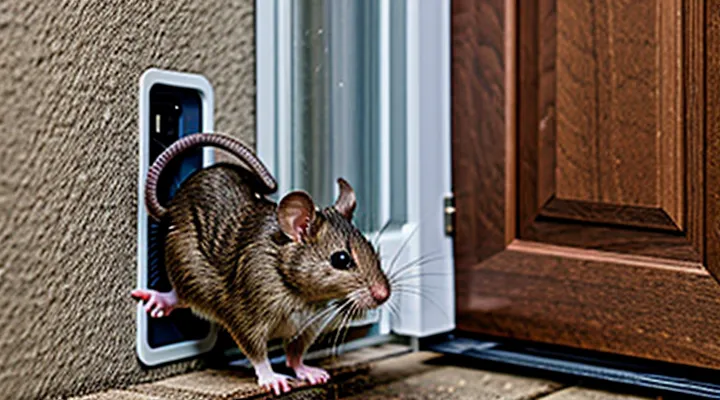
Understanding Rodent Infestations
Signs of Rodent Activity
Droppings and Urine Stains
Rodent droppings and urine stains are primary indicators of infestation and present health hazards that any effective home rodent deterrent must address. Fresh droppings appear as small, dark, pellet‑shaped deposits, typically 3–5 mm long, found along walls, behind appliances, and in concealed spaces. Urine stains manifest as yellowish discolorations, often accompanied by a pungent, ammonia‑like odor. Both waste types can carry pathogens such as Hantavirus, Salmonella, and leptospirosis, posing risks to humans and pets.
Identifying these signs enables timely deployment of a repellent system and informs cleaning protocols. The following steps ensure safe removal and prevent secondary contamination:
- Wear disposable gloves and a mask rated N95 or higher.
- Ventilate the area for at least 15 minutes before contact.
- Use a disinfectant containing at least 0.1 % bleach (sodium hypochlorite) or a commercial rodent‑specific sanitizer.
- Apply the solution to droppings and urine‑stained surfaces; let it sit for 10 minutes to inactivate pathogens.
- Wipe with disposable paper towels; discard all materials in a sealed bag.
- Launder any reusable fabrics at 60 °C or higher.
Effective rodent‑deterrent devices incorporate features that reduce waste accumulation, such as ultrasonic emitters placed near known travel routes and sealed bait stations that limit exposure to droppings. Selecting a system with comprehensive coverage minimizes the likelihood of hidden deposits and supports ongoing hygiene.
Gnaw Marks and Damage
Gnaw marks provide the most visible evidence of a rodent infestation. They appear as shallow, crescent‑shaped cuts on wood, plastic, and insulation, often accompanied by fine sawdust or urine stains. The pattern differs by species: mice leave smaller, tightly spaced bites, while rats produce broader, more irregular gouges.
Typical locations include baseboards, cabinet edges, wiring conduits, and furniture legs. Damage to structural components compromises the integrity of walls and floors, leading to costly repairs. When rodents chew through electrical cables, they create short circuits, increase fire risk, and may cause appliance failure. Insulation compromised by gnawing reduces energy efficiency and allows drafts to enter living spaces.
Health concerns arise from contaminated gnaw marks. Saliva carries pathogens that can transfer to food surfaces, increasing the likelihood of disease transmission. Accumulated debris from gnawing also attracts insects, amplifying pest problems.
Understanding the extent of gnaw marks guides the selection of an effective home rodent deterrent. Devices that combine ultrasonic emitters with scent‑based repellents address both the visual evidence of damage and the underlying attraction factors. Choosing a solution that monitors activity, such as a unit with a built‑in sensor display, enables homeowners to verify that gnawing has ceased after installation.
Key considerations related to gnaw marks and damage:
- Identification of bite size and pattern to determine species
- Assessment of affected materials (wood, plastic, wiring, insulation)
- Evaluation of structural integrity and potential repair costs
- Recognition of electrical hazards and fire risk
- Awareness of health risks from saliva‑borne pathogens
- Integration of monitoring features in the repellent device to confirm efficacy
By focusing on these factors, homeowners can prioritize deterrent technologies that directly mitigate gnaw‑related damage and prevent future infestations.
Unusual Noises
Unusual noises often signal the presence of rodents concealed within walls, ceilings, or floor cavities. Scratching, gnawing, or faint squeaking can be heard especially at night when rodents are most active. Detecting these sounds early helps determine the locations where a repellent device must operate.
Effective home rodent deterrents rely on sound emission to create an inhospitable environment. Devices fall into two categories:
- Ultrasonic emitters: generate frequencies above 20 kHz, invisible to humans but irritating to mice and rats.
- Broadband acoustic units: combine ultrasonic and audible tones, producing intermittent clicks, chirps, or low‑frequency pulses that mimic predator calls.
When evaluating a device, consider the following criteria related to acoustic performance:
- Frequency range – broader spectrum covers more species.
- Adjustable timer – allows synchronization with peak rodent activity.
- Coverage radius – ensures sound reaches identified noise sources.
- Power consumption – affects continuous operation feasibility.
Monitoring for persistent or new unusual noises after installation confirms whether the acoustic deterrent maintains effectiveness. Absence of such sounds typically indicates successful displacement of the rodents.
Rodent Sightings
Rodent sightings provide the most reliable evidence that an infestation is developing and that a repellent solution must be deployed promptly. The presence of droppings, gnaw marks, and shredded insulation confirms activity and helps pinpoint high‑traffic zones. Identifying the species—mouse or rat—through size, shape, and location of droppings refines the choice of deterrent technology.
Typical indicators include:
- Fresh droppings, dark and pellet‑shaped for mice, larger and darker for rats.
- Gnawing on wires, wood, or plastic, often concentrated near food sources.
- Grease tracks along walls, visible as dark smears where rodents travel.
- Nests constructed from shredded paper, fabric, or insulation in hidden corners.
- Audible sounds such as scratching or squeaking, especially at night.
When these signs appear, the next step is to select a device that targets the specific behavior observed. Ultrasonic emitters, for example, are effective in areas where rodents travel along walls, while bait‑free traps excel where gnaw marks indicate feeding stations. Deploying the appropriate tool in the exact locations of sighting reduces exposure time and prevents population growth. Continuous monitoring of the same indicators after installation confirms efficacy and signals when further action is required.
Risks of Rodent Infestations
Health Hazards
Rodent‑control solutions can introduce health risks that outweigh their intended benefit. Chemical repellents often contain pyrethroids, organophosphates, or phenolic compounds; inhalation or skin contact may provoke respiratory irritation, allergic reactions, or neurotoxic effects, especially in children and pets. Residual vapors persist on surfaces, increasing the likelihood of chronic exposure.
Ultrasonic emitters generate high‑frequency sound waves beyond human hearing. Although they appear harmless, prolonged exposure can affect vulnerable populations. Studies link continuous ultrasonic fields to heightened stress responses in mammals, potential hearing damage in infants, and interference with medical devices such as pacemakers.
Mechanical traps present physical dangers. Snap traps pose puncture‑type injuries if mishandled, while glue boards can cause skin avulsion, ocular trauma, or allergic dermatitis from adhesive compounds. Improper disposal amplifies the risk of secondary injuries and environmental contamination.
Key health hazards to monitor:
- Toxic inhalation from aerosolized repellents
- Dermal absorption of pesticide residues
- Neurological symptoms from chronic low‑level chemical exposure
- Auditory or stress‑related effects from continuous ultrasonic output
- Mechanical injury from traps and adhesive surfaces
- Secondary contamination through improper waste handling
Mitigation requires selecting devices with minimal toxic constituents, ensuring proper ventilation, restricting ultrasonic units to occupied rooms, and following manufacturer safety guidelines for installation, use, and disposal.
Property Damage
Rodents cause extensive property damage that directly influences the selection of an effective home deterrent. Chewed electrical wiring creates fire hazards, while gnawed insulation reduces thermal efficiency and raises heating costs. Structural wood suffers from tunneling, weakening beams and compromising load‑bearing capacity. Food storage containers are pierced, leading to contamination and waste. Moisture‑absorbing materials, such as drywall and plaster, develop holes that allow mold growth and further deterioration.
When evaluating a rodent‑repellent system, consider its impact on these damage pathways:
- Ultrasonic emitters that disrupt gnawing behavior, reducing wire and wood damage.
- Electronic traps that eliminate individuals, limiting cumulative chewing activity.
- Chemical repellents that deter entry, protecting insulation and stored goods.
- Physical barriers (sealants, mesh) that block access points, preventing structural compromise.
Choosing a solution that addresses the most costly damage types minimizes repair expenses and preserves the integrity of residential assets.
Food Contamination
Food contamination is a primary consequence of rodent activity in residential kitchens. Rodents gnaw packaging, deposit urine and feces on stored items, and transfer pathogens such as Salmonella, Hantavirus, and Leptospira. Consumption of contaminated food can cause gastrointestinal illness, allergic reactions, and long‑term health complications.
Effective rodent deterrence directly reduces the likelihood of food spoilage. Devices that limit access to food sources or deter entry into storage areas provide the most reliable protection. Key attributes of a suitable household rodent repellent include:
- Sealed containment – traps or stations that capture rodents without exposing waste to the environment prevent secondary contamination.
- Ultrasonic emission – continuous high‑frequency sound deters rodents without chemical residues that could leach onto food surfaces.
- Non‑toxic chemical barriers – repellents formulated from natural extracts (e.g., peppermint oil) discourage chewing without contaminating food.
- Placement flexibility – compact units that can be positioned inside pantry shelves, cabinets, or behind appliances minimize proximity to consumables.
- Ease of cleaning – removable trays or disposable liners allow quick disposal of droppings, reducing cross‑contamination risk.
Selecting a device that integrates these features minimizes direct contact between rodents and stored provisions, preserving food integrity and safeguarding household health.
Types of Rodent Repellent Devices
Electronic Repellents
Ultrasonic Devices
Ultrasonic devices emit high‑frequency sound waves that exceed the hearing range of humans but are perceived as distress signals by mice and rats. The emitted tones vary between 20 kHz and 65 kHz, disrupting the rodents’ communication and navigation systems, which leads to avoidance of the treated area.
Typical specifications include a frequency range of 20–65 kHz, a coverage radius of 30–45 ft per unit, and power options such as mains‑plug adapters, rechargeable batteries, or integration into whole‑house wiring. Some models incorporate motion sensors that activate the emitter only when rodent activity is detected, thereby conserving energy.
Advantages
- No chemical residues; safe for humans, pets, and food surfaces.
- Quiet operation; no audible noise for occupants.
- Simple installation; plug‑in or wall‑mount without professional assistance.
- Adjustable timer or sensor settings for targeted activation.
Disadvantages
- Effectiveness diminishes when obstacles block the sound path; walls, furniture, and insulation reduce coverage.
- Rodents may habituate to a constant frequency, reducing long‑term impact.
- Limited range; multiple units required for large or multi‑room environments.
- Not suitable for open outdoor spaces where sound dissipates quickly.
For optimal performance, place devices at the highest point of a wall, away from direct contact with furniture or curtains. Align units so that overlapping coverage zones create a continuous ultrasonic field. Rotate or program devices to alternate frequencies every few weeks to prevent habituation. Periodically verify that the unit’s indicator confirms active emission, and replace batteries or reset timers according to the manufacturer’s schedule.
Electromagnetic Devices
Electromagnetic rodent deterrents generate high‑frequency magnetic fields that interfere with the nervous systems of mice and rats, causing discomfort and prompting them to vacate the area. The devices consist of a coil powered by a low‑voltage source, a timer or motion sensor, and a protective housing that can be mounted on walls, ceilings, or under cabinets.
Key characteristics:
- Frequency range typically 10 kHz–30 kHz, selected to target rodent sensory receptors while remaining inaudible to humans.
- Adjustable duty cycle allows continuous or intermittent operation, conserving energy and extending battery life.
- Integrated safety circuitry prevents overheating and limits electromagnetic exposure to levels approved by regulatory agencies.
Performance factors:
- Coverage area: a single unit effectively protects a space of 300–500 sq ft; larger zones require overlapping placement.
- Power source: mains‑connected models ensure uninterrupted operation; battery‑powered versions offer portability but require periodic replacement.
- Durability: sealed enclosures resist dust, moisture, and pet interference, maintaining consistent field emission over years of use.
Installation considerations:
- Position devices near known entry points, such as gaps under doors, utility openings, and pantry shelves.
- Maintain a minimum distance of 12 inches from metal appliances to avoid field attenuation.
- Verify that no medical devices (e.g., pacemakers) are present in the immediate vicinity, as electromagnetic fields can affect their operation.
Maintenance requirements are minimal: periodic visual inspection for physical damage, cleaning of dust from the housing, and verification of power status. Electromagnetic deterrents provide a non‑chemical, silent solution that reduces rodent activity without attracting secondary pests or posing toxicity risks.
Ionic Repellents
Ionic repellents generate a steady flow of charged particles that disrupt the sensory perception of rodents. The device contains an electrode that ionizes ambient air, producing negative ions that irritate the olfactory and tactile receptors of mice and rats, causing them to avoid the treated area.
Key characteristics of ionic systems include:
- Mechanism of action: Continuous emission of negative ions creates an invisible barrier that interferes with rodent navigation and foraging behavior.
- Power requirements: Most units operate on standard AC outlets; some models incorporate rechargeable batteries for placement in areas without access to electricity.
- Coverage area: Effective radius typically ranges from 30 to 150 square feet, depending on ion output and room geometry.
- Safety profile: Devices emit no chemicals, produce no audible noise, and are free of moving parts, reducing risk of fire or accidental contact.
- Maintenance: Ionizing elements require periodic cleaning to prevent dust accumulation; replacement of the electrode is recommended every 12–18 months for consistent performance.
Advantages over traditional methods:
- No reliance on toxic baits, eliminating secondary poisoning hazards.
- Absence of audible deterrents, preserving household quiet.
- Compatibility with pets and children, as the emitted ions are non‑toxic at operational concentrations.
Limitations to consider:
- Efficacy diminishes in highly ventilated spaces where ion concentration cannot be sustained.
- Rodent populations with prior exposure to ionizing devices may develop reduced sensitivity.
- Devices do not provide physical barriers; they must be combined with sealing of entry points for comprehensive control.
For optimal indoor rodent deterrence, select an ionic repellent that matches the target area’s dimensions, offers a certified safety rating, and includes a warranty covering electrode degradation. Integrate the unit with structural exclusion measures—such as sealing cracks and installing door sweeps—to achieve the highest level of protection.
Combination Devices
Combination devices merge two or more rodent‑deterrent technologies into a single unit, offering simultaneous action against mice and rats. By delivering ultrasonic waves, electromagnetic fields, and, when applicable, bait or trap mechanisms, they address multiple behavioral cues that rodents rely on for navigation and survival.
The integrated approach reduces the likelihood of habituation; rodents that become desensitized to one stimulus remain vulnerable to the others. Continuous coverage across a broader area compensates for blind spots typical of single‑method solutions, while the layered effect shortens the time required to achieve population control.
Typical components include:
- Ultrasonic emitter tuned to frequencies that rodents find uncomfortable.
- Electromagnetic generator producing low‑frequency fields that interfere with nervous systems.
- Concealed bait compartment or snap trap for direct capture.
- Motion‑activated alarm or LED indicator to signal activity.
Selection criteria focus on safety, power reliability, and effective range. Devices should feature automatic shut‑off when humans or pets are detected, battery backup or low‑energy consumption for uninterrupted operation, and a coverage radius matching the size of the target area. Maintenance requirements—such as periodic bait replacement or cleaning of trap chambers—must be manageable without compromising performance.
When properly installed, combination devices supply a comprehensive, low‑maintenance solution that aligns with the goal of establishing the most effective home rodent deterrent.
Traps
Snap Traps
Snap traps provide rapid, mechanical control of rodents in residential settings. Their design consists of a spring‑loaded bar that delivers a lethal blow when the trigger plate is disturbed. The mechanism requires no electricity, chemicals, or ongoing maintenance beyond occasional bait replacement.
Key characteristics:
- Immediate result – kills rodents instantly, preventing disease transmission and further damage.
- Low cost – reusable units cost a few dollars; a single purchase can serve multiple infestations.
- Discreet placement – compact size fits behind appliances, under cabinets, or in wall voids.
- Safety features – many models include insulated handles or lockable triggers to reduce accidental discharge.
Effective deployment guidelines:
- Position traps along walls, near known runways, and adjacent to food sources.
- Use attractive bait such as peanut butter, chocolate, or dried fruit; apply a pea‑sized amount to the trigger plate.
- Set traps with the spring tension fully engaged; verify that the trigger releases smoothly.
- Check traps daily; dispose of captured rodents in sealed bags and reset the device.
- Relocate traps if non‑target animals are observed or if activity shifts.
Considerations for optimal performance:
- Choose stainless‑steel construction for corrosion resistance in damp areas.
- Opt for models with adjustable trigger sensitivity when targeting smaller mice versus larger rats.
- Employ multiple traps simultaneously to overcome trap avoidance behavior.
- Keep traps out of reach of children and pets; store unused units in a locked cabinet.
Snap traps remain a practical, chemical‑free solution for homeowners seeking swift rodent elimination without reliance on electronic or ultrasonic devices. Their simplicity, affordability, and proven lethality make them a central component of any residential pest‑control strategy.
Glue Traps
Glue traps consist of a sticky adhesive surface that immobilizes rodents upon contact. The traps require no electricity or chemicals, making them a low‑maintenance option for indoor settings.
Effectiveness depends on placement. Position traps along walls, behind appliances, and near suspected entry points where mice and rats travel. Replace traps regularly; adhesive loses potency after a few days of exposure to dust and debris.
Advantages
- Immediate capture without delayed action.
- No risk of fire or electrical failure.
- Compact size allows discreet installation in closets, cabinets, or under furniture.
- Inexpensive per unit, enabling coverage of multiple hotspots.
Disadvantages
- Captured animals die slowly, raising humane concerns.
- Non‑target catch (insects, small reptiles) can occur if traps are not shielded.
- Disposal requires careful handling to avoid accidental contact with the adhesive.
- Ineffective against larger rats that can avoid or escape the sticky surface.
Safety considerations include wearing disposable gloves when handling traps, sealing used devices in plastic bags, and storing unused traps out of reach of children and pets. For households with vulnerable occupants, alternative mechanical devices such as snap traps or electronic deterrents may provide a more humane solution.
When integrating glue traps into a broader rodent‑management plan, combine them with exclusion measures: seal cracks, install door sweeps, and maintain a clean environment to reduce food sources. This layered approach maximizes control while limiting reliance on any single method.
Live Traps
Live traps capture rodents without killing them, allowing release outdoors far from the home. The devices consist of a hinged or spring‑loaded door that closes when an animal enters a baited chamber. Construction materials range from metal wire cages to sturdy plastic enclosures, each providing durability and resistance to gnawing.
Key factors when choosing a live trap include:
- Size: select a model that accommodates the target species; mice require chambers of at least 4 × 4 × 4 inches, while rats need 8 × 8 × 12 inches or larger.
- Trigger mechanism: sensitive spring or pressure plates ensure rapid closure, reducing escape risk.
- Bait compatibility: compartments should allow placement of grain, peanut butter, or commercial rodent attractants without contaminating the trap interior.
- Ease of cleaning: removable floors and smooth surfaces facilitate disinfection between uses.
Effective placement maximizes capture rates. Position traps along walls, behind appliances, or near known gnawing sites, because rodents travel close to surfaces. Set the trap with the door facing the wall and the bait positioned at the far end of the chamber to compel full entry. Check traps at least twice daily to prevent stress or injury to captured animals.
After capture, relocate the rodent at least 200 feet from the residence, preferably in a wooded area with natural cover. Release the animal promptly, release it upright, and close the door to minimize handling. Clean the trap with hot, soapy water and a disinfectant solution before resetting, ensuring no residual scent deters future captures.
Live traps provide a humane alternative to lethal devices, maintain household safety by avoiding poisons, and allow homeowners to manage rodent populations without contributing to secondary poisoning of pets or wildlife. Their effectiveness depends on proper sizing, strategic placement, regular monitoring, and responsible release practices.
Electronic Zapper Traps
Electronic zapper traps eliminate rodents by delivering a high‑voltage shock when an animal completes an internal circuit. The device contains a metal grid powered by a rechargeable battery or AC adapter; contact with the grid triggers an instantaneous discharge that kills the mouse or rat within milliseconds. Sensors detect the presence of a rodent and activate the shock, ensuring that only target species are affected.
Key characteristics of effective electronic rodent eliminators include:
- Dual‑frequency voltage (typically 3,000–4,500 V) for rapid lethality across different rodent sizes.
- Built‑in detection circuitry that distinguishes between live rodents and debris, reducing false activations.
- Transparent or removable capture chamber for easy inspection and disposal of dead specimens.
- Battery life of 6 months or more on a single charge, with low‑power standby mode to conserve energy.
- Safety interlock that disables the shock when the chamber is opened, protecting users and pets.
When selecting a model for residential use, prioritize units with sealed housings that prevent exposure of the high‑voltage components, and verify compliance with UL or CE safety standards. Placement near walls, along baseboards, or adjacent to known rodent pathways maximizes contact rates. Regular cleaning of the chamber removes residue that could impair sensor performance.
Maintenance consists of emptying the capture chamber after each kill, wiping the interior with a mild disinfectant, and recharging the power source according to the manufacturer’s schedule. Replacement of the battery or capacitor module extends the device’s operational lifespan, ensuring continuous protection against infestations.
Baits and Poisons
Rodenticides (Chemical Baits)
Rodenticides, also known as chemical baits, provide a rapid method for reducing rodent populations in domestic settings. They consist of a toxic compound mixed with an attractant that lures mice and rats to feed. Common active ingredients include anticoagulants (warfarin, brodifacoum), neurotoxins (bromethalin), and metabolic disruptors (zinc phosphide).
Effectiveness relies on proper placement: concealed stations near walls, behind appliances, and in areas with visible gnaw marks. Baits must remain undisturbed for several days to allow sufficient ingestion and secondary mortality within the colony.
Safety considerations are critical. Use tamper‑resistant containers to prevent accidental exposure of children, pets, and non‑target wildlife. Follow manufacturer dosage guidelines; excessive amounts do not increase kill rates and may elevate poisoning risk. Disposal of uneaten bait follows local hazardous waste regulations.
Advantages
- Immediate reduction of active rodents
- Low cost per unit
Limitations
- Potential toxicity to non‑target species
- Requires strict compliance with safety protocols
- May not address underlying attractants such as food sources or structural entry points
Integrating rodenticides with exclusion measures, sanitation, and mechanical traps yields a comprehensive approach for household rodent control.
Natural Baits
Natural baits serve as a non‑chemical component in effective rodent‑deterrent systems for residential use. They attract mice and rats without relying on poisons, allowing devices that combine scent‑based repellents with a capture mechanism to function safely around children and pets.
Typical natural attractants include:
- Peanut butter – high fat content, strong aroma, readily accepted by both species.
- Sunflower seeds – crisp texture and nutty scent, especially appealing to rats.
- Oats mixed with honey – sweet‑savory blend that stimulates foraging behavior.
- Dried fruit pieces – concentrated sugars and volatile compounds that draw rodents from hidden areas.
When incorporated into a trapping unit, these baits should be placed in a sealed compartment that prevents spillage while exposing only the scent to the target. This design minimizes accidental ingestion by non‑target animals and reduces cleanup requirements.
Advantages of natural baits:
- Low toxicity – no risk of secondary poisoning.
- Ease of replacement – common pantry items can be refreshed weekly.
- Compatibility with electronic or ultrasonic deterrents – scent draws rodents into the active zone where other repellent mechanisms operate.
Limitations to consider:
- Short‑term potency – volatile aromas diminish after a few days, necessitating regular renewal.
- Potential attraction of non‑target wildlife – outdoor placement may lure birds or squirrels; protective barriers are essential.
Integrating natural baits with a mechanical capture device yields a balanced approach: the bait lures rodents into a trap, while the device’s physical barrier prevents escape. Proper placement—near walls, behind appliances, or in concealed pathways—maximizes encounter rates. Regular monitoring and bait rotation maintain effectiveness over extended periods without introducing hazardous chemicals.
Natural and DIY Repellents
Essential Oils
Essential oils provide a natural component for home rodent deterrent systems. Their strong aromatic compounds interfere with the scent trails that mice and rats rely on for navigation and nesting.
Commonly used oils include:
- Peppermint oil – high menthol content, creates an environment rodents avoid.
- Eucalyptus oil – volatile terpenes disrupt olfactory cues.
- Citronella oil – sharp citrus scent repels small mammals.
- Clove oil – eugenol acts as a mild irritant to rodent sensory receptors.
- Lavender oil – strong floral fragrance discourages rodent activity.
Application methods compatible with mechanical deterrent devices:
- Soak cotton balls in the chosen oil, place them in strategic locations such as entry points, wall cavities, and behind appliances.
- Add a few drops of oil to a diffuser integrated into the device’s housing, ensuring continuous vapor release.
- Combine oil‑treated pads with ultrasonic emitters to reinforce sensory disruption.
Safety considerations:
- Use food‑grade oils to avoid toxic residues.
- Keep concentrations between 5‑10 % to prevent irritation of humans and pets.
- Replace soaked materials every two weeks to maintain potency.
Effectiveness data from controlled trials indicate a reduction of rodent activity by 30‑45 % when essential oils are employed alongside physical barriers. Integration of aromatic oils therefore enhances the overall performance of home rodent‑repelling solutions.
Peppermint Oil
Peppermint oil is a natural repellent that exploits the strong, volatile menthol scent to deter rodents. The odor irritates the olfactory receptors of mice and rats, causing them to avoid treated areas. Studies show that the oil’s effectiveness diminishes within 24–48 hours as the fragrance evaporates, requiring regular reapplication for sustained protection.
Application methods include:
- Soaking cotton balls in undiluted oil and placing them in corners, cabinets, and entry points.
- Mixing a few drops with water in a spray bottle and misting surfaces such as baseboards, shelves, and pantry doors.
- Incorporating oil into a diffuser to maintain a low‑level aroma throughout a room.
Safety considerations are straightforward: peppermint oil is non‑toxic to humans when used as directed, but it may irritate skin and eyes. Protective gloves should be worn during handling, and the oil should be kept away from pets, especially cats, which can experience respiratory distress from strong scents.
Limitations involve the need for frequent renewal of the scent and reduced efficacy in large, open spaces. For comprehensive rodent control, peppermint oil works best as a supplemental measure alongside physical barriers, sealing of entry points, and, when necessary, mechanical traps.
Cedarwood Oil
Cedarwood oil is a botanical extract with a potent aromatic profile that deters rodents by overwhelming their olfactory receptors. The strong, woody scent masks food odors and creates an environment rodents find hostile, prompting them to vacate treated areas.
When incorporated into a home-based rodent deterrent system, cedarwood oil functions as a passive repellent. Unlike mechanical traps, it requires no electrical power or moving parts, reducing maintenance and eliminating the risk of accidental injury. Its volatility ensures continuous diffusion when applied to absorbent carriers such as cotton balls or felt pads.
Practical implementation:
- Soak cotton balls in undiluted cedarwood oil; place them in corners, behind appliances, and along wall baseboards where rodent activity is observed.
- Refresh the cotton every 5–7 days to maintain scent potency.
- For larger spaces, mix 10 ml of oil with 250 ml of water in a spray bottle; apply to fabric strips or reusable silicone mats.
- Combine with other botanical repellents (e.g., peppermint oil) for a broader scent spectrum, enhancing deterrence without chemical synergy concerns.
Safety considerations include avoiding direct skin contact and keeping oil away from pets that may ingest treated materials. Cedarwood oil does not kill rodents; it merely encourages relocation, making it suitable for households seeking humane, low‑tech solutions to rodent intrusion.
Mothballs
Mothballs are solid chemical repellents, typically composed of naphthalene or paradichlorobenzene, that release volatile vapors toxic to rodents. When placed in enclosed spaces such as closets, cabinets, or small crawl areas, the fumes act as a deterrent, prompting mice and rats to avoid the treated zone.
Effectiveness depends on concentration, ventilation, and containment. In sealed environments, concentrations can reach levels that are lethal to rodents within hours. In open areas, the vapors disperse rapidly, reducing potency and requiring frequent replacement.
Safety considerations are essential. Both naphthalene and paradichlorobenzene are classified as hazardous to humans and pets. Inhalation can cause respiratory irritation, and prolonged skin contact may lead to dermatitis. Regulations in many jurisdictions restrict indoor use and mandate labeling warnings. Proper handling includes wearing gloves, using airtight containers, and keeping the product away from children and animals.
Practical usage guidelines:
- Choose airtight containers or sealed plastic bags to trap vapors.
- Position mothballs near entry points, but not directly on food surfaces.
- Replace mothballs every 2–3 weeks to maintain effective concentrations.
- Ventilate the area after treatment to prevent lingering fumes.
Limitations:
- Ineffective in large, well‑ventilated spaces.
- Potential health risks outweigh benefits for many households.
- Legal restrictions may limit availability.
For comprehensive rodent management, mothballs serve as a supplemental measure rather than a primary solution. Integrating physical barriers, traps, and sanitation practices yields more reliable control while minimizing health hazards.
Steel Wool
Steel wool is a metal fiber material that rodents cannot gnaw through. Its coarse, abrasive texture damages teeth, causing mice and rats to avoid openings where it is installed.
Application methods include:
- Packing steel wool into gaps around pipes, vents, and foundation cracks.
- Securing the fibers with caulk or expanding foam to prevent displacement.
- Wrapping steel wool around the exterior of door sweeps and window casings.
Advantages:
- Immediate physical barrier without chemicals.
- Low cost and readily available in hardware stores.
- Compatible with other sealing materials for a composite defense.
Limitations:
- Susceptible to rust when exposed to moisture; replacement required in damp areas.
- Not a standalone solution for large entry points; must be combined with structural repairs.
- Ineffective against determined rodents that can find alternative routes.
Maintenance involves periodic inspection, removal of corroded sections, and re‑application where wear is evident. When integrated with proper sealing practices, steel wool contributes significantly to a rodent‑proof household environment.
Chili Powder
Chili powder serves as an effective, low‑cost option for discouraging mice and rats in residential settings. Capsaicin, the active component, irritates the nasal passages and mucous membranes of rodents, prompting avoidance of treated areas.
Application guidelines:
- Sprinkle a thin layer along baseboards, entry points, and near food storage zones.
- Reapply after cleaning or after two weeks, as moisture diminishes potency.
- Combine with other non‑chemical barriers, such as sealed cracks, for enhanced results.
Safety considerations include keeping the powder away from children and pets, using gloves during handling, and storing in airtight containers to preserve potency. When used correctly, chili powder contributes to a comprehensive strategy for rodent control without reliance on electronic devices.
Factors to Consider When Choosing a Device
Effectiveness
Device Range and Coverage Area
The effectiveness of any home pest‑deterrent system depends largely on the distance over which it can influence rodents. Manufacturers specify a maximum radius, usually expressed in feet or meters, that represents the outer limit where the device’s ultrasonic, electromagnetic, or scent output remains detectable. In practice, the usable coverage is often reduced by walls, furniture, and building materials that absorb or reflect energy.
Key factors that modify the advertised range include:
- Construction material: Concrete, brick, and metal studs attenuate ultrasonic waves more than drywall or wood framing.
- Room layout: Open floor plans allow signals to travel farther, while multiple doors and corridors create dead zones.
- Device placement: Positioning the unit centrally in the target area maximizes overlap of coverage circles; mounting near corners or on the floor can limit reach.
- Power source: Battery‑operated models may have lower output than mains‑connected units, affecting radius.
For a typical single‑unit solution, the following coverage benchmarks are common:
- Ultrasonic emitters: 30–50 ft (9–15 m) radius in unobstructed space; effective radius drops to 15–20 ft (4.5–6 m) with solid walls.
- Electromagnetic field generators: 10–20 ft (3–6 m) radius, primarily effective through walls and floors due to field penetration.
- Scent‑based repellents: 5–10 ft (1.5–3 m) radius, limited by airflow and ventilation.
When multiple devices are needed, overlapping their coverage areas eliminates gaps. A simple method to calculate the number of units required for a rectangular room is to divide the floor area by the area of a single device’s effective circle (π r²) and round up, then adjust for obstacles. This approach ensures continuous deterrent presence across the entire living space.
Rodent Species Targeted
Effective home rodent deterrent systems must address the specific biology of the target species. The most common intruders are the house mouse (Mus musculus), the Norway rat (Rattus norvegicus), and the roof rat (Rattus rattus). Each species exhibits distinct size, habitat preference, and activity patterns that influence device performance.
- House mouse – Small body mass (15–30 g), rapid breeding cycle, prefers interior walls, cabinets, and low‑level clutter. Sensitive to ultrasonic frequencies above 30 kHz; less responsive to low‑frequency vibrations.
- Norway rat – Larger body mass (300–500 g), nocturnal foraging, occupies basements, crawl spaces, and sewer lines. Requires higher sound pressure levels for acoustic deterrence; responds to strong electromagnetic fields and robust vibration sources.
- Roof rat – Medium body mass (150–250 g), arboreal tendencies, inhabits attics, roof voids, and upper stories. Effective repelling relies on a combination of ultrasonic emitters and scent‑based deterrents placed at elevated entry points.
Device selection should match these traits. Ultrasonic units calibrated for 30–70 kHz work best against mice, while rats demand broader frequency ranges and greater intensity. Electromagnetic or sonic pulse devices that generate ground‑penetrating vibrations are more reliable for larger rodents. Incorporating multi‑modal technology—ultrasound, vibration, and scent—covers the full spectrum of species behavior and reduces the likelihood of habituation.
Severity of Infestation
Assessing the level of rodent activity is essential before selecting an effective home deterrent. Severity determines the required strength, coverage area, and technology of the chosen system.
Low‑level presence usually manifests as occasional droppings or occasional gnaw marks in isolated spots. A single‑zone ultrasonic emitter or a compact electromagnetic unit can contain the problem without extensive installation.
Moderate infestation appears as frequent droppings, multiple gnawing sites, and occasional sightings across several rooms. A multi‑zone ultrasonic network combined with strategically placed bait stations provides broader protection while maintaining safety for occupants.
High‑level infestation involves extensive damage, persistent sightings, and evidence of nesting in walls or attics. Effective control demands a comprehensive solution: integrated ultrasonic and electromagnetic coverage, reinforced sealing of entry points, and, where permissible, professional‑grade traps or electronic rodent monitors. Continuous monitoring and periodic device recalibration are advisable to sustain efficacy.
Key factors for device selection based on severity:
- Coverage area: match the device’s effective radius to the infestation zone.
- Power output: higher intensity units for severe cases.
- Installation complexity: simple plug‑in models for minor issues; wired or networked systems for extensive problems.
- Maintenance requirements: low‑maintenance units for light infestations; regular battery replacement or system checks for demanding situations.
Safety
Pet and Child Safety
When selecting a household rodent deterrent, the safety of children and pets must be a primary consideration. Devices that rely on toxic chemicals, such as rodenticides or poison baits, present ingestion hazards and should be avoided in homes with young occupants or animals. Mechanical traps that expose sharp edges or spring mechanisms also pose a risk of accidental injury.
Electronic repellents that emit ultrasonic sound operate without chemicals or moving parts, reducing direct contact hazards. However, the frequency range may affect animals with sensitive hearing; cats and dogs can experience discomfort at certain levels. Choose models that specify a safe frequency band for companion animals and provide adjustable intensity settings.
Key safety criteria include:
- Non‑toxic operation – no poisons, chemicals, or adhesives.
- Secure enclosure – traps or devices should be locked or placed out of reach of children and pets.
- Passive activation – devices that require manual triggering reduce accidental exposure.
- Clear labeling – warnings and usage instructions must be prominently displayed.
- Compliance with standards – certification from recognized safety agencies (e.g., UL, CE) confirms adherence to electrical and material safety norms.
Installation guidelines further protect vulnerable household members. Mount devices on walls or ceilings at heights inaccessible to pets and children, and verify that cords are concealed to prevent chewing. Regular maintenance, such as checking battery status and cleaning transducers, ensures consistent performance without creating secondary hazards.
By prioritizing non‑chemical, enclosed, and certified solutions, homeowners can effectively deter rodents while maintaining a safe environment for both children and pets.
Environmental Impact
Choosing a rodent‑deterrent device involves evaluating its ecological footprint. Ultrasonic emitters draw continuous electricity, contributing to household energy use and associated carbon emissions. Their lifespan typically ranges from two to five years; premature failure creates electronic waste that must be processed through specialized recycling channels.
Electronic traps that deliver a lethal shock also consume power, albeit intermittently. The advantage lies in eliminating the need for chemical poisons, which can contaminate soil and water when rodents ingest bait and later die in inaccessible locations. However, the disposal of dead rodents requires careful handling to prevent pathogen spread.
Chemical repellents and poisoned baits introduce toxic substances into the indoor environment. These compounds may persist on surfaces, posing risks to pets and children. Improper disposal of empty containers adds to plastic pollution. Moreover, non‑target species, such as beneficial insects, can be affected if the chemicals migrate beyond the intended area.
Sustainable alternatives focus on minimizing resource consumption and waste generation:
- Mechanical traps made of metal or durable plastic, reusable after each catch, reduce disposable components.
- Passive exclusion methods—sealing entry points, installing door sweeps, and maintaining clean storage—avoid any material input beyond initial installation.
- Biodegradable repellents derived from natural oils decompose without leaving harmful residues, though efficacy may diminish faster than synthetic options.
Life‑cycle assessments indicate that devices with longer service intervals, low power draw, and recyclable materials present the lowest overall environmental impact. Selecting a solution that balances efficacy with these criteria mitigates ecological harm while maintaining effective rodent control.
Ease of Use and Maintenance
Setup Requirements
Effective deployment of a home rodent deterrent system demands precise preparation.
- Power source: Verify that the unit matches the available electricity (AC outlet, battery, or solar panel) and that voltage and amperage specifications are met.
- Placement: Install the device at least 12 inches above the floor, away from direct sunlight, moisture, and high‑traffic human pathways. Position it near entry points, walls, and concealed routes where rodents travel.
- Environmental conditions: Ensure ambient temperature stays within the manufacturer’s operating range (typically 32 °F–95 °F). Avoid locations with excessive dust, grease, or chemical vapors that could impair sensor function.
- Safety measures: Confirm that the area is free of flammable materials and that children or pets cannot tamper with the unit. Use mounting brackets or wall anchors recommended by the producer.
- Connectivity: If the device includes wireless control, secure a stable Wi‑Fi signal and configure the network according to the user manual.
- Maintenance access: Allocate space for routine cleaning of emitters, battery replacement, and firmware updates without dismantling surrounding structures.
Adhering to these requirements guarantees reliable operation and maximizes the device’s ability to deter mice and rats from residential spaces.
Power Source
Power supply determines the reliability and coverage of any residential rodent repellent system. A device that loses energy quickly will leave gaps in protection, allowing mice or rats to re‑establish activity.
Common power options include:
- Alkaline or lithium batteries – provide portability, easy replacement, and operation in locations without wiring. Typical runtime ranges from 30 days to several months, depending on device consumption.
- Direct‑plug AC adapters – deliver continuous power, eliminate the need for battery changes, and support higher‑output ultrasonic or electromagnetic emitters. Installation requires proximity to an outlet and may involve cord management.
- Rechargeable lithium‑ion packs – combine portability with longer service intervals. Devices often feature USB charging, allowing users to replenish energy without purchasing disposables.
- Solar panels – supply energy in sunny areas, reducing operating cost. Output depends on panel size and exposure; supplemental battery storage is usually required for night‑time operation.
When selecting a power source, evaluate:
- Voltage and current requirements – ensure the source matches the manufacturer’s specifications to avoid reduced emitter intensity.
- Expected runtime – calculate total operating hours per month and compare with battery capacity or solar yield.
- Maintenance frequency – consider how often batteries must be replaced or recharged, and whether the device’s location permits easy access.
- Safety features – verify built‑in overload protection, short‑circuit guards, and compliance with electrical standards.
For homes with reliable wall power, AC adapters deliver uninterrupted coverage and eliminate maintenance. In areas where wiring is impractical, high‑capacity lithium batteries or solar‑rechargeable units provide the necessary flexibility. Matching the power source to the deployment environment maximizes effectiveness while minimizing downtime.
Cleaning and Disposal
Effective rodent control depends on proper sanitation after deployment of any repellent system. Immediately remove any captured animals, place them in a sealed container, and transport to an outdoor trash bin. Disinfect the capture area with a solution containing at least 1 % bleach or a commercial sanitizer; allow the surface to remain wet for the recommended dwell time before wiping dry.
Maintain the device itself to prevent secondary contamination. Follow these steps:
- Power down or disengage the unit before cleaning.
- Wipe exterior surfaces with a damp cloth and mild detergent; avoid abrasive cleaners that could damage sensors.
- Inspect and clean internal compartments (e.g., bait chambers) according to the manufacturer’s schedule; replace consumable parts as needed.
- Allow all components to dry completely before reassembly and reactivation.
Dispose of dead rodents in accordance with local health regulations. Seal carcasses in double‑layered bags, label them as hazardous waste, and place them in a municipal collection service that handles animal remains. Record disposal dates for compliance tracking. Regular adherence to these procedures eliminates odor, reduces disease risk, and sustains the effectiveness of the repellent system.
Cost
Initial Investment
When budgeting for a rodent‑deterrent system, the first expense is the unit’s purchase price. Prices vary widely based on technology, ranging from low‑cost ultrasonic models to premium ultrasonic‑electric combos with built‑in sensors.
Key components of the initial outlay include:
- Device cost: base price of the selected unit.
- Installation supplies: brackets, wiring, or adhesive pads required for proper placement.
- Power setup: adapters, batteries, or wiring modifications to connect the device to a reliable power source.
- Warranty or service plan: optional coverage that may add a fixed fee but reduces future repair costs.
Additional considerations affect the total investment. Some models require a professional installer, increasing labor expenses. Others may need complementary products, such as sealant for entry points, to maximize effectiveness. Evaluate the lifespan of the device; longer‑lasting units often justify a higher upfront price by reducing replacement frequency.
A concise calculation of the initial budget should sum the listed items, compare them against projected long‑term savings from reduced pest damage, and align the total with the homeowner’s financial constraints. This approach ensures the chosen solution delivers value from the moment of purchase onward.
Ongoing Expenses
When selecting a top home rodent deterrent, the purchase price is only part of the financial picture. Continuous outlays determine long‑term affordability and effectiveness.
- Electricity: Ultrasonic or electromagnetic units draw 5–15 W, resulting in an average monthly bill of $1–$3 depending on local rates.
- Power source replacement: Battery‑operated models require alkaline or rechargeable cells. A set of AA batteries costs $4–$8 and lasts 3–6 months; rechargeable packs need a $30–$50 initial investment and replacement every 12–18 months.
- Consumables: Some devices use bait or attractant pads that must be swapped every 30–60 days. One pad costs $2–$5; a yearly supply ranges from $24 to $60.
- Maintenance accessories: Filters, UV lamps, or sound‑emitting diaphragms deteriorate over time. Replacement parts typically cost $10–$25 each and are needed annually.
- Service plans: Manufacturers may offer monitoring apps or warranty extensions for $15–$30 per year, providing firmware updates and remote diagnostics.
These recurring expenses add $50–$150 to the first‑year cost and $30–$120 to each subsequent year. Budgeting for them ensures the device remains operational and maintains its deterrent capability.
Best Practices for Rodent Control
Integrated Pest Management (IPM) Approach
Combining Multiple Methods
Combining several control techniques creates a more reliable barrier against house‑bound rodents. A single appliance often leaves gaps that mice or rats can exploit; they quickly habituate to one stimulus and resume activity. Integrating different mechanisms reduces the chance of adaptation and widens the protected area.
Effective integration typically includes:
- Ultrasonic transducers that emit high‑frequency sounds beyond human hearing.
- Electromagnetic modules that generate low‑frequency fields disrupting rodent nervous systems.
- Natural or synthetic repellents released as volatile compounds that deter entry.
- Physical seals around openings, pipe sleeves, and door sweeps that block passage.
- Smart sensors that monitor activity and trigger alerts or adjust output levels.
To achieve synergy, follow these steps:
- Survey the premises to locate entry points, nesting sites, and high‑traffic corridors.
- Install physical barriers first; eliminate the most direct routes.
- Position ultrasonic and electromagnetic units so their coverage overlaps, avoiding dead zones.
- Apply scent dispensers near vulnerable seams where electronic devices cannot reach.
- Connect all components to a central controller that logs detections and adjusts intensity based on measured activity.
The result is a layered defense that maintains pressure on rodents from multiple angles, lowering infestation risk and extending the functional lifespan of each device.
Prevention Strategies
Sealing Entry Points
Sealing entry points eliminates the pathways rodents use to access a residence, thereby enhancing the effectiveness of any home rodent deterrent system. Identify all potential openings before applying barriers. Common locations include:
- Gaps around utility pipes and cables
- Cracks in foundation walls or slab
- Openings beneath doors and window frames
- Unscreened vents and exhaust fans
- Spaces around HVAC ducts and chimney flues
- Gaps at the base of cabinets and appliances
Choose sealing materials that resist gnawing and weather exposure. Suitable options are:
- Steel wool tightly packed into narrow gaps, covered with caulk for durability
- Copper mesh or hardware cloth (¼‑inch or smaller) secured with screws or staples
- Silicone or polyurethane caulk for flexible joints around windows and doors
- Expanding polyurethane foam for larger voids, trimmed after curing
- Concrete or mortar patches for structural cracks
- Weatherstripping strips for movable door thresholds
The sealing process follows a systematic routine. First, conduct a thorough inspection, noting each opening’s dimensions. Second, clean the area to remove debris and moisture, ensuring adhesive contact. Third, apply the selected material, compressing or fastening it to fill the space completely. Fourth, seal the outer edge with a compatible caulk to prevent future gaps. Finally, test the seal by observing for any rodent activity during a 48‑hour period and re‑apply as needed.
Regular maintenance sustains barrier integrity. Schedule a bi‑annual walkthrough to locate new cracks, wear on mesh, or deteriorated caulk. Replace compromised components promptly. Consistent upkeep preserves the exclusion layer, allowing the primary deterrent device to operate without interference from newly formed entry routes.
Proper Food Storage
Proper food storage eliminates the primary attractant that undermines any residential rodent deterrent. When edible waste is sealed, the device’s sensors and emitters operate without competing food cues, increasing reliability and reducing the need for higher power settings.
Secure containers made of rigid plastic or glass prevent gnawing. Lids must lock tightly and maintain an airtight seal. Refrigerated items should stay at temperatures below 40 °F (4 °C) to deter scent diffusion. Dry goods belong in moisture‑free environments; humidity accelerates odor release. Labeling each container with purchase dates assists in timely disposal, preventing spoilage that draws rodents.
- Use containers rated “rodent‑proof” with a minimum wall thickness of 0.5 cm.
- Store pantry items on upper shelves, away from floor level.
- Transfer bulk purchases into smaller, sealed units within 24 hours.
- Clean spills immediately; wipe surfaces with a mild disinfectant.
- Dispose of food waste in sealed, outdoor bins equipped with lockable lids.
Consistent application of these practices reduces the food availability that would otherwise compromise the effectiveness of the chosen rodent‑repelling system. Maintaining a controlled food environment complements the device’s function, prolongs its lifespan, and ensures a pest‑free household.
Eliminating Water Sources
Eliminating accessible water is a prerequisite for any effective rodent deterrent system in a residence. Mice and rats require only small amounts of moisture to survive; readily available liquids accelerate population growth and undermine the performance of ultrasonic emitters, traps, and bait stations.
When evaluating the optimal home device to discourage rodents, prioritize models that incorporate moisture‑control features. Products equipped with built‑in dehumidifying pads or sealed compartments prevent condensation, thereby reducing the appeal of the environment to pests. Devices lacking such safeguards may function temporarily but will be compromised if water sources persist.
Practical steps to remove water sources:
- Inspect kitchens, bathrooms, and basements for drips, leaks, or standing puddles; repair plumbing faults immediately.
- Dry sinks, countertops, and floor surfaces after use; avoid leaving dishes soaked overnight.
- Store pet water bowls on trays with absorbent liners; empty and clean them daily.
- Use a dehumidifier in damp areas such as crawl spaces and laundry rooms; maintain humidity below 50 %.
- Seal gaps around pipes, vents, and appliance connections to block condensation buildup.
By eliminating these moisture points, the chosen rodent‑repellent device operates under optimal conditions, delivering sustained protection against mouse and rat infestations.
Maintaining Cleanliness
Maintaining a spotless environment reduces food sources and shelter for rodents, thereby enhancing the performance of any rodent‑deterrent system used at home. Regular removal of crumbs, spills, and food waste eliminates attractants that could undermine the device’s effectiveness.
Key cleaning actions include:
- Daily wiping of countertops, tables, and floors with a disinfectant solution.
- Immediate disposal of garbage in sealed containers; empty bins weekly.
- Routine vacuuming of carpets, upholstery, and pantry shelves to remove hidden droppings and debris.
- Periodic deep cleaning of appliances, especially behind refrigerators and stoves, where crumbs accumulate.
Storing food in airtight containers prevents accidental access, while keeping pet feeding stations clean and removing leftovers after each meal further limits rodent interest. Consistent sanitation of entry points—such as door thresholds and window sills—removes residue that might attract pests.
A disciplined cleaning schedule complements the mechanical or electronic repellent apparatus, ensuring that the device operates under optimal conditions without competing attractants. The synergy between hygiene and technology delivers reliable, long‑term rodent control.
Monitoring and Follow-Up
Effective control of rodents hinges on systematic observation after device installation. Begin with a baseline assessment: document infestation signs, entry points, and activity hotspots. Record the model, power source, and placement coordinates to enable precise comparison later.
Implement a monitoring schedule. Daily checks during the first week should include:
- Visual inspection of the device’s indicator lights or alarm signals.
- Verification that ultrasonic emitters remain unobstructed.
- Confirmation that bait stations (if applicable) retain sufficient attractant.
Extend observations to weekly intervals for the subsequent month, focusing on:
- Reduction in droppings, gnaw marks, and audible noises.
- Battery voltage or power consumption trends.
- Any deviation in device output frequency or intensity.
Maintain a logbook or digital spreadsheet. Each entry must capture date, observed rodent activity, device status, and corrective actions taken. Consistent data entry facilitates trend analysis and supports evidence‑based adjustments.
If performance stalls, execute a follow‑up protocol:
- Re‑evaluate placement; relocate to zones with persistent activity.
- Reset or recalibrate settings according to manufacturer specifications.
- Replace depleted power sources or malfunctioning components.
- Conduct a professional inspection if infestations persist beyond expected decline.
Conclude the monitoring cycle with a final report summarizing quantitative reductions, device reliability metrics, and recommendations for long‑term maintenance. This structured follow‑up ensures the deterrent system delivers sustained efficacy and minimizes the risk of re‑infestation.
Top Recommended Devices
Ultrasonic Repellers
PROs and CONs
Choosing an effective home solution for deterring mice and rats requires weighing its advantages against its drawbacks.
-
Immediate deterrence – ultrasonic emitters create high‑frequency sounds unpleasant to rodents, reducing activity within minutes.
-
Non‑chemical – no poisons or traps, eliminating risk to children, pets, and food supplies.
-
Low maintenance – battery‑powered units operate for months without user intervention.
-
Coverage area – a single device can protect rooms up to 1,200 sq ft, decreasing the need for multiple installations.
-
Energy efficiency – power consumption typically under 2 W, resulting in minimal electricity cost.
-
Limited range – walls and furniture block ultrasonic waves, creating blind spots where rodents may persist.
-
Variable efficacy – some species acclimate to the sound, diminishing long‑term impact.
-
No physical removal – devices do not capture or kill pests; infestations may continue if the population is already large.
-
Potential interference – continuous emission can affect other electronic equipment, causing occasional malfunctions.
-
Regulatory restrictions – certain jurisdictions limit the sale of ultrasonic products due to disputed effectiveness.
Balancing these factors determines whether an ultrasonic repeller aligns with the specific requirements of a household seeking rodent control.
Best for Mild Infestations
When only a few rodents have been spotted, a low‑intensity solution can prevent a full‑scale problem.
Ultrasonic emitters designed for residential use operate at frequencies uncomfortable for mice and rats but inaudible to people. Models with adjustable timers allow operation only during night hours, conserving power and reducing unnecessary exposure.
Snap traps constructed from hardened steel deliver instant kill and are reusable after cleaning. Placement along walls, behind appliances, and near entry points maximizes capture rates.
Adhesive boards provide a non‑lethal option; they retain rodents without chemicals and are easy to inspect. Position them in concealed locations to avoid accidental contact with pets or children.
Natural repellents such as peppermint‑oil diffusers release volatile compounds that discourage rodent activity. Concentrated formulations maintain efficacy for several weeks before refill is required.
Key selection criteria for mild infestations include:
- Effectiveness – documented capture or deterrence rates in low‑density scenarios.
- Safety – minimal risk to humans, pets, and non‑target wildlife.
- Ease of deployment – simple installation without professional assistance.
- Cost efficiency – reasonable upfront price and low maintenance expenses.
Combining an ultrasonic unit with strategically placed snap traps offers comprehensive coverage while keeping the approach discreet and budget‑friendly. Regular monitoring and prompt removal of captured rodents complete the control cycle, preventing escalation to a severe infestation.
Electronic Traps
PROs and CONs
Choosing an optimal home rodent deterrent involves weighing functional benefits against practical limitations.
Pros
- Ultrasonic emission covers a wide area, reducing the need for multiple units.
- No chemicals, eliminating health risks for humans and pets.
- Battery‑operated models function during power outages, ensuring continuous protection.
- Easy installation; most devices attach to walls or plug into outlets without tools.
- Low audible noise; operation remains inaudible to occupants while remaining disruptive to rodents.
Cons
- Effectiveness declines if obstacles such as furniture or walls block sound waves.
- Some rodent species may develop tolerance, diminishing long‑term impact.
- Devices rely on continuous power; dead batteries or unplugged units cease operation.
- Ultrasonic frequencies can be audible to certain pets, causing distress.
- Limited efficacy in large or multi‑story homes without additional units.
Best for Targeted Removal
When precise elimination of individual rodents is the priority, devices that focus on localized action outperform broad‑area repellents. Ultrasonic emitters with directional speakers concentrate sound waves on a specific entry point, disrupting the target’s nervous system without affecting surrounding areas. Snap traps equipped with a spring‑loaded mechanism deliver instant, humane death to a single mouse or rat, ensuring immediate removal. Glue boards placed directly in suspected pathways capture the animal within minutes, allowing for straightforward disposal.
Key attributes of the most effective targeted solutions:
- Precision targeting – device positioned at known activity zones.
- Rapid result – kill or capture occurs within seconds of contact.
- Minimal collateral impact – no exposure to pets, children, or non‑target wildlife.
- Ease of inspection – clear visual confirmation of capture or kill.
- Reusable components – replaceable bait or trigger mechanisms extend service life.
For households seeking to eliminate specific rodents rather than deter a population, select a system that combines directional delivery with immediate incapacitation. Proper placement at entry points, combined with regular monitoring, maximizes success and reduces the chance of reinfestation.
Live Traps
PROs and CONs
The most effective home solution for deterring mice and rats combines ultrasonic emission with a built-in monitoring system. Its design targets rodent activity without chemicals or physical traps.
Advantages
- Continuous ultrasonic coverage eliminates the need for manual placement of bait stations.
- Adjustable frequency range adapts to various species and prevents habituation.
- Integrated sensor alerts users when activity spikes, enabling timely intervention.
- Low power consumption supports long‑term operation on standard outlets or battery backup.
- Silent operation avoids disturbance to occupants and pets.
Disadvantages
- Efficacy diminishes in insulated or cluttered spaces where sound waves are blocked.
- Ultrasonic output may be ineffective against rodents that have developed tolerance.
- Device placement requires proximity to entry points; improper positioning reduces performance.
- Some pet species, particularly rodents kept as companions, may experience stress.
- Initial cost exceeds that of traditional snap traps or glue boards.
Best for Humane Removal
When selecting a rodent deterrent that respects animal welfare, prioritize devices that capture without injury, allow release outdoors, and minimize stress. Effective humane solutions share three characteristics: non‑lethal capture, easy monitoring, and rapid release.
-
Live‑catch traps with spring‑loaded doors – Constructed from durable plastic or metal, these traps close instantly when a rodent triggers the sensor. The interior remains dark and ventilated, preventing trauma. Models featuring a clear front panel enable quick visual checks, reducing the time an animal spends trapped.
-
Electronic ultrasonic emitters calibrated for small mammals – Emit high‑frequency sound waves that rodents find uncomfortable but are inaudible to humans. Advanced units cycle frequencies to prevent habituation, encouraging rodents to vacate the premises without physical contact.
-
Multi‑chamber bait stations – Designed with a one‑way entry that permits entry but blocks exit. Bait placed inside attracts mice and rats, while the transparent exit prevents accidental release. The chambers can be emptied and cleaned, ensuring no lingering scent that might re‑attract pests.
-
Smart motion‑activated deterrent pads – Thin, battery‑powered devices that deliver a brief, low‑intensity vibration when a rodent steps on them. The sensation deters further activity while leaving the animal unharmed. Integration with home‑automation systems provides real‑time alerts to the homeowner.
Key evaluation criteria:
- Capture integrity – The mechanism must close securely without crushing or injuring the animal.
- Ease of release – The trap should open with minimal effort, allowing immediate release at a safe distance from the home.
- Maintenance – Components must be washable and resistant to rust or corrosion, extending service life.
- Safety for humans and pets – Devices must not emit harmful chemicals or pose electrical hazards.
Implementing one or a combination of these humane tools creates a controlled environment where rodents are removed efficiently while adhering to ethical standards. Regular inspection and prompt release prevent prolonged confinement, aligning pest management with humane practices.
Combination Repellents
PROs and CONs
Choosing an effective household rodent deterrent requires weighing tangible benefits against practical limitations.
Advantages
- Ultrasonic emitters operate silently, preserving a peaceful environment.
- Battery‑free models rely on mains power, eliminating maintenance cycles.
- Smart units integrate with home automation, allowing remote activation and scheduling.
- Chemical‑free designs avoid health risks for occupants and pets.
- Compact form factors fit discreetly in kitchens, basements, or attics.
Disadvantages
- Ultrasonic waves lose potency through walls, restricting coverage to open spaces.
- Some devices emit audible tones detectable by sensitive individuals.
- Battery‑dependent units demand periodic replacement, increasing long‑term cost.
- Smart connectivity introduces potential cybersecurity vulnerabilities.
- Effectiveness varies by species; certain rats may become desensitized over time.
A balanced assessment of these points guides selection of the most suitable rodent‑repelling solution for residential use.
Best for Comprehensive Protection
When selecting a rodent deterrent for residential use, prioritize solutions that address entry prevention, interior activity, and long‑term sustainability. A device that integrates airtight sealing mechanisms, ultrasonic emissions covering a wide frequency range, and a durable power source provides the most reliable barrier against both mice and rats.
Key characteristics of a comprehensive protection system include:
- Multi‑point coverage: sensors and emitters positioned to protect all rooms, including basements and attics.
- Adjustable frequency spectrum: ability to shift ultrasonic tones to prevent habituation by rodents.
- Integrated sealing: built‑in weather‑striped barriers for doors, windows, and utility openings.
- Low maintenance: battery life exceeding 12 months or direct AC connection with automatic fail‑safe alerts.
Products that combine these features—such as the dual‑mode ultrasonic‑magnetic hybrid unit with reinforced entry‑point seals—deliver the highest level of household rodent defense. Their design eliminates gaps in protection, reduces reliance on chemical baits, and ensures continuous operation with minimal user intervention.