
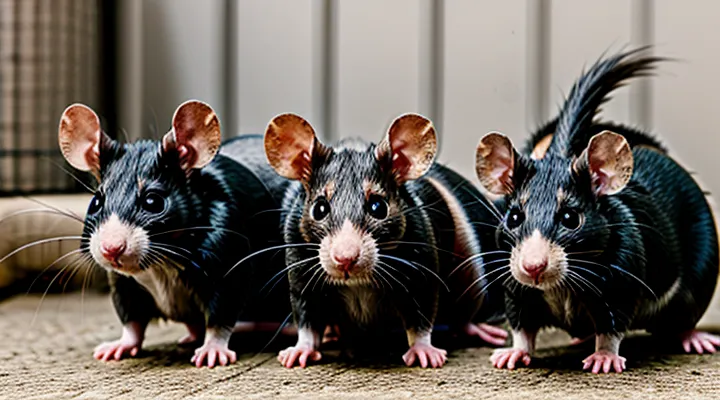
Understanding Rat Breeds
The Domestic Rat: A Brief History
The domestic rat (Rattus norvegicus domestica) originated from wild brown rats that spread from Central Asia to Europe in the 18th century. Early European merchants transported the species aboard ships, where it quickly adapted to urban environments and became a common laboratory animal by the late 1800s.
Scientific interest grew after Claude Bernard’s experiments in 1865, establishing the rat as a reliable model for physiology. By 1900, laboratories in the United States and Britain standardized breeding practices, creating the first true domestic strains selected for temperament and coat color.
Key historical milestones:
- 1760s – Introduction to Europe via merchant vessels.
- 1850s – First recorded use in medical research (tuberculosis studies).
- 1865 – Claude Bernard’s physiological experiments.
- 1900 – Formal breeding programs in the United States and United Kingdom.
- 1935 – Development of the “Fancy” variety for pet markets.
- 1950s – Expansion of genetic research, leading to the creation of inbred lines for biomedical studies.
Today, domestic rats serve dual roles: laboratory subjects with well‑documented genetics and popular companion animals valued for their intelligence and sociability. Their history reflects a transition from pest to scientific cornerstone and household pet.
Why Breed Classification Matters
Classifying rat breeds provides a systematic framework that supports consistent communication among researchers, breeders, veterinarians, and hobbyists. By assigning each variety to a defined category, professionals can reference genetic traits, morphological characteristics, and behavioral patterns without ambiguity.
- Enables precise genetic studies; researchers can isolate breed‑specific alleles and assess their influence on disease susceptibility.
- Facilitates health management; veterinarians tailor preventive care and treatment protocols to the known predispositions of each breed.
- Supports breeding programs; breeders select compatible pairs to preserve desirable traits and avoid inbreeding depression.
- Assists regulatory compliance; authorities identify and monitor breeds subject to import restrictions or welfare legislation.
- Improves market transparency; pet owners receive accurate information about temperament, size, and care requirements before acquisition.
The resulting clarity enhances data quality, promotes responsible breeding, and reduces the incidence of misdiagnosed conditions, ultimately advancing both scientific knowledge and animal welfare.
Common Rat Breeds and Varieties
Fancy Rat Categories: By Fur Type
«Standard Fur»
Standard fur describes the natural coat of most domestic rats, consisting of a single layer of short, dense hair without deliberate modifications. The texture is uniform, providing insulation and a smooth appearance that contrasts with specialty coats such as rex, satin, or hairless varieties.
Key attributes of standard fur include:
- Uniform length ranging from 2 mm to 5 mm, depending on the strain.
- Consistent coloration across the body, with patterns limited to natural markings (e.g., agouti, solid, or roan).
- Minimal shedding compared with longer‑haired types, simplifying grooming routines.
- Compatibility with a broad range of health assessments, as the coat does not obscure skin conditions.
Breeds commonly exhibiting standard fur are:
- Fancy Rat – the generic term for domesticated varieties; most individuals display the standard coat.
- Dumbo – characterized by large ears but retaining the typical short fur.
- Hooded – distinguished by a darker mask; coat texture remains standard.
- Blaze – features a dorsal stripe; fur quality aligns with the standard description.
Breeding considerations for standard‑fur rats focus on genetics that preserve the single‑layer coat. Selecting parents without recessive mutations for altered hair ensures offspring retain the conventional texture. Maintaining a clean, dry environment reduces the risk of skin infections that may be hidden under denser coats.
Care guidelines emphasize routine cleaning of the cage, weekly inspection of the coat for parasites, and occasional brushing to remove loose hair. Nutritional support with adequate protein and essential fatty acids promotes a healthy coat and skin integrity.
Overall, standard fur represents the baseline phenotype for domestic rats, offering ease of maintenance, reliable health monitoring, and broad acceptance across the majority of recognized breeds.
«Rex Fur»
Rex fur denotes a plush, curly coat that differs markedly from the smooth, glossy hair typical of most domestic rats. The texture results from a genetic mutation affecting hair follicle development, producing a dense, wavy pile that feels reminiscent of velvet. Unlike standard coats, Rex fur retains moisture longer, requiring specific hygiene practices to prevent skin irritation and odor buildup.
Key attributes of Rex fur include:
- Short, densely curled hairs forming a uniform, velvety surface.
- Higher propensity for matting if not regularly brushed.
- Increased sensitivity to humidity, which can enhance odor if grooming is neglected.
Breeds in which Rex fur is most frequently observed are:
- Rex Rat (the primary strain developed for the coat type)
- Satin‑Rex hybrids, combining satin sheen with Rex texture
- Hairless‑Rex crosses, offering partial fur coverage
Owners of Rex‑coated rats should adopt a grooming routine that incorporates daily gentle brushing, weekly spot cleaning with a damp cloth, and periodic environmental dehumidification to maintain coat condition. Proper diet rich in omega‑3 fatty acids supports skin health and reduces excessive shedding associated with the curly texture.
«Double Rex Fur»
Double Rex fur describes a coat composed of two layers of soft, wavy hair that gives rats a plush, almost velvety appearance. The outer guard hairs are longer and slightly coarser, while the undercoat is dense and fine, creating a thick, insulating texture.
Genetically, the Double Rex phenotype results from a recessive mutation affecting hair follicle development. Breeding two carriers produces a 25 % chance of offspring expressing the full Double Rex coat, a 50 % chance of carriers, and a 25 % chance of normal-haired progeny.
Key characteristics include:
- High tactile softness, valued by pet owners for handling.
- Increased susceptibility to matting; regular brushing prevents tangles.
- Slightly higher body temperature regulation due to the dense undercoat.
- Potential for skin irritation if moisture accumulates; careful drying after baths is essential.
Health considerations focus on skin and coat maintenance. Moisture‑retaining environments can foster fungal growth; dry, well‑ventilated habitats reduce risk. Nutritional support with adequate omega‑3 fatty acids promotes coat health and reduces shedding.
Breeders often select Double Rex rats for exhibition purposes, emphasizing uniform coat texture and color patterns. Proper documentation of lineage helps maintain the recessive trait and prevents inadvertent outcrossing that could dilute the characteristic fur quality.
«Hairless Fur»
Hairless fur represents a specific phenotype found in a limited number of domesticated rat varieties. The trait results from a recessive mutation that eliminates most of the pelage, leaving the skin exposed and often pink or lightly pigmented.
The mutation is autosomal recessive; two carrier parents can produce offspring with hairless fur when both contribute the defective allele. Breeders maintain the trait by pairing hairless individuals or by using genetic testing to confirm carrier status.
Rats with hairless fur display a smooth, glabrous surface, reduced insulation, and heightened sensitivity to temperature fluctuations. Their skin requires regular moisturization to prevent dryness and cracking. Lack of fur also reduces the animal’s ability to conceal injuries, making visual health checks essential.
Care protocols differ from those for haired rats. Recommended practices include:
- Maintaining ambient temperature between 68 °F and 75 °F to avoid hypothermia.
- Providing low‑dust bedding such as paper or aspen to minimize skin irritation.
- Applying a veterinarian‑approved moisturizer or barrier ointment several times daily.
- Monitoring for respiratory infections, which can progress more rapidly without a protective coat.
Recognized hairless lines include:
- American Hairless Rat (AHR) – the most widely documented hairless breed, established in the 1990s.
- Hairless Rex – a cross between hairless and rex‑type rats, resulting in a soft, wavy skin texture.
- Nude Rat – an experimental line maintained by a small number of hobbyist breeders, characterized by a completely hairless phenotype.
Understanding the genetics, physical traits, and specialized husbandry requirements of hairless fur enables responsible breeding and optimal welfare for these distinctive rodents.
«Satin Fur»
Satin‑coated rats display a glossy, tightly curled coat that reflects light with a silk‑like sheen. The fur’s texture results from a recessive mutation affecting hair structure, producing shorter, smoother hairs than the standard short‑haired varieties. This mutation is stable across generations when both parents carry the gene, allowing breeders to maintain the satin phenotype reliably.
Key attributes of satin fur include:
- Uniform, lustrous appearance without the dense undercoat typical of many other rat types.
- Reduced shedding compared to long‑haired breeds, simplifying grooming requirements.
- Slightly higher susceptibility to skin dryness; regular moisturising of the coat helps prevent cracks.
- Compatibility with most color patterns, enabling a wide range of visual combinations within the satin group.
Breeders incorporate satin fur into several recognized rat strains, such as the Satin Rex, Satin Dumbo, and Satin Hairless. Each maintains the hallmark glossy coat while differing in ear shape, body size, or additional genetic traits. Proper care emphasizes gentle handling, routine coat inspection, and a balanced diet rich in essential fatty acids to sustain the fur’s sheen and health.
«Velveteen Fur»
Velveteen fur describes a coat texture that feels soft and plush, resembling fine velvet. The characteristic results from a combination of dense, fine hair and a smooth undercoat, giving the animal a sleek appearance without the typical glossy sheen of standard rat fur.
The trait appears in several breeds, most notably in varieties selectively bred for exhibition standards. Genetic studies indicate a recessive allele influences hair structure, reducing the length of the guard hairs while enhancing the density of the undercoat. Breeders who aim for velveteen fur must pair carriers of the allele to increase the likelihood of offspring expressing the texture.
Key considerations for maintaining velveteen fur include:
- Regular grooming to prevent matting; a soft brush applied weekly removes loose hair and distributes natural oils.
- Controlled humidity and temperature; excessive dryness can cause brittleness, while high humidity may lead to dampness and odor.
- Balanced nutrition rich in omega‑3 fatty acids; supplements support skin health and promote a glossy, resilient coat.
Health implications are minimal when proper care is observed. However, rats with velveteen fur may be more susceptible to skin irritations if grooming is neglected, as the dense undercoat can trap debris. Routine health checks should focus on the skin’s condition, looking for redness, crusting, or excessive shedding.
When evaluating rats for breeding programs, the presence of velveteen fur is recorded alongside other phenotypic traits. Documentation includes the coat’s texture rating, color pattern, and any observed health issues, ensuring that selection decisions are based on objective data rather than aesthetic preference alone.
Fancy Rat Categories: By Ear Type
«Top-Eared»
The “Top‑Eared” rat, often referred to as the “Ear‑Topped” variety, stands out among domestic Rattus norvegicus for its distinctive ear placement and ear‑size genetics. Breeders achieve the trait through selective mating of individuals with naturally broader, more forward‑positioned pinnae, resulting in a visible prominence that extends slightly beyond the head’s outline.
Physical attributes include:
- Medium‑to‑large body size, typically 250–350 g.
- Short, dense coat in colors ranging from agouti to solid black.
- Ears that appear enlarged, with a slight upward tilt, yet retain normal thickness and vascular structure.
- Muscular build, supporting active foraging behavior.
Temperament is generally calm, with a tendency toward curiosity and social interaction. The breed adapts well to group housing, provided that space allows for adequate exploration and that hierarchy is monitored to prevent ear‑related injuries.
Health considerations focus on ear hygiene. The larger surface area can trap debris, increasing the risk of otitis externa. Preventive measures include:
- Weekly visual inspection of ear canals.
- Gentle cleaning with a cotton swab moistened in saline solution, avoiding deep penetration.
- Monitoring for signs of inflammation, such as redness or discharge.
Nutritional needs align with standard rat diets: high‑quality pellets supplemented with fresh vegetables, occasional fruit, and protein sources. Water must be provided continuously via a sipper bottle to reduce contamination risk.
Breeding protocols recommend pairing a top‑eared male with a non‑top‑eared female to maintain genetic diversity while preserving the ear trait. Litter sizes average 6–10 pups, with weaning at three weeks. Offspring should be examined for ear symmetry; deviations may indicate genetic drift or developmental issues.
Overall, the Top‑Eared rat offers a distinct visual hallmark coupled with stable health and behavior profiles, making it a viable choice for enthusiasts seeking variety within a comprehensive survey of rat breeds.
«Dumbo-Eared»
The Dumbo‑Eared rat, distinguished by its low, rounded ears that sit on the sides of the head, represents a notable variation among domestic rat varieties. Originating from selective breeding programs in the United Kingdom during the early 1990s, the phenotype emerged from mutations affecting cartilage development, resulting in the characteristic ear placement and a broader facial structure.
Physical traits include a compact body, short fur that may appear glossy, and a range of coat colors such as black, agouti, and white. The ear cartilage remains soft, requiring careful handling to prevent injury. Behavioral observations indicate a calm disposition, high sociability, and a propensity for gentle interaction with humans and other rats. These attributes make the Dumbo‑Eared rat a preferred choice for hobbyists seeking a pet with a docile temperament.
Key considerations for owners:
- Housing: standard rat cage dimensions, with additional padding to protect the ears.
- Nutrition: balanced rodent diet supplemented with fresh vegetables; avoid excessive fatty treats.
- Health monitoring: watch for ear infections, respiratory issues, and dental overgrowth.
- Breeding: pairings should prioritize genetic diversity to reduce the incidence of ear cartilage defects.
Fancy Rat Categories: By Tail Type
«Standard Tail»
The standard tail in domesticated rats serves as a primary physical marker for breed identification and health assessment. It typically measures 8–10 cm in length, proportionate to a body length of 15–20 cm, and exhibits a uniform cylindrical shape without pronounced tapering or excessive curvature.
Key attributes of a standard tail include:
- Scale pattern: Overlapping keratinized scales aligned in a consistent, regular sequence; irregular gaps or missing scales suggest genetic anomalies or injury.
- Coloration: Uniform pigmentation matching the body coat or a clearly defined dorsal stripe; abrupt color changes may indicate mixed lineage.
- Flexibility: Smooth, controlled movement without stiffness; rigidity can be symptomatic of spinal or musculoskeletal disorders.
- Surface texture: Moist, glossy skin with minimal debris; excessive dryness or crusting signals dermatological issues.
Variations among recognized rat breeds often deviate from the standard model. For example, the “Hairless” breed may present a shorter, less fur-covered tail, while the “Dumbo” breed frequently shows a slightly broader base. Nonetheless, the underlying scale structure and functional flexibility remain comparable to the baseline description.
Veterinarians and breeders rely on the standard tail’s metrics to evaluate growth rates, detect congenital defects, and confirm breed purity. Regular visual inspection combined with gentle palpation provides early detection of abnormalities, supporting timely intervention and maintaining overall colony health.
«Tailless»
Tailless rats constitute a distinct category within the diverse spectrum of domesticated rat varieties. The absence of a tail results from a naturally occurring recessive mutation that interferes with vertebral development. Breeders maintain the trait by pairing carriers of the gene, ensuring that offspring inherit two copies of the mutation.
Physical traits include a shortened or completely missing tail, altered balance mechanisms, and a tendency toward a slightly more robust torso. Fur coloration, ear size, and facial structure remain comparable to tailed counterparts, allowing integration into standard housing and enrichment setups.
Health considerations focus on spinal integrity and the potential for tail‑related injuries to be absent. Musculoskeletal monitoring remains essential, as the altered center of gravity can influence gait. Nutrition, environmental enrichment, and regular veterinary assessments align with practices for other domestic rats.
Recognized tailless strains are:
- Japanese Tailless – earliest documented line, noted for a smooth, hair‑less tail stump.
- American Tailless – larger body size, often used in research settings.
- Mongolian Tailless – smaller stature, prized for agility.
- Hybrid Tailless – cross‑breeds combining traits from multiple lines for specific aesthetic or behavioral goals.
These breeds illustrate the genetic diversity achievable within rat husbandry, expanding options for hobbyists, researchers, and exhibitors alike.
Fancy Rat Categories: By Eye Color
«Black Eyes»
The survey of rat varieties includes a distinct type known as “Black Eyes.” This breed is characterized by a uniformly dark coat, glossy fur, and striking, deep‑brown or black eyes that give the animal its name. The head is broad with a rounded forehead, while the body remains compact and muscular. Adult weight typically ranges from 300 to 450 g, with a life expectancy of 2–3 years under proper care.
Key attributes of Black Eyes:
- Coloration: Solid black or dark gray fur; eyes uniformly dark without pigment variation.
- Size: Medium to large; length 20–25 cm from nose to tail base.
- Temperament: Calm, less prone to excessive squeaking; adapts well to handling.
- Health profile: Generally robust; occasional susceptibility to respiratory infections common to dense‑fur rats; regular health checks recommended.
Breeding considerations focus on maintaining coat uniformity and preventing inbreeding depression. Breeders select pairs with clear eye coloration and absence of genetic defects. Litters average four to six pups; neonatal care requires a warm, dry environment and minimal disturbance.
Management guidelines:
- Provide a spacious cage with vertical climbing structures to accommodate muscular build.
- Offer a balanced diet of high‑quality rodent pellets, fresh vegetables, and occasional protein treats.
- Ensure bedding is low‑dust to reduce respiratory irritation, especially important for the dense fur of Black Eyes.
- Conduct quarterly veterinary examinations to monitor weight, eye health, and dental condition.
Overall, Black Eyes represent a well‑defined segment within the broader classification of rat breeds, valued for their distinctive appearance and steady disposition. Proper husbandry and selective breeding sustain the breed’s desirable traits and longevity.
«Ruby Eyes»
The Ruby Eyes breed represents a distinctive line within the broader spectrum of domestic rats. Originating from selective breeding programs in the United States during the 1990s, the strain was developed to emphasize a vivid ocular coloration that ranges from deep amber to a bright, ruby‑red hue. This eye pigment results from a specific melanin mutation, which also influences the overall coat sheen, giving the animal a glossy, medium‑length fur coat.
Physical traits include a compact body length of 9–12 cm, a weight range of 250–300 g, and a well‑defined head with a pronounced cheek pouch. The breed’s skeletal structure is robust, supporting active foraging behavior and frequent climbing. Tail length matches body length, featuring a smooth, hair‑free surface.
Temperament is generally calm and inquisitive. Ruby Eyes display a high tolerance for handling, making them suitable for both novice and experienced caretakers. They exhibit strong social bonds with conspecifics, requiring group housing to prevent stress‑induced aggression. Interaction patterns include gentle nibbling, vocal chirps, and exploratory digging.
Care guidelines focus on environmental enrichment and health monitoring:
- Habitat: Minimum enclosure size 60 × 45 × 45 cm; multi‑level platforms and chew‑safe materials.
- Diet: Balanced commercial rodent pellets supplemented with fresh vegetables, limited fruits, and occasional protein treats.
- Health checks: Routine observation for ocular irritation, respiratory signs, and skin lesions; quarterly veterinary examinations recommended.
- Breeding considerations: Pairings should avoid close genetic relationships to reduce the incidence of hereditary eye defects; a gestation period of 21–23 days with an average litter size of 6–10 pups.
Common health concerns specific to the breed include susceptibility to cataract formation and occasional dermatitis linked to the melanin mutation. Prompt veterinary intervention and maintaining optimal humidity levels (45–55 %) mitigate these risks.
In the context of a comprehensive survey of rat breeds, Ruby Eyes stand out for their striking ocular phenotype, stable temperament, and manageable care requirements, contributing valuable diversity to the domestic rat population.
«Pink Eyes»
In a comprehensive survey of rat breeds, eye coloration serves as a primary identifier. Pink eyes indicate a complete lack of melanin in the iris, producing a translucent appearance that reveals underlying blood vessels. This condition is synonymous with albino or non‑pigmented phenotypes and occurs across multiple breed lines.
Common breeds exhibiting pink eyes include:
- Albino Fancy Rats
- Himalayan varieties with albino points
- Certain laboratory strains such as Sprague‑Dawley
- Rare coat‑color mutations selected for research purposes
The trait follows an autosomal recessive inheritance pattern. Both parents must carry the recessive allele for offspring to display pink eyes. Heterozygous carriers appear normal but can transmit the allele to future litters.
Health implications are limited to increased light sensitivity and a higher risk of ocular irritation. Protective measures, such as low‑intensity lighting and regular ocular examinations, mitigate these concerns. Visual acuity remains comparable to pigmented counterparts when environmental factors are controlled.
Breeders prioritize pink‑eyed lines for specific projects, maintaining genetic records to avoid inadvertent inbreeding. Selection strategies emphasize health screenings alongside the desired ocular phenotype.
«Odd Eyes»
The comprehensive survey of rat breeds includes a distinct group known as “Odd Eyes.” This classification refers to individuals whose ocular traits deviate from the typical symmetrical, dark-eyed appearance common in most domestic rats.
Key characteristics of the “Odd Eyes” group:
- Heterochromia: each eye displays a different pigment, ranging from deep brown to pale amber or blue.
- Unilateral cataracts: a clouded lens may affect only one eye, often visible as a milky or yellowed area.
- Asymmetrical iris patterns: one iris may feature speckles, rings, or a solid color while the opposite eye remains uniform.
- Variable pupil size: occasional dilation differences can cause one pupil to appear larger under identical lighting conditions.
Genetic origins trace primarily to mutations in the Oca2 and Mitf genes, which influence melanin production and eye development. Breeders report that these traits appear sporadically across multiple strain lines, including Fancy, Dumbo, and Rex varieties, rather than being confined to a single lineage.
Health implications are generally limited to visual acuity concerns when cataracts develop. Routine ophthalmic examinations can detect early signs, allowing timely intervention with ophthalmic ointments or, in severe cases, surgical removal of the affected lens.
For potential owners, the “Odd Eyes” phenotype does not affect temperament, growth rate, or reproductive capability. It remains a visual novelty that adds diversity to the overall landscape of rat breed varieties.
Fancy Rat Categories: By Coloration and Markings
«Self Colors»
Self colors refer to the uniform pigmentation that covers the entire coat of a rat without any distinct markings or pattern variations. In the classification of rat varieties, self-colored individuals are identified by a single, consistent hue that extends from head to tail, providing a clear visual cue for breed differentiation.
The primary self color categories observed across the major domestic rat breeds include:
- Black: deep, uniform melanin throughout the fur.
- White: lack of pigment, resulting in an albino appearance with pink eyes.
- Red (or orange): solid reddish‑brown pigmentation.
- Chocolate: rich, brown shade with a uniform tone.
- Blue: dilute black producing a slate‑gray coloration.
- Agouti (often considered a self variant when the agouti banding is minimal): single, faint brown tone.
Genetically, self colors arise from the expression of specific alleles that suppress patterning genes such as the agouti and hooded loci. The dominant black allele (B) produces a solid black coat, while the recessive white allele (c) eliminates pigment production. The red coloration results from the presence of the r allele, and the blue hue is linked to the dilute (d) allele acting on a black background.
Breeders use self color identification to maintain breed standards, track lineage, and predict inheritance patterns. For example, crossing a black self with a white self yields heterozygous offspring that may display either parent’s coloration depending on the combination of dominant and recessive alleles. Understanding the genetic mechanisms behind self colors enables precise selection for desired coat outcomes across the spectrum of rat varieties.
«Marked Varieties»
Marked varieties represent a distinct segment of the rat breed spectrum, characterized by identifiable coat patterns that differentiate them from solid‑color counterparts. These patterns result from selective breeding and genetic markers that influence pigment distribution across the body.
Key marked varieties include:
- Hooded – dark coloration covering the head, shoulders, and back, leaving the remainder of the body lighter.
- Cap – a concentrated dark patch on the head and forepaws, with the rest of the coat remaining pale.
- Blaze – a narrow, longitudinal stripe of contrasting color running from the nose across the forehead to the eyes.
- Tuxedo – a dark front half of the body juxtaposed with a lighter rear, resembling formal attire.
- Siamese – dark points on the ears, mask, tail, and feet against a lighter body, mirroring the pattern found in cats of the same name.
- Mink – a uniform, medium‑dark shade that appears slightly lighter on the belly and feet, producing a subtle contrast.
- Banded – alternating dark and light rings encircling the tail and occasionally extending onto the body.
Each variety exhibits predictable inheritance patterns, allowing breeders to predict outcomes when pairing marked individuals with solid or other marked rats. The presence of these patterns does not affect health or temperament; rather, they provide visual diversity that appeals to hobbyists and exhibition judges alike.
Understanding marked varieties enhances the overall grasp of rat breed diversity, informing breeding strategies, exhibition standards, and pet selection criteria.
«Shaded Varieties»
Shaded varieties represent a distinct group of domestic rats distinguished by coat coloration that transitions from a darker base to lighter edges. The pattern arises from specific pigment genes that regulate melanin distribution across the fur, producing a gradient effect rather than uniform coloration. Breeders often select for these traits to achieve visual contrast and breed differentiation.
Key characteristics of shaded coats include:
- A pronounced dark dorsal stripe that fades toward the ventral side.
- Consistent gradation across the entire body, visible on the head, back, and tail.
- Often accompanied by a lighter belly and paws, enhancing the contrast.
Prominent shaded breeds and lines:
- Black Shaded – deep black on the back with a silver‑gray transition to the belly; common in standard laboratory strains.
- Chocolate Shaded – rich brown dorsal area fading to a lighter tan; favored for exhibition standards.
- Agouti Shaded – mixed brown and black hairs forming a subtle gradient; found in many heritage lines.
- Sable Shaded – dark brown to black dorsal coat with a pale, almost white undercoat; selected for its striking appearance.
Genetic foundation relies primarily on the a (agouti) and b (brown) loci, with modifiers such as the d (dilution) allele influencing intensity. Breeding strategies typically involve pairing individuals that carry complementary alleles to reinforce the gradient while maintaining health and vigor.
Understanding shaded varieties aids in accurate identification, breeding decisions, and preservation of phenotypic diversity across the broader spectrum of rat breeds.
«Pointed Varieties»
Pointed varieties represent a distinct group among domestic rats, characterized by a sharp contrast between a dark head and a lighter body. The coloration pattern is genetically controlled, typically involving the agouti or self gene combined with a white spotting allele that isolates pigment to the facial region. These rats exhibit a clear demarcation at the eyes, nose, and ears, creating a recognizable “mask” effect.
Key breeds that display pointed coloration include:
- Himalayan – dark fur on the head, ears, feet, and tail with a white or cream body; commonly used in research and pet breeding.
- Bicolor Pointed – similar to Himalayan but with additional patches of color on the body, allowing for more varied patterns.
- Seal Point – deep brown or black mask with a pale cream or ivory coat; favored for its striking contrast.
- Blue Point – gray‑blue mask paired with a light gray or white body; less common but prized for rarity.
Breeders select for these traits through controlled mating, ensuring the presence of the recessive allele responsible for the mask while maintaining overall health standards. Pointed varieties are prized for their visual appeal and are frequently highlighted in breed registries and exhibition standards.
Less Common and Rare Rat Breeds
«Manx Rat»
The Manx Rat represents a distinct lineage within the broader spectrum of rat breeds, recognized primarily for its reduced tail length. Originating from selective breeding programs that emphasized the tailless phenotype, the breed exhibits a compact body, rounded ears, and a smooth coat that may appear glossy. Genetic testing confirms the presence of the tailless allele, which suppresses vertebral development in the caudal region.
Key characteristics of the Manx Rat include:
- Tail length: typically ranging from a few millimeters to a maximum of 2 cm, often appearing as a vestigial nub.
- Body proportions: slightly broader chest and shorter hindquarters compared to standard varieties.
- Temperament: generally calm and inquisitive, with a propensity for social interaction when raised in groups.
- Health considerations: increased susceptibility to spinal anomalies; regular veterinary examinations are recommended to monitor for vertebral malformations and related discomfort.
Breeding practices for the Manx Rat require controlled pairings to maintain the tailless trait while minimizing the risk of offspring inheriting severe spinal defects. Experienced breeders employ genetic screening to pair carriers with normal-tailed individuals, thereby reducing the incidence of homozygous expression.
In the context of pet ownership, the breed appeals to enthusiasts seeking a unique morphological feature combined with a manageable size and docile disposition. Proper enclosure design, enrichment, and diet aligned with standard rodent nutrition guidelines support optimal growth and longevity.
«Dwarf Rat»
The dwarf rat is a distinct variety within the broader spectrum of rat breeds, notable for its compact stature and specific physical traits. Adult dwarf rats typically weigh between 120 and 150 grams, considerably less than standard laboratory or pet rats, which average 250–300 grams. Their bodies are proportionally shorter, with a reduced head‑to‑body length, while retaining the characteristic whisker and tail length of the species.
Key characteristics include:
- Size: Small frame, short limbs, and a compact torso.
- Coat: Short, dense fur; colors range from albino to agouti, with occasional pattern variations.
- Temperament: Generally active, curious, and social; they respond well to handling when introduced early.
- Lifespan: Average 2–3 years, comparable to larger rat breeds when provided appropriate care.
Health considerations focus on maintaining optimal weight, as the reduced body mass makes dwarf rats more susceptible to rapid weight loss during illness. Common concerns include respiratory infections and dental overgrowth; regular monitoring of food intake and dental health is essential.
Care guidelines:
- Housing: Minimum cage size of 30 × 30 × 45 cm; provide multiple levels to encourage exploration.
- Diet: Balanced commercial rat pellets supplemented with fresh vegetables; limit high‑fat treats to prevent obesity.
- Enrichment: Nesting material, chew toys, and tunnels to satisfy natural foraging behavior.
- Social needs: Keep in pairs or small groups to prevent loneliness and promote natural interaction.
Breeding dwarf rats requires careful selection to avoid excessive inbreeding, which can amplify genetic defects. Breeders typically pair individuals with complementary health records and monitor litter size, as dwarf rats often produce smaller litters than larger counterparts.
In summary, the dwarf rat offers a compact alternative for enthusiasts seeking a smaller pet rat, provided that owners adhere to precise husbandry standards, monitor health indicators, and supply adequate environmental enrichment.
«Bristle Coat Rat»
The Bristle Coat rat represents a distinct lineage within the broader classification of domestic rat varieties. Its defining feature is a dense, wiry coat that resembles the texture of a small brush, a trait selectively emphasized by breeders seeking a tactilely unique appearance.
Physical traits include:
- Short, stiff fur covering the entire body, with occasional longer guard hairs on the shoulders;
- Standard size comparable to other fancy rats, averaging 250–300 g;
- Broad head, rounded ears, and a pronounced jawline;
- Wide range of coloration, often combined with the bristle texture to produce striking patterns.
Temperament is generally consistent with other domesticated rats: social, inquisitive, and capable of forming strong bonds with handlers. Individual variability exists, but the breed does not display heightened aggression or excessive timidity relative to its peers.
Maintenance requirements focus on coat care. Regular grooming with a soft brush prevents matting and reduces shedding. The coat’s texture does not demand specialized diets; a balanced rodent feed supplemented with fresh vegetables meets nutritional needs. Environmental enrichment, including tunnels and climbing structures, supports natural exploratory behavior.
Breeding considerations emphasize genetic health. Pairings should avoid close inbreeding to minimize the risk of hereditary skin disorders associated with abnormal hair growth. Litters typically consist of 6–10 pups, with a gestation period of approximately 21 days. Neonates inherit the bristle coat with high predictability when both parents exhibit the trait.
Overall, the Bristle Coat rat offers a visually distinctive option for enthusiasts while adhering to the standard care protocols applicable to the species.
Choosing the Right Rat Breed for You
Temperament and Personality Differences
Rats exhibit a wide spectrum of temperamental profiles that correspond closely to their genetic lines. Standard laboratory and pet strains, such as the classic black or agouti, tend toward balanced curiosity and moderate sociability, making them reliable subjects for handling and research. Their reactions to novel environments are predictable, with quick habituation after brief exposure.
Dumbo rats, distinguished by their low-set ears, display heightened affability. Observations show reduced aggression toward conspecifics and a propensity for extended grooming sessions, indicating a strong preference for close contact. Their calm demeanor often translates into lower stress hormone spikes during handling.
Hairless and Rex varieties differ markedly. Hairless rats frequently exhibit heightened alertness and rapid exploratory bursts, paired with a sensitivity to temperature fluctuations that can affect their willingness to engage. Rex rats, characterized by their curly fur, combine vigorous activity with a pronounced territorial streak, especially when multiple individuals share limited space.
- Standard (black/agouti): steady curiosity, moderate sociability, quick adaptation.
- Dumbo: pronounced friendliness, low aggression, extensive grooming.
- Hairless: heightened alertness, temperature‑sensitive, swift exploration.
- Rex: energetic movement, strong territoriality, consistent hierarchy formation.
Care Requirements by Breed
Rats exhibit distinct care needs that correspond to their breed characteristics. Recognizing these differences ensures optimal health, behavior, and longevity.
The Standard breed thrives on a balanced diet of high‑quality pellets, fresh vegetables, and occasional protein treats. Enclosures should provide multiple levels and sturdy chew toys to accommodate active foraging. Regular grooming is unnecessary, but weekly cage cleaning prevents odor buildup.
Dumbo rats possess larger, low‑set ears that are prone to moisture retention. A dry bedding substrate, such as paper‑based material, reduces skin irritation. Daily inspection of ear canals and gentle cleaning with a cotton swab prevent infections. Temperature should remain above 18 °C to avoid chill.
Rex rats feature a wiry coat that sheds minimally. Their grooming routine mirrors that of the Standard breed, but they benefit from a higher fiber content in the diet to support digestive health. Provide tunnels and hideouts that accommodate their curious nature.
Hairless rats lack protective fur, making them vulnerable to temperature fluctuations. Maintain ambient temperature between 20 °C and 24 °C, and offer a soft, fleece blanket for warmth. Skin moisturizers formulated for small mammals help prevent dryness; apply sparingly after baths.
Satin rats display a glossy, smooth coat that can become oily. Increase the frequency of cage cleaning to twice weekly and include a shallow water dish for occasional soaking, which reduces oil buildup. A diet enriched with omega‑3 fatty acids supports coat sheen.
Breed‑specific care checklist:
- Standard: balanced diet, multi‑level cage, weekly cleaning.
- Dumbo: dry bedding, ear monitoring, temperature ≥ 18 °C.
- Rex: high‑fiber pellets, tunnels, standard cleaning schedule.
- Hairless: controlled ambient temperature, fleece bedding, skin moisturizer.
- Satin: frequent cleaning, shallow soak, omega‑3 enriched diet.
Adhering to these breed‑aligned guidelines minimizes health complications and promotes vigorous, content rats across all varieties.
Health Considerations for Specific Breeds
Rats exhibit breed‑specific health patterns that influence preventive care, diagnostic focus, and treatment strategies. Recognizing these patterns enables owners and veterinarians to anticipate problems and apply targeted interventions.
The African dwarf breed frequently develops respiratory infections due to its compact skull shape, which can impair nasal airflow. Regular monitoring of breathing rate and prompt antimicrobial therapy at the first sign of congestion reduce morbidity. Dental overgrowth is common; routine trimming prevents malocclusion and associated weight loss.
Hairless rats lack protective fur, making them prone to skin lesions and temperature dysregulation. Maintaining ambient temperature between 68–72 °F and applying hypoallergenic moisturizers protect epidermal integrity. Early detection of dermatitis through daily skin inspection prevents secondary infection.
The standard laboratory strain shows a higher incidence of neoplastic growths, particularly mammary tumors in females after six months of age. Biannual palpation and ultrasonographic screening facilitate early tumor identification, improving surgical outcomes.
Long‑haired varieties often experience fur matting that can conceal parasites and lead to localized infections. Weekly grooming removes debris, while monthly fecal examinations identify ectoparasite infestations before they spread.
Large‑size breeds, such as the Giant, exhibit increased cardiac workload, predisposing them to hypertrophic cardiomyopathy. Baseline echocardiograms at three months, followed by semi‑annual assessments, allow clinicians to detect structural changes early and adjust activity levels accordingly.
Key health considerations by breed
- African dwarf: respiratory infections, dental overgrowth
- Hairless: skin lesions, temperature sensitivity
- Standard laboratory: mammary tumors, neoplasia
- Long‑haired: fur matting, parasite concealment
- Giant: cardiac strain, hypertrophic cardiomyopathy
Implementing breed‑aligned health protocols minimizes disease incidence and supports optimal longevity across the diverse rat population.