
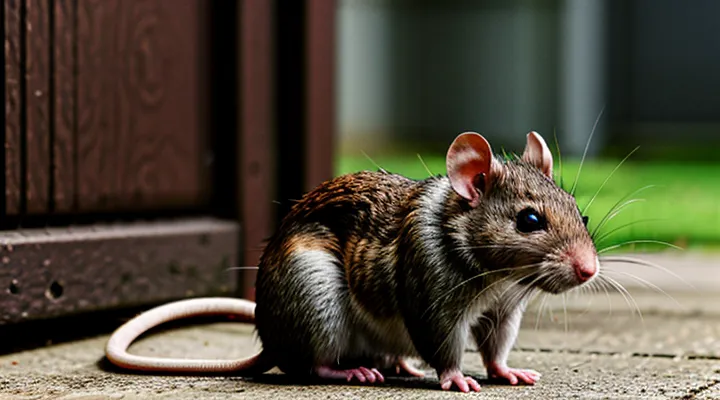
Introduction to Rodent Diversity
Beyond the Common Rat
The Broad Spectrum of Rodents
Rodents comprise the most species‑rich mammalian order, exceeding 2,300 described forms that occupy every continent except Antarctica. Their adaptive success stems from continuously growing incisors, a versatile jaw mechanism, and reproductive strategies that support rapid population turnover.
Key families illustrate the group's breadth:
- Muridae – true rats, mice, and close relatives; worldwide distribution, primarily omnivorous.
- Cricetidae – voles, lemmings, New World rats and mice; diverse habitats from tundra to tropical forests.
- Sciuridae – squirrels, chipmunks, marmots; arboreal and ground‑dwelling species with strong hind limbs.
- Dipodidae – jerboas, jumping mice; desert specialists with elongated hind feet.
- Gliridae – dormice; nocturnal, arboreal forms found in temperate woodlands.
- Spalacidae – blind mole‑rats; fossorial mammals with reduced eyesight.
Within this spectrum, several taxa resemble rats in size and behavior yet belong to different genera. For instance, the African gerbil (Gerbilliscus) and the Asian bamboo rat (Rhizomys) share the rodent’s general body plan but differ in dental formula, skull morphology, and phylogenetic placement. These distinctions are evident in:
- Incisor curvature and enamel thickness.
- Auditory bullae shape.
- Tail length relative to body mass.
Such rat‑like species occupy niches ranging from agricultural fields to underground burrows, influencing seed dispersal, soil aeration, and predator–prey dynamics. Their prevalence in laboratory settings provides comparative models for disease research, enabling studies that separate traits unique to true rats from those common across similar rodents.
Misconceptions About Rodents
Rodent species that resemble rats but belong to different genera often attract mistaken beliefs. The appearance of a large, brown, scaly‑tailed mammal can lead observers to treat it as a true rat, despite taxonomic differences that affect behavior, disease risk, and ecological impact.
Common misconceptions include:
- All rat-like rodents carry plague. Only specific species of fleas and bacteria transmit plague; many look‑alike rodents do not host these pathogens.
- Every large rodent is an invasive pest. Some species are native, play a role in seed dispersal, and coexist with human habitats without causing damage.
- All such rodents are nocturnal scavengers. Activity patterns vary; several species are primarily diurnal or crepuscular and feed on vegetation rather than waste.
- All are aggressive toward humans. Aggression is limited to territorial defense; most individuals avoid contact and retreat when approached.
- All require extermination for public health. Integrated pest management focuses on habitat modification, not blanket eradication, because many species pose minimal health threats.
Understanding the true biological traits of these rat‑resembling rodents prevents unnecessary control measures and promotes accurate public perception.
Distinguishing Features of Rat-Like Rodents
Physical Characteristics and Adaptations
Size and Body Shape Variations
The term “rat‑like rodent” refers to several species that share morphological traits with true rats yet belong to different genera or families, such as voles (Microtus spp.), gerbils (Gerbillus spp.), and certain mice (Apodemus spp.). These mammals display a broad spectrum of size and body‑shape characteristics, reflecting adaptations to diverse habitats.
Size varies from the diminutive African pygmy gerbil, measuring approximately 70 mm in head‑body length and weighing 10 g, to the larger water vole, reaching up to 250 mm and 300 g. Tail length may equal, exceed, or fall short of head‑body length, influencing balance and thermoregulation. Body mass correlates with habitat resources: species inhabiting arid regions tend toward lower mass, while those in moist environments often exhibit greater bulk.
Body‑shape variations include:
- Head‑body proportion: compact, stocky forms in burrowing species; elongated torsos in agile, surface‑dwelling taxa.
- Tail morphology: thick, hairless tails in desert gerbils for heat dissipation; slender, fur‑covered tails in forest voles for enhanced grip.
- Hind‑foot length: elongated hind feet in hopping species (e.g., jerboas) to support saltatory locomotion; shorter feet in ground‑nesting rodents for digging efficiency.
- Ear size: large, thin ears in thermally stressed species to facilitate heat loss; reduced ears in subterranean forms to minimize soil intrusion.
These dimensional and structural differences illustrate the evolutionary flexibility of rat‑resembling rodents, enabling occupation of niches ranging from underground burrows to open plains.
Tail Morphology and Function
The rodent in question possesses a tail that differs markedly from that of true rats. Its vertebral column extends into a flexible, elongated appendage covered with fine, overlapping scales. The musculature is thin yet well‑developed, allowing precise curvature and rapid twitching.
The tail serves several distinct purposes:
- Balance: Muscular control enables rapid adjustments during climbing or rapid locomotion on uneven surfaces.
- Thermoregulation: Vascular networks close to the skin facilitate heat exchange; vasodilation dissipates excess heat, while vasoconstriction conserves warmth.
- Communication: Vibratory signals transmitted through the tail convey alarm or territorial information to conspecifics.
- Fat storage: Subcutaneous adipose layers provide an energy reserve during periods of food scarcity.
Morphologically, the tail exhibits a gradual taper from base to tip, with the caudal vertebrae decreasing in size. The epidermis contains sensory receptors that detect airflow and tactile stimuli, enhancing environmental awareness. The absence of a prehensile tip distinguishes it from arboreal species, reflecting adaptation to a primarily ground‑dwelling lifestyle.
Overall, the tail represents an integrated system of structural and physiological adaptations that support locomotion, climate resilience, social signaling, and metabolic balance in this rat‑like but distinct rodent.
Dentition and Dietary Habits
The species in question possesses a dental formula of 1/1 incisors, 0/0 canines, 2/2 premolars, and 3/3 molars, typical of members of the Muridae family but distinguished by slightly larger, more robust incisors. Enamel thickness exceeds that of common rats, allowing efficient gnawing of fibrous plant material and hard-shelled insects. Premolar crowns display a flatter occlusal surface, facilitating grinding of seeds and grains.
Dietary habits reflect an omnivorous pattern adapted to urban and semi‑wild environments. Primary food sources include:
- Grains, cereals, and stored pantry items
- Fresh vegetation such as grasses and leafy shoots
- Invertebrates, particularly beetles and larvae
- Occasional carrion when alternative resources are scarce
Seasonal variation influences intake ratios; spring and summer see increased consumption of fresh plant matter, while autumn shifts toward stored seeds and higher protein prey. Metabolic studies reveal a basal metabolic rate comparable to that of Rattus norvegicus, supporting rapid growth and high reproductive output.
Spotlight on Specific Rat-Like Rodents
Voles: Masters of the Undergrowth
Habitat and Social Structures
The species occupies a broad geographic band that includes temperate grasslands, agricultural fields, and the edges of deciduous forests. Populations thrive in areas where soft soil permits burrowing, while proximity to water sources enhances food availability. Urban fringe zones provide opportunistic foraging opportunities, especially where waste is abundant. Seasonal variation influences shelter selection: summer nests are shallow and ventilated, whereas winter burrows are deeper and insulated with plant material.
Social organization is characterized by stable colonies ranging from ten to several dozen individuals. Within each group, a dominant breeding pair maintains reproductive priority, while subordinate members assist in nest construction and juvenile care. Communication relies on a repertoire of vocalizations, scent marking, and tactile signals. Aggressive encounters are limited to territorial disputes between neighboring colonies; intra‑colony aggression is mitigated by established rank hierarchies. Reproductive cycles are synchronized with resource peaks, ensuring optimal offspring survival.
Diet and Reproductive Strategies
The subject is a medium‑sized, nocturnal rodent that resembles a rat in morphology but belongs to a separate genus. Its ecological niche includes both urban peripheries and agricultural margins, where it exploits diverse food resources and adopts a flexible reproductive schedule.
Diet consists of:
- Grain kernels, especially wheat, barley and rice.
- Seeds from wild grasses and legumes.
- Insects, particularly beetle larvae and moth caterpillars.
- Fruit pulp and discarded vegetable matter.
- Occasionally carrion or fecal matter when other sources are scarce.
The animal displays opportunistic foraging, shifting emphasis toward high‑protein insects during breeding periods to meet increased metabolic demands.
Reproductive strategy features:
- Seasonal breeding peaks in spring and autumn, aligning offspring emergence with resource abundance.
- Females reach sexual maturity at 8–10 weeks, capable of producing up to five litters per year.
- Litter size ranges from three to eight neonates, with a gestation period of approximately 21 days.
- Post‑partum estrus enables rapid successive pregnancies, enhancing population growth potential.
- Parental care is limited to the nest; juveniles become independent within three weeks, facilitating early dispersal.
These dietary adaptability and prolific breeding combine to sustain high population densities across varied habitats.
Differentiating Voles from Rats
Voles and rats often appear similar because both possess compact bodies, short tails, and gnawing incisors. Accurate identification relies on observable anatomical and behavioral traits.
Voles display a stout, rounded head with small eyes and ears that lie close to the skull. Their fur is dense, usually brown or gray, and the tail is short—typically no longer than 2 cm. Hind feet are short, and the tail lacks a visible scaly surface. Voles are primarily herbivores, feeding on grasses, roots, and seeds, and they create extensive tunnel systems with shallow surface runways.
Rats possess a more elongated head, prominent ears, and larger, more exposed eyes. Their tail is long, often exceeding the body length, covered with sparse, bare scales. The hind feet are longer, adapted for climbing and swimming. Rats are omnivorous, consuming grains, fruits, insects, and waste, and they frequently inhabit sewers, basements, and attics.
Key distinguishing features can be summarized:
- Tail length: vole ≈ 2 cm; rat > body length.
- Ear size: vole ears small, hidden; rat ears large, visible.
- Body shape: vole compact, rounded; rat elongated, sleek.
- Habitat preference: vole underground tunnels in fields; rat urban structures and water sources.
- Diet: vole strictly herbivorous; rat omnivorous.
Observation of these characteristics enables reliable separation of the two species in field surveys, pest management, and ecological studies.
Shrews: The Tiny Predators (Though Not Technically Rodents)
Unique Metabolic Rates
The species under discussion resembles a rat in size and morphology yet belongs to a different genus. Its metabolic profile diverges markedly from that of true rats, influencing energy allocation, thermoregulation, and dietary processing.
Baseline metabolic rate (BMR) exceeds that of common Rattus spp. by 15‑20 %, reflecting a higher oxygen consumption per gram of tissue. This elevation supports rapid growth cycles and sustains activity during colder periods without reliance on external heat sources.
Key metabolic adaptations include:
- Enhanced mitochondrial uncoupling proteins that increase heat production while limiting ATP yield.
- Elevated expression of hepatic enzymes for carbohydrate oxidation, enabling efficient conversion of starch‑rich seeds.
- Flexible substrate utilization, allowing swift shifts between lipids and carbohydrates during fluctuating food availability.
These characteristics confer ecological advantages, permitting the animal to exploit niches where temperature swings and intermittent food supply would constrain conventional rat populations.
Sensory Adaptations
The rat‑like rodent exhibits a suite of sensory adaptations that compensate for its nocturnal and burrowing lifestyle. Its whisker array, or mystacial vibrissae, extends well beyond the facial plane, providing precise tactile mapping of confined tunnels. Each follicle connects to a dense network of mechanoreceptors, allowing rapid detection of surface texture and obstacle proximity.
Auditory sensitivity is heightened by an enlarged cochlear capsule and a reduced middle‑ear inertia. These features shift the hearing range toward higher frequencies, enabling the animal to locate conspecific calls and predator rustles beyond the capabilities of typical murine species.
Olfactory epithelium covers a larger proportion of the nasal cavity, increasing the surface area for odorant receptors. This expansion supports discrimination of subtle chemical cues, such as the presence of food caches or territorial markings, even in low‑oxygen underground chambers.
Vision remains functional despite limited daylight exposure. A high density of rod photoreceptors and a reflective tapetum lucidum amplify dim light, while a reduced cone population limits color perception, aligning visual output with the species’ crepuscular activity pattern.
The integration of these modalities is facilitated by an expanded somatosensory cortex, where multimodal inputs converge for rapid behavioral responses. This neural architecture underlies the animal’s ability to navigate complex burrow systems, locate resources, and evade predators with minimal reliance on any single sense.
Ecological Role
The animal in question, a rodent that resembles a rat without being classified as one, occupies multiple positions within ecosystems.
It consumes a broad spectrum of plant material, including seeds, fruits, and tender shoots. By removing seeds that would otherwise germinate, it influences plant community composition; conversely, seeds that survive passage through its digestive tract are often deposited in new locations, facilitating dispersal.
Its foraging activity disturbs leaf litter and topsoil layers. This bioturbation enhances aeration, promotes microbial activity, and accelerates decomposition of organic matter, thereby contributing to nutrient cycling.
Predators such as owls, foxes, snakes, and carnivorous mammals rely on it as a regular food source. Its abundance directly affects predator population dynamics and the stability of food webs.
The species also serves as a reservoir for various parasites and pathogens. Transmission cycles involving the rodent can impact the health of other wildlife and, occasionally, human populations.
Key ecological functions can be summarized as follows:
- Seed predation and dispersal
- Soil mixing and organic matter breakdown
- Provision of prey for higher trophic levels
- Maintenance of parasite-host relationships
Collectively, these roles shape vegetation patterns, soil health, and trophic interactions across the habitats it inhabits.
Moles: Subterranean Architects (Also Not Rodents)
Specialized Digging Forelimbs
The animal in question resembles a typical rat in size and fur texture but belongs to a separate genus that has evolved a set of forelimb modifications for extensive subterranean activity. These modifications enable efficient displacement of soil and navigation through tight tunnels.
The forelimb skeleton shows a pronounced enlargement of the humerus and a reduction of the distal radius and ulna, creating a compact, powerful lever. The elbow joint is positioned to allow a wide range of motion, favoring a forward‑pushing stroke rather than a lifting motion. Muscle groups, especially the triceps brachii and flexor digitorum profundus, are hypertrophied, providing the force needed to break compact earth.
Key functional traits include:
- Broad, flattened claws with reinforced keratin sheaths for cutting through substrate.
- Extended olecranon process that increases leverage for powerful extension.
- Reduced wrist bones that streamline the hand, minimizing resistance within tunnels.
- Enhanced sensory pads on the digits that detect vibrations and pressure changes in the surrounding soil.
These anatomical features correlate with a lifestyle that relies on deep burrowing for shelter, food storage, and predator avoidance. The forelimb design maximizes energy efficiency during repetitive digging cycles, allowing the animal to maintain extensive tunnel networks with minimal fatigue.
Vision and Olfaction
The species in question possesses a visual system adapted for low‑light environments. Photoreceptor density is modest compared to strictly diurnal mammals, but the retina contains a high proportion of rod cells, enhancing sensitivity to dim illumination. The visual field extends approximately 300 °, providing broad peripheral coverage useful for predator detection while foraging near the ground. Acuity is limited; objects are resolved at distances of 10–15 cm, a typical constraint for small nocturnal mammals.
Olfactory capability exceeds that of many similar-sized rodents. The olfactory epithelium occupies a large surface area relative to cranial dimensions, housing up to 1 million sensory neurons. This extensive receptor population enables discrimination of a wide array of volatile compounds, facilitating food location, social communication, and territory marking. The accessory olfactory bulb receives direct input from the vomeronasal organ, processing pheromonal signals that influence reproductive and aggressive behaviors.
Key sensory characteristics:
- Vision
- Predominantly rod‑based retina.
- Wide peripheral field (~300 °).
- Limited spatial resolution (≈10 cm).
- Olfaction
- Large olfactory epithelium with ≈1 million receptors.
- Highly developed vomeronasal pathway.
- Sensitivity to low‑concentration odorants.
The integration of these modalities supports a lifestyle that relies on detecting subtle cues in dim habitats, optimizing both food acquisition and predator avoidance.
Impact on Ecosystems
The rat‑like rodent, distinct from true rats, occupies a niche that reshapes habitat structure and resource flow. By foraging on seeds, fruits, and insects, it reduces seed banks, alters plant regeneration patterns, and limits the spread of opportunistic flora. Its burrowing activity aerates soil, enhances water infiltration, and creates microhabitats for invertebrates and small vertebrates.
Predation pressure intensifies in areas where the species is abundant. Predators such as owls, foxes, and mustelids gain a reliable food source, which can elevate predator densities and cascade into reduced populations of competing small mammals. Conversely, the rodent’s high reproductive rate can suppress sympatric rodent species through direct competition for shelter and food.
Disease dynamics shift with the presence of this mammal. It serves as a reservoir for several zoonotic pathogens, including hantaviruses and leptospires, facilitating transmission to wildlife, livestock, and humans. Management of disease risk therefore hinges on monitoring population hotspots and controlling habitat features that favor high densities.
Ecological impacts can be summarized as follows:
- Vegetation: seed predation, altered plant community composition, reduced invasive species establishment.
- Soil: increased aeration, nutrient mixing, creation of refuges for soil fauna.
- Food web: enhanced predator populations, competitive displacement of other small mammals.
- Health: vector for pathogens affecting multiple trophic levels.
Overall, the presence of this rat‑like rodent triggers measurable changes across trophic interactions, habitat architecture, and disease ecology, underscoring its role as a driver of ecosystem transformation.
Other Notable Rodent Species
Mice: Small but Mighty
Mice belong to the genus Mus and share many anatomical features with larger rodent relatives, yet their size distinguishes them from true rats. Their compact bodies, sharp incisors, and high reproductive rates enable rapid population growth and adaptability across diverse habitats.
Physiological traits:
- Metabolic rate exceeds that of larger rodents, supporting sustained activity.
- Sensory whiskers provide precise tactile feedback for navigation in low‑light environments.
- Acute olfactory receptors detect food sources and predators at minimal concentrations.
Ecological contributions:
- Seed dispersal through consumption and caching influences plant community dynamics.
- Prey availability for birds of prey, snakes, and carnivorous mammals sustains trophic chains.
- Soil aeration occurs as individuals burrow, enhancing nutrient turnover.
Human applications:
- Genetic research relies on inbred mouse strains to model disease mechanisms.
- Pharmaceutical testing employs mice for toxicity assessments, reducing reliance on larger mammals.
- Agricultural pest management monitors mouse populations to prevent grain loss.
Overall, mice demonstrate that diminutive size does not limit ecological impact or scientific utility. Their biological efficiency and interaction with ecosystems underscore a significance disproportionate to their stature.
Hamsters: Pocket-Sized Companions
Hamsters are small, nocturnal rodents that differ markedly from larger, more aggressive relatives often associated with the term “rat‑like.” Their compact size, typically ranging from 5 to 15 cm in length, enables them to occupy limited living spaces while providing a full spectrum of mammalian behaviors.
Physiologically, hamsters possess cheek pouches capable of storing food for later consumption, a trait absent in many other small rodents. Their fur varies among species, with the Syrian hamster displaying a golden‑brown coat, while dwarf varieties such as the Campbell’s exhibit gray or black coloration. Reproductive cycles are rapid; females can produce up to 10 litters per year, each containing 4–12 offspring, which contributes to their popularity in laboratory settings.
For prospective owners, essential care elements include:
- Enclosure: minimum floor area of 0.5 m², solid base, secure lid to prevent escape.
- Substrate: dust‑free bedding (e.g., paper‑based) to reduce respiratory irritation.
- Nutrition: balanced pellet diet supplemented with fresh vegetables, limited seeds, and occasional protein treats.
- Exercise: wheel or tunnel system providing 2–3 hours of activity daily.
- Hygiene: weekly cage cleaning, spot cleaning of soiled areas to maintain health.
Behaviorally, hamsters exhibit solitary tendencies; housing multiple individuals of the same sex may lead to aggression, especially in larger species. They display burrowing, hoarding, and scent‑marking activities that reflect innate survival strategies. Handling should commence after a habituation period of 3–5 days, employing gentle restraint to avoid stress responses.
Compared with other small rodents, hamsters require fewer social interactions, making them suitable for owners with limited time. Their short lifespan, averaging 2–3 years, necessitates planning for end‑of‑life care. Nonetheless, their low maintenance, quiet nature, and distinctive behaviors render them effective pocket‑sized companions for a wide audience.
Gerbils: Desert Dwellers
Gerbils belong to the family Muridae and resemble rats in size and general morphology, yet they occupy a distinct ecological niche. Their natural range spans the arid and semi‑arid regions of North Africa, the Middle East, and Central Asia, where they construct extensive burrow systems to escape extreme surface temperatures.
In desert habitats, gerbils endure temperatures above 40 °C by retreating to underground chambers that maintain stable microclimates. Burrows provide shelter from predators and a controlled environment for food storage. Surface activity concentrates during cooler dawn and dusk periods, reducing exposure to heat stress.
Key physiological traits enable survival with minimal water intake:
- Highly efficient kidneys that concentrate urine, limiting fluid loss.
- Cheek pouches for transporting seeds and moisture‑rich vegetation back to the nest.
- Thickened skin on hind feet that reduces water evaporation while digging.
- Ability to metabolize water from dry seeds through oxidative processes.
Gerbils form small, cooperative colonies. Each group maintains a hierarchy, with dominant individuals defending territory and resources. Breeding occurs year‑round in favorable conditions; litters average three to five pups, which mature rapidly and assist in burrow maintenance.
Human interaction centers on two roles. First, gerbils serve as popular laboratory subjects because their reproductive speed and ease of handling facilitate genetic and behavioral research. Second, their low maintenance requirements and sociable nature make them common household pets; appropriate care includes provision of sand substrates for digging, a diet rich in grains and occasional fresh greens, and regular environmental enrichment to mimic natural foraging behavior.
Ecological Impact and Human Interaction
Role in Ecosystems
Prey and Predator Dynamics
The species commonly identified as a rat‑like rodent, distinct from true rats, occupies a pivotal niche in many terrestrial food webs. Its small size, high reproductive rate, and nocturnal foraging habits make it a reliable food source for a range of carnivores.
Predators that regularly exploit this mammal include:
- Small mustelids (e.g., weasels, ferrets) that hunt by scent and agile pursuit.
- Raptors such as barn owls and hawks, which capture individuals during dusk flights.
- Larger mammals, including foxes and wildcats, that locate nests through ground disturbance.
- Snakes, particularly colubrids, that ambush during surface activity.
The rodent’s defensive strategies—rapid burrowing, communal alarm calls, and seasonal coat changes—reduce predation risk but also influence predator foraging patterns. When predator density rises, the rodent’s population growth slows, leading to temporary declines in herbivory pressure on vegetation. Conversely, reduced predator presence allows rapid population expansion, intensifying seed consumption and altering plant community composition.
These reciprocal interactions generate oscillating population cycles that can be modeled by classic Lotka‑Volterra equations, with the rodent serving as the primary prey variable and the listed carnivores as the predator variables. Empirical studies demonstrate that changes in habitat structure, such as increased ground cover, shift the balance by providing more refuge, thereby dampening the amplitude of population fluctuations.
Seed Dispersal and Soil Aeration
The animal in question resembles a rat in size and habitus yet belongs to a different genus within Muridae. It occupies temperate grasslands and forest edges, where it forages on seeds, insects, and plant material.
During foraging the rodent gathers seeds and transports them to underground caches. Cache placement occurs several meters from the original source, often in nutrient‑rich microhabitats. Buried seeds experience reduced predation, enhanced moisture retention, and exposure to stratified temperature regimes, which collectively increase germination rates. Seasonal retrieval of stored seeds results in staggered release, promoting temporal diversity in plant recruitment.
Burrowing activity creates extensive tunnel networks that intersect soil layers. Excavation displaces compacted aggregates, introduces air pockets, and incorporates organic debris into deeper horizons. These processes improve pore connectivity, enhance water infiltration, and stimulate microbial respiration. The resulting soil structure supports root penetration and nutrient cycling.
Key contributions of this rodent to ecosystem function:
- Seed relocation to favorable germination sites
- Protection of seeds from above‑ground predators
- Creation of aerated soil channels
- Redistribution of organic matter within the soil profile
- Facilitation of root growth through reduced bulk density
Overall, the species acts as a physical and biological agent that shapes plant community composition and maintains soil health through its foraging and burrowing behaviors.
Interactions with Humans
Agricultural Implications
The presence of a rat‑like rodent on farms creates direct losses through feeding activity. Individuals consume seedlings, grain kernels, and tubers, reducing yields before harvest. Their gnawing behavior damages plant stems and roots, leading to secondary infections that further diminish productivity.
Beyond field damage, the species contaminates stored produce. Excreta and urine introduce pathogens such as Salmonella and Hantavirus, compromising food safety and prompting product recalls. Infestations in granaries increase moisture levels, fostering mold growth that degrades nutritional value.
Economic impact derives from reduced output, increased pest‑control expenses, and market penalties for contaminated goods. Estimates place annual losses in major grain‑producing regions at several percent of total production, translating into millions of dollars.
Effective mitigation combines preventive and reactive measures:
- Secure storage structures with metal sheathing and sealed doors.
- Implement perimeter fencing and vegetation buffers to limit access.
- Deploy bait stations and snap traps calibrated to local regulations.
- Conduct regular monitoring using motion‑activated cameras and tracking plates.
- Rotate crop residues to disrupt breeding sites and reduce shelter availability.
Adopting an integrated approach limits damage, protects consumer health, and stabilizes farm revenues.
Disease Transmission Potential
The house mouse, a small rodent that closely resembles a rat yet belongs to a different genus, serves as a frequent carrier of zoonotic agents. Its high reproductive rate, adaptability to human habitats, and close contact with food supplies create conditions for pathogen maintenance and spread.
Pathogen reservoirs include bacteria, viruses, and parasites that survive in the mouse’s gastrointestinal tract, respiratory system, and ectoparasites. The animal’s ability to shed infectious material in urine, feces, and saliva facilitates contamination of surfaces, grain stores, and water sources.
Key diseases associated with this species are:
- Hantavirus pulmonary syndrome
- Salmonellosis
- Leptospirosis
- Lymphocytic choriomeningitis virus (LCMV)
- Typhus (via flea vectors)
Transmission routes involve direct contact with contaminated materials, inhalation of aerosolized particles, and bites from attached ectoparasites. Environmental factors such as overcrowding, poor sanitation, and inadequate food storage amplify exposure risk.
Public health impact includes sporadic outbreaks, increased morbidity in vulnerable populations, and economic losses in agricultural settings. Effective control requires integrated pest management, routine surveillance of rodent populations, and strict hygiene protocols in food handling and waste disposal.
Conservation Status
The conservation assessment of a rat‑like rodent focuses on its IUCN Red List category, population dynamics, and primary threats. Current evaluations place most species in this group within the Least Concern or Near Threatened brackets, reflecting wide distribution and adaptable habitats. However, several taxa exhibit declining trends due to habitat loss, agricultural expansion, and pesticide exposure.
Key factors influencing status:
- Habitat fragmentation from urban development.
- Conversion of natural grasslands to intensive farming.
- Direct persecution in regions where the animal is considered a pest.
- Climate variability affecting food availability.
Population surveys indicate stable numbers in protected areas, while unprotected zones show reductions of up to 30 % over the past decade. Conservation actions recommended include:
- Maintaining and expanding protected reserves encompassing core habitats.
- Implementing buffer zones to mitigate agricultural encroachment.
- Monitoring pesticide application and promoting integrated pest management.
- Conducting regular population assessments to detect early declines.
Effective implementation of these measures can sustain existing populations and prevent escalation to higher risk categories.