
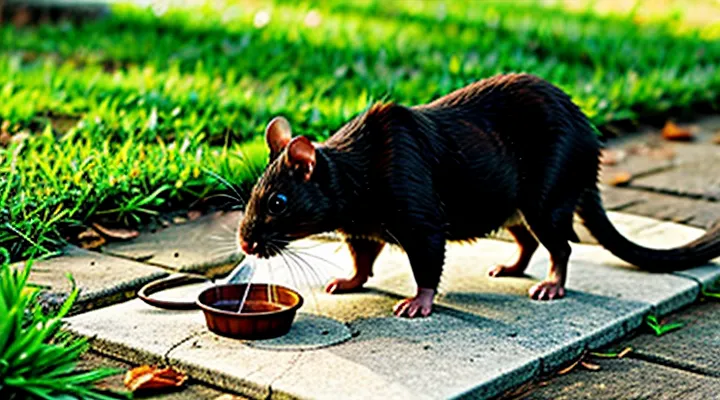
Understanding the Rat Problem
Signs of Rat Infestation
Recognizing a rat problem early increases the effectiveness of a 20‑liter bottle trap. Visible evidence of activity guides placement and bait selection.
- Droppings: Small, dark pellets found along walls, behind appliances, or in storage areas.
- Gnaw marks: Fresh, clean cuts on wood, plastic, or wiring, typically ¼‑inch wide.
- Grease trails: Smears of oily residue along baseboards or countertops where rats travel.
- Nest material: Shredded paper, fabric, or insulation gathered in hidden corners, attics, or crawl spaces.
- Sounds: Scratching or scurrying noises heard at night, especially within walls or ceilings.
- Burrows: Small holes in flooring, foundation, or exterior walls, often near vegetation or debris.
Each sign indicates active infestation and should prompt immediate deployment of the bottle trap, targeting the identified pathways and hiding spots.
Risks Associated with Rats
Health Hazards
A large-capacity bottle trap designed for rodent capture can introduce several health risks if not managed correctly.
The primary concerns involve direct exposure to pathogens carried by rats, such as leptospirosis, hantavirus, and salmonella. Contact with contaminated fur, urine, or droppings may occur when handling the trap, cleaning it, or disposing of captured animals.
Secondary hazards stem from the trap’s environment. Accumulated waste inside the container creates a breeding ground for bacteria and mold, which can release spores and toxins into the surrounding air. This situation heightens the likelihood of respiratory irritation for users and nearby occupants.
Additional risks arise when chemical baits are employed.
- Inhalation of volatile compounds from rodenticides or attractants.
- Skin absorption through accidental contact with bait residues.
- Accidental ingestion by children or pets if the trap is unsecured.
Improper disposal of dead rodents further amplifies disease transmission. Handling carcasses without protective gloves or failing to seal them in biohazard bags can spread infectious agents to waste handlers and sanitation workers.
Mitigation measures include wearing disposable gloves and masks during setup, cleaning, and disposal; sealing the trap after capture; using bait stations that limit exposure; and following local regulations for hazardous waste disposal. Consistent adherence to these practices reduces the probability of illness and environmental contamination associated with large bottle traps for rat control.
Property Damage
Rats gnaw wiring, insulation, and structural members, creating short circuits, fire hazards, and compromised load‑bearing capacity. Moisture‑absorbing materials such as drywall and plaster are chewed, leading to leaks and mold growth. Food storage areas suffer contamination, which can trigger health code violations and costly remediation. Each of these effects translates directly into repair expenses, lost inventory, and increased insurance premiums.
A 20‑liter container trap offers a practical, low‑cost method to reduce these losses. The trap’s size accommodates multiple rodents, decreasing the frequency of resets and limiting exposure time. Proper placement near known entry points or feeding stations maximizes capture rates, thereby shortening the period during which damage can occur.
Key actions to protect property:
- Seal gaps larger than ¼ inch around foundations, vents, and utility penetrations.
- Position the trap adjacent to active pathways, ensuring easy access for rodents.
- Monitor and empty the trap daily; dispose of captured animals according to local regulations.
- Replace damaged wiring, insulation, and structural components promptly to prevent cascade failures.
Consistent use of a large‑capacity bottle trap, combined with exclusion measures, curtails the progression of rat‑induced deterioration and limits the financial impact on buildings and contents.
The 20-Liter Bottle Trap Explained
What is a 20-Liter Bottle Trap?
A 20‑liter bottle trap is a large, transparent container, typically made of PET or glass, repurposed to capture rats without killing them. The trap’s capacity allows a single rodent to enter, become disoriented, and remain contained until removal. Its design relies on a one‑way entry mechanism—often a funnel or inclined ramp—so the animal can move inward but cannot find an exit.
Key characteristics:
- Volume of approximately 20 L, providing enough space for a rat to move freely.
- Transparent walls for visual monitoring of capture status.
- Simple construction from a reusable beverage bottle or similar vessel.
- Adjustable entry point that can be baited with food items attractive to rats.
- Compatibility with humane release procedures or lethal control, depending on user preference.
The trap functions by exploiting the rodent’s natural curiosity and desire for shelter. Bait placed at the far end draws the rat into the bottle, after which the entrance closes or collapses, preventing escape. The system requires minimal maintenance: periodic cleaning, bait replacement, and safe disposal of captured animals.
How it Works: The Mechanics of the Trap
The device consists of a sturdy 20‑liter plastic bottle, a tapered funnel, a latch mechanism, and a bait compartment. The bottle’s wide base provides ample space for a captured rodent, while the funnel directs movement toward the interior.
When bait is placed in the compartment, rats are attracted and enter the funnel head‑first. The funnel’s narrow exit forces the animal to push against a trigger plate. This plate is linked to a spring‑loaded latch that remains closed until sufficient pressure is applied. Upon reaching the latch’s threshold, the spring releases, allowing the latch to snap shut and seal the bottle’s mouth.
Key mechanical actions:
- Bait draws the rat into the funnel.
- Rat’s forward motion pushes the trigger plate.
- Spring tension stores energy until the plate moves.
- Release of the spring closes the latch, trapping the rat inside.
The trap’s simplicity eliminates moving parts that could jam, ensuring reliable operation with minimal maintenance. After capture, the latch can be opened manually, allowing safe disposal of the rodent and resetting of the device for subsequent use.
Gathering Your Materials
Essential Tools and Components
The 20-Liter Bottle
The 20‑liter bottle is a large, transparent PET container designed for household waste disposal. Its volume accommodates several kilograms of material, providing ample space for a live‑capture environment without requiring multiple units.
The bottle’s cylindrical body, narrow neck, and sturdy base create a funnel‑shaped entry that guides rodents toward the interior while preventing escape. The clear walls allow visual monitoring of activity, and the thick plastic resists chewing and puncture.
To convert the container into an effective trap:
- Wash and dry thoroughly to eliminate odors that could deter rodents.
- Cut a circular opening of approximately 10 cm diameter near the top edge; preserve the cut edge for smooth insertion.
- Attach a sturdy wire or PVC pipe to form a ramp leading to the opening, ensuring a gentle slope.
- Secure a bait platform inside the bottle, positioned a few centimeters below the entrance.
- Place attractive food items (e.g., grain, peanut butter) on the platform.
When deploying the trap, position it in areas of known rodent activity such as along walls, near food storage, or in dimly lit corners. Orient the ramp so the entry faces away from strong light sources, encouraging nocturnal movement toward the trap. Anchor the bottle to a stable surface to prevent tipping.
Regular maintenance extends the device’s lifespan. Inspect the interior daily for captured rodents, remove them promptly, and clean the bottle with hot water and mild detergent. After each use, reapply bait and verify the integrity of the entrance cut and ramp. The container can be reused indefinitely provided it remains free of cracks and retains its structural strength.
Cutting Tools
When constructing a 20‑liter container trap for rodents, the choice of cutting implements determines the precision of modifications and the durability of the final device.
A fine‑toothed hacksaw or a compact metal‑cutting saw removes excess bottle neck material without compromising structural integrity. A rotary cutter equipped with a carbide blade trims plastic edges cleanly, allowing smooth attachment of bait platforms.
For opening the bottle’s mouth, a sturdy utility knife with a replaceable blade creates a consistent opening that accommodates entry tunnels. A metal file smooths any burrs left by saws, preventing injury to the animal and reducing wear on surrounding components.
Safety considerations include:
- Wearing cut‑resistant gloves during all cutting operations.
- Securing the bottle on a stable work surface to avoid slippage.
- Using eye protection when operating rotary or powered saws.
Maintenance of the tools extends their service life: clean debris after each use, lubricate moving parts of rotary cutters, and sharpen blades regularly.
Selecting the appropriate cutting equipment and adhering to proper handling protocols ensures a reliable, efficient trap that can be assembled quickly and function effectively in rodent control efforts.
Bait Selection
Choosing the right attractant determines the effectiveness of a large‑capacity bottle trap. Rats prefer foods that provide high protein, fat, or sugar, and they are sensitive to strong odors. Select baits that remain palatable for several days, resist spoilage, and can be securely attached to the trap interior.
- Peanut butter or animal lard: dense, aromatic, and difficult for rats to remove without entering the trap.
- Sun‑dried meat scraps or canned fish: rich protein source, emits a strong scent that travels through the bottle opening.
- Fruit mash (e.g., banana or apple) mixed with honey: sweet, moist, and attractive to juvenile rodents.
- Commercial rodent attractants: formulated with pheromones and flavor enhancers, designed for long‑term use.
Prepare the bait by forming a compact mass that fits the trap’s interior lip. Apply a thin layer of petroleum jelly or silicone grease to the bottle rim; this prevents the bait from sliding out while allowing rats to grasp it. Replace the bait every 3–4 days in warm climates, or when signs of spoilage appear, to maintain a consistent odor profile.
Testing multiple baits in parallel traps reveals local preferences. Record capture rates, note any bait avoidance, and adjust the mixture accordingly. Consistent monitoring and timely bait renewal sustain trap performance throughout an infestation cycle.
Step-by-Step Construction Guide
Preparing the Bottle
Making the Entrance
A functional entrance is essential for a 20‑liter bottle trap designed to capture rats. The opening must be sized to admit a rodent while preventing escape. Cut a circular or oval aperture near the bottle’s base, measuring approximately 3 inches (7.5 cm) in diameter. Position the cut so that the trap rests on a stable surface, with the opening facing outward at ground level.
- Use a sharp utility knife or a jigsaw to create a clean edge.
- Sand the cut edge to eliminate sharp fragments that could injure the animal.
- Attach a smooth, rigid frame (e.g., a thin piece of PVC or metal) around the aperture to reinforce the opening and maintain its shape.
- Seal any gaps between the frame and the bottle with waterproof silicone to prevent water ingress and to stop rats from widening the hole.
Finally, affix a bait platform just inside the entrance. The platform should be flat, stable, and slightly elevated to encourage the rodent to enter fully before reaching the bait. Secure the platform with screws or strong adhesive, ensuring it does not obstruct the opening. This configuration maximizes entry efficiency while maintaining the trap’s structural integrity.
Securing the Opening
Securing the opening of a 20‑liter bottle trap is essential for preventing rats from escaping and for protecting humans and pets from accidental contact. The aperture must be sized to admit a rat while excluding larger animals and debris, and it must be sealed firmly after placement of bait.
- Cut the bottle neck at a 2‑inch (5 cm) diameter, ensuring a clean edge to avoid tearing.
- Attach a sturdy metal or heavy‑gauge PVC collar around the cut edge; the collar should overlap the opening by at least 1 inch (2.5 cm) on all sides.
- Fasten the collar with stainless‑steel screws or bolts, spacing fasteners every 2 inches (5 cm) to distribute load evenly.
- Install a sliding latch or hinged door made from the same material; the latch must lock in place with a simple push‑button or thumb screw mechanism.
- Apply a non‑slip rubber gasket between the collar and the bottle rim to create a watertight seal and to prevent rats from forcing the opening.
After assembly, test the closure by applying a steady pulling force of 15 pounds (≈ 7 kg). The latch should hold without deformation, and the gasket should remain intact. Regularly inspect the seal for cracks, rust, or loosened fasteners, and replace components promptly to maintain trap integrity.
Setting Up the Trigger Mechanism
A functional trigger is the core of a 20‑liter bottle trap designed for rodent capture. It converts a rat’s movement into the rapid opening of the bottle, ensuring the animal falls inside without escape.
Required components
- Sturdy wooden or metal dowel, 1 inch in diameter, 12 inches long
- Thin steel wire or strong fishing line
- Small piece of cardboard or plastic as a release platform
- Bait container (e.g., a shallow dish)
- Secure fastening material (nails or zip ties)
Assembly procedure
- Drill a 1‑inch hole near the bottle’s neck, aligning it with the interior wall.
- Insert the dowel through the hole so that one end rests on the interior lip, the other protrudes outward.
- Attach the wire to the external end of the dowel, forming a loop that can be tensioned.
- Position the release platform on the wire, balancing it just above the ground.
- Place the bait container on the platform; the weight of a rat will pull the platform down, releasing the dowel.
- Verify that the dowel’s motion swings the bottle’s neck open fully, allowing the animal to drop inside.
Adjustment and testing
- Adjust wire tension until a 50‑gram load triggers release; use a calibrated weight for verification.
- Test the mechanism with a non‑lethal object of similar mass to confirm smooth operation.
- Secure all connections to prevent accidental disengagement during deployment.
Properly calibrated, the trigger responds instantly to a rat’s presence, maximizing capture efficiency while minimizing false activations.
Attaching the Bait Holder
Attaching the bait holder correctly is essential for maintaining lure placement and preventing premature loss during trap deployment. The holder must be fastened to the bottle’s interior rim so that bait remains suspended without obstructing the entry tunnel.
- Insert the bait holder’s metal clasp through the pre‑drilled opening near the bottle’s neck.
- Align the clasp with the internal latch groove; ensure the teeth engage fully.
- Rotate the holder clockwise until a firm click is felt, confirming that the latch is locked.
- Verify stability by gently tugging on the holder; it should resist movement without flexing.
- Place the chosen attractant onto the holder’s platform, spreading it evenly to maximize exposure.
A final inspection should confirm that the holder sits flush against the bottle wall and does not interfere with the trap’s funnel. Proper installation reduces bait displacement and improves capture efficiency.
Optimal Placement and Baiting Strategies
Identifying High-Traffic Rat Areas
Locating the pathways that rats use most frequently is essential for effective deployment of a large‑capacity bottle trap. Accurate identification reduces the number of traps required and maximizes capture rates.
- Fresh droppings concentrated along walls, under appliances, or near garbage containers.
- Gnaw marks on wooden beams, plastic piping, or insulation.
- Visible burrows or nesting material in hidden corners, attics, and crawl spaces.
- Trails of grease, food residue, or urine stains leading to food storage areas.
- Damage to wiring, conduit, or structural components indicating repeated passage.
Survey each suspect zone, mark observations on a floor plan, and prioritize locations with multiple indicators. Position the trap perpendicular to the dominant flow, secure it at ground level, and ensure the entry opening faces the identified route. Continuous monitoring and adjustment based on captured activity refine placement and sustain high capture efficiency.
Effective Baiting Techniques
Effective bait selection is critical for maximizing capture rates with a large-capacity bottle trap. Fresh protein sources, such as raw chicken liver or boiled eggs, emit strong odors that attract nocturnal rodents. When using meat, portion the bait into 1‑2 cm cubes to fit snugly against the trap’s entry point, preventing the animal from removing it without triggering the mechanism.
Grain‑based baits, including peanut butter mixed with rolled oats or cornmeal, provide a sustained scent trail. Combine a thin layer of peanut butter with a small amount of powdered sugar to increase palatability and encourage repeated visits. Apply the mixture to the interior rim of the bottle, ensuring it does not obstruct the trigger lever.
For environments where rodents have become bait‑averse, incorporate strong aromatic additives. A few drops of anise oil or a pinch of crushed mint leaves mixed into protein or grain baits can overcome habituation. Rotate scent profiles weekly to maintain interest.
When deploying multiple traps, stagger bait types across the area to reduce competition and allow observation of preference patterns. Record the bait that yields the highest capture count, then standardize its use for the remaining units.
Maintain bait freshness by replacing contents every 24–48 hours in warm climates, or every 72 hours in cooler conditions. Store unused bait in airtight containers to preserve odor potency and prevent spoilage that could deter target pests.
Key steps for effective baiting:
- Choose high‑odor protein or grain base.
- Size bait to fit trap entrance without blocking mechanism.
- Add aromatic enhancers if rodents show avoidance.
- Rotate bait types and record performance.
- Replace bait regularly to retain attractiveness.
Maintaining and Deploying the Trap
Regular Checks and Re-Baiting
Regular inspection of a 20‑liter bottle trap ensures that the device remains functional and that any captured rodents are removed promptly. Inspectors should approach the trap with protective gloves, open the lid carefully, and verify that the interior is free of debris, moisture, or dead bait. A visual check of the trap’s seal confirms that the entry point has not been compromised, which would allow rats to escape.
- Examine the trap every 24 hours while activity is expected.
- Remove any dead or live rats, dispose of them according to local regulations.
- Clean the interior with a mild disinfectant, rinse, and dry before resealing.
- Record the date, time, and condition of each inspection in a logbook.
Re‑baiting follows each inspection cycle, or sooner if bait appears depleted. Fresh bait maintains the trap’s attractiveness and prevents rats from learning to avoid the device. Use a high‑protein, low‑fat attractant that remains palatable for several days; store it in a sealed container to preserve potency.
- Apply a uniform layer of bait covering the entry aperture, avoiding excess that could spill into the trap’s interior.
- Replace bait every 48 hours during peak rodent activity, or when visual inspection shows reduced consumption.
- Rotate bait types weekly to prevent habituation.
- Document bait type, quantity, and replacement time alongside inspection records.
Safe Disposal of Captured Rats
When a rat is captured in a 20‑liter bottle trap, the disposal process must prevent disease transmission, protect household members, and comply with local regulations. Follow these precise actions:
- Wear disposable nitrile gloves; discard them after use.
- If the animal is alive, apply a quick, humane method (e.g., CO₂ exposure) approved by animal‑control authorities. If already dead, skip this step.
- Place the carcass in a heavy‑duty, sealable plastic bag. Remove excess air and seal the bag tightly.
- Transfer the sealed bag to a secondary container (e.g., a rigid plastic bin) to avoid puncture.
- Dispose of the container according to municipal guidelines: either place it in the regular trash on collection day or deliver it to a licensed rendering facility.
- Clean the bottle thoroughly with a detergent solution, rinse, then disinfect with a 1% bleach solution. Allow the trap to dry completely before reuse.
Document the disposal date, method, and any relevant waste‑management reference numbers for future audits. This systematic approach eliminates health hazards and ensures legal compliance.
Troubleshooting Common Issues
Trap Not Triggering
A 20‑liter bottle trap that fails to activate leaves rodents unharmed and undermines control efforts. The malfunction typically originates from mechanical, placement, or bait-related factors.
- Inadequate tension on the trigger mechanism; the spring or cord is too loose or too tight, preventing the release when a rat applies pressure.
- Misaligned entry funnel; the opening does not guide the animal toward the trigger point, allowing it to pass without contact.
- Obstructed or worn trigger components; rust, debris, or cracked plastic can impede movement.
- Insufficient bait appeal; stale food or low‑odor attractants do not motivate the rat to explore the interior.
- Improper positioning; placement near high‑traffic human areas or away from established rodent pathways reduces encounter rates.
To diagnose the issue, follow these steps:
- Examine the trigger assembly. Verify that the spring or elastic band returns to its resting position after each test pull and that the latch releases cleanly under minimal force.
- Inspect the entry funnel for cracks or misalignment. Ensure the funnel directs the animal toward the trigger plate without allowing easy bypass.
- Clean all moving parts with a mild detergent, rinse, and dry thoroughly to eliminate corrosion or residue. Replace any damaged components.
- Refresh bait with high‑protein, strong‑smelling items such as peanut butter, dried fish, or canned cat food. Use a small amount to avoid spillage that could mask the trigger area.
- Relocate the trap to a wall‑adjacent spot, near known gnaw marks, droppings, or established runways. Position the opening no more than 2–3 cm from the wall to channel activity.
After adjustments, test the trap with a lightweight object that simulates a rat’s weight (approximately 200 g). If the mechanism activates reliably, the trap is ready for deployment. Regular checks—weekly for tension, bait freshness, and structural integrity—maintain consistent performance and prevent future trigger failures.
Rats Avoiding the Trap
Rats often bypass a 20‑liter bottle trap because the device fails to align with their natural foraging habits. The scent of bait may be masked by the plastic container’s odor, discouraging investigation. Additionally, the trap’s entry point can be too narrow for a cautious rat to enter, especially if the animal detects a sudden change in lighting or airflow inside the bottle.
Key factors that lead to avoidance:
- Bait placement – Bait positioned too deep requires the rat to climb inside a confined space, increasing perceived risk.
- Visual cues – Transparent or opaque walls may create reflections that signal danger.
- Noise and vibration – Movement of the bottle when the rat contacts it can startle the animal.
- Escape routes – Presence of nearby alternative food sources reduces motivation to enter the trap.
To increase capture rates, adjust the trap so that bait is readily accessible at the opening, minimize visual distortions, and place the device in high‑traffic pathways where alternative food is scarce. Consistent monitoring and periodic repositioning prevent rats from learning to avoid the apparatus.
Alternative Rat Control Methods
Other DIY Traps
A variety of homemade rat capture devices complement the large‑bottle method, offering alternatives that suit different environments and material availability.
-
Bucket and plank trap – A sturdy plank bridges a bucket’s rim; a baited chew stick placed on the plank causes the rat to step onto the bucket’s edge, fall in, and become trapped. The bucket should be at least 10 liters and equipped with a smooth interior to prevent escape.
-
PVC pipe funnel trap – A length of PVC pipe (approximately 30 cm diameter) is cut lengthwise, forming a wide entrance that tapers to a narrow exit leading into a collection container. Bait placed at the far end lures the rodent through the funnel, after which it cannot navigate the constricted passage.
-
Wooden box snap trap – A simple wooden frame, sized to accommodate a single rat, incorporates a spring‑loaded bar triggered by a pressure plate. The plate is concealed beneath a small amount of food, ensuring activation only when the animal steps on it.
-
Wire mesh cage with one‑way door – Constructed from galvanized mesh, the cage features a hinged door that swings inward when the rat pushes against a baited trigger. The door’s latch locks automatically, preventing re‑entry.
-
Heavy‑duty cardboard tube trap – Two large cardboard tubes are stacked end‑to‑end, with the interior lined with a slippery coating. Bait positioned at the far tube draws the rat forward; the smooth surface causes loss of footing, and the animal slides into a collection bucket placed beneath.
Each design relies on straightforward materials—plastic containers, wood, PVC, wire mesh, or cardboard—and requires minimal tools. Proper placement near known activity paths, secure anchoring, and regular inspection maximize capture efficiency while reducing the risk of accidental release.
Professional Pest Control Considerations
Professional pest‑control operators must evaluate several factors before deploying a large‑capacity bottle trap for rodent management. Selection of bait follows local regulations; toxic substances require licensing, while non‑toxic attractants must be verified for efficacy against the target species. Placement guidelines dictate positioning at active runways, near walls, and away from human traffic to maximize capture rates while minimizing accidental exposure.
Inspection schedules are essential. Traps should be checked at intervals no longer than 24 hours, with captured rodents removed promptly to prevent decomposition and disease spread. Documentation of each inspection—date, location, catch count, and bait condition—supports compliance audits and informs adjustments to trap density.
Disposal procedures must align with health‑department mandates. Live captures require humane euthanasia or relocation, adhering to wildlife‑protection statutes. Dead specimens should be sealed in rigid containers and disposed of as hazardous waste when poison is employed.
Training requirements cover safe handling of chemicals, proper trap assembly, and recognition of signs indicating secondary infestations. Personnel certification ensures consistent application of integrated pest‑management (IPM) principles, reducing reliance on chemical control and limiting environmental impact.
Key considerations can be summarized:
- Regulatory compliance for bait and disposal
- Strategic placement based on rodent behavior patterns
- Routine inspection and accurate record‑keeping
- Certified staff training and safety protocols
- Integration with broader IPM strategies to prevent resistance
Adhering to these standards maximizes trap effectiveness, safeguards public health, and maintains legal accountability.