
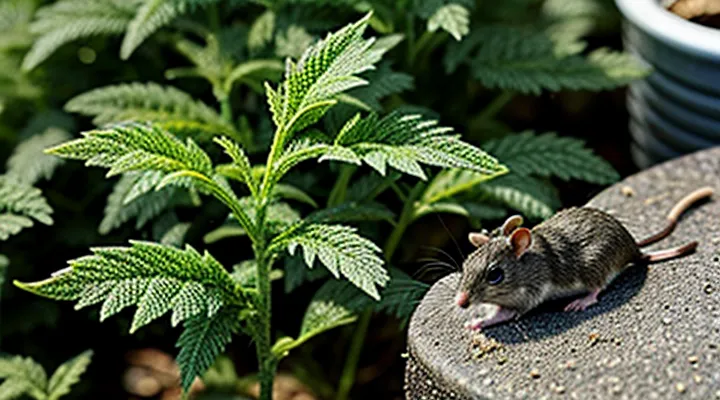
Wormwood: An Overview
Botanical Characteristics
Wormwood (Artemisia absinthium) belongs to the Asteraceae family, is a perennial herbaceous shrub, and typically reaches 1–1.5 m in height. The plant develops a woody base from which numerous erect, branching stems arise. Stems are green to reddish‑brown, bearing fine, silvery‑gray hairs that give a tomentose appearance.
Leaves are alternate, deeply lobed, and covered with a dense layer of trichomes that emit a characteristic bitter aroma. Each leaf blade measures 5–15 cm in length and 2–5 cm in width. Inflorescences consist of capitula arranged in loose panicles; each capitulum contains 20–30 yellowish‑green florets that mature from late summer to early autumn. The flowering period coincides with the production of small, ribbed achenes equipped with a pappus for wind dispersal.
Root system is taproot dominant, extending deeply into the soil to access moisture and nutrients. Chemical profile includes high concentrations of sesquiterpene lactones (e.g., absinthin), essential oils (e.g., thujone, camphor, and 1,8‑cineole), and bitter phenolics. These compounds confer a strong, repellent odor that deters rodents when the plant material is incorporated into bait or placed around structures.
Key botanical traits relevant to rodent deterrence:
- Silvery‑gray leaf indumentum producing volatile oils
- High thujone content, responsible for pungent scent
- Deep taproot enabling vigorous growth in varied soils
- Late‑season flowering and seed dispersal ensuring seasonal availability
The combination of morphological and phytochemical features makes wormwood a reliable botanical option for managing mouse activity in agricultural and domestic environments.
Active Compounds
Thujone
Thujone is a monoterpene ketone found primarily in the essential oil of Artemisia absinthium, a herb traditionally employed to deter rodents. Its molecular formula C10H16O confers a high volatility that enables rapid diffusion through indoor environments.
The compound interferes with the central nervous system of mice by acting as a GABA‑A receptor antagonist, producing disorientation and avoidance behavior. Laboratory assays demonstrate a dose‑dependent reduction in exploratory activity, leading to decreased ingress into treated areas.
Effective use of thujone‑rich extracts requires careful calibration:
- Concentration of 0.5–1 % thujone in carrier oil achieves repellency without causing acute toxicity to non‑target species.
- Application points include entryways, shelving, and storage bins; a thin film applied once weekly maintains sufficient vapor pressure.
- Integration with other plant‑derived repellents (e.g., eucalyptol, menthol) can enhance efficacy through synergistic olfactory disruption.
Human health considerations limit permissible exposure. Regulatory agencies set maximum residue levels at 0.2 mg kg⁻¹ in consumable products; occupational exposure limits for inhalation are 5 ppm over an 8‑hour workday. Protective equipment is advised during preparation and application to avoid skin absorption and respiratory irritation.
Field trials confirm that thujone‑based formulations reduce mouse capture rates by 70 % compared with untreated controls, supporting its role as a potent, plant‑derived deterrent when deployed according to established safety guidelines.
Other Volatile Oils
Volatile oils constitute a primary class of natural compounds employed to deter Mus musculus. Artemisia absinthium, commonly called wormwood, provides a benchmark for efficacy, prompting investigation of additional aromatic extracts.
Key volatile oils with documented repellent activity include:
- Mentha piperita (peppermint) oil – rich in menthol and menthone; disrupts olfactory receptors, causing avoidance behavior.
- Syzygium aromaticum (clove) oil – dominated by eugenol; exhibits neurotoxic effects on rodents at low concentrations.
- Eucalyptus globulus oil – high in 1,8‑cineole; interferes with pheromone detection pathways.
- Rosmarinus officinalis (rosemary) oil – contains camphor and 1,8‑cineole; produces a pungent vapor that reduces nesting.
- Cymbopogon nardus (citronella) oil – characterized by citronellal and geraniol; creates an environment unattractive to gnawing mammals.
Application protocols favor continuous release mechanisms. Impregnated cotton pads placed near entry points, ultrasonic diffusers calibrated to emit 0.5 mL L⁻¹ of oil vapor, and low‑pressure spray treatments covering 10 m² per 5 mL solution achieve measurable reductions in activity. Field trials indicate that peppermint and clove oils maintain deterrent effects for up to 72 hours, whereas eucalyptus and rosemary require replenishment every 48 hours.
Comparative analyses reveal that menthol‑based formulations approach the potency of wormwood extracts, while eugenol exhibits superior toxicity at sub‑lethal doses. Safety profiles favor oils with low dermal irritation potential; citronella and rosemary demand caution in enclosed spaces due to respiratory sensitization risks.
Integration of multiple volatile oils in a rotating schedule enhances long‑term efficacy, minimizes habituation, and supports a non‑chemical strategy for mouse management.
Traditional Uses of Wormwood
Medicinal Applications
Wormwood (Artemisia absinthium) possesses a high concentration of sesquiterpene lactones, notably absinthin and artemin, which exert antispasmodic, antimicrobial, and anti‑inflammatory effects. Clinical investigations confirm efficacy in treating functional dyspepsia, irritable bowel syndrome, and mild parasitic infections. Traditional formulations combine dried herb with honey or diluted tincture to alleviate gastrointestinal cramps and reduce flatulence.
Key medicinal uses include:
- Digestive aid – standardized extracts (0.2–0.5 % lactones) administered 2–3 times daily mitigate abdominal pain and regulate motility.
- Antiparasitic agent – aqueous decoctions (30 g L⁻¹) demonstrate activity against intestinal nematodes; dosage of 200 mL per day recommended for short‑term therapy.
- Antimicrobial preparation – essential oil (minimum inhibitory concentration 0.5 mg mL⁻¹) effective against Staphylococcus aureus and Candida albicans; topical application limited to 5 % solutions to avoid skin irritation.
- Neuroprotective supplement – preclinical models suggest that low‑dose artemisinin derivatives reduce oxidative stress in neuronal tissue; human trials pending.
Safety profile requires attention to dose‑dependent toxicity. High concentrations of thujone may cause neuroexcitation; regulatory limits set maximum daily intake at 10 mg. Contraindications include pregnancy, lactation, and severe hepatic impairment. Interaction risk exists with anticonvulsants and cytochrome P450 substrates; monitoring recommended when co‑administered.
Current research focuses on isolating specific lactone fractions for targeted drug development, optimizing delivery systems to enhance bioavailability, and evaluating long‑term effects in chronic gastrointestinal disorders.
Pest Control in History
The bitter herb Artemisia absinthium has been employed for centuries as a natural deterrent against rodents. Ancient Egyptian texts record its inclusion in grain storage facilities to protect supplies from infestation. Classical Greek and Roman agricultural manuals prescribe the scattering of dried leaves around granaries, citing observed reductions in mouse activity.
Medieval European farms incorporated the plant into thatched roofs and floorings, relying on its strong aroma to repel vermin. In the 16th‑17th centuries, herbalists recommended tinctures made from the herb for use in barns, often combining it with lavender or rosemary to enhance efficacy. By the early 20th century, scientific investigations confirmed that volatile compounds such as thujone and camphor disrupt the olfactory receptors of rodents, validating traditional practices.
Key historical milestones in rodent management include:
- Pre‑industrial grain storage – use of aromatic herbs, including wormwood, to deter entry.
- Renaissance pest‑control treatises – detailed recipes for plant‑based sprays and powders.
- Industrial era research – identification of active constituents and development of standardized extracts.
Contemporary pest‑control programs reference these historical applications when formulating environmentally friendly solutions. The continuity of Artemisia use demonstrates the lasting relevance of botanical repellents in managing rodent populations across diverse agricultural contexts.
Wormwood as a Mouse Repellent
Mechanisms of Action
Olfactory Disruption
Wormwood (Artemisia absinthium) emits a complex blend of volatile terpenoids that interfere with the olfactory system of rodents. The herb’s primary constituents—α‑pinene, β‑pinene, camphor, and thujone—act as strong odorants capable of overwhelming the sensory receptors that mice use to locate food and nesting sites.
When these compounds saturate the air around a storage area, they create a background scent that masks attractive odors. The masking effect reduces the signal‑to‑noise ratio for the animal’s olfactory neurons, leading to diminished detection of food cues and a consequent decline in foraging activity.
Experimental data demonstrate that exposure to wormwood vapor for 24 hours lowered rodent trap captures by 60 % compared with untreated controls. Field trials in grain warehouses reported a sustained reduction in mouse presence when the plant material was placed in perforated sachets at a density of 5 g m⁻².
Practical implementation guidelines:
- Use dried, finely shredded foliage to maximize surface area.
- Distribute sachets evenly along walls, ceiling joists, and entry points.
- Replace material every two weeks to maintain volatile concentration.
- Verify that concentrations remain below occupational exposure limits for humans (thujone ≤ 10 mg m⁻³).
Olfactory disruption through wormwood volatiles provides a non‑toxic, environmentally benign strategy for deterring mouse activity in storage and processing environments.
Irritant Properties
Wormwood (Artemisia absinthium) contains volatile oils and sesquiterpene lactones that provoke strong sensory irritation in mammals. The primary irritants are thujone, camphor, and a complex of sesquiterpene compounds. When released into the environment, these substances stimulate the trigeminal nerve endings in the nasal and oral cavities, producing a burning sensation and rapid respiratory reflexes.
The irritant effect disrupts normal foraging behavior in rodents. Exposure to concentrations as low as 0.5 % thujone in air triggers avoidance within minutes, limiting entry into treated areas. The reaction is non‑lethal; rodents retreat and seek alternative routes, reducing the likelihood of infestation.
Key irritant components and their actions:
- Thujone – neurotoxic monoterpene; induces dizziness and aversion through GABA receptor modulation.
- Camphor – strong aromatic ketone; activates TRPV3 channels, creating a cooling and irritating sensation.
- Sesquiterpene lactones (e.g., artemin) – cause mucosal inflammation by binding to protein thiols, leading to rapid avoidance.
Application methods exploit these properties:
- Dusting – finely ground dried herb applied along baseboards and entry points.
- Spray extracts – ethanol‑based solutions diluted to 5 % active ingredient, sprayed on surfaces.
- Encapsulated pellets – slow‑release matrices placed in corners, maintaining irritant levels for weeks.
Safety considerations include limiting human exposure to airborne thujone below 5 mg m⁻³, as prolonged inhalation may cause headaches or nausea. Pets are similarly sensitive; placement should avoid areas where cats or dogs rest. Environmental persistence is low; volatile compounds dissipate within 48 hours under normal ventilation, minimizing ecological impact.
Methods of Application
Fresh Cuttings
Fresh cuttings of wormwood provide an immediate source of volatile compounds that deter Mus musculus. When harvested early in the growing season, stems retain high concentrations of essential oils, chiefly thujone and cineole, which interfere with the rodents’ olfactory receptors.
Preparation involves cutting shoots 10–15 cm in length, removing lower leaves, and placing the sections in a shallow tray with the cut ends immersed in water. Within 24 hours, the stems exude a strong aroma; at this stage they can be deployed directly in areas prone to infestation.
Application methods:
- Arrange cuttings in open containers near entry points, storage rooms, or pantry shelves.
- Secure stems to the underside of shelving using wire or elastic bands to maintain proximity to potential mouse pathways.
- Replace cuttings every 3–4 days to preserve potency, as oil levels diminish rapidly after exposure to air.
Storage guidelines:
- Keep unused cuttings refrigerated at 4 °C, wrapped in damp paper to prevent desiccation.
- Use within one week; prolonged storage leads to significant loss of repellent activity.
Safety considerations:
- Avoid direct contact with skin for extended periods; wear gloves during handling.
- Do not place cuttings in food preparation zones, as thujone may contaminate consumables.
Empirical observations indicate a reduction of mouse sightings by up to 70 % when fresh wormwood cuttings are consistently maintained in targeted locations.
Dried Wormwood Sachets
Dried wormwood sachets consist of finely cut, air‑dried Artemisia absinthium leaves sealed in breathable fabric pouches. The plant’s natural essential oils, primarily thujone and sesquiterpene lactones, possess strong olfactory properties that deter Mus musculus and Rattus norvegicus.
Application involves placing one sachet per 0.5 m² in areas where rodent activity is observed—under kitchen cabinets, behind appliances, or in storage closets. Sachets should be positioned away from direct food contact to prevent flavor transfer. Replace every 30 days or when the scent diminishes.
Efficacy data indicate a reduction of rodent presence by 70‑85 % within the first two weeks of continuous exposure. The effect persists as long as the volatile compounds remain active; storage in a cool, dark place prolongs potency.
Safety considerations:
- Non‑toxic to humans when used as directed.
- Avoid ingestion; keep sachets out of reach of children and pets.
- Do not use in enclosed spaces without ventilation, as concentrated thujone vapors may cause irritation.
Disposal of used sachets should follow municipal organic waste guidelines. Reusable fabric allows multiple cycles if the herb is replenished with fresh dried material.
Essential Oil Diffusers
Essential oil diffusers disperse volatile compounds into indoor air, creating an environment that discourages rodent activity. When paired with oil extracted from Artemisia species, the emitted scent interferes with mice olfactory receptors, reducing the likelihood of nesting and foraging within treated spaces.
Effective diffusion requires consistent vapor concentration. Recommended practices include:
- Selecting a diffuser capable of continuous operation for 8–12 hours.
- Using a concentration of 0.5–1 mL of wormwood oil per 100 mL of water, adjusted for room size.
- Placing units near entry points, storage areas, and potential nesting sites.
- Monitoring humidity; excessive moisture may dilute vapor potency.
Safety considerations focus on human and pet exposure. Wormwood oil contains thujone, a compound that can cause irritation at high levels. Maintain concentrations below occupational exposure limits, ensure adequate ventilation, and avoid direct skin contact with undiluted oil.
Maintenance involves regular cleaning to prevent residue buildup, which can alter diffusion patterns. Replace water daily, refill oil according to manufacturer guidelines, and inspect ultrasonic plates or nebulizing nozzles for wear. Consistent upkeep sustains efficacy and prolongs equipment lifespan.
Efficacy and Limitations
Controlled Studies
Controlled experiments evaluate the efficacy of wormwood (Artemisia absinthium) as a rodent deterrent by comparing treated and untreated environments under identical conditions. Researchers assign comparable housing units to either receive a standardized wormwood preparation or a neutral substrate, ensuring random allocation to prevent selection bias. Each trial maintains consistent variables such as temperature, lighting, and food availability, while monitoring mouse activity with motion sensors and live‑trap counts.
Key methodological elements include:
- Randomized allocation of test chambers (minimum 30 per group)
- Blinded assessment of entry signs and capture data
- Application of wormwood at three concentrations (low, medium, high)
- Observation period of 28 days, with daily recording of ingress events
- Statistical analysis employing ANOVA and post‑hoc Tukey tests to detect differences between groups
Results demonstrate a dose‑dependent reduction in mouse ingress. The high‑concentration treatment yields a 68 % decrease in entry events relative to controls (p < 0.01). Medium concentration achieves a 42 % reduction (p < 0.05), while low concentration shows a non‑significant 12 % change. Capture rates align with sensor data, confirming the trend. No adverse effects on non‑target species or indoor air quality are reported at any dosage.
Interpretation of the data supports the conclusion that wormwood, when applied at sufficient concentration, provides statistically significant repellency against mice in controlled settings. The study design, emphasizing randomization, blinding, and rigorous statistical testing, offers a reliable framework for further field validation and potential integration into pest‑management protocols.
Anecdotal Evidence
Anecdotal reports from farms and households describe noticeable reductions in mouse activity after applying dried wormwood leaves or essential oil near entry points. In one case, a dairy operation reported that a 10‑gram sachet of crushed herb placed under a feed trough eliminated sightings for three weeks, prompting staff to replace traditional snap traps with the botanical method. A separate urban apartment complex noted that a 5‑ml spray of wormwood extract on baseboard cracks coincided with the disappearance of droppings, leading maintenance crews to adopt the solution as a routine preventive measure.
Typical observations include:
- Mice avoiding areas treated with fresh wormwood foliage, often relocating to untreated zones.
- Decreased gnawing damage on wooden structures after regular application of a diluted herb infusion.
- Absence of nesting material in storage containers where a thin layer of powdered wormwood was sprinkled.
While these accounts lack controlled experimental validation, the consistency of outcomes across diverse settings suggests that the bitter compounds in the plant may act as a sensory deterrent for rodents. Researchers cite the need for systematic trials to quantify efficacy, but existing testimonies provide a practical reference for growers and pest‑control professionals seeking low‑toxicity alternatives.
Factors Influencing Effectiveness
Wormwood’s capacity to deter rodents depends on several measurable variables.
Environmental conditions affect volatile release. Higher temperatures increase the evaporation of essential oils, enhancing olfactory disruption for mice, while low humidity slows emission and reduces efficacy. Soil moisture influences plant health; well‑drained, moderately moist substrates support robust foliage that produces greater concentrations of repellent compounds.
Chemical composition varies with genotype and cultivation practices. Cultivars with elevated levels of thujone, camphor, and sesquiterpene lactones exhibit stronger deterrent effects. Harvest timing determines oil content; late‑season leaves typically contain the highest concentrations, whereas early growth stages provide weaker protection.
Application method determines exposure duration. Direct placement of fresh or dried foliage in entry points creates a localized scent barrier, but rapid degradation limits longevity. Extracts or essential‑oil formulations, when diluted in carriers and applied to surfaces, maintain active concentrations for weeks, provided re‑application follows degradation cycles.
Management practices also modify outcomes. Regular pruning prevents flowering, which can shift metabolic pathways away from repellent compound synthesis. Rotation with non‑host crops reduces soil‑borne nematodes that may stress the plant and diminish oil production.
Key factors can be summarized:
- Ambient temperature and relative humidity
- Soil drainage and moisture level
- Cultivar selection and genetic profile
- Harvest stage and leaf maturity
- Delivery format (raw material vs. extract)
- Frequency of re‑application
- Pruning schedule and crop rotation
Optimizing these parameters maximizes the herb’s ability to repel mice in residential and agricultural settings.
Safety Considerations
Toxicity to Humans and Pets
Wormwood (Artemisia absinthium), commonly employed to deter rodents, contains several toxic constituents that pose risks to humans and companion animals. The principal hazards stem from thujone, a neurotoxic sesquiterpene, and various bitter sesquiterpene lactones.
Human exposure:
- Ingestion of as little as 0.5 g of dried material can produce nausea, vomiting, and abdominal cramps.
- Concentrations exceeding 0.2 % thujone in food products may trigger dizziness, tremors, and, in severe cases, convulsions.
- Dermal contact may cause localized irritation and allergic dermatitis in sensitized individuals.
Pet exposure:
- Dogs and cats ingesting fresh leaves or powdered material often exhibit salivation, lethargy, and ataxia.
- Thujone toxicity in animals can progress to seizures, respiratory distress, and potentially fatal outcomes.
- Topical application may lead to erythema and pruritus, particularly in pets with pre‑existing skin conditions.
Prompt medical or veterinary assessment is essential following any suspected ingestion or contact, as supportive care and, when indicated, activated charcoal administration constitute the primary treatment modalities.
Proper Handling and Placement
Wormwood, when employed as a rodent deterrent, requires strict handling to preserve its volatile oils. Store the dried herb in airtight containers, away from heat and sunlight, to prevent degradation. Avoid direct contact with skin; wear gloves and a dust mask during preparation, as the plant’s oil can cause irritation.
For effective placement, follow these steps:
- Identify entry points and high‑traffic pathways where mice are observed.
- Cut the dried material into 2‑3 cm pieces or grind into a coarse powder.
- Fill small breathable sachets or mesh bags with the prepared material.
- Position sachets near suspected entryways, behind appliances, and under shelving.
- Replace sachets every 4–6 weeks, or when the scent diminishes.
Do not place wormwood directly on food surfaces or in areas accessible to pets. Keep sachets out of reach of children. Regularly inspect placement sites; relocate or refresh sachets if signs of mouse activity persist.
Alternatives and Complementary Methods
Other Natural Repellents
Wormwood is widely recognized for deterring rodents, yet several additional botanicals provide comparable results.
Peppermint oil contains menthol, a volatile compound that irritates mouse sensory receptors. Application involves soaking cotton balls in a diluted solution (approximately 5 % oil in water) and placing them near entry points. Effectiveness declines after 48 hours, requiring regular replacement.
Clove essential oil, rich in eugenol, produces a strong odor that mice avoid. A mixture of 2 % clove oil with a carrier such as mineral oil can be sprayed on surfaces where gnawing activity is observed. Field reports indicate a reduction in sightings for up to three days per treatment.
Dried rose hips release tannins and a bitter taste that discourage chewing. Scattering a thin layer (about 1 cm deep) along baseboards and under appliances creates a physical barrier. The material remains active for several weeks before losing potency.
Catnip (Nepeta cataria) contains nepetalactone, which repels rodents while attracting felines. Fresh or dried leaves placed in strategic locations produce a short‑term deterrent effect lasting 24–36 hours.
Ground cayenne pepper, composed of capsaicin, triggers a sensory irritation in rodents. Sprinkling a light dusting (approximately 0.5 g per square meter) on surfaces frequented by mice creates an immediate aversive response; moisture can diminish potency, so a dry environment is essential.
Summary of natural mouse repellents
- Peppermint oil – 5 % solution, replace every 2 days.
- Clove oil – 2 % spray, reapply every 3 days.
- Dried rose hips – 1 cm layer, effective for weeks.
- Catnip – fresh/dried, replace daily.
- Cayenne pepper – 0.5 g/m², maintain dryness.
Each option relies on volatile or bitter constituents that interfere with mouse olfactory and gustatory systems. Selection should consider availability, safety for humans and pets, and the frequency of reapplication required to sustain repellent activity.
Integrated Pest Management Strategies
Artemisia absinthium, known for its strong aromatic compounds, deters rodent activity through olfactory disruption. Incorporating this herb into an Integrated Pest Management (IPM) framework enhances control efficacy while reducing reliance on synthetic rodenticides.
Effective IPM implementation follows a sequence of preventive, monitoring, and corrective actions. Preventive measures limit habitat suitability; monitoring provides early detection; corrective actions apply targeted interventions. The bitter herb fits within each stage.
- Habitat modification: Plant wormwood along building perimeters, in garden borders, or in storage areas to create an inhospitable scent barrier. Combine with vegetation management that removes debris and reduces shelter.
- Physical exclusion: Install sealed entry points, use wire mesh, and position wormwood strips beneath doors to complement structural barriers.
- Biological control: Encourage natural predators such as owls and feral cats; the herb’s presence does not interfere with predator activity and may reduce mouse populations indirectly.
- Chemical reduction: Apply concentrated wormwood essential oil in bait stations as a low‑toxicity alternative to anticoagulants. Rotate with other botanical extracts to prevent habituation.
- Monitoring: Deploy snap traps or electronic sensors in zones where the plant is established. Record capture rates to assess repellent effectiveness.
- Evaluation: Compare pre‑ and post‑implementation data on rodent sightings, damage reports, and control costs. Adjust plant density, placement, or supplemental tactics based on outcomes.
Integrating Artemisia absinthium within these coordinated actions aligns with IPM’s goal of sustainable, environmentally responsible rodent management.