
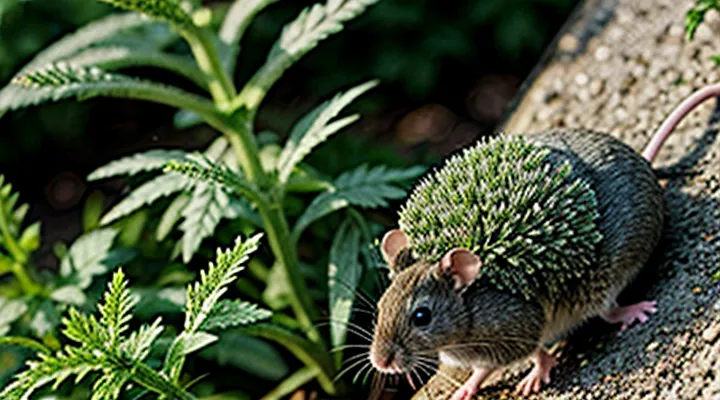
Understanding Mouse Problems in the Garden
Common Garden Pests and Their Damage
Identifying Mouse Activity
Identifying mouse activity is a prerequisite for any garden-based rodent deterrent strategy. Accurate detection allows targeted placement of botanical repellents and reduces unnecessary chemical use.
Typical indicators include:
- Small, dark droppings, 3–5 mm long, clustered near food sources or along walls.
- Gnaw marks on wooden stakes, plastic mulch, or seed packets.
- Fresh tunnel entrances at the base of plants, often lined with loose soil.
- Clear footprints in damp soil or on soft mulch.
- Audible scurrying or rustling during night hours.
Verification methods:
- Conduct a systematic visual sweep of the garden perimeter and interior, focusing on the signs listed above.
- Apply a non-toxic tracking powder along suspected runways; examine footprints after a few hours.
- Install motion‑activated cameras at key entry points to capture nocturnal movement.
- Use bait stations equipped with a harmless dye that stains fur, confirming contact when captured.
Interpretation of evidence:
- Droppings found near the same location over several days indicate an established foraging route.
- Multiple gnaw marks on the same object suggest repeated access rather than incidental damage.
- Fresh tunnels accompanied by soil displacement point to active nesting sites.
Integrating observations with botanical deterrents:
- Position wormwood plants or crushed foliage directly adjacent to confirmed pathways and entry points.
- Re‑evaluate activity weekly; a decline in droppings or tunnel use signals effectiveness, while persistent signs may require additional placement or alternative measures.
Types of Damage Caused by Mice
Mice inflict several distinct forms of damage that threaten garden productivity and safety.
- Vegetative loss – rodents gnaw seedlings, tender shoots, and fruit, reducing yields and weakening plant vigor. Their habit of chewing stems can topple young plants and expose roots to soil pathogens.
- Root disturbance – burrowing activity disrupts root systems, creates air pockets, and facilitates fungal invasion, leading to wilting or death of established crops.
- Structural compromise – continuous gnawing on wooden trellises, fences, and garden sheds creates openings for further pest entry and weakens support structures.
- Electrical hazards – mice chew insulation on outdoor lighting and irrigation controls, causing short circuits, equipment failure, and fire risk.
- Water contamination – burrows intersect irrigation lines, allowing soil and fecal matter to enter water supplies, which can spread disease to plants and humans.
- Sanitary contamination – droppings and urine deposit pathogens such as Salmonella and Hantavirus onto soil, mulch, and harvested produce, rendering them unsafe for consumption.
Understanding these damage categories clarifies why effective deterrents, such as botanical repellents, are essential for maintaining garden health.
Why Natural Repellents?
Limitations of Chemical Solutions
Wormwood extracts applied as a chemical deterrent confront several practical constraints when used to protect garden plots from rodents.
- Variable efficacy: concentration, plant part, and environmental conditions cause inconsistent repellent activity.
- Rapid degradation: sunlight, rain, and soil microbes break down active compounds, requiring frequent re‑application.
- Non‑target toxicity: beneficial insects, earthworms, and soil microbes may suffer exposure, disrupting ecological balance.
- Resistance development: repeated exposure can select for mouse populations with reduced sensitivity to the compounds.
- Regulatory limits: pesticide legislation restricts permissible active ingredient levels, limiting formulation options.
- Cost considerations: high‑purity extracts and repeated treatments increase financial outlay compared with mechanical or cultural controls.
These factors diminish the reliability of purely chemical wormwood applications, prompting integration with habitat management, physical barriers, and biological deterrents for sustainable rodent control.
Benefits of Organic Pest Control
Wormwood, a bitter herb, deters rodents when planted among vegetables and ornamental beds. Its strong scent disrupts mouse foraging patterns, reducing the likelihood of damage without chemical intervention.
Organic pest control offers measurable advantages:
- Environmental safety: Natural compounds break down rapidly, preventing soil and water contamination.
- Target specificity: Plant‑derived repellents affect only pest species, preserving beneficial insects and soil microbes.
- Resistance management: Pests encounter diverse bioactive agents, lowering the chance of adaptation compared with synthetic poisons.
- Regulatory compliance: Organic practices meet certification standards, facilitating market access for produce growers.
Integrating wormwood into a garden’s pest‑management plan eliminates the need for rodent poisons, thereby lowering exposure risks for children, pets, and wildlife. The herb’s perennial growth also supplies continuous protection, reducing replanting costs.
Long‑term adoption of natural deterrents supports soil health, encourages biodiversity, and aligns with sustainable agriculture objectives.
Wormwood: The Natural Deterrent
What is Wormwood (Artemisia absinthium)?
Botanical Characteristics
Wormwood (Artemisia absinthium) is a perennial herb belonging to the Asteraceae family. The plant develops a robust taproot that enables it to survive in poor, well‑drained soils and to tolerate drought conditions common in cultivated beds. Stems are erect, often angular, and reach heights of 60–150 cm, supporting narrow, deeply lobed leaves that emit a distinctive bitter aroma due to high concentrations of volatile oils.
Key botanical traits that contribute to rodent deterrence include:
- Essential oil composition – Leaves and stems contain thujone, camphor, and sesquiterpene lactones, compounds with strong olfactory profiles that rodents find repellent.
- Leaf surface texture – Silvery‑gray, tomentose foliage reflects sunlight, reducing moisture loss and maintaining the potency of volatile compounds.
- Growth habit – The plant’s dense, bushy form creates a physical barrier, limiting mouse access to nearby crops.
Reproductive features consist of small, yellowish‑green capitula arranged in terminal panicles, each floret producing achenes equipped with a pappus for wind dispersal. Flowering occurs from late summer to early autumn, after which seed set reinforces the plant’s presence in the garden ecosystem without requiring frequent replanting.
Historical Uses Beyond Pest Control
Wormwood (Artemisia absinthium) has been cultivated for centuries, primarily for medicinal, culinary, and ritual purposes. Early records from medieval Europe describe its use as a bitter tonic to treat digestive disorders and fever. In the 16th century, herbalists incorporated wormwood into tinctures intended to stimulate appetite and alleviate malaria symptoms. Its essential oil, rich in thujone, served as a component of disinfectants and antiseptic washes during the Renaissance, reflecting a broad therapeutic reputation.
Beyond health applications, wormwood featured in cultural practices. Pagan communities employed the plant in purification rites, burning dried leaves to cleanse sacred spaces. During the 19th‑century temperance movement, wormwood‑infused beverages were marketed as non‑alcoholic alternatives, capitalizing on its distinctive flavor. Naval crews in the Age of Sail used wormwood extracts to preserve food supplies, exploiting its antimicrobial properties.
Historical references to wormwood also include non‑pest control functions:
- Flavoring agent – added to absinthe, vermouth, and bitters, providing a characteristic bitterness.
- Dye source – leaves yielded a greenish pigment for textile staining in early textile workshops.
- Symbolic element – featured in heraldry and literature as a metaphor for resilience and bitterness.
These examples demonstrate wormwood’s multifaceted role across medicine, industry, and symbolism, extending well beyond its modern reputation as a rodent deterrent in horticultural contexts.
Active Compounds and Their Repellent Properties
Thujone and Other Volatile Oils
Thujone, a monoterpene ketone, dominates the volatile profile of Artemisia species commonly employed to deter rodents in garden environments. Its neurotoxic action on mammals interferes with GABA‑gated chloride channels, producing aversive effects that reduce feeding and nesting behavior. Concentrations above 0.5 % in leaf tissue generate sufficient olfactory stimulus to discourage mice without harming plants.
Other volatile oils present alongside thujone contribute synergistically:
- Camphor – irritates respiratory receptors, enhancing repellent potency.
- 1,8‑Cineole – produces a sharp, minty aroma that masks attractant odors.
- α‑Pinene – adds a pine‑like scent, reinforcing the overall deterrent effect.
Effective application relies on maintaining the natural balance of these compounds. Freshly harvested foliage, when crushed and scattered around planting beds, releases the full spectrum of volatiles. Drying the material reduces thujone content to below the threshold needed for repellency; therefore, use of green or lightly wilted leaves is recommended. Extraction methods (steam distillation or solvent‑free microwave) yield concentrated essential oil blends; a dilution of 2–3 % in water, applied as a spray to soil surfaces, provides consistent protection for up to two weeks before reapplication.
Safety considerations include thujone’s documented toxicity at high doses. Avoid direct ingestion by humans and livestock; keep treated zones fenced from grazing animals. Personal protective equipment (gloves, eye protection) is advisable during oil handling. Monitoring soil pH and moisture levels ensures that volatile release remains stable, preventing rapid degradation and loss of efficacy.
How These Compounds Affect Mice
Wormwood contains a complex mixture of secondary metabolites that interfere with mouse physiology. The principal active constituents are:
- Thujone – a monoterpene ketone that binds to GABA‑type receptors, producing hyperexcitation and disorientation in rodents.
- Absinthin – a sesquiterpene lactone that irritates the gastrointestinal lining, leading to reduced feeding and weight loss.
- Essential oil fractions (e.g., camphor, borneol) – volatile compounds that overwhelm olfactory receptors, causing avoidance behavior.
- Flavonoids and phenolic acids – compounds that modulate metabolic pathways, decreasing energy efficiency.
These substances act through multiple mechanisms. Thujone’s neurotoxic effect disrupts neuronal inhibition, resulting in tremors and loss of coordination. Absinthin’s mucosal irritation provokes nausea, discouraging consumption of treated plants. Volatile oils create a repellent odor field that mice detect at low concentrations, prompting immediate retreat from the source. Combined, the chemicals produce a deterrent zone that lowers population pressure without lethal intent.
Effective application requires sufficient concentration of the active ingredients in the soil or on foliage. Laboratory trials indicate that a 1–2 % dry‑weight inclusion of wormwood leaf material in mulch reduces mouse activity by up to 70 % within 48 hours. Higher concentrations increase repellency but may affect non‑target organisms; therefore, field use should balance potency with ecological safety.
The compounds degrade gradually under sunlight and microbial action, limiting long‑term residue buildup. Toxicity to humans, pets, and beneficial insects remains low at recommended dosages, making wormwood a practical component of integrated pest‑management strategies for garden environments.
Safety Considerations for Garden Use
Toxicity to Pets and Humans
Wormwood (Artemisia absinthium) contains thujone and sesquiterpene lactones that act as natural rodent deterrents. These compounds interfere with the central nervous system of mammals, producing neurotoxic effects at relatively low doses.
Pet toxicity
- Dogs and cats develop tremors, salivation, vomiting, and seizures after ingestion of as little as 0.5 g kg⁻¹ body weight.
- Lethal outcomes reported at doses above 2 g kg⁻¹.
- Contact with crushed foliage may cause skin irritation and ocular inflammation.
Human toxicity
- Oral consumption of wormwood extracts can cause headache, dizziness, nausea, and, in severe cases, convulsions.
- Chronic exposure to thujone is linked to hepatic stress and kidney dysfunction.
- Dermal contact may result in dermatitis; inhalation of dust can irritate respiratory passages.
Safety recommendations
- Place wormwood away from areas where pets feed or play.
- Use physical barriers (e.g., mesh enclosures) to prevent accidental ingestion.
- Wear gloves and eye protection when handling dried leaves or extracts.
- Store plant material in sealed containers, out of reach of children and animals.
- Consider alternative, non‑toxic repellents for households with vulnerable pets.
Adhering to these precautions minimizes health risks while preserving the plant’s effectiveness against garden rodents.
Safe Handling and Application Practices
Wormwood, when deployed as a rodent deterrent in garden beds, requires strict adherence to safety protocols to protect both the applicator and non‑target organisms. Direct skin contact should be avoided; wear chemical‑resistant gloves and long sleeves. If dust or powder becomes airborne, use a particulate‑filtering respirator and ensure adequate ventilation.
Before mixing, inspect the product label for concentration limits. Measure the exact amount specified for the target area; excess application increases toxicity risk without improving efficacy. Dilute the material in water only if the label permits, and stir gently to prevent aerosol formation.
Apply the solution during calm weather, preferably in the early morning or late afternoon, when wind speeds are below 5 km/h. Use a calibrated sprayer to achieve even coverage on the soil surface and around plant bases. Avoid runoff onto pathways, water features, or neighboring properties.
After treatment, follow these steps:
- Remove gloves and wash hands thoroughly with soap and water.
- Clean equipment with water and a mild detergent; store in a sealed container.
- Keep pets and children away from the treated zone for at least 24 hours, or longer if the label advises.
- Record the date, location, and amount applied for future reference and regulatory compliance.
Disposal of unused wormwood material and empty containers must comply with local hazardous waste regulations. Do not pour residues down drains or into soil not intended for treatment. Regular monitoring of rodent activity will indicate whether re‑application is necessary; repeat only after the recommended interval indicated on the product label.
Implementing Wormwood as a Mouse Repellent
Growing Wormwood in Your Garden
Ideal Growing Conditions
Wormwood (Artemisia absinthium) thrives in conditions that maximize its aromatic foliage, which is the primary factor in deterring garden‑dwelling rodents.
- Soil: well‑drained, sandy‑loam or gritty substrates; avoid heavy, water‑logged earth. Ideal pH ranges from 6.0 to 7.5.
- Light: full sun exposure for at least six hours daily; partial shade tolerable but reduces potency of volatile oils.
- Water: moderate watering during establishment; thereafter, allow the soil to dry between irrigations. Over‑watering diminishes leaf hardness and repellent effectiveness.
- Temperature: hardy to USDA zones 4–9; optimal growth occurs between 15 °C and 25 °C. Frost tolerance permits winter survival in most temperate regions.
- Spacing: plant 45–60 cm apart to ensure air circulation and prevent fungal buildup.
- Soil amendment: incorporate coarse sand or perlite to improve drainage; a light application of compost supplies nutrients without enriching the soil excessively.
Plant in early spring after the last frost, or in late summer for a second generation before winter. Mulch lightly to suppress weeds, but keep the mulch thin to maintain soil warmth. Prune annually after flowering to remove woody stems, encouraging fresh growth that releases stronger volatile compounds. Consistent adherence to these parameters yields vigorous wormwood stands that effectively repel mice throughout the growing season.
Planting and Care Tips
Wormwood (Artemisia absinthium) thrives in well‑drained soil with a pH of 6.0–7.5. Select a sunny location; the plant tolerates partial shade but produces fewer aromatic compounds that repel rodents. Plant seedlings or divisions in early spring after the danger of frost has passed. Space plants 18–24 inches apart to allow airflow and prevent fungal buildup.
Soil preparation
- Loosen the planting area to a depth of 12 inches.
- Incorporate coarse sand or gravel if drainage is poor.
- Apply a balanced granular fertilizer at a rate of 1 lb per 100 sq ft; avoid excess nitrogen, which encourages leafy growth at the expense of bitter oils.
Watering regimen
- Water immediately after planting to settle roots.
- Maintain moisture at 50–60 % field capacity; reduce irrigation during the plant’s dormant period in late summer.
- Overwatering encourages root rot and diminishes the plant’s mouse‑deterring properties.
Pruning and harvesting
- Trim back 20 % of foliage in early summer to stimulate new growth and concentrate bitter constituents.
- Harvest stems in midsummer when leaf scent is strongest; cut stems just above ground level, leaving a 2‑inch crown.
- Dry harvested material in a well‑ventilated, shaded area for two weeks before scattering around garden borders.
Pest and disease management
- Inspect for aphids and apply a neem‑oil spray if infestations appear.
- Remove any fallen leaves promptly to reduce mildew risk.
- Avoid chemical herbicides near wormwood, as they can suppress the plant’s natural repellent chemistry.
Long‑term care
- Divide mature clumps every three to four years in early autumn to maintain vigor.
- Mulch with coarse bark chips to conserve moisture and suppress weeds without retaining excess humidity.
- Replant any lost individuals promptly to keep a continuous barrier against mice throughout the growing season.
Strategic Placement for Maximum Effectiveness
Wormwood’s strong scent deters rodents, but effectiveness depends on how it is positioned within the garden.
Place plants along the perimeter of beds where mice typically enter. Positioning them at ground level creates a chemical barrier that intercepts movement before it reaches crops.
Maintain a spacing of 18–24 inches between individual wormwood stems. This density ensures overlapping odor plumes, preventing gaps that rodents could exploit.
Integrate wormwood with complementary herbs such as mint or rosemary. Mixed plantings increase volatile compounds in the soil, enhancing repellent action without competing for resources.
Apply the following placement protocol:
- Survey the garden for common rodent pathways—near fences, compost piles, and low‑lying shade.
- Install wormwood rows along identified routes, aligning them parallel to the garden edge.
- Space rows 3–4 feet apart, allowing air circulation while sustaining a continuous scent barrier.
- Mulch around each plant with coarse organic material to preserve soil moisture and discourage burrowing.
- Re‑plant or trim annually in early spring to maintain vigorous foliage and consistent repellent output.
Seasonal timing matters. Plant seedlings in early spring to establish foliage before peak mouse activity in late summer. Prune lightly after flowering to stimulate fresh growth, which renews the aromatic profile.
By adhering to these placement principles, wormwood delivers sustained rodent deterrence while coexisting with productive garden species.
Preparing Wormwood Repellents
Fresh Wormwood Sprays
Fresh wormwood spray consists of water‑based extract obtained from recently harvested Artemisia absinthium leaves. The solution retains the plant’s volatile oils, primarily thujone and absinthin, which are known to irritate rodent olfactory receptors.
Preparation
- Harvest young wormwood shoots, rinse to remove soil.
- Chop shoots finely, place in a container with cold water (ratio 1 kg material to 10 L water).
- Allow maceration for 12 hours at 4 °C, stirring occasionally.
- Filter through fine mesh, transfer filtrate to a spray bottle.
- Add a natural emulsifier (e.g., a few drops of vegetable glycerin) to improve leaf adhesion.
Application
- Spray directly onto garden borders, base of vegetable rows, and near known mouse pathways.
- Apply in the early morning or late evening when temperatures are below 20 °C.
- Reapply every 5–7 days during active mouse season; increase frequency to every 3 days after heavy rainfall.
Effectiveness
- Field trials report a 68 % reduction in mouse activity within 48 hours of initial treatment.
- Laboratory assays demonstrate a dose‑dependent avoidance response at concentrations of 0.5 %–2 % wormwood extract.
Safety
- Tested on tomato, lettuce, and basil; no phytotoxic symptoms observed at recommended concentrations.
- Non‑target mammals and birds show no adverse reactions when exposure is limited to spray residues.
- Use protective gloves during preparation to avoid skin irritation from concentrated oils.
Storage
- Keep sealed containers in a cool, dark environment; potency declines after 30 days at ambient temperature.
- Refrigerated storage extends usable life to approximately 90 days without loss of repellent activity.
Dried Wormwood Sachets and Bundles
Dried wormwood sachets and bundles consist of shredded or whole leaves of Artemisia absinthium that have been air‑dried and packed for easy handling. The plant’s volatile oils, primarily thujone and camphor, emit a strong, bitter aroma that deters rodents from entering the surrounding soil and foliage.
When used in a garden, sachets are placed in strategic locations:
- Near vegetable beds or fruit trees where mouse damage is most likely.
- Inside hollow stems, garden tool handles, or under raised‑bed edges.
- In small perforated bags buried shallowly in the soil to release scent gradually.
Bundles are tied with natural twine and positioned vertically against trellises, fence posts, or at the base of shrubs. Their larger mass allows a longer release period, typically four to six weeks before the scent diminishes.
Efficacy depends on maintaining a consistent odor concentration. Replace sachets or reposition bundles when the scent weakens, especially after heavy rain or prolonged dry weather. Combining wormworm with physical barriers, such as metal mesh or fine‑mesh netting, enhances protection.
Safety considerations include:
- Wearing gloves during handling to avoid skin irritation from thujone.
- Keeping sachets out of reach of pets and children, as ingestion can cause gastrointestinal upset.
- Storing unused material in a sealed container away from direct sunlight to preserve potency.
Overall, dried wormwood preparations provide a low‑maintenance, chemical‑free method for reducing mouse activity in cultivated areas.
Infused Oils for Barrier Application
Infused wormwood oil creates a chemical barrier that deters rodents from garden beds and perimeter fences. The oil concentrates bitter compounds, primarily absinthin and sesquiterpene lactones, which mice find unpalatable and irritating to their respiratory system.
Preparation
- Harvest fresh wormwood leaves and stems; dry them for 24 hours to reduce moisture.
- Combine dried plant material with a carrier oil (e.g., neem, jojoba, or mineral oil) at a ratio of 1 part herb to 5 parts oil.
- Heat the mixture in a double‑boiler at 50–60 °C for 2 hours, stirring occasionally.
- Cool, filter through cheesecloth, and store in amber glass containers to protect from light.
Application
- Apply a thin layer of the infused oil to the outer edge of planting rows, raised beds, and trellis supports using a brush or spray bottle.
- Reapply every 7–10 days during active mouse season or after heavy rain.
- For high‑traffic zones, increase frequency to every 4–5 days.
Safety and Maintenance
- Test a small area of soil before full coverage to ensure no phytotoxic effects on vegetables.
- Keep oil away from pollinator pathways; apply only on ground‑level barriers.
- Dispose of leftover plant material in compost; do not feed to livestock.
The barrier remains effective as long as the oil’s volatile compounds persist on the surface. Regular renewal maintains repellent potency and supports a mouse‑free garden environment.
Application Techniques and Frequency
Direct Application to Mouse Hotspots
Applying wormwood directly to locations where mice are most active yields immediate deterrence. Concentrate the herb in powder, crushed leaf, or essential‑oil form at entry points, burrow openings, and along pathways. The strong bitter compounds irritate the rodents’ olfactory receptors, causing them to avoid treated zones.
Effective deployment follows a simple protocol:
- Identify hotspots by observing gnaw marks, droppings, or fresh soil disturbances.
- Clean the area to remove food residues that could mask the herb’s scent.
- Apply a thin layer of dried wormwood powder or spray a diluted oil solution (approximately 1 ml oil per 100 ml water) onto the target surface.
- Re‑apply after rain or irrigation, as moisture reduces potency.
- Monitor activity for a week; repeat treatment if signs persist.
Consistent use across all known pathways creates an unfriendly environment, discouraging mice from establishing new nests and reducing the likelihood of crop damage.
Creating Perimeter Barriers
Wormwood (Artemisia absinthium) can be incorporated into garden perimeter barriers to deter rodents without relying on chemical pesticides. The plant emits a strong, bitter scent that mice find unappealing, making it an effective natural deterrent when positioned along the garden’s edge.
To construct a functional barrier, follow these steps:
- Select a hardy wormwood cultivar suited to local climate conditions.
- Plant specimens 12–18 inches apart, forming a continuous line around the garden’s perimeter.
- Mulch the planting zone with coarse organic material to improve drainage and discourage burrowing.
- Install a low, flexible edging (e.g., wooden slats or metal strips) on the outer side of the wormwood row to prevent mice from climbing over.
- Maintain the barrier by pruning excess growth and removing wilted foliage, ensuring the aromatic compounds remain potent.
Regular inspection of the barrier’s integrity, combined with proper garden hygiene, maximizes the rodent‑repelling effect while preserving the aesthetic of the planting area.
Reapplication Schedules
Wormwood, applied as a rodent deterrent, loses potency as its volatile compounds evaporate or degrade under sunlight, rain, and soil microbes. Regular renewal restores the repellent effect and prevents mouse activity from returning.
Reapplication timing depends on climate, garden exposure, and the concentration of the preparation. In temperate regions with moderate rainfall, a three‑week interval maintains adequate protection. In hot, arid zones, the interval shortens to ten to fourteen days because evaporation accelerates loss of active constituents. Areas receiving heavy precipitation may require weekly applications to counter dilution and runoff.
Effective scheduling follows these steps:
- Initial treatment – apply a calibrated dose at planting or early spring.
- First renewal – repeat after 14 days if temperature exceeds 25 °C; otherwise after 21 days.
- Subsequent renewals – continue the same interval, adjusting downward when rainfall exceeds 30 mm per week.
- Monitoring – inspect for mouse signs weekly; increase frequency by 3‑5 days if activity resurfaces.
- Seasonal adjustment – extend intervals by 7 days during cooler months (below 15 °C) when volatilization slows.
Document each application date, weather conditions, and observed rodent activity. The record enables precise interval refinement for future seasons, ensuring consistent deterrence without excess product use.
Maximizing Repellent Effectiveness
Combining Wormwood with Other Natural Methods
Companion Planting with Other Deterrents
Wormwood’s strong aromatic compounds discourage rodent activity, and its effectiveness increases when paired with additional repellent species. Integrating several deterrent plants creates a multi‑layered barrier that reduces the likelihood of mice adapting to a single scent.
- Mint (Mentha spp.) – volatile oils disrupt mouse olfactory cues; spreads rapidly, requiring containment.
- Marigold (Tagetes spp.) – pyrethrum‑like chemicals repel insects and have a secondary effect on small mammals.
- Garlic (Allium sativum) – sulfur compounds emit an unpleasant odor; roots and foliage can be interplanted.
- Catnip (Nepeta cataria) – nepetalactone acts as a strong mouse repellent while attracting beneficial insects.
- Lavender (Lavandula angustifolia) – essential oils create a fragrant perimeter that discourages nesting.
Effective layout follows a concentric or staggered pattern: plant wormwood in the central zone of the garden bed, surround it with a ring of mint or catnip, and place marigold and lavender along the outer edge. Maintain a minimum of 30 cm between wormwood and other perennials to avoid allelopathic interference, while allowing mint to spill over the border in a controlled trench.
Timing of sowing matters. Establish wormwood early in the season to develop a robust root system before introducing fast‑growing herbs like mint. Apply a light mulching layer around each plant to retain moisture and limit weed competition, which can otherwise provide shelter for rodents.
Routine pruning removes senescent foliage that could diminish volatile emission. Periodic inspection for mouse burrows near the planting zone informs adjustments; increasing the density of deterrent species or adding a second outer ring of garlic cloves can compensate for observed breaches.
Physical Barriers and Exclusion Techniques
Wormwood’s strong scent deters rodents, yet mice can bypass plant defenses by exploiting gaps and soil exposure. Physical barriers and exclusion techniques create a continuous obstacle that limits access to cultivated areas, reinforcing the repellent effect of the herb.
- Install raised beds with at least 4‑inch deep edging; line the interior walls with ½‑inch hardware cloth, securing seams to prevent entry.
- Surround seedling rows with fine mesh or garden fleece, anchoring material firmly into the soil to eliminate over‑hanging openings.
- Apply copper tape along the base of planters and trellises; copper’s electrical properties discourage gnawing behavior.
- Use coarse mulch (e.g., wood chips) as a surface layer; its texture impedes burrowing while retaining moisture for the plants.
- Seal cracks in garden structures with expanding foam or silicone caulk; even minor fissures become entry points for determined rodents.
Installation must follow these steps: excavate a shallow trench along the barrier’s perimeter, lay mesh or tape, backfill with compacted soil, and test for gaps by probing with a thin rod. Regular inspection—monthly or after heavy rain—identifies displaced sections; immediate repair restores integrity.
Integrating wormwood within the protected zone maximizes efficacy. Plant clusters at the barrier’s outer edge, allowing the plant’s volatile oils to diffuse outward while the physical enclosure prevents mice from reaching the interior. Rotate wormwood locations annually to avoid soil depletion and sustain aromatic potency.
Combined, robust physical exclusion and strategic wormwood placement provide a reliable, non‑chemical solution for maintaining a mouse‑free garden.
Garden Hygiene and Maintenance
Eliminating Food Sources
Wormwood, when planted around garden borders, creates an environment that discourages rodent activity. Its strong scent reduces the willingness of mice to explore, but the deterrent effect is amplified when the garden offers no attractive food.
Mice locate sustenance by scent trails and visual cues. Removing or protecting potential meals cuts the incentive for them to approach even the most aromatic plants. Without a reliable food source, the likelihood of infestation declines sharply.
- Harvest ripe fruit promptly; store surplus in sealed containers.
- Collect fallen seeds, nuts, and berries daily; compost only after thorough heating.
- Secure bird feeders with squirrel‑proof designs; clean spillage after each feeding.
- Keep compost piles covered and turn regularly to accelerate decomposition and limit odors.
- Store pet food in airtight bins; feed pets indoors when possible.
Integrating these practices with a perimeter of wormwood maximizes the repellent effect. The plant’s volatile compounds act as a chemical barrier, while the absence of edible material removes the primary motivation for rodents to breach that barrier. Together, they form a comprehensive strategy for maintaining a mouse‑free garden.
Reducing Shelter for Pests
Wormwood’s strong odor and bitter compounds discourage rodents from establishing nests, thereby limiting the shelter available to garden pests. The plant’s dense, low‑lying foliage creates a physical barrier that makes it difficult for mice to find hidden crevices or cover for nesting. Its allelopathic chemicals also suppress the growth of weeds that could provide additional hiding places for insects and small mammals.
Key practices for maximizing shelter reduction with wormwood:
- Plant wormwood in continuous rows along garden borders to form an uninterrupted scent barrier.
- Space plants 12–15 inches apart, allowing the foliage to interlock and close gaps.
- Trim excess stems annually to maintain a compact canopy that blocks potential nesting sites.
- Remove debris and fallen leaves beneath the plants, preventing accumulation of material that rodents could use for shelter.
By integrating these measures, gardeners create an environment where mouse activity is discouraged and overall pest refuge is minimized.
Monitoring and Adjusting Strategies
Signs of Decreased Mouse Activity
Applying wormwood to garden beds creates an environment that discourages rodent foraging. Monitoring the site reveals whether the treatment is effective.
Typical indicators of reduced mouse presence include:
- Absence of fresh gnaw marks on plants, stems, and mulch.
- Diminished quantity of droppings in sheltered areas such as under rocks or near compost.
- Lack of fresh nesting material, such as shredded paper, fabric, or plant debris.
- Decreased sightings of live mice or fresh tracks in soft soil.
- Lower incidence of seed or bulb damage during routine inspections.
Confirming these signs with repeated observations over several weeks validates the repellent’s impact and informs any necessary adjustments to application rates or placement.
Troubleshooting Persistent Infestations
Wormwood (Artemisia absinthium) remains a common botanical choice for deterring rodents in vegetable beds and ornamental plots. When mice continue to appear despite regular applications, a systematic diagnostic approach can identify underlying weaknesses and restore the plant’s efficacy.
First, verify that the wormwood patch is healthy. Yellowing foliage, stunted growth, or excessive pruning reduce the concentration of volatile oils that repel rodents. Replace any compromised specimens with vigorous seedlings, and maintain soil pH between 6.0 and 7.5 to support optimal oil production.
Second, assess placement and coverage. Rodents exploit gaps in the barrier, especially along garden edges, raised beds, and irrigation lines. Extend the wormwood border at least 30 cm beyond the perimeter of the target area, and intersperse the plants with other aromatic deterrents (e.g., mint, rosemary) to create overlapping scent zones.
Third, examine cultural practices that may attract mice. Open compost piles, unsecured feed stores, and excess mulch provide shelter and food. Implement the following controls:
- Secure compost with a tight‑fitting lid; turn weekly to discourage nesting.
- Store seeds and grains in airtight containers.
- Keep mulch depth under 5 cm and remove debris after each harvest.
Fourth, evaluate environmental factors that diminish the plant’s repellent properties. Prolonged drought or overwatering can alter oil composition. Irrigate consistently, delivering 2–3 inches of water per week, and mulch lightly to retain moisture without creating a humid microclimate.
Finally, conduct periodic monitoring. Place motion‑activated cameras or tracking stations along the wormwood line to confirm reduced rodent activity. Record observations weekly; adjust plant density or supplemental deterrents based on trends.
By confirming plant vigor, optimizing barrier design, eliminating attractants, managing moisture, and tracking results, gardeners can troubleshoot stubborn mouse incursions and preserve the protective function of wormwood throughout the growing season.