
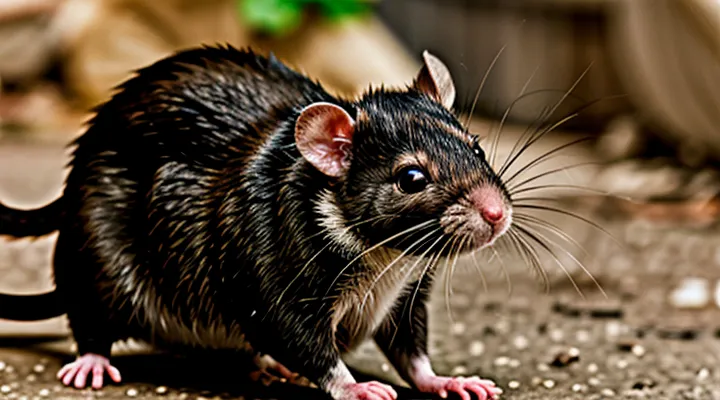
Understanding Rat Worms
Types of Worms Affecting Rats
«Nematodes»
Nematodes represent a major group of parasitic helminths that frequently infest laboratory and wild rats. Infection typically manifests as gastrointestinal disturbance, weight loss, and reduced reproductive performance. Early detection relies on specific laboratory techniques; the most reliable methods include:
- Fecal flotation using saturated salt or zinc sulfate solutions to recover eggs.
- Direct smear examination for motile larvae in fresh feces.
- PCR assays targeting conserved ribosomal DNA regions for species‑level identification.
- Necropsy with intestinal mucosal scraping for adult worm recovery when post‑mortem analysis is required.
Treatment protocols combine anthelmintic pharmacotherapy with supportive care. Preferred agents are:
- Levamisole, administered orally at 2 mg/kg daily for three consecutive days; effective against most rodent nematodes but may cause transient neutropenia.
- Ivermectin, given subcutaneously at 0.2 mg/kg single dose; broad spectrum, rapid onset, but resistance has been reported in some populations.
- Pyrantel pamoate, mixed into feed at 10 mg/kg; useful for mass‑treatment scenarios, limited systemic absorption reduces toxicity risk.
Adjunct measures enhance therapeutic success: maintain clean bedding, implement regular fecal monitoring, and rotate anthelmintics to mitigate resistance development. In severe cases, supportive fluid therapy and nutritional supplementation help restore body condition while the parasite load declines.
«Cestodes»
Cestodes are tapeworms that frequently infest laboratory and wild rodents, including rats, and contribute to gastrointestinal disease and potential zoonotic transmission. The most prevalent species in rats are Hymenolepis nana, Hymenolepis diminuta, and Taenia taeniaeformis. Infection may cause weight loss, diarrhea, abdominal distension, and reduced reproductive performance, while heavy burdens can lead to intestinal obstruction and secondary bacterial infection.
Diagnostic procedures rely on detecting parasite stages in feces or tissues. Common methods include:
- Fecal flotation with saturated salt or zinc sulfate solutions to reveal eggs or proglottids.
- Sedimentation techniques for low‑density eggs.
- Enzyme‑linked immunosorbent assay (ELISA) targeting specific cestode antigens.
- Polymerase chain reaction (PCR) assays for species‑level identification.
- Post‑mortem examination of the small intestine and liver for adult worms and cysticerci.
Therapeutic regimens focus on anthelmintics with proven efficacy against cestodes. Recommended agents and dosages are:
- Praziquantel, 5 mg kg⁻¹ orally, single dose; repeat after 24 h if required.
- Niclosamide, 50 mg kg⁻¹ orally, single dose; effective for adult tapeworms.
- Albendazole, 10 mg kg⁻¹ orally, daily for three consecutive days; useful for mixed helminth infections.
Control strategies complement pharmacotherapy. Maintaining strict cage hygiene, eliminating intermediate hosts such as beetles and fleas, implementing quarantine for new arrivals, and regular fecal screening reduce infestation pressure and prevent reinfection.
«Trematodes»
Trematodes, also known as flukes, are a significant group of parasitic flatworms that can infect laboratory rats and impact experimental outcomes. Infection typically occurs through ingestion of contaminated water or intermediate hosts such as snails. Adult trematodes reside in specific organs—most commonly the liver, bile ducts, or intestines—where they cause tissue damage, inflammation, and altered metabolic profiles.
Clinical manifestations in rats include reduced weight gain, jaundice, hepatomegaly, and occasional diarrhea. Subclinical infections may persist, influencing immunological and pharmacological studies without obvious signs. Post‑mortem examination often reveals characteristic tegumental folds and oral suckers, while histopathology shows granulomatous reactions around the parasites.
Accurate diagnosis relies on a combination of methods:
- Fecal examination for characteristic eggs using sedimentation or flotation techniques.
- Serological assays (ELISA) detecting trematode‑specific antibodies.
- Molecular detection (PCR) targeting conserved ribosomal DNA sequences.
- Imaging modalities (ultrasound, MRI) to visualize hepatic lesions in live animals.
Effective treatment protocols include:
- Single‑dose praziquantel at 25 mg/kg body weight, administered orally.
- Repeat dosing after 24 hours for species with reduced drug susceptibility.
- Supportive therapy with hepatoprotective agents (e.g., silymarin) to mitigate liver damage.
- Environmental control measures: removal of snail habitats, water filtration, and strict sanitation to prevent reinfection.
Routine screening of rat colonies, combined with prompt therapeutic intervention, reduces trematode prevalence and preserves the integrity of biomedical research.
How Rats Contract Worms
«Environmental Factors»
Environmental conditions profoundly affect the prevalence and severity of helminth infections in rats. High humidity and moderate temperatures create an optimal environment for egg development and larval survival outside the host, increasing the likelihood of oral ingestion. Poor ventilation and overcrowded housing amplify aerosolized larval dispersal, facilitating rapid transmission among cage mates.
Key factors influencing infection dynamics include:
- Sanitation level – accumulation of feces or contaminated bedding provides a reservoir for infective stages.
- Diet composition – high-fiber feeds may reduce gastrointestinal transit time, limiting parasite establishment, whereas nutrient‑deficient diets can impair host immunity.
- Water quality – untreated water sources can harbor free‑living larvae or cysts, serving as a direct infection route.
- Stressors – temperature fluctuations, noise, or handling stress suppress immune responses, allowing latent infections to become clinically apparent.
These environmental variables directly impact diagnostic accuracy. For example, inadequate cleaning may yield false‑positive fecal examinations due to environmental contamination, while stress‑induced immunosuppression can mask early infection signs, delaying detection. Effective sampling protocols therefore require controlled housing conditions to differentiate true infection from environmental artifacts.
Treatment outcomes are similarly dependent on environmental management. Anthelmintic efficacy declines when reinfection is continuous; thus, eliminating sources of contamination—through regular cage changes, filtered water, and appropriate humidity control—is essential. Integrating environmental modifications with pharmacological regimens reduces recurrence rates and supports long‑term health of rat colonies.
«Dietary Habits»
Dietary patterns directly affect the prevalence and severity of intestinal helminths in rats, influencing both clinical signs and laboratory findings. Nutrient composition, feed storage, and feeding behavior determine exposure to infective stages and modulate host immunity.
Key dietary factors include:
- High‑fiber rations that promote rapid intestinal transit, reducing worm attachment time.
- Protein‑rich diets that support immune competence, limiting parasite establishment.
- Raw or uncooked meat and fish, which may contain larval stages of zoonotic nematodes.
- Contaminated grain or pelleted feed stored in humid conditions, fostering embryonation of eggs.
- Supplemental carbohydrates that can alter gut microbiota, indirectly affecting worm survival.
These habits impact diagnostic procedures. A diet that accelerates fecal output can increase the likelihood of detecting eggs in a single sample, while low‑fiber regimens may concentrate parasites, enhancing sensitivity of flotation techniques. Conversely, diets high in fat or certain fibers may interfere with coprological reagents, necessitating protocol adjustments.
Therapeutic outcomes depend on concurrent feeding strategies. Adequate protein intake improves anthelmintic absorption and supports tissue repair after parasite clearance. Reducing raw protein sources during treatment minimizes reinfection risk. Implementing a high‑fiber diet throughout therapy can enhance drug distribution by promoting uniform intestinal motility. Failure to modify feeding practices may lead to suboptimal drug concentrations, persistent infection, or development of resistance.
«Contact with Infected Animals»
Contact with infected animals represents a primary source of parasitic transmission to laboratory and pet rats. Direct interaction with rodents, ferrets, or wild mammals harboring helminths facilitates ingestion of embryonated eggs, larvae, or cysts. Contaminated bedding, feed, and water shared between species increase exposure risk, especially when cages are not sealed or when animals are housed in mixed‑species environments. Indirect contact through handlers who have touched infected animals without proper hygiene can also introduce parasites onto surfaces that rats later contact.
Effective control relies on systematic measures:
- Isolate rats from known infected species; maintain single‑species housing whenever possible.
- Implement barrier protection for feed and water containers to prevent contamination by droppings or vomitus of other animals.
- Enforce strict hand‑washing and glove protocols for personnel moving between animal groups.
- Conduct routine fecal examinations of all co‑habiting species to detect helminth presence early.
- Apply environmental decontamination with proven anthelmintic disinfectants after any suspected exposure.
Adherence to these practices limits parasite entry, supports accurate diagnosis, and enhances the efficacy of subsequent therapeutic interventions.
Recognizing Symptoms of Worm Infestation
«Behavioral Changes»
Parasitic worm infestations in rats frequently produce measurable alterations in activity, feeding, and social interaction. These changes provide early indicators of infection severity and guide therapeutic decisions.
Observed behavioral modifications include:
- Reduced locomotor activity, often recorded as shorter distance traveled in open‑field tests.
- Decreased voluntary food intake, leading to weight loss independent of metabolic effects.
- Increased thigmotaxis, reflected by a preference for peripheral zones in maze assays.
- Altered nesting behavior, such as incomplete or fragmented nest construction.
- Diminished social grooming and reduced frequency of conspecific contact.
Behavioral data complement laboratory diagnostics by revealing subclinical disease stages before hematological abnormalities appear. Quantitative scoring systems correlate specific patterns with worm burden, enabling targeted sampling for fecal egg detection or serological assays.
Effective treatment regimens restore normal activity levels within days of anthelmintic administration. Monitoring behavioral parameters post‑therapy confirms drug efficacy and detects potential reinfection, supporting ongoing health management in research colonies.
«Physical Manifestations»
Physical manifestations of helminth infestations in rats provide the most immediate evidence of infection and guide clinical decision‑making. Observable changes affect both the integumentary system and internal organs, often reflecting parasite load and species involved.
- Dull, coarse coat; hair loss in localized patches, especially around the perianal region.
- Weight loss despite adequate food intake; reduced body condition score.
- Abdominal distension caused by intestinal enlargement or fluid accumulation.
- Diarrhea ranging from soft stools to watery feces, sometimes containing blood or visible parasites.
- Anemia evident by pale mucous membranes and lethargy, particularly with blood‑feeding nematodes.
Internally, necropsy or imaging may reveal:
- Thickened intestinal walls with mucosal ulceration, characteristic of strongylid infections.
- Focal granulomas in the liver or lungs, indicating migrating larval stages of tissue‑invasive species.
- Enlarged mesenteric lymph nodes, reflecting immune response to chronic parasitism.
- Presence of adult worms or larvae in the gastrointestinal tract, bile ducts, or pulmonary alveoli, confirming species identification.
Severity of these signs correlates with parasite burden; mild coat changes may precede systemic effects such as hypoalbuminemia, electrolyte imbalance, and impaired growth. Early recognition of physical manifestations enables timely therapeutic intervention, reduces morbidity, and prevents transmission within colonies.
«Gastrointestinal Signs»
Rats infested with gastrointestinal helminths frequently exhibit distinct digestive disturbances that aid early detection. Common manifestations include:
- Diarrhea, often intermittent and ranging from soft to watery consistency.
- Reduced stool bulk and occasional presence of mucus or blood.
- Abdominal distension caused by gas accumulation or parasite load.
- Decreased appetite leading to weight loss despite unchanged food availability.
- Altered feeding behavior, such as selective nibbling or increased water consumption.
These signs result from mucosal irritation, nutrient malabsorption, and inflammatory responses triggered by adult worms and larval migration. Persistent diarrhea and weight loss correlate with heavy infestations, while mild cases may present only subtle changes in fecal consistency. Observation of these gastrointestinal indicators, combined with fecal flotation or PCR testing, enables accurate diagnosis and informs targeted anthelmintic therapy.
Diagnosis and Treatment Approaches
Diagnostic Procedures
«Fecal Examination»
Fecal examination is a primary diagnostic tool for detecting intestinal helminths in laboratory and pet rodents. Fresh feces are collected directly from the cage or from the animal’s abdomen using a clean, disposable spatula. Samples should be placed in a sealed container, kept at 4 °C, and processed within 24 hours to preserve egg viability.
The examination employs two complementary techniques:
- Direct smear – a small amount of feces is mixed with a drop of saline on a glass slide, covered with a cover slip, and examined under low magnification. This method reveals motile larvae and adult worms.
- Flotation – feces are mixed with a high‑specific‑gravity solution (e.g., zinc sulfate, specific gravity 1.18–1.20). After centrifugation, eggs rise to the surface and are collected on a cover slip for microscopic identification. Flotation enhances recovery of light eggs such as those of Hymenolepis spp. and Syphacia spp.
- Sedimentation – a water‑based suspension is centrifuged at low speed, allowing heavy eggs (e.g., Trichuris muris) to settle. The sediment is examined directly.
Interpretation focuses on egg morphology, size, and shell characteristics to differentiate species. Common findings include:
- Syphacia muris – oval eggs, 55–65 µm, with a thin shell.
- Hymenolepis nana – spherical eggs, 30–40 µm, with polar filaments.
- Trichuris muris – barrel‑shaped eggs, 70–80 µm, with bipolar plugs.
Quantitative results are expressed as eggs per gram (EPG) using a McMaster chamber or similar counting device. Thresholds for treatment vary by parasite load, animal age, and colony health status. High EPG values typically trigger anthelmintic therapy, while low counts may be monitored.
Quality control measures include using known positive controls, verifying solution specific gravity, and ensuring consistent slide preparation. Repeated examinations at two‑week intervals confirm treatment efficacy and detect reinfection.
«Blood Tests»
Blood tests provide essential laboratory data for confirming parasitic infections in laboratory rats and guiding therapeutic choices. A complete blood count (CBC) is the first line of assessment; increased eosinophil percentages and total leukocyte counts often indicate helminthic activity. Differential counts that reveal eosinophilia above 10 % of white blood cells suggest systemic response to tissue‑migrating larvae.
Serological assays detect specific antibodies against common nematodes, trematodes, and cestodes. Enzyme‑linked immunosorbent assays (ELISA) and indirect fluorescent antibody tests (IFAT) deliver quantitative titers that correlate with infection intensity. Positive serology, combined with eosinophilia, strengthens the diagnosis when fecal examinations are inconclusive.
Molecular diagnostics amplify parasite DNA from whole‑blood samples. Real‑time polymerase chain reaction (qPCR) panels target conserved ribosomal regions of Trichinella, Hymenolepis, and Syphacia species, delivering species‑level identification within hours. qPCR results inform drug selection, as some anthelmintics exhibit variable efficacy across taxa.
Biochemical profiles identify organ dysfunction secondary to parasitism. Elevated alanine transaminase (ALT) and aspartate transaminase (AST) indicate hepatic involvement, while increased blood urea nitrogen (BUN) and creatinine suggest renal compromise. These parameters help determine dosage adjustments for hepatically or renally cleared medications.
Interpretation guidelines:
- Eosinophil count > 10 % → likely helminth infection.
- Serology titer ≥ 1:400 (ELISA) → active exposure; repeat testing after treatment to assess seroconversion.
- Positive qPCR for species X → initiate drug Y specific to X.
- ALT/AST > 2 × upper reference → consider dose reduction of hepatically metabolized anthelmintics.
Sampling considerations include using heparinized tubes for CBC, serum separator tubes for serology, and EDTA tubes for molecular assays. Samples should be processed within two hours to preserve cell morphology and nucleic acid integrity.
Limitations: eosinophilia may arise from non‑parasitic inflammation; serology cannot distinguish past from current infection without paired acute‑convalescent samples; qPCR sensitivity declines when parasitemia is low. Combining multiple test modalities mitigates individual shortcomings and enhances diagnostic confidence.
«Imaging Techniques»
Imaging provides non‑invasive visualization of helminthic lesions in laboratory rodents, enabling accurate staging and monitoring of therapeutic response. Conventional radiography detects calcified nematode ova and obstructive patterns in the gastrointestinal tract; its rapid acquisition and low cost suit initial screening, while limited soft‑tissue contrast restricts detection of early infestations.
Ultrasound offers real‑time assessment of abdominal organs, revealing hyperechoic larvae clusters, fluid‑filled cysts, and motile parasites in the liver or mesenteric lymph nodes. High‑frequency probes enhance resolution for small‑animal studies, though operator dependency influences reproducibility.
Computed tomography delivers three‑dimensional reconstruction of dense parasite structures and associated tissue remodeling. Contrast‑enhanced CT delineates vascular involvement and differentiates inflammatory masses from viable worms, supporting surgical planning when required.
Magnetic resonance imaging supplies superior soft‑tissue contrast, identifying edema, granulomatous reactions, and parasite migration pathways without ionizing radiation. T2‑weighted sequences highlight fluid‑filled tracts, while diffusion‑weighted imaging quantifies cellular density changes during treatment.
Positron emission tomography, combined with CT or MRI, quantifies metabolic activity of inflammatory foci surrounding parasites. Radiotracers such as ^18F‑FDG correlate with host immune response, facilitating evaluation of antiparasitic efficacy.
Key characteristics of each modality:
- Radiography: fast, inexpensive; limited to calcified structures.
- Ultrasound: real‑time, portable; operator‑dependent, limited depth.
- CT: high spatial resolution, 3D mapping; radiation exposure.
- MRI: excellent soft‑tissue contrast, no radiation; longer scan times.
- PET/CT or PET/MRI: functional assessment of inflammation; costly, requires radiotracers.
Selection of an imaging protocol depends on the parasite species, anatomical location, and stage of infection. Combining anatomical and functional techniques maximizes diagnostic yield and guides precise therapeutic interventions.
«Post-Mortem Analysis»
Post‑mortem examination provides definitive confirmation of helminth infection in laboratory rodents and clarifies disease mechanisms that may not be evident during live testing. Tissue collection follows a standardized sequence: abdominal cavity opened, gastrointestinal tract removed intact, liver, lungs, and spleen sampled, and any visible parasites retrieved. Organs are fixed in neutral‑buffered formalin for histopathology, while fresh samples are frozen for molecular assays.
Microscopic evaluation distinguishes adult worms, larval stages, and ova. Hematoxylin‑eosin staining reveals inflammatory infiltrates, granulomas, and tissue destruction adjacent to parasites. Special stains (e.g., periodic acid‑Schiff) enhance detection of cuticular structures. Immunohistochemistry, when available, identifies specific species by targeting surface antigens.
Molecular techniques complement morphology. DNA extracted from frozen tissue undergoes PCR amplification of conserved ribosomal regions, followed by sequencing to achieve species‑level identification. Quantitative PCR estimates parasite burden, supporting correlation with clinical observations.
Data gathered during necropsy inform therapeutic efficacy. Comparison of worm counts and lesion severity between treated and control groups quantifies drug impact. Documentation of unexpected findings, such as co‑infection with bacterial agents, guides adjustments to experimental protocols.
Key steps in post‑mortem analysis:
- Systematic organ removal and parasite recovery
- Formalin fixation for histology, freezing for molecular work
- Morphological identification using standard and special stains
- PCR‑based species confirmation and load quantification
- Correlation of pathological findings with treatment outcomes
Accurate necropsy results underpin reliable conclusions about antiparasitic interventions in rodent models.
Treatment Options
«Anthelmintic Medications»
Anthelmintic medications constitute the primary pharmacologic approach for eliminating gastrointestinal nematodes in laboratory rats. Effective control relies on selecting agents with proven activity against the specific helminth species identified during parasitological assessment.
Commonly employed compounds include:
- Benzimidazoles (e.g., fenbendazole, albendazole): disrupt microtubule formation, leading to parasite immobilization and death. Typical dosage ranges from 50 to 100 mg/kg body weight, administered orally for three consecutive days.
- Macrocyclic lactones (e.g., ivermectin, moxidectin): bind glutamate‑gated chloride channels, causing paralysis. Recommended dose is 0.2 mg/kg, delivered subcutaneously or orally as a single treatment.
- Pyrantel pamoate: acts as a nicotinic acetylcholine receptor agonist, inducing spastic paralysis. Standard dose is 5 mg/kg, given orally in a single dose.
- Levamisole: antagonizes nicotinic receptors, producing flaccid paralysis. Effective at 2 mg/kg, administered orally or via drinking water for two days.
Selection criteria:
- Identify the worm species through fecal flotation or necropsy.
- Review the drug’s spectrum of activity to ensure coverage of the target parasite.
- Consider the rat’s age, weight, and reproductive status; some agents are contraindicated in pregnant or lactating animals.
- Evaluate the risk of resistance; rotate classes when recurrent infections are documented.
Administration routes are limited to oral gavage, incorporation into feed or water, and subcutaneous injection. Oral delivery provides the most consistent systemic exposure, while subcutaneous injection ensures rapid absorption for macrocyclic lactones.
Safety monitoring includes:
- Observation for signs of neurotoxicity (tremors, ataxia) after macrocyclic lactone use.
- Assessment of gastrointestinal tolerance following benzimidazole therapy.
- Periodic fecal examinations to confirm eradication and detect residual infection.
Resistance management:
- Rotate between benzimidazoles and macrocyclic lactones annually.
- Implement environmental control measures (clean cages, rodent-proof feed storage) to reduce reinfection pressure.
Accurate dosing, appropriate drug choice, and systematic follow‑up constitute the cornerstone of successful anthelmintic therapy in rat colonies.
«Supportive Care»
Supportive care is essential for maintaining the health of rats infected with gastrointestinal helminths while specific antiparasitic therapy takes effect. Adequate hydration prevents dehydration caused by diarrhoea and malabsorption; isotonic crystalloid solutions administered subcutaneously or intravenously should be titrated to individual fluid losses. Electrolyte balance is maintained by supplementing potassium, sodium, and bicarbonate as indicated by serum analysis.
Nutritional support mitigates weight loss and promotes recovery. High‑calorie, easily digestible diets—such as pelleted formulas enriched with protein and fat—are offered in small, frequent meals. If oral intake is insufficient, enteral feeding tubes provide continuous nutrient delivery. Supplemental vitamins (A, D, E, and B‑complex) and trace minerals support immune function and tissue repair.
Pain and inflammation are managed with non‑steroidal anti‑inflammatory drugs or opioids, dosed according to species‑specific guidelines. Environmental conditions—temperature, humidity, and bedding quality—are optimized to reduce stress and encourage normal activity. Continuous monitoring includes daily weight measurement, fecal egg counts, and observation of stool consistency; any deviation prompts adjustment of fluid, analgesic, or nutritional regimens.
Key elements of supportive management:
- Fluid therapy (crystalloid, electrolyte supplementation)
- Targeted nutrition (high‑energy diet, supplemental vitamins/minerals)
- Analgesia (NSAIDs or opioids)
- Environmental optimization (temperature, humidity, bedding)
- Regular clinical monitoring (weight, fecal analysis, stool assessment)
Implementation of these measures stabilizes the host, enhances the efficacy of antiparasitic drugs, and reduces mortality associated with helminth infections in laboratory rats.
«Environmental Decontamination»
Environmental decontamination is essential for controlling helminth infestations in laboratory and pet rat colonies. Effective decontamination reduces the risk of reinfection after therapeutic intervention and limits the spread to other animals or personnel.
Sanitation protocols begin with removal of organic debris, which shelters eggs and larvae. Surfaces should be scrubbed with detergent, rinsed, and then disinfected using agents proven to inactivate nematode stages. Recommended disinfectants include 0.5 % sodium hypochlorite, 2 % formaldehyde, or phenolic compounds applied for a contact time of at least 30 minutes. For cage material resistant to corrosion, quaternary ammonium compounds at manufacturer‑specified concentrations provide a safer alternative.
Environmental monitoring confirms the efficacy of cleaning measures. A standard approach involves:
- Collecting swab samples from cage floors, feeding trays, and water bottles after disinfection.
- Processing samples with flotation or sedimentation techniques to detect residual eggs.
- Recording quantitative results and adjusting protocols if contamination exceeds 1 % of the detection threshold.
Ventilation systems must be inspected regularly, as aerosolized eggs can persist in dust. HEPA filtration combined with routine filter replacement reduces airborne load. Bedding should be replaced weekly; biodegradable substrates are preferable because they decompose rapidly, limiting egg survival.
Chemical decontamination must be complemented by physical methods. Autoclaving cages and accessories at 121 °C for 30 minutes destroys all developmental stages of common rat helminths. For items unsuitable for heat, dry heat ovens set to 160 °C for 2 hours achieve comparable results.
Documentation of each decontamination cycle, including disinfectant type, concentration, exposure time, and monitoring outcomes, creates a traceable record. This record facilitates audit compliance and informs future adjustments to the sanitation program.
Prevention Strategies
«Hygiene and Sanitation»
Effective control of parasitic infestations in laboratory rats depends on rigorous hygiene and sanitation protocols. Contamination sources include bedding, feed, water, and equipment that contact infected animals. Regular removal of soiled bedding, immediate disposal of fecal material, and sterilization of cages interrupt transmission cycles.
Key hygiene practices:
- Replace bedding daily or at minimum every 48 hours; use autoclave‑compatible materials.
- Provide fresh water from a closed‑system dispenser; disinfect lines weekly with approved biocides.
- Store feed in sealed containers; inspect for moisture or mold before distribution.
- Wear disposable gloves and dedicated lab coats when handling cages; change gloves between units.
- Perform hand hygiene with antimicrobial soap before and after each animal contact.
Sanitation measures reinforce these practices:
- Autoclave all reusable equipment (e.g., water bottles, feeding tubes) at 121 °C for 30 minutes.
- Clean surfaces with a 10 % bleach solution, allow a 10‑minute contact time, then rinse with distilled water.
- Implement a quarantine period for newly acquired rats; test fecal samples using flotation techniques before integration.
- Maintain a schedule for deep cleaning of animal rooms, including ventilation ducts and floor drains, to prevent biofilm formation.
Adherence to these procedures reduces worm load, supports accurate diagnostic results, and facilitates effective therapeutic interventions.
«Dietary Management»
Effective dietary management reduces worm burden and supports recovery in infected rats. Nutrient composition influences parasite survival and host immunity, making precise feed selection a critical component of therapeutic protocols.
- High‑protein diets (≥18 % crude protein) enhance mucosal repair and stimulate immune cell proliferation.
- Low‑fat formulations (≤5 % crude fat) limit lipid‑dependent parasite development.
- Inclusion of soluble fiber (e.g., beet pulp, oat bran) at 5–10 % of the diet promotes gut motility and facilitates expulsion of adult worms.
- Supplementation with vitamin A (5 000 IU/kg) and zinc (80 ppm) improves epithelial integrity and antimicrobial defenses.
- Probiotic blends containing Lactobacillus spp. (≥10⁸ CFU/g) restore microbial balance disrupted by parasitic invasion.
Feed should be administered in small, frequent meals to prevent excessive gastric distension, which can impair peristalsis. Water must remain clean and chlorinated to avoid secondary bacterial infections. Monitor body condition score weekly; a decline of more than one point warrants adjustment of protein and micronutrient levels.
Transition to a maintenance diet after parasite clearance should retain the elevated fiber and probiotic components for at least four weeks to prevent reinfestation. Regular fecal examinations confirm the efficacy of dietary interventions and guide further nutritional modifications.
«Quarantine Protocols»
Effective isolation of rodent colonies suspected of helminth infection requires a defined quarantine period, strict environmental control, and systematic health monitoring. Upon arrival, each animal must be housed in a dedicated containment unit separated from the main colony, with independent ventilation and waste management systems to prevent cross‑contamination.
Key components of the quarantine program include:
- Initial screening: fecal flotation or PCR testing performed within 24 hours of receipt to detect ova or DNA of common gastrointestinal nematodes.
- Serial examinations: repeat diagnostics at 7‑day intervals for a minimum of three consecutive tests to confirm negative status.
- Environmental decontamination: thorough cleaning of cages, bedding, and equipment using approved disinfectants effective against resistant parasite stages; all surfaces must be dried before reuse.
- Personnel protocols: dedicated protective apparel, hand hygiene, and restricted movement between quarantine and main facilities; equipment must not be shared without proper sterilization.
- Record keeping: detailed logs of test results, treatment regimens, and any observed clinical signs, maintained for the entire isolation duration.
If any test returns positive, immediate treatment with a validated anthelmintic regimen is initiated, followed by a re‑assessment cycle identical to the initial screening schedule. Only after achieving three consecutive negative results may the animal be transferred to the primary colony, where ongoing health surveillance continues as part of routine disease management. This structured approach minimizes the risk of introducing parasitic agents into established rodent populations and supports reliable experimental outcomes.
Potential Complications of Untreated Infestations
«Nutritional Deficiencies»
Parasitic helminths in rats often cause malabsorption that translates into measurable nutrient deficits. The infection compromises intestinal integrity, reduces digestive enzyme activity, and accelerates nutrient loss through the feces.
Typical deficiencies observed in infested rats include:
- Reduced protein intake reflected by low serum albumin and total protein.
- Iron depletion leading to microcytic anemia.
- Vitamin A deficiency manifested by impaired vision and epithelial integrity.
- Vitamin B12 shortage associated with neurological signs.
- Thiamine (vitamin B1) reduction causing reduced appetite and weight loss.
Diagnostic clues for nutritional impairment consist of:
- Progressive weight loss despite adequate feed provision.
- Hematocrit below normal reference ranges, indicating anemia.
- Serum albumin concentrations under 2.5 g/dL.
- Elevated fecal fat content, confirming steatorrhea.
Effective management combines anthelmintic therapy with targeted nutritional support. Recommended actions are:
- Administer a broad‑spectrum dewormer according to established dosing protocols.
- Provide a high‑protein diet (≥20 % crude protein) to restore nitrogen balance.
- Supplement iron orally or via injection until hemoglobin normalizes.
- Add fat‑soluble vitamin concentrates, emphasizing vitamin A at 5,000 IU/kg feed.
- Include thiamine and cobalamin supplements (10 mg/kg and 0.5 mg/kg, respectively) for rapid correction.
Monitoring should include weekly weight measurements, biweekly blood panels, and fecal examinations to verify parasite clearance and nutritional recovery.
«Organ Damage»
Parasitic helminths frequently invade laboratory rats, producing lesions that compromise vital organs. Direct tissue penetration, inflammatory response, and toxin release generate structural and functional impairment.
- Liver: granulomatous nodules, fibrosis, cholestasis.
- Lungs: interstitial pneumonitis, hemorrhage, impaired gas exchange.
- Intestines: villous atrophy, ulceration, obstruction.
- Kidneys: glomerular inflammation, tubular necrosis, proteinuria.
- Heart: myocarditis, pericardial effusion, arrhythmias.
- Central nervous system: encephalitis, meningitis, focal necrosis.
Clinical signs reflect the underlying organ injury: jaundice and ascites for hepatic involvement; tachypnea and cyanosis for pulmonary damage; weight loss, diarrhea, and abdominal distension for gastrointestinal lesions; oliguria and edema for renal failure; lethargy, tremor, or seizures for neurological compromise.
Diagnostic work‑up combines imaging, laboratory parameters, and tissue analysis. Ultrasonography and radiography identify organ enlargement, effusions, or calcifications. Serum biochemistry reveals elevated transaminases, creatinine, or inflammatory markers. Fecal examinations confirm worm presence, while histopathology of biopsied tissue documents lesion type and severity.
Therapeutic protocols target the parasites and the damaged organs. Broad‑spectrum anthelmintics (e.g., ivermectin, benzimidazoles) eradicate adult worms and larvae. Concurrent administration of hepatoprotective agents, diuretics, or renal support mitigates organ-specific dysfunction. Anti‑inflammatory drugs reduce cytokine‑mediated injury, and ventilatory support addresses severe pulmonary compromise. Regular monitoring of organ function guides dosage adjustments and predicts recovery trajectory.
«Secondary Infections»
Secondary infections frequently accompany intestinal helminthiasis in laboratory and wild rodents. The presence of migrating larvae or adult worms disrupts mucosal integrity, creating portals for bacterial, fungal, and viral agents. Common opportunistic pathogens include Salmonella species, Clostridium perfringens, Staphylococcus aureus, and Pseudomonas aeruginosa; fungi such as Candida species also proliferate in compromised gut environments.
Diagnostic considerations
- Fecal culture for aerobic and anaerobic bacteria when diarrhea or systemic signs develop.
- Blood smear and serum biochemistry to detect leukocytosis, elevated acute‑phase proteins, and organ dysfunction.
- Polymerase chain reaction (PCR) panels targeting specific bacterial virulence genes or fungal ITS regions.
- Imaging (ultrasound or radiography) to identify abscesses, peritonitis, or pulmonary infiltrates secondary to translocation.
Therapeutic approach
- Initiate broad‑spectrum antimicrobial therapy based on culture and sensitivity results; consider combination regimens for mixed flora.
- Employ antifungal agents (e.g., fluconazole or itraconazole) when fungal isolates are confirmed.
- Supportive care includes fluid therapy, electrolyte correction, and nutritional supplementation to restore barrier function.
- Re‑evaluate parasitic treatment schedule to ensure complete eradication, reducing ongoing mucosal damage.
- Implement environmental sanitation and quarantine to prevent cross‑infection among colony members.
Monitoring includes daily clinical assessment, repeat microbiological sampling, and adjustment of antimicrobial spectrum as resistance patterns emerge. Effective control of secondary infections relies on prompt identification, targeted pharmacotherapy, and concurrent resolution of the underlying helminth infestation.